
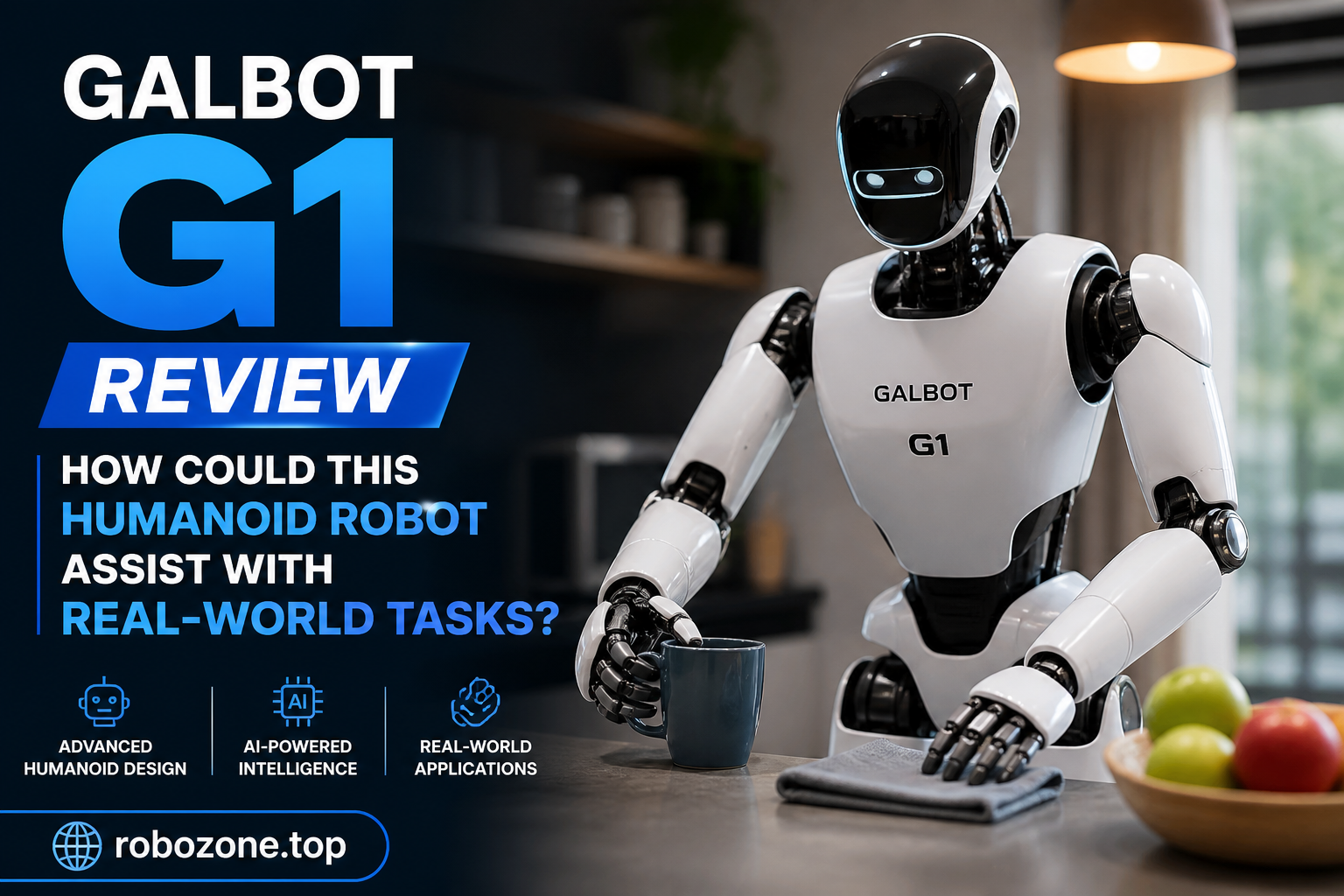
In an era where the lines between science fiction and reality blur like never before, humanoid robots are emerging as pivotal players on the technological stage. As industries across the world grapple with challenges and strive for efficiency, humanoid robots like the Galbot G1 offer intriguing possibilities.
But what is it that makes the Galbot G1 stand out? More importantly, how can it be a meaningful participant in real-world scenarios? Let’s take a deeper dive into this state-of-the-art marvel and explore its practical potential.
What is the Galbot G1?
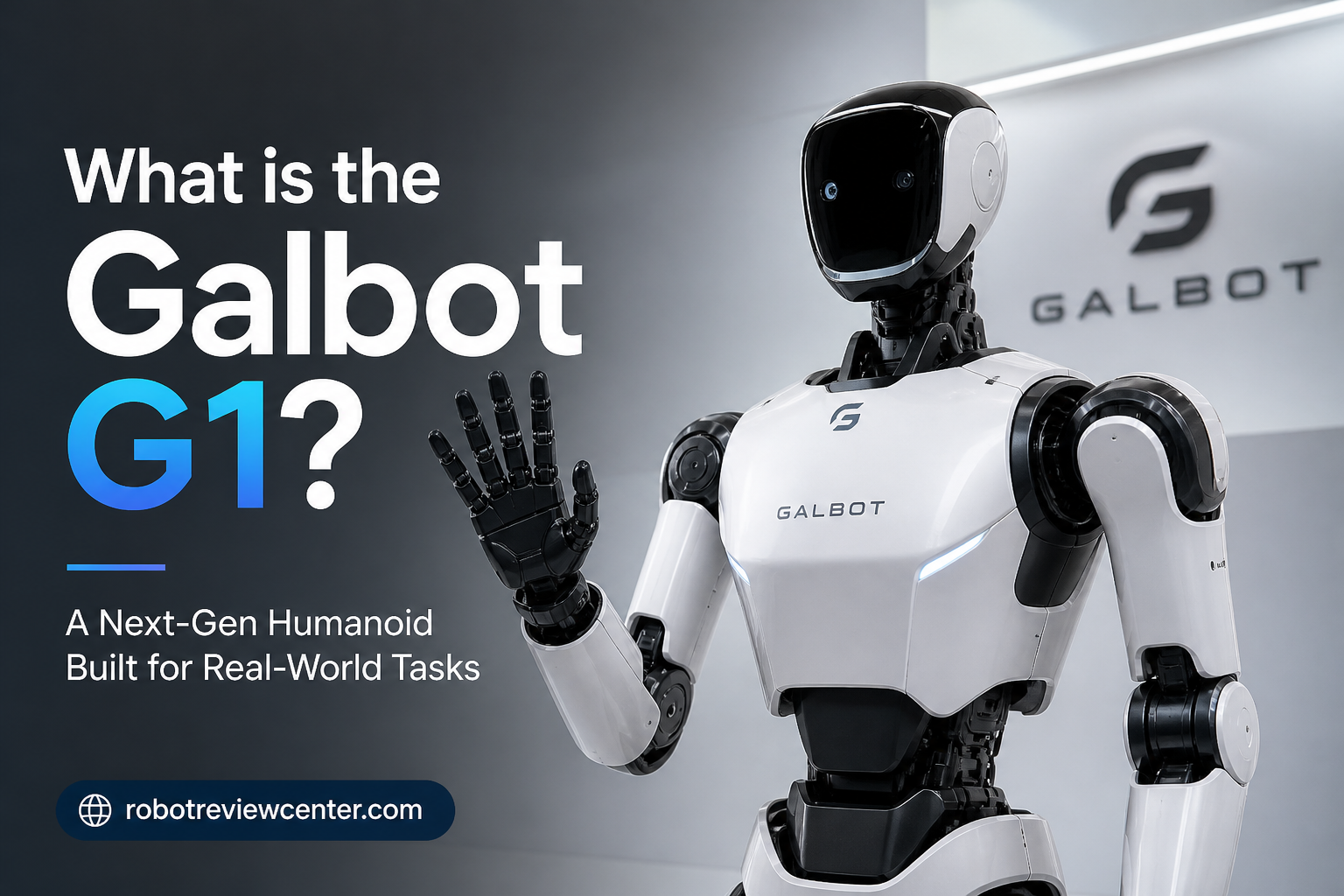
In a nutshell, the Galbot G1 is a humanoid robot specifically engineered to mirror human actions and undertake tasks that were once the sole domain of people. Galbot Robotics Inc., the brains behind this fascinating machine, has designed it with flexibility and adaptability in mind. The ultimate goal here is to create a robot that doesn’t just mimic human behavior but one that can seamlessly integrate into human environments, making everyday activities more efficient.
Galbot G1 is equipped with cutting-edge sensors and AI systems, akin to an onboard processing powerhouse. It’s no surprise given that integrating multiple layers of intelligence and perception aids it in effectively interpreting the surroundings. This ability to ‘see’ and ‘understand’ its environment is what sets Galbot G1 apart from conventional robots, turning mundane environments into dynamic spaces where it can navigate and operate autonomously.
Technical Identity of Galbot G1
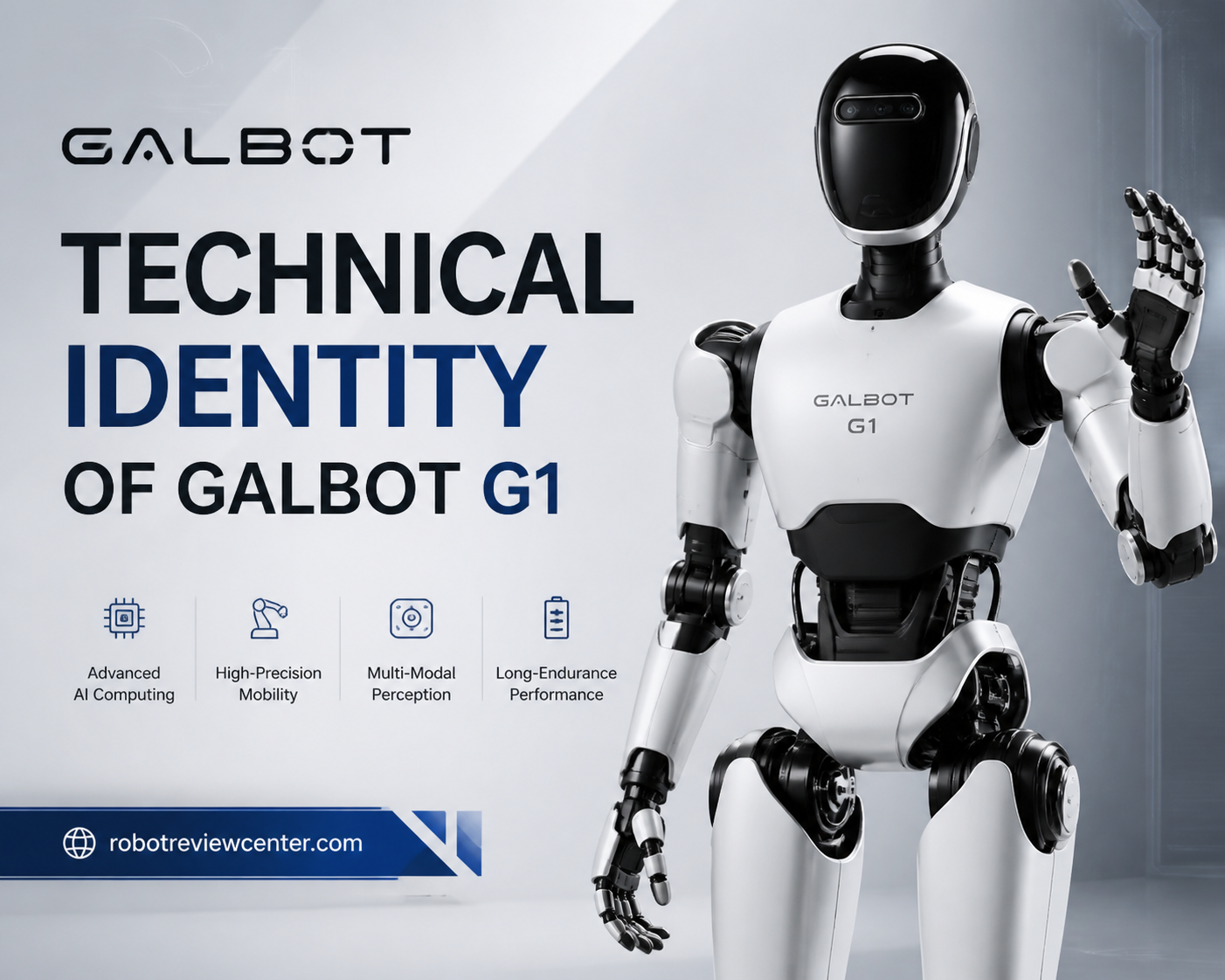
Before we proceed to its capabilities and applications, let’s identify its technical specifications, grounding us in what precisely we are analyzing. As of its latest iteration in 2025, the Galbot G1 stands at a height of 175 cm with a weight of approximately 70 kg. Boasting 52 degrees of freedom (DoF), it adeptly mirrors human-like flexibility—allowing fluid movement in arms, legs, waist, and even fingers. Intriguingly, each fingertip includes tactile sensors allowing for nuanced touch sensitivity akin to human fingers.
The robot’s computational brains are powered by advanced iterations of NVIDIA’s GPUs along with CPUs from AMD, rendering unparalleled processing capabilities that drive both AI tasks and real-time decision-making processes. Like its peers, the Galbot G1 relies heavily on a combination of RGB cameras and LiDAR for spatial awareness—a crucial component for any autonomous humanoid.
Real-World Applications of Galbot G1
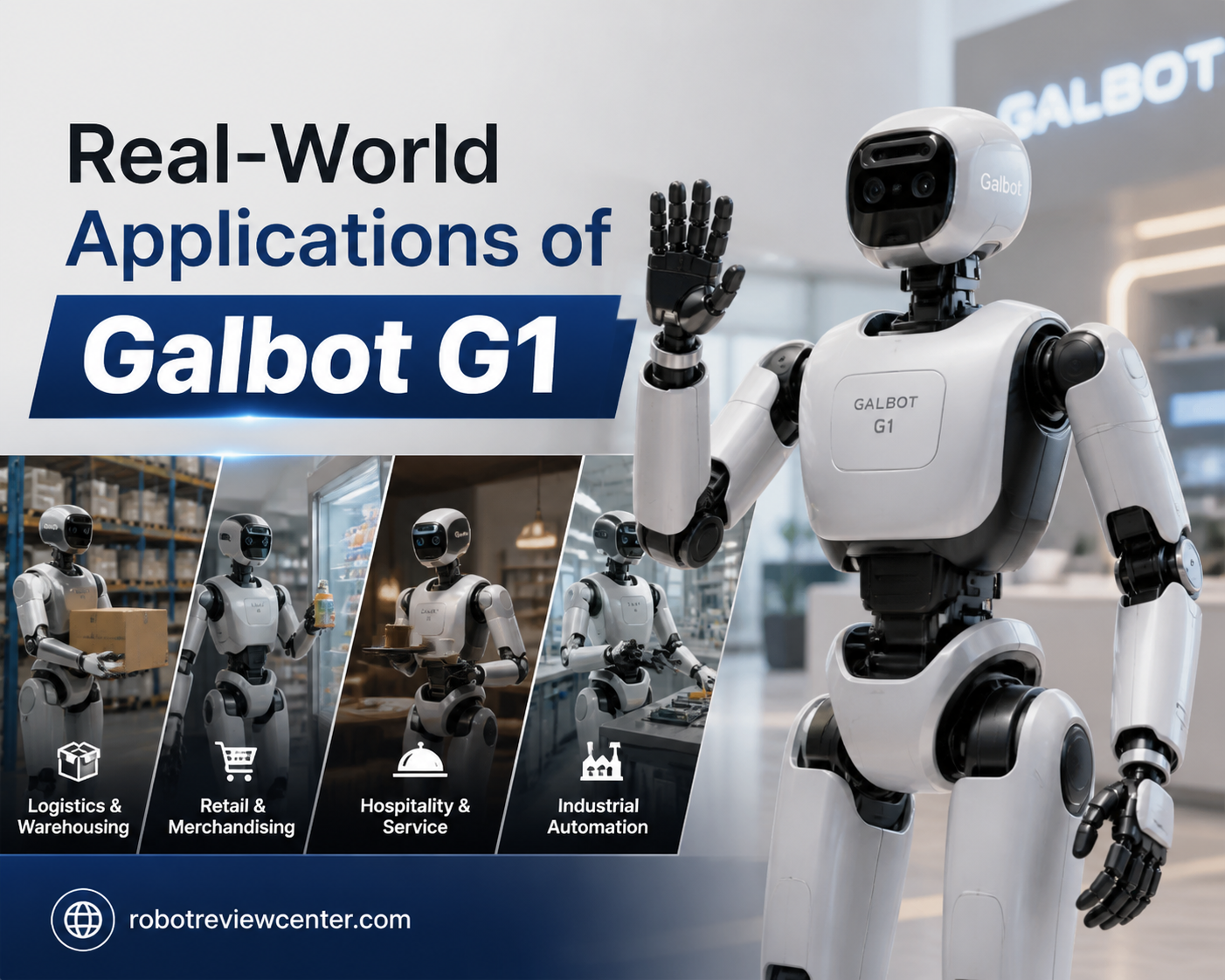
The applications of the Galbot G1 span a wide spectrum, offering assistance in multiple domains. In industrial settings, the G1 has been tested in pilot environments to perform complex assembly tasks involving precision similar to human dexterity. In healthcare, its ability to undertake repetitive tasks with consistent accuracy makes it a potential candidate for assisting with medication management and even companionship for elderly patients.
A domestic sphere application would see the Galbot G1 acting as a digital butler, easing the burden of household chores, and even providing company through seamless human-robot interaction thanks to its speech recognition systems.
As of now, Galbot Robotics claims successful pilot deployments in select manufacturing plants, but independent verification remains sparse. Ensuring commercial readiness will require rigorous testing through more widespread deployments to gain crucial feedback and refinement.
Brain and Compute: AI at Its Core
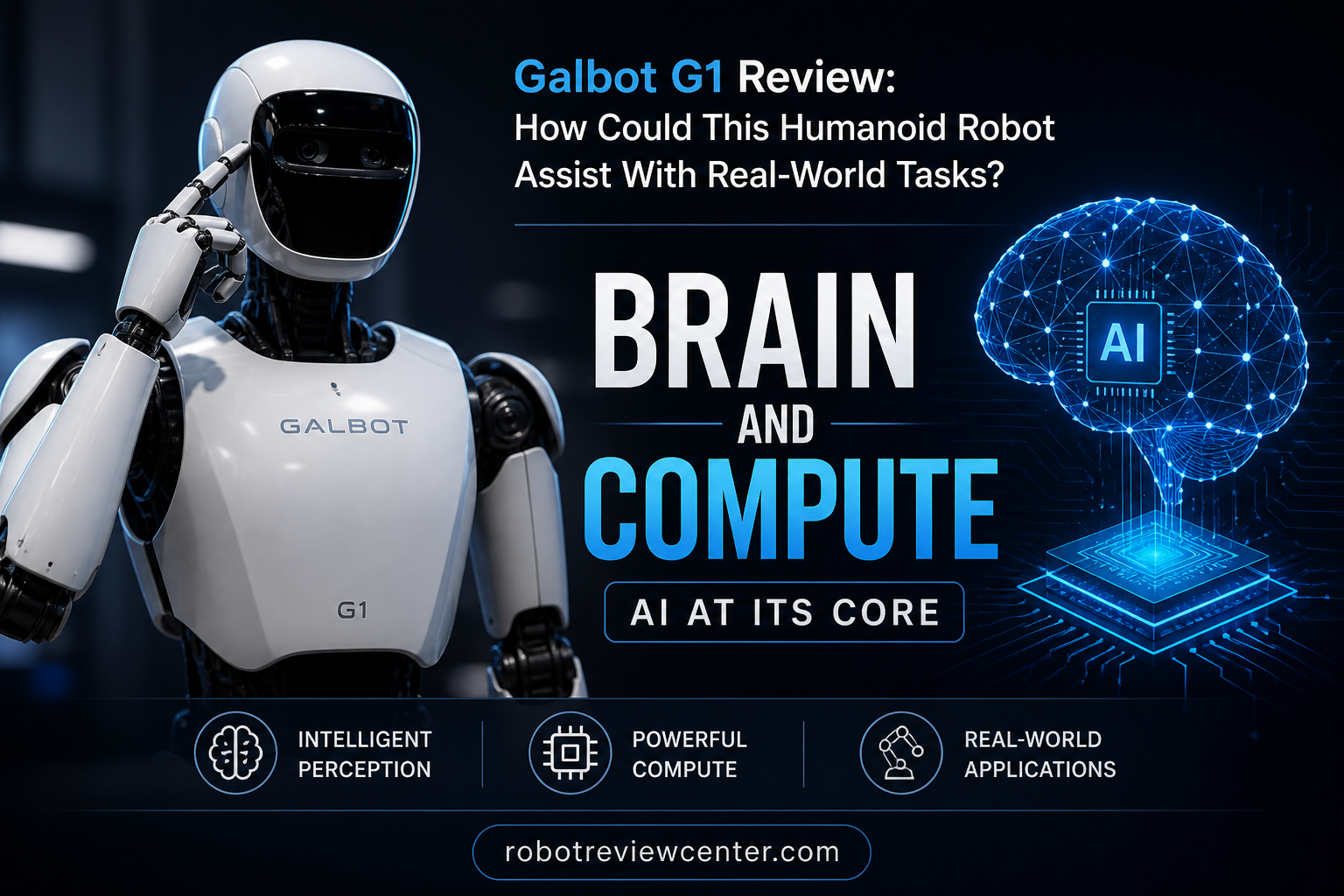
In many ways, the Galbot G1 represents a new frontier for AI in robotics. It’s not enough for the G1 to simply function like a machine; it requires an AI capable of understanding and learning from its environment. The NVIDIA-powered AI infrastructure allows for real-time data processing, enhancing both decision-making and the robot’s ability to perform complex tasks.
At the heart of its AI system is a hybrid model incorporating reinforcement learning and imitation learning. These models enable the G1 to recognize patterns, learn efficiently from interactions, and apply this knowledge to future tasks. Combine this with a significant memory capacity, and Galbot G1 remains ready to handle a multitude of situations with intuitive adaptability.
Vision and Spatial Intelligence
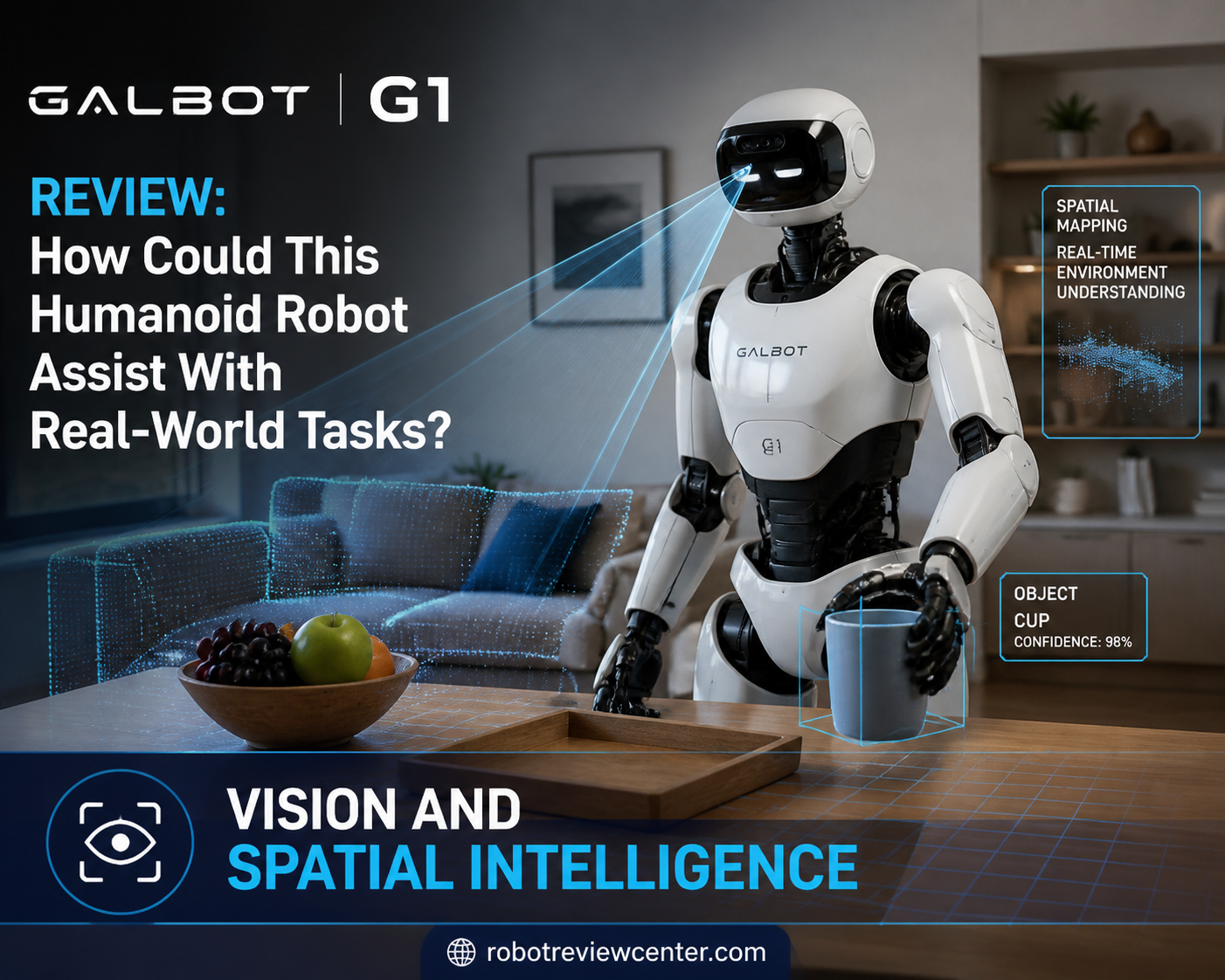
The G1’s vision system is akin to a set of extremely observant eyes. By utilizing both RGB and depth cameras, complemented by LiDAR technology, the G1 doesn’t just ‘see’ but grasps a multi-dimensional map of its surroundings. This ability to perceive not just objects but the spatial relationships between them is critical for avoiding obstacles, navigating around human-centric environments, and effecting precise manipulations.
Moreover, its SLAM (Simultaneous Localization and Mapping) capabilities ensure reliable navigation in unstructured or unforeseen settings—a vital feature for any mobile robot aiming to operate autonomously without external guidance.
The Importance of Hands and Manipulation
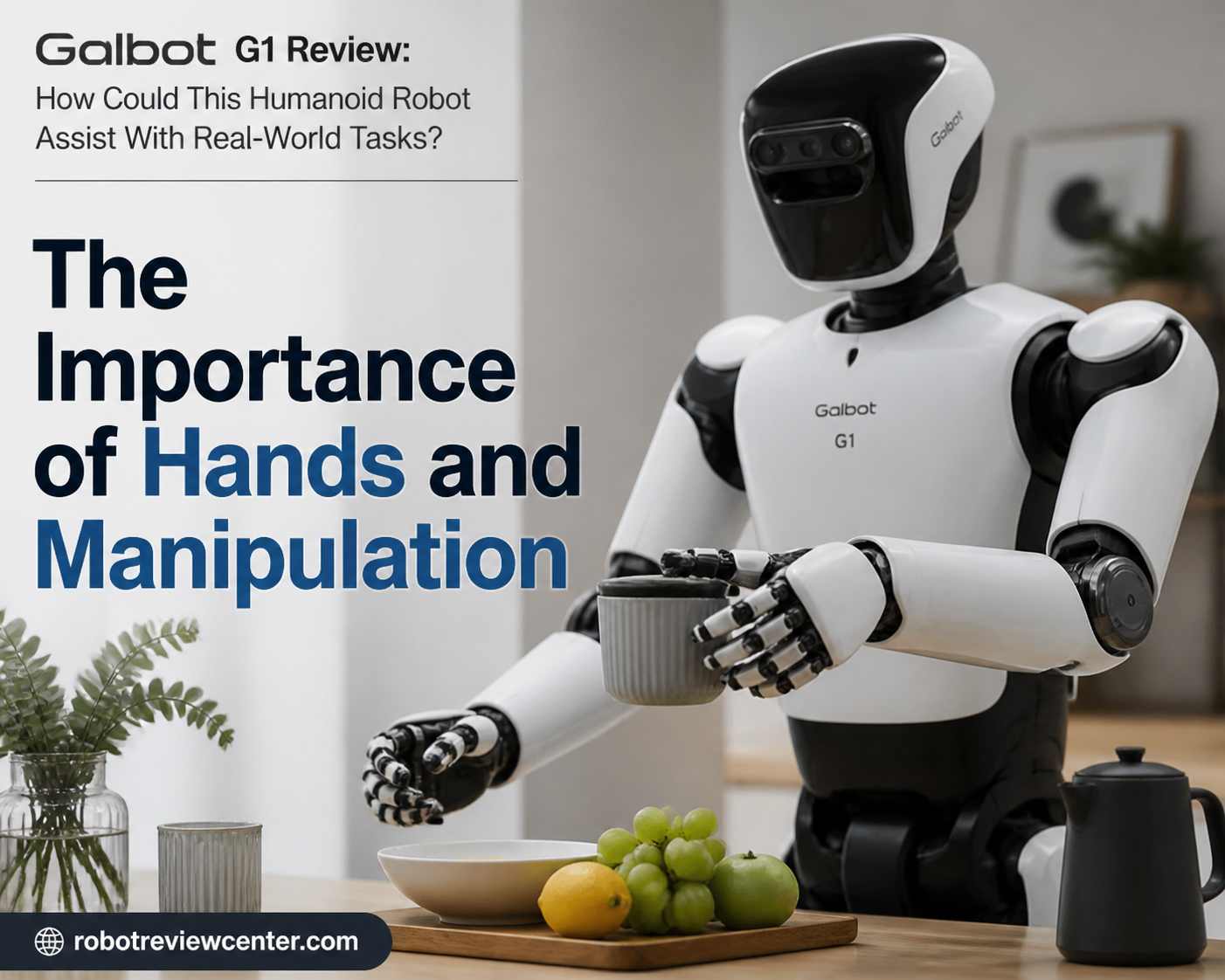
One area where humanoid robots like the Galbot G1 excel is in manipulation tasks, thanks to sophisticated hands that mimic human dexterity. Equipped with multi-fingered hands featuring tactile and force sensors, the G1 is capable of precise object manipulation, tool use, and even capturing fragile or irregular items without causing damage. This is crucial for real-world tasks, particularly where fine motor skills are engaged, such as in assembly lines or delicate surgical procedures.
It’s worth noting, however, that despite impressive hardware, the challenge remains in achieving dexterous manipulation consistently in diverse real-world environments. This remains an area of active research across the robotics community.
Limitations and Current Challenges
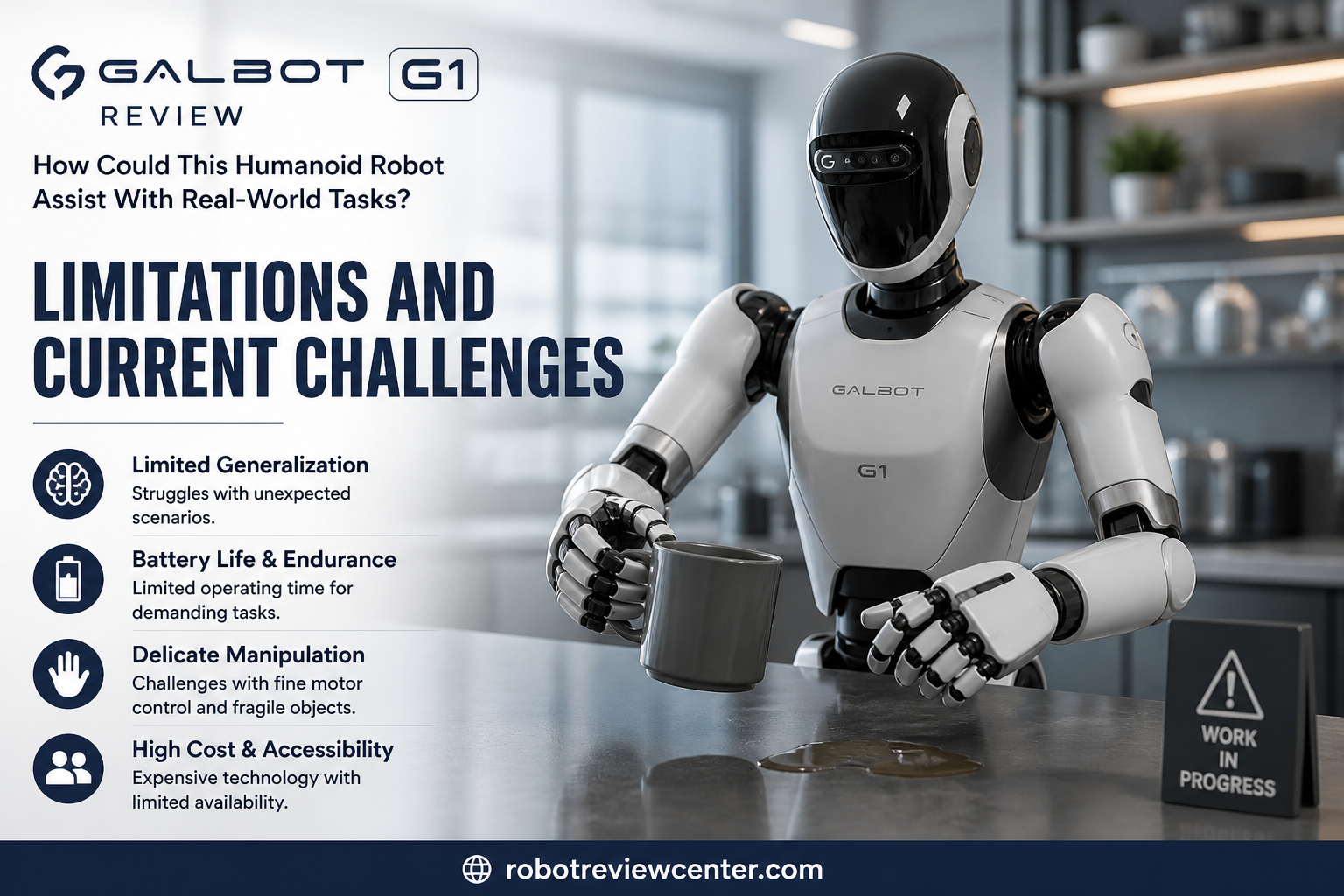
No technological innovation is without its shortcomings, and the Galbot G1 is no exception. While it’s designed for a vast array of applications, several hurdles need addressing before we see widespread deployment. Chiefly among them, commercial viability remains a significant obstacle. The cost of production and operational maintenance can be prohibitive, thus limiting accessibility for many potential users.
The robot’s real-world autonomy and adaptability also require further refinement. Issues such as battery life, the efficiency of energy consumption, and the need for regular charging are areas needing improvement. Additionally, despite the promise of current AI systems, the actual demonstration of intelligent interaction with humans in chaotic, unpredictable environments is far from perfected.
What Should We Really Pay Attention To?
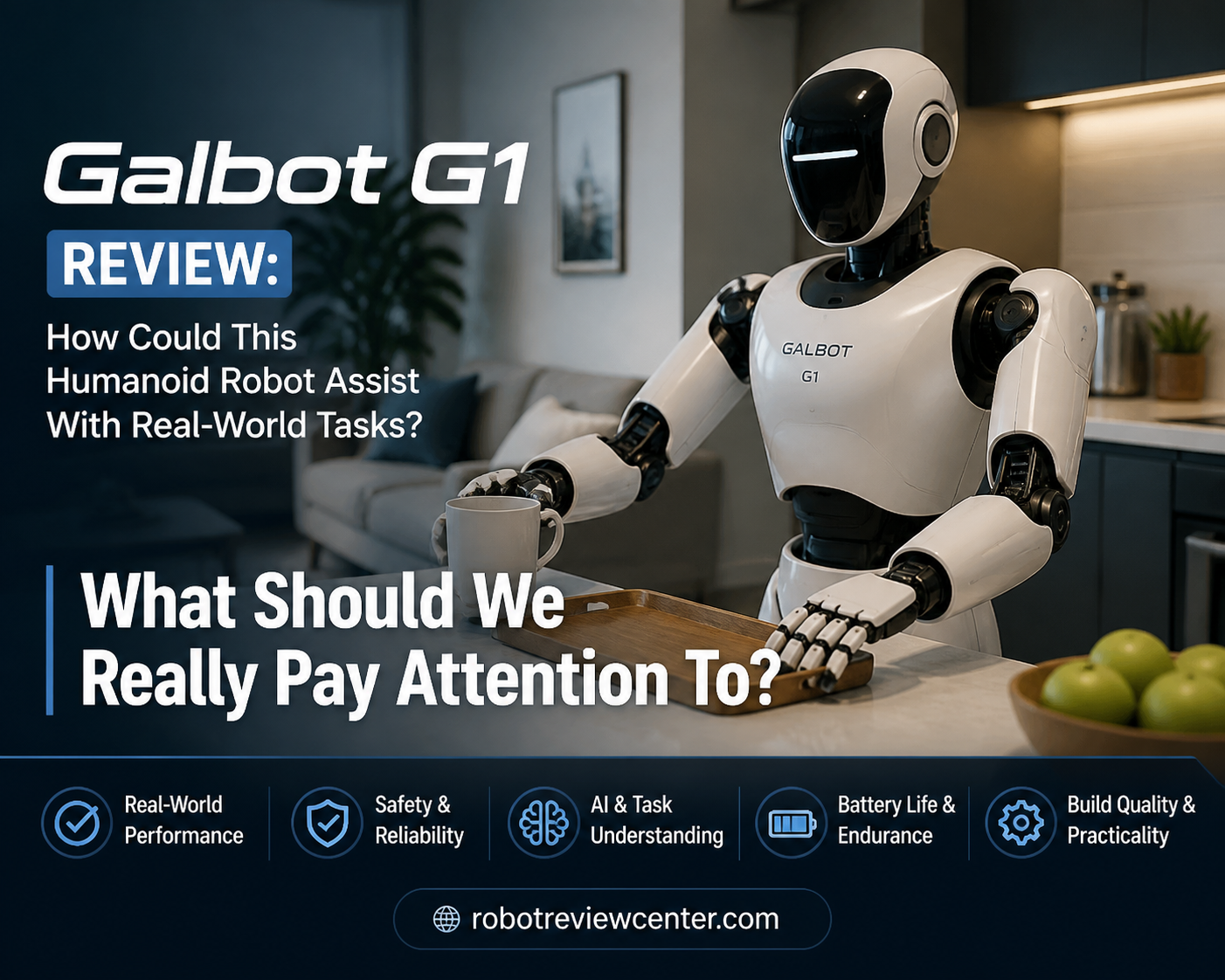
As we move forward, the trajectory of humanoid robotics paints an intriguing picture. With continual advancements in AI, computing power, and sensor integration, the operational capabilities of robots like the Galbot G1 will only increase. But beyond the technical complexities lie fundamental questions that warrant close attention from industry leaders and policymakers alike.
Key among these is the ethical dimension of integrating humanoids into society—issues of privacy, employment, and human-robot relationships require thoughtful consideration. Moreover, as businesses contemplate deployment, understanding the balance of cost and benefit while addressing consumer apprehensions will be critical factors.
For developers, staying attuned to these evolving technologies offers opportunities to innovate and create complementary solutions that maximize the potential of humanoid robotics within various sectors.
Thomas Huynh – Admin of RobotReviewCenter.com