
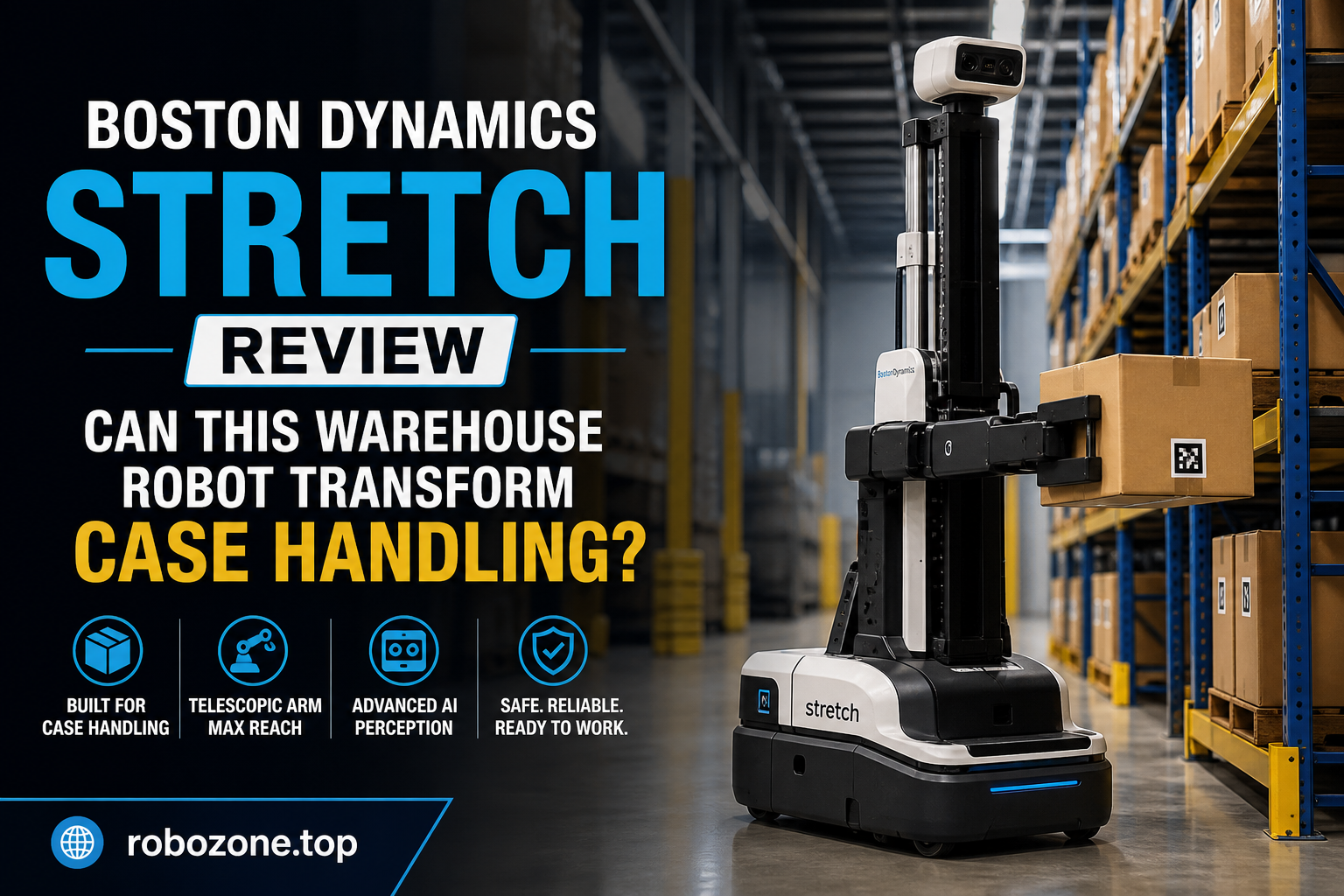
Robotics enthusiasts find themselves at an intriguing intersection where technology meets functionality. Here at RobotReviewCenter.com, led by the insightful Thomas Huynh, we dive into this evolvement by exploring one of the most revolutionary innovations in the warehouse industry: the Boston Dynamics Stretch. This robot, described by many as a marvel of engineering, comes with the promise of transforming how warehouses handle cases. But can it truly deliver on this grand claim? Let’s delve deeper into this technological phenomenon.
What is Boston Dynamics Stretch?
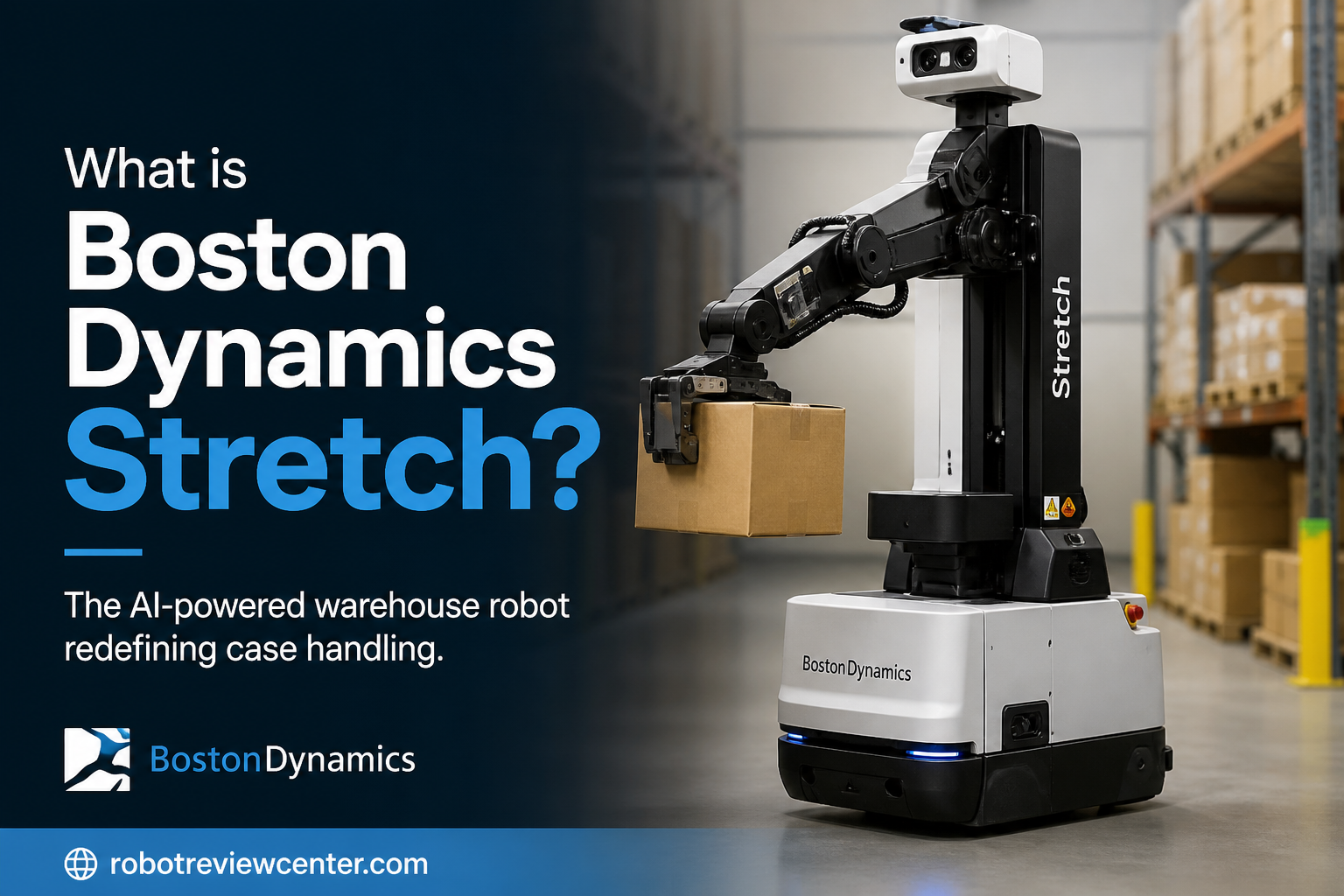
Designed by the renowned Boston Dynamics, Stretch is an autonomous robot created specifically for the intricate task of case handling in warehouse settings. Emerging from Boston Dynamics’ rich legacy of advanced robotics research, Stretch represents a key development toward optimizing material handling. As with many such technologies, however, understanding its core functionalities is crucial to appreciate the sophistication of this industrial marvel.
Stretch employs a vision system and a custom-designed robotic arm capable of reaching up to 7 feet. It’s equipped with powerful suction cups that allow it to pick and place boxes with a high level of precision. Such capabilities endeavor to bring about efficiency and flexibility into traditional warehouse operations that have longed for automation advances. Yet, at the heart of this design is a highly adaptable AI-driven system that imbues Stretch’s decision-making with remarkable autonomy.
Real-World Applications
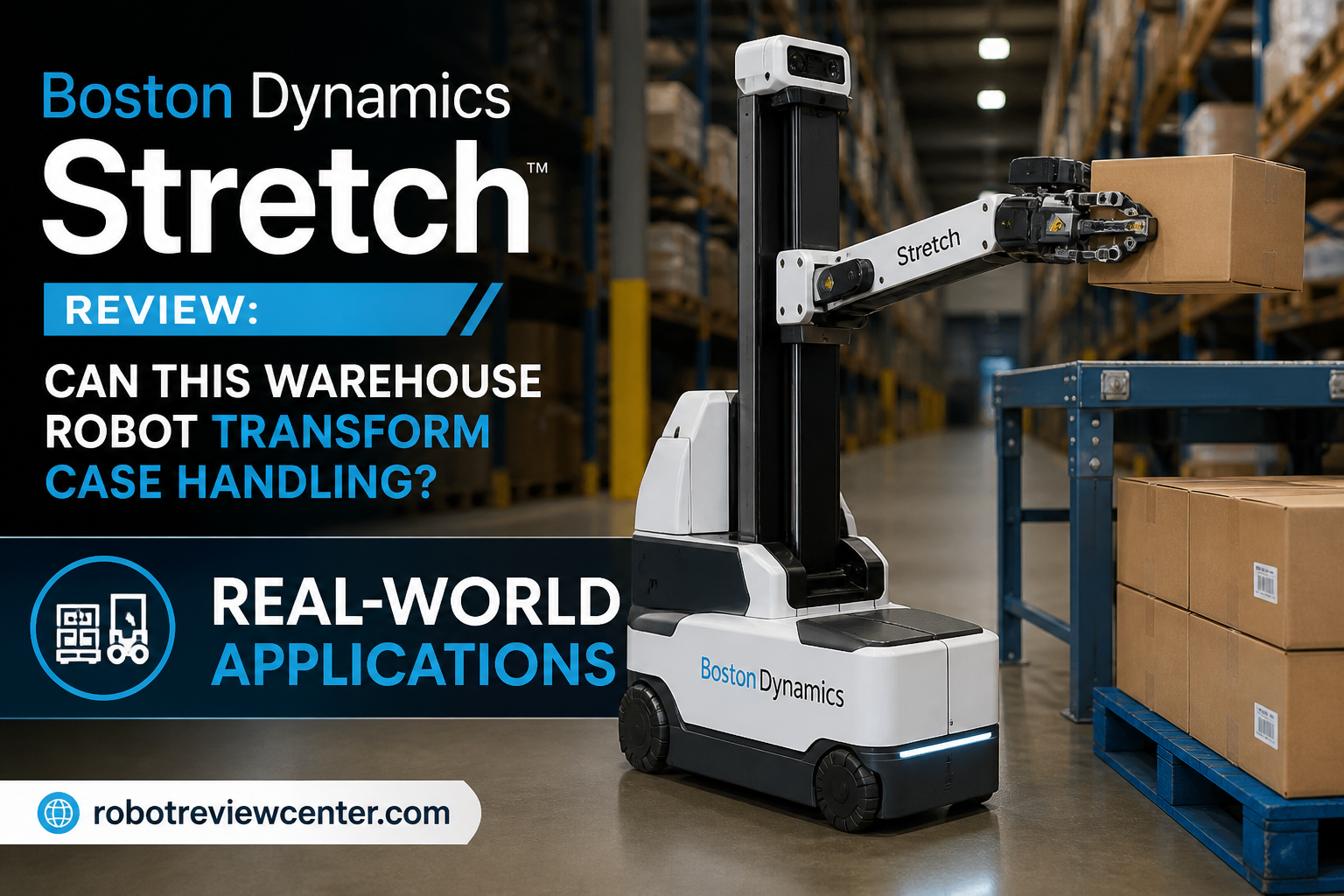
In real-world applications, Stretch’s potential reaches far beyond mere case handling. With the rapid growth of e-commerce, the need for efficient order fulfillment processes continues to escalate. Stretch addresses this need head-on by maneuvering through the aisles of fulfillment centers, deftly picking cases, and loading them for shipping. Such efficiency is not just a theoretical exercise; Boston Dynamics has reported successful pilot deployments in facilities owned by prominent warehousing companies, although, to date, independent verification remains sparse.
This robot is more than just an assembly line addition. In diverse sectors like retail and logistics, where high turnover rates and labor shortages persist, Stretch aims to fill critical workforce gaps. Yet, while promising, its real-world versatility will rely heavily on its ability to integrate seamlessly into existing workflows, an area still under scrutiny.
Technical Insights and Innovations
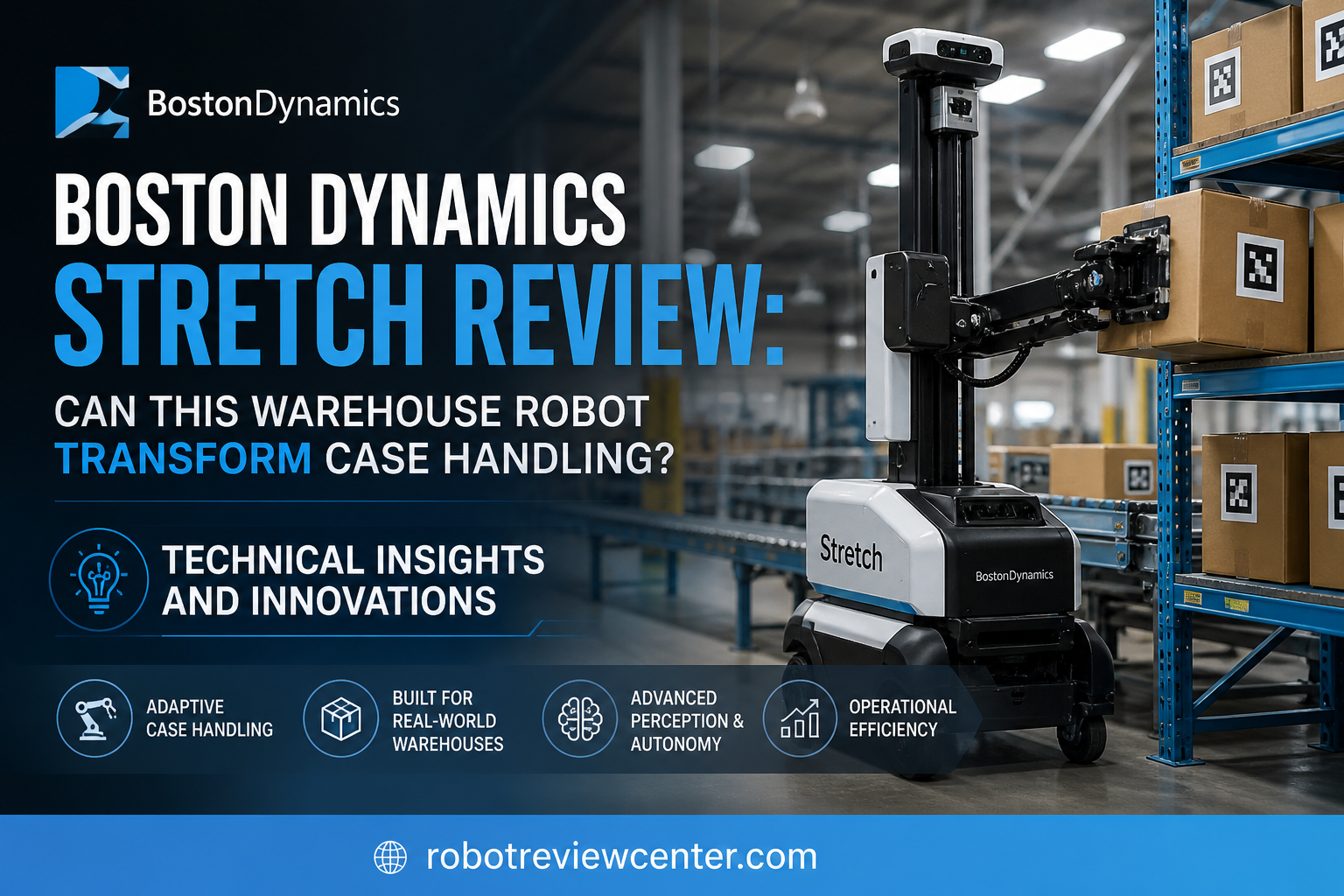
The engineering behind Stretch is where it gets truly interesting. Boston Dynamics has artfully integrated various technological components to ensure Stretch is robust and efficient. At its core is a NVIDIA-powered compute architecture, providing the necessary rapid-response processing power for its AI models, deep learning frameworks, and navigation algorithms.
One of Stretch’s defining attributes is its use of AI for advanced perception and decision-making. Utilizing sensors for object detection and 3D spatial mapping, it not only recognizes box orientations but adeptly navigates to optimize the routes for case handling. The AI system’s sophistication lies as much in its seamless operational capacity as in its ability to operate in environments ranging from sunlit loading bays to dimly lit storage areas.
Market Impact and Economic Potential
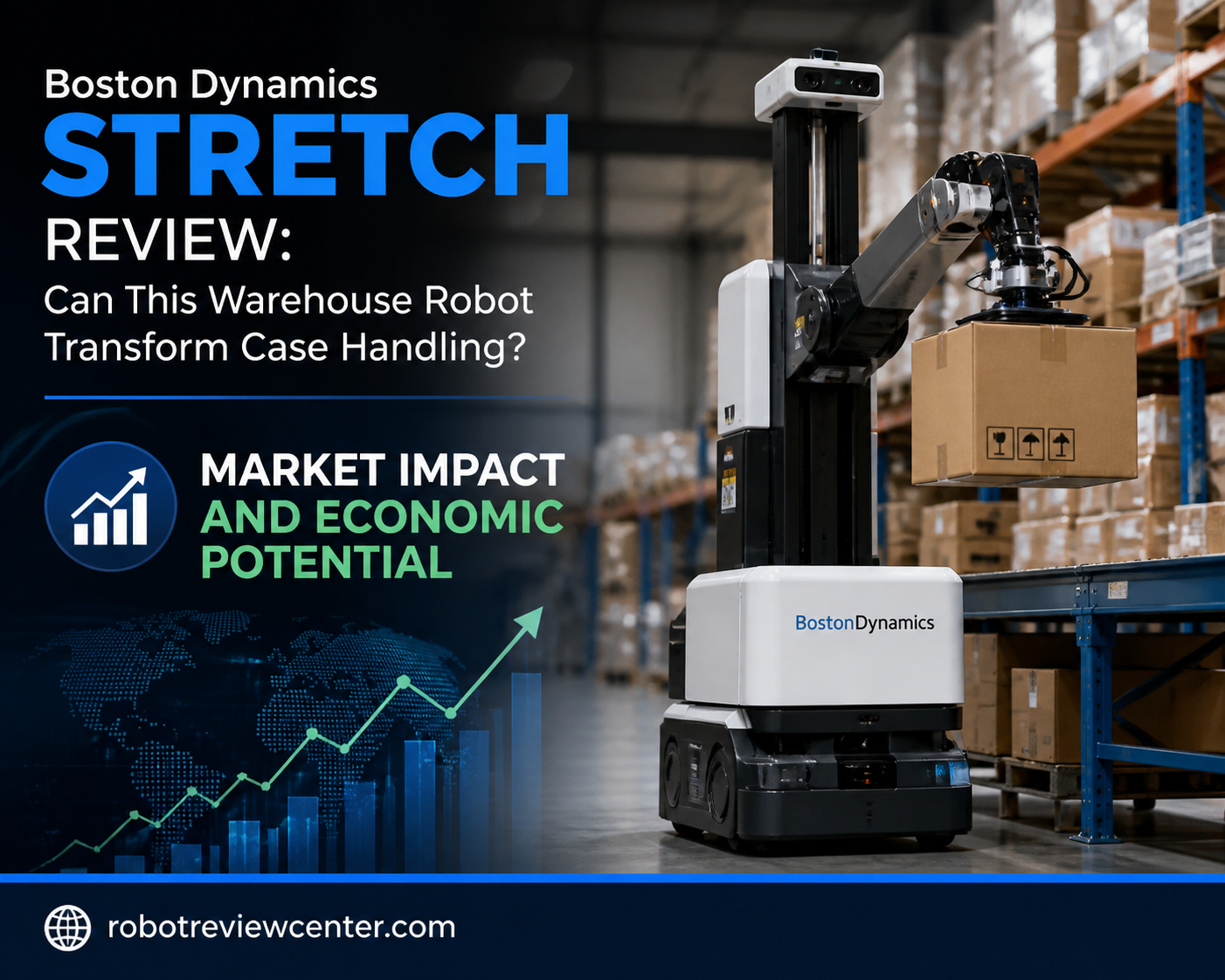
Market analysts from organizations like McKinsey & Company suggest that robots like Stretch could redefine the economic landscape for warehousing industries. Although warehousing robotics is still predominantly a market in its early stages, Stretch heralds the potential to transform operations by significantly reducing labor costs and improving operational throughput.
Boston Dynamics anticipates a shift toward ‘smart warehouses’, wherein automated robots collaborate within hybrid logistical environments to enhance productivity. However, the cost-benefit balance will depend significantly on Scale installations across industries—a strategic factor that Boston Dynamics will need to navigate carefully as they advocate for Stretch’s deployment.
Challenges and Limitations
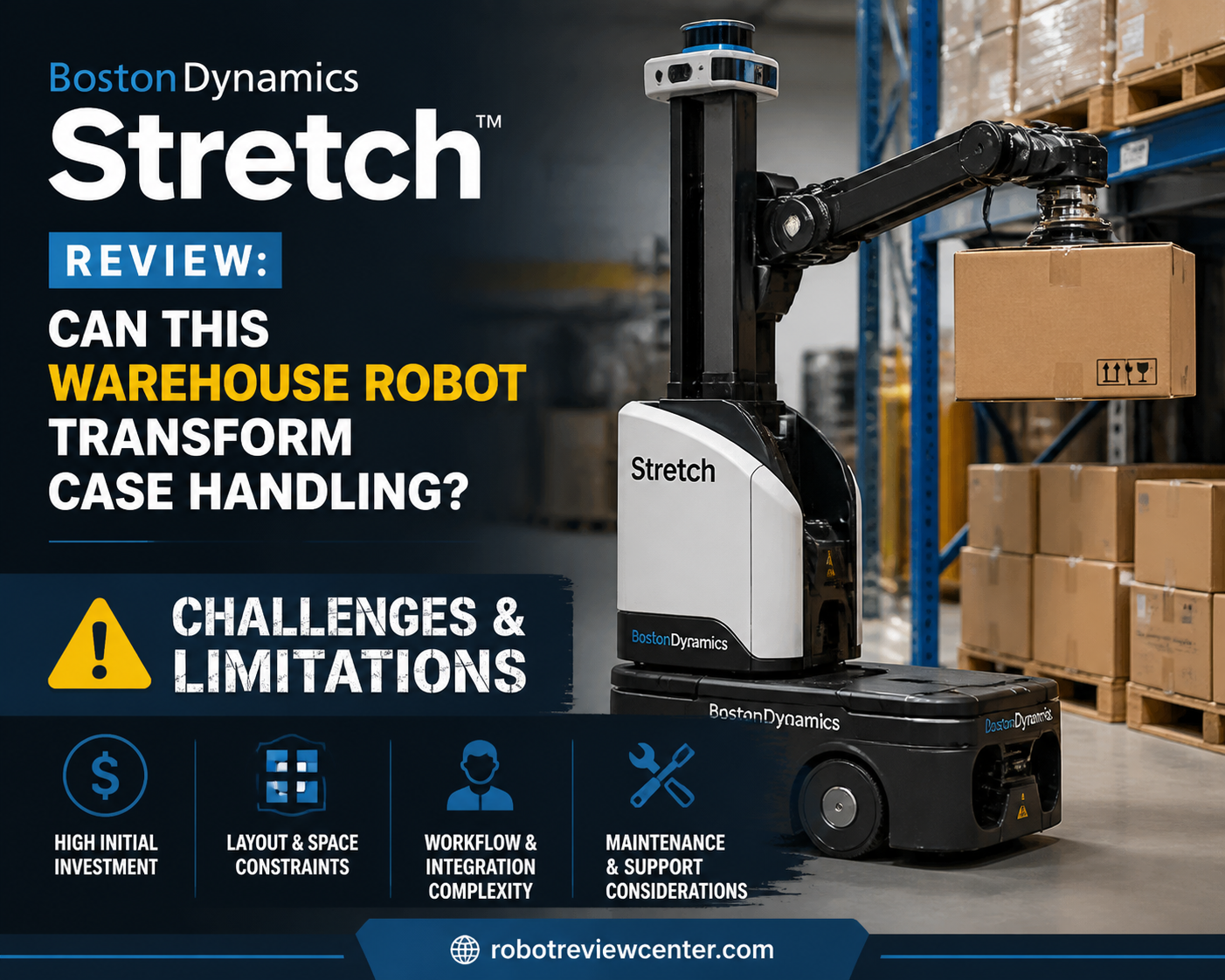
Despite the optimistic buzz surrounding Stretch, there are inevitable challenges that Boston Dynamics must contend with. A primary concern remains the robot’s interoperability across different warehouse systems. Not all facilities are prepared to accommodate such advanced robotics, requiring significant capital investment in spatial and procedural restructuring.
Further complicating the landscape is the logistics industry’s need for swift adaptation. With storage and logistics priorities varying across companies, Stretch’s limited fine-manipulation capabilities present potential adoption obstacles. Many facilities may find its current technological level exceeds their operational requirements or introduces complexities into their routine functions.
The Future of Warehouse Automation
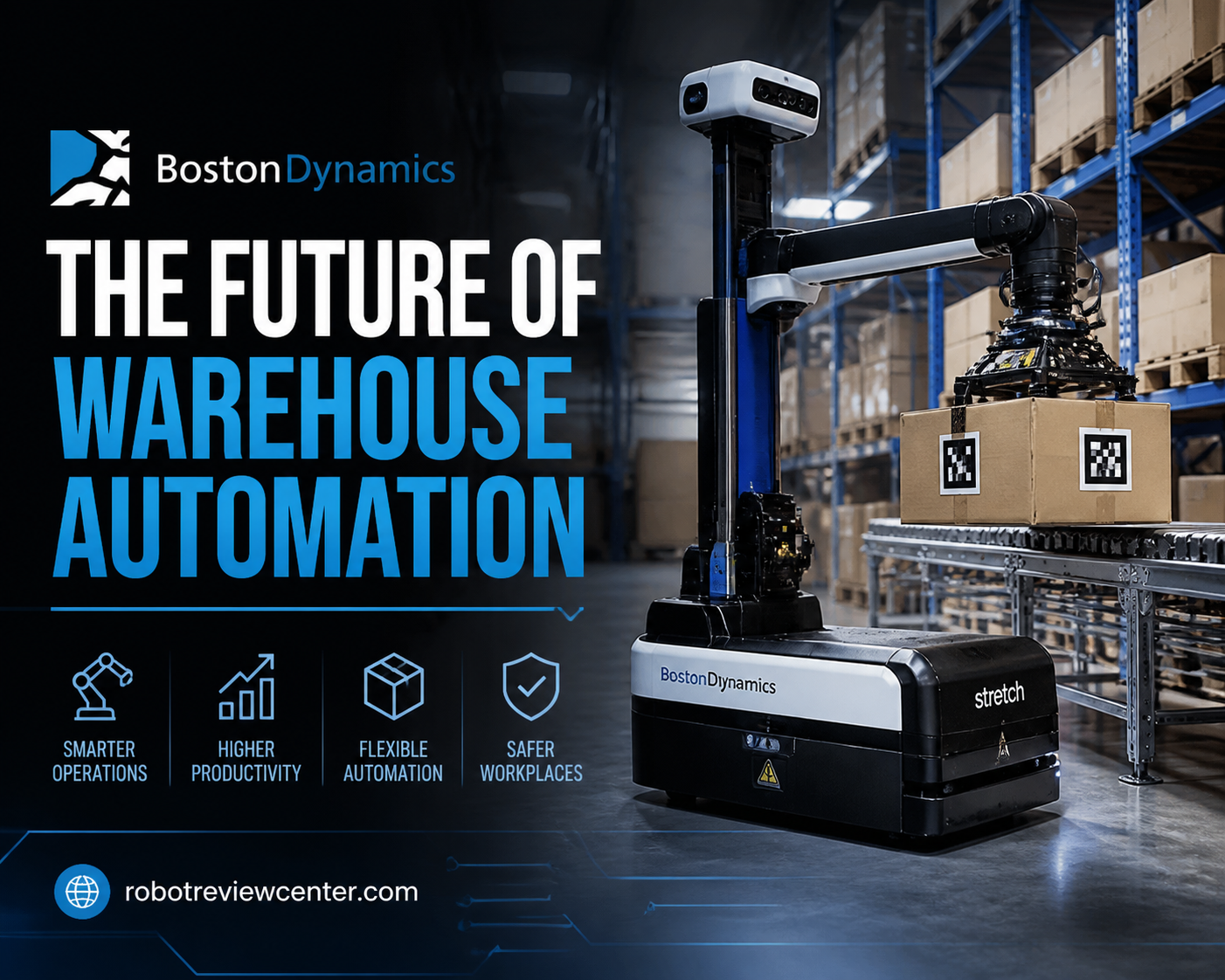
Projecting into the future, Boston Dynamics envisions its robotics lineup as integral to a completely automated logistic ecosystem. With competitions from other industry contenders like ABB Robotics and Kuka, the trajectory toward the complete automation era seems increasingly feasible.
In the next three to five years, we anticipate a landscape where warehouse automation enables seamless upgrades in efficiency and reliability. Hypotheticals propose that Stretch, in conjunction with AI advancements, could precisely predict and react to changes in demand cycles, resource allocation, and logistics management, further incentivizing capital investment in robotic automation.
Strategic Insights
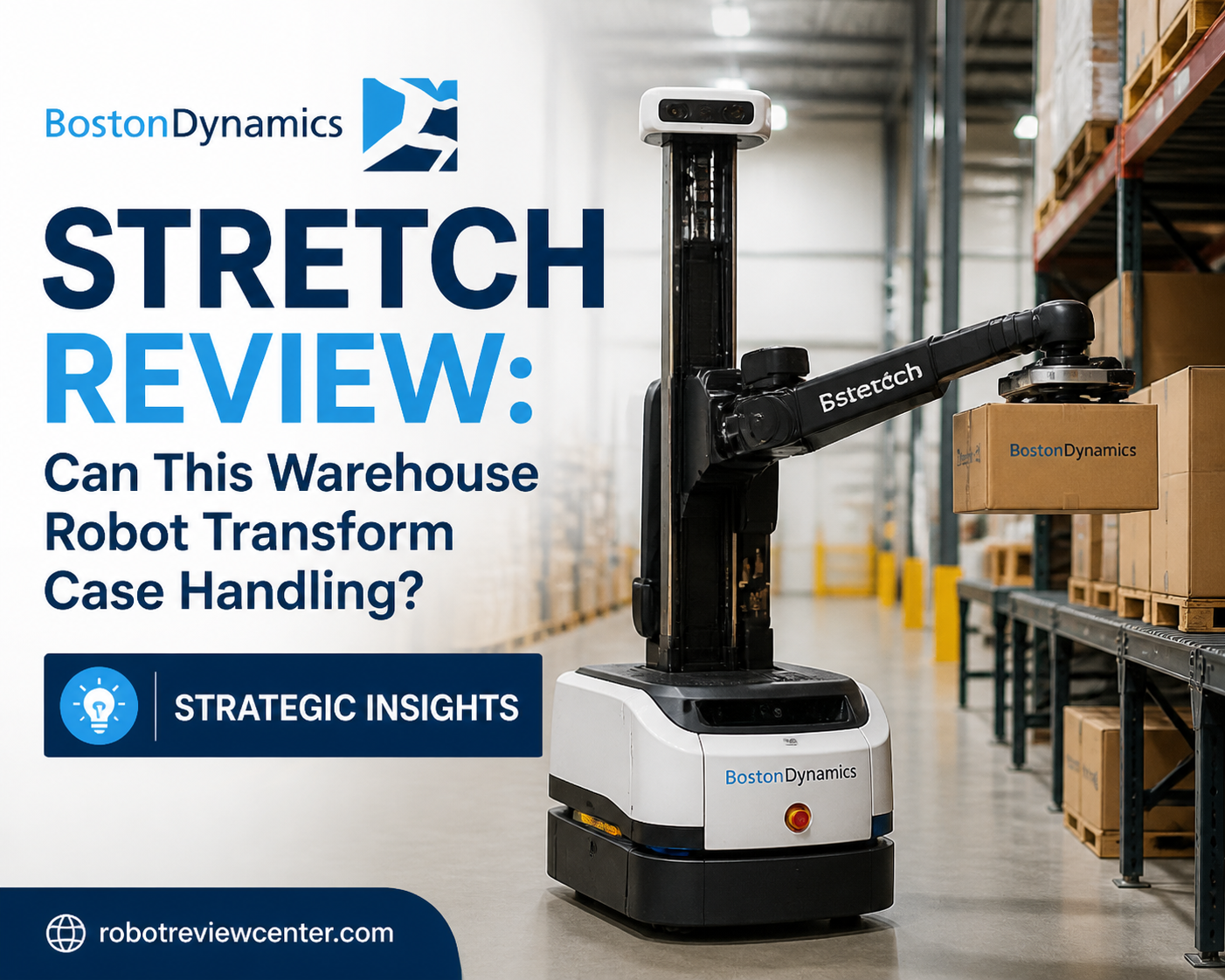
For businesses and developers contemplating integrating robotics like Stretch into their operations, the road ahead requires careful anticipation of industry evolutions. On the technical front, those who prioritize investing in adaptable software systems for cross-robot compatibility are likely to harness the greatest benefits from these technologies.
Moreover, as we reflect on our Director Thomas Huynh’s insights, there lies an opportunity for proactive learning and collaboration across industry lines. Businesses will need to foster environments where human-robot synergy drives innovation and productivity, a key factor empowering Stretch and its successors to be seen not just as tools, but as transformation agents in the warehousing sector.
A steadfast adoption of Stretch within warehouses could characterize the early adoption of robots as dynamic partners rather than technical novelties. Its current promise, although validated through initial pilot studies, is tethered to its ongoing real-world testing and continuous refinement. The warehouse robot standing before industry stakeholders today is, in many ways, a precursor to a reshaped logistics sector.
Thomas Huynh – Admin of RobotReviewCenter.com