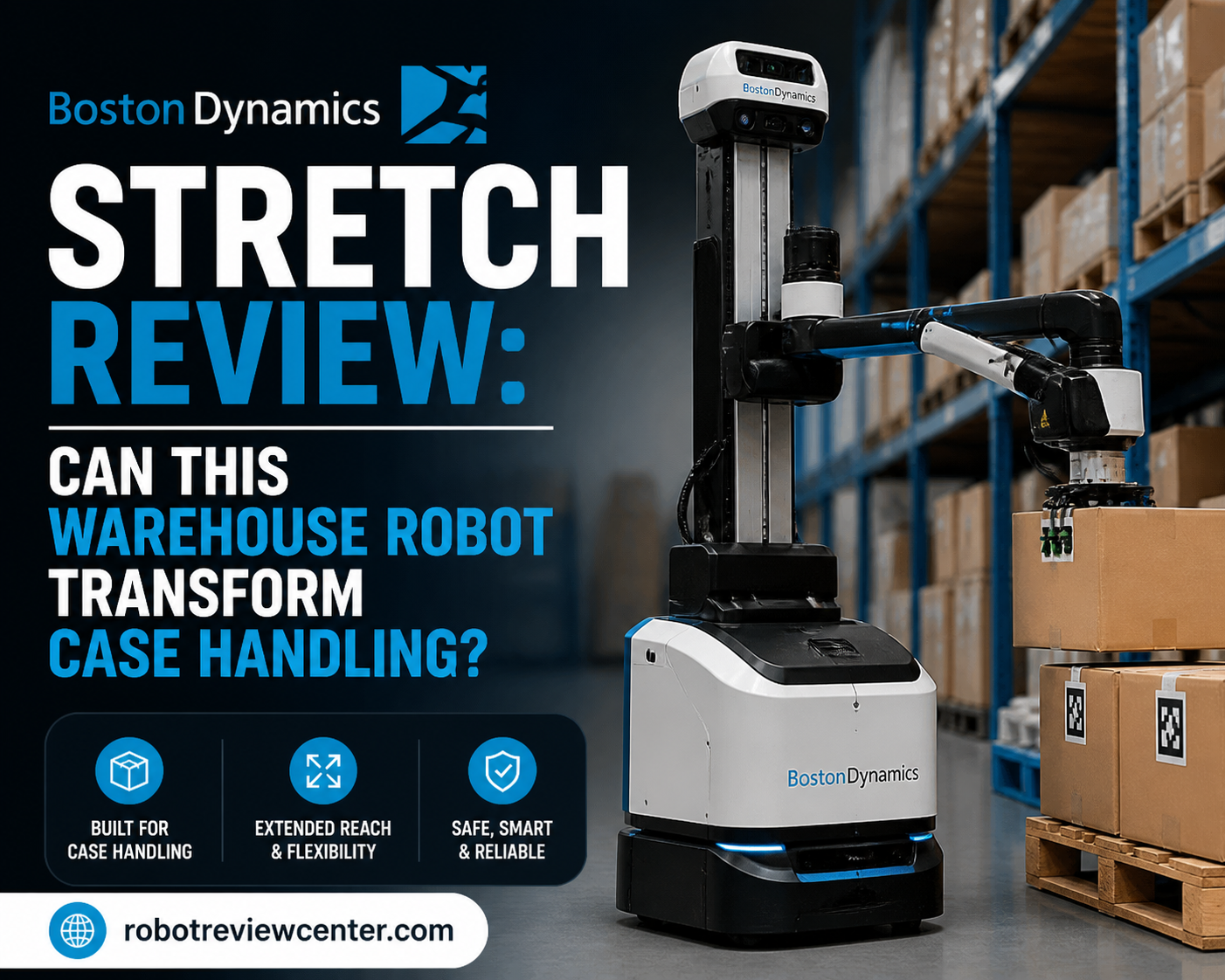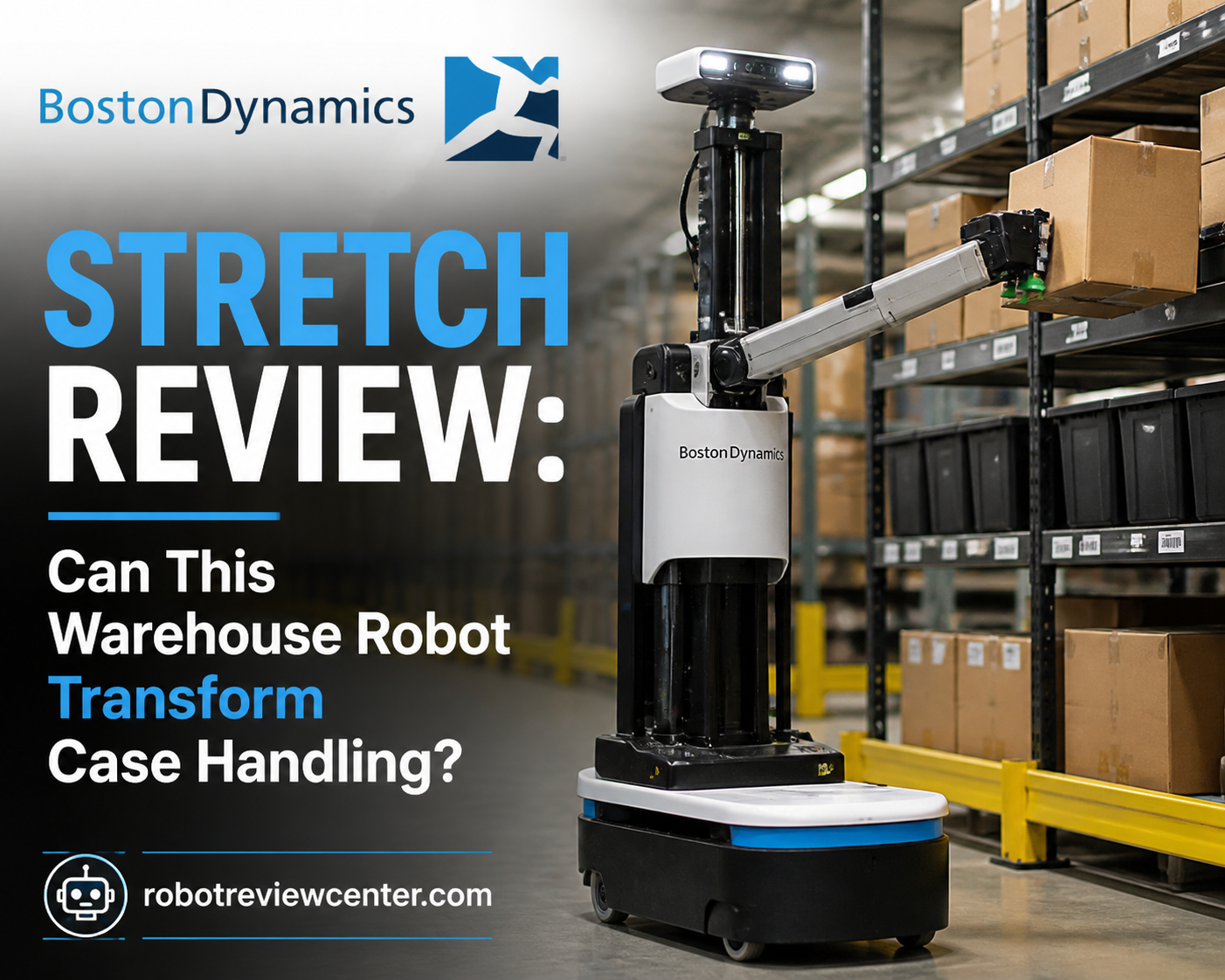
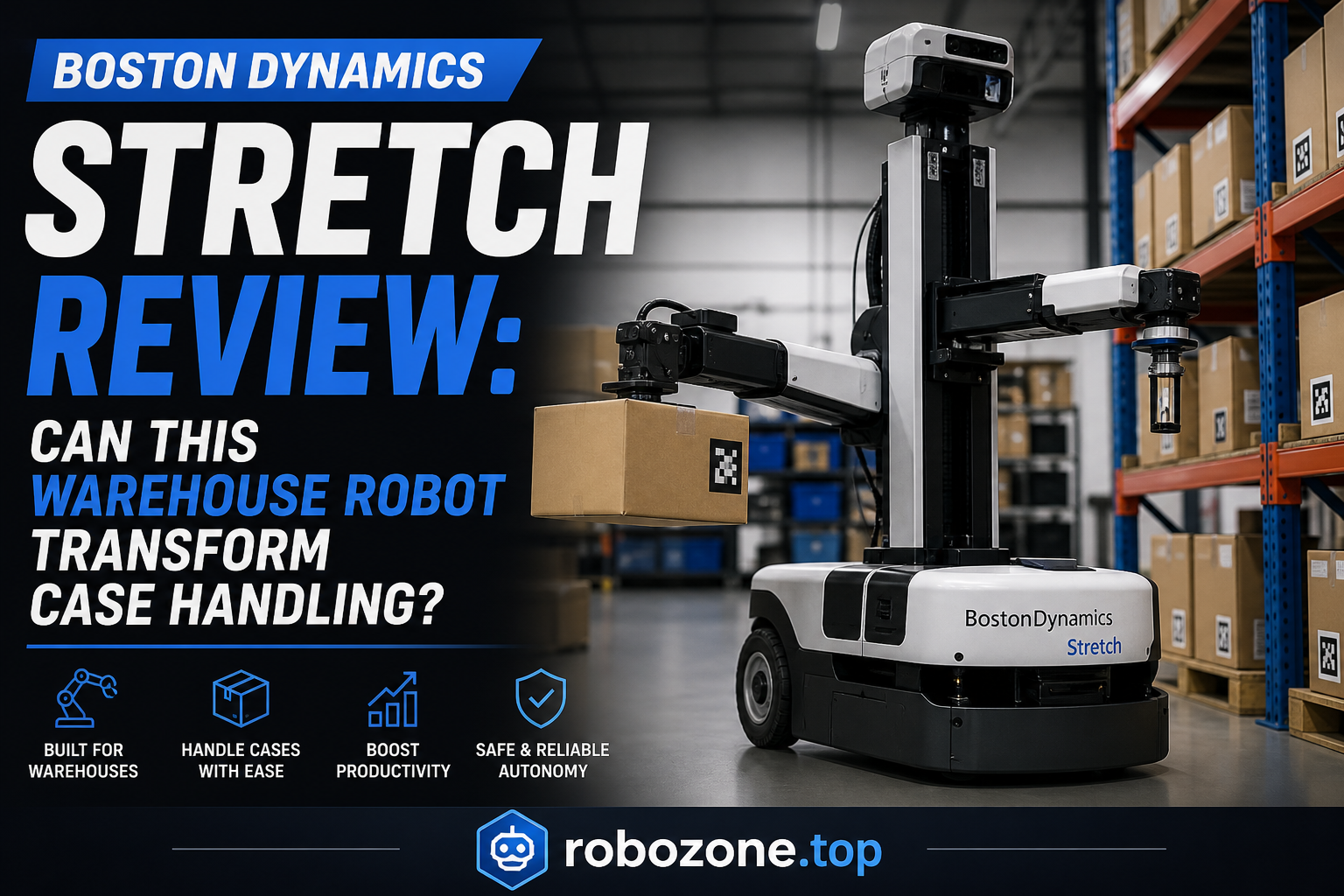
In the swiftly evolving landscape of robotics, Boston Dynamics has consistently stood out as a beacon of engineering prowess and innovation. The unveiling of their latest creation, the Stretch robot, marks yet another milestone. Designed specifically for warehouse environments, Stretch is not just another cog in the machinery; it represents a bold leap towards automation in industries that have long relied on human dexterity and decision-making. But amidst the growing buzz, every serious tech journalist must ask a crucial question: Can the Stretch truly revolutionize case handling or is it merely another flashy attempt to capture market interest without delivering substantial impact?
What is Boston Dynamics Stretch?
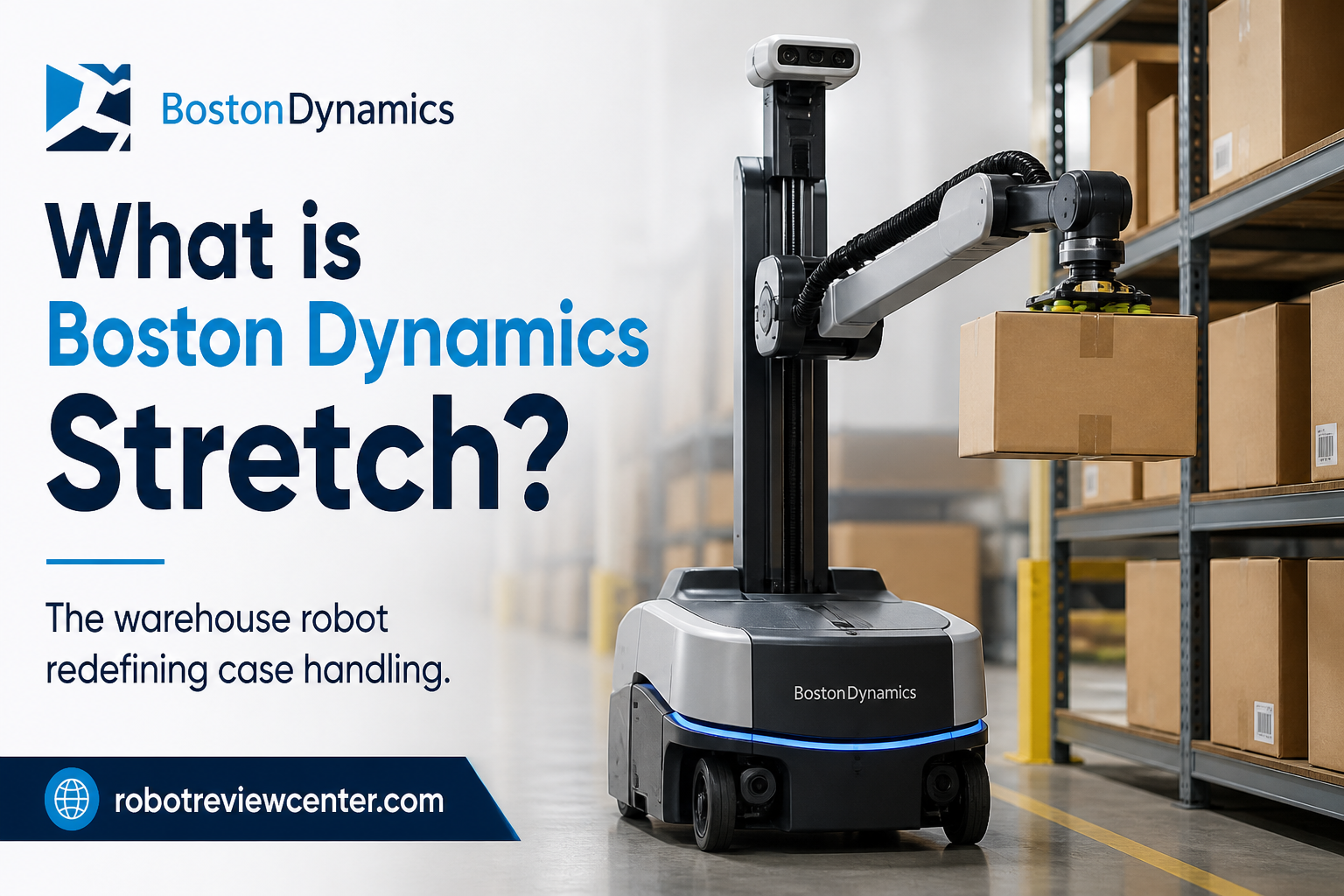
Stretch, in the most fundamental terms, is a robot explicitly engineered to navigate and optimize warehouse operations. Built by Boston Dynamics, a firm synonymous with cutting-edge robotics, Stretch is distinguished by its unique approach to an age-old industry problem: efficient case handling. Unlike its predecessors such as Spot, the agile quadruped, or Atlas, the humanoid marvel, Stretch is tailored with a clear focus on pragmatism and utility. Its primary mission? To streamline the arduous tasks of moving, lifting, and stacking boxes in the bustling halls of storage facilities and distribution centers.
Boasting a robust set of features, Stretch is equipped with an omnidirectional mobile base, a smart arm able to reach and lift various boxes, and an intelligent vision system that provides it with an almost uncanny ability to perceive and engage its environment. Imagine encountering a robot with the agility to glide across aisles, nimbly evade obstacles, and execute tasks with unerring precision. This is where things get interesting as Stretch is not just a machine; it’s a promise of operational excellence.
Technical Identity and Specifications
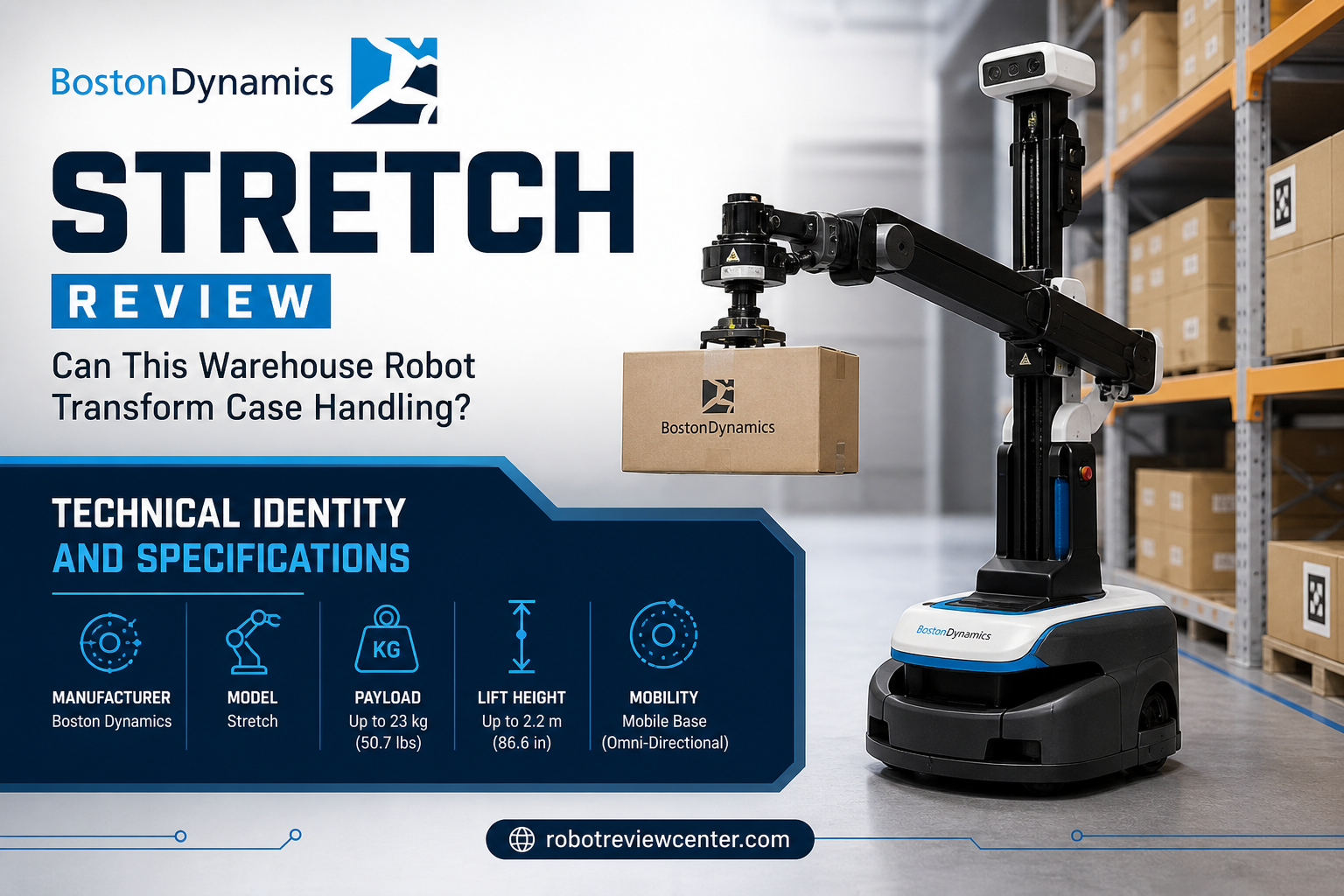
When dissecting the technical anatomy of Stretch, one must not overlook the specifics that set it apart from other warehouse robots. Official sources from Boston Dynamics state that Stretch boasts a specialized arm capable of lifting up to 23 kilograms (50 pounds) — a noteworthy feat, though the context of continuous or intermittent operation remains critical to discuss. Its arm is powered by an array of sensors and actuators, making it not just strong but immensely precise, reducing errors during operation.
Stretch’s mobility is facilitated by an omnidirectional mobile base, providing it the flexibility to navigate complex warehouse layouts. With advanced vision systems — likely utilizing technologies such as LiDAR alongside RGB-D cameras — Stretch can perform dynamic object recognition and spatial mapping. These features collectively create a solution that is not only powerful but intuitive, allowing for seamless docking with various formats of storage units.
Brain and Compute Insights
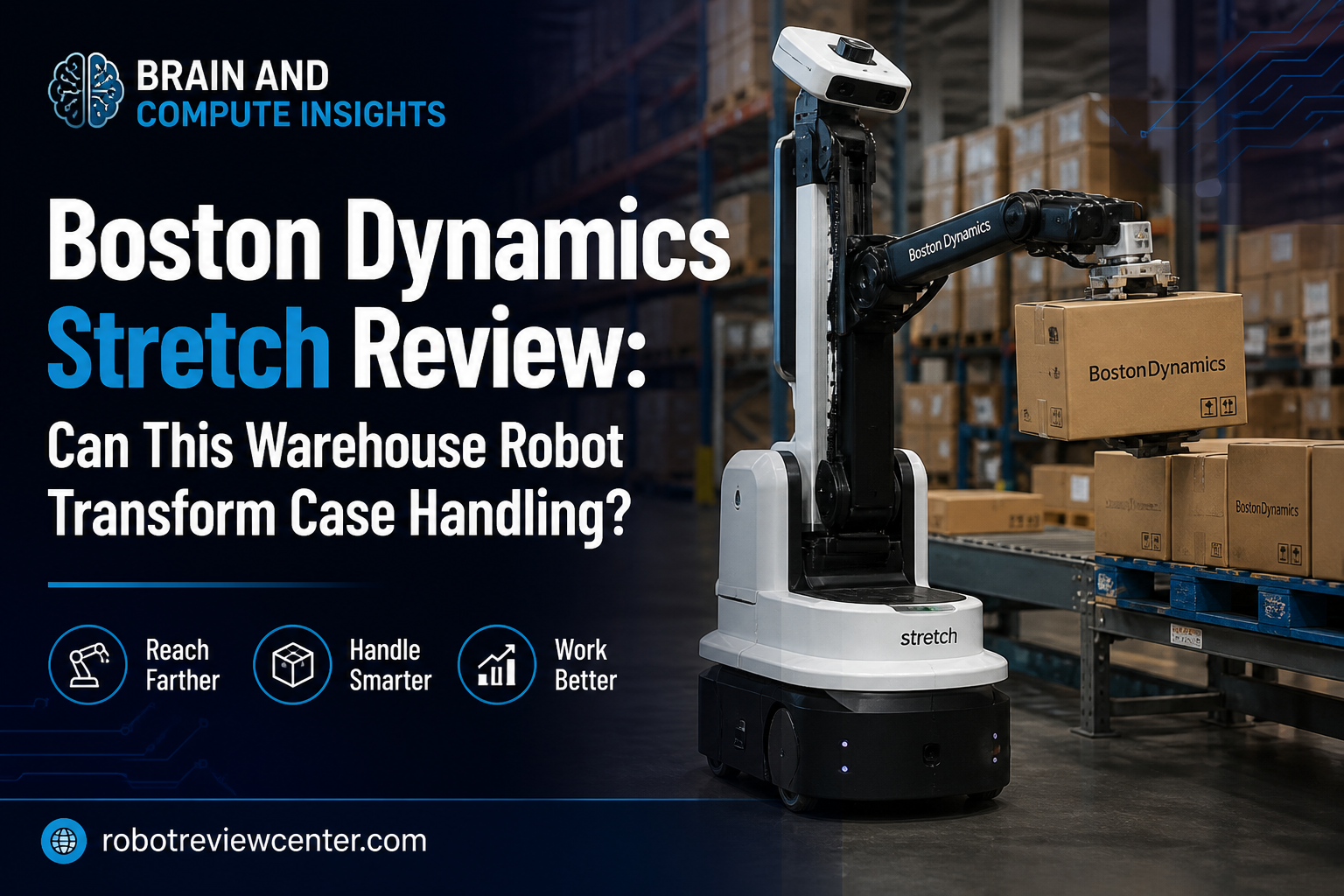
At the heart of Stretch’s capabilities lies its computational prowess. While specific technical documentation from Boston Dynamics regarding the onboard CPU and GPU types remains undisclosed, it is a reasonable assumption that their architecture would leverage high-compute power tailored for AI tasks. The applications of AI in Stretch’s operations are multifaceted, involving real-time data processing for task planning and autonomous execution.
NVIDIA’s involvement in robotics often becomes a key talking point, given their leadership in AI-driven hardware. While there’s no public confirmation of NVIDIA chips in Stretch, the collaboration of robotics with NVIDIA hardware in optimizing AI performance in real-time applications cannot be overlooked. Therefore, it’s essential to consider how Stretch’s ability to manage computational loads impacts its decision-making and autonomy – a crucial consideration for end-users aiming to integrate this technology into their logistics frameworks.
Vision and Spatial Intelligence
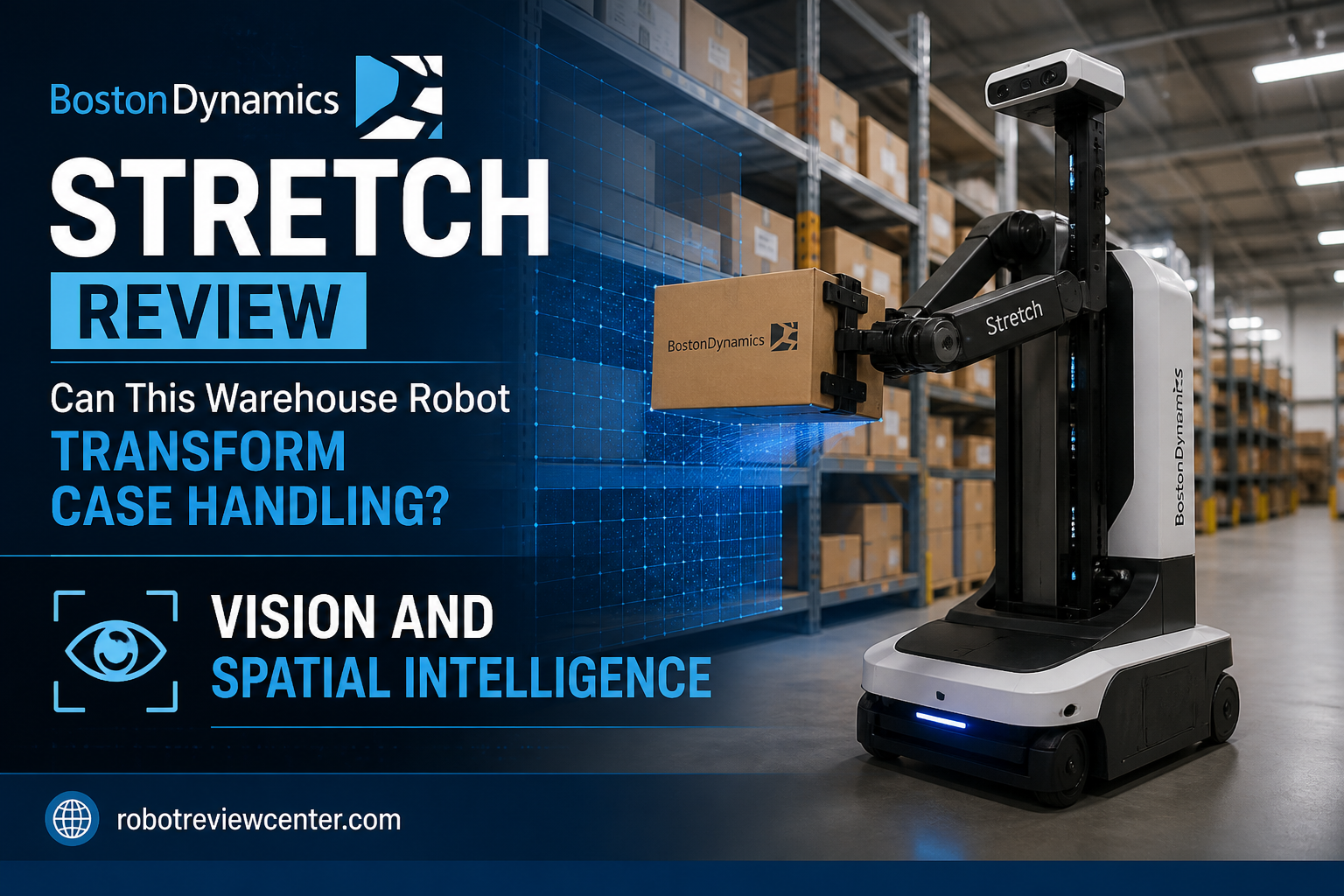
As robotic systems transcend the boundaries of conventional automation, the ability to ‘see’ and interpret surroundings proves quintessential. Stretch pioneers in this regard by incorporating a range of sensors that empower it with superior spatial intelligence. According to company insights, the robot employs a combination of vision sensors and possibly LiDAR to achieve a holistic understanding of its environment — facilitating operations like stacking, sorting, and moving boxes irrespective of layout complexity or lighting conditions.
This capability is further enhanced by sophisticated SLAM (Simultaneous Localization and Mapping) algorithms, allowing Stretch to dynamically adjust to new scenarios and maintain operational efficiency. Imagine a robot with navigation finesse akin to a seasoned human warehouse worker: every movement calculated, every box accounted for, and every pathway optimized. Such prowess in spatial intelligence not only informs its navigation but also enables improved object manipulation and collision avoidance, driving higher efficiencies.
Hands and Manipulation
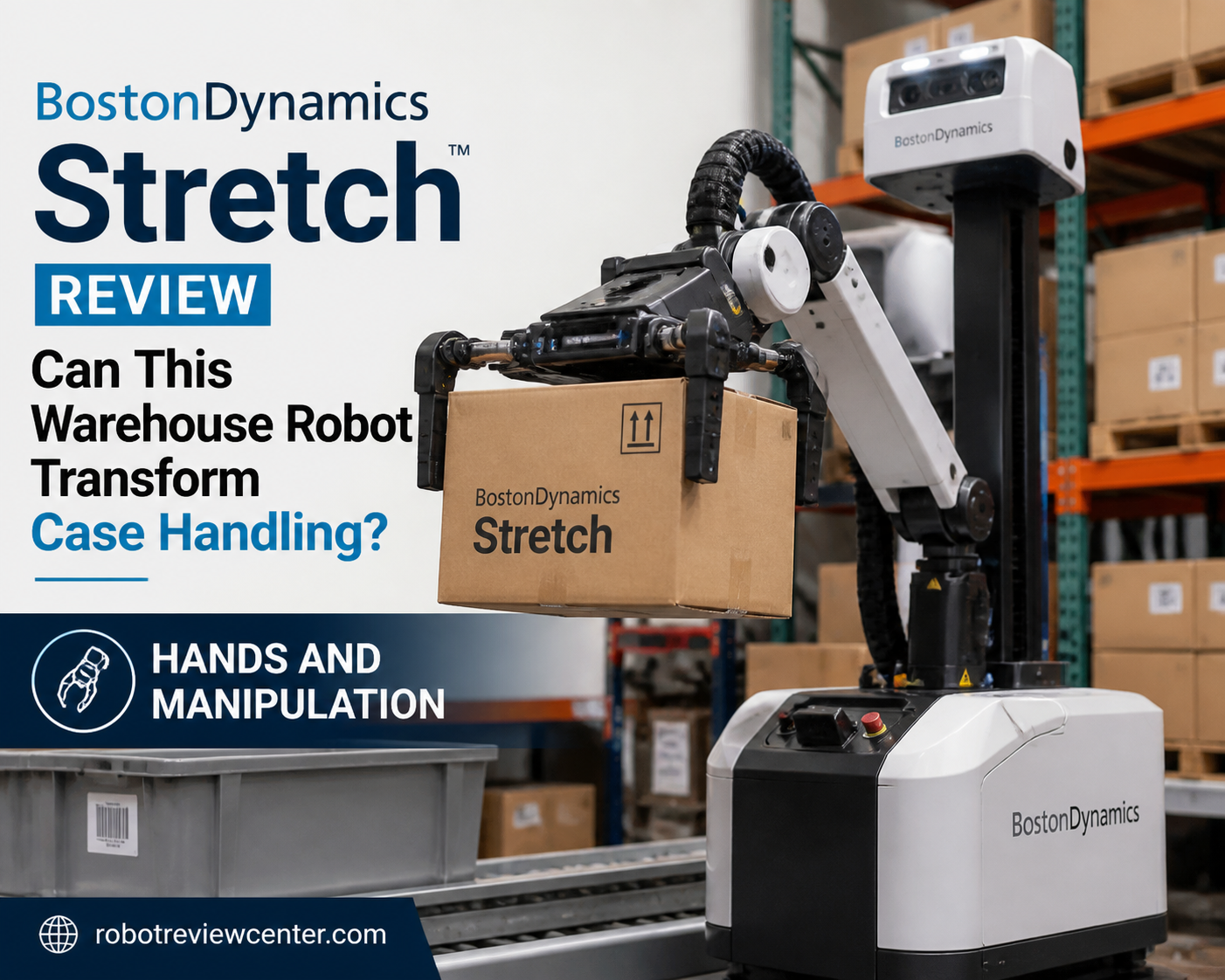
When it comes to physical interaction with the warehouse environment, Stretch’s defining feature is its adept arm. Engineered for precise manipulation tasks, this robotic arm demonstrates the potential to replicate some of the simple yet crucial human functions in the logistics sector. Stretch foregoes human-like hands in favor of a gripper designed to optimize functionality for its tasks, such as gripping and transporting cardboard boxes of varying sizes.
The number of degrees of freedom (DoF) in Stretch’s arm remains undisclosed. However, the combination of tactile feedback and force sensors likely equips it to handle diverse types of packaging without damage – asserting its position as a viable workforce multiplier. Despite these capabilities, Stretch’s manipulation skills raise several questions about its dexterity limits and whether future iterations will advance towards more nuanced robotic handling.
Mobility and Balance
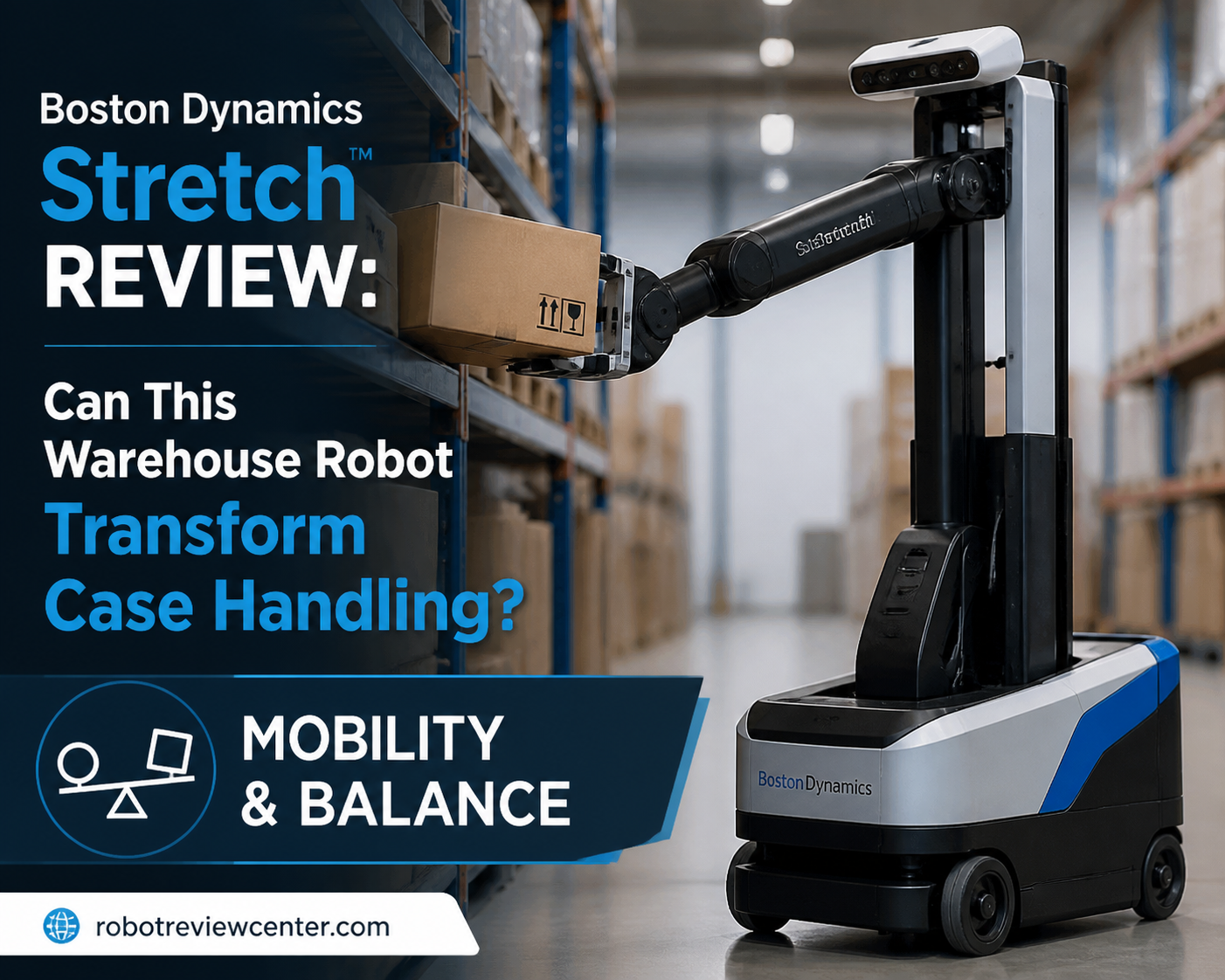
One of Stretch’s most intriguing features is its mobile platform. Unlike traditional forklifts or conveyor belts restricted to specific pathways, Stretch cruises smoothly on its omnidirectional base, leveraging its impressive range of motion to navigate seamlessly between tight warehouse spaces. This capability enables it to operate with an autonomous balance — purportedly employing advanced gyroscopic technology to maintain steadiness even while maneuvering large payloads.
The nimbleness of Stretch’s design is a testament to Boston Dynamics’ legacy of creating robots that can operate in human-centric environments. While the promise of such technology is vast, real-world tests are critical to validate claims around its balance and mobility in dynamic environments, where unexpected shifts in material load may pose challenges.
Voice and Human Interaction
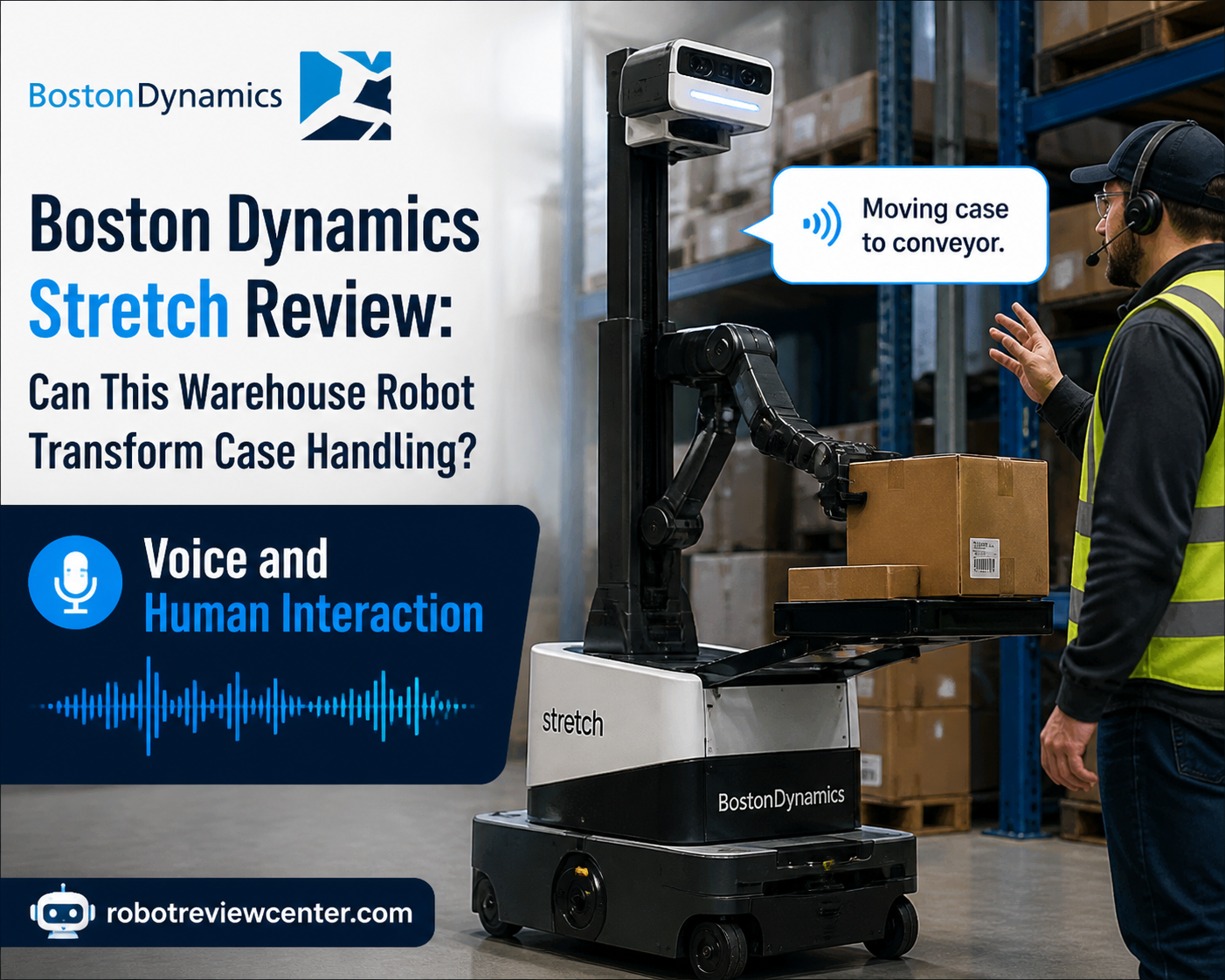
While Stretch is primarily designed for solitary warehouse tasks, the possibility of voice and gesture-controlled interactions through future software updates presents an exciting frontier. Presently, there is no evidence to suggest sophisticated multimodal interactions or extensive NLP (Natural Language Processing) capabilities implemented in Stretch.
Integrating human-hardware interfaces could prove advantageous in large-scale operations, especially where human oversight or adjustment in operation strategy may be needed. This reflects a broader vision, where robots like Stretch don’t merely function in isolation but become integral elements of the human workforce, working alongside people with fluid and collaborative interaction.
Autonomy and AI Architecture
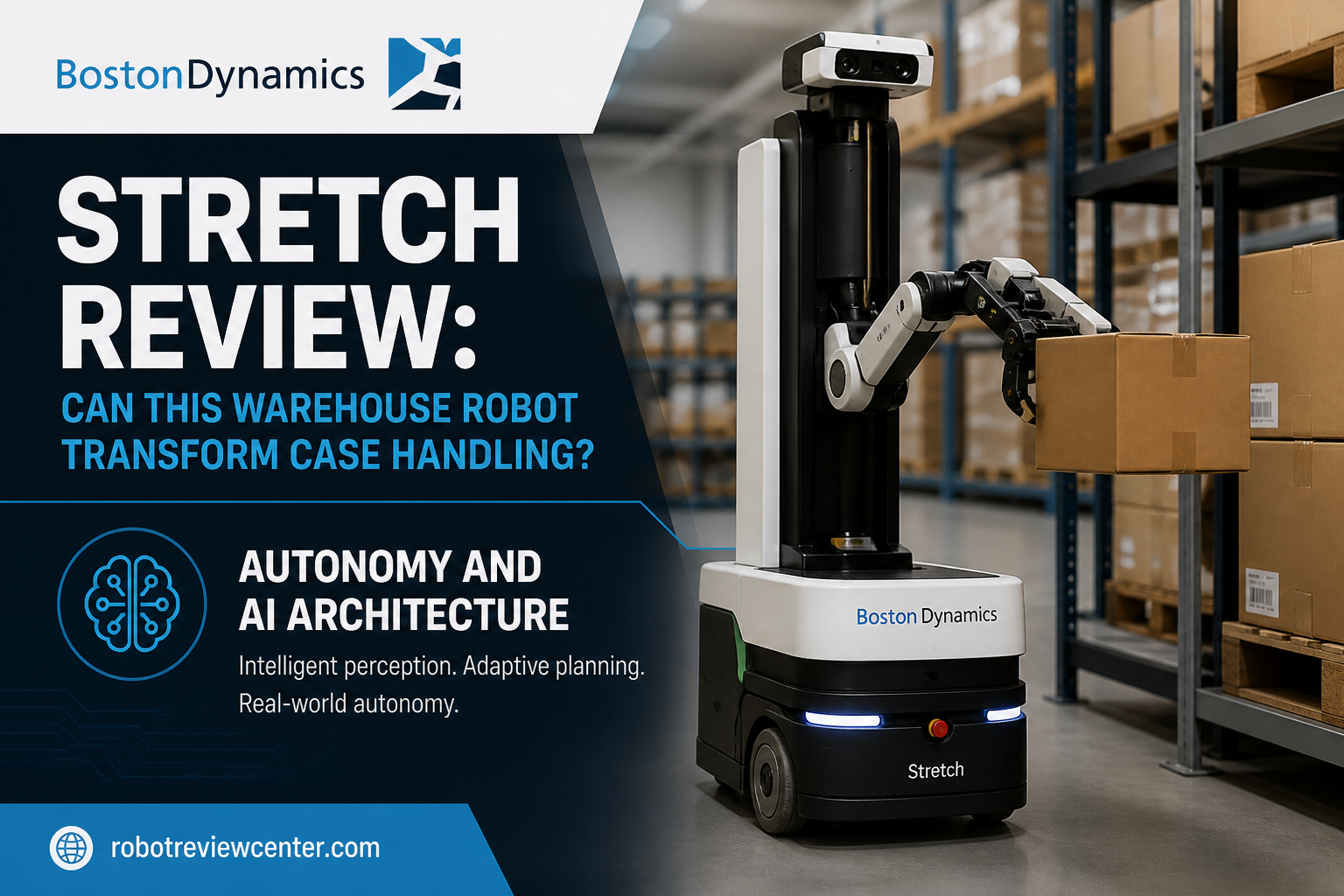
With the technological advancements embedded within Stretch, a significant aspect is its autonomy — a topic that continues to be a double-edged sword for robotics enthusiasts and skeptics alike. The robot harnesses state-of-the-art AI mechanisms that suggest potential for high degrees of autonomy. From pathfinding to operational decision-making, Stretch’s underlying AI architecture represents the synthesis of reinforcement learning and imitation learning practices, potentially trained on extensive warehouse task-specific datasets.
The true test of Stretch’s autonomy lies not only in navigating and stacking but in responding to unforeseen challenges — whether it’s a sudden equipment failure or unexpected changes in warehouse layouts. It remains an open question how Boston Dynamics will address the complexities of comprehensive adaptability and nuanced site-specific applications, which are the hallmarks of full autonomy.
Battery Life, Uptime, and Operational Reality
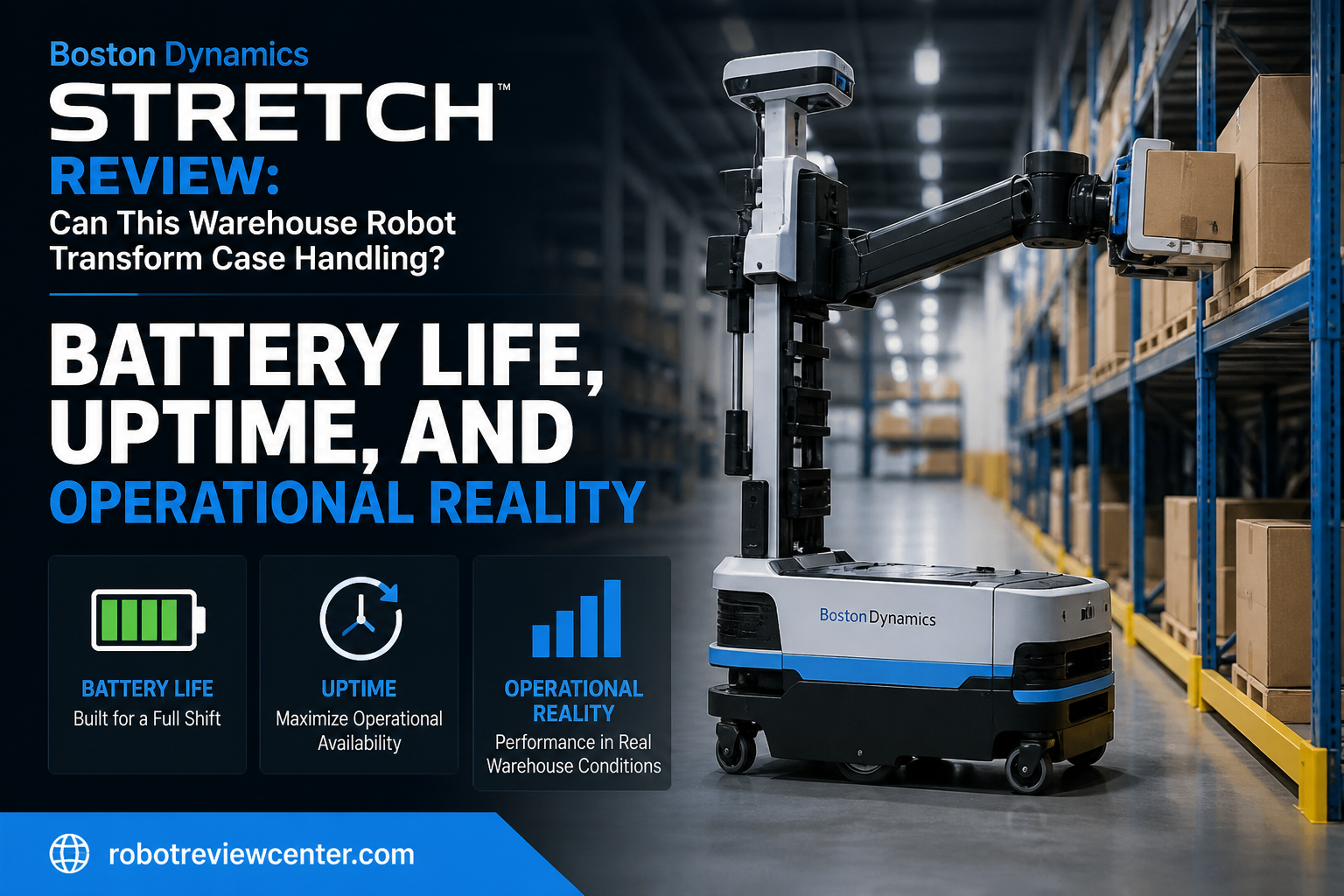
Stretch’s position as a staple in warehouse robotics hinges significantly on its operational reliability and power management. Although concrete data about its battery capacity and charge time have not been disclosed, realistic assumptions suggest it is designed to optimize energy efficiency to maximize uptime.
Despite the allure of ’24/7 operation’, potential users ought to be mindful. Prudent use of battery swapping technology or scheduled downtime could be requisite strategies to extend operational longevity, especially during rigorous shifts that demand continuous output. The true measure of Stretch’s industrial viability may well depend on these operational nuances, requiring transparent performance testing as part of active deployments.
Real-World Applications and Verified Deployments
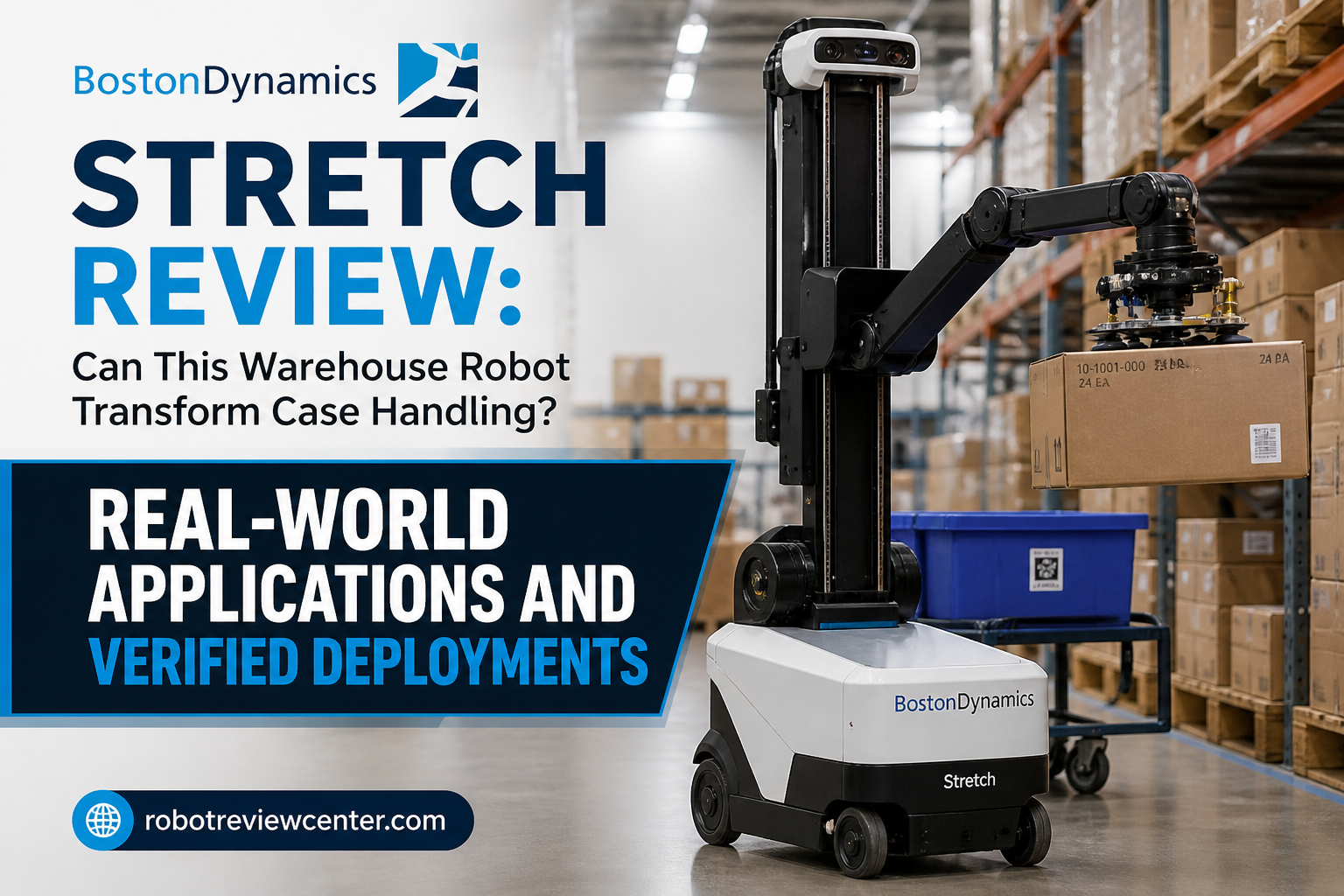
While Stretch is undeniably an engineering marvel, the question remains whether it can transcend laboratory simulations to prove its mettle in genuine warehouse settings. Reports, including those from Boston Dynamics, indicate that pilot programs across specific clients like DHL are already underway. These trials aim to showcase Stretch’s prowess in augmenting human manpower, especially in high-pressure logistics environments.
As warehouse managers grapple with labor shortages and efficiency demands, Stretch represents a formidable ally. However, its ability to handle unexpected operational interruptions — effectively ‘bouncing back’ with minimal human intervention — will form the crucible of its success. Until broader adoption provides robust data, cautious optimism remains the operative phrase.
Manufacturing and Commercial Readiness
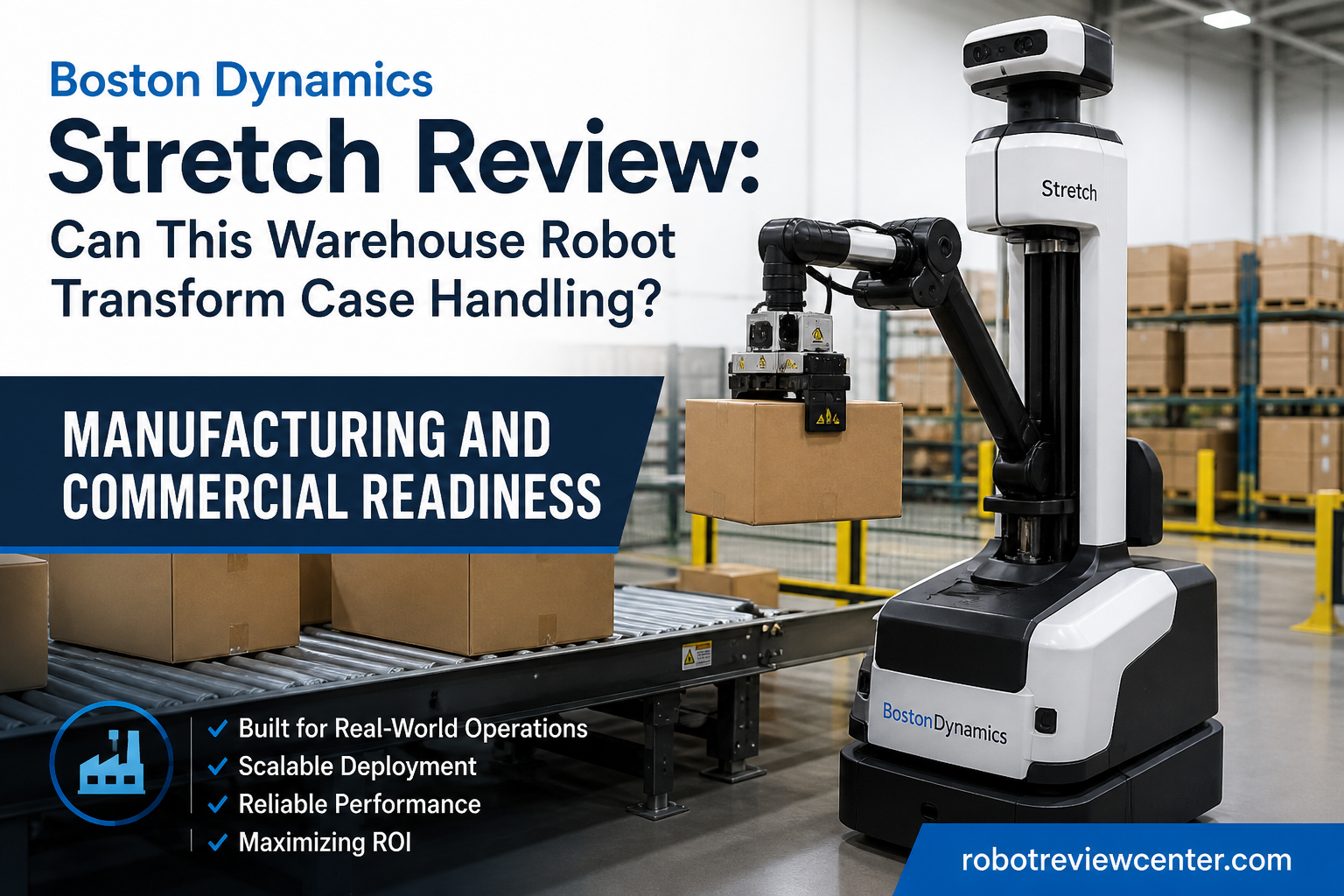
Boston Dynamics’ strategic choice to involve industrial players like Hyundai in its recent transitions piqued widespread industry interest. While Stretch is not yet available for mass-market operations, its development encapsulates a potential inflection point in warehouse robotics.
The decision-makers looking to integrate Stretch should scrutinize tangible cost-benefit scenarios, particularly in terms of reduced labor needs and increased throughput. That said, its real commercial readiness will depend significantly on affordability and ease of integration into existing workflows, neither of which have been conclusively addressed, pending the robot’s broader market debut.
Price and Economics
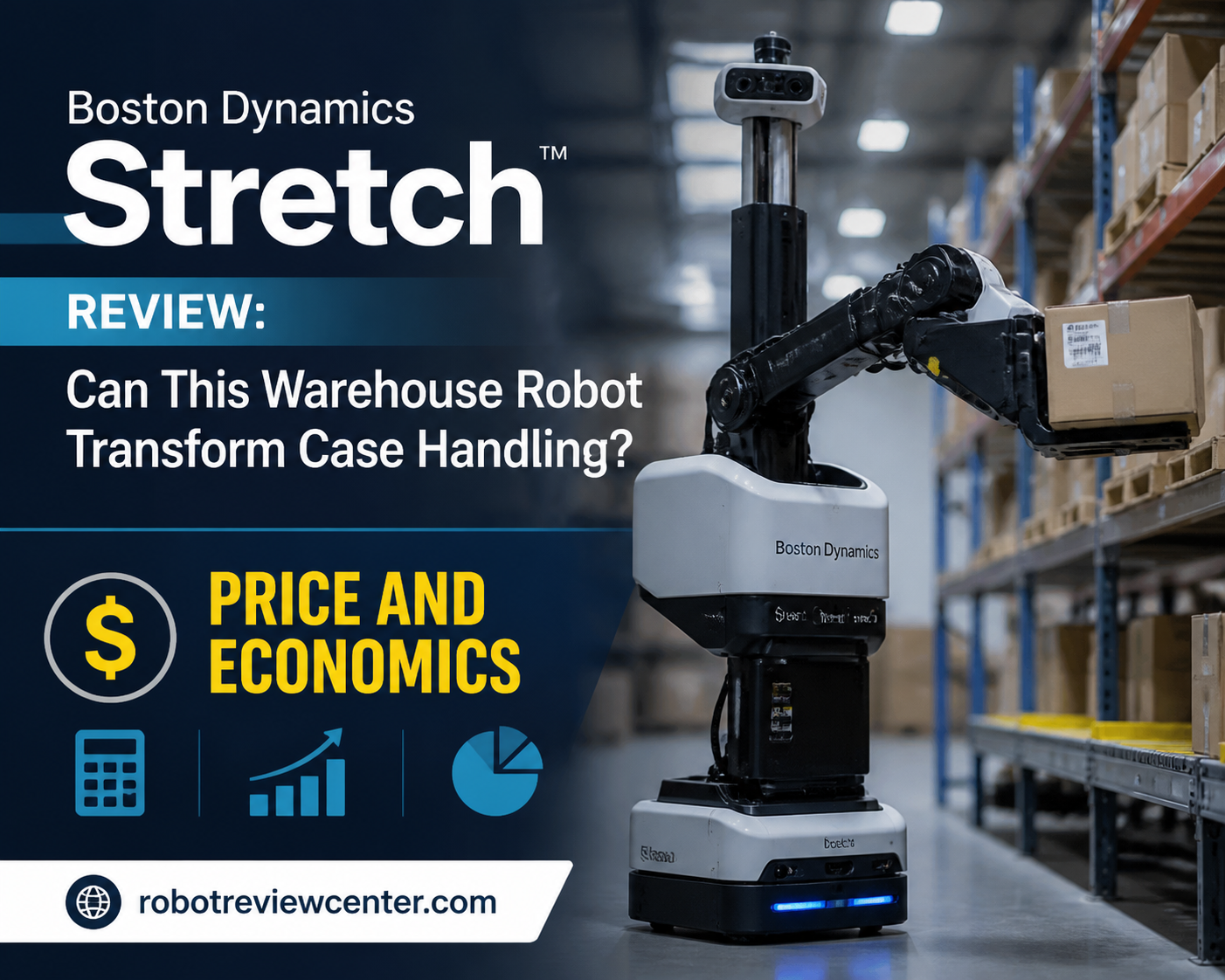
In economic terms, Robotics enthusiasts and strategists are on tenterhooks, waiting for Boston Dynamics to announce a price point for Stretch. As disclosed pricing is currently unavailable, it calls into question the feasibility of deployment outside expansive logistic enterprises with substantial capital.
An assessment by experts might include not just the upfront cost, but total cost of ownership — factoring energy consumption, maintenance, upgrades, and insurance into the calculus. In a world increasingly pushing for automation, the economics behind deploying Stretch could echo through strategic planning rooms far beyond warehouse walls.
Competitive Landscape
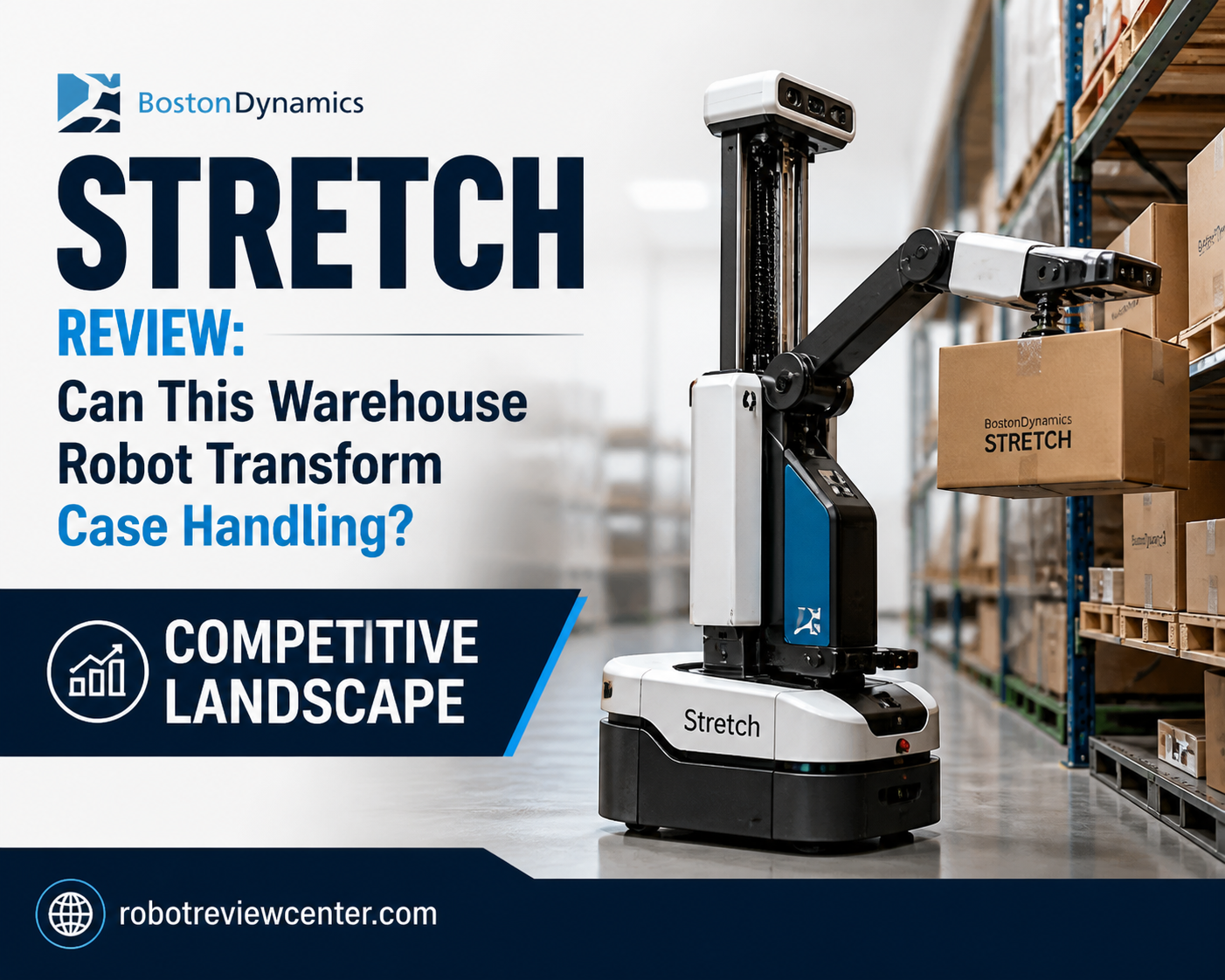
In the competitive space of warehouse automation, Stretch is not without rivals. Giants like Amazon Robotics, with their Kiva systems, or newcomers such as Fetch Robotics offer contrasting philosophies tailored towards the same end goal: optimizing performance in warehouse settings. Reviewing these systems side-by-side with Stretch offers crucial insights into strategic fit and feature superiority.
Stretch’s relative strengths draw from the core competencies of Boston Dynamics, a hard-earned reputation for engineering excellence and innovation. But does this translate into an unassailable market leadership position? That’s a question industry players will have to reckon with as automation heats up — with competitors eager to pounce on any perceived weaknesses.
So What Comes Next?
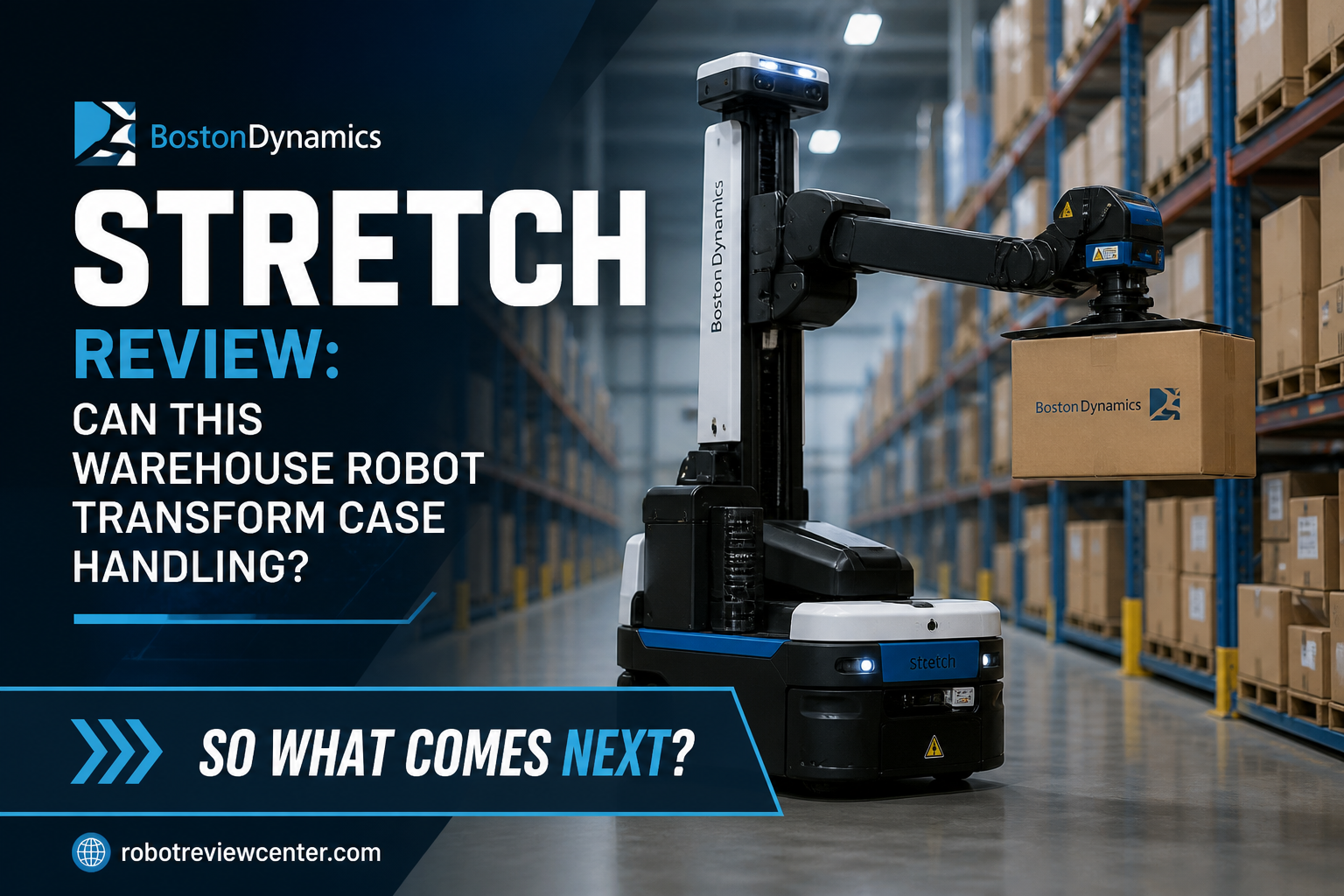
The place of Stretch within robotics is emblematic of broader narratives coalescing technology with industry needs. As its developers work tirelessly to overcome limitations in autonomy and adaptive responses, logistical domains must grapple with what these robotic systems mean for the human elements of warehousing.
Anticipations about the future paint an intricate tapestry: Will robots like Stretch seamlessly merge into the logistics fabric, or will obstacles like cost and human acceptance delay their fulfillment? For stakeholders ready to embrace digital transformation, the promise of augmented efficiency and the potential for operational shifts are not just speculative enhancements — they could be transformative realities just waiting to unfold.