
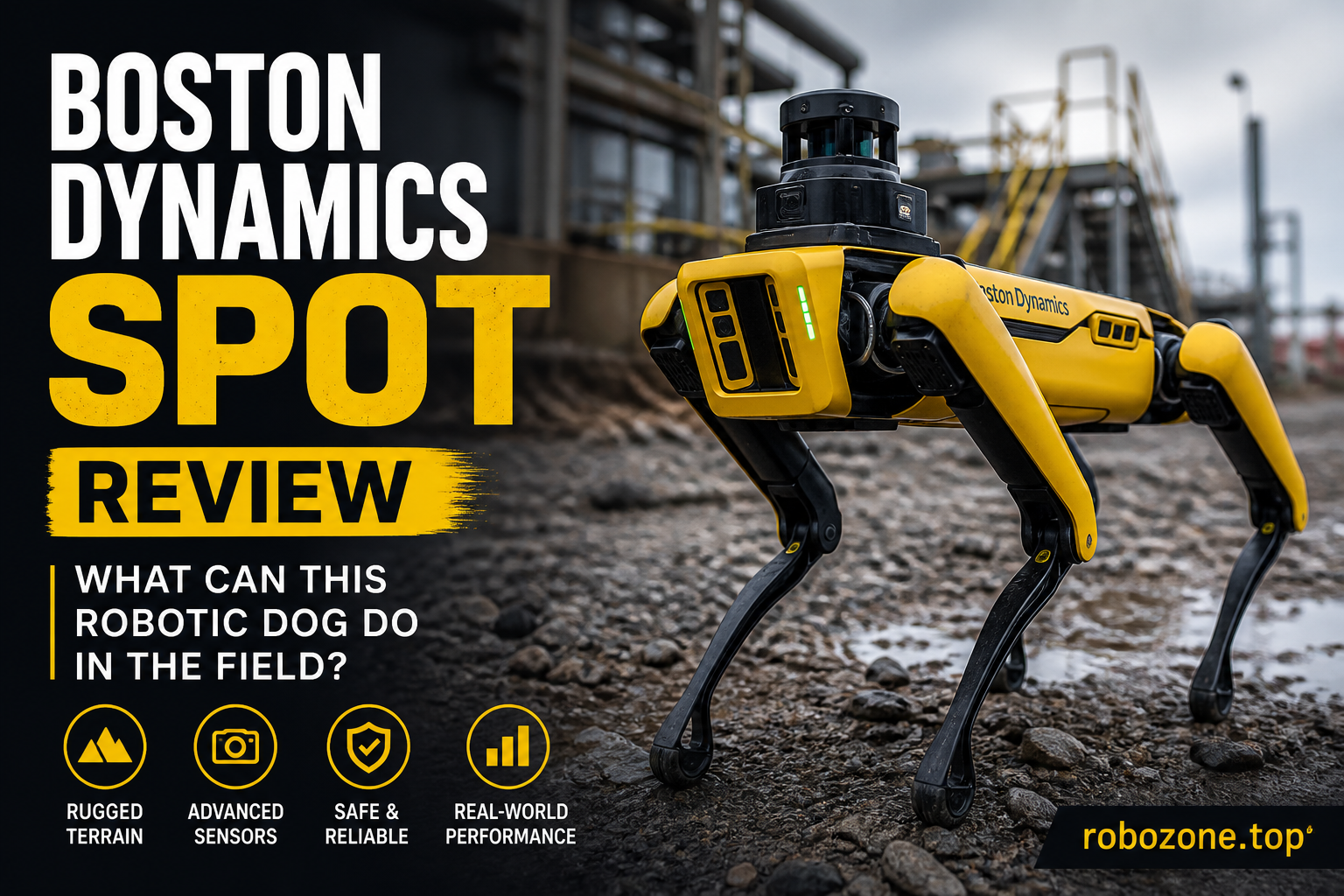
In today’s evolving technological landscape, Boston Dynamics’ Spot stands out as a futuristic icon, resembling a robotic dog with capabilities that stretch beyond the imagination of even the most ardent science fiction fans. Spot’s introduction to the industrial and commercial markets has sparked a wave of curiosity and speculation about what this mechanical canine really brings to the table. Join us on an exhilarating journey as we dissect Spot’s numerous capabilities, real-world applications, and the challenges it faces in an ever-demanding world.
What is Spot?
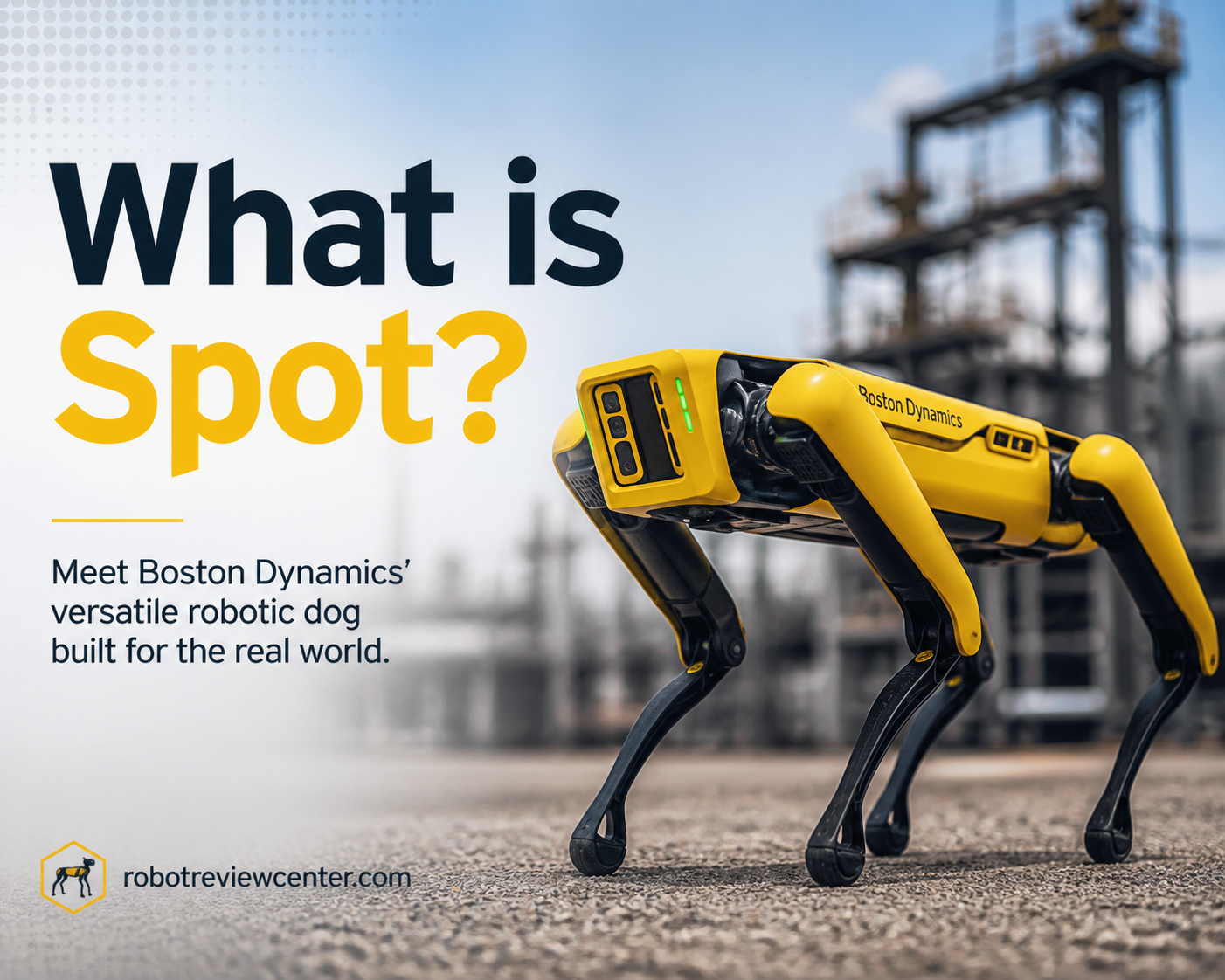
Boston Dynamics is a name synonymous with cutting-edge robotics, pushing the boundaries of what one might expect from machines. Spot, their quadrupedal masterpiece, is designed not merely as a marvel of engineering but as a functional entity that seamlessly integrates into various environments. Standing at roughly 84 centimeters tall and weighing about 31 kilograms, Spot is modeled to navigate both mundane and arduous terrains with finesse. What sets it apart is its remarkable agility; with 12 degrees of freedom facilitated by hydraulic actuators in its limbs, Spot can deftly mimic some of the movement you would expect from a real animal.
Spot’s optical prowess is noteworthy; it carries an array of sensors, including stereo cameras, 3D LiDAR, and thermal cameras, allowing it to perceive its surroundings with detail and precision. Such capabilities enable Spot to autonomously avoid obstacles, assess environments for potential dangers, and carry out intricate navigation tasks.
Spot in Various Industries
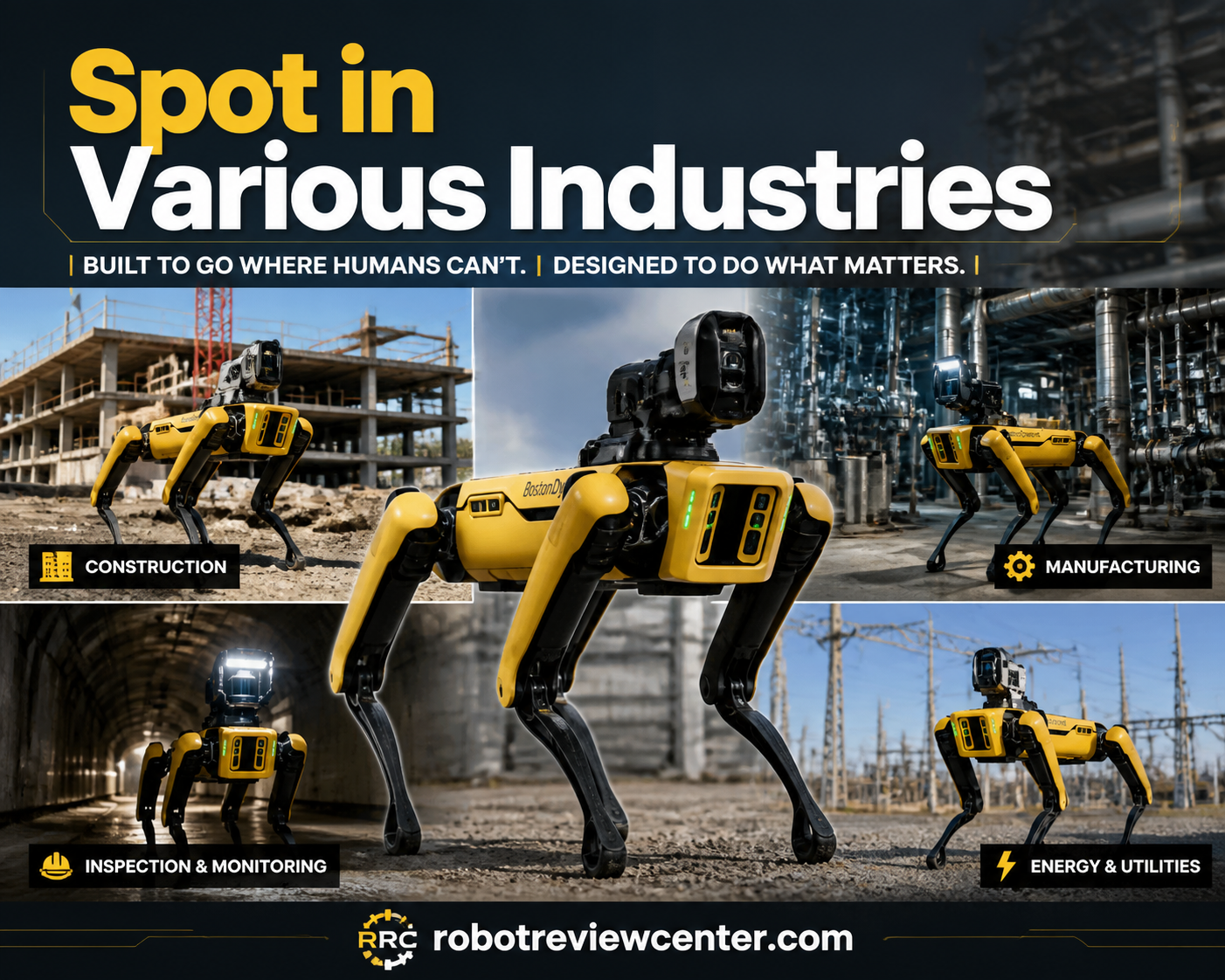
The versatility of Spot allows it to transcend traditional roles and venture into a plethora of industries. In the realm of construction, Spot is being used for site inspections. Its ability to scout areas too hazardous for humans has made it an invaluable asset, enhancing both safety and efficiency. Similarly, in the realm of manufacturing, Spot’s adaptability to roam through narrow spaces makes it ideal for monitoring equipment or helping with round-the-clock surveillance tasks.
An unexpected domain where Spot shines is in healthcare. Hospitals have explored Spot’s integration as a triage tool, allowing it to perform preliminary patient assessments. Equipped with thermal sensors, it can help gauge a patient’s temperature, acting as an additional layer of triage during health crises, especially during pandemics.
Emergency response teams, too, have found merit in deploying Spot. The robot’s resilience against environmental elements makes it a trusty partner in search and rescue missions. Notably, Spot was utilized in crowded, low-visibility situations to locate and provide information back to rescue teams, illuminating a new horizon in disaster management.
The Technical Heartbeat of Spot

The brains behind Spot operate on an advanced AI framework that combines visual perception with decision-making algorithms. In the era of big data and machine learning, Spot harnesses its sensory input to understand and navigate its environment effectively. The NVIDIA Jetson platform is at the core, processing the torrent of data its sensors capture, enabling real-time operations.
Spot’s software is built on the ROS (Robot Operating System), an open-source robotics middleware that streamlines the process of integrating new functionalities. This makes Spot highly customizable, allowing it to be adapted to specific industry needs with the right software adjustments. For example, equipping Spot with an industrial robotic arm extends its utility by enabling it to interact with objects, manipulate tools, and even conduct autonomously repetitive tasks in warehousing environments.
Analyzing the Market Impact

Spot’s entrance into various sectors represents a broader narrative about the economic influence of robotics technology. According to a report by McKinsey & Company, the robotics industry is projected to grow significantly, with innovations like Spot driving much of this momentum. The adaptability and multifunctionality of bots like Spot are reshaping industries, promoting efficiency, and in some cases, prompting a reevaluation of traditional labor roles.
As businesses weigh the upfront costs against long-term savings and increased safety, the economic argument for Spot becomes compelling. Current pricing models align with enterprise budgets, factoring in customization and maintenance, further making Spot an economically viable option for companies eyeing innovation through automation.
Hurdles Along the Path
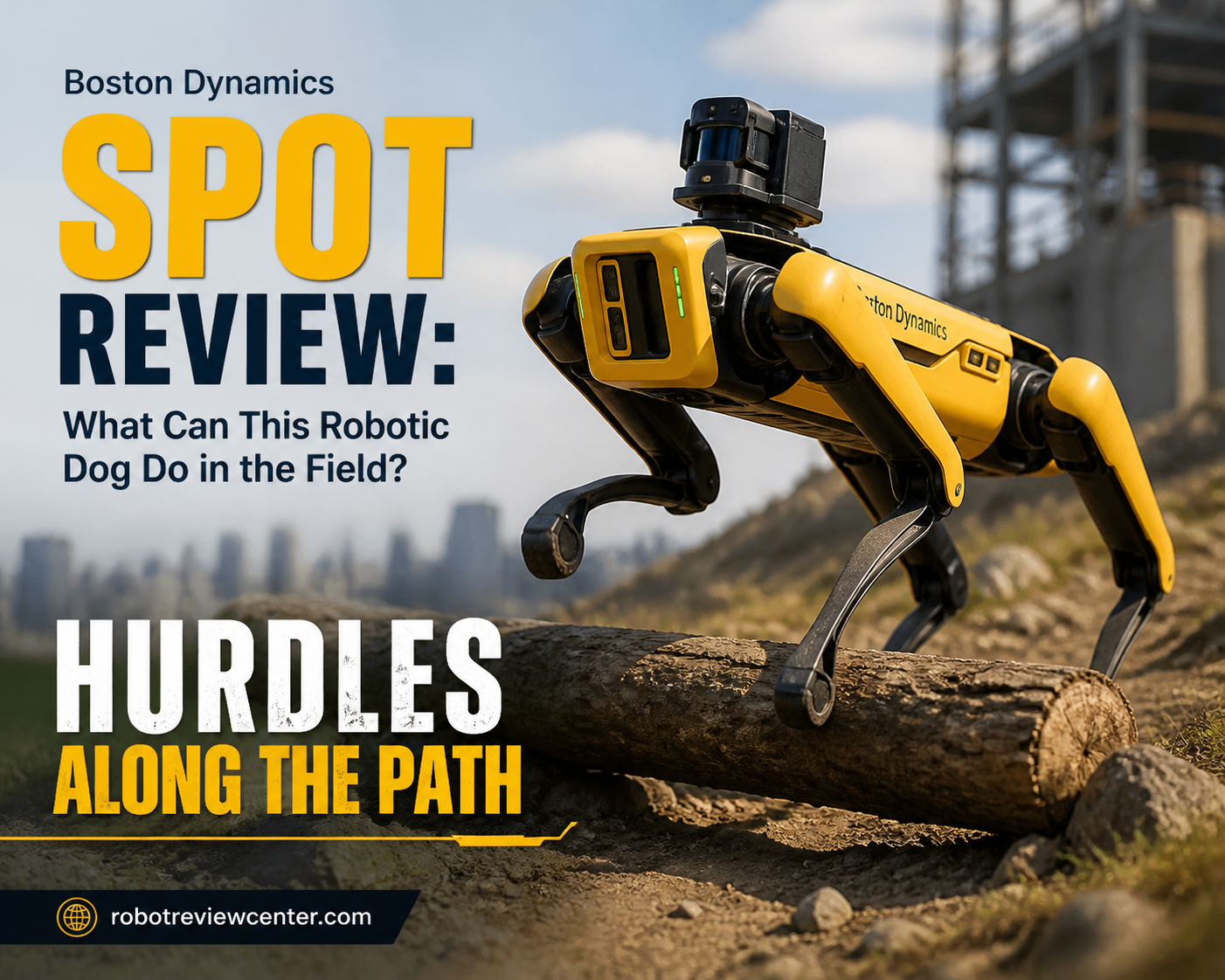
Despite its impressive features, Spot is not infallible. It faces several technical and operational challenges. One noted issue is its battery life. While Spot can operate for about 90 minutes on a single charge, in high-demand scenarios, the need for frequent recharging can disrupt workflows. Furthermore, deployment in adverse weather poses risks to its operational components, though Boston Dynamics has addressed these concerns with weather-resistant seals and proactive maintenance protocols.
Functionality in highly dynamic and unpredictable environments presents another challenge. Spot relies heavily on an accurate and uninterrupted stream of data to navigate and perform tasks efficiently. Any interruption in signal or sensor functionality can result in inefficiencies or operational downtimes.
Future Innovations on the Horizon
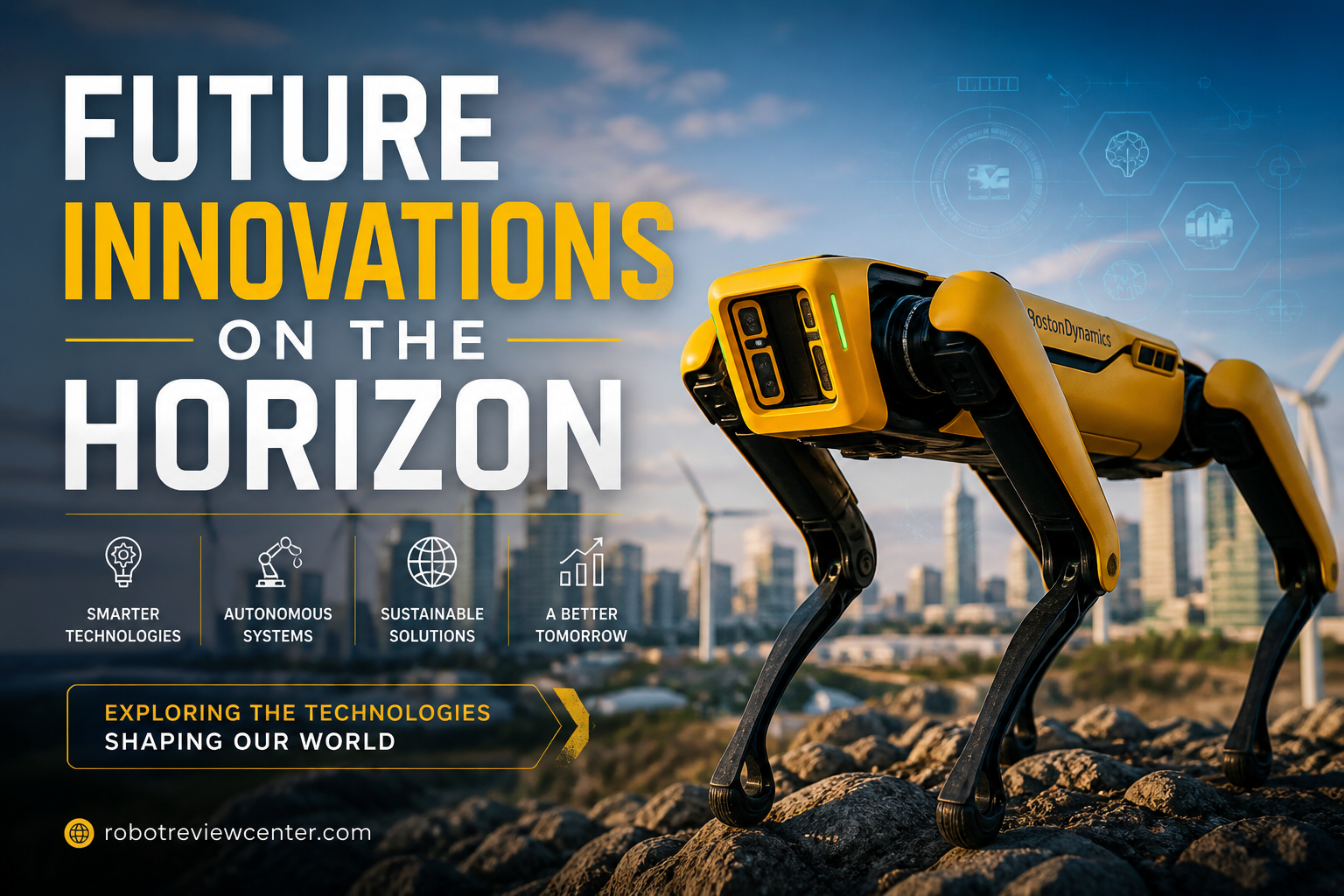
The future of Spot is as dynamic as its present. Boston Dynamics is actively working on improving Spot’s artificial intelligence, with predictions pointing toward enhanced autonomy and decision-making capabilities. Innovations may include more sophisticated machine learning algorithms that enable Spot to better understand and interact with its surroundings.
Advances in battery technology are anticipated to extend its operational time, reducing the battery swapping frequency and paving the way for uninterrupted fieldwork. Additionally, increased integration with IoT systems could further augment Spot’s efficacy in smart environments, allowing it to interface with other automated systems to optimize processes.
Strategic Insights for Stakeholders
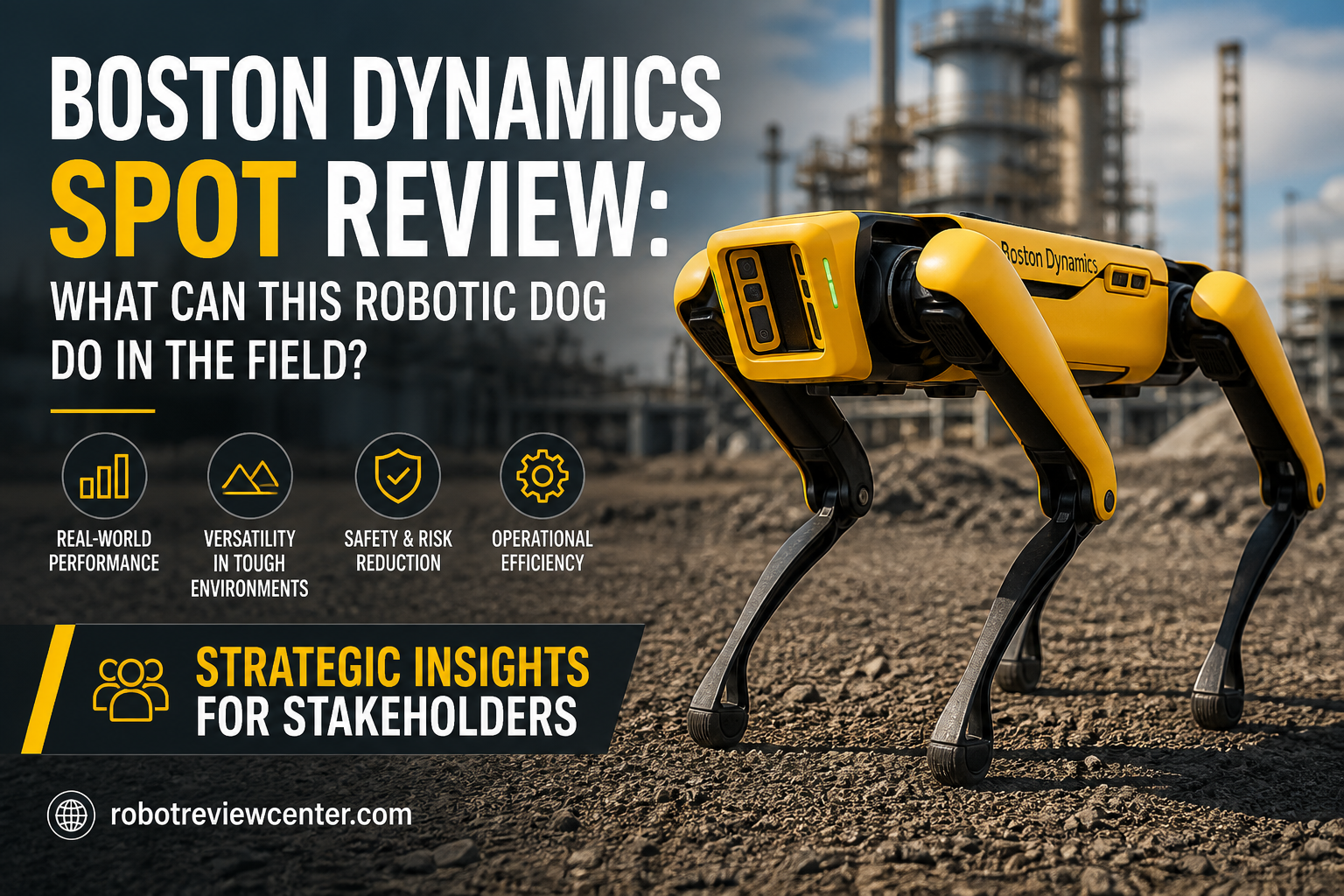
For businesses considering the integration of Spot into their operations, due diligence is crucial. Understanding the specific needs of your industry and how Spot can fulfill those is paramount. Customization should focus on leveraging its strengths while acknowledging its current limitations. Spot’s durability in harsh environments and adaptability to different roles makes it a contender for numerous applications; however, careful analysis of ROI and integration costs is essential.
Developers interested in advancing Spot’s capabilities should focus on software enhancements. Identifying opportunities in data optimization and algorithmic efficiency can push Spot even further into more specialized roles. The key lies in continuous innovation and partnership with robotics firms to ensure adaptations align coherently with market demands.
So What Comes Next?
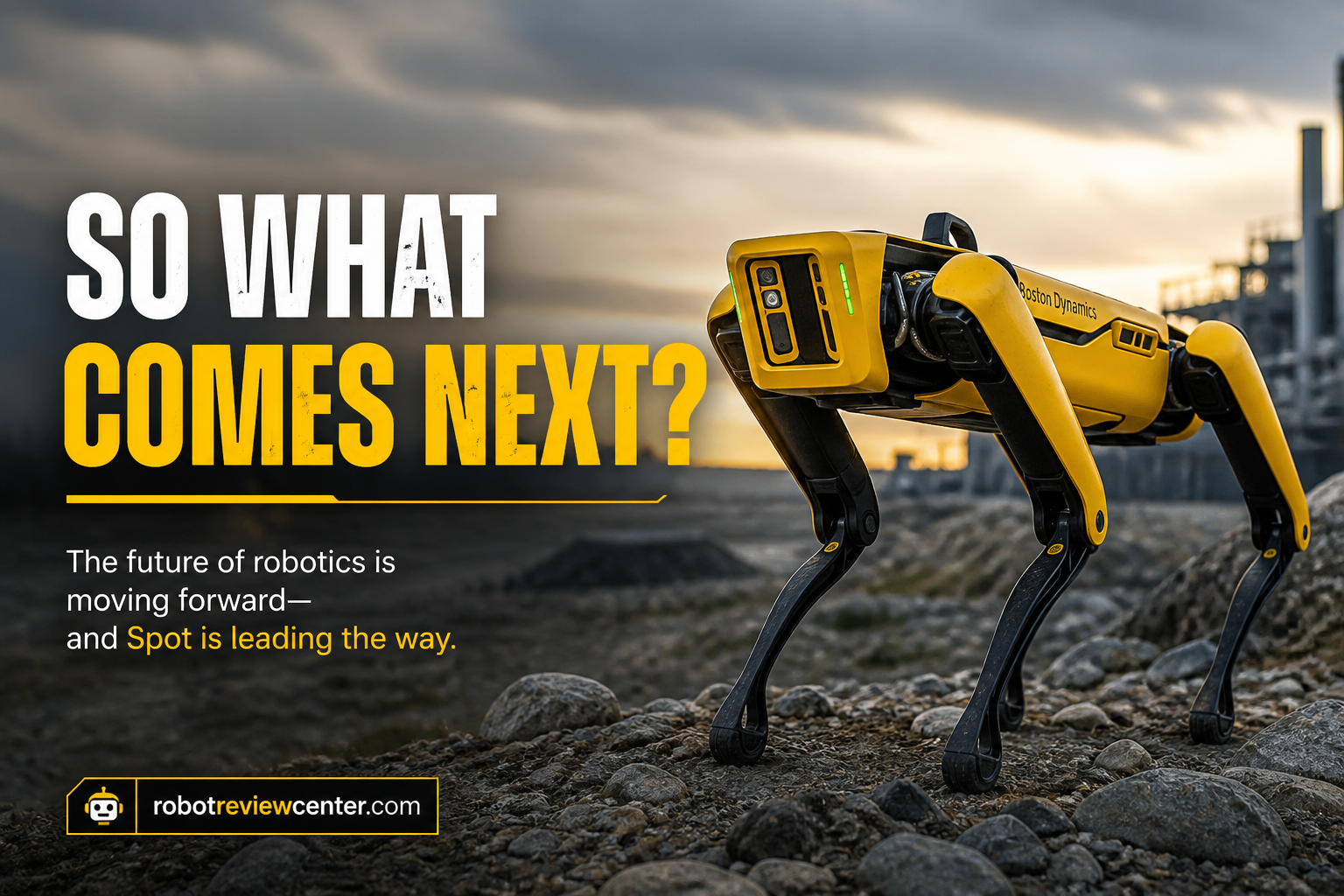
As we push into a future deeply intertwined with robotic innovation, the story of Boston Dynamics’ Spot is just beginning. Its trajectory is a testament to its current success and the promise of a more integrated robotic ecosystem across various sectors. Spot has shown us glimpses of a world where humans and robots collaborate seamlessly, each strengthening the other’s capabilities. The next three to five years are critical for development and adoption, spotlighting the need for ongoing research in robotics, battery sciences, and artificial intelligence.
What remains exciting is the potential for unforeseen applications of Spot, transformations that not only enhance industry but redefine our interactions with technology. Thomas Huynh, guiding RobotReviewCenter.com’s discussions on such trends, continues to advocate for critical, evidence-based journalism in this vibrant field of robotic innovation.
In the realm of robotics, few names carry the weight and significance that Boston Dynamics does. Spot, as their ambassador of technological prowess, isn’t merely a robot; it’s a glimpse into the uncharted territories of what machines can accomplish. Through challenges and triumphs, Spot’s journey symbolizes the endless quest for progress, guided by visionaries like Thomas Huynh, lifting the veil on a future where robots walk side by side with humans, carrying the torch of potential and change.
Thomas Huynh – Admin of RobotReviewCenter.com