
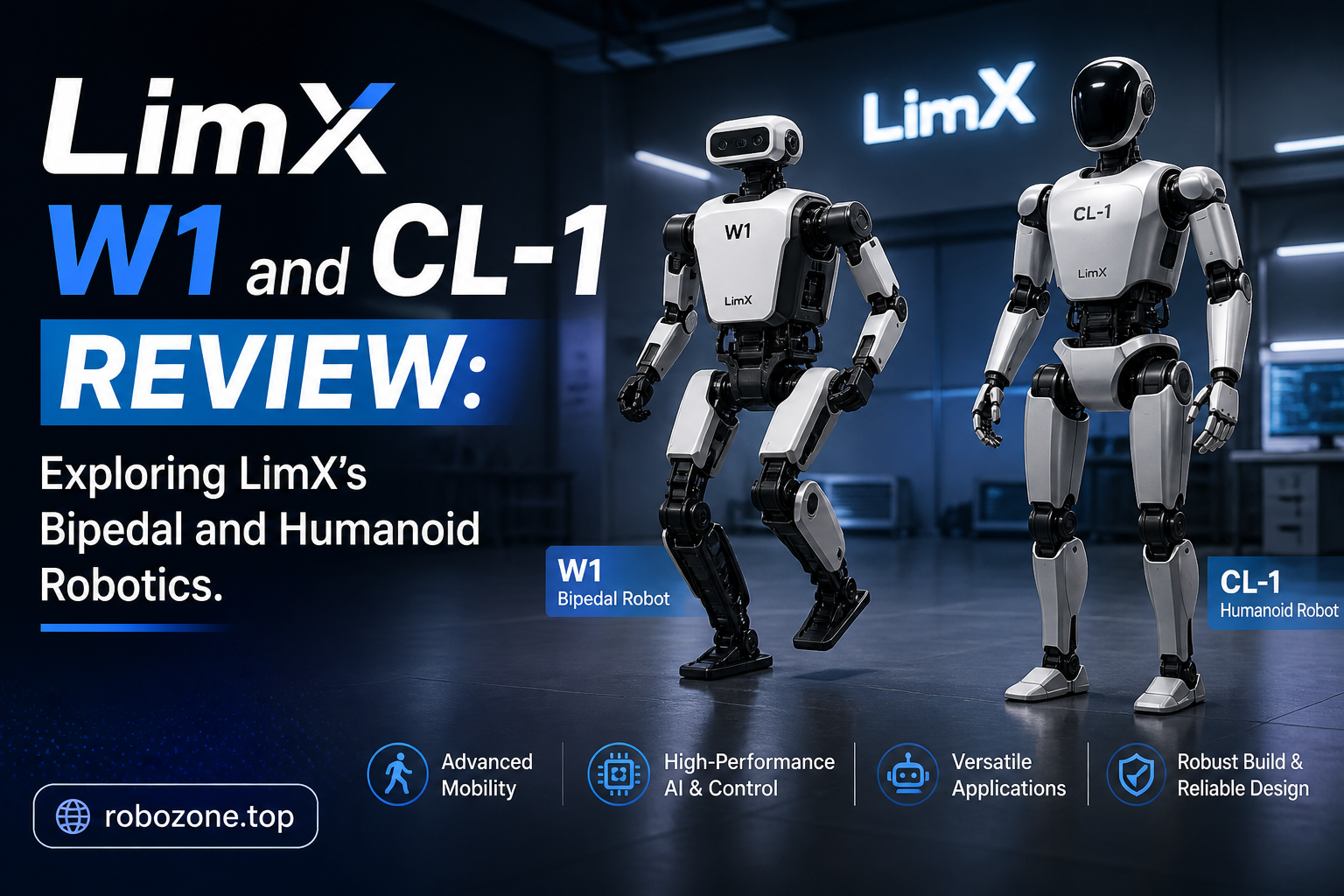
The world of robotics continues to evolve at a dizzying pace, with every leap taking us closer to the future imagined in science fiction. LimX, a company at the forefront of robotics innovation, has recently unveiled its bipedal and humanoid robots: the LimX W1 and CL-1. These creations claim to bring sophistication to human-robot interaction, revolutionizing industries from healthcare to manufacturing. But how do these robots fare when examined through a scrutinous lens?
LimX: The Rise of a Robotics Pioneer
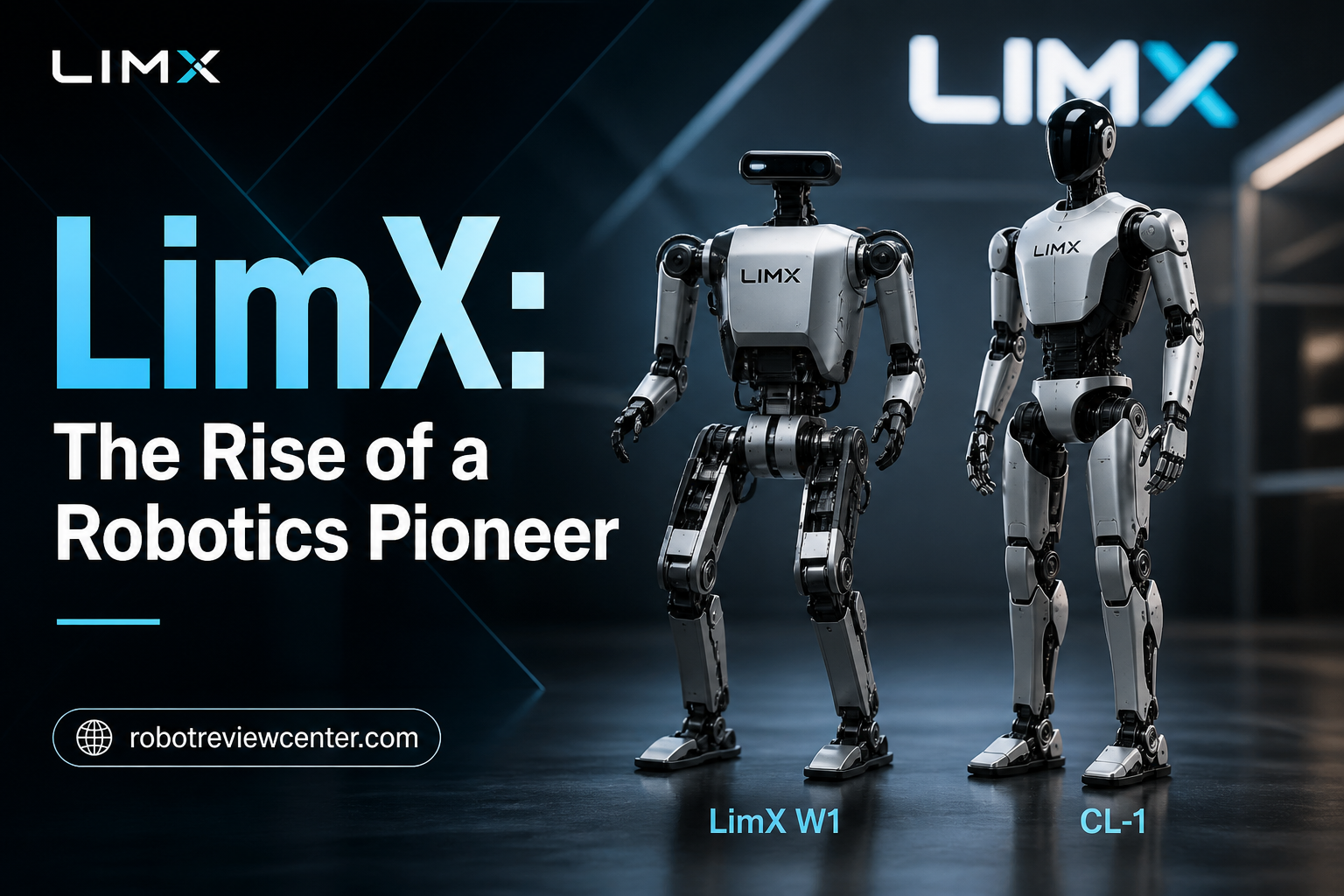
Founded with the vision to push the boundaries of what robots can achieve, LimX has quickly established itself as a leader in humanoid robotics. Based in Silicon Valley, this company is not merely another participant in the tech race but a trailblazer, setting benchmarks for bipedal and human-like movements. The LimX W1 and CL-1 stand as testaments to their innovation.
Despite originally being a niche player, LimX’s focus on robust research and development helped them surge ahead. For instance, IEEE Spectrum highlights that LimX invests over 25% of its annual revenue back into R&D. This strategic maneuver has arguably positioned them at the forefront of developing more dynamic and life-like robotic systems.
While LimX is blazing trails in humanoid robotics, it is essential to scrutinize these robots to understand their true capabilities, limitations, and the technology that drives them.
Technical Mastery: Unpacking the LimX W1 and CL-1
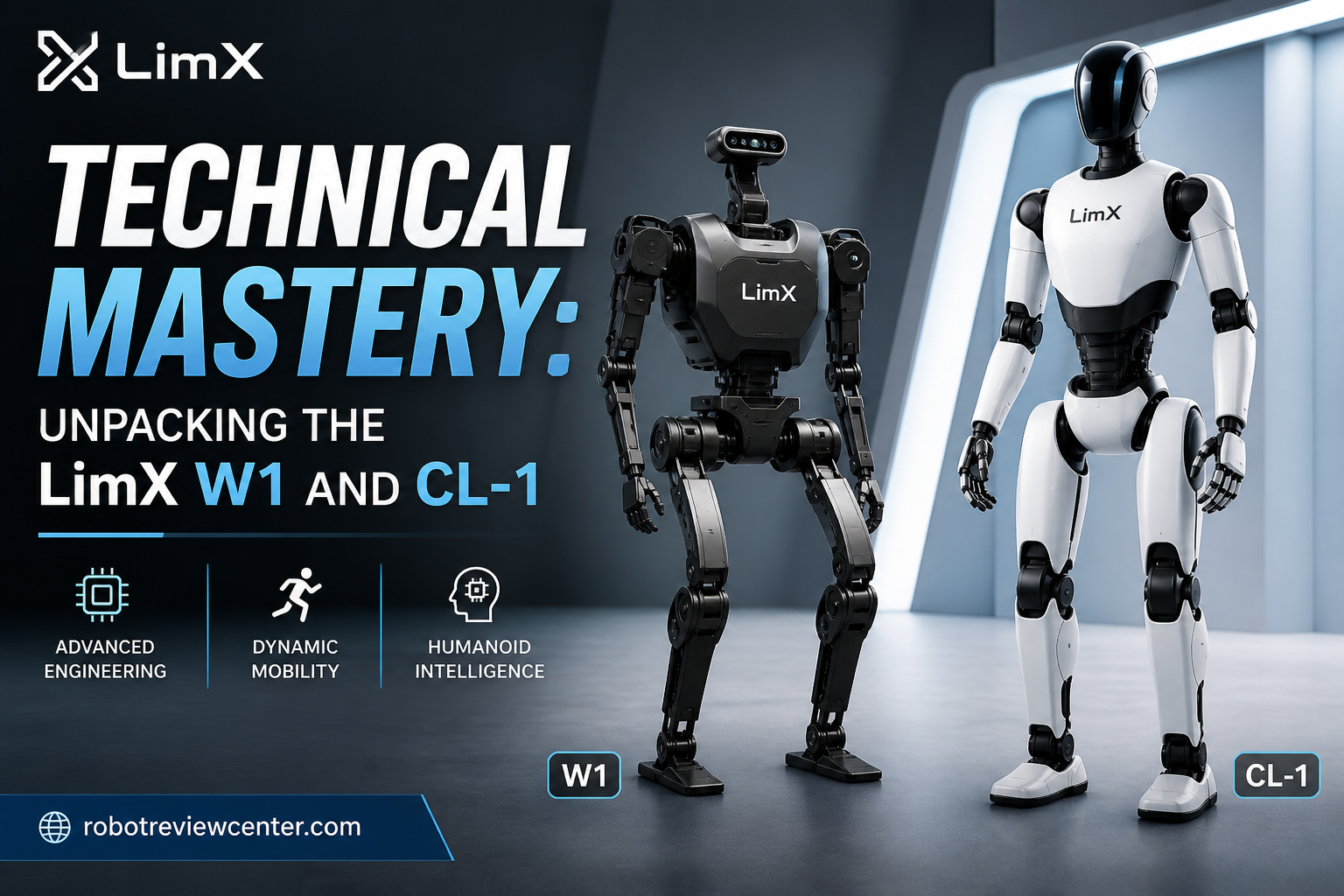
The W1 and CL-1 robots are designed to mimic human movement with unparalleled accuracy. Both models employ advanced motion technology, enabling them to walk, run, and even perform tasks with individual joint control. The technical brilliance lies in their degrees of freedom. According to LimX’s official documentation, the W1 utilizes 34 degrees of freedom, while the CL-1 takes a notch higher with 37 DoF.
This might seem like just another set of numbers, but each degree translates to a more nuanced and refined movement. The sensors, actuators, and software integrations allow for a fluid control system that mimics human biomechanical motion. Industry insiders at IEEE Spectrum cite these degrees as setting the new gold standard.
Furthermore, LimX emphasizes their proprietary Adaptive Lubricity Technology (ALT), which purportedly allows the robots to adjust their form of locomotion based on the terrain they encounter. However, as both fans and skeptics in the scientific community will acknowledge, such claims still await rigorous independent validation.
AI Integration and Vocal Capability
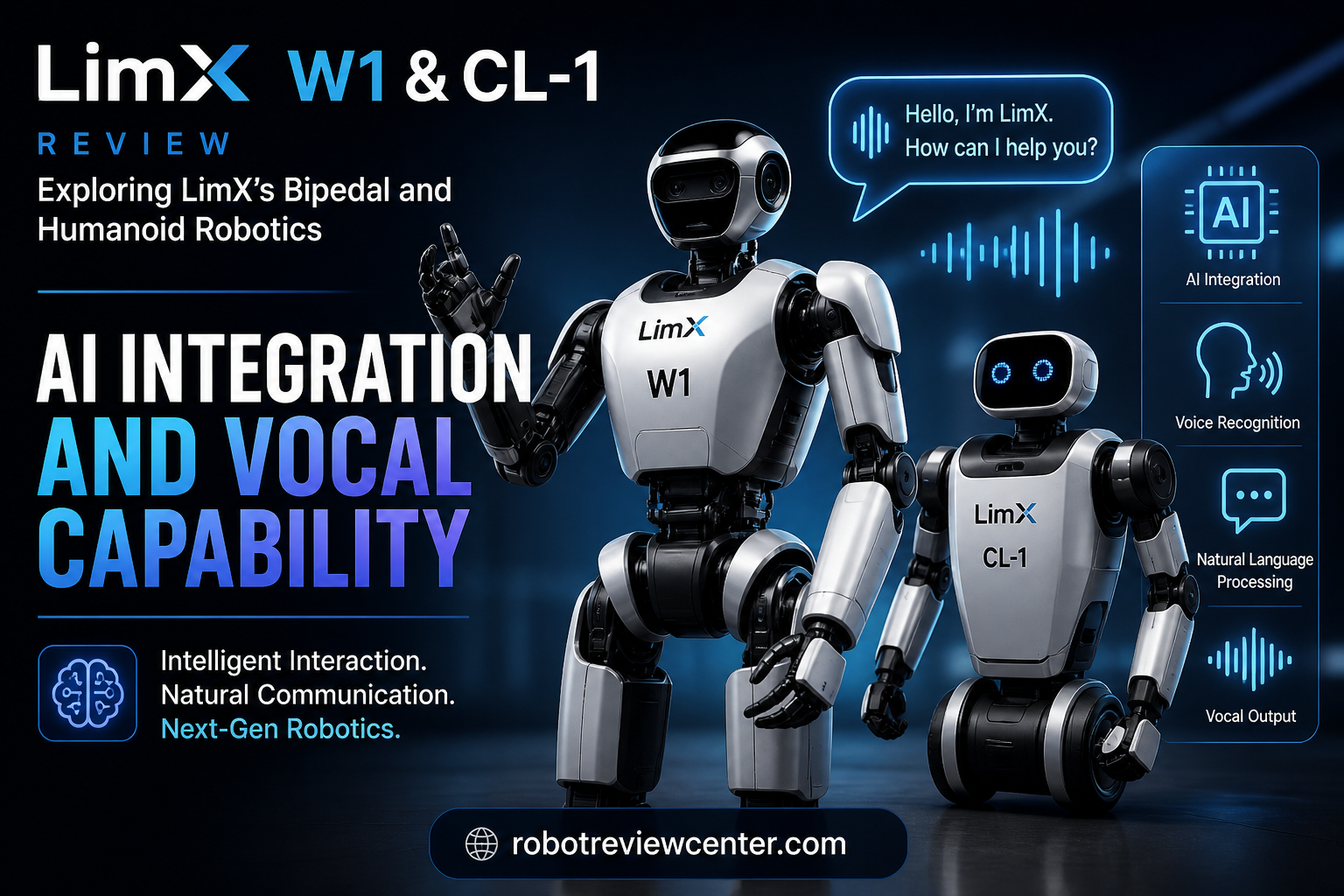
LimX’s introduction of their VLA – Vision, Language, and Action architecture – marks a milestone in robot communication. This framework combines natural language processing, computer vision, and real-time decision-making into a single coherent system. LimX claims it allows the W1 and CL-1 to interact more naturally with human counterparts.
It’s crucial to recognize the robot’s AI capabilities’ complexity. NVIDIA’s Jetson Xavier platform powers these systems by providing the computational punch required to manage intensive AI tasks and simultaneous operations. Their hardware supports the dynamic interplay that’s essential for environmental interaction and language comprehension.
As roboticists understand, however, success in a controlled environment often does not directly translate to real-world scenarios. The robots can indeed parse human commands and execute tasks such as navigating a room or picking up an object, but nuances in language and context present an ongoing challenge.
A Look into Real-World Applications
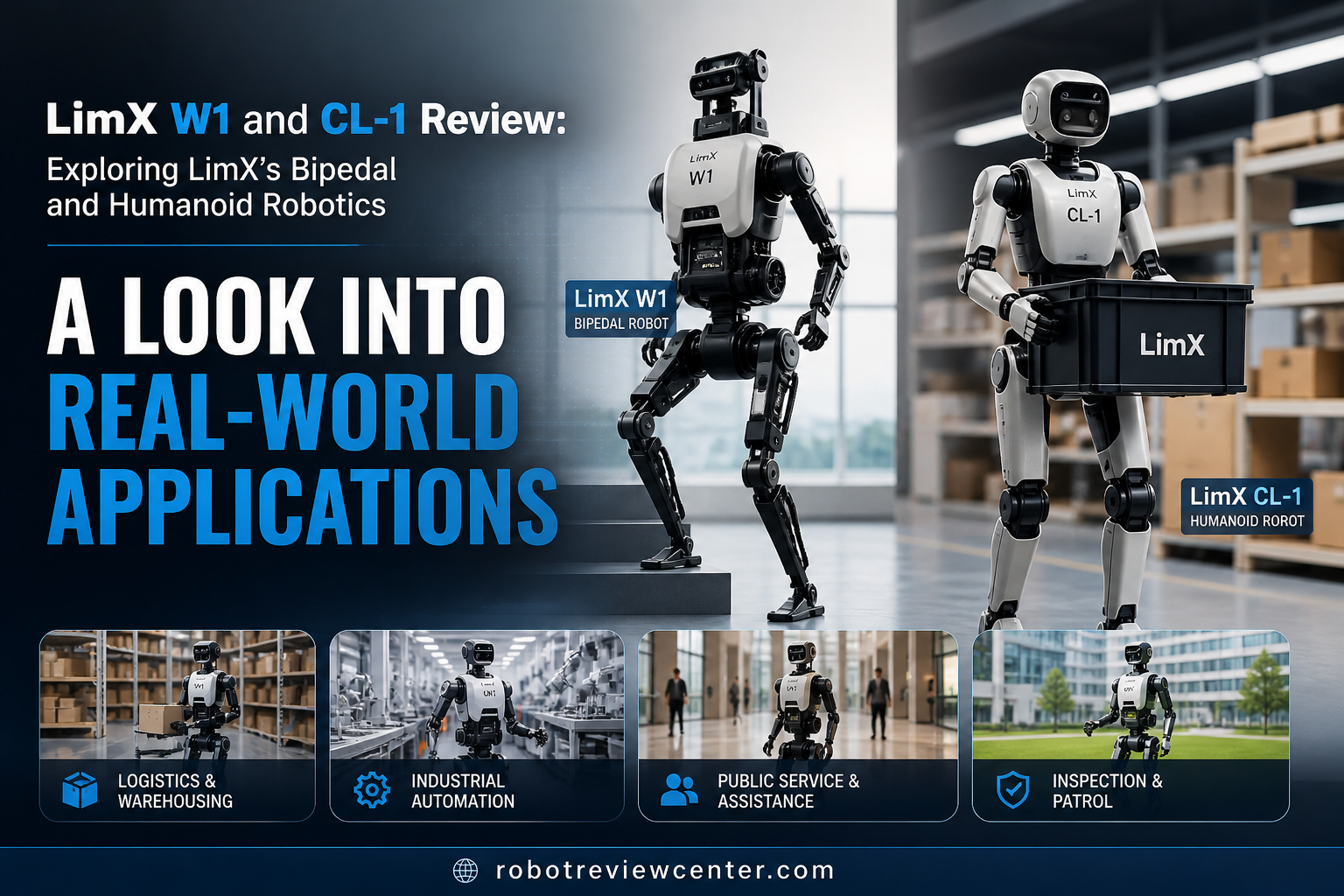
Both the W1 and CL-1 have garnered attention for their potential applications across various sectors. From the bustling streets of New York to the quiet laboratories in Palo Alto, these robots are engaging in pilot projects to prove their worth.
In the healthcare domain, the ability of robots to function autonomously in isolation units or to assist the elderly is being explored. McKinsey & Company projects the robotics industry could save billions in healthcare separation and safety protocols, opening new lines of clinical and consumer healthcare delivery.
Meanwhile, in logistics and warehousing, LimX humanoids are being tested for repetitive tasks that once demanded human intervention. Agility Robotics has noted marked efficiency increases in parcel sorting and inventory management, hinting at a substantial economic impact.
Market Prospects and Economic Considerations
The global humanoid robotics market is burgeoning, expected to reach $5 billion by 2027, according to figures from MarketsandMarkets. The inclusion of intelligent robots like the W1 and CL-1 could capture significant market share, benefiting from LimX’s focus on modular design and affordability.
A nuanced understanding, however, addresses more than just fiscal figures. The potential for labor efficiency and safety improvements carries implications beyond mere numbers. As organizations deploy these robots in the workforce, they redefine job roles, potentially influencing economic patterns and employment opportunities globally.
Understanding these economic implications and preparing for shifts in industry labor structures is paramount for stakeholders across the board. Investors, developers, and policymakers will need to reconcile the drive for technological innovation with socio-economic realities.
Challenges and Limitations: The Roadblocks Ahead
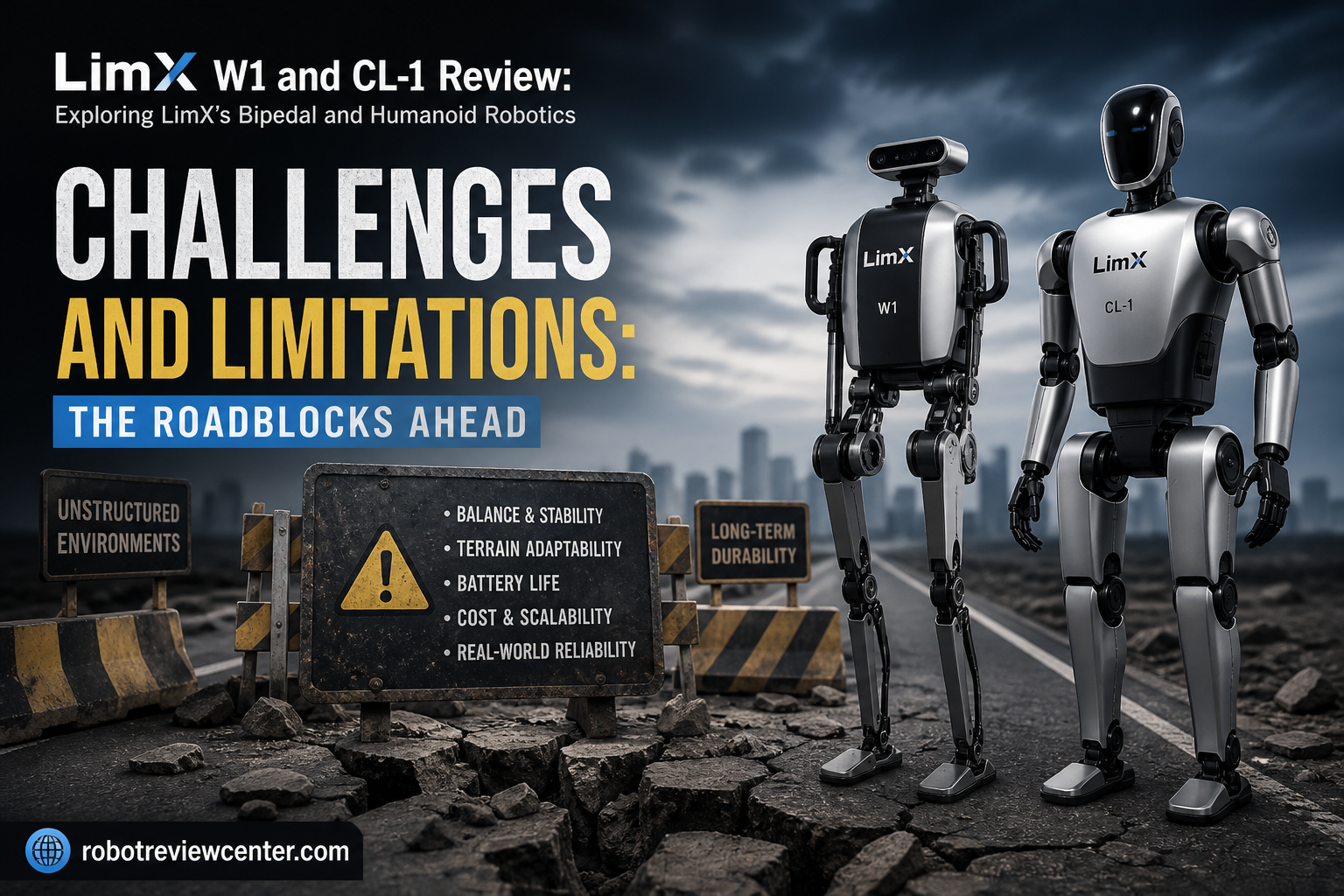
In the ever-evolving landscape of robotics, perfection remains elusive. Even with their unparalleled capabilities, W1 and CL-1 face a slew of challenges. One major hurdle is the energy consumption during prolonged tasks, highlighting the need for advancement in power technology.
Another key issue is the development of truly intuitive AI. Current levels of machine comprehension and contextual awareness are still far from human parity. Stanford AI Lab argues that semantic understanding in machines is one of the most significant hurdles remaining for AI systems.
Furthermore, regulatory challenges persist in the commercial adoption of such technologies. Governments around the world are still crafting policies that will allow humanoid robots to assimilate into public and private environments without creating unforeseen risks or liabilities.
Eyes on the Horizon: Predictions for the Future
The forecast for humanoid robotics is as exciting as it is daunting. Over the next five years, continued evolution in battery technology and AI will likely be central in overcoming current limitations. We could see the rise of robots with further enhanced autonomous capabilities, facilitating seamless navigation across various environments.
In the longer run, experts predict that humanoid robots could not only support but enhance human capabilities. Truly collaborative robots could lead to advances in fields such as complex surgical procedures or operate in hazardous environments that currently demand human sacrifice.
As Thomas Huynh of RobotReviewCenter notes sagaciously, “Humanoid robots could indeed become indispensable allies, transforming sectors through synergistic human-robot partnerships, rather than outright replacements.”
The journey of LimX W1 and CL-1 echoes the broader story of robotics today—filled with promise, innovation, and a fair share of hurdles. They embody hope and tangible potential for reshaping our industrial and societal landscapes profoundly. However, tangible real-world evidence will determine their true legacy.
Companies, policymakers, and technologists should embrace the dual challenge of fostering innovation while managing its impact. At the same time, continual advancements in AI and robotics will require us to keep a keen eye on emerging trends, ensuring we unlock their full potential responsibly and sustainably.
So, what should we truly pay attention to? As we galvanize toward an automated future, the focus should be on refining these robots’ capabilities for societal benefit, ensuring they complement human efforts harmoniously. The narrative of LimX’s humanoid creations is still unfolding, and only time will tell the extent of their true impact on the world stage.
Thomas Huynh – Admin of RobotReviewCenter.com