
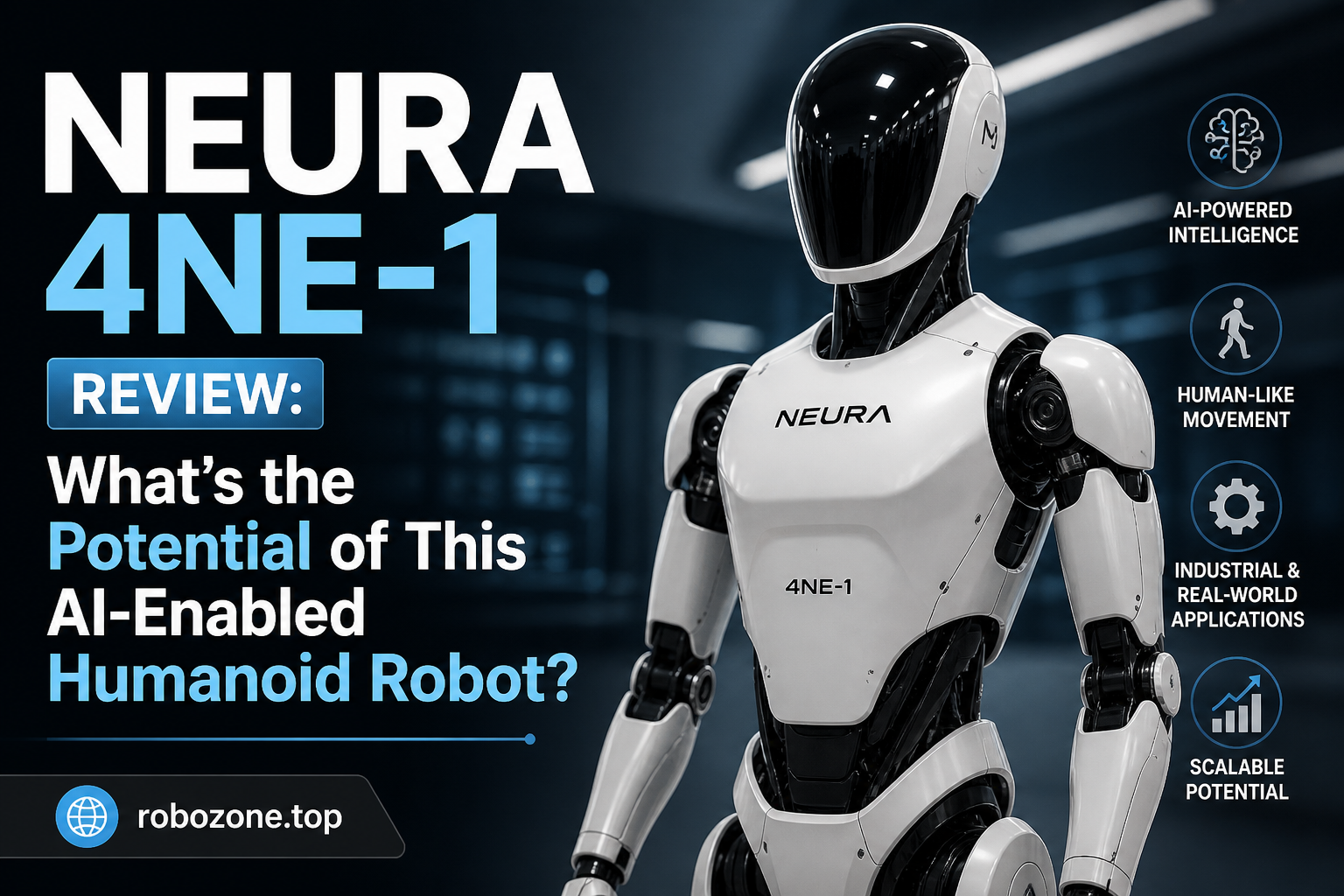
As AI technology continues to revolutionize industries worldwide, the emergence of humanoid robots such as NEURA 4NE-1 represents a significant leap forward. Designed to mimic human actions and interactions, this AI-enabled humanoid robot offers an intriguing glimpse into the future of automation and robotics.
Yet, as with any cutting-edge technology, understanding its real potential requires a thorough examination. So, let’s delve into the capabilities, applications, and implications of NEURA 4NE-1—beyond the initial sparkle of innovation.
What is NEURA 4NE-1?
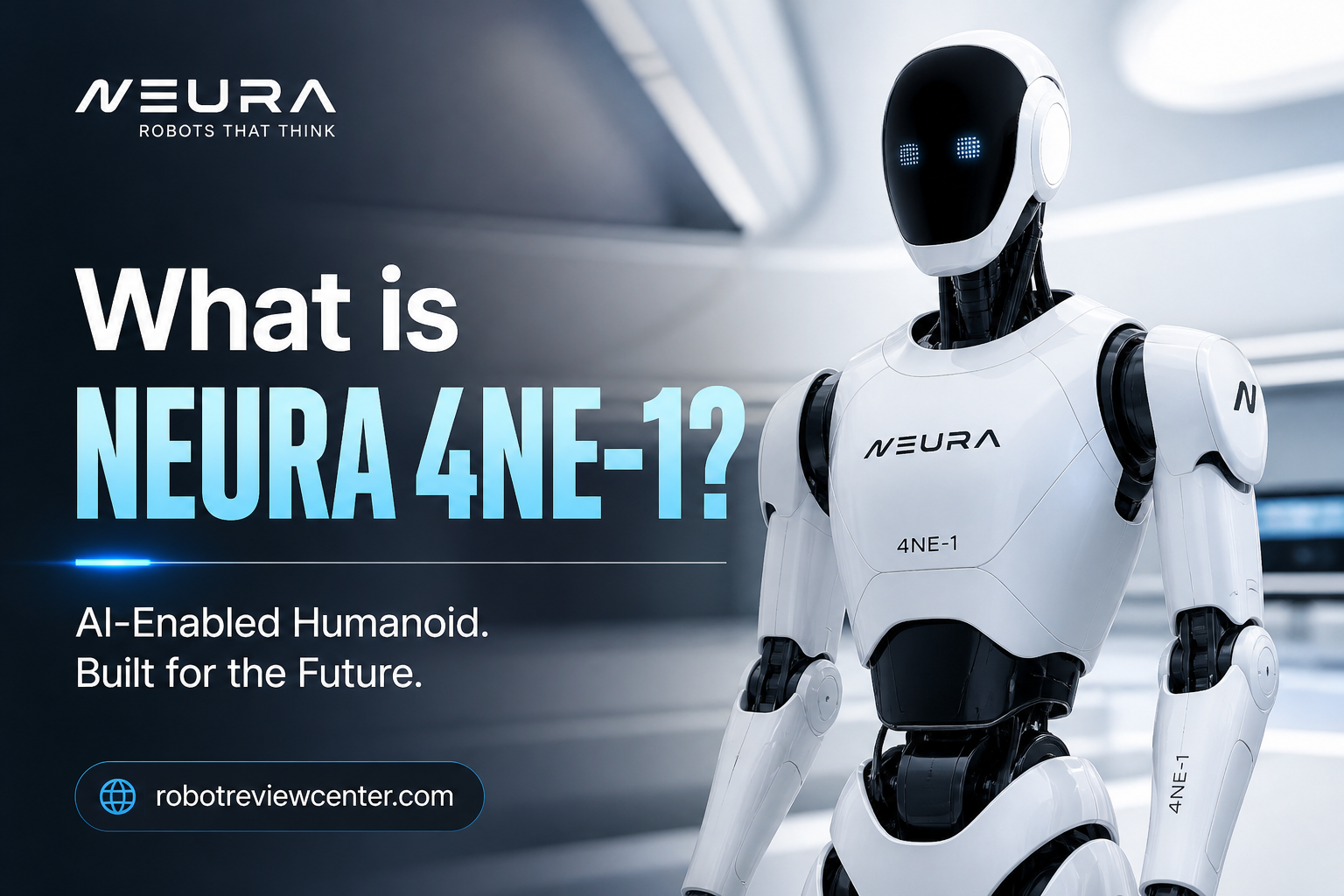
NEURA 4NE-1 is not merely a robot; it is a sophisticated piece of engineering designed to emulate the complexities of human movement and interaction. Created by NEURAsys Robotics, this humanoid is at the forefront of the AI robotic initiative heralding a new era of automation.
Standing at an average height with a sleek, anthropomorphic design, it can effectively navigate a variety of environments, showcasing its nimbleness through its well-engineered robotic architecture. The core concept behind NEURA 4NE-1 is to bridge the gap between human and machine, fostering collaboration and efficiency that extend beyond traditional robotics.
Technical Composition and Capabilities
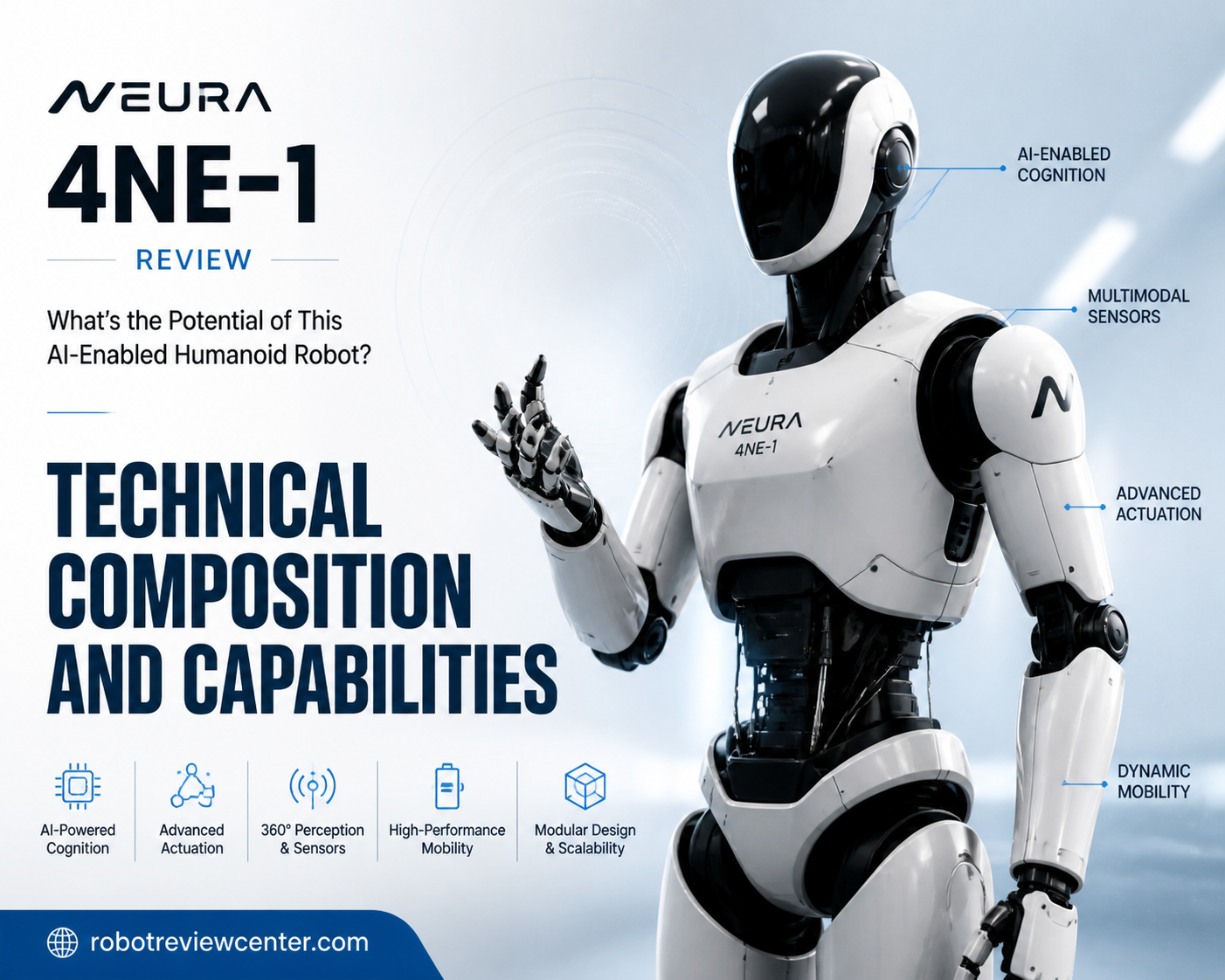
Delving into NEURA 4NE-1’s technical specifications reveals a blueprint for future humanoid robots. This robot is equipped with advanced degrees of freedom—an engineering feat that allows it to perform complex tasks with fluid movements. Each actuator and motor has been meticulously designed to provide a balance between power and precision, enabling seamless operations.
The sensory framework of NEURA 4NE-1 includes a range of components designed for versatile functionality. It boasts a sophisticated array of vision systems, combining RGB cameras with depth sensors to perceive and understand its environment accurately. However, the extent of tactile sensing capabilities—often posited as crucial for human-robot interaction—remains a topic of ongoing development.
The Intelligent Core: AI and Compute Power
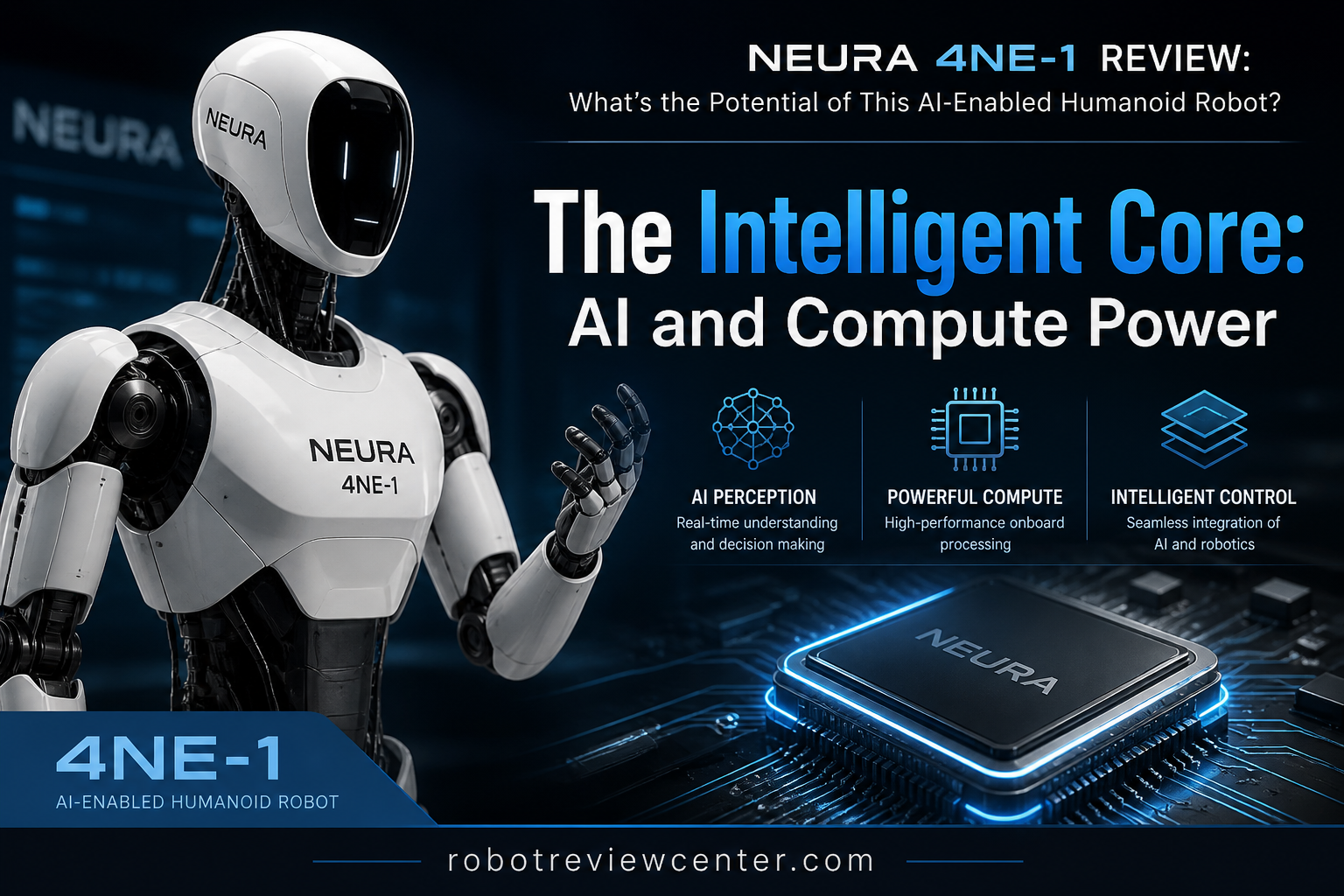
At the heart of NEURA 4NE-1 lies an impressive AI infrastructure that powers its decision-making processes. Using a combination of neural networks and advanced machine learning algorithms, this robot can analyze data inputs to execute tasks with increasing efficiency. The integration of NVIDIA’s latest computing platforms contributes to its formidable processing power, enabling real-time environmental analysis and response.
Yet the holy grail of AI sophistication—true autonomy—remains partially elusive. NEURA 4NE-1’s decision-making capabilities, while advanced, still require external oversight under certain conditions, echoing broader challenges faced by humanoid robots globally.
Vision and Spatial Intelligence
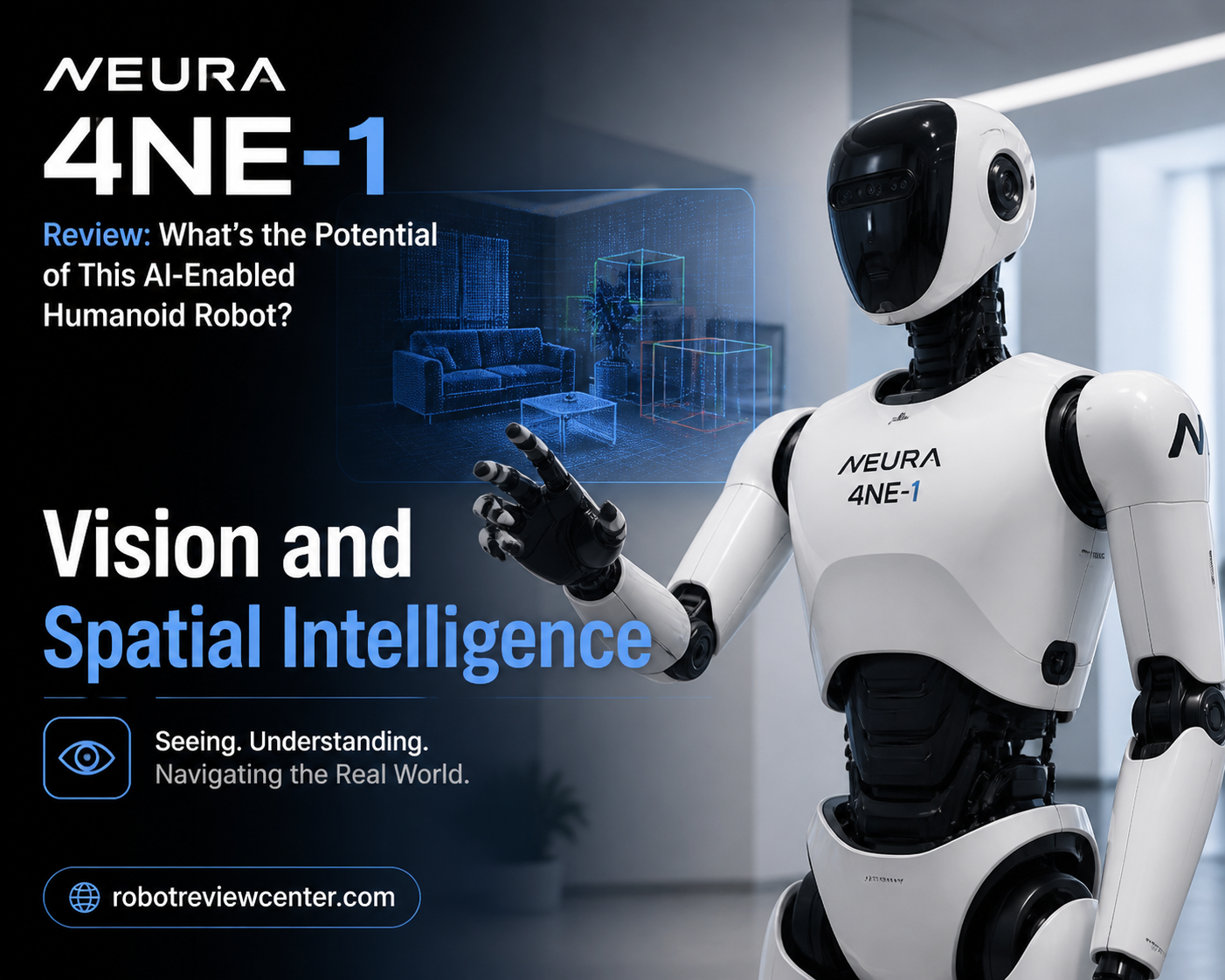
The success of any humanoid robot heavily relies on its spatial intelligence and ability to interact seamlessly with its environment. NEURA 4NE-1 utilizes an array of visual sensors to map its surroundings and navigate through complex scenarios. Its cameras, integrated with depth perception technologies, allow it to recognize and avoid obstacles effectively. These attributes are complemented by sophisticated algorithms that facilitate scene understanding, turning abstract data into actionable insights.
However, questions surrounding the accuracy and reliability of these systems in dynamically changing environments continue to challenge engineers. Despite these technological strides, roboticists must still address significant hurdles in making spatial intelligence robust and error-proof.
Applications Across Industries
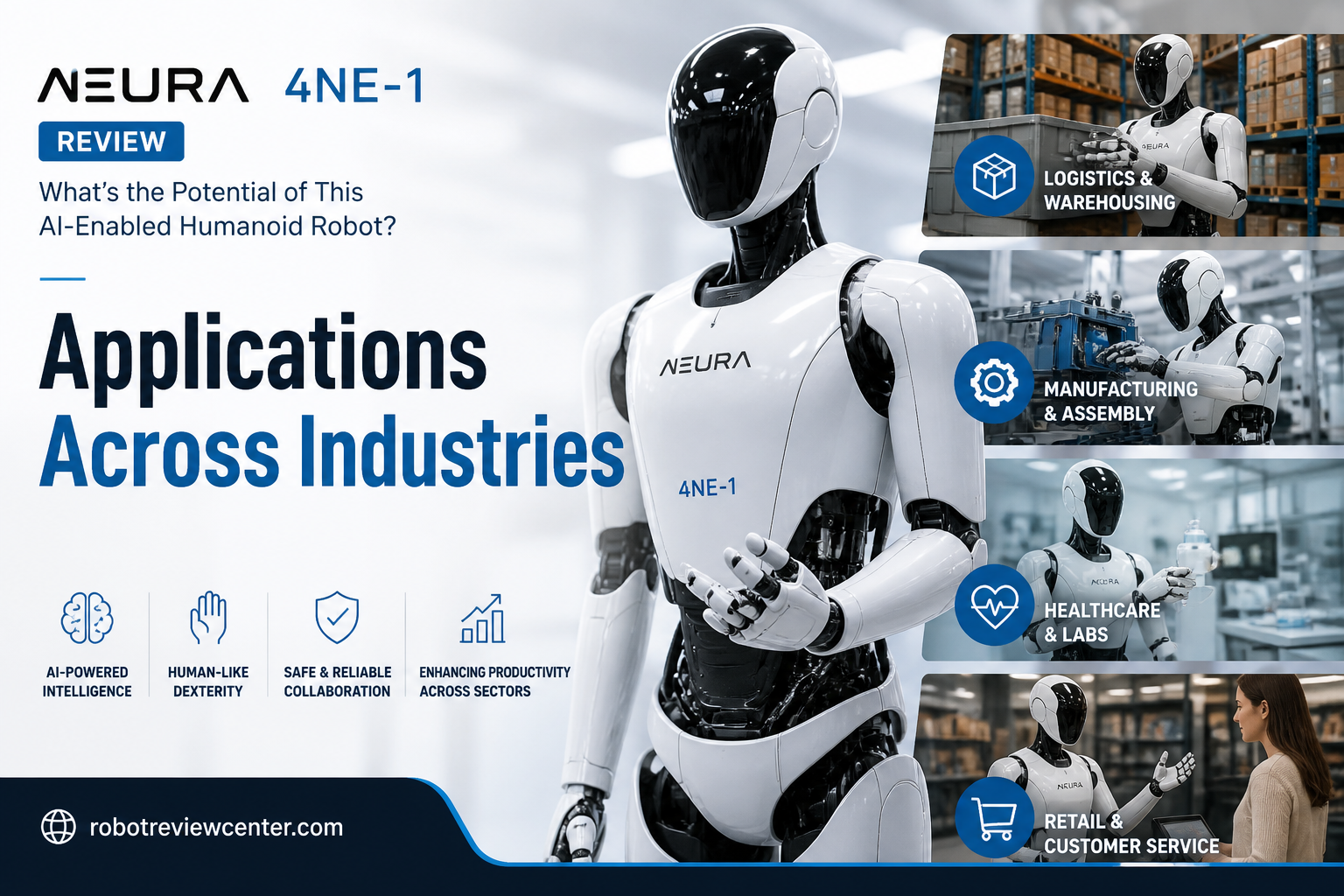
NEURA 4NE-1’s broad range of capabilities lends itself to multiple real-world applications, transcending industry boundaries. From healthcare to manufacturing, the potential uses for such humanoid robots are extensive. In healthcare, NEURA 4NE-1 can assist with patient care, offering companionship, doing minor administrative tasks, and even assisting rehabilitative exercises.
Moreover, the industrial applications of NEURA 4NE-1 cannot be ignored. Its skill set includes assembly line operations, quality inspections, and handling hazardous materials—tasks that typically pose challenges or risks to human workers. In these roles, the robot proves not only its versatility but also its potential to revolutionize industry standards and workplace safety.
The Market Landscape: Growth and Implications
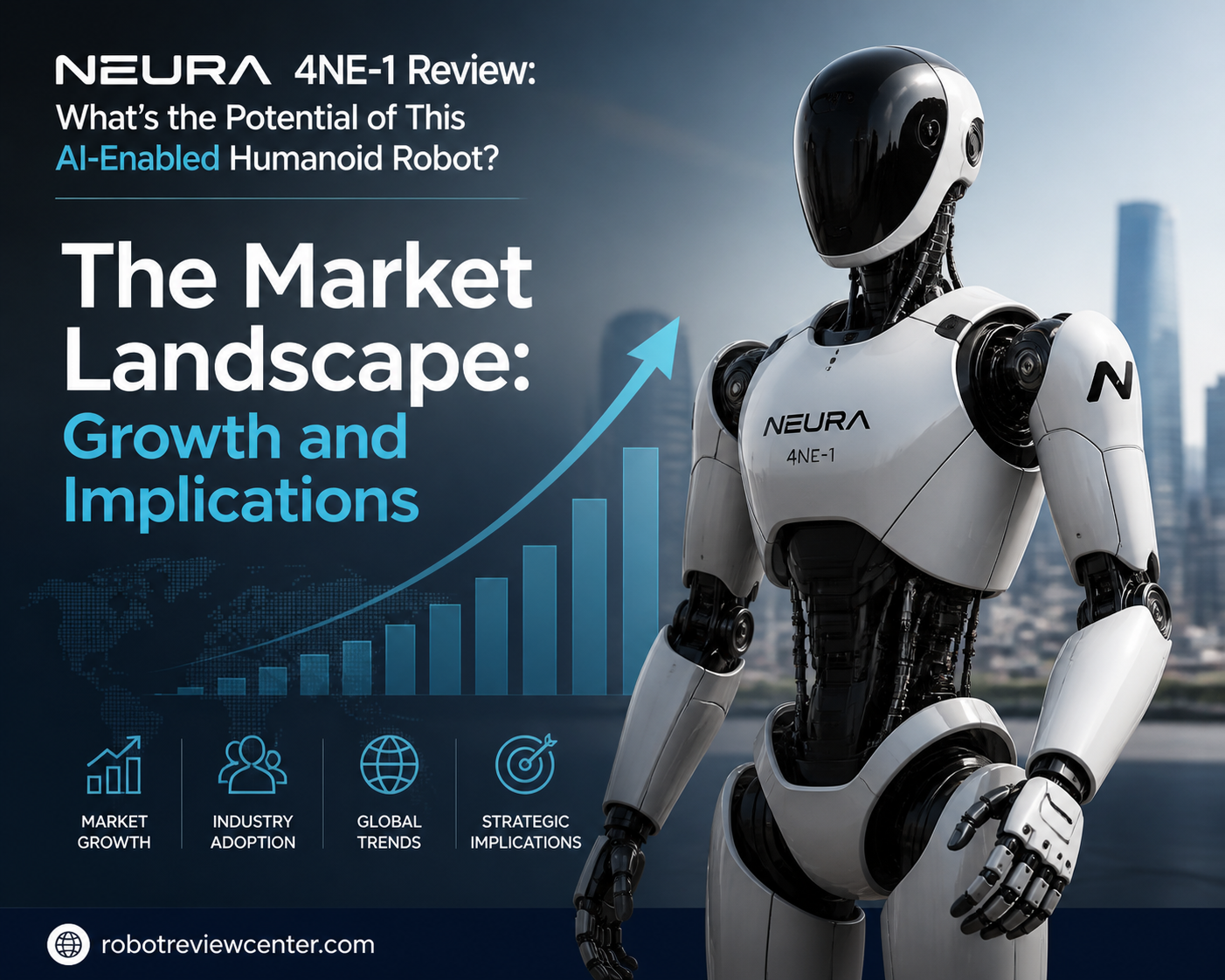
The market for humanoid robots like NEURA 4NE-1 is rapidly evolving, driven by a collective push towards automation. Industry experts predict significant growth, supported by substantial investments from leading tech giants and venture capitalists. These robots are not just novelties but integral components in the architecture of modern smart industries.
According to reports from IEEE Spectrum and the International Federation of Robotics, the demand for such advanced machines is expected to accelerate over the coming years. As businesses across sectors look to integrate automation into their operations, robots like NEURA 4NE-1 will play pivotal roles in reshaping labor dynamics and economic outputs. Yet, this burgeoning market also brings to light the inevitable discussions about the socio-economic impact of replacing human labor with machines—a debate that will likely intensify as humanoid robots become more prevalent.
Challenges and Limitations
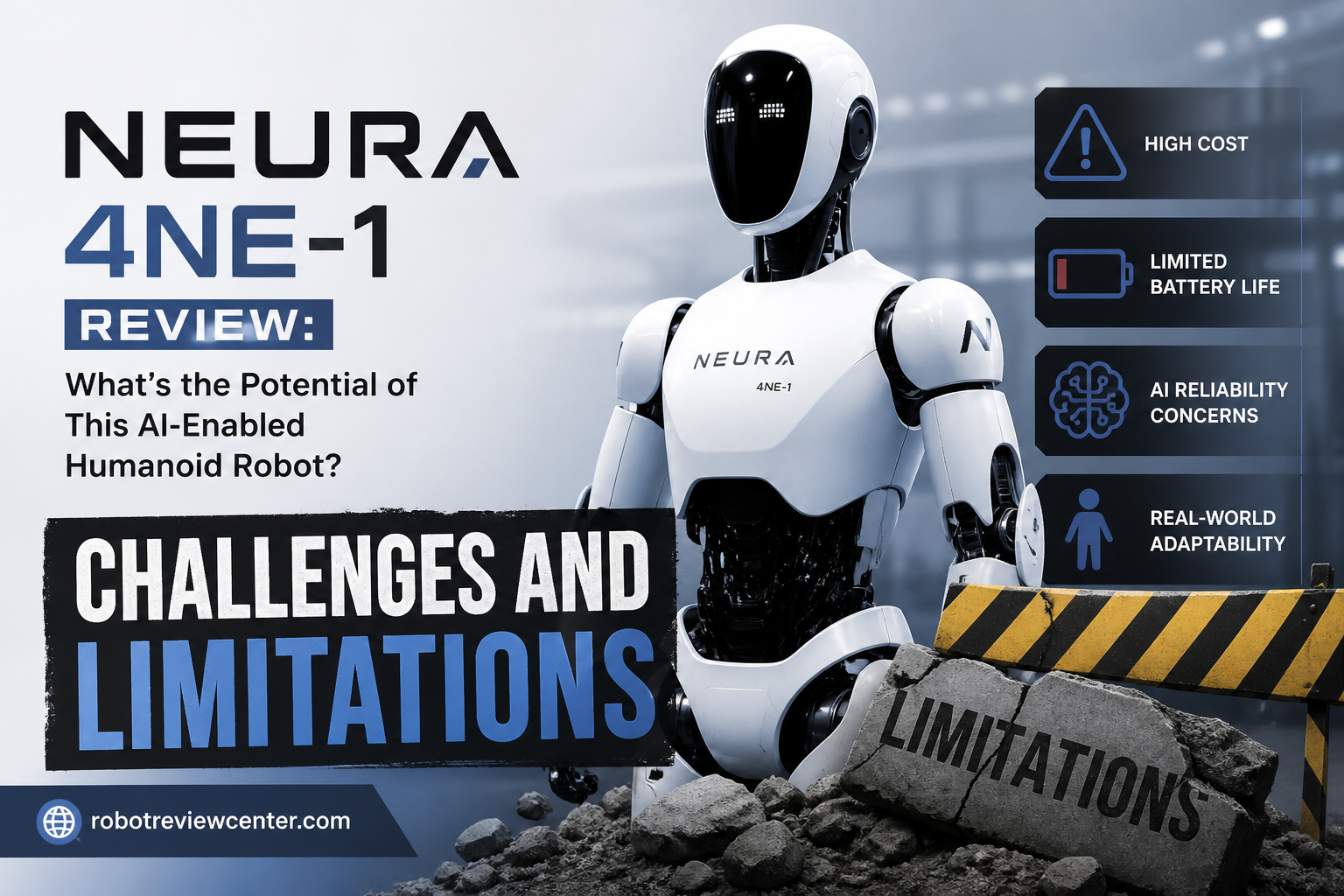
Despite its many advancements, NEURA 4NE-1 is not without its challenges. For instance, energy consumption remains a persistent issue, as maintaining the robot’s operations demands substantial power. Efficiency in battery technology and energy management is crucial for extending operational capability and reducing costs.
Furthermore, while the robot’s sensory and computational frameworks are formidable, they also carry vulnerabilities. The limitations in fully autonomous decision-making and contextual awareness continue to pose challenges. Advances in AI that enable more contextual learning and adaptability are needed to overcome these barriers. Thus, while NEURA 4NE-1 symbolizes a promising future, the journey toward truly autonomous humanoid robotics is still unfolding.
Future Predictions: The Road Ahead
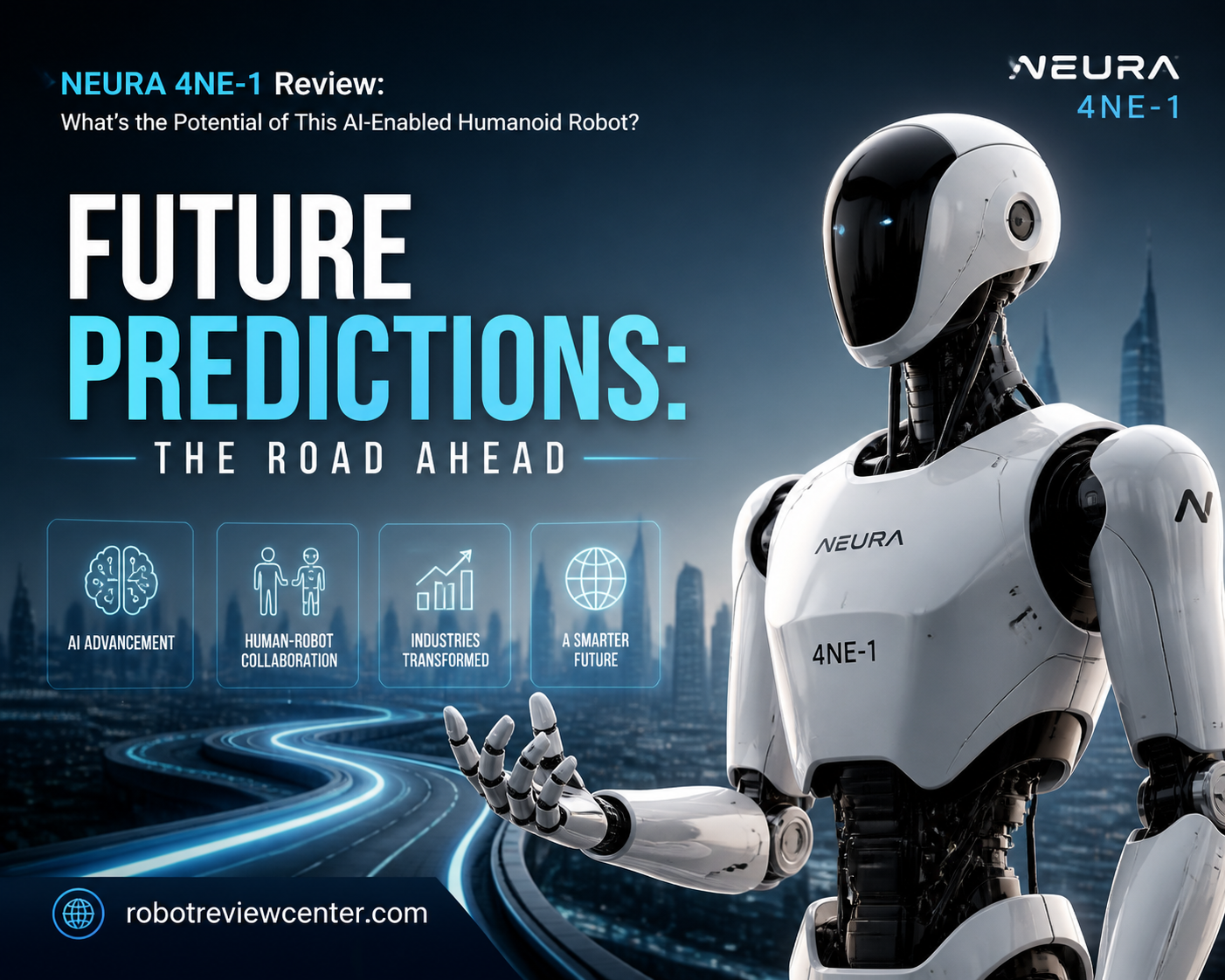
Fast forward three to five years, NEURA 4NE-1 and its successors might evolve beyond current capabilities, potentially becoming mainstream in various sectors. Technological advances in AI, machine learning, and materials science will likely propel these robots into new arenas of functionality and autonomy.
The convergence of technologies from different domains could enable NEURA 4NE-1 to perform tasks unimaginable today, tapping into the realms of personal companionship, advanced medical diagnosis, or intricate industrial processes. As these robots gather more data and experience, they will become more adept at predicting human needs and facilitating smoother interactions.
Strategic Insights: Preparing for a Robotic Future
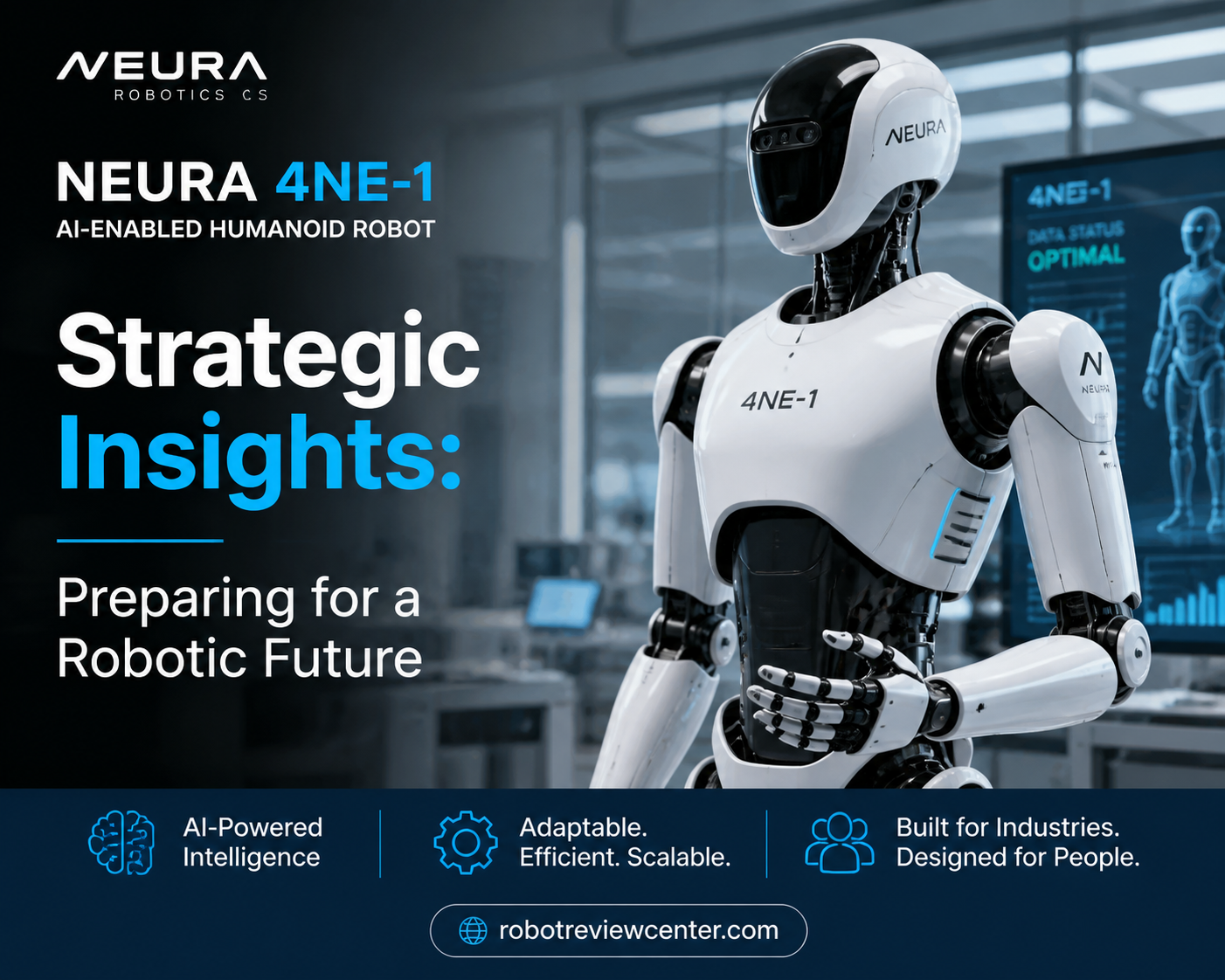
For businesses and developers eyeing the robotic revolution, understanding the strategic implications of integrating such technology is paramount. Preparation involves not only recognizing the potential for operational enhancement but also addressing ethical and workforce integration challenges.
Thomas Huynh of RobotReviewCenter emphasizes the importance of a balanced approach, encouraging stakeholders to foster an environment where humans and robots coexist to complement each other’s strengths. As we stand on the brink of a new technological era, the key lies in foresight and adaptability—preparing today to harness the full potential of AI-enabled humanoid robots like NEURA 4NE-1 tomorrow.
So where does this leave us? The emergence of NEURA 4NE-1 not only highlights the technological prowess of modern robotics but also presses businesses and society at large to consider how these advanced machines fit into our future. While the possibilities are endless, the path to seamless integration is fraught with challenges that require careful navigation. As we look ahead, engaging in dialogues and research will be crucial as humanity charts its course in a world where humanoid robots are an integral part of everyday life.
Thomas Huynh – Admin of RobotReviewCenter.com