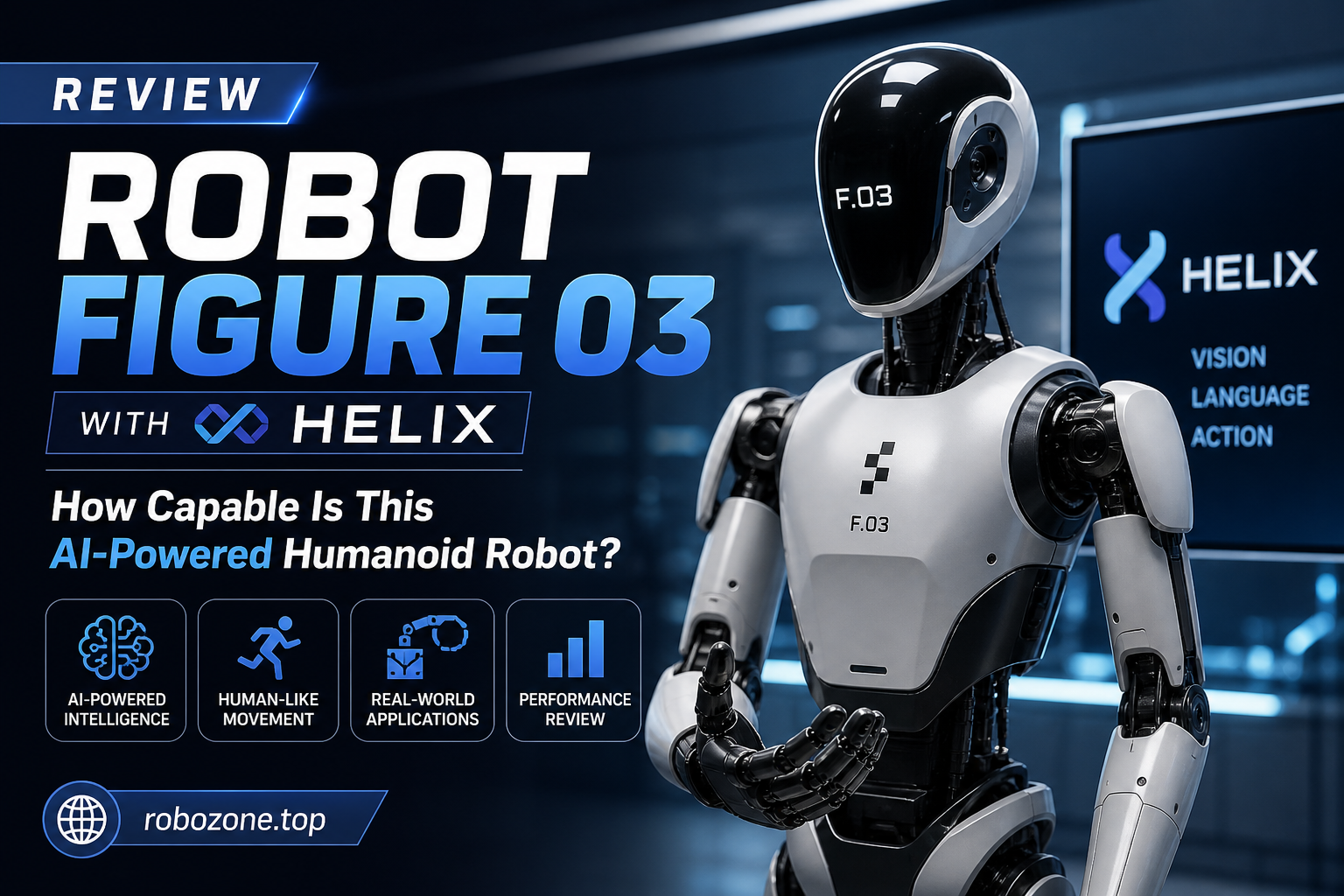
Humanoid robots have long occupied the realm of science fiction dreams. But today, dream and reality converge as technological advancements bring sophisticated AI-powered humanoids to life. Figure 03, the latest entry in the humanoid race, boasts integration with the Helix platform. Just how impressive are its capabilities? What does it mean for the future of robotics and real-world applications? Let’s dive into the heart of this innovation and explore its potential and limitations through an in-depth examination.
What is Figure 03 with Helix?
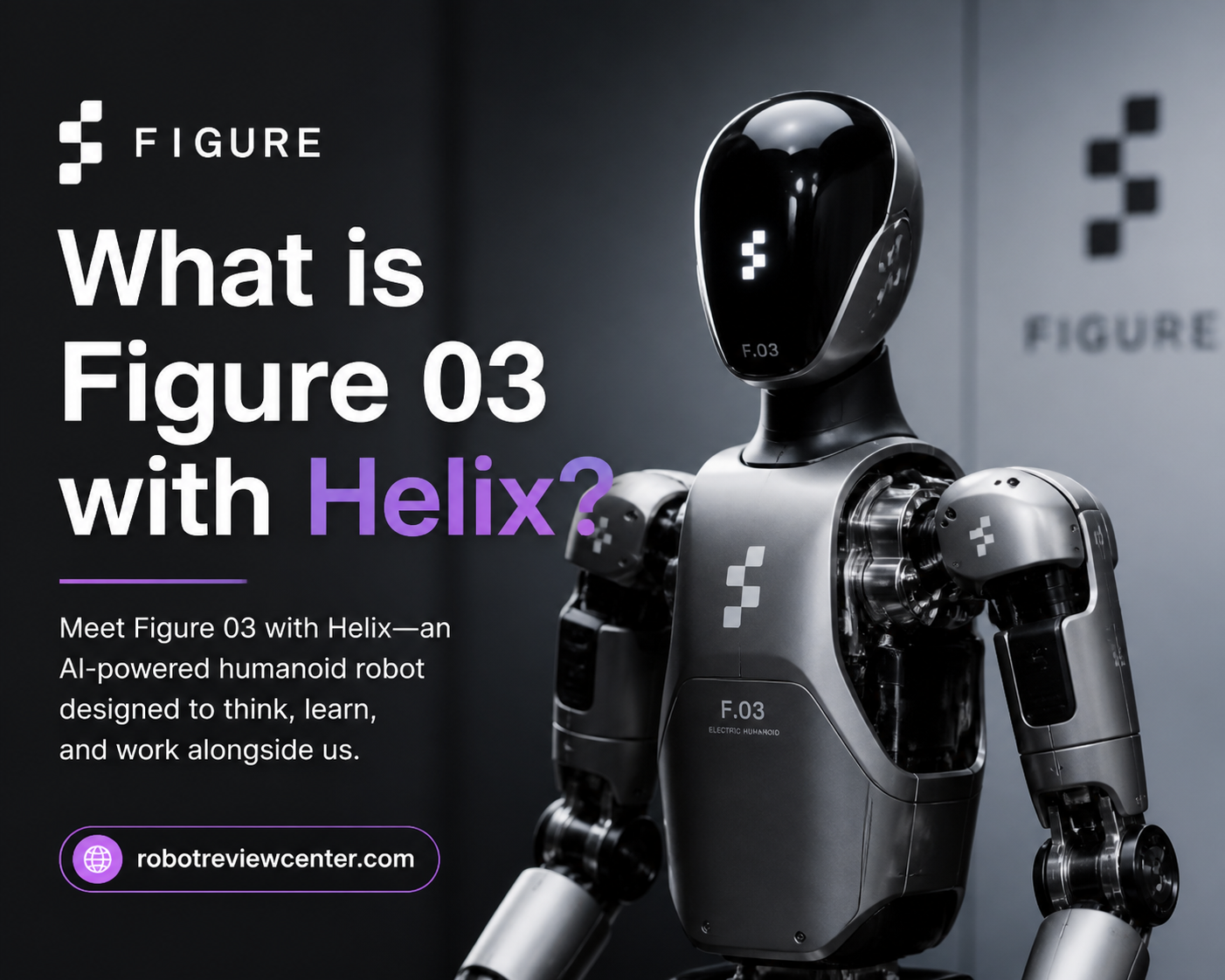
Figure 03 represents a leap forward in humanoid robotics, positioned at the intersection of advanced artificial intelligence and human-centric design. Engineered by a collaboration of tech wizards, this robot aims to replicate human skills in environments traditionally dominated by humans. Its integration with Helix adds layers of cognitive capabilities, allowing it to interact naturally with people and environments.
But it’s more than just an exercise in engineering; it’s a statement on the convergence of technology and daily life. Helix’s sophisticated algorithms empower Figure 03 to analyze and predict human behavior, enabling seamless interaction and task execution.
Yet, beyond the bold headlines lie questions and realities that robotics insiders are keen to explore: How does it operate under real-world constraints? What are its current capabilities versus its future potential?
Real-World Applications Across Industries
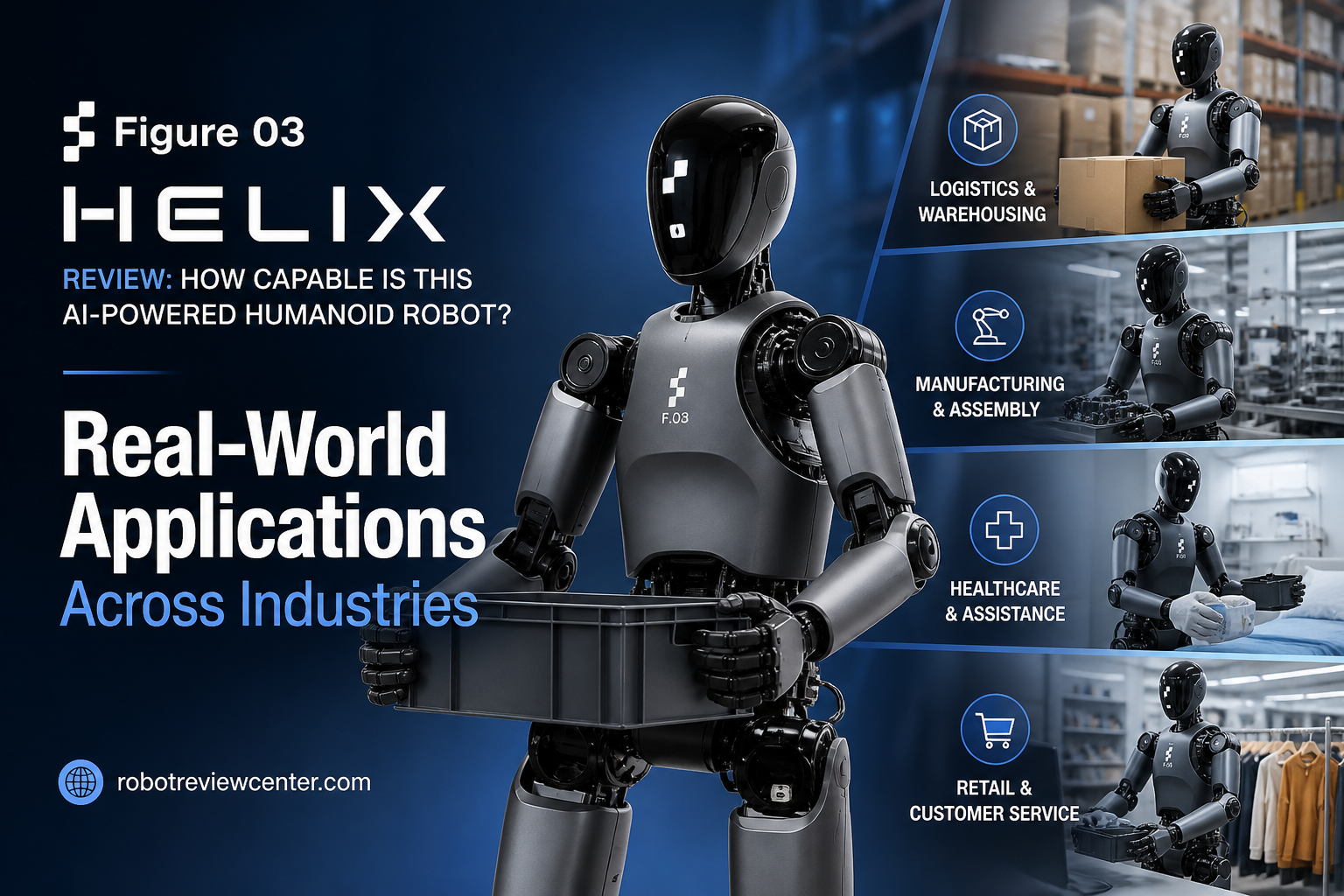
Figure 03 is not confined to the sterile environment of the laboratory. Its application extends across multiple sectors, each demanding unique capabilities and operational standards.
Home and Personal Assistance
In the domestic sphere, Figure 03 can assist with mundane tasks ranging from cleaning to organizing. Its dexterity and flexibility make it an ideal candidate for elderly care, dispensing medications, and facilitating mobility.
Healthcare
In healthcare, it holds promise as an assistant in hospitals, bridging the gap between personalized care and efficiency. Imagine a robot that can aid nurses or even offer companionship to patients.
Industrial Application
The industrial sector will benefit immensely from Figure 03’s precision and strength. Capable of operating in assembly lines or conducting quality inspections, it can augment human workers rather than replace them, increasing safety and efficiency.
Deep Technical Insights
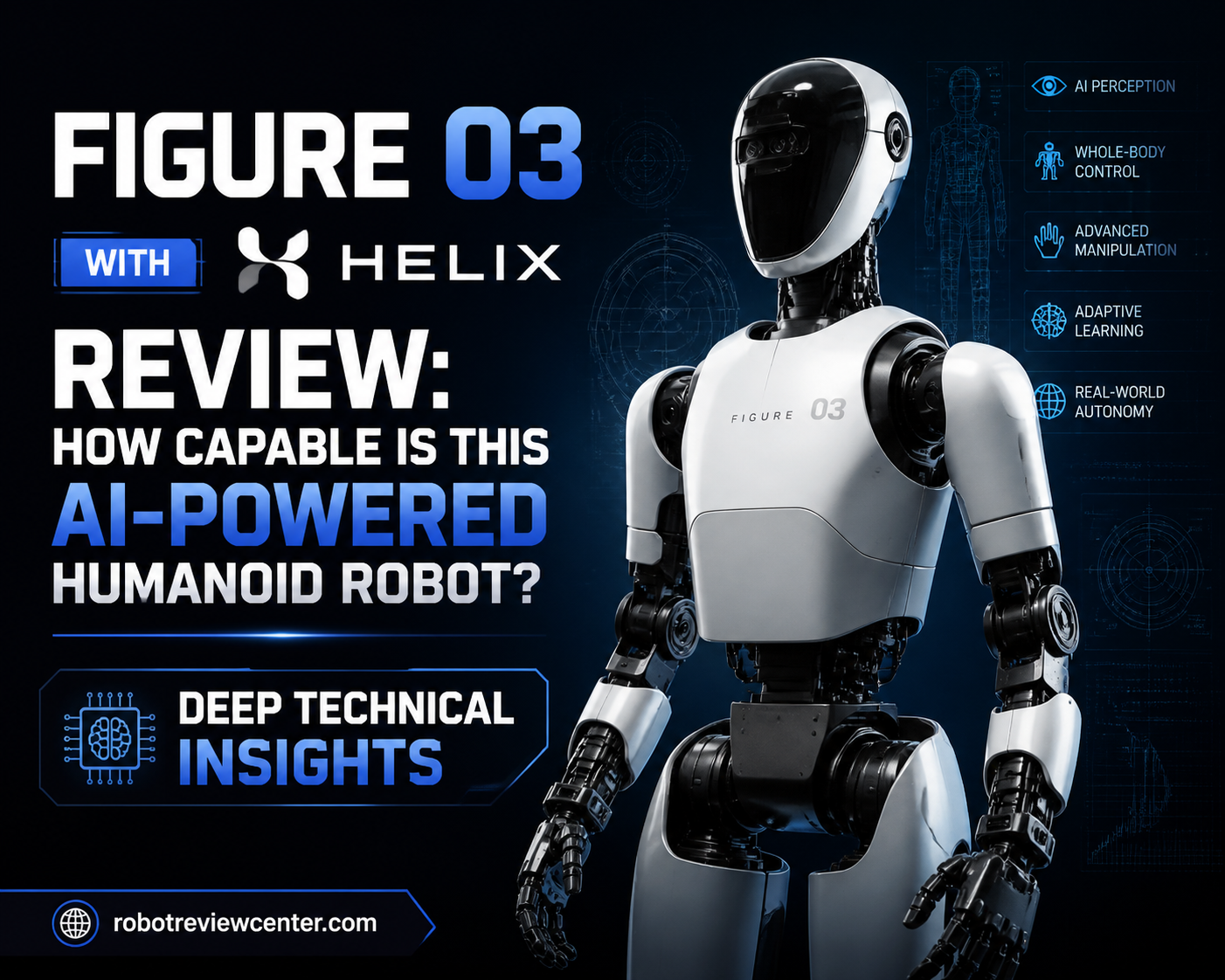
The prowess of Figure 03 arises from its core components — a symphony of cutting-edge hardware and software.
AI Models and Robotics Systems
Helix, built on state-of-the-art deep learning frameworks, forms the robot’s cognitive backbone. Leveraging reinforcement learning, it can adapt to new tasks and environments.
Sensors and Detection
The robot employs a suite of sensors, including LiDAR and RGB-D cameras, to map its surroundings and detect obstacles in real-time. These sensors work in tandem to achieve heightened spatial awareness.
Compute Power
The integration of NVIDIA’s latest chipsets provides the compute power necessary for complex decision-making and real-time processing. With capabilities in excess of 100 TOPS (Tera Operations Per Second), it stands at the forefront of robotic processing capabilities.
The Market and Economic Impact
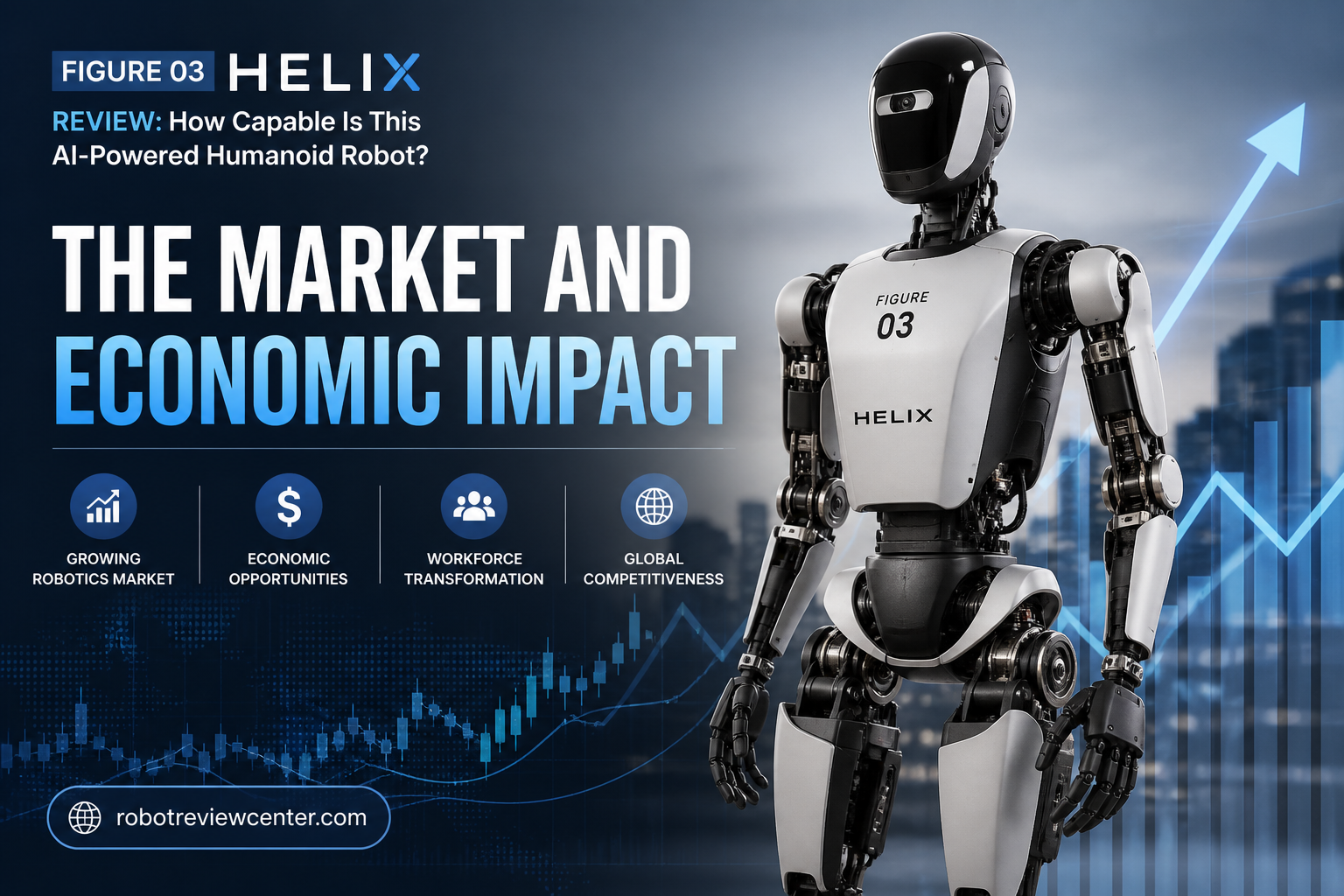
As we peer into the robotic market, the demand for humanoids like Figure 03 is forecast to rise sharply. According to a McKinsey report, the global humanoid robot market is projected to grow by 25% annually over the next decade, driven by sectors like healthcare and industrial automation.
This has prompted increased investments, with tech giants channeling billions into AI research and robotics development. The economic implications go beyond job displacement, offering potential for new job roles and reshaping industry landscapes. The narrative of robotics is shifting from competition to collaboration.
Challenges and Limitations
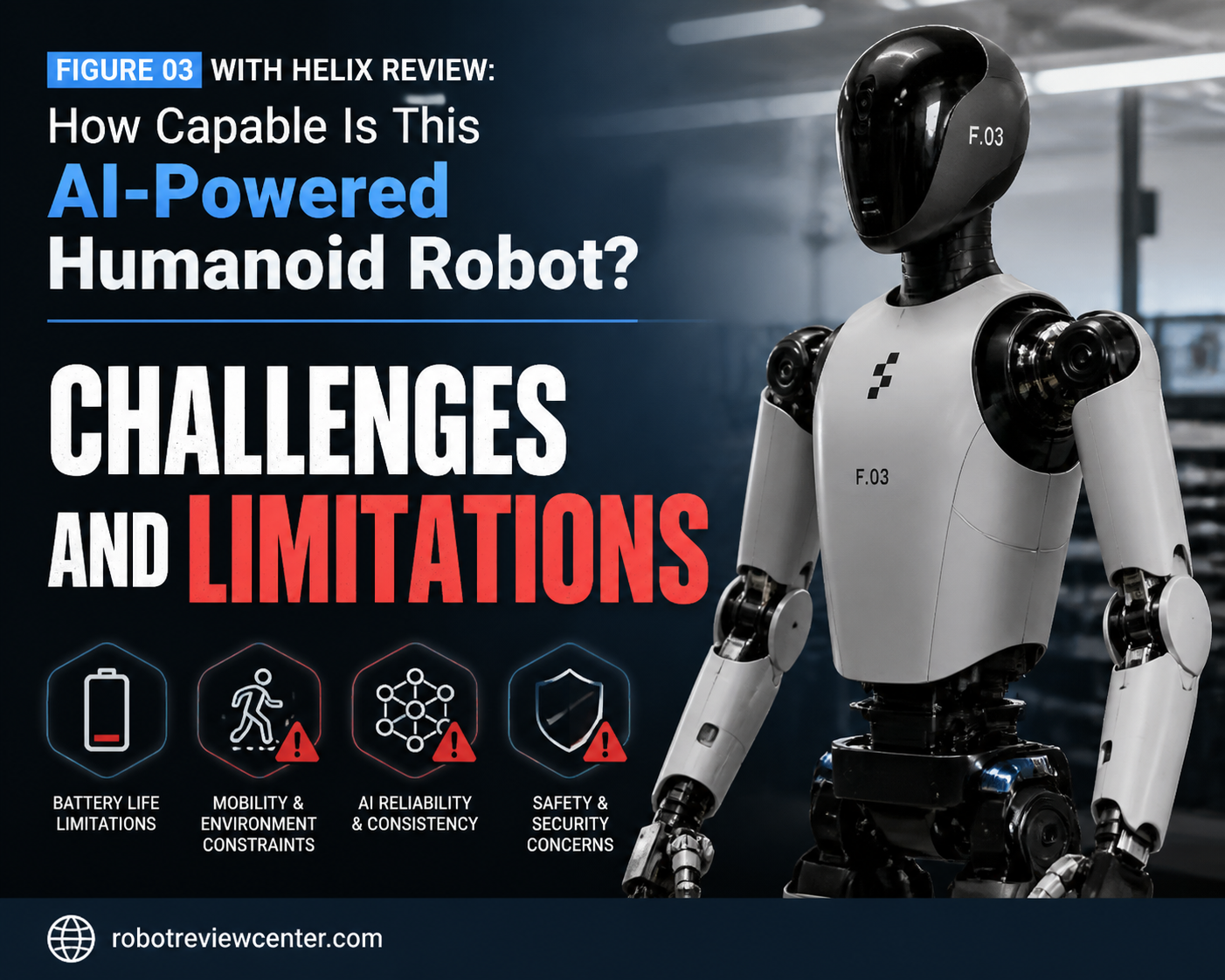
Despite remarkable advancements, Figure 03 is not without its setbacks.
Integration and Adaptability: The complexity of seamlessly integrating with existing human workflows remains a significant technical hurdle.
Accuracy and Reliability: Even with robust AI, systems are not flawless. Unexpected interactions can lead to misinterpretations, highlighting the pervasive gap between artificial and human intelligence.
Cost and Accessibility: As with any emerging technology, costs present a barrier. The integration of advanced computation hardware and sensors makes affordability a pressing challenge.
Human acceptance, driven by cultural and ethical considerations, represents a non-technical barrier crucial for widespread deployment, indicating that progress lies not only in engineering but also in social adaptation.
Peering into the Future: Predictions and Visions
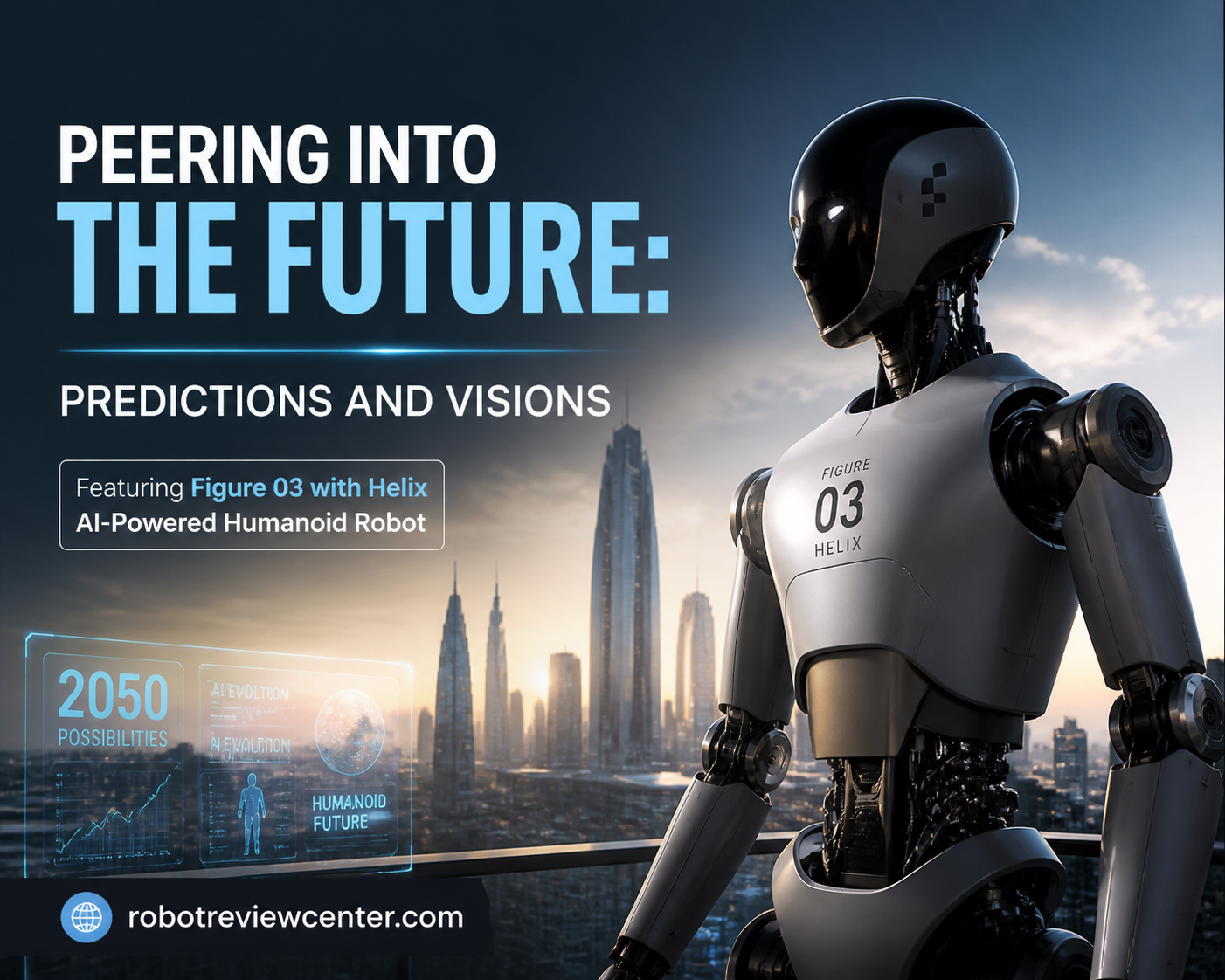
In the next 3 to 5 years, the robotics landscape will likely witness transformative changes. Developments in AI allow for more autonomous and resilient machines. Figure 03’s evolution is set to influence personalized robots tailored to diverse environments.
Long-term predictions extend into an era where humanoids might serve as core members of professional teams. Collaborative robots will perform high-precision tasks autonomously, driven by machine learning that enables them to learn new functions continuously.
Besides, crossover technologies will likely emerge, combining expertise from varied domains such as biotechnology, cognitive science, and robotics to usher in a new era of capabilities.
Strategic Insights: Preparing for the Robotic Future
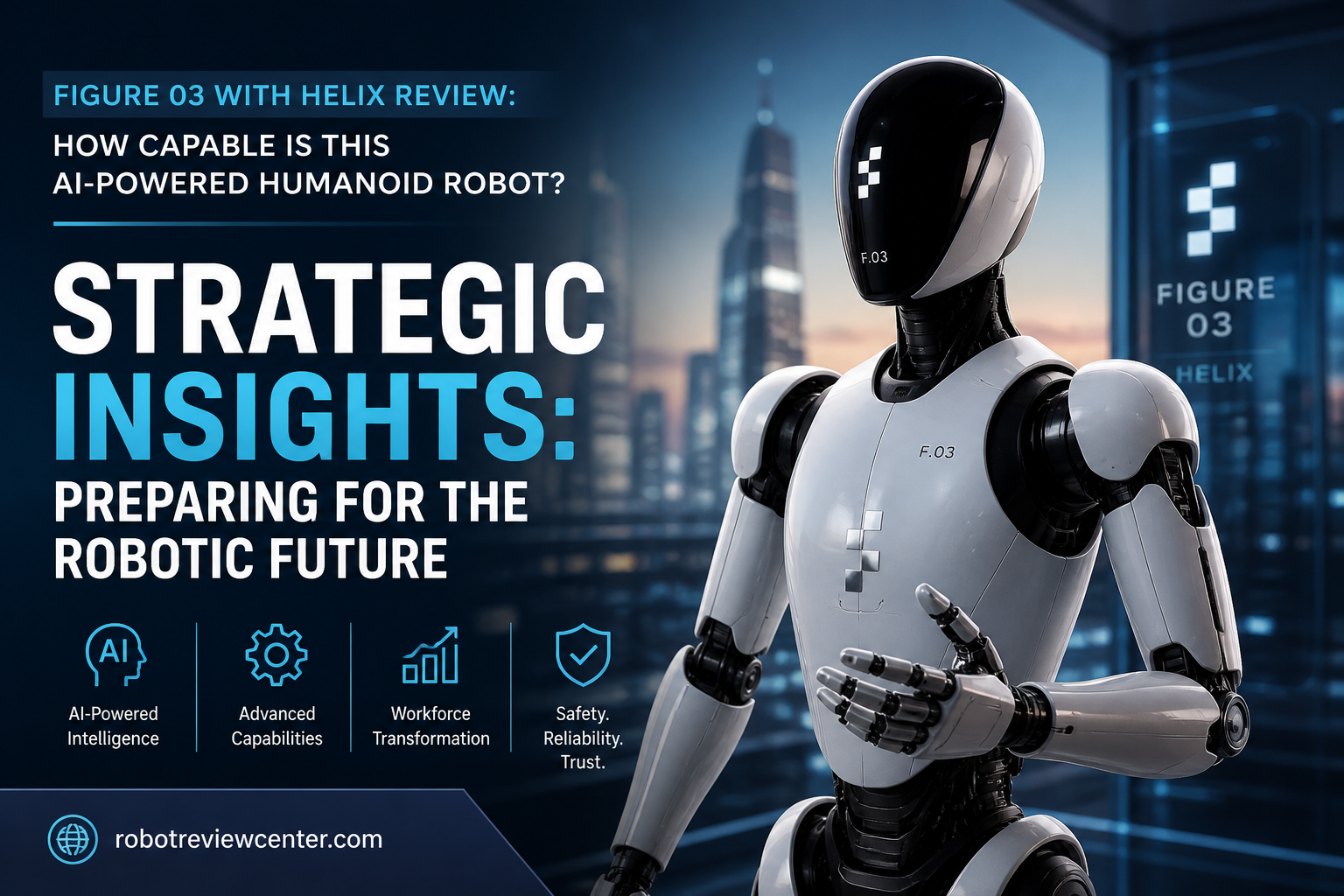
Businesses and developers should anticipate and strategize for the incorporation of humanoid robots like Figure 03. For companies, a clear understanding of integration tactics will define early adopters. Shape policies around AI ethics and collaborate with developers to harmonize robotics with human protocol.
Developers must keep foresight on the adaptability of robotic systems to emerging tech trends, ensuring modular and scalable architectures.
End-users and planners should prepare for transitions in dynamics, where robots complement human tasks, relaying on adaptive management to incorporate robots within workforce frameworks.
So Where Does This Leave Us?
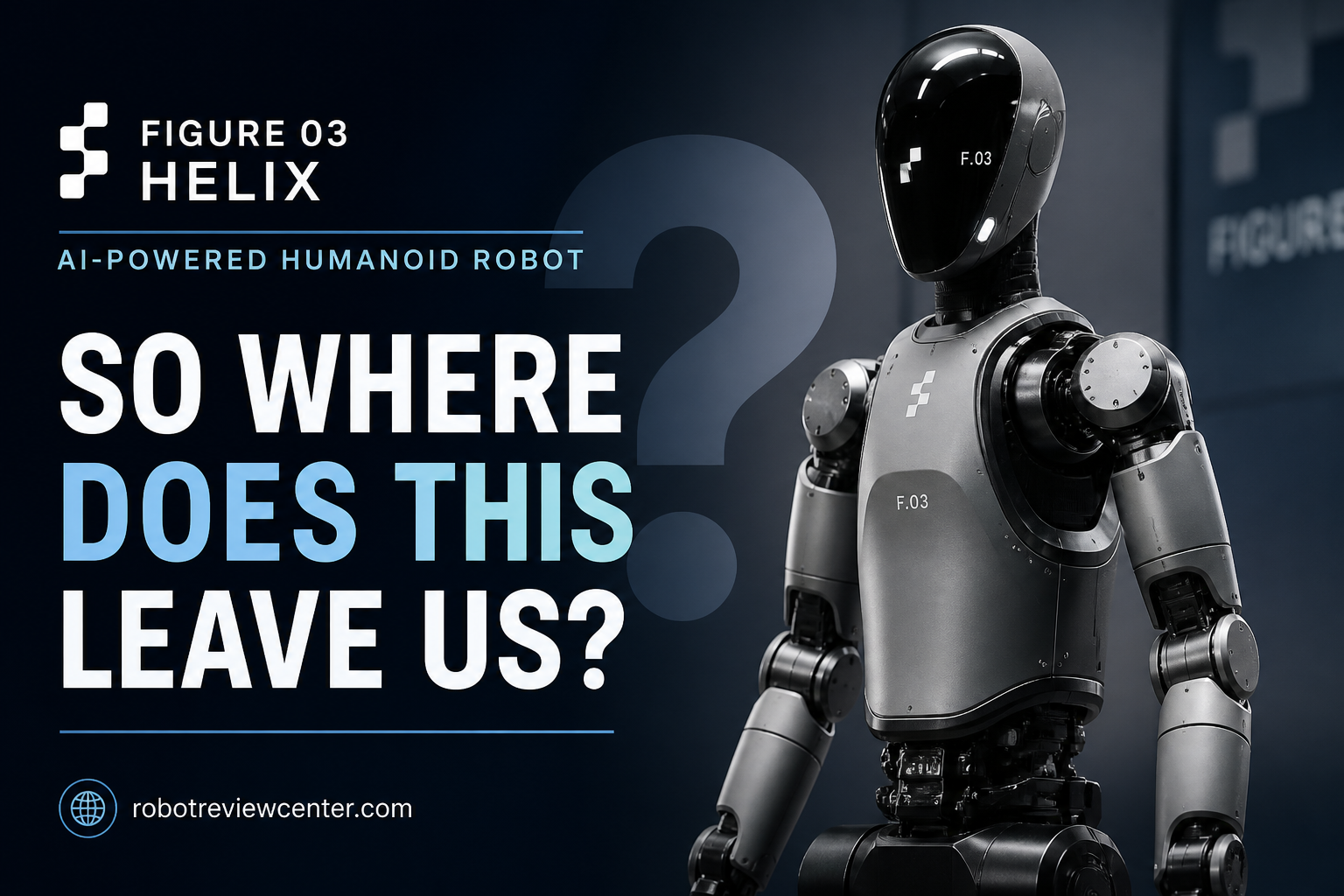
The introduction of Figure 03 signifies an exhilarating juncture in robotic evolution where potential and reality are intertwined. While full autonomy and seamless interaction are goals yet to be flawlessly achieved, the trajectory posits a promising range that extends from functional innovations to a complete reimagining of human-robot collaboration.
For now, as we witness these incremental shifts, an informed approach guided by skepticism, acceptance, and openness to innovation remains crucial for leveraging the boundless spectrum of possibilities that humanoid robotics presents.
Thomas Huynh – Admin of RoboZone.top
Thanks