
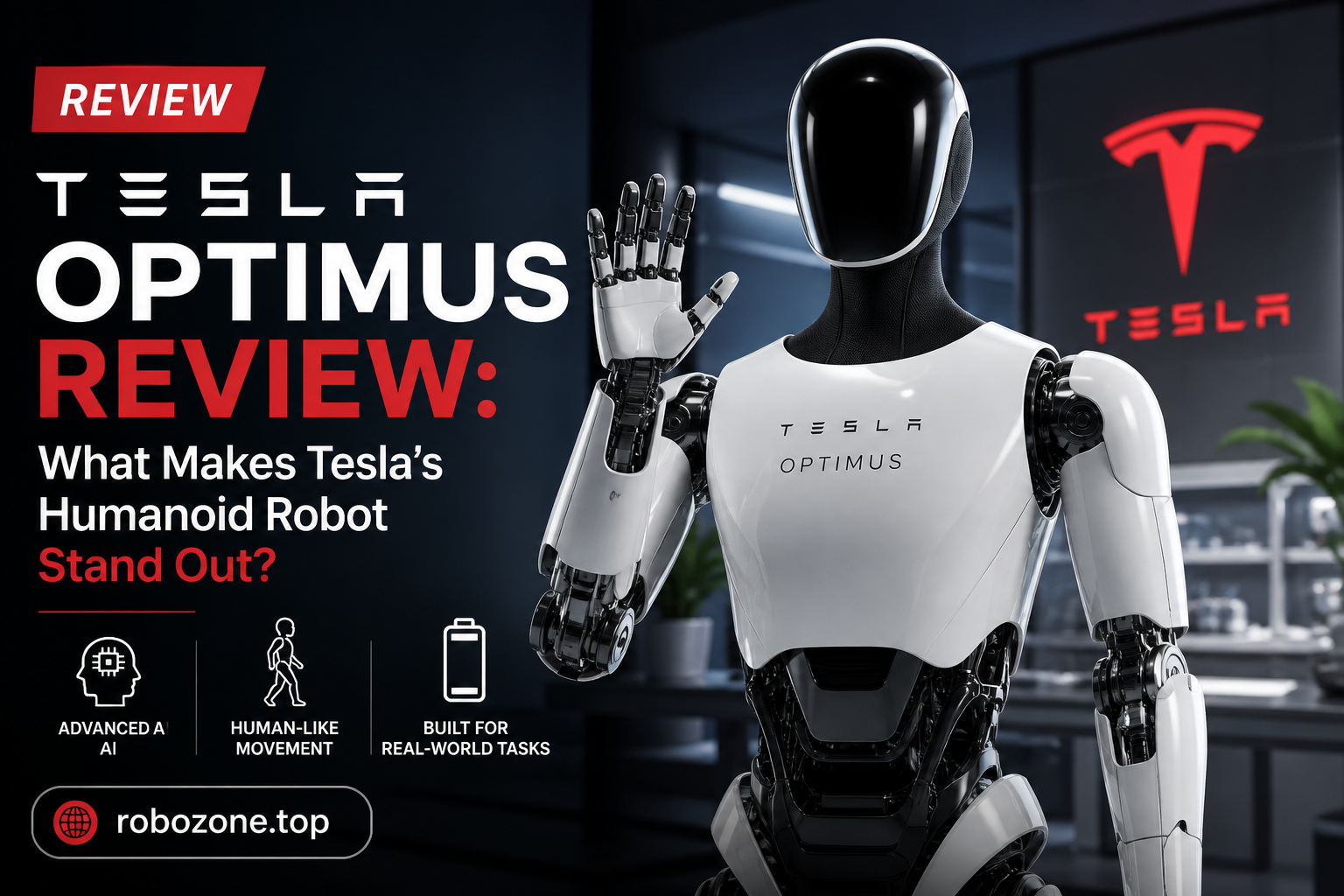
The world of robotics is ever-evolving, and the Tesla Optimus stands as a compelling symbol of this growth. Emerging from the brainchild of the renowned tech giant Tesla, the humanoid robot dubbed Optimus promises to redefine human-robot interaction. But what really sets Optimus apart from the sea of robotic offerings flooding the tech world? Let’s delve deep into what makes Tesla’s humanoid robot a standout in the world of robotics, exploring not just its capabilities and technology but also how it aligns with the ambitions of a post-modern technium.
Introducing Tesla Optimus
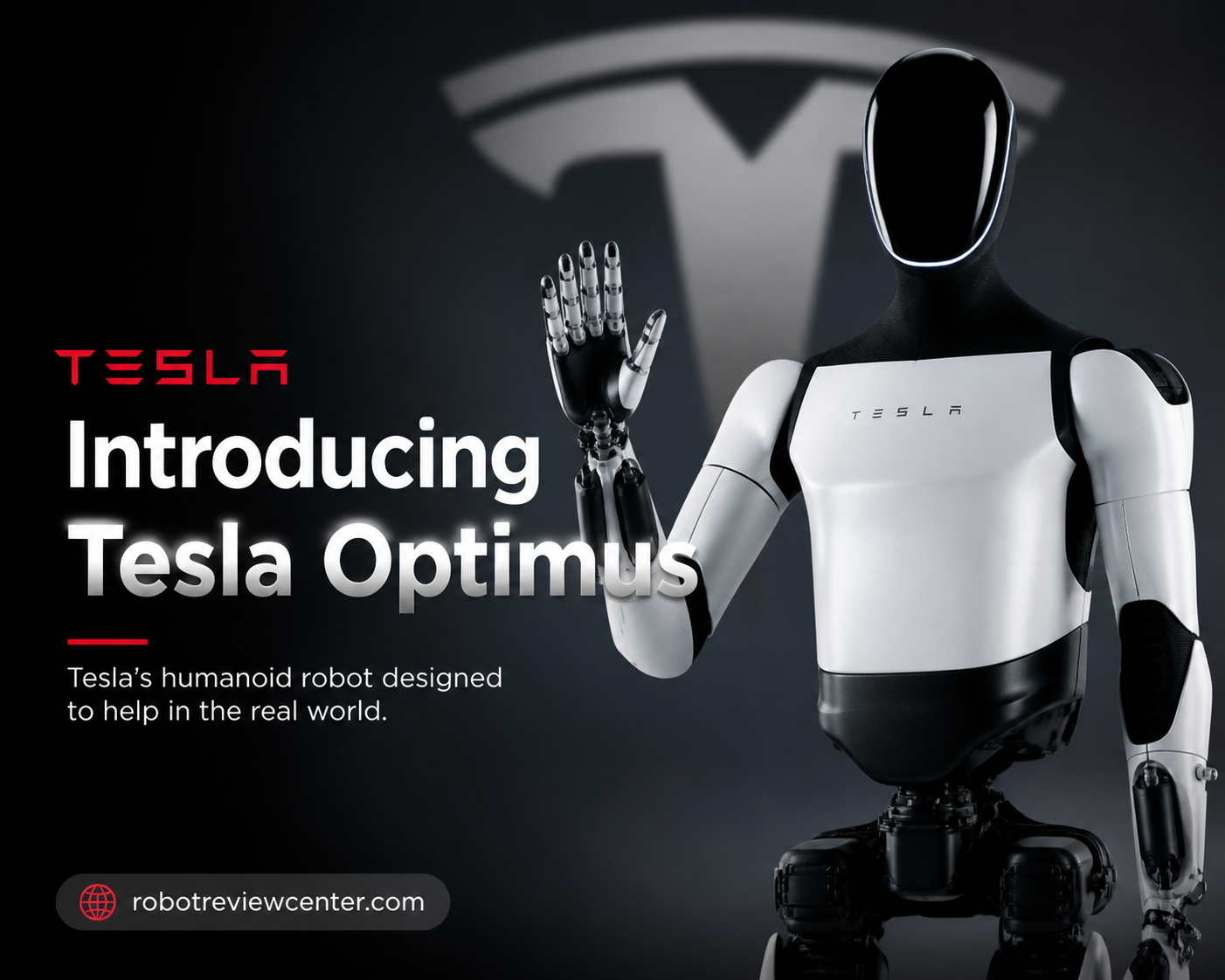
The Tesla Optimus marks a new chapter in the saga of engineering brilliance. Unveiled with much fanfare at a Tesla event, this humanoid robot has sparked curiosity and discussion worldwide. But what is Optimus, really? At its core, it is a humanoid robot engineered to serve as an extension of human capabilities. The sleek design stands five feet eight inches in height, fitting the archetype of a human companion. Optimus moves with purpose, equipped with a plethora of sensors and motors that mimic the agility and dexterity of a human being.
While Tesla is predominantly known for its electric vehicles, its foray into humanoid robotics signals a broader vision. The launch of Optimus wasn’t just a product reveal; it was a declaration of Tesla’s intent to blend robotics with man, creating a future where robots can handle mundane tasks and allow humans to focus on more creative endeavors. However, Tesla’s ambitions are not limited to the hardware but extend deep into the software, an area where the company promises remarkable artificial intelligence advancements.
Technical Anatomy of the Tesla Optimus
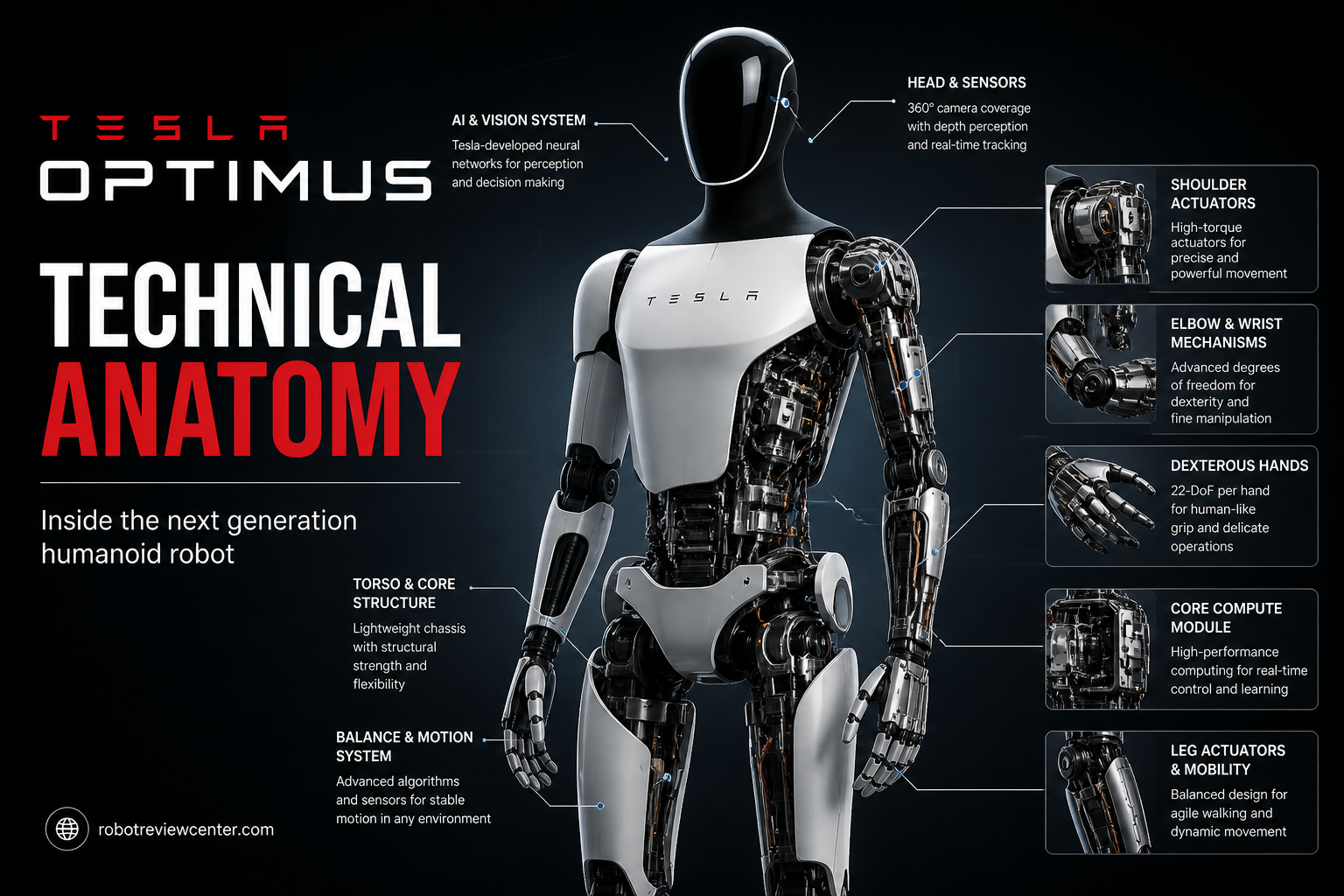
Taking a deeper look under the hood, Optimus is a marvel of mechatronic engineering. It features a complex assembly of 40 degrees of freedom, facilitated by lightweight actuators that offer both stability and flexibility. The human-like hands are designed with 10 degrees of freedom, enabling fine motor control necessary for tasks such as handling objects and manipulating tools.
The backbone of Optimus’s intelligence is a cutting-edge NVIDIA chip designed for AI processing, a common thread found in many of Tesla’s autonomous solutions. This computational powerhouse allows Optimus to perform real-time data analysis and processing, facilitating a seamless interaction between the robot and its environment. The integration of Tesla’s proprietary advanced neural networks aids in object recognition, navigation, and decision-making.
The optical systems of Optimus comprise high-definition RGB cameras integrated with a LiDAR-based sensor suite, providing enhanced depth perception and spatial awareness that is crucial for smooth operations in dynamic settings, whether that’s a home, factory, or healthcare environment.
Practical Applications Across Industries
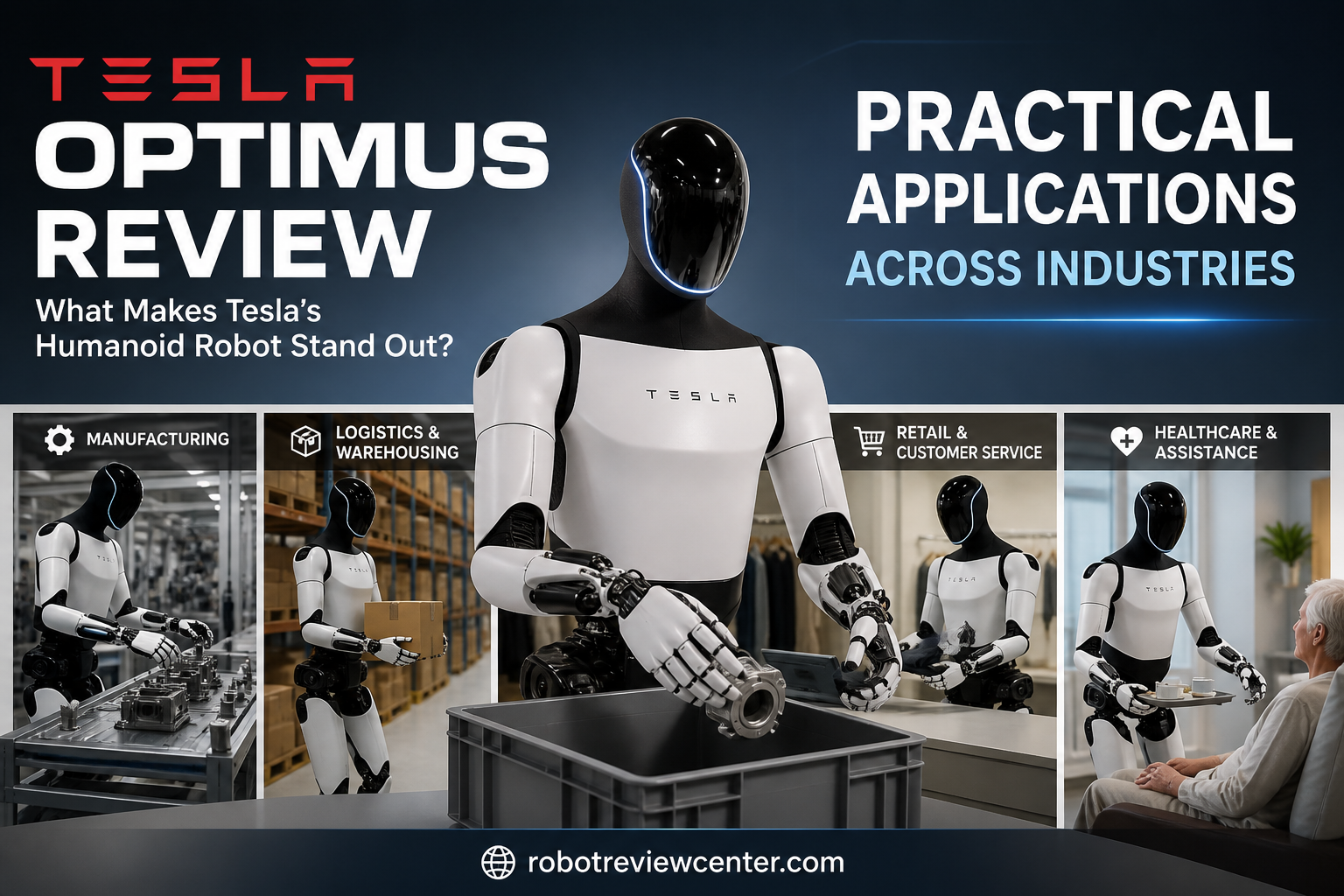
So, in which realms does Optimus find its true calling? The industrial sector is one primary target; Tesla envisions Optimus collaborating alongside humans on manufacturing floors. The robot can perform routine and repetitive tasks, freeing human workers to engage in more complex, problem-solving roles. Think of Optimus as a robotic colleague that tirelessly manages assembly processes or transports materials without pause.
Home environments also stand to benefit from the introduction of Optimus. From assisting in household chores to potentially providing care for the elderly, the implications are profound. Optimus could be seen helping in the kitchen, managing inventories, or interacting with family members to maintain a peaceful home environment.
In healthcare, Optimus could support medical staff by executing logistical tasks, such as transporting medical supplies, restocking patient rooms, or perhaps assisting in patient mobility. While this sector is still speculative for Optimus, its potential is well recognized by healthcare professionals and technologists alike.
The Intelligence Driving Optimus
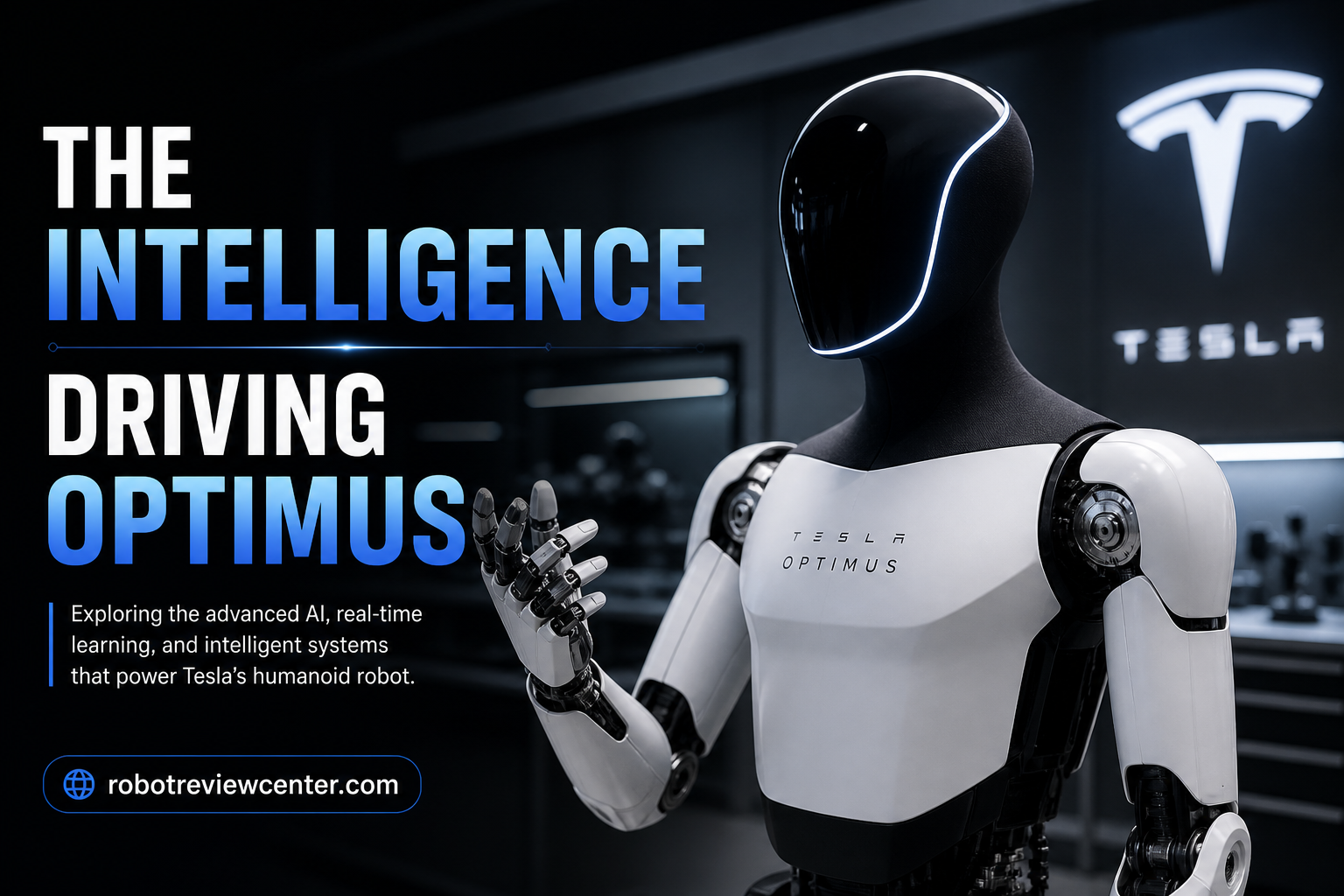
Tesla’s foray into AI doesn’t stop at self-driving vehicles; it extends robustly into their humanoid robot’s operating system. Built on advancements in neural networks and machine learning, Optimus is powered to understand, interpret, and react to human instructions with startling accuracy. The AI framework uses reinforcement learning—a method suitable for real-world learning scenarios where Optimus can adapt through trial and error.
One exciting aspect of Optimus’s intelligence is its learning capability, which allows it to onboard new tasks over time. Optimus could act similarly to a new employee, initially needing some training, and then building its own repository of tasks through continuous interaction with its environment and users.
The integration of language models, similar to what has been seen in dialogue systems like OpenAI’s GPT, ensures that user communication with Optimus remains intuitive and straightforward. Whether responding to vocal commands or understanding complex gestural cues, Optimus seems equipped to understand dynamic and variable human languages.
Market Impact: Innovation or Overreach?
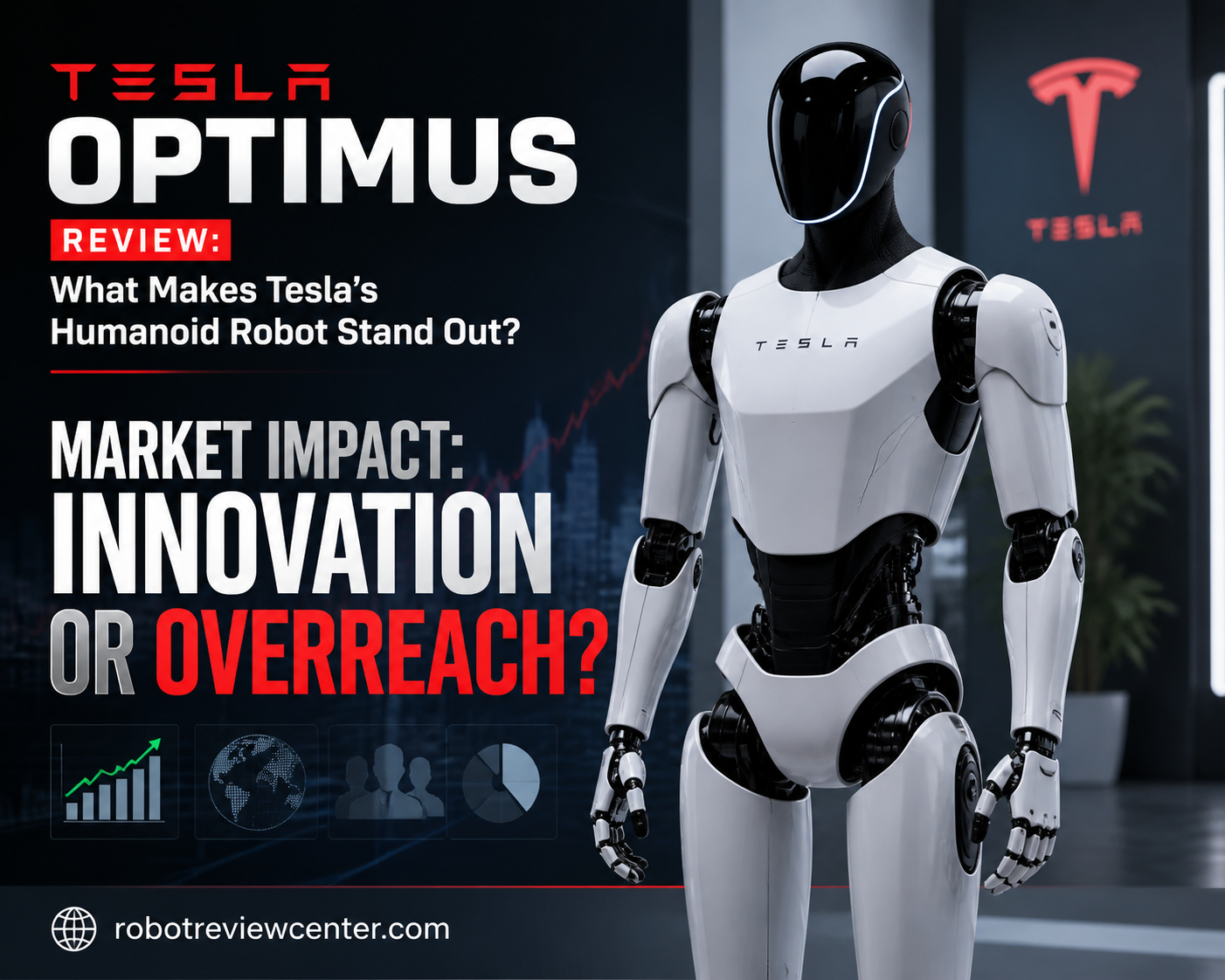
As the global robotics market propels forward, bolstered by burgeoning AI investments, companies are racing to capture the next wave of automation possibilities. The question remains: is Optimus Tesla’s next innovation or a technological overreach?
The global robotics market is anticipated to reach hundreds of billions in valuation by the late 2020s, with humanoid robots gaining a significant share. Tesla’s venture into this field places them among formidable competitors like Boston Dynamics’ Atlas and Agility Robotics’ Digit. However, Tesla’s unique integration of AI and advanced hardware aims to differentiate Optimus as more than just a futuristic concept.
Investor interest is undoubtedly heightened by the brand association with Tesla—a company consistently pushing boundaries with its innovation ethos. However, the economic feasibility remains jibed by production costs and the practical utility of humanoid robots in industries where specialized machines currently predominate.
Challenges and Current Limitations
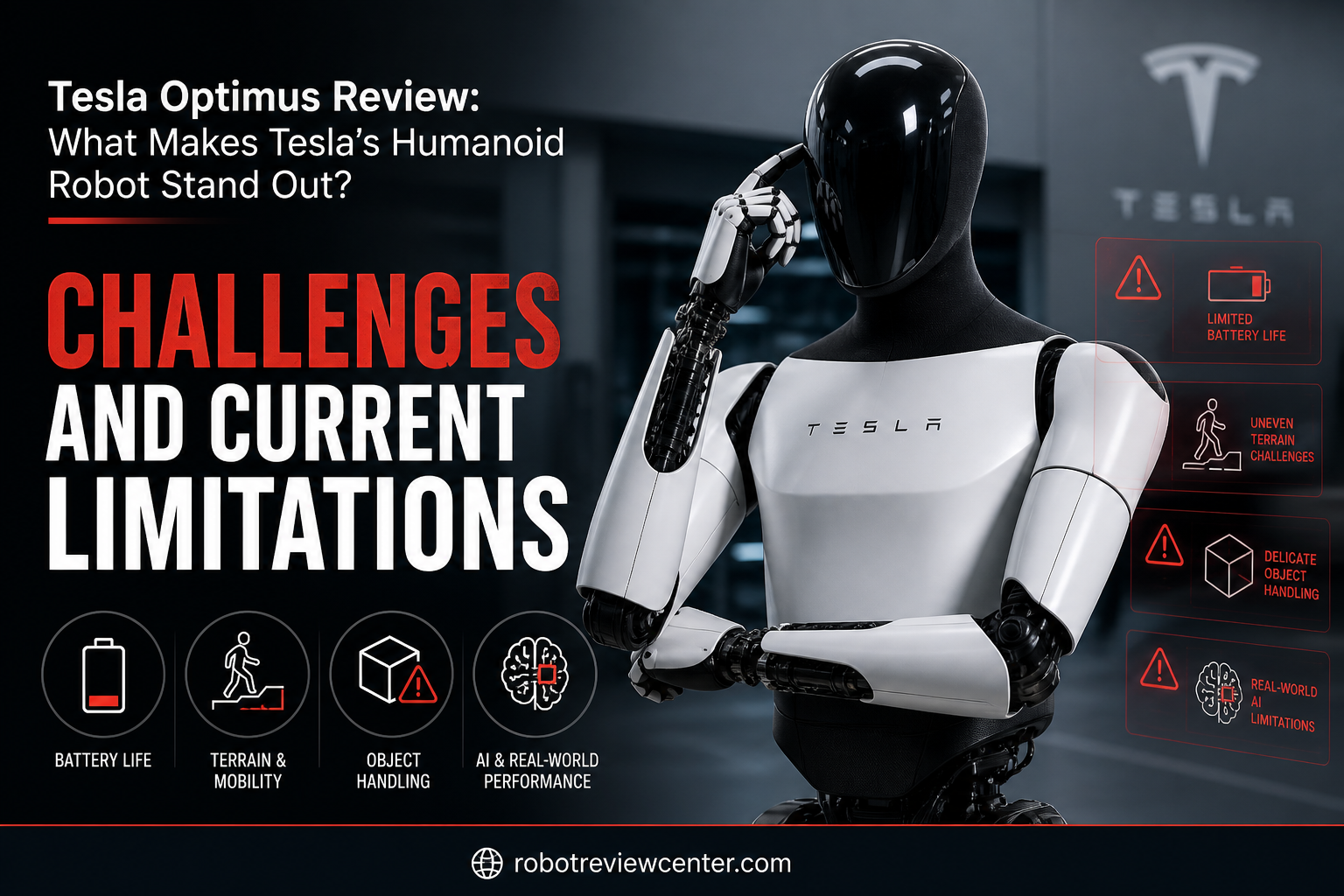
No robot is without its challenges, and Optimus is no exception. One primary hurdle is the vast complexity involved in perfecting human-like agility and decision-making. While Tesla boasts considerable advancement in these areas, real-world environments pose unpredictable variables—an area where current AI models still struggle.
Battery life represents another limitation. Although touted as high-performance, extending the operational time while maintaining efficiency poses a significant challenge. Much like Tesla’s vehicles, Optimus needs an optimized power management system to ensure longer durations of autonomy without frequent charging interruptions.
Real-world deployment of humanoids like Optimus is still nascent, with many of its capabilities largely demonstrated within controlled environments rather than diverse, real-world settings. Thus, deploying Optimus as an actual assistant in varied contexts will necessitate further advancements and field testing to refine both hardware and software adaptations.
Looking Ahead: The Future of Tesla Optimus
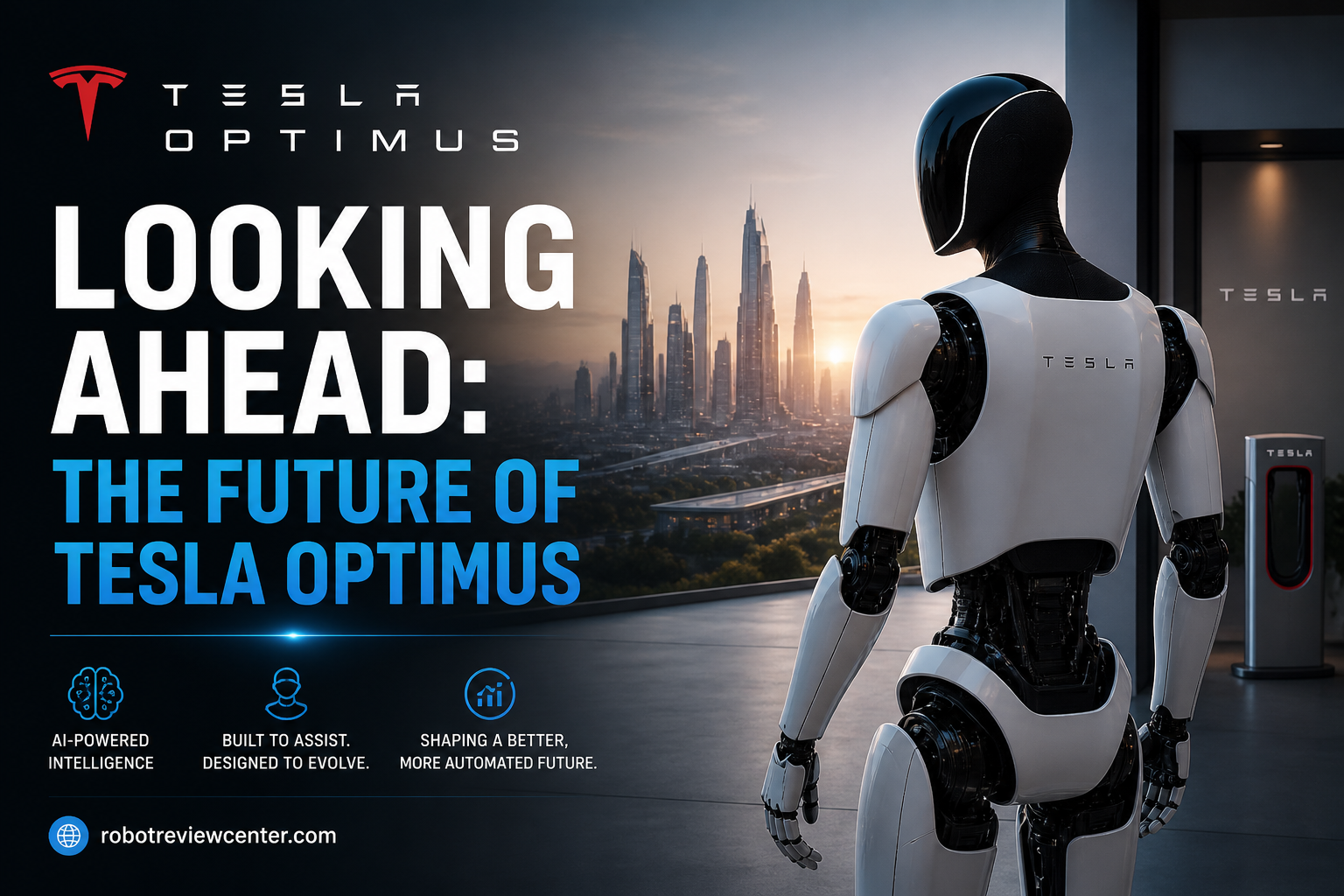
Amidst the challenges lie the boundless opportunities for Optimus in a future where artificial intelligence increasingly augments the human experience. In the next 3 to 5 years, we can expect Optimus to evolve into a more polished, resilient solution, capable of undertaking even more dynamic tasks.
Tesla’s forward vision could integrate Optimus in the autonomous vehicle ecosystem, where the robot might serve as a multi-purpose cognitive assistant, harmoniously interacting with both humans and machines. Long-term predictions see humanoid robots as commonplace, perhaps even indispensable, contributors to societal frameworks.
As we move deeper into an era where technology is intertwined with every aspect of life, Optimus stands as a testament to Tesla’s commitment—contributing not just to automation but to shaping interactions that elevate the human condition.
So, what should we really pay attention to as Tesla Optimus drives us into this future? While the technological stakes are high, it is the integration of Optimus into real-world applications that will truly determine its success. As exciting as this development is, it serves as a reminder that the journey towards a robotic future is just beginning, and it will continuously evolve with every line of code rewritten and every circuit redesigned.
As our expectations for intelligent agents rise, the real challenge is not just their development but the ethical stewardship of these technologies. The future of humanoid robotics, spearheaded by Tesla’s Optimus, hence becomes a collaborative narrative, one written by technologists, ethicists, and users alike.
Thomas Huynh – Admin of RoboZone.top