
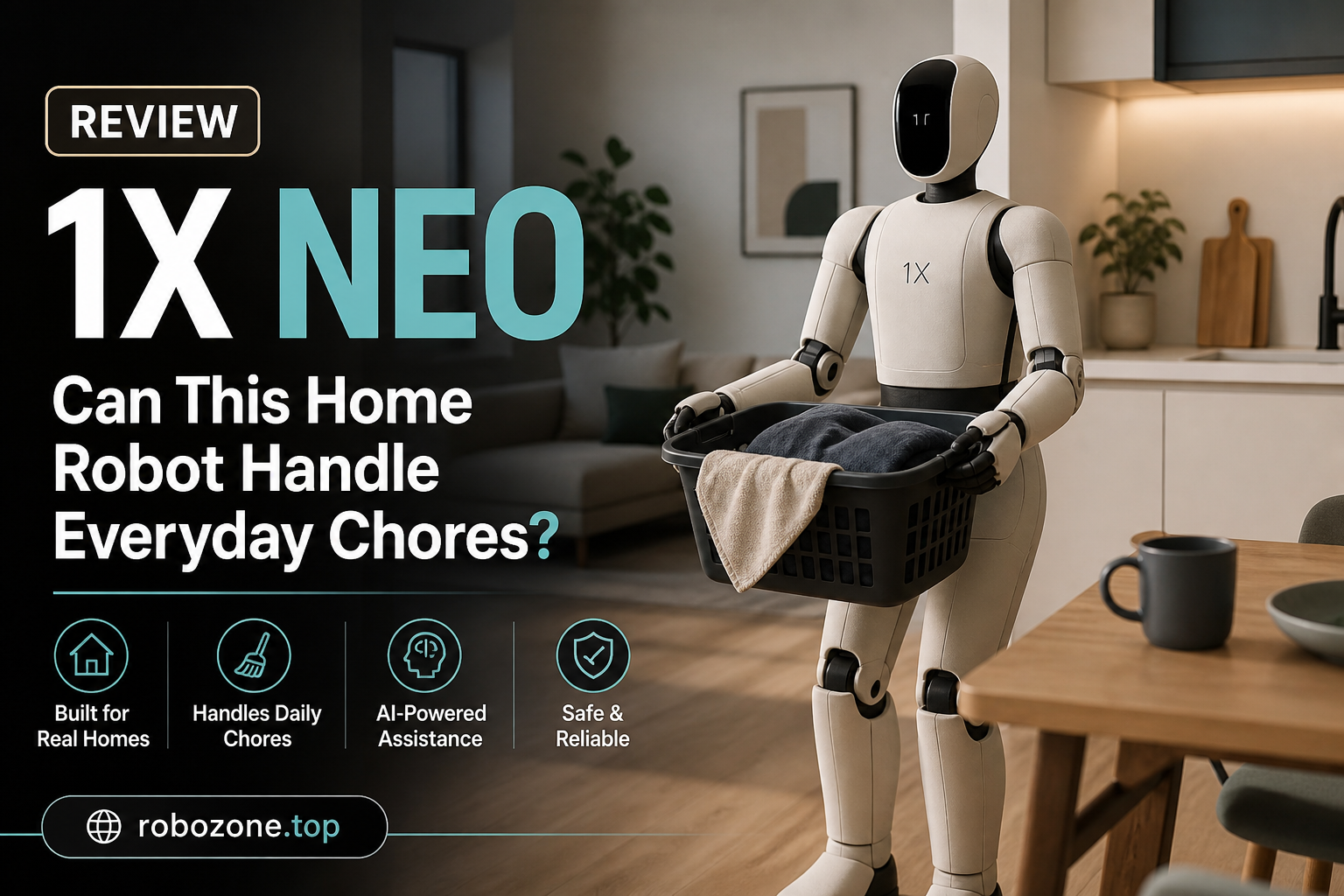
The world of robotics is expanding rapidly, with technology seeping into our daily lives in ways we could only dream of a couple of decades ago. A shiny testament to that advancement is the 1X NEO, a home robot promising to revolutionize the way we handle everyday chores. But, can it really live up to the hype? Let’s delve into a detailed exploration of what this robot is, how it functions, and whether it truly has the potential to change our daily routines.
What is the 1X NEO?
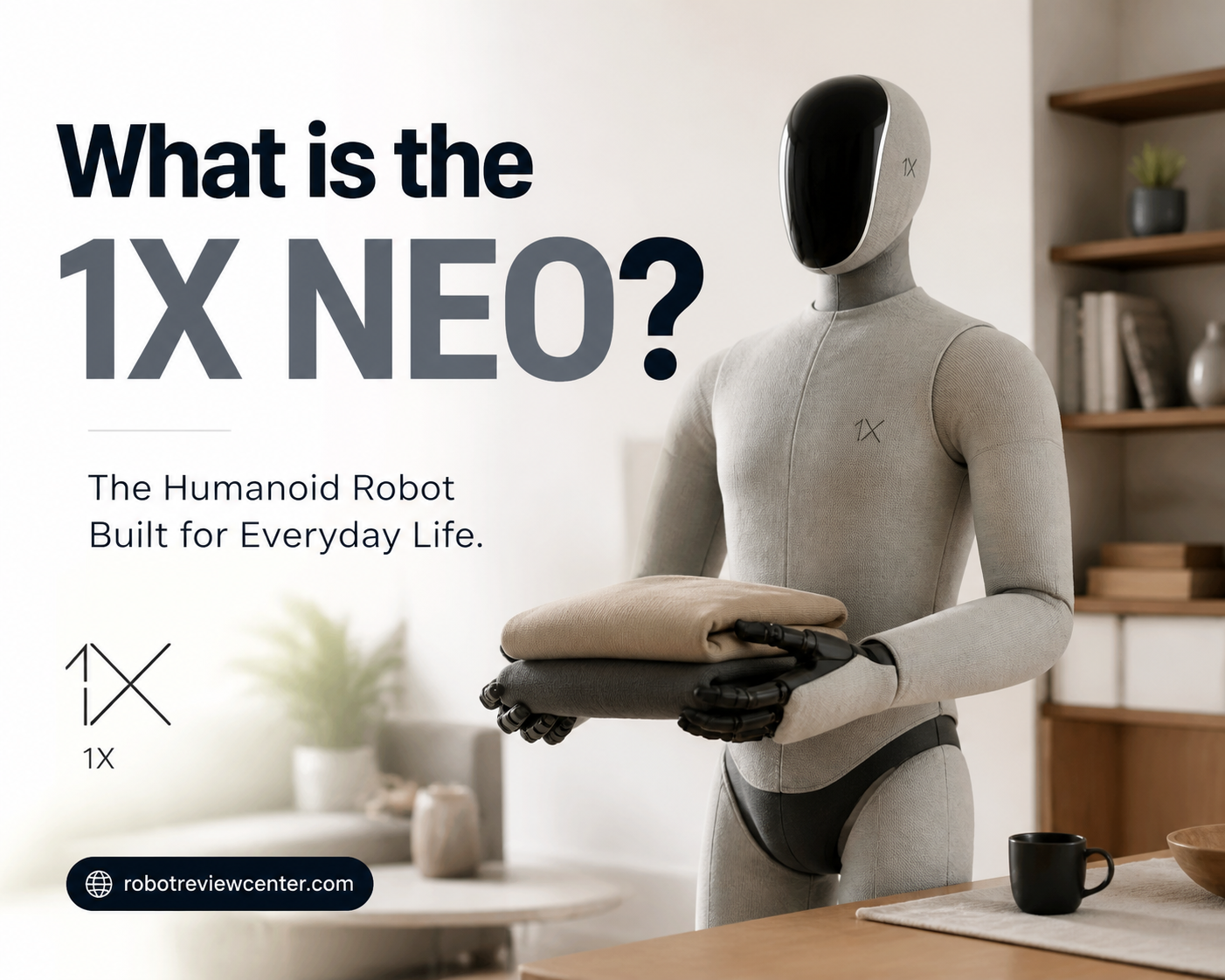
The 1X NEO is not just another addition to the growing line-up of home robotics; it is a captivating depiction of technological ingenuity. Created by a team of dedicated engineers, this robot is specifically designed to cater to ordinary household tasks—taking on the mundane so you can focus on what truly matters.
The core idea behind the 1X NEO is simple but profound: provide users with a reliable assistant that can perform standard chores, minimizing human input and maximizing efficiency. It is integrated with state-of-the-art sensors, a robust AI framework, and a seamless design that ensures it fits into your home both functionally and aesthetically.
At first glance, the 1X NEO resembles a futuristic entity out of a sci-fi movie, with a sleek body and an intuitive interface meant to facilitate interaction. Its capabilities are rooted in its hardware and software integrations that allow it to navigate spaces, recognize objects, and perform a wide variety of tasks.
Real-World Applications of the 1X NEO
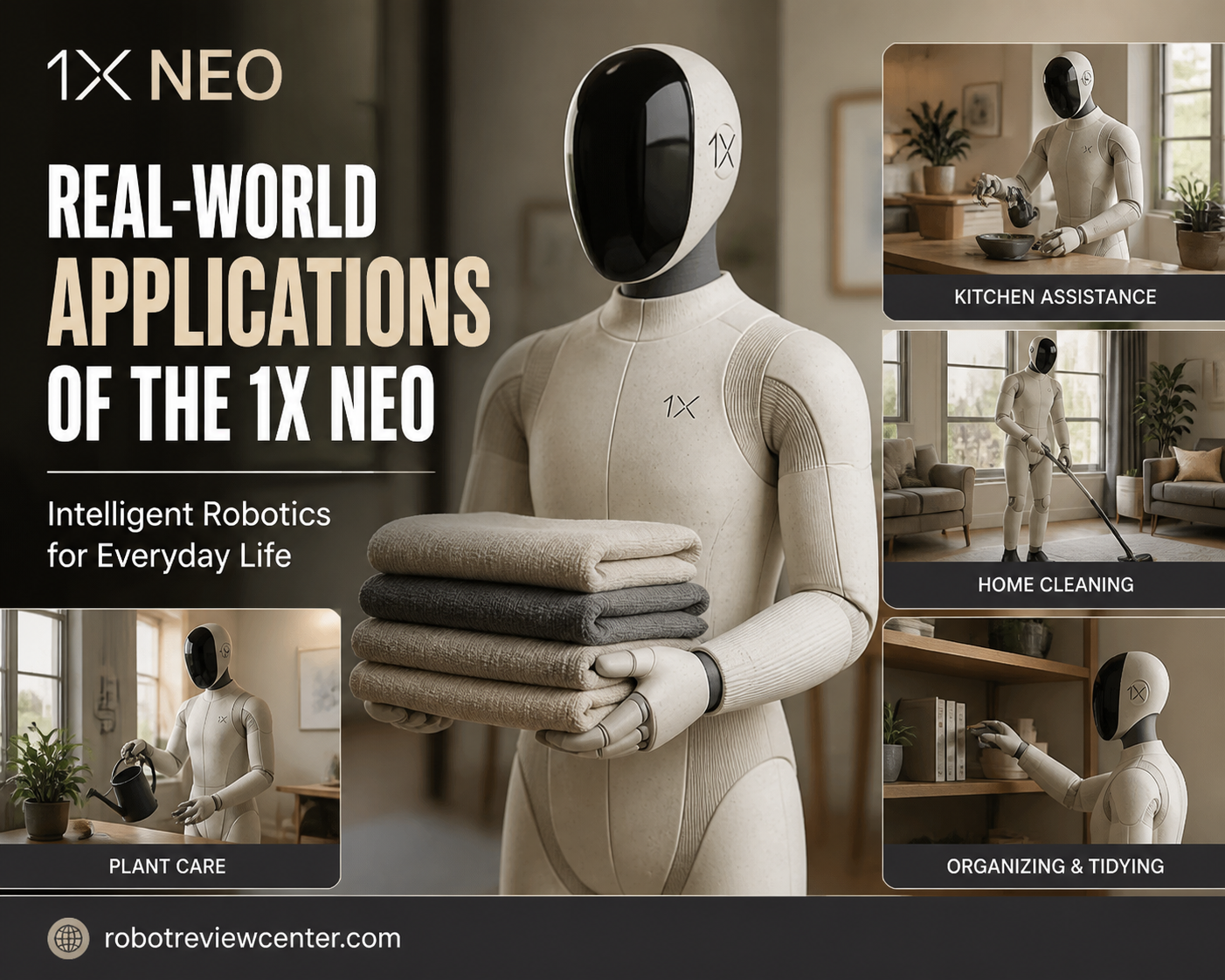
At its core, the 1X NEO was conceived to simplify home chores. However, its applications extend beyond mere household duties, inching into various domains. Whether it’s moving objects from one point to another, assisting elder residents with mobility, or even learning to adapt to personalized commands, the NEO strives to be multifaceted.
In healthcare environments, robots like the 1X NEO are being explored for their potential to support medical staff with logistics and patient interaction. As noted in recent studies involving robots in therapeutic settings, they provide consistent companionship, reducing feelings of loneliness among the elderly. While the 1X NEO isn’t fully optimized for such applications yet, its modular design leaves room for future expansions.
Industrially, although not designed for heavy lifting or complex manufacturing roles, the insight gained from its development informs industrial-grade robots, enhancing their algorithms and functional capabilities.
Technical Insights: AI and Robotics Systems in Play
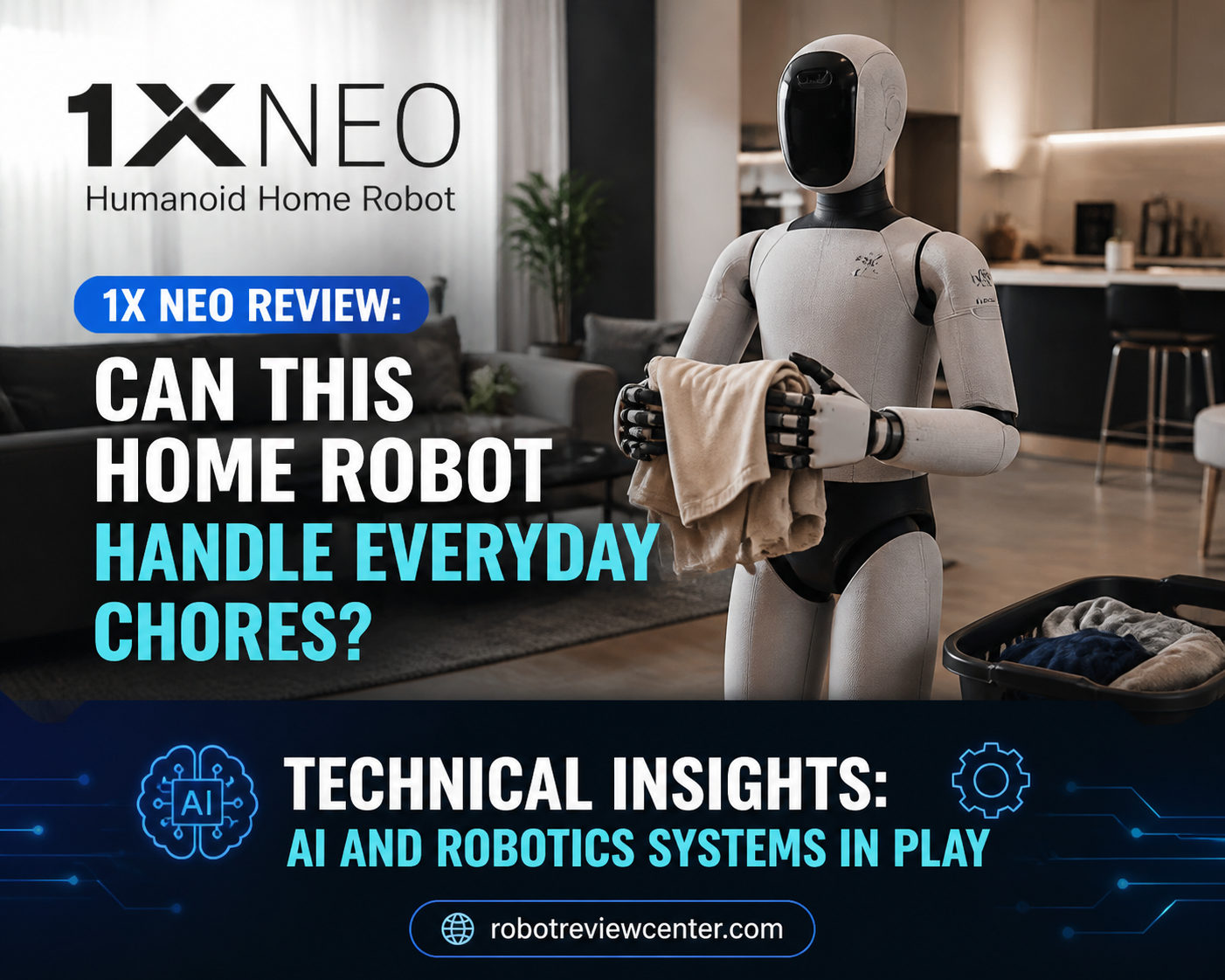
Delving into the technical fabric of the 1X NEO, it is evident that the engineers left no stone unturned. The robot is powered by a sophisticated AI model that incorporates machine learning, enabling it to adapt and improve over time. This AI framework operates within a set of pre-determined boundaries to ensure task efficiency and safety.
The NEO’s sensor suite includes high-definition depth cameras and LiDAR systems, which are crucial for spatial awareness and obstacle avoidance. The integration with NVIDIA’s powerful graphics processing units adds to its computing prowess, allowing for real-time processing and swift decision-making.
These technical facets underscore the NEO’s robustness and facilitate an extensive range of capabilities from vacuuming and dishwashing to more intricate tasks like organizing cluttered shelves. The potential for integration with smart home systems further signifies its adaptability and trend towards automating domestic living spaces.
The Market: Growth, Investments, and Impact
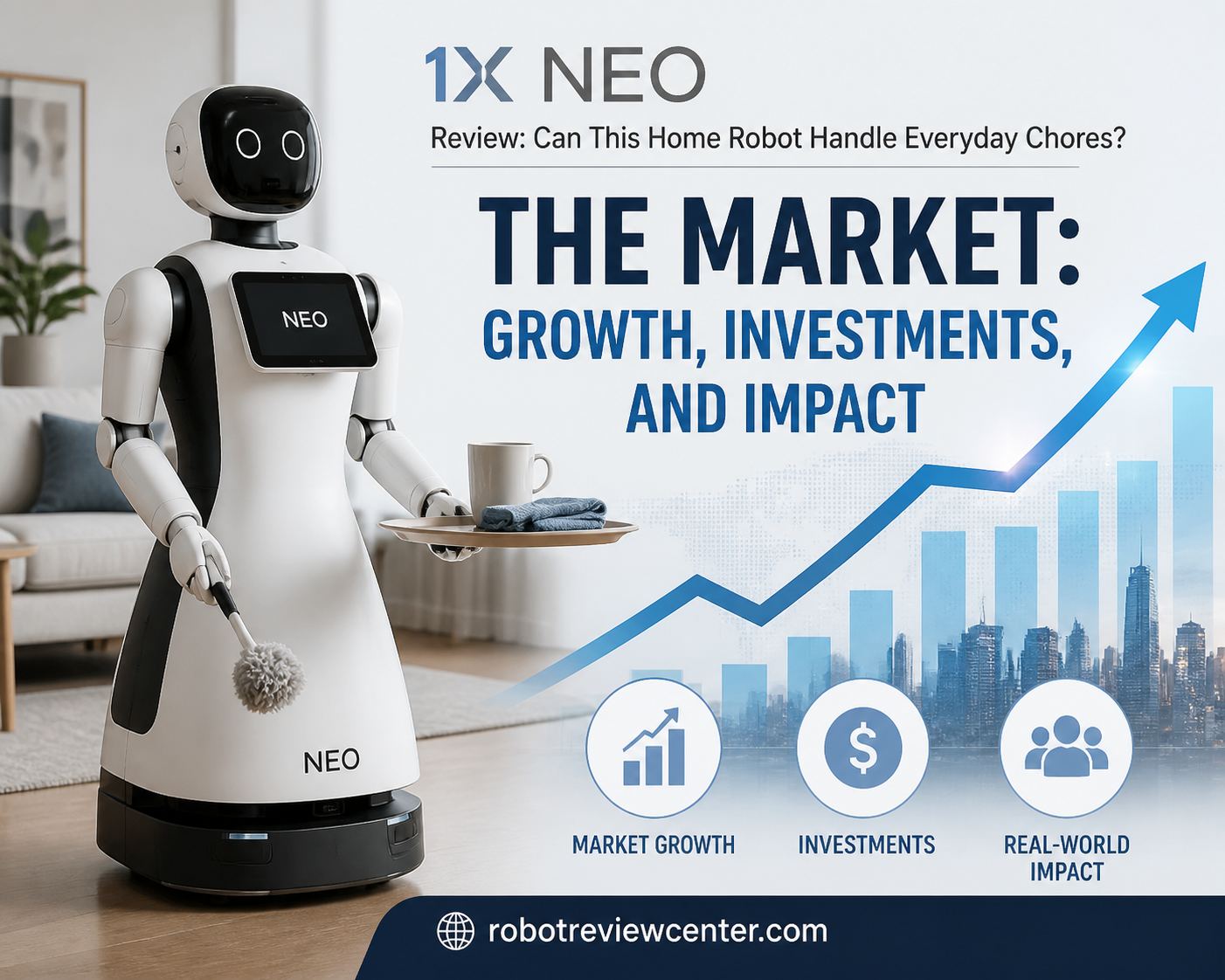
The realm of home robotics is in its burgeoning stages, but it boasts promises of exponential growth. With a market forecast by numerous experts, including those at MarketsandMarkets, predicting substantial growth stimulated by increasing household demands and technological progressions, the economic impact is non-trivial.
Investment in robotics, especially domestic-oriented ones like the NEO, has ramped up in recent years. Companies and research hubs are channeling funds into the development of systems that blend seamlessly with everyday human life. This trend fuels competition, driving innovation and pushing for a price reduction in consumer models, thereby broadening accessibility.
Yet, market penetration remains carefully balanced. While many homeowners express interest, the realisation of these robots’ full potential remains contingent on overcoming existing technological hurdles. Still, the economic ripple of their integration cannot be overstated, hinting at a world where such devices are as common as microwaves or personal computers.
Challenges and Limitations
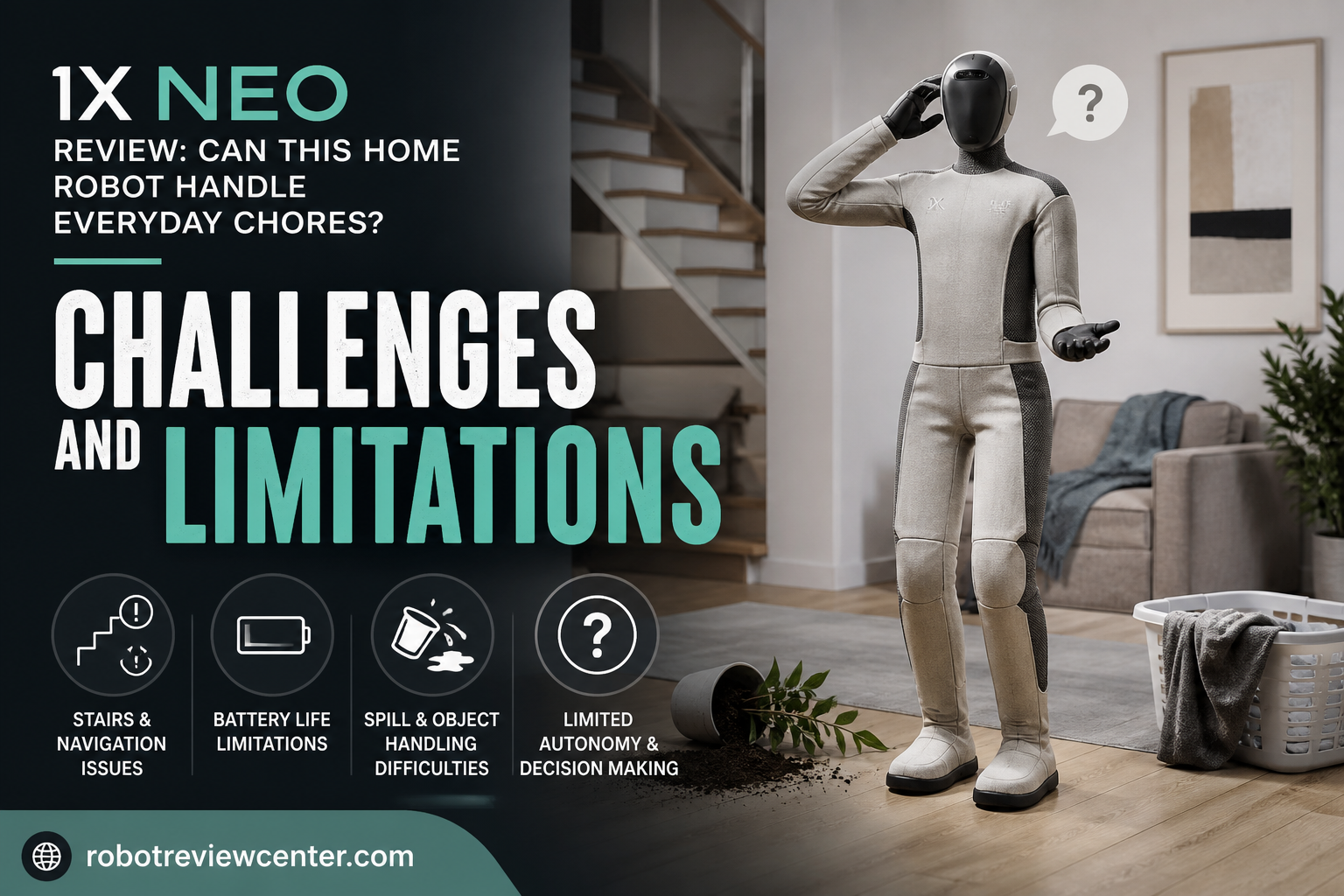
Despite its advanced features, the 1X NEO is not without its challenges. Perhaps the most concerning among them is the robot’s adaptability to unpredictable environments—an area where AI still grapples with replicating human intuition and decision-making.
Another pressing issue is battery life and recharge cycles. Current models operate effectively for limited hours before requiring downtime. This limitation pales against the demand for continuous operation, especially in homes with extensive daily routines.
Furthermore, privacy and security form a significant point of concern. With interconnectivity comes vulnerability, and ensuring comprehensive cybersecurity is pivotal to consumer trust and wider adoption.
Addressing these constraints will be key to the NEO not just being a technical marvel, but a commercially viable solution to universal household tasks.
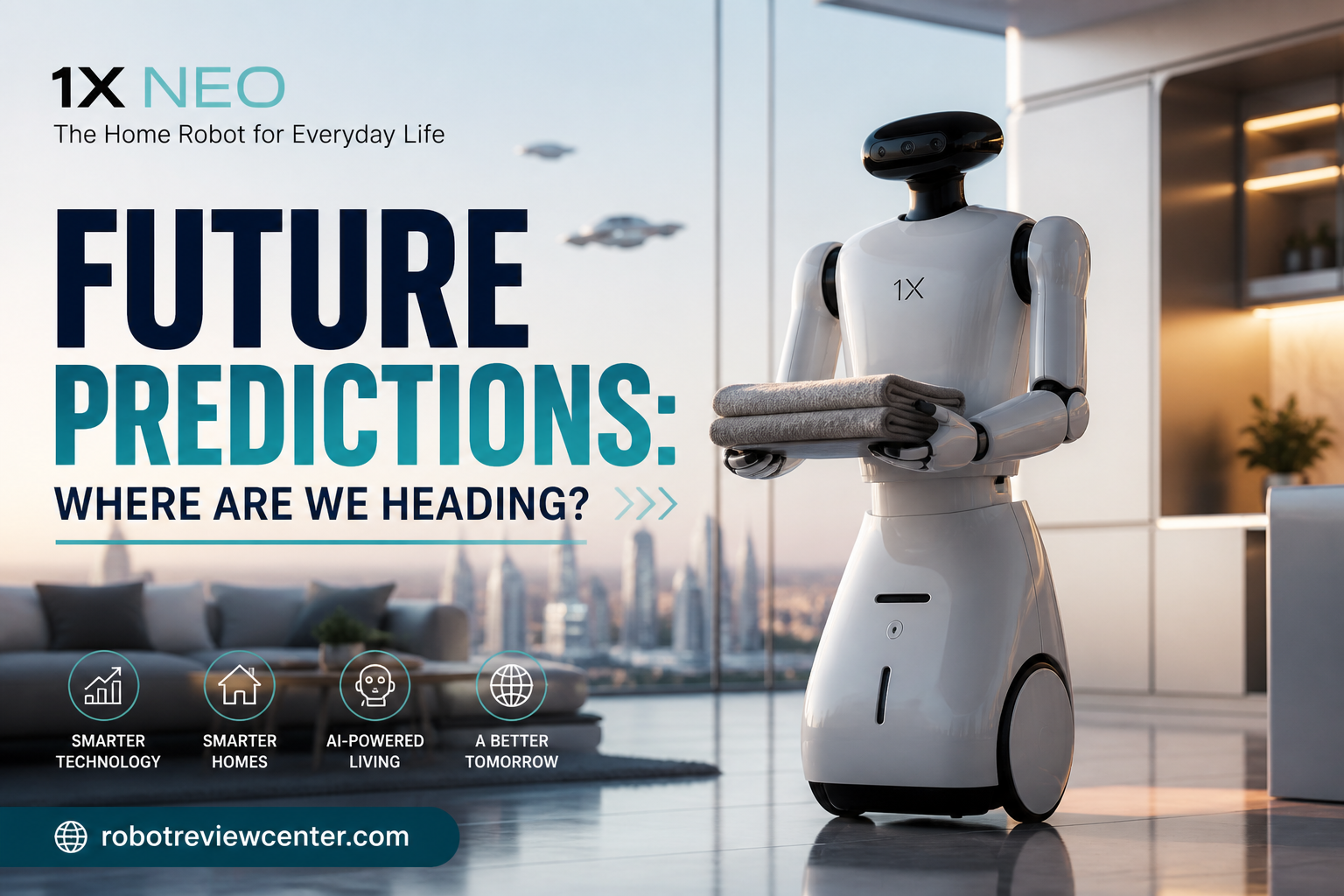
Peering into the future, the 1X NEO, and robots like it, paint a compelling picture of automated domestic spaces. In the coming 3 to 5 years, we can expect progressive iterations of home assistants that are more sophisticated, potentially equipped with enhanced AI models offering better task autonomy coupled with deeper learning capacities.
Future enhancements could also see the NEO being equipped with modules for voice interaction, making interaction intuitive and seamless. Alongside, the integration with IoT devices promises a connected lifestyle where information transfer is seamless and consistent.
Increasing reliance on robots will likely lead to policy regulations to balance innovation with ethical considerations, setting the stage for responsible AI deployment. Companies will focus on improving infrastructure, creating scalable models that can be tailored to specific household needs.
Consequently, the robotics market is not only a field of technological pursuits but one embedded with societal implications, encouraging thought leaders and developers alike to converge on solutions that genuinely enhance human life.
Strategic Insights: Preparing for an Automated Tomorrow
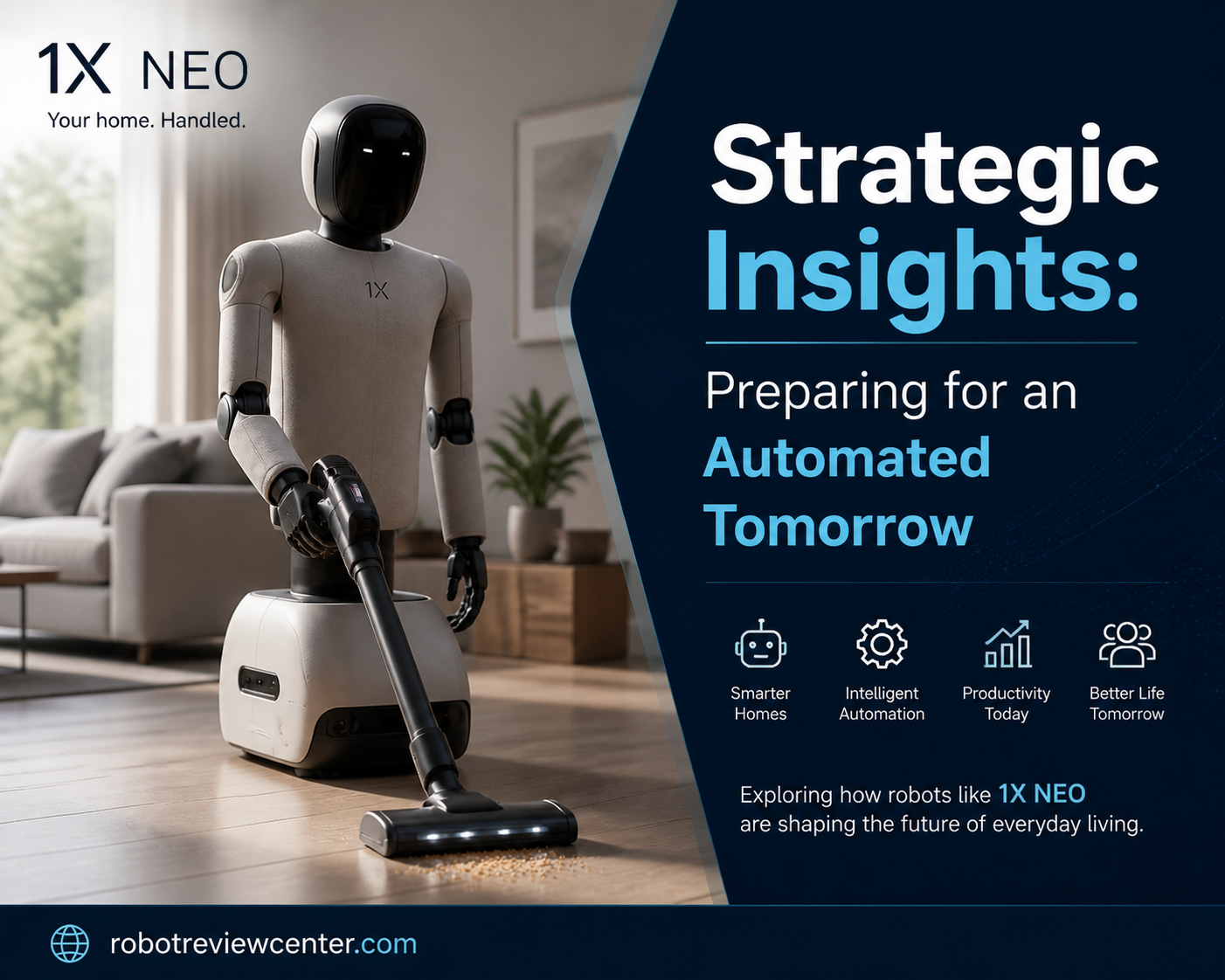
As 1X NEO and akin robots move traits from prototype to mainstream, individuals and businesses must prepare for this paradigm shift. Households are advised to start considering the integration of smart technology infrastructure to seamlessly incorporate future-ready devices.
For developers and tech companies, the trajectory is directed towards partnering in open-source platforms, fostering shared growth and collective problem solving in robotics development. This collaboration accelerates innovation while adhering to ethical AI standards.
Economically, embracing robots such as the NEO encourages workforce reskilling, giving rise to new roles that necessitate oversight, maintenance, and enhancement of AI-driven solutions. Businesses adapting quickly to this shift will find themselves ahead of the curve, reaping both productive and financial benefits from streamlined operations.
As these changes unfurl, the goal remains ensuring that technology enriches lives, fosters inclusivity, and enhances productivity—principles that companies like RoboZone champion at every opportunity.
So What Comes Next for Home Robotics?
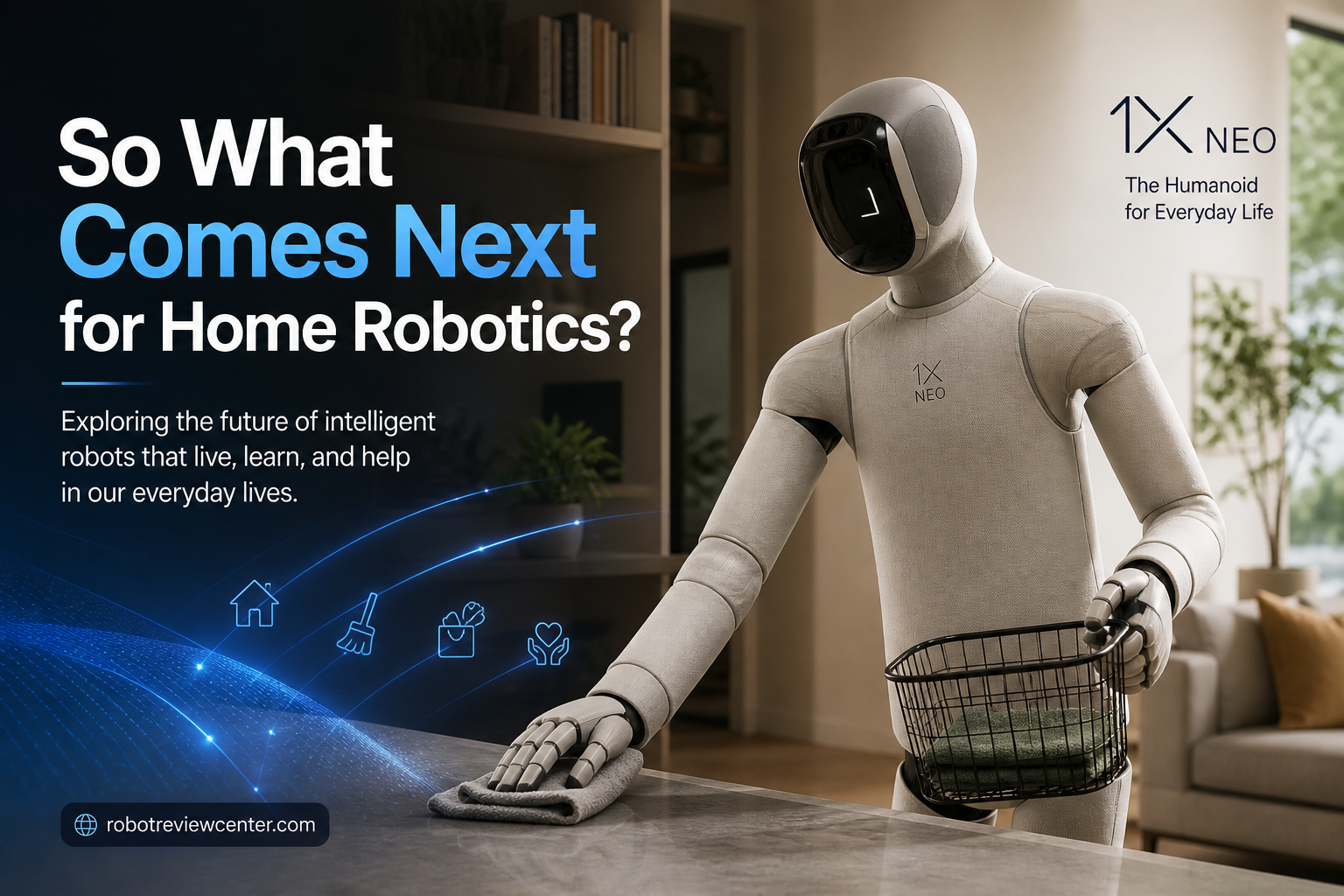
In an era defined by technological progress, the 1X NEO stands as a beacon of innovation in home automation. Its launch signifies not just an advance in robotics but a pivotal change in how we define convenience and lifestyle improvement.
As the robotics market matures, prospects are bright for more flexible, user-friendly robots that redefine task execution at home. This transformation is not without its hurdles; yet, those who navigate these challenges will find themselves at the forefront of a burgeoning technological era.
The continual evolution of the 1X NEO and its peers will likely see an uptick in user-centric designs, intelligent integration, and more sophisticated interactions with humans—all embodying the vision of a future where innovation aligns seamlessly with daily life.
Embracing these robots assures readiness for a tomorrow that values the synthesis of technology and human capacity.
Thomas Huynh – Admin of RoboZone.top
The conversation around robots like the 1X NEO reflects more than technological novelty—it encapsulates a shift toward reimagining home living. By merging cutting-edge developments with practical everyday applications, these robots position themselves at the heart of the next domestic revolution. While there are tangible obstacles yet to be resolved, the direction is clear: towards a future where automation embodies intuitive, efficient, and engaging epiphanies for homes around the globe.
With more stakeholders keen to adapt, support, and grow within this space, those who embrace the transition early will likely benefit the most. Thus, as we await this robotic renaissance, it’s crucial to stay informed, remain flexible, and continuously engage with the changing dynamics of the technology landscape.
Thomas Huynh – Admin of RoboZone.top
