
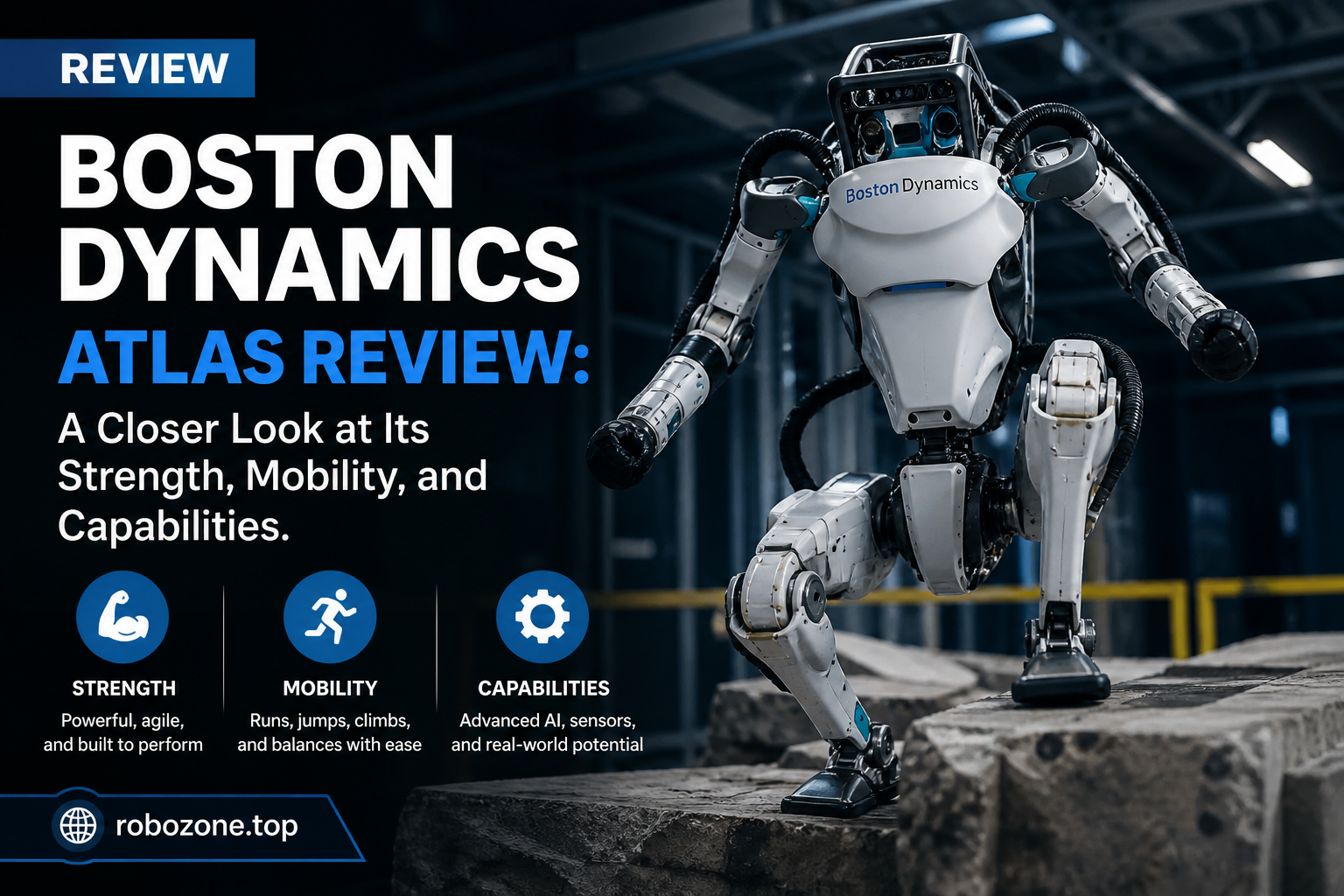
In the ever-evolving world of robotics, Boston Dynamics remains a trailblazer, pushing the boundaries of what’s possible with each new innovation. Among their groundbreaking creations, the Atlas robot stands out as a marvel of engineering, showcasing remarkable strength, mobility, and capabilities that are often only seen in science fiction. As we delve into the intricacies of this humanoid machine, we aim to shed light on not just what it can do, but also the potential it holds for reshaping industries ranging from manufacturing to healthcare.
What is the Atlas Robot?
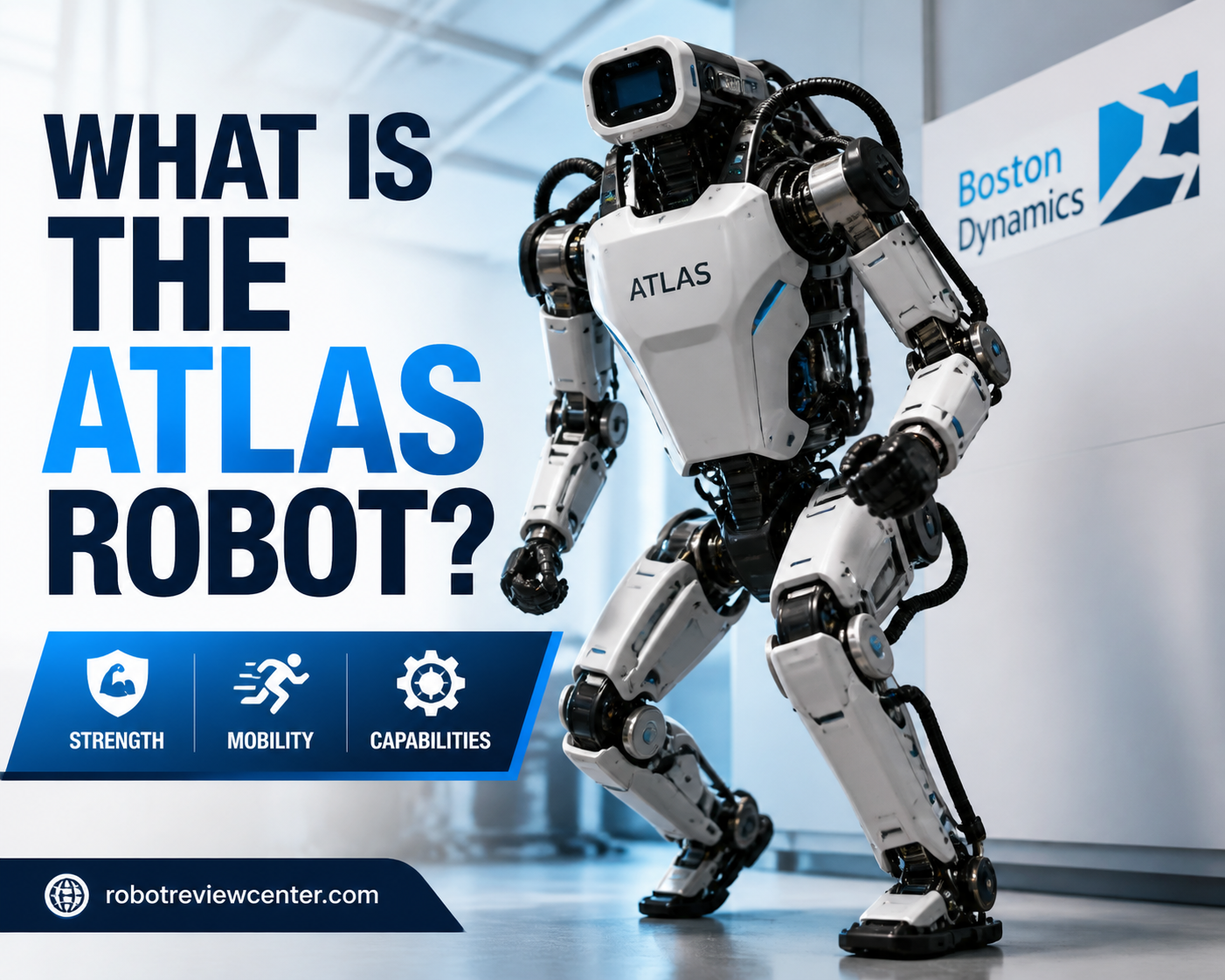
When it comes to humanoid robots, Boston Dynamics’ Atlas is a name that sends a wave of excitement through tech enthusiasts and industry experts alike. But what exactly is Atlas, and how does it work? At its core, Atlas is an advanced bipedal humanoid robot designed to navigate complex terrains with ease. It represents years of research and development in robotics, striving to mimic human movements with precision and agility.
Standing at approximately 1.5 meters tall and weighing 89 kilograms, Atlas is powered by a hydraulic actuation system. This allows for 28 degrees of freedom, enabling intricate and human-like motion. Its sophisticated control systems and state-of-the-art computing hardware, often comprising NVIDIA’s GPU technology, ensure seamless performance in dynamic environments.
Real-world Applications
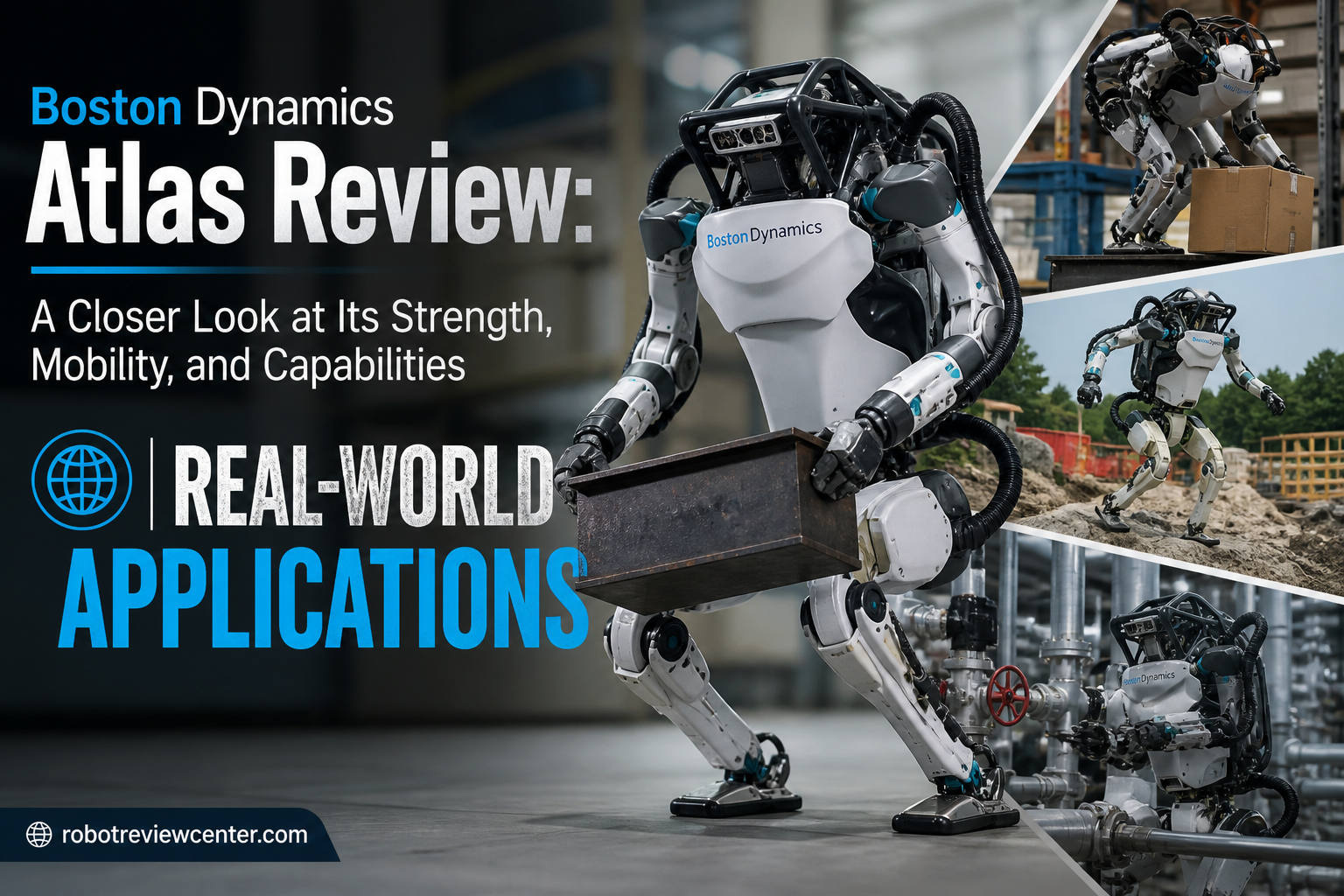
The applications of Atlas extend far beyond its initial design. From assisting in rescue missions during natural disasters to aiding in construction and logistics, Atlas proves its versatility across sectors. Imagine a scenario where Atlas scales a disaster-struck area to locate survivors or carries heavy materials on a construction site. Its design allows it to perform such tasks with remarkable efficiency.
In healthcare, although still largely in the experimental phase, Atlas could revolutionize patient care by performing routine check-ups or aiding in physical therapy. The potential applications are vast, and as robotics technology continues to progress, Atlas could play a pivotal role across various industries.
Technical Insights and Innovations of Atlas
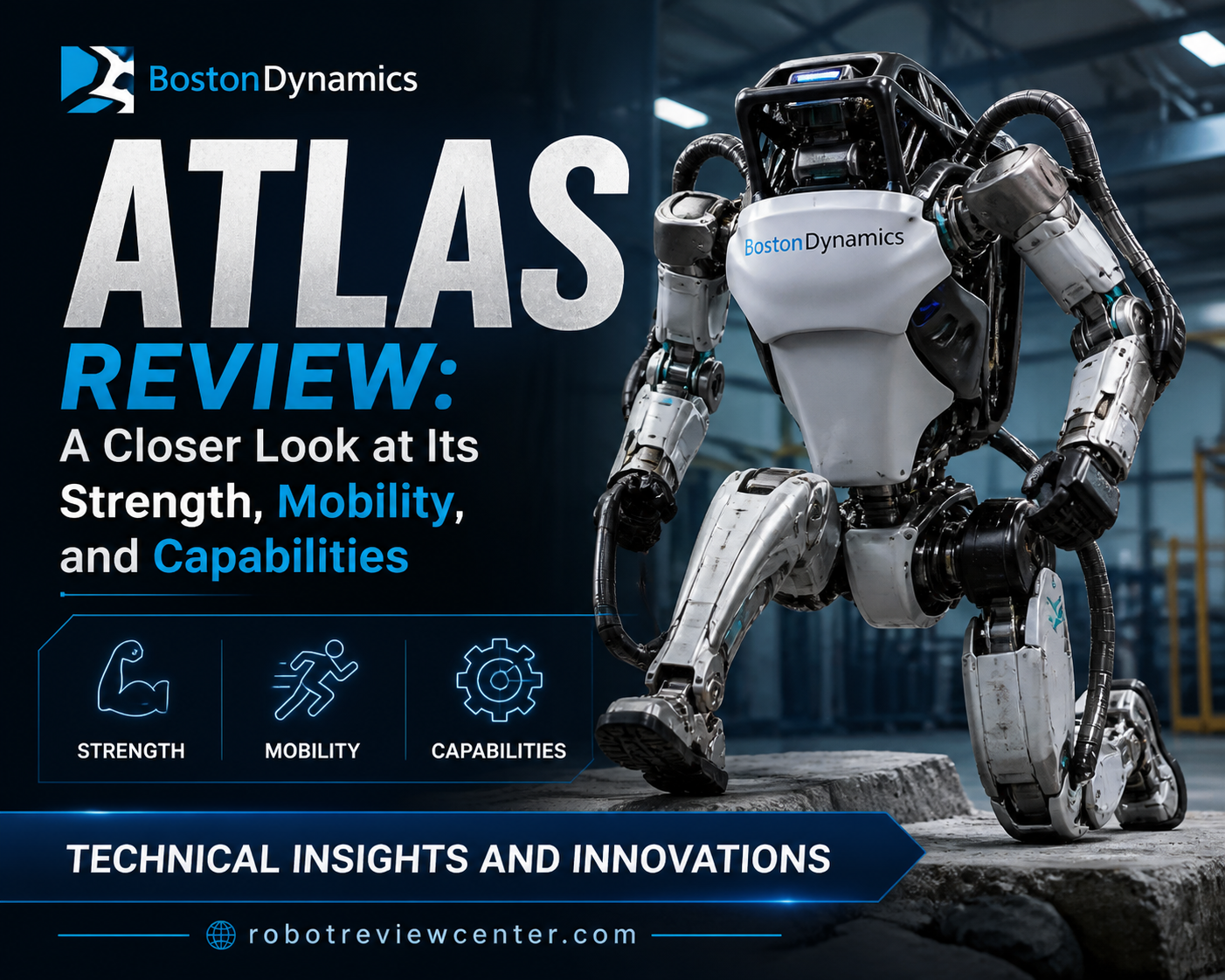
Atlas’s capabilities are grounded in cutting-edge technology. Its vision system is equipped with LiDAR and stereo cameras, allowing for environmental mapping and obstacle detection. This vision suite, combined with advanced AI algorithms, enables Atlas to execute tasks autonomously with minimal human intervention. The robot’s AI system is continuously nourished with new data, helping it optimize machine learning models for improved decision-making and task execution.
Furthermore, the computing backbone of Atlas is a topic of intrigue. Utilizing NVIDIA GPUs, the robot can process vast amounts of data in real-time, facilitating seamless human-robot interaction. The integration of reinforcement learning techniques empowers Atlas to learn from and adapt to its environment, enhancing its operational efficacy.
The Market Landscape
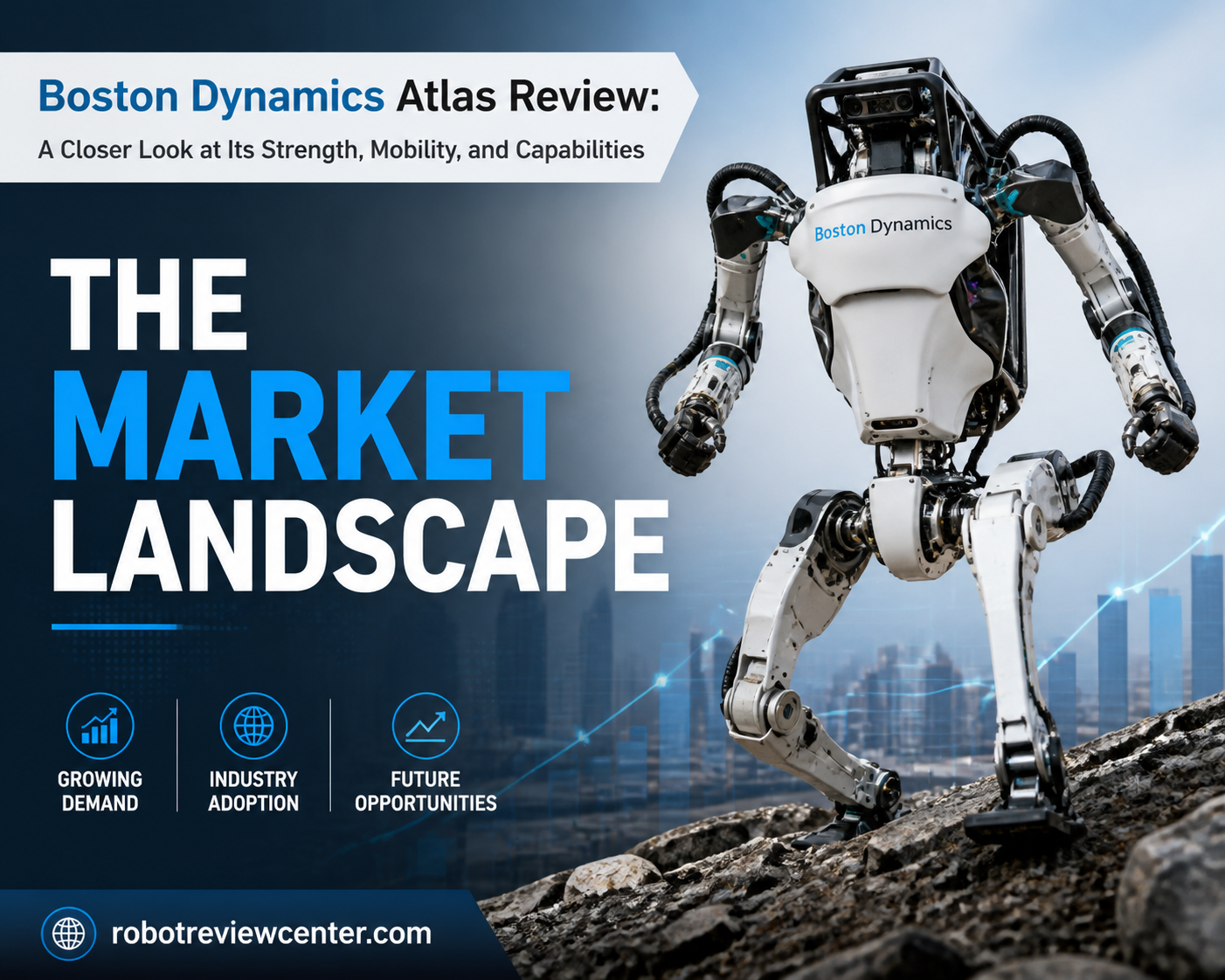
In the competitive landscape of robotics, Atlas stands as a beacon of innovation. Market analysis from credible sources such as McKinsey suggests a burgeoning demand for humanoid robots in sectors such as manufacturing, healthcare, and logistics. The robotics industry, valued at billions of dollars, is poised for significant growth. As companies like Boston Dynamics continue to fine-tune technologies like Atlas, the industry’s economic impact promises to be profound.
Investments in robotics are also seeing an upward trend. With global enterprises recognizing the efficiency and long-term cost savings afforded by robotic automation, Atlas, and similar technologies are experiencing increasing interest from potential adopters worldwide.
Challenges and Limitations
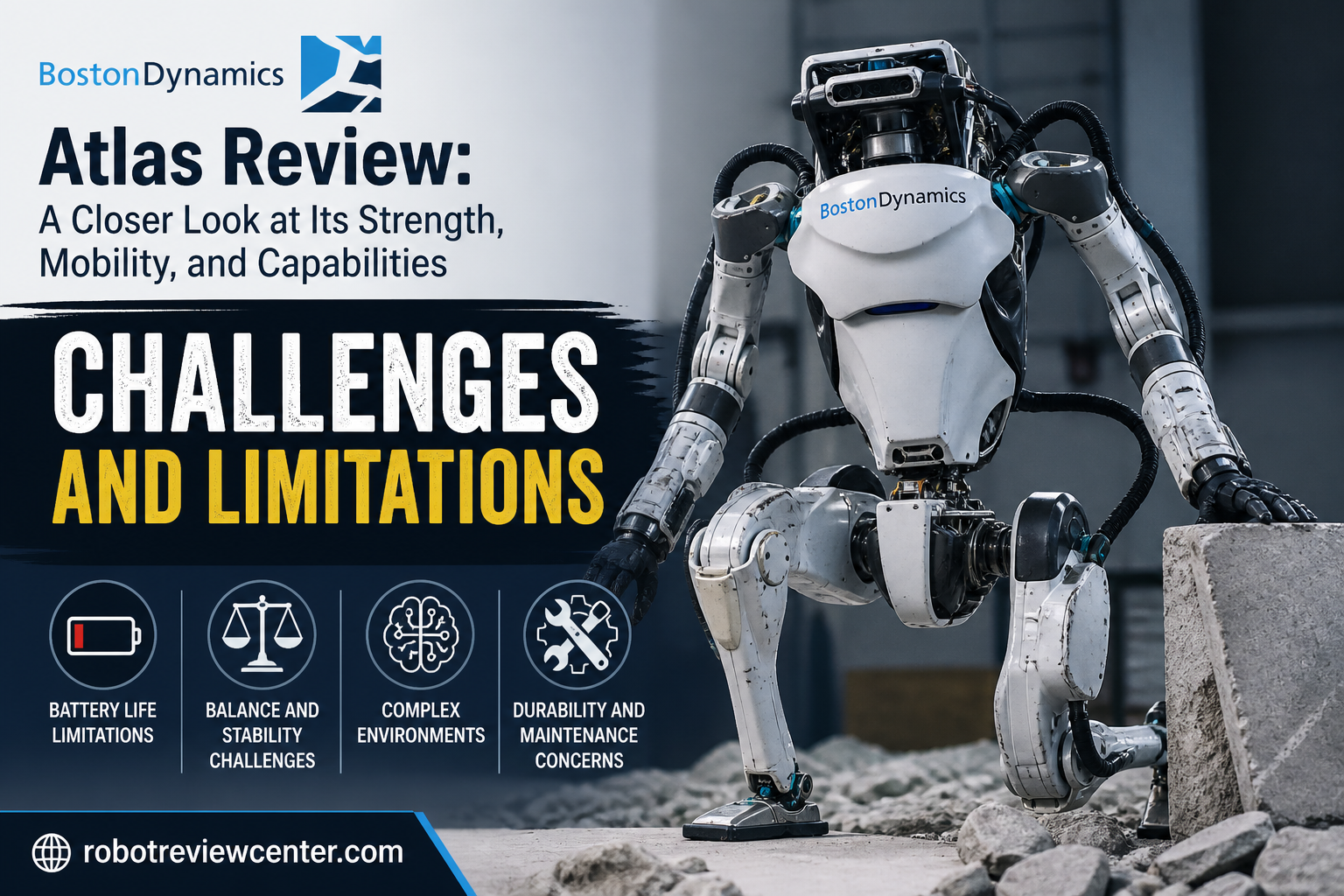
No technological marvel is without its hurdles. For Atlas, power consumption remains a noteworthy challenge. Despite advances in battery technology, providing sustained, autonomous operation to a humanoid robot like Atlas in real-world conditions is still a challenge. Furthermore, ensuring the robot’s safety and reliability in unpredictable environments requires ongoing research and development.
Additionally, the economic feasibility of mass-producing Atlas for widespread use is still under consideration. While Atlas demonstrates impressive capabilities, its commercial deployment continues to face logistical and financial barriers that the industry must overcome.
Future Prospects
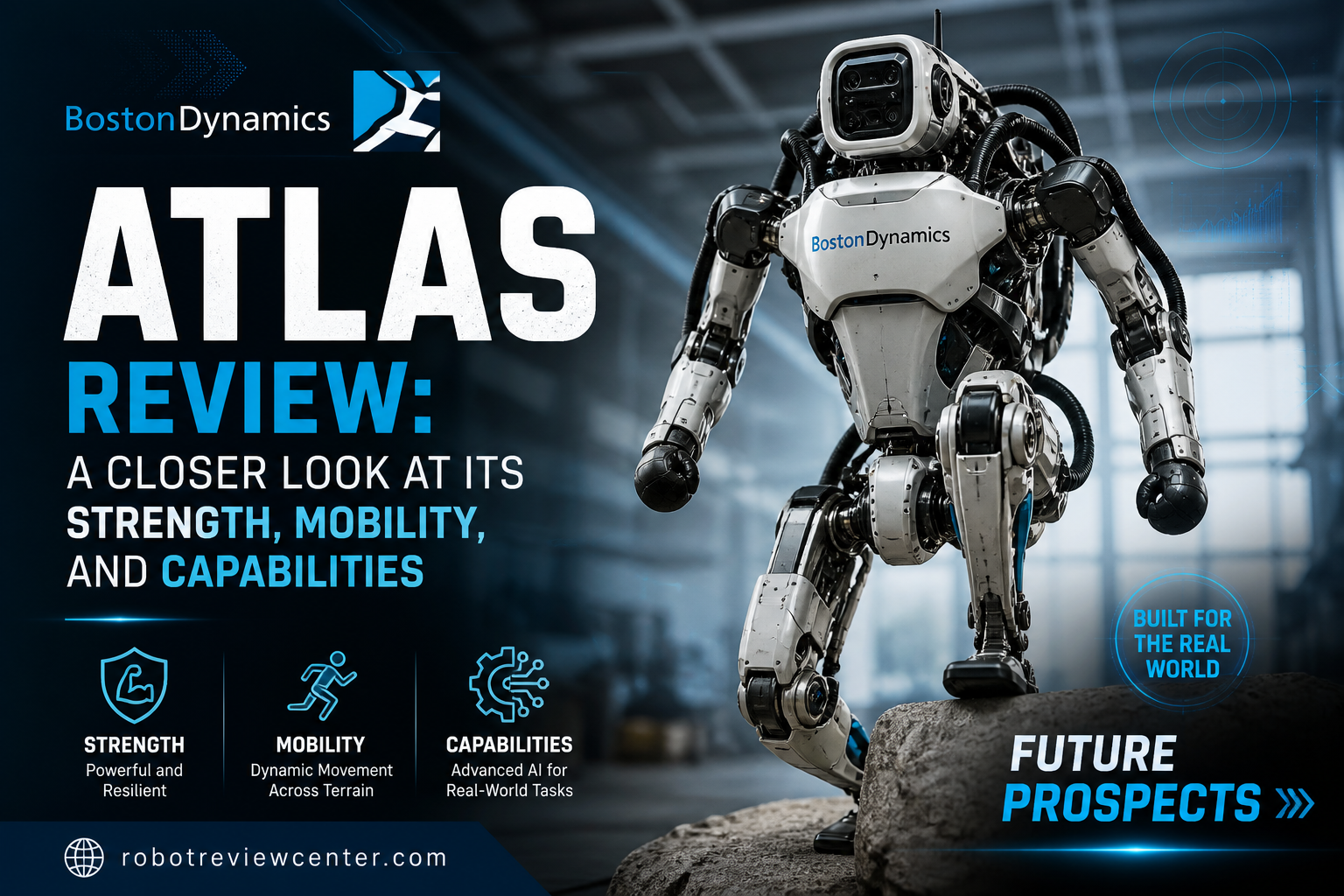
Looking towards the future, the evolution of Atlas is poised to break new ground in robotics. Over the next 3–5 years, advancements in AI and machine learning will likely enhance Atlas’s cognitive capabilities, allowing it to perform increasingly complex tasks. Integration with other emerging technologies, such as the Internet of Things (IoT), could facilitate real-time data exchange during operations, broadening its functionality.
In the long-term, human-robot collaboration could redefine work as we know it. Industries may see Atlas robots working alongside humans, offering assistance in dangerous or labor-intensive tasks. As the conversation around robotics grows, understanding and anticipation of technological leaps will be essential for businesses and consumers alike.
Strategic Insights for Stakeholders
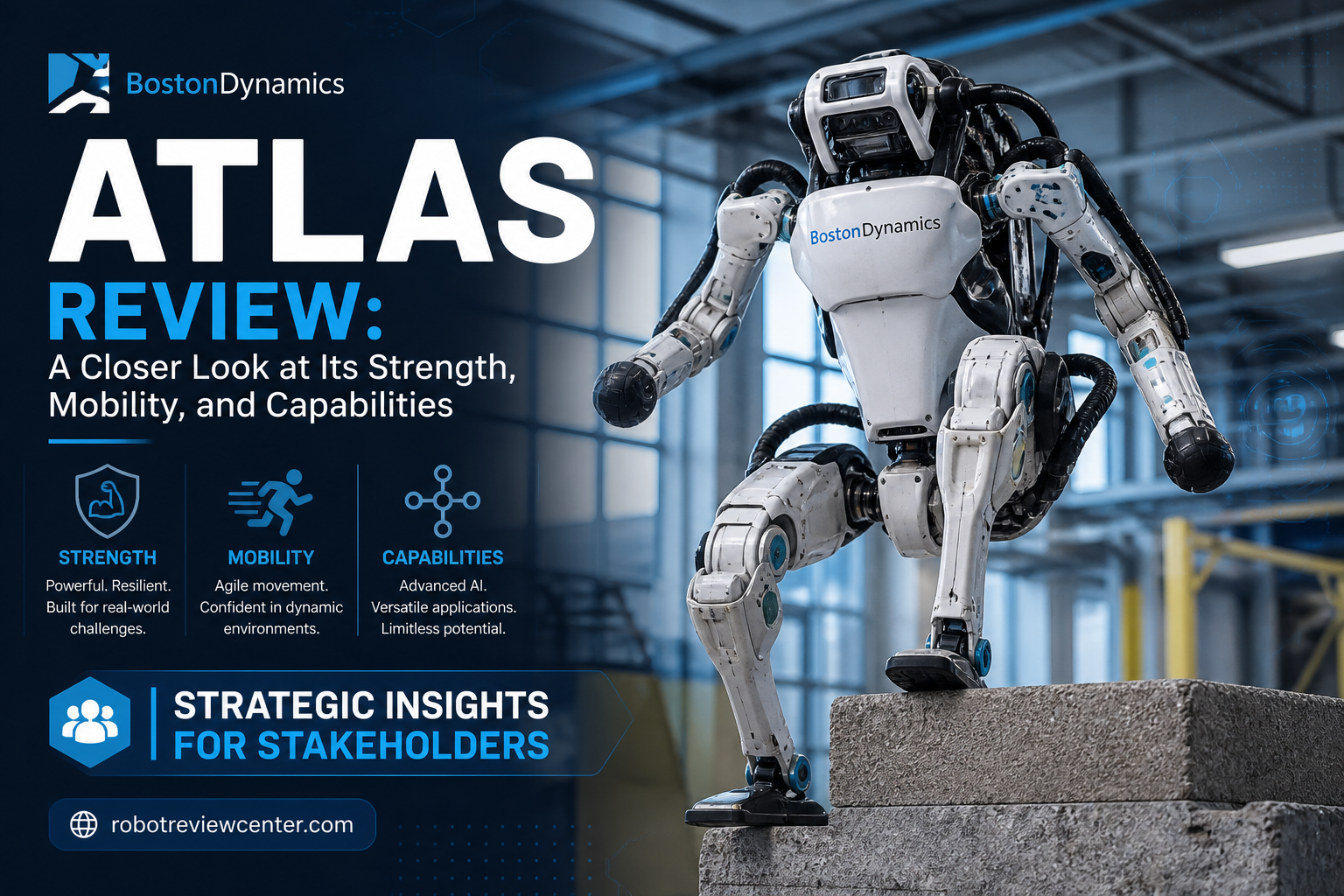
For businesses, developers, and users considering robotic integration, the Atlas robot offers several strategic insights. Companies should prepare for shifts in workforce dynamics. Robotics, particularly models like Atlas, could replace or augment human roles in various sectors, necessitating new strategies for workforce management and training.
Likewise, developers should focus on building adaptable platforms that complement Atlas’s operational capabilities, fostering collaboration that maximizes efficiency. For users, embracing robotics might mean becoming more comfortable with autonomous systems, potentially driving developments in human-robot interaction to new, trust-based relationships.
What should we really pay attention to? The journey of the Atlas robot embodies the relentless pursuit of human advancement through robotics. It exemplifies the potential of machines designed not just for performance, but to operate within human environments with elegance and efficiency. As we continue to witness the evolution of robots like Atlas, it’s imperative to remain vigilant and informed, understanding how they can affect our daily lives and industries. The future is unwritten, but with Atlas on the forefront, it promises to be anything but static.