
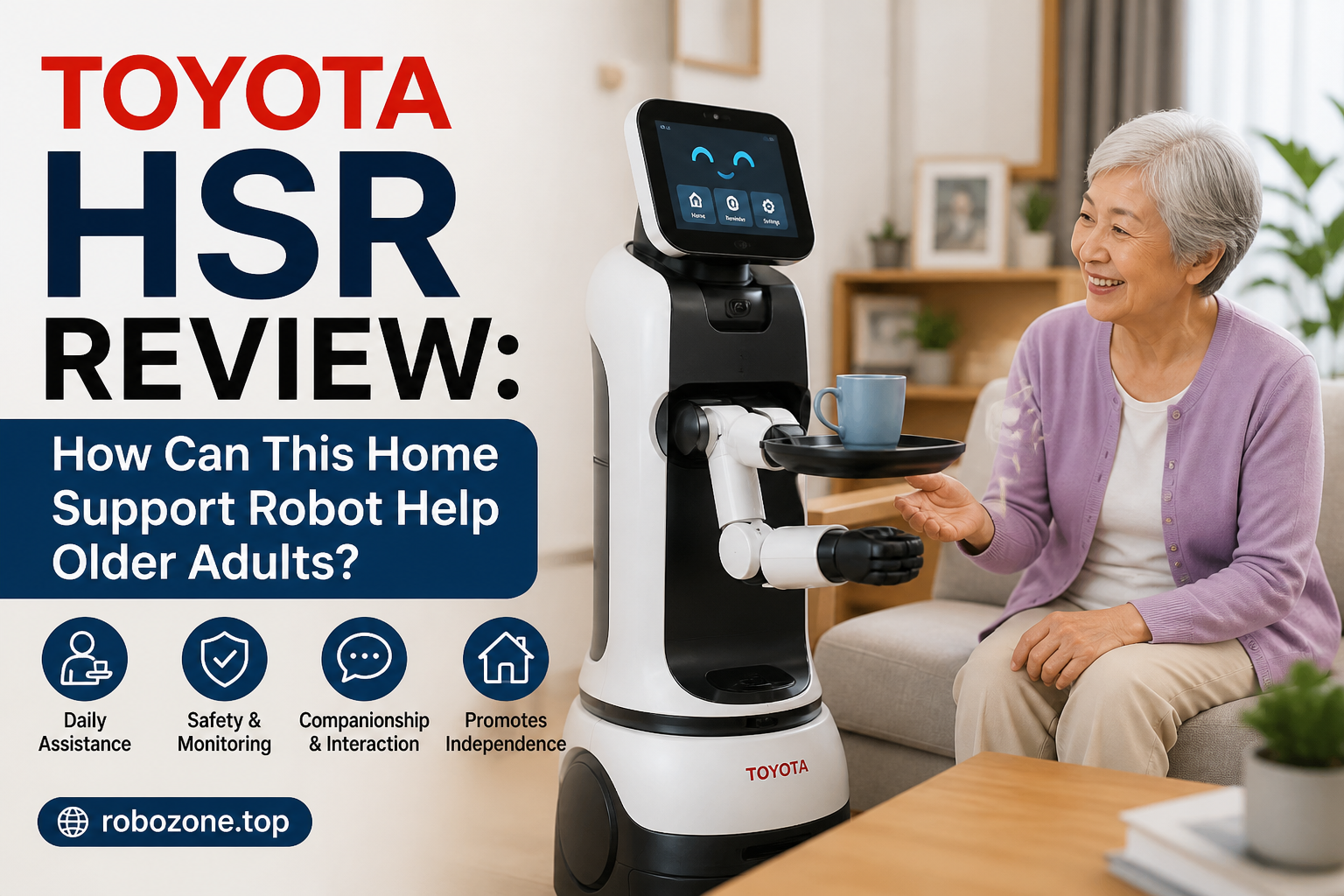
In an age where technological advancement continuously reshapes our reality, the concept of robotic assistance, once deemed fantastical, now straddles the realms of possibility and practicality. Among such marvels is the Toyota HSR (Human Support Robot), a creation poised at the intersection of innovation and societal necessity. As populations around the globe age, the demand for assistance in managing ordinary tasks grows exponentially. The Toyota HSR emerges as a potential solution, promising to add a layer of autonomy and dignity to the lives of older adults. But, how does it fare under the microscope of technological scrutiny? This comprehensive review seeks to unravel the capabilities, challenges, and future of the Toyota HSR as it stakes its claim in the lives of older adults.
Understanding the Toyota HSR: Designed for Support
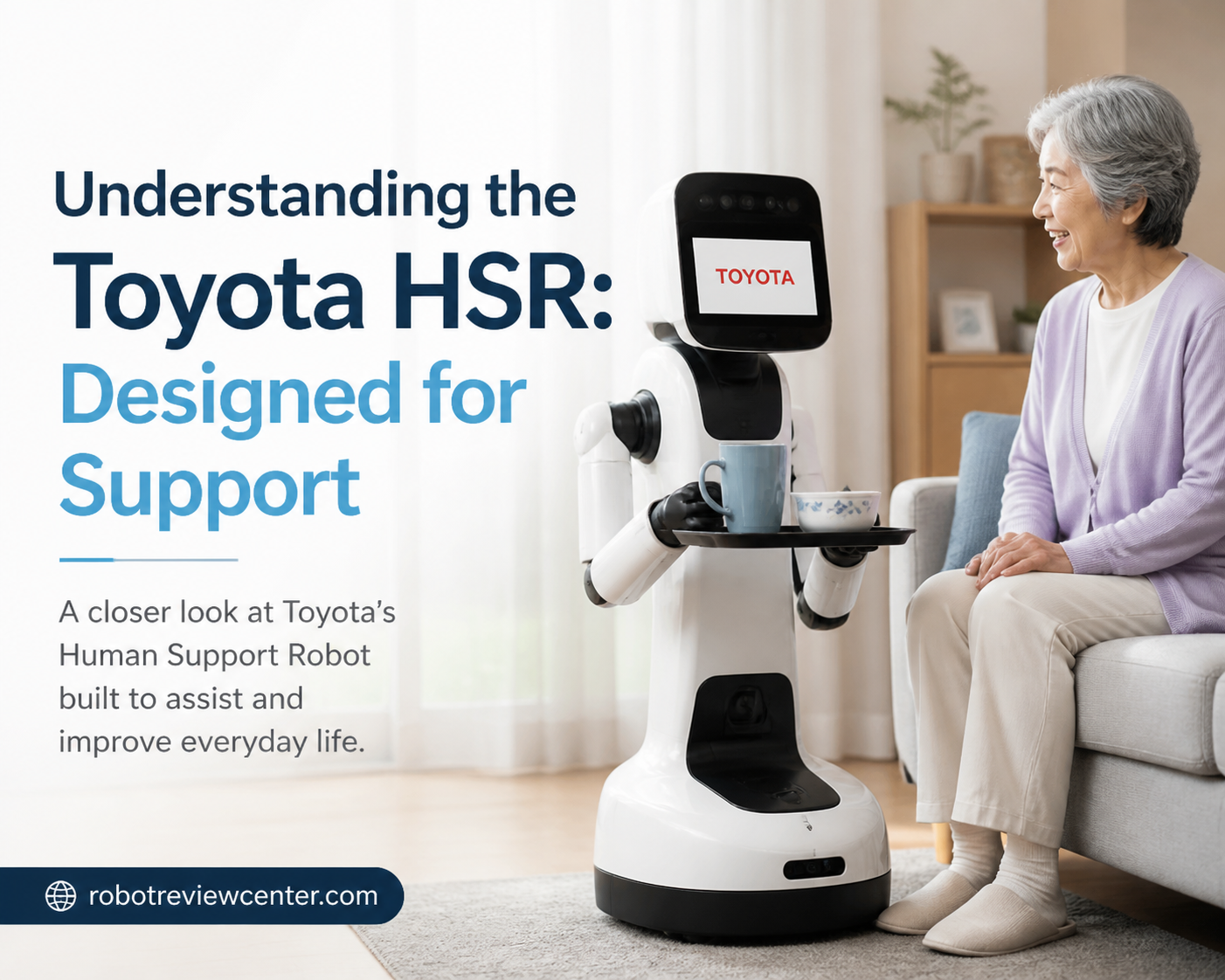
The Toyota Human Support Robot, often abbreviated as HSR, is a pinnacle of Japan’s drive for innovation. Essentially, it’s designed to assist individuals, primarily the elderly, with a range of tasks. The HSR is a lithe machine equipped to facilitate daily life, from fetching objects to offering companionship. Standing at 1.2 meters and weighing in at around 37 kilograms, the HSR’s unassuming form belies its sophisticated functionality.
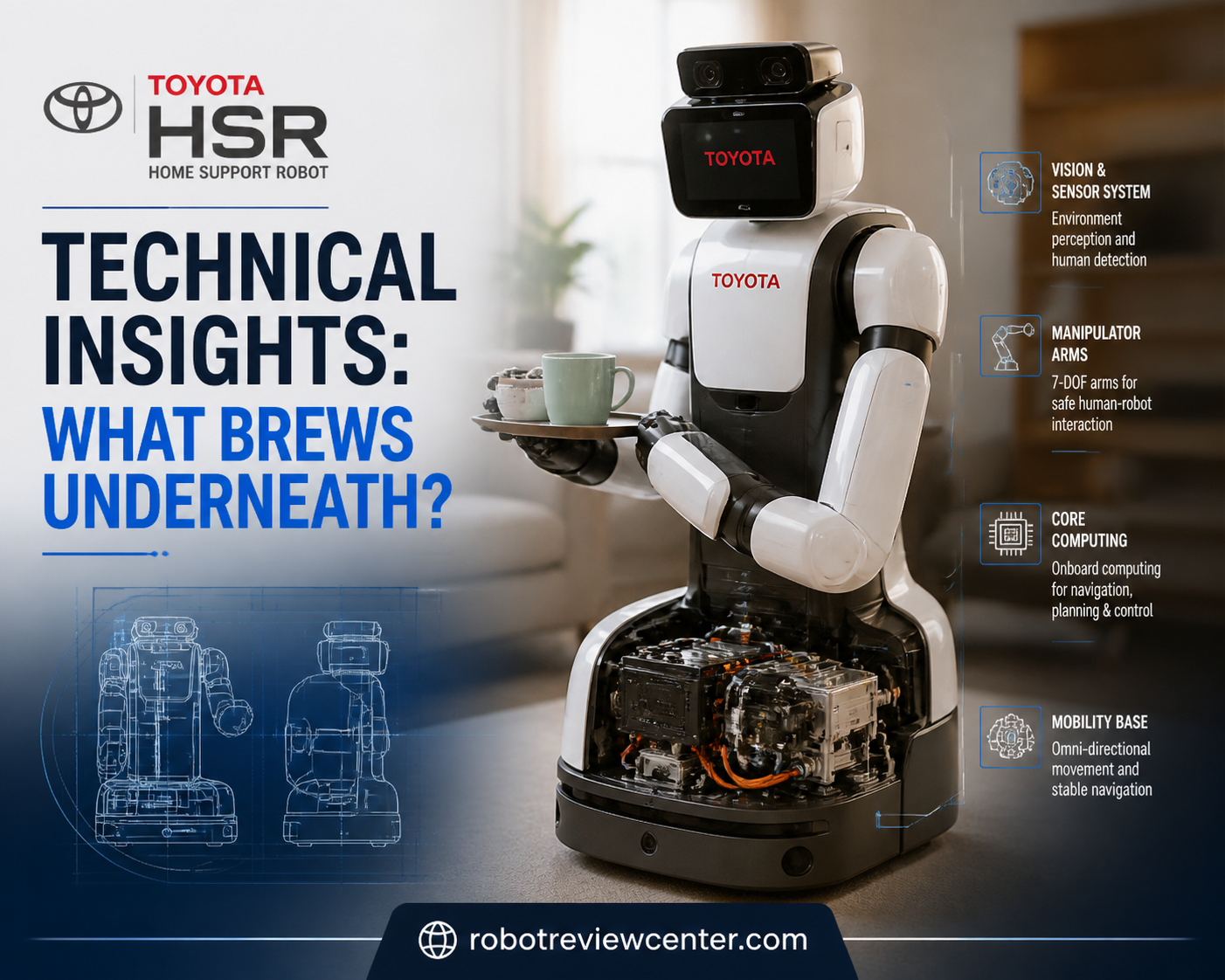
Underpinning its operation lies advanced robotics technology, an amalgamation of robust AI, precision engineering, and cutting-edge sensors. This system operates seamlessly, enabling the HSR to interact with its environment and execute tasks autonomously under specific conditions. The robot’s arm, the source of much of its utility, can manage payloads up to 1.2 kilograms—a testament to its dexterity in handling household items with care.
This is where the simplicity of design intertwines with complexity: the HSR is built to understand and adapt to varied living situations. Its manipulation capabilities, combined with its ability to ‘see’ through a sophisticated set of cameras and sensors, make it a crucial ally for individuals seeking to extend their independence. However, as Thomas Huynh from RobotReviewCenter.com often points out, design perfection doesn’t come without its own set of challenges.
Real-World Applications: Beyond the Living Room
From Everyday Housework to Heavy Lifting
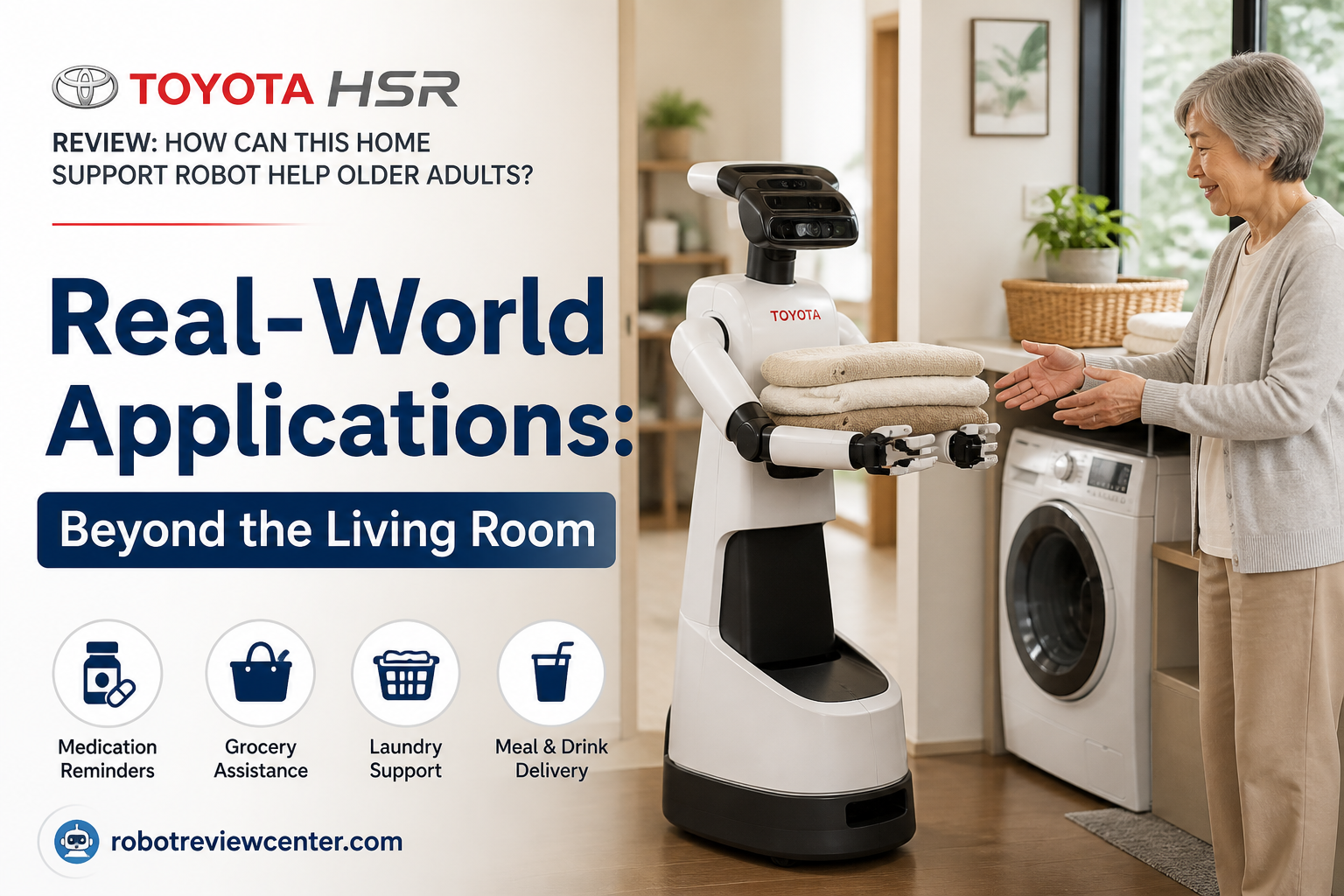
Implemented primarily for home use, the Toyota HSR’s application spectrum broadens as it moves from kitchen slips to healthcare environments. Imagine an elder looking to maintain independence—they can call on the HSR to assist with getting a book from the shelf or even opening doors. The robot’s ability to seamlessly interface with smart home systems further augments its utility, making it a versatile assistant.
Beyond individual homes, the potential of HSRs in more structured environments like nursing homes and assisted living facilities cannot be overlooked. Here, their ability to perform repetitive tasks—be it delivering medications or facilitating simple exercises—exemplifies their potential in reducing the burden on healthcare professionals.
Savoring a New Age of Robotics-Inspired Care
Within the healthcare sector, the Toyota HSR does more than functional task execution; it extends into providing social interaction opportunities for residents. This is particularly important as loneliness and isolation are significant issues within elder care. The introduction of HSRs in such settings could bring a touch of comfort to those in need, accomplished by interpreting human emotions and responding in kind.
Technical Insights: What Brews Underneath?
Market Analysis: The Economic Ripple Effect
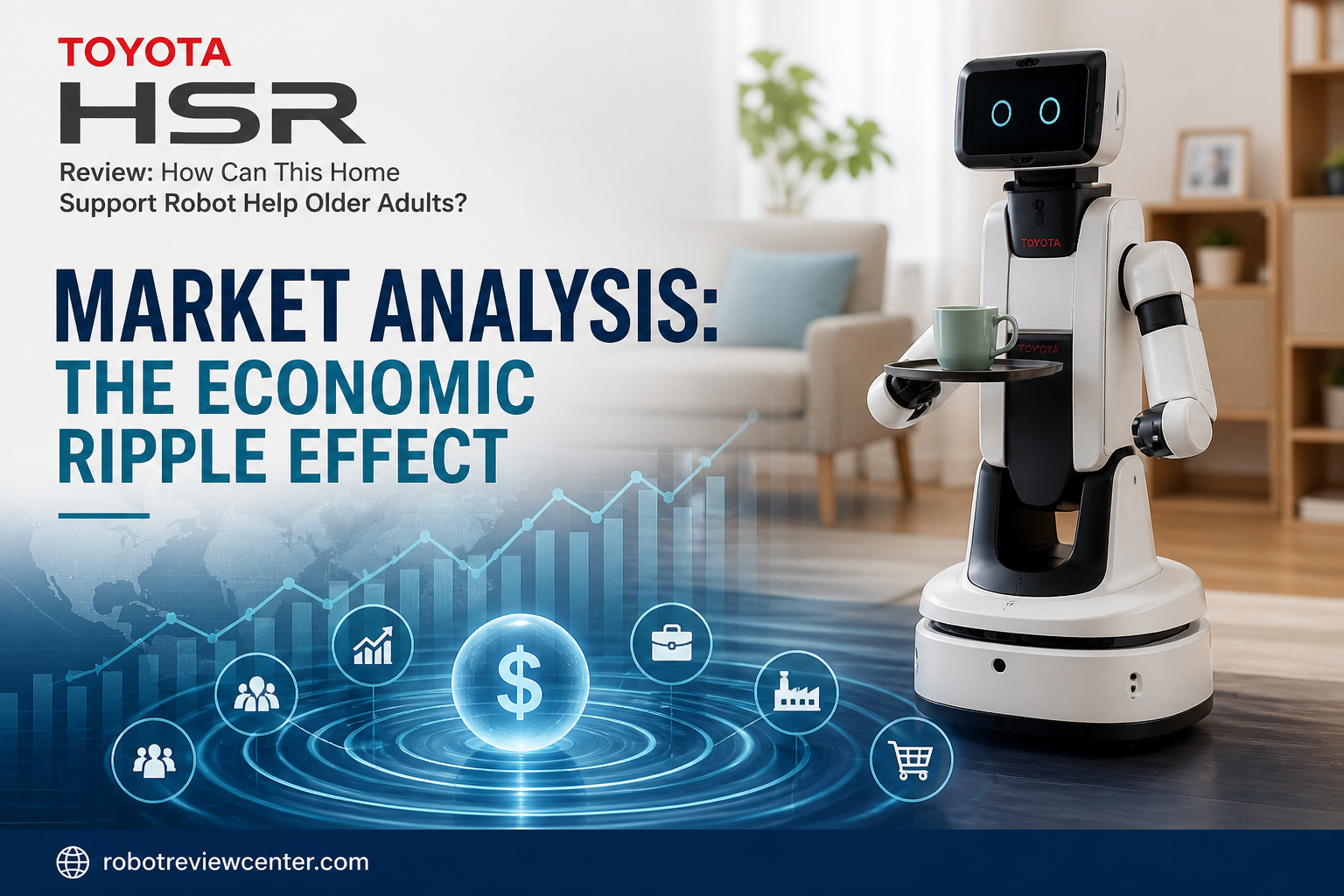
The Toyota HSR doesn’t merely inhabit a niche; it represents a burgeoning segment within the robotics market. As of 2025, the global robotics industry exhibits unprecedented momentum, driven by escalating labor shortages and relentless technological innovation. Valuations by platforms like MarketsandMarkets project the industry soaring beyond hundreds of billion dollars by decade’s close.
Investment in elder care robotics serves as a microcosm of this growth, underscoring societal imperatives such as aging populations and rising healthcare costs. Nations with graying demographics recognize the value proposition of robotic assistants, prompting increased integration within institutional settings.
Economic analyses spotlight cost savings tied with robotics deployment in eldercare. From reducing personnel demands to enhancing service consistency, production scales of instruments like the HSR promise transformative outcomes, one nation at a time.
Facing the Hurdles: Challenges and Limitations
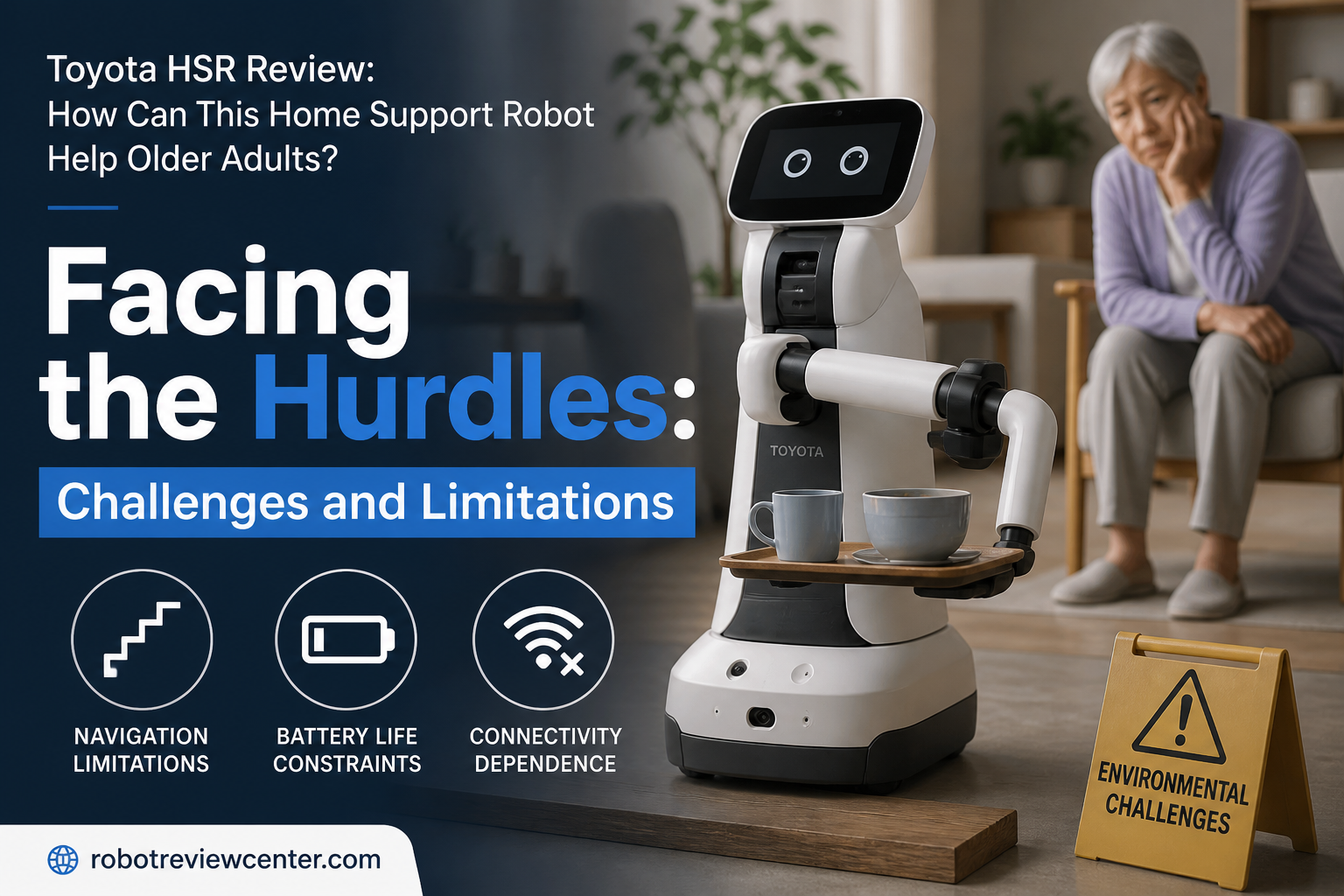
Yet, as impressive as it sounds, the reality is sprinkled with challenges when assessing the Toyota HSR under prevailing conditions. Skepticism in mainstream adoption often arises from privacy concerns—after all, robots roving households with constant cameras ruffles more than a few feathers.
Furthermore, the Toyota HSR’s high cost remains a persistent barrier to widespread integration, as does the technical sophistication necessary for consistent operation. Training individuals in interaction protocols with such advanced equipment isn’t facile, especially for tech-averse populations.
Critics also point to the robot’s limitations concerning outdoor adaptability. Despite weather and terrain optimizations, the HSR’s functionality shines indoors, highlighting a primary restrictive boundary awaiting resolution through ongoing research.
Gazing Towards Tomorrow: Where Do We Go From Here?
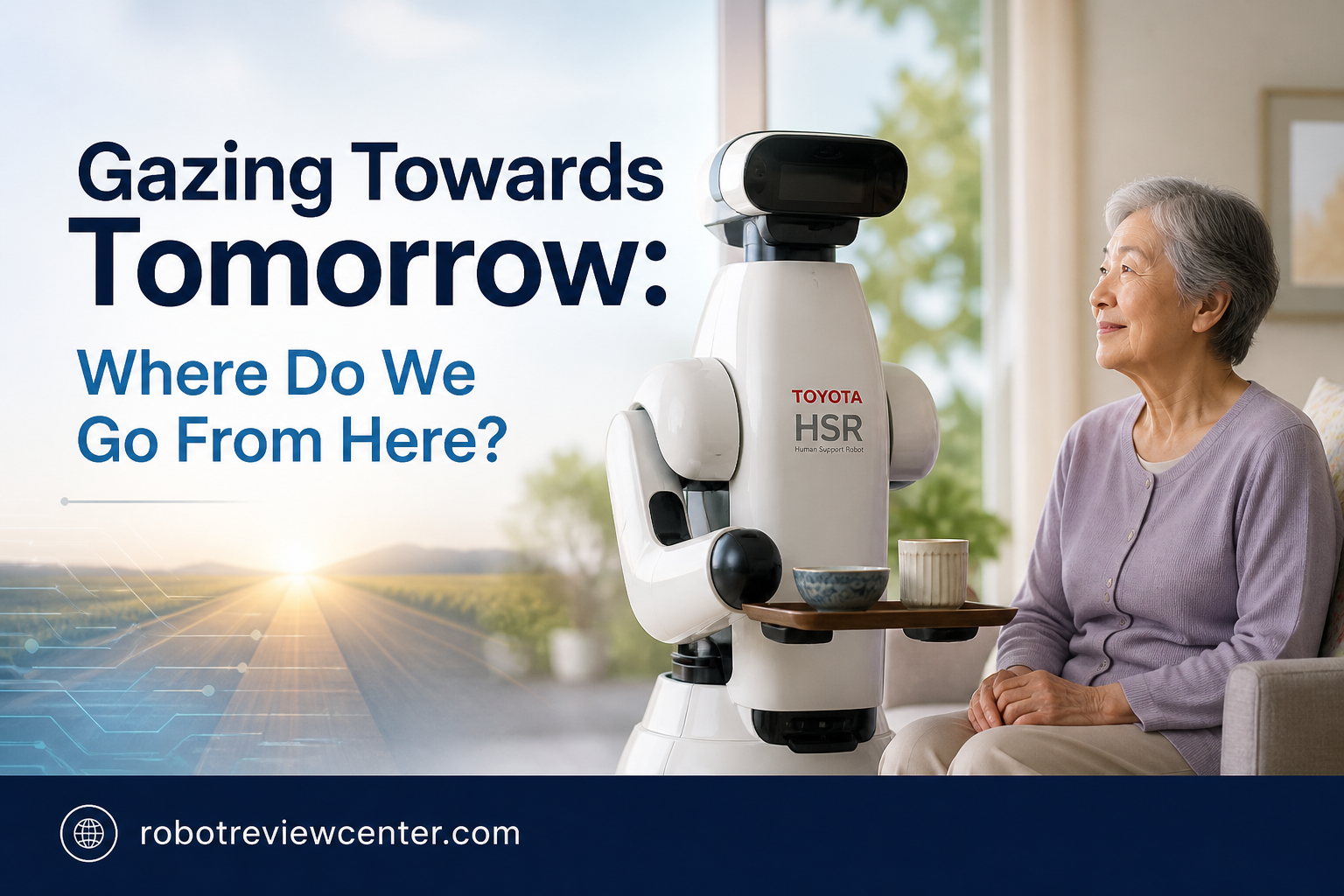
Looking ahead, the horizon gleams with opportunity and transformation. Robotics experts and industry observers predict leaps in AI dexterity and cognitive processing capacities, potentially ushering a new era where robots like the Toyota HSR interlace fluidly with everyday life.
In three to five years, the expectation is to witness enhanced AI undertakings, supplemented by sophisticated natural language processing tools, minimizing misinterpretations and bolstering human-like around-the-ears communication. The deep integration into IoT ecosystems will likely amplify their relevance, transforming homes into cohesive environments empathically designed for care.
Thomas Huynh insights suggest that manufacturers and developers prioritize ethical considerations as they advance. Establishing trust with users through transparent communication about data usage and security measures will serve as a pivotal step towards collective acceptance.
Strategically, stakeholders should concentrate on collaborative development models, bridging academic scholarship with real-world applications, fostering innovation lead times across the ecosystem and breaching current technological barriers more efficiently.
Reflecting on the burgeoning narrative of robots in eldercare, an undeniable promise unravels—a future where technology adapts to our intricacies, not vice versa. The Toyota HSR epitomizes this shift, acting not just as a mechanical aide but embodying the dawn of adaptive support systems capable of redefining autonomy. For now, we dwell in anticipation, witnessing each small leap and keeping Thomas Huynh’s words close: never just settle for possibilities, demand progress—because that is where true innovation flourishes.