
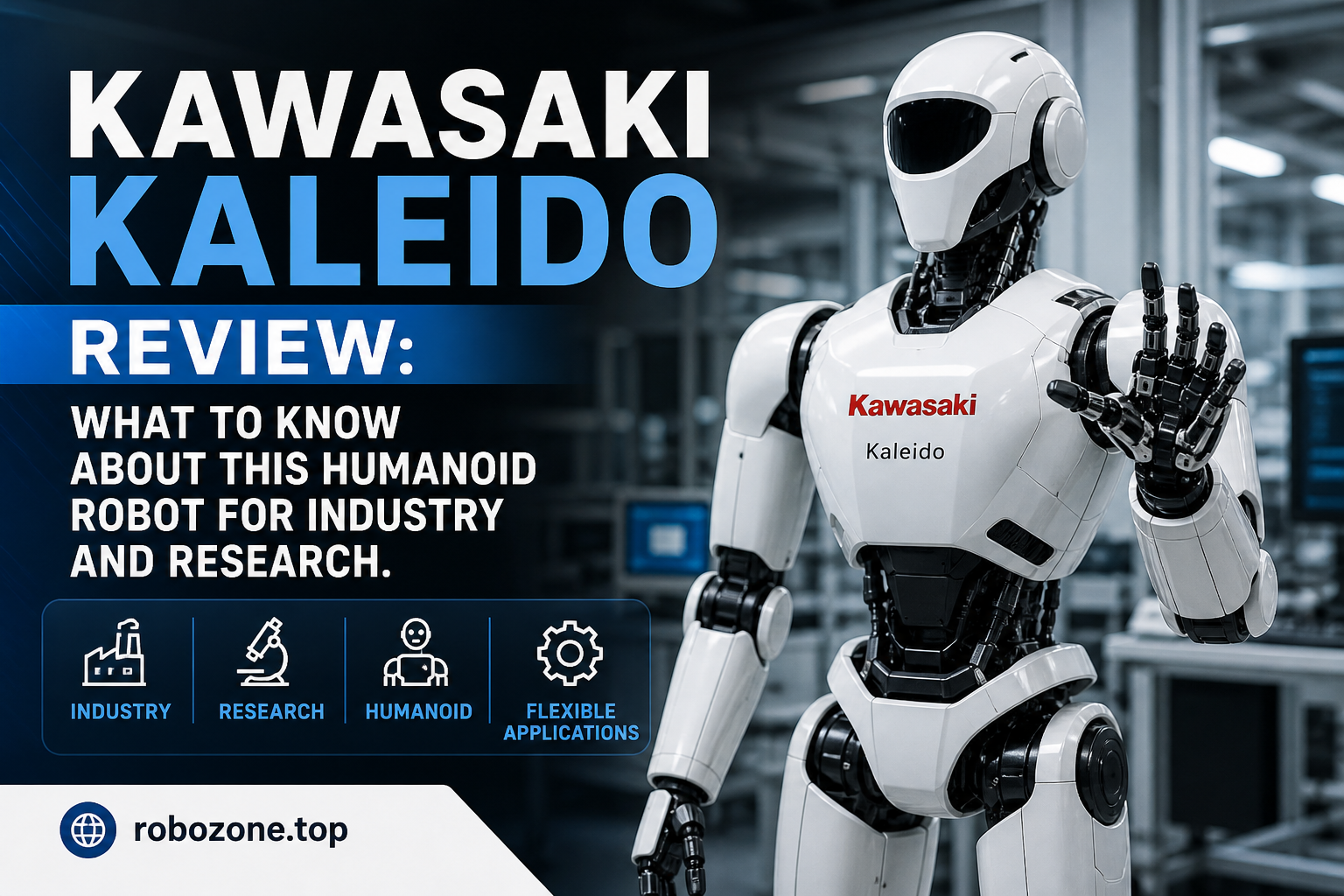
In the realm of humanoid robotics, the Kawasaki Kaleido stands as a fascinating blend of advanced engineering and future-focused application. As industries and research facilities increasingly look to robotic solutions for complex tasks, the Kaleido represents not just a technological marvel, but a leap towards a more automated and efficient future. In this review, we delve into the intricate details of this robot, exploring its capabilities, applications, and what makes it stand out in the rapidly developing world of robotics.
What is the Kawasaki Kaleido?
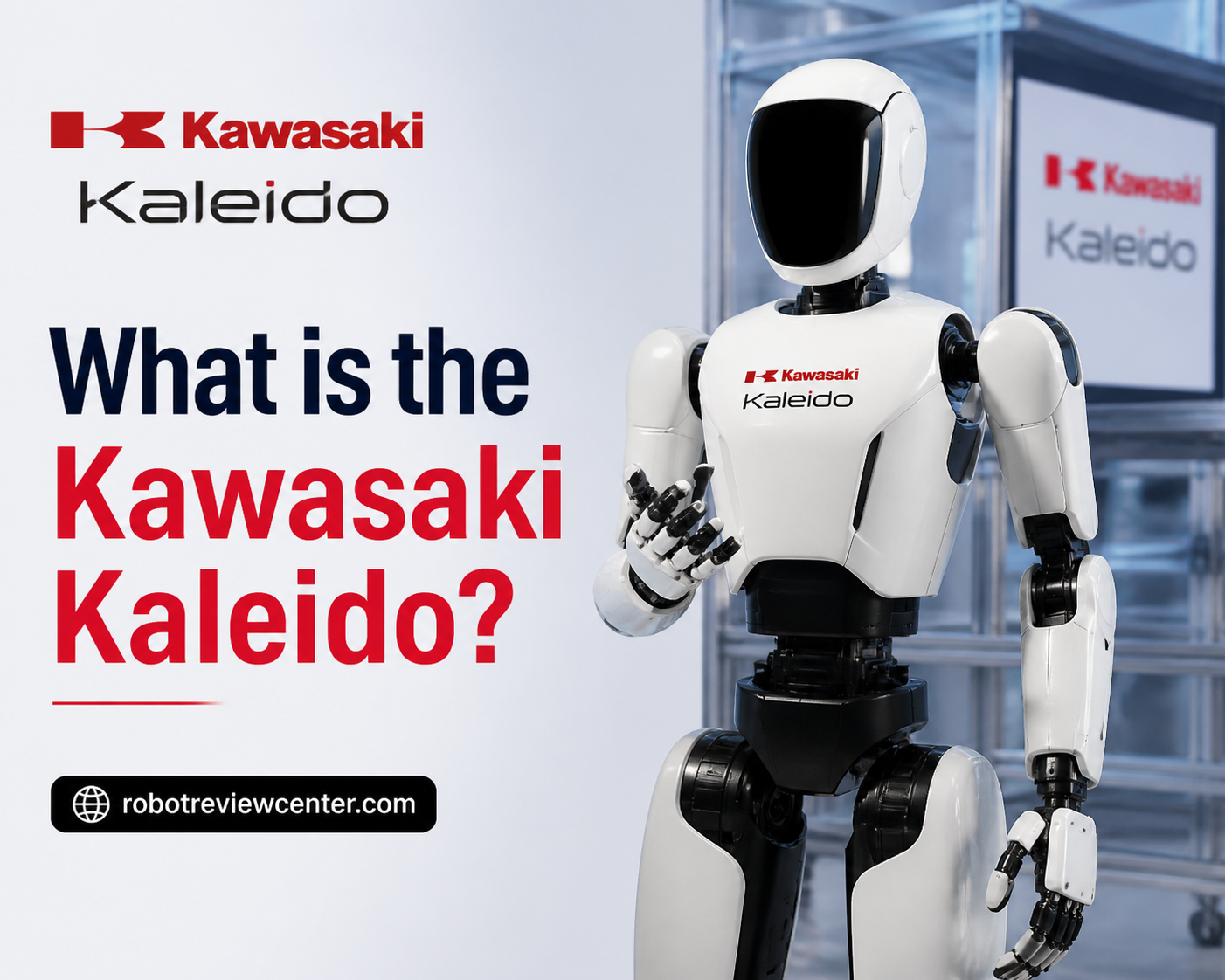
The Kawasaki Kaleido is a humanoid robot designed to bridge the gap between human-like dexterity and industrial robustness. Announced by Kawasaki Heavy Industries, a powerhouse in robotics development, the Kaleido is engineered to operate in diverse environments ranging from manufacturing floors to research labs. What sets it apart is its anthropomorphic design, intended to replicate human movements accurately, a feature vital for executing tasks that require a high degree of precision.
Standing tall at approximately 5 feet and weighing around 80 kg, this humanoid is equipped with multiple degrees of freedom across various joints, enabling it to perform complex manipulation tasks effectively. The latest generation offers enhanced balance and mobility, supported by advanced sensory systems that include stereo vision and LiDAR. These attributes are essential for navigating dynamic and unstructured environments, exemplifying the integration of a variety of cutting-edge technologies into a single platform.
Technical Identity and Exact Generation
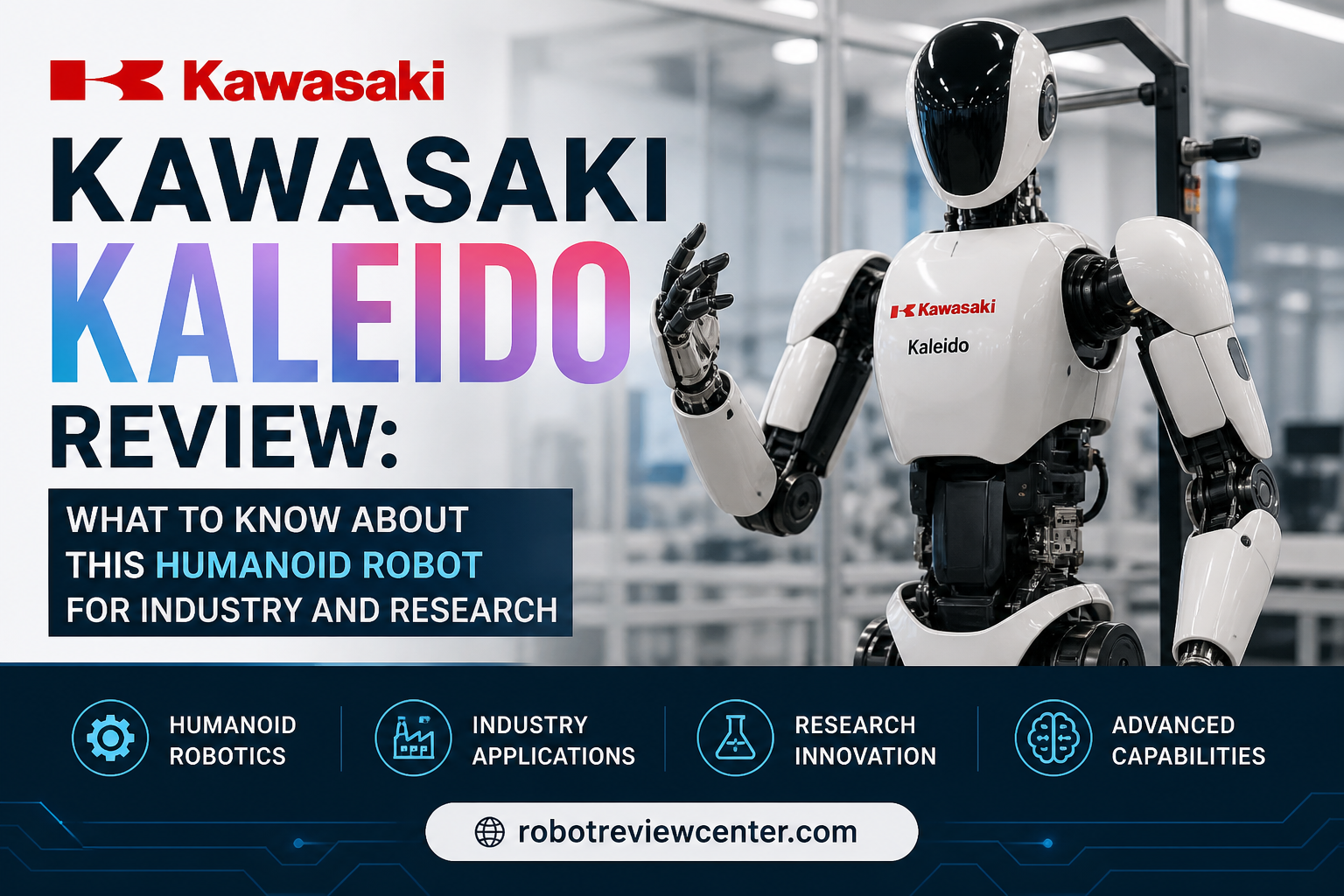
The current generation of Kawasaki Kaleido represents the culmination of years of research and development in robotics. Released in the latter part of 2024, this iteration features notable improvements over its predecessors, primarily in its joint flexibility and computational power. Kawasaki has continued to augment its AI capabilities, leveraging NVIDIA’s Jetson Xavier NX modules, which provide the necessary computational backbone for real-time processing and decision-making.
This generation boasts significant advancements in autonomy, supported by a combination of vision-based SLAM (Simultaneous Localization and Mapping) and sophisticated planning algorithms. These improvements not only enhance its operational efficiency but also expand its application spectrum beyond traditional industrial environments to include public service and healthcare settings.
Full Specification Analysis
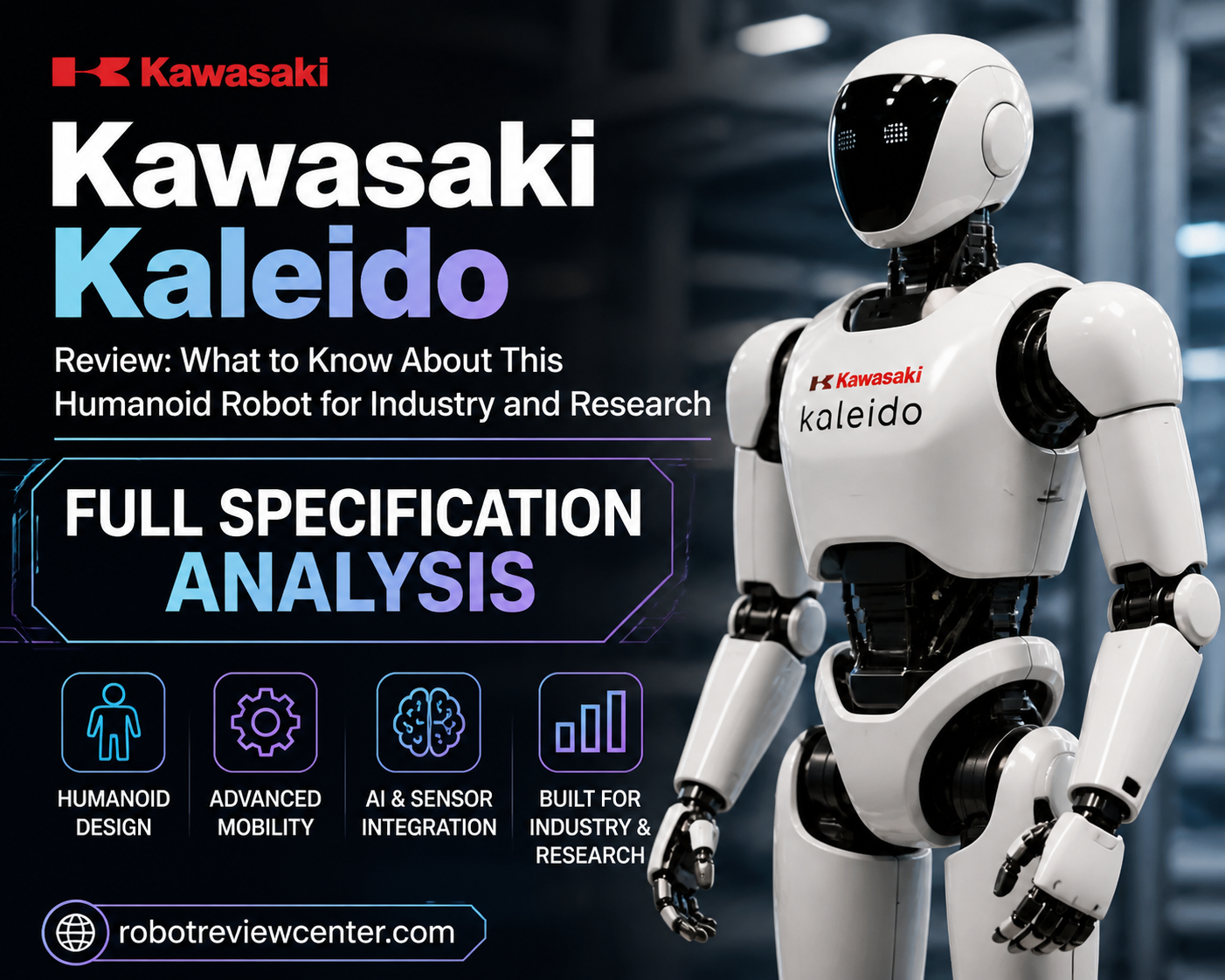
When diving into the specifications, the Kaleido is impressive not just in its build but in the precision of its hardware and software integration. With over 30 degrees of freedom across its body, including its articulated arms and dexterous hands, it achieves a high level of manipulation capability. The inclusion of tactile sensors in its hands further extends its ability to interact with objects of varying shapes and sizes, allowing for nuanced control in tasks that require delicate handling.
The humanoid’s vision system is robust, featuring stereo cameras for depth perception and LiDAR for environmental mapping—a necessary tool for autonomous navigation. Its sensors are meticulously calibrated to maintain balance and adapt to new surroundings swiftly, which is crucial for accomplishing tasks in unpredictable or hazardous locations.
Brain and Compute
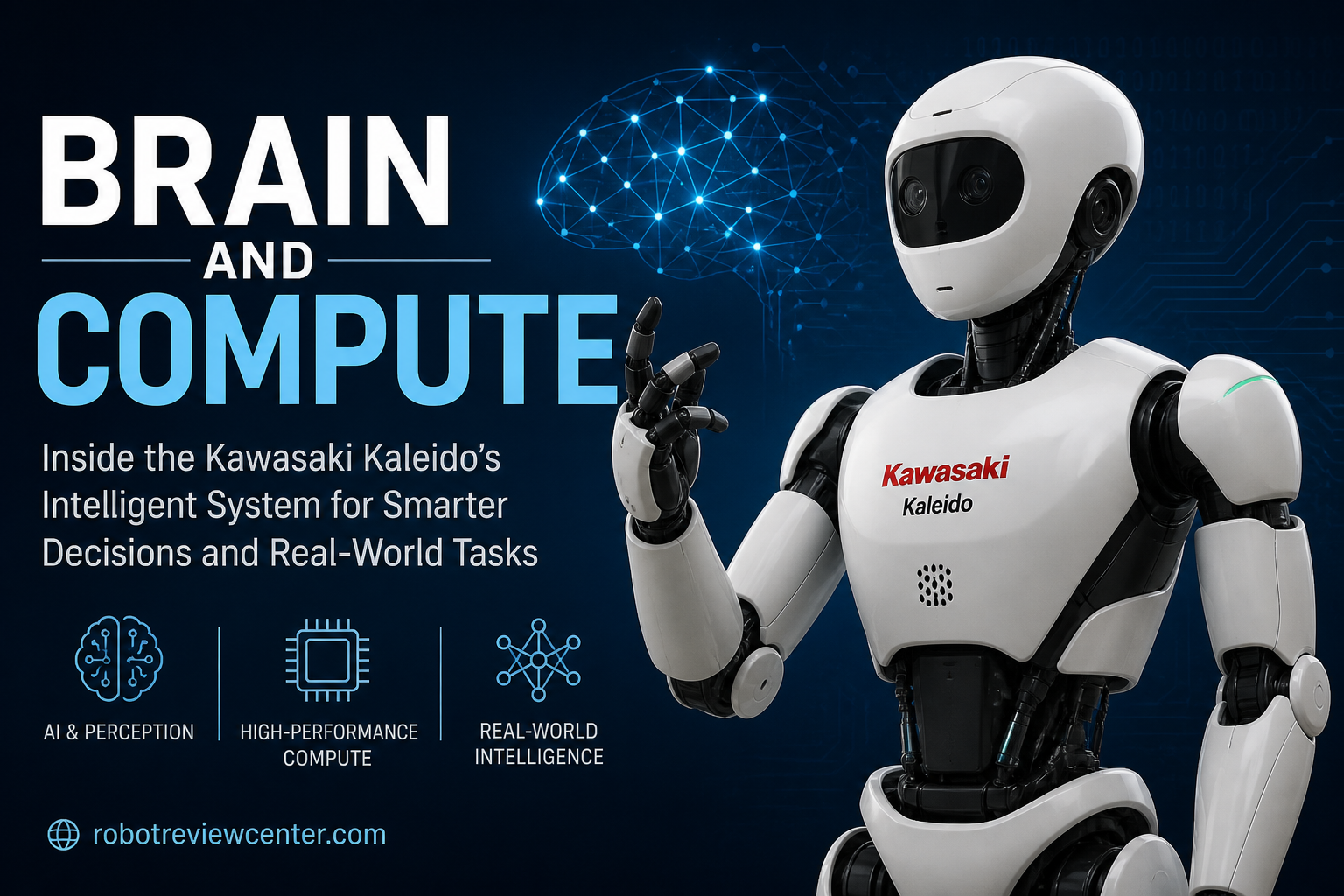
At the core of the Kawasaki Kaleido’s operations is a sophisticated compute unit capable of handling massive data throughput and executing complex AI models. The inclusion of NVIDIA’s powerful Jetson AI solutions underlines Kawasaki’s commitment to providing cutting-edge processing power, necessary for executing real-time tasks such as path planning and obstacle avoidance.
This hardware not only supports basic motion tasks but enables the integration of advanced machine learning algorithms for improved learning and adaptation, a critical factor in dynamic industrial environments. The AI architecture focuses on a modular approach, allowing interoperability and the incorporation of tailor-made applications specific to various industry requirements.
Vision and Spatial Intelligence
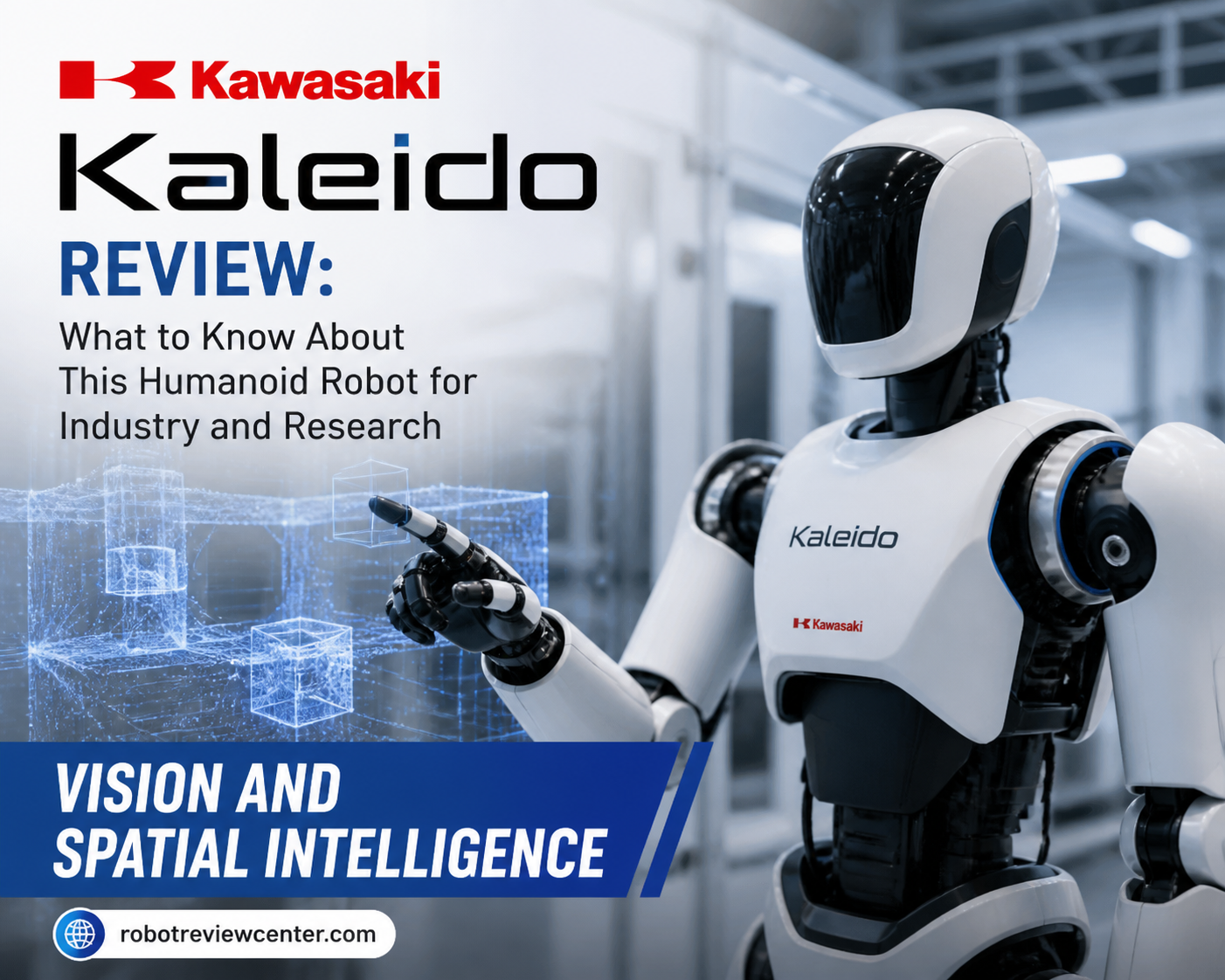
The Kaleido excels in vision and spatial intelligence, thanks in part to its state-of-the-art sensor suite. The combination of stereo vision cameras and LiDAR helps create a detailed 3D map of its environment, facilitating precise navigation and manipulation. This technology allows the Kaleido to predict movements and environments, enhancing its decision-making capabilities, which is a step forward in autonomous robotics.
Its vision system is similar to the human visual field, providing depth perception which is crucial for interacting with objects and understanding spatial dynamics. This feature is particularly beneficial in complex assembly tasks, where precision and accuracy are paramount. Moreover, the robot’s ability to perform visual servoing through real-time feedback ensures adjustments can be made swiftly, maintaining operational efficacy.
Hands and Manipulation
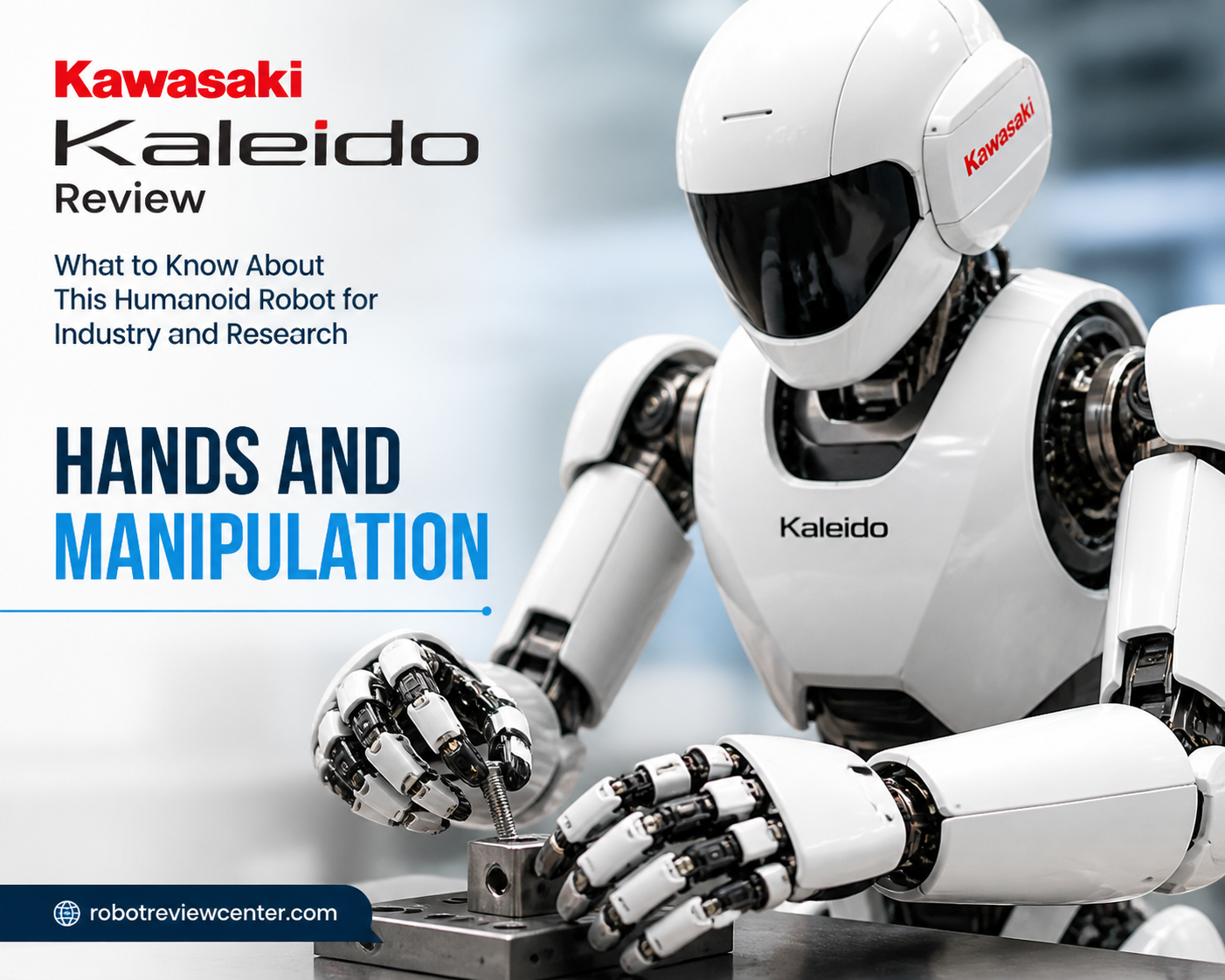
The hands of the Kawasaki Kaleido offer advanced manipulation capabilities, crucial in industrial and service-oriented applications. Designed with multiple degrees of freedom and tactile sensors, these hands are engineered to replicate human dexterity closely. They can grasp, twist, push, and perform fine manipulations with objects ranging from delicate electronic components to heavier tools.
This level of manipulation sophistication positions the Kaleido to handle tasks across industries, from automotive assembly requiring bulk handling to medical research necessitating precision. The adaptability of its hand functions is further improved by the inclusion of force feedback, allowing it to tailor its grip based on object characteristics.
Mobility, Legs, and Balance
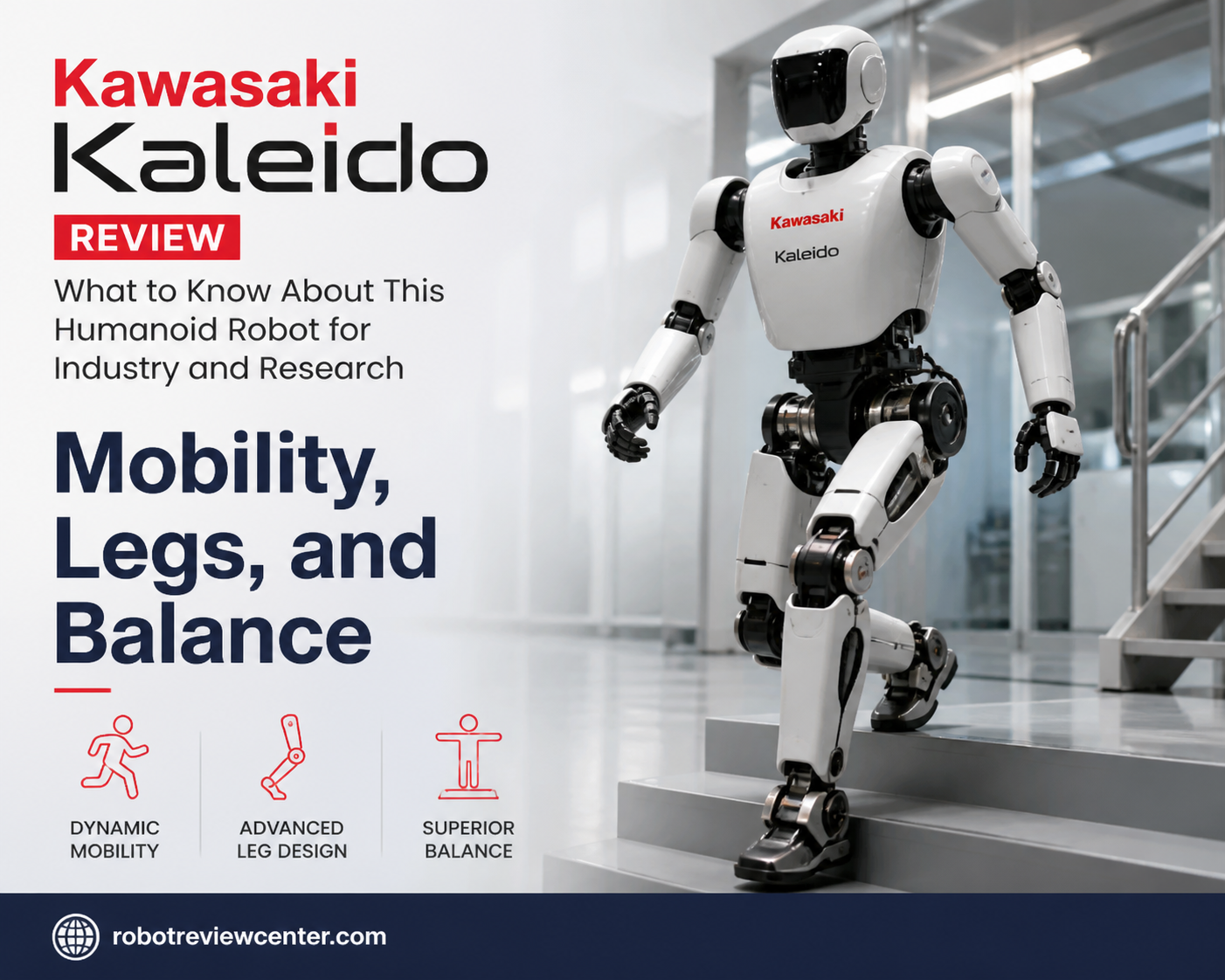
The mobility of the Kawasaki Kaleido stands out, particularly its ability to maintain balance on uneven surfaces and adapt to dynamic environments. Using advanced control algorithms and feedback from its sensor suite, it can walk, navigate obstacles, and even adjust its posture to maintain stability.
The robot’s legs are powered by precision actuators that provide smooth and accurate movements. The developments in whole-body control systems have allowed the Kaleido to execute complex movements required for tasks in tight spaces, which is a considerable advantage for manufacturing processes.
Real-World Applications and Verified Deployments
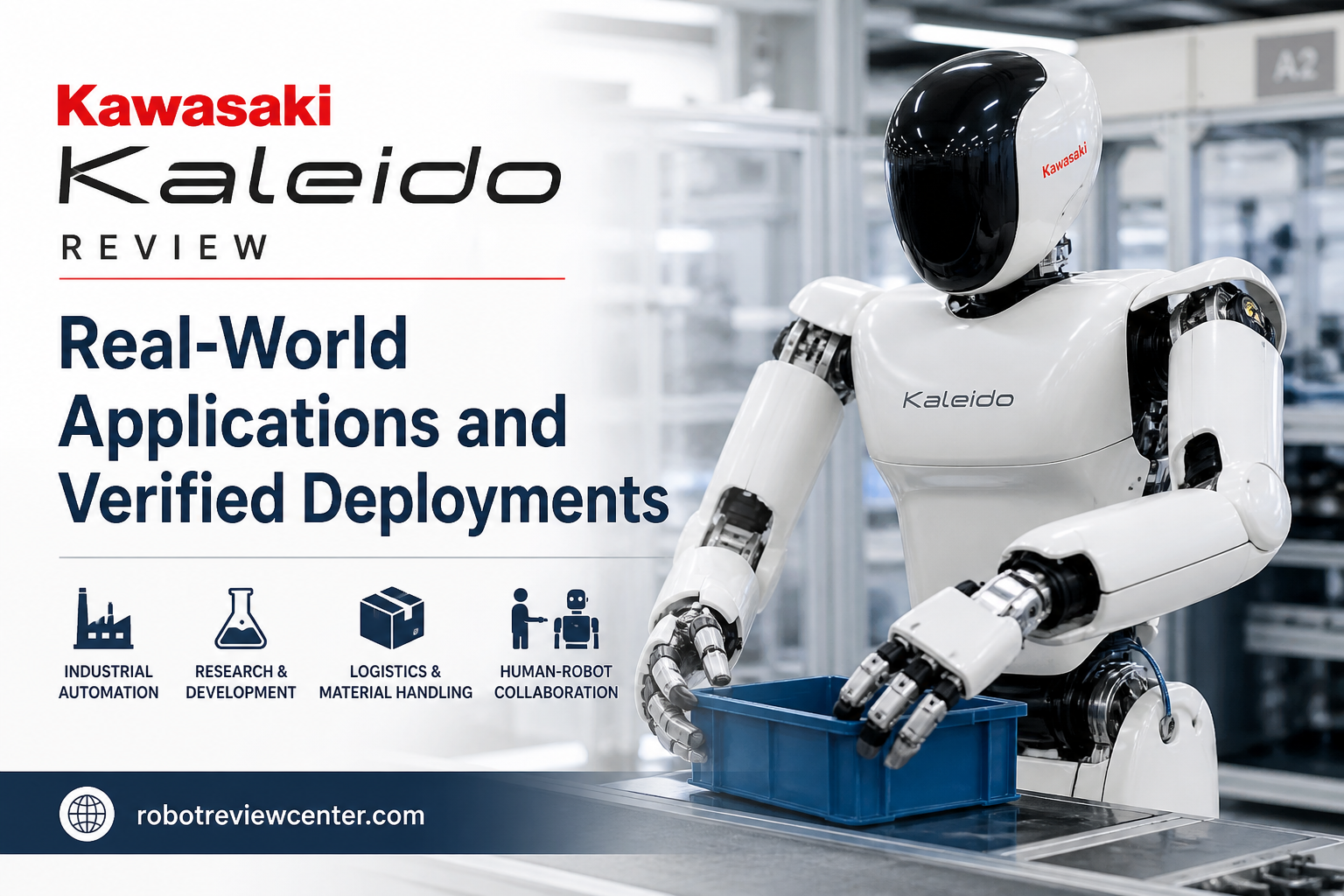
As a centerpiece of Kawasaki’s robotics strategy, the Kaleido is designed for multifaceted application potential. In industrial settings, it can be found operating on assembly lines, assisting in tasks ranging from sorting to precision assembly, where high accuracy is required. The healthcare sector also sees potential benefits from Kaleido’s capabilities, especially in repetitive or dangerous tasks that can mitigate human exposure risks.
To date, several pilot projects have been documented within manufacturing environments, affirming the Kaleido’s versatility in real-world scenarios. While widespread commercial deployment remains underway, the robot’s current deployments are testaments to its technological feasibility and operational readiness.
Market Analysis and Strategic Insights
The robotics market continues to expand rapidly, driven by innovations like the Kawasaki Kaleido. As industries pivot towards automation, demand for humanoid robots that offer precision and reliability is on the rise. Market analysis predicts continued growth, with investments pouring into robotics research and development, raising prospects for operational and cost efficiency improvements.
Strategically, companies looking to integrate robotics can leverage tools like the Kaleido for tasks that exceed human capability in terms of speed and precision. Businesses should prepare for a future where robotics form the backbone of operations, emphasizing skill adaptation and technological literacy among their workforce.
Challenges and Limitations
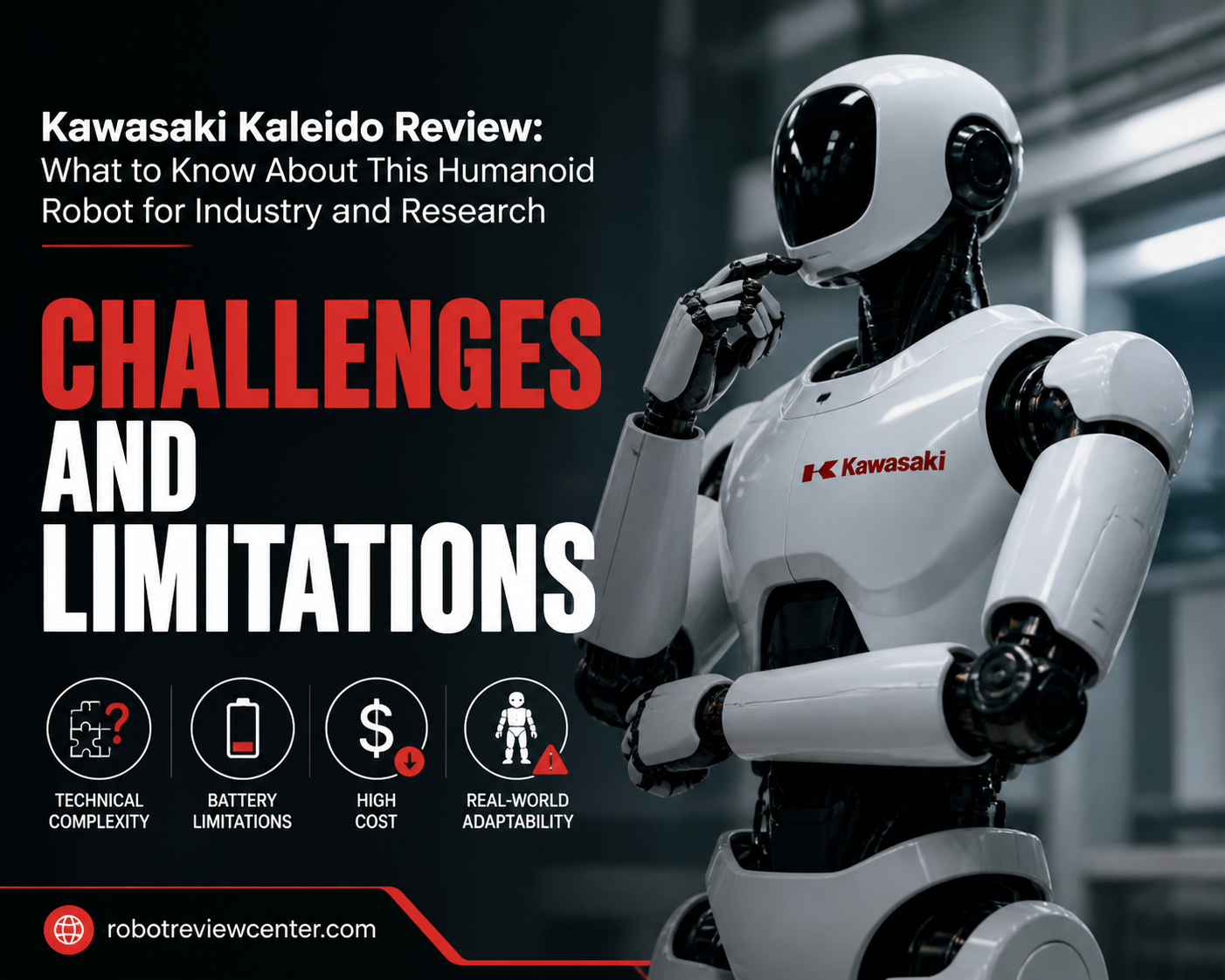
While the Kawasaki Kaleido showcases remarkable advancements, challenges remain. One of the primary hurdles is achieving seamless human-robot interaction, which requires further refinement of AI algorithms for understanding complex human environments and tasks. Battery life and power management also pose limitations, as extended autonomous operation remains a significant engineering challenge.
Another aspect to consider is cost, with sophisticated robot designs often leading to high production expenses. Continued innovation in these areas is crucial for scaling production and enabling broader commercial uptake.
So What Comes Next?
Looking ahead, the Kawasaki Kaleido represents a future for robotics where human-like automation seamlessly integrates into industrial and everyday applications. With developments in AI, sensor technology, and autonomous systems, the potential for humanoid robots is set to increase dramatically.
Businesses and technologists alike need to prepare for these advancements by focusing on technology integration, ethical considerations, and workforce readiness. The Kaleido, with its comprehensive capabilities, stands as a harbinger of the transformation that awaits in robotics and AI-driven industries.
Thomas Huynh – Admin of RobotReviewCenter.com