
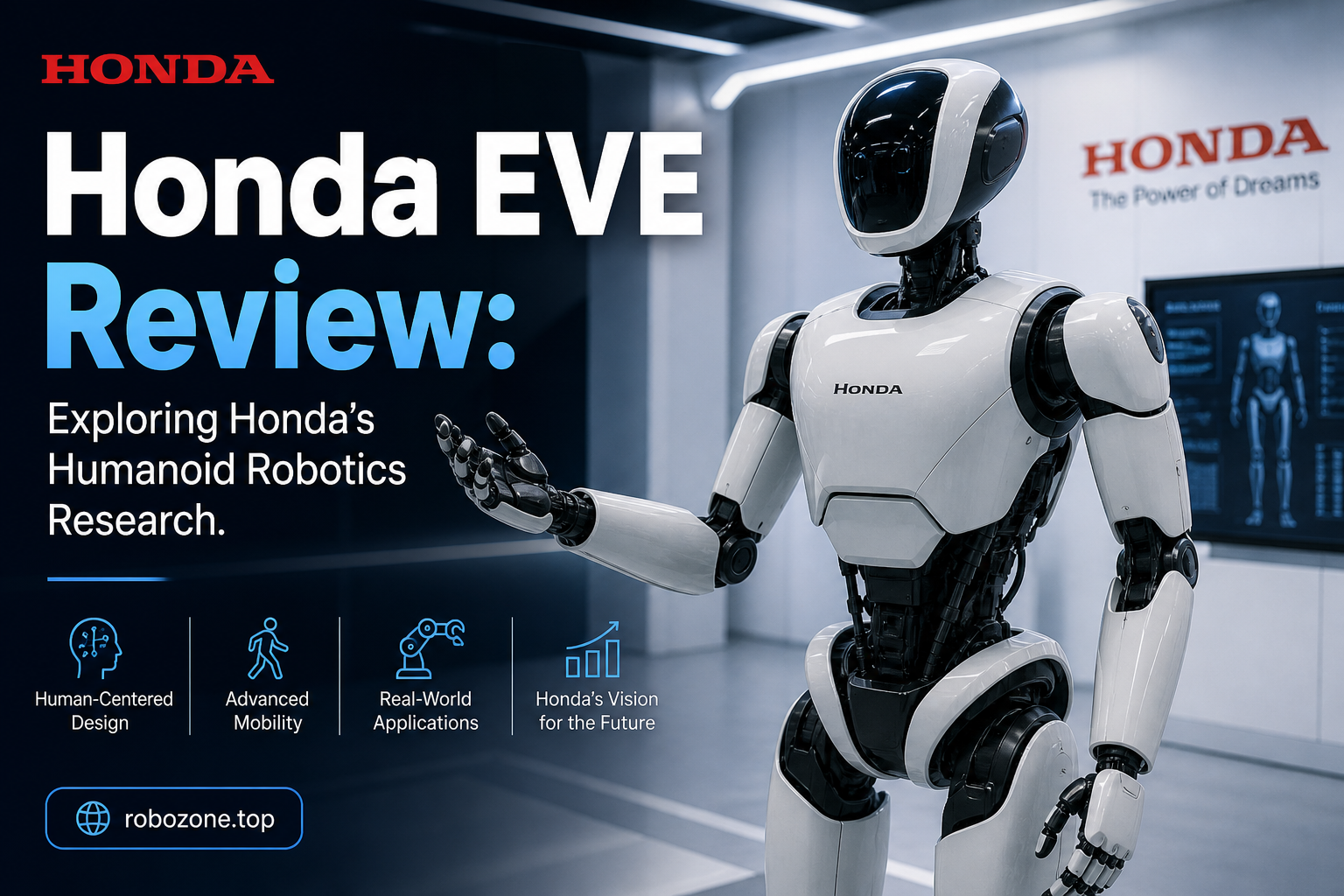
The world of robotics is evolving at an unprecedented pace, and at the center of this evolution stands a name most synonymous with innovation: Honda. As a pioneering force in the robotics industry, Honda has transcended the traditional boundaries with EVE, its humanoid robot that promises a tantalizing glimpse into the future of human-robot interaction. But what does Honda EVE truly bring to the table, and how are its implications poised to affect industries across the globe? At RobotReviewCenter.com, led by our esteemed founder Thomas Huynh, we delve into the intricate weave of capabilities and prospects that accompany Honda’s latest marvel.
What is Honda EVE?
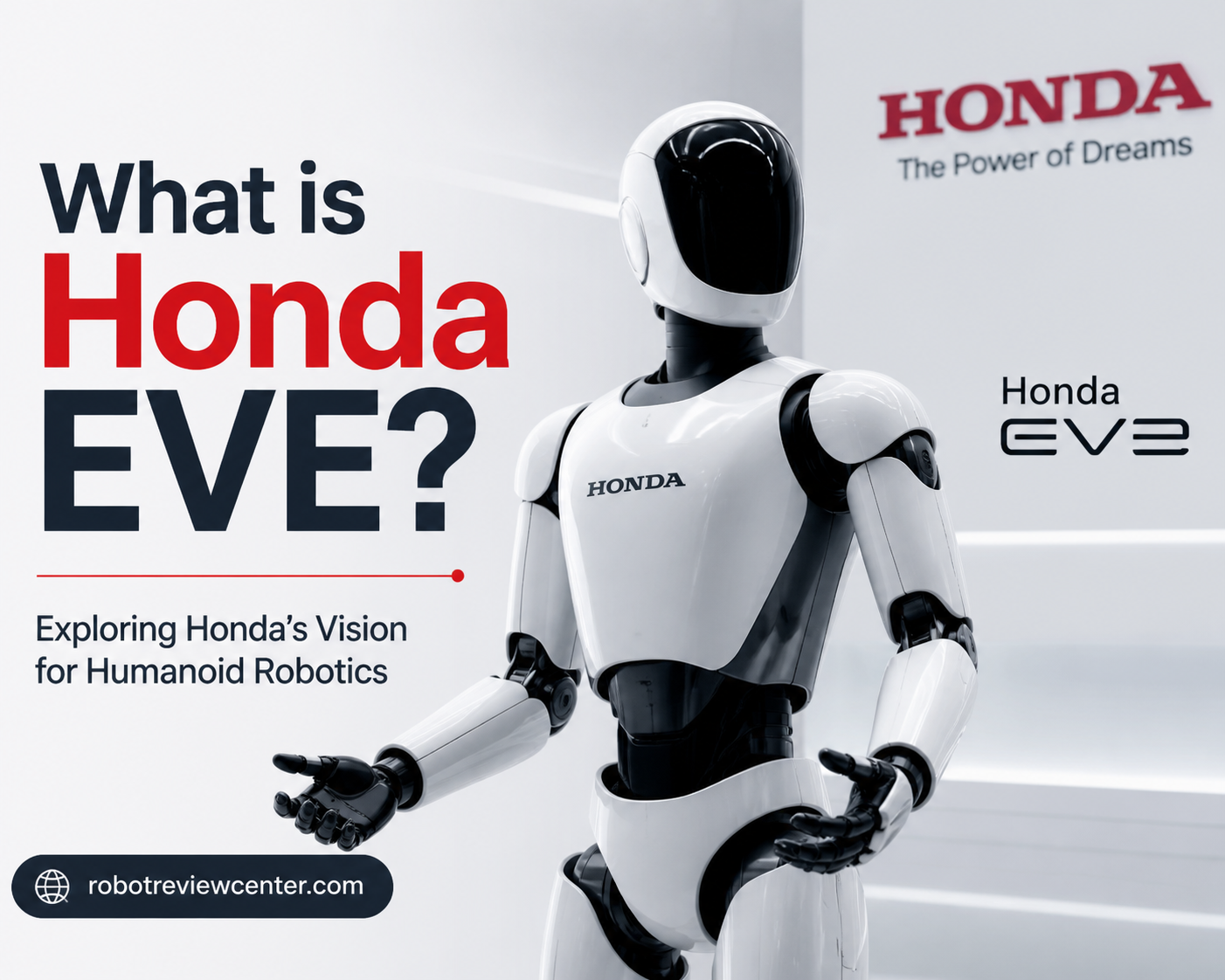
Honda’s EVE, short for Experimental Versatile Engine, breaks new ground once again, continuing Honda’s legacy that began with its earlier models like ASIMO. More than just a mechanical entity, EVE represents an integrated system designed to operate in synergy with its surroundings through advanced sensory and AI capabilities. While ASIMO was created primarily for research and development, Honda’s strategy with EVE is more ambitious, aiming for practical applications across diverse environments—transforming how we envision robotics in real life.
Honda EVE, as its name suggests, is an experiment in versatility. It synthesizes Honda’s decades-long expertise in robotics, artificial intelligence, and motion control to create a humanoid machine capable of impressive feats.
According to Honda’s official documentation, the latest iteration of EVE stands at a height of approximately 1.8 meters, closely mirroring human dimensions. Equipped with an array of sensors, actuators, and advanced algorithms, EVE effortlessly maneuvers and interacts, showcasing agility coupled with an intelligence model underpinned by machine learning advancements. Though iterations and technologies are publicly acknowledged, the precision of these capacities remains partially disclosed by Honda’s guiding hand.
Technical Insights and Capabilities
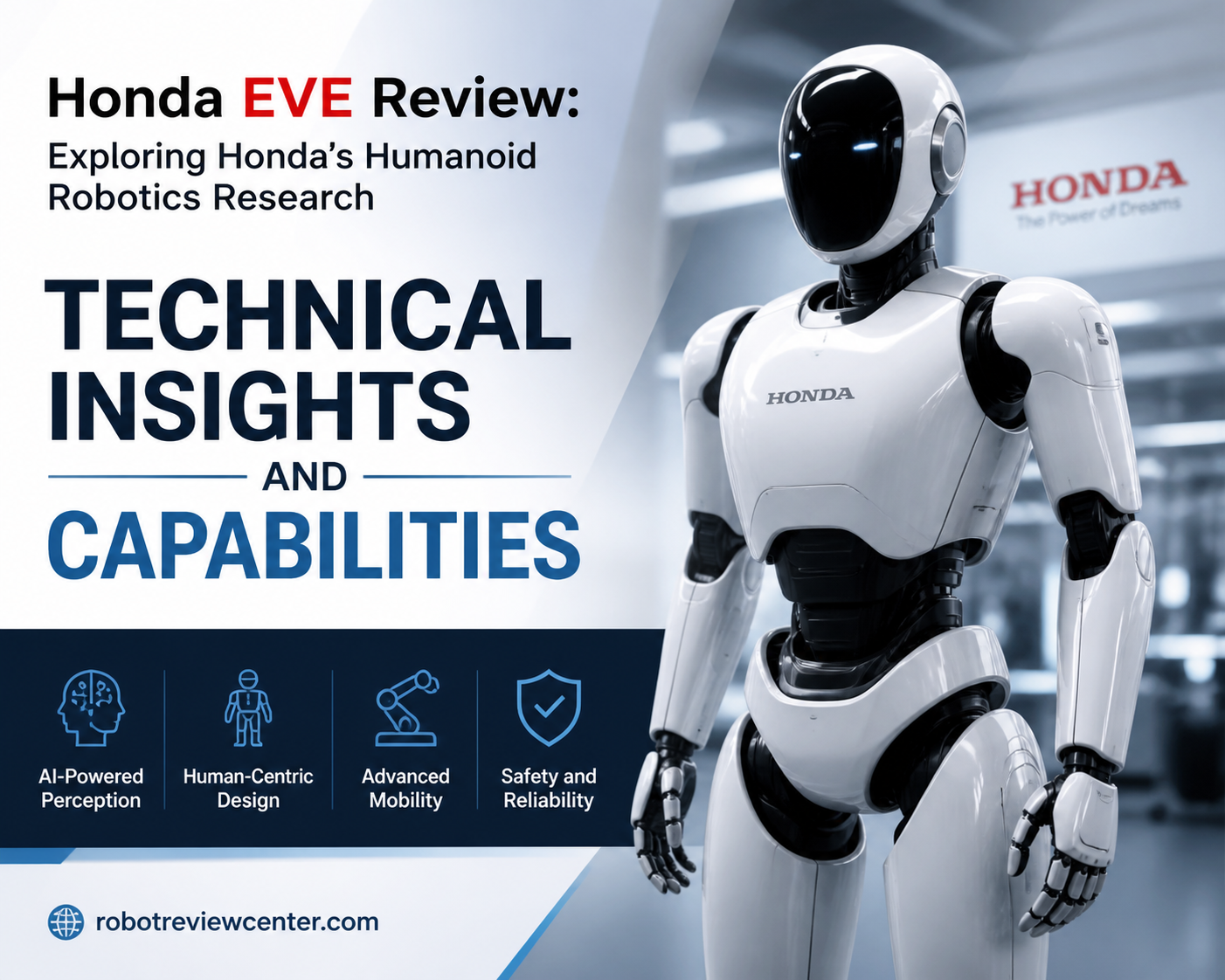
The heart of Honda EVE’s prowess lies in its technical underpinnings. Honda utilizes a state-of-the-art AI model that amalgamates real-time environmental understanding through RGB-D sensors and IMUs (Inertial Measurement Units), enabling EVE to discern, process, and adapt to a plethora of situational variables. As observed in past presentations, the robot capitalizes on AI-driven computational systems to perform tasks like object recognition and dynamic pathfinding—a testament to Honda’s engineering might.
Moreover, the integration of NVIDIA’s GPU technology within EVE is crucial to its processing capabilities, providing the computational power necessary for deep learning processes that allow the humanoid to learn from its surroundings. The sophisticated blend of hardware and software paints a rather complex but coherent picture of Honda’s forward-thinking robotics strategy.
While AI models propel EVE’s intelligence, its physical actuators make possible the feats of balance and mobility that are critical for operational fluidity. The distinctiveness of EVE lies in its capacity for detailed mechanical maneuvers, a field where Honda’s long-standing lessons in biomechanics come to light.
Real-World Applications
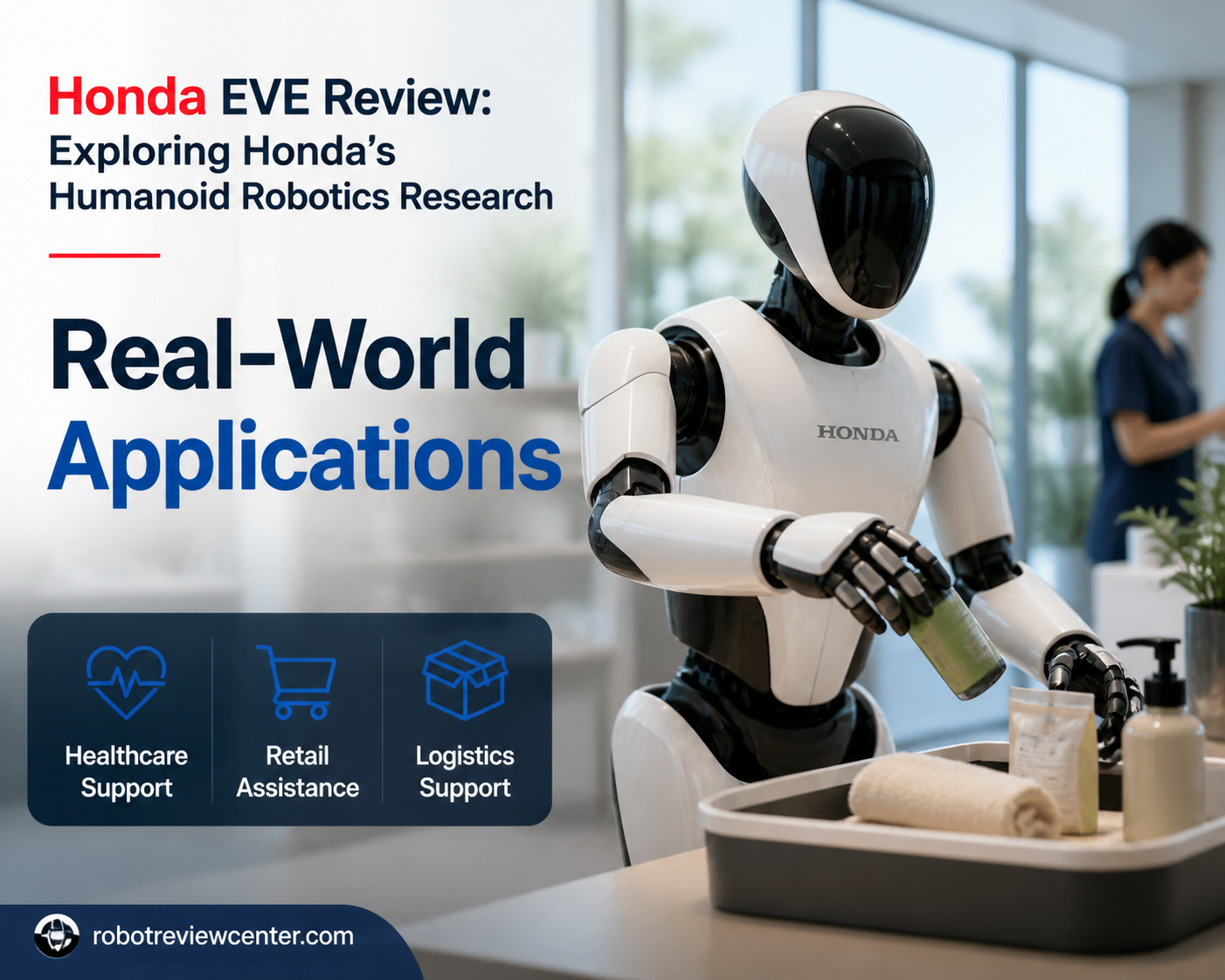
The potential implications of Honda EVE on various sectors invite exciting speculation. In healthcare, for example, EVE’s ability to assist with mundane yet crucial tasks like transporting medical supplies or providing patient assistance is seen as a boon to industries under pressure. The humanoid could transform factory floors with its precision in performing detailed assembly and quality control tasks, complementing human workers rather than replacing them—a point Honda is keen to emphasize.
Exploring the commercial availability of Honda EVE reveals that its journey through pilot programs is still ongoing, though tangible results in industries such as manufacturing and healthcare are beginning to emerge.
Nevertheless, EVE has showcased its utility beyond singular environments, like aiding in disaster management through autonomously navigating debris-filled regions or supporting tasks conventionally perceived as high-risk.
Challenges and Limitations
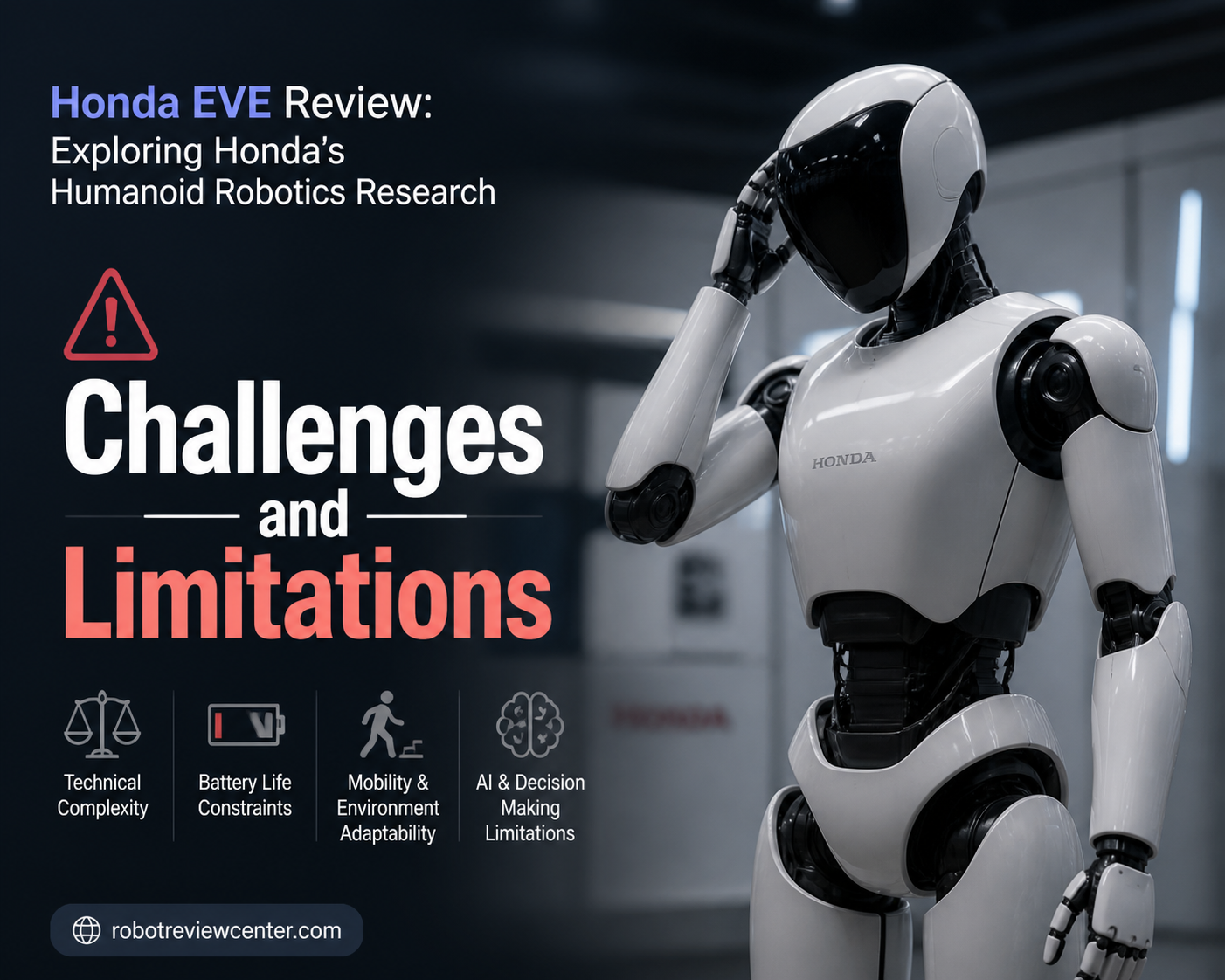
Despite its promising potential, Honda EVE is not without its challenges. Battery constraints play a significant role, restraining EVE’s prolonged engagements without requiring downtime for recharging. Furthermore, the complexity of real-world deployments—accommodating varying environmental conditions and human interactions—poses a continual developmental hurdle. Current AI models, though advanced, struggle with dynamic unstructured environments that demand a higher level of abstract reasoning and adaptability.
Therein lies a broader challenge within the robotics field at large: developing systems capable of surpassing specific task execution to embody comprehensive cognitive competence akin to a diverse human skill set. Issues such as computational efficiency, real-time learning from experience, and maintaining a secure operation environment are critical aspects which Honda must address for EVE’s successful adoption.
Market Analysis and Industry Impact
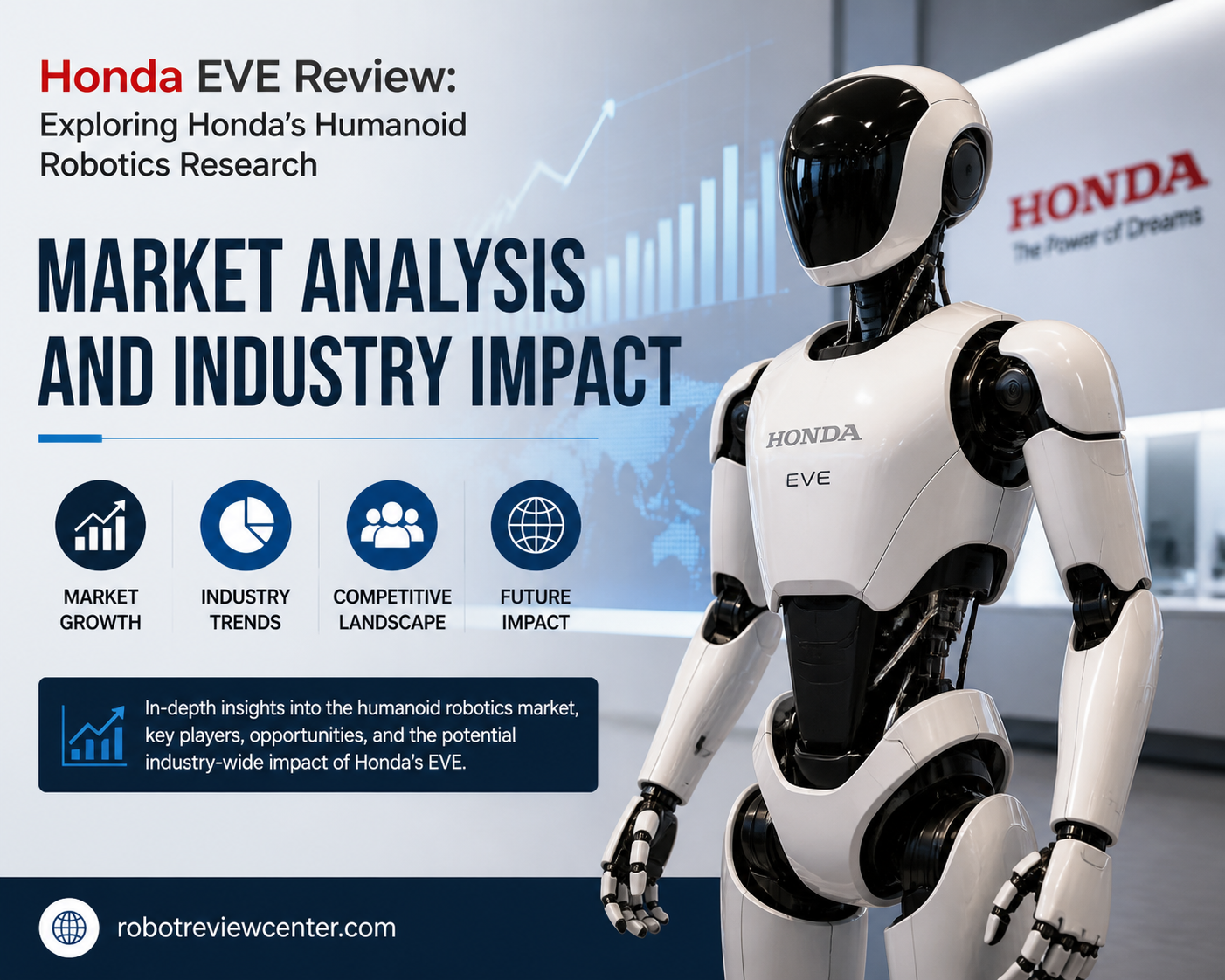
With the global humanoid robotics market projected for exponential growth over the next decade, Honda EVE’s entry represents strategic foresight in a competitive race. As of recent industry forecasts from organizations like MarketsandMarkets and Forbes, investments into humanoid robotics reflect a burgeoning interest across sectors such as logistics and healthcare—areas Honda is tactically targeting through EVE.
Such momentum highlights how Honda, with EVE, aligns itself amidst other pioneering companies and projects like SoftBank’s Pepper and Boston Dynamics’ Atlas, navigating a marketplace that’s rife with opportunity yet demands precise execution and innovation. Lessons garnered from robotic deployments show that entities capable of versatile adaptations within their industries garner greater returns on technology investments.
Future Predictions
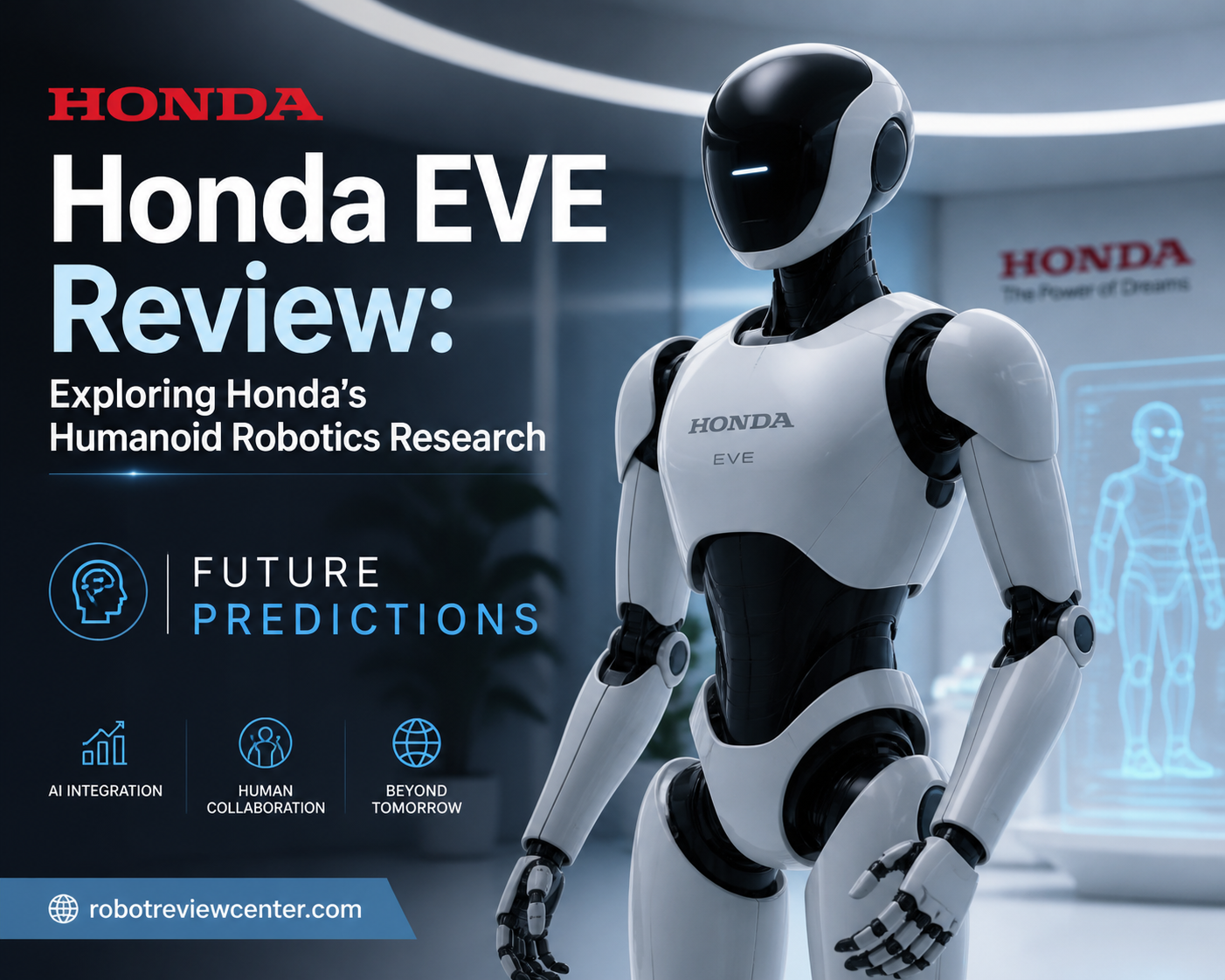
Peering into the future, Honda’s EVE hints at a landscape where robotics may seamlessly blend into daily life and industry, augmenting human capabilities and broadening the horizons of what machines can achieve. In the coming years, continual advancements in machine learning and energy storage aim to not only extend EVE’s operational capacity but also enable more sophisticated interactions and autonomy.
Looking ahead, the dialogue surrounding collaboration between humans and robots continues to evolve—Honda’s focus will likely intensify on refining safety protocols and adaptive learning mechanisms necessary for high-stakes applications.
What Does This Mean for Honda and the Industry?
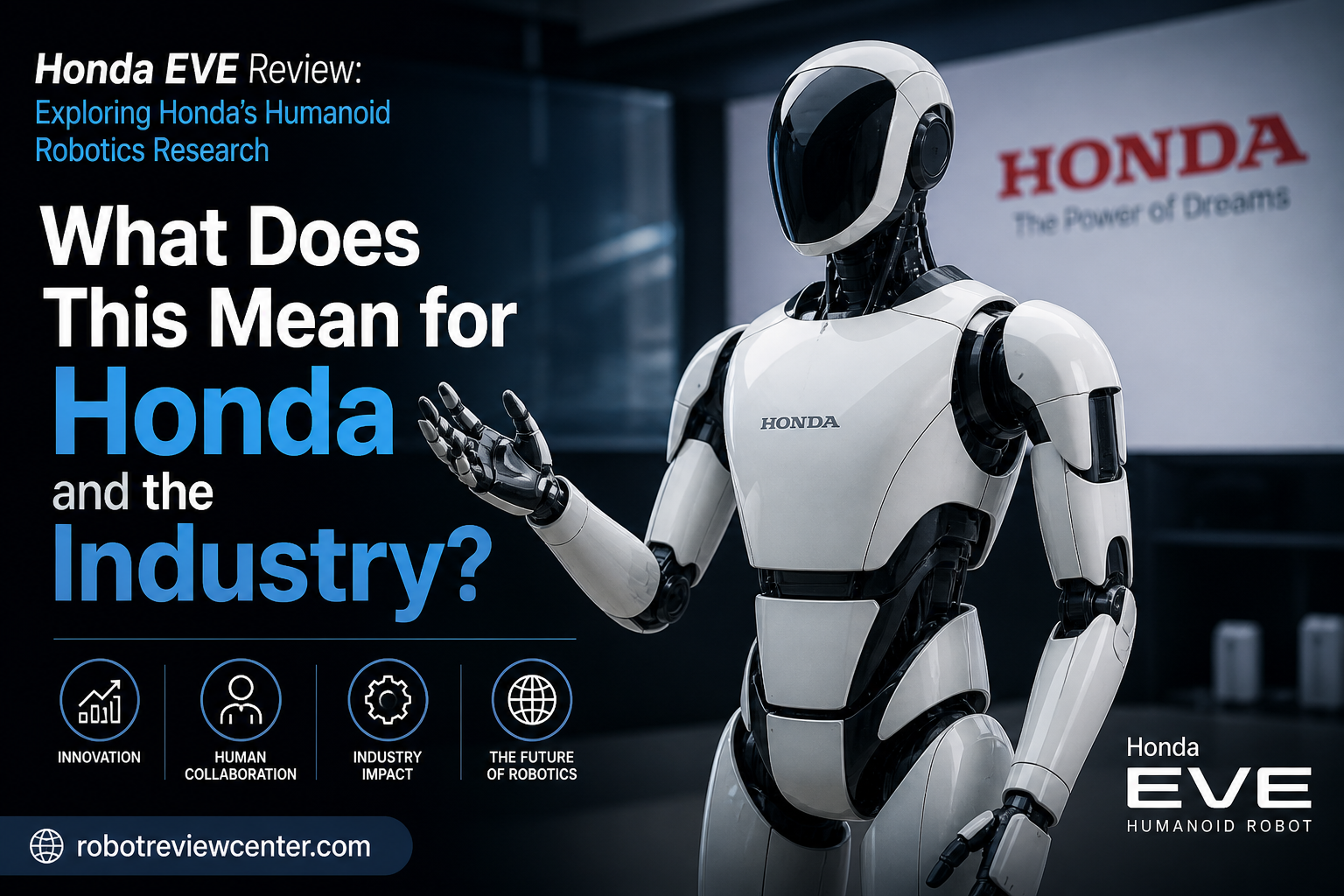
As an emblem of Honda’s persistent innovation trajectory, EVE challenges existing paradigms of humanoid robotics, compelling industry players to re-evaluate robotic roles in supporting human activity. From an investor and industry perspective, Honda’s ventures serve as a reminder of the delicate balance between pioneering technology and addressing consumer expectations.
Long-term, the advancement of humanoid robots ushers a new era where interactive technology could form the backbone of various sectors, with strategic implications for businesses needing to incorporate autonomy and AI into operation frameworks.
Thomas Huynh often posits the importance of viewing robotics not just as a supplementary component but as integral to transformative growth—a notion Honda seems poised to embrace fully with EVE.
Conclusion: What Should We Really Pay Attention To?
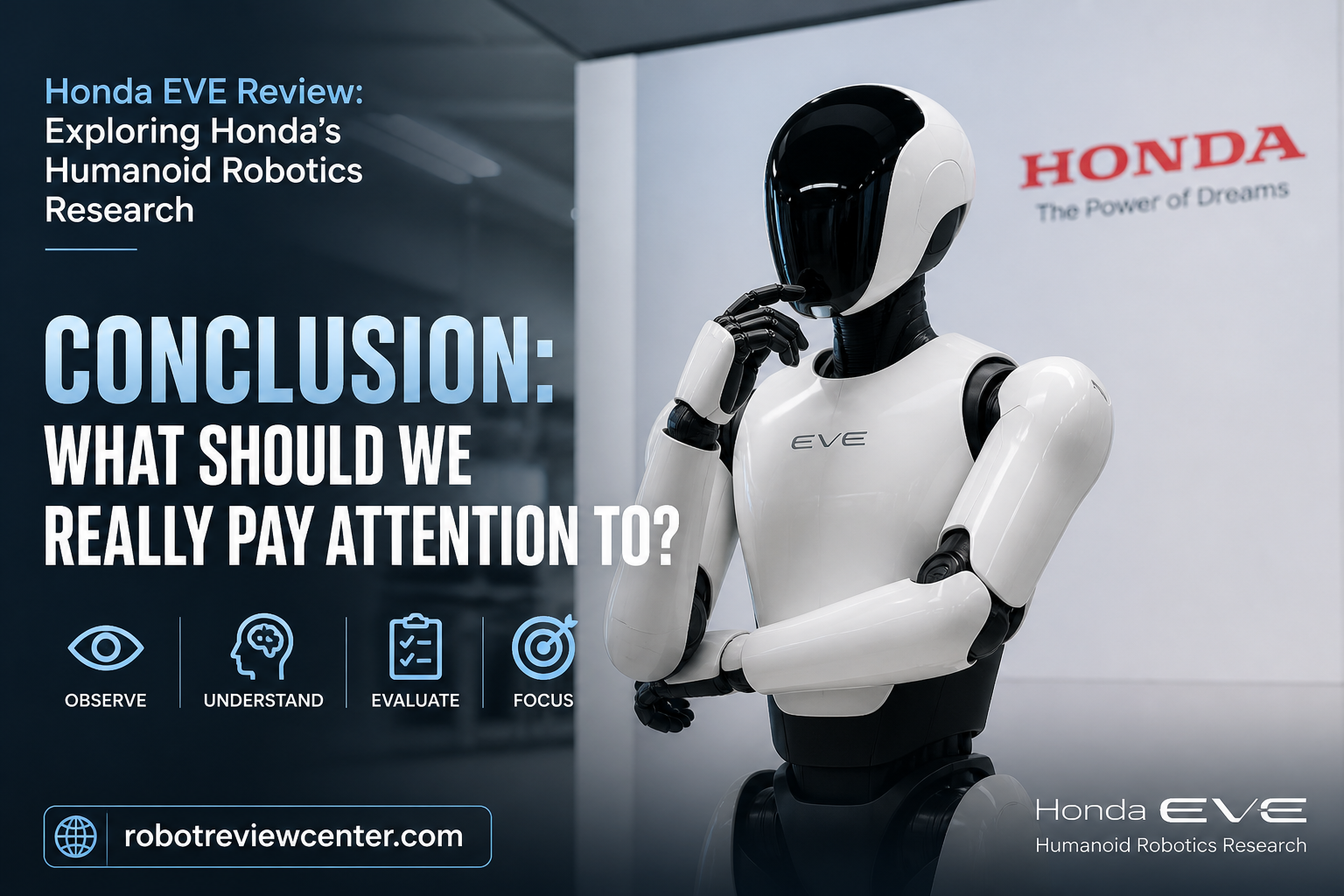
In the broader context, Honda EVE serves as a tantalizing precursor to what the future may hold, amidst a world where technology, human need, and aspiration intertwine. Technology enthusiasts, industrialists, and developers are best served by keeping an eye on Honda’s evolving methodologies that will impact technologies permeating daily life and influencing future developments. The journey Honda embarks upon with EVE is emblematic of its commitment to redefining technology’s potential, characterizing a bold move towards innovation and integration into society. One must note, in a world rife with technological promise, that the true test lies not only in what robotics can achieve theoretically, but in how they realize their potential in the vivid intricacies of reality.
As Honda EVE alters the realm of possibilities, the industry must brace for a generational shift. As ever, RobotReviewCenter.com stays at the forefront of these developments, bringing you insightful analyses and engaging narratives on the evolving robotic frontier.
Thomas Huynh – Admin of RobotReviewCenter.com
- References & Further Reading:
- MIT Technology Review — https://www.technologyreview.com
- IEEE Spectrum — https://spectrum.ieee.org/
- McKinsey & Company — https://www.mckinsey.com/
- Stanford AI Lab — https://ai.stanford.edu/
- Harvard Business Review — https://hbr.org/
- NVIDIA Blog — https://blogs.nvidia.com/
- World Economic Forum — https://www.weforum.org/
- International Federation of Robotics — https://ifr.org/