
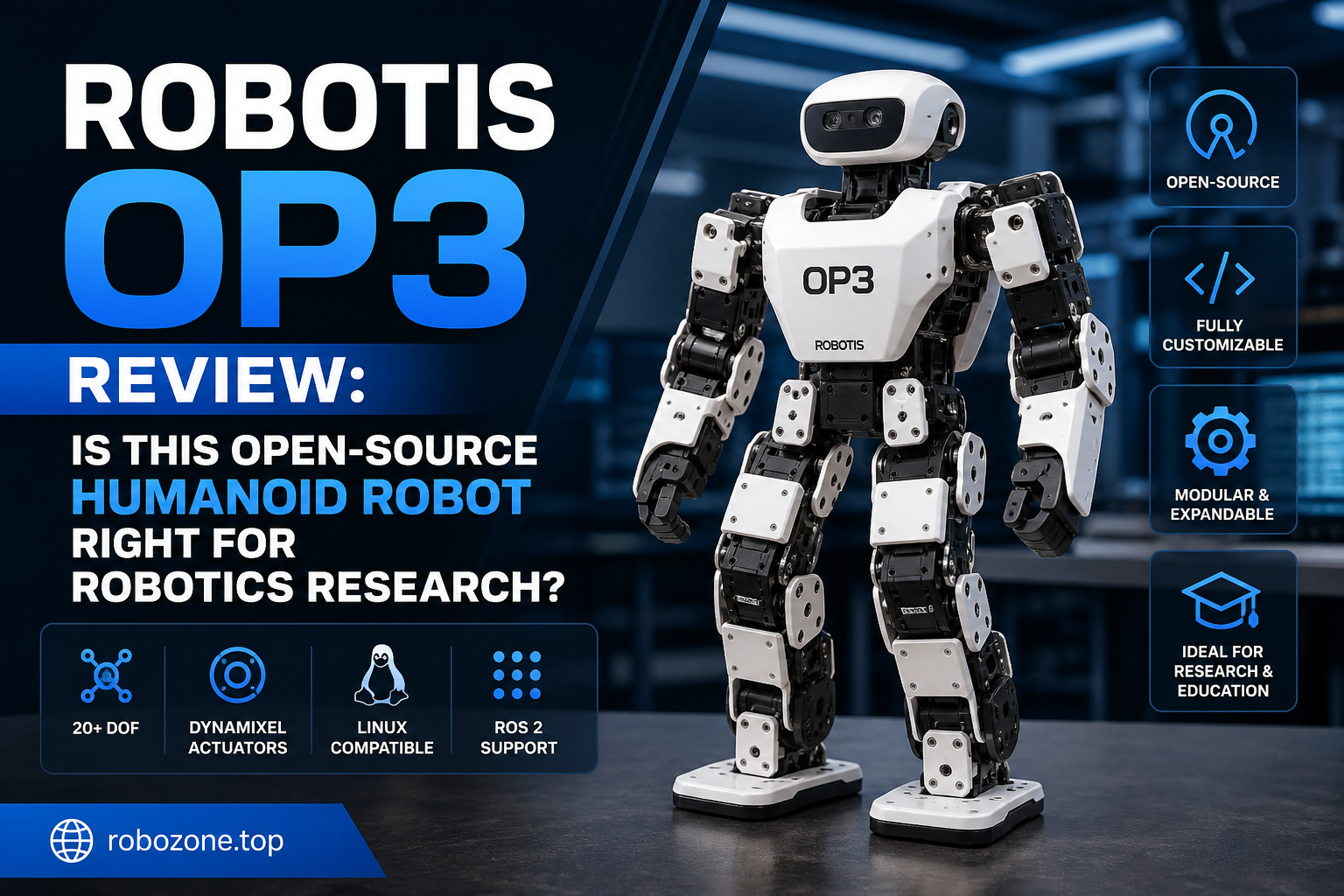
In the rapidly advancing world of robotics, the quest for innovation remains unrelenting. The ROBOTIS OP3 stands at the intersection of modern engineering and open-source accessibility, offering novel opportunities for researchers worldwide. But is it the right choice for those diving deep into the realms of robotics research? In this in-depth analysis, we’ll explore every aspect of the ROBOTIS OP3, from its technical specifications to its potential impact on various industries. Join us as we unravel the intricate layers of this humanoid marvel.
What is the ROBOTIS OP3?
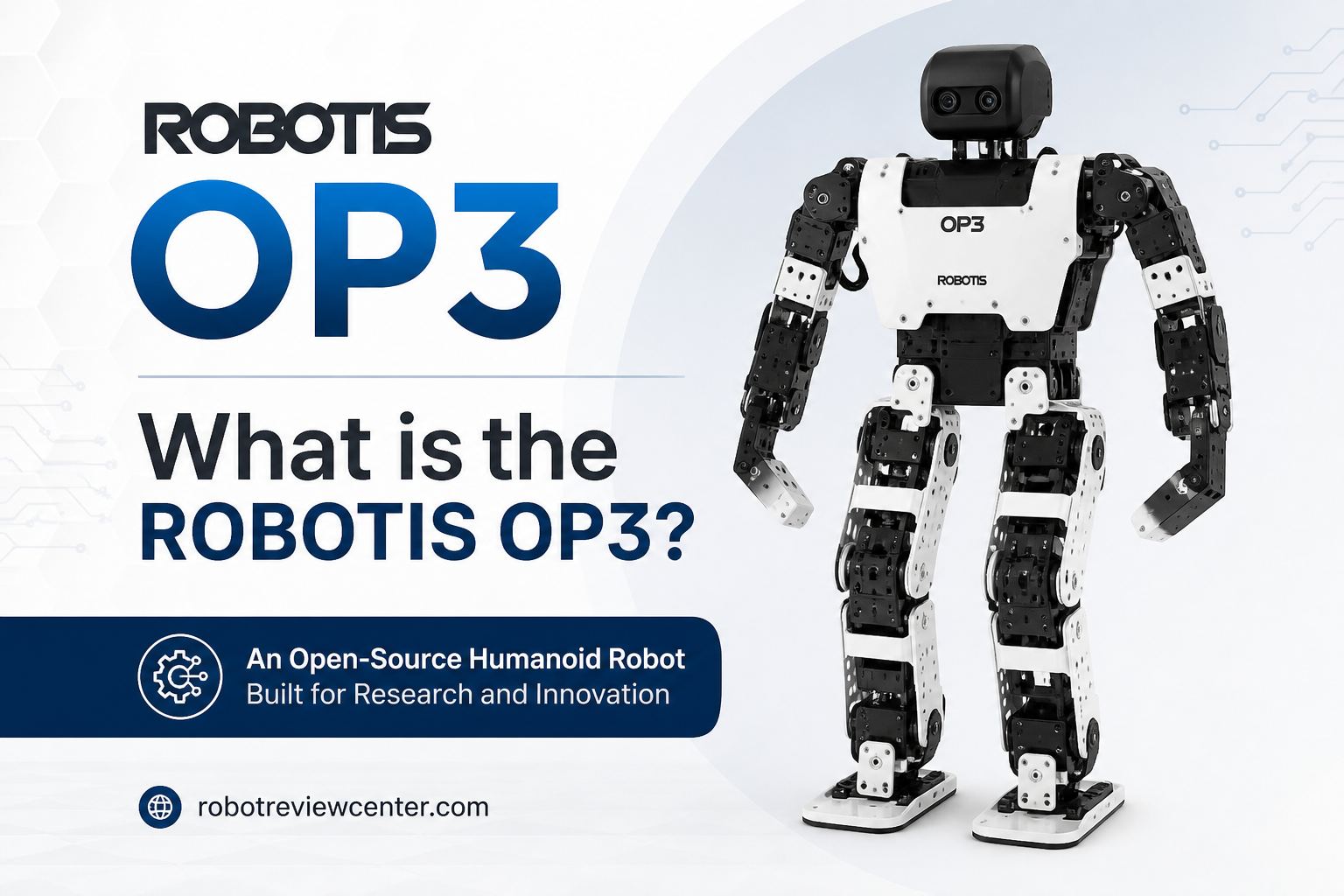
At its core, the ROBOTIS OP3 is an open-source humanoid robot specifically designed for educational and research purposes. Developed by ROBOTIS, a reputable name in the robotics arena, this iteration climbs several rungs up the ladder from its predecessors, offering improved performance and expanded capabilities. With a height of approximately 49cm and weighing in at about 3.5kg, this compact, nimble robot is characterized by its versatile design that caters to a variety of experimental scenarios.
The OP3 is particularly famous for its open-source software, which enables researchers and educators to customize the robot’s functionalities in unique ways. The integration of the Robot Operating System (ROS) further enhances this robot’s appeal, offering a robust framework for developing sophisticated robotic applications. However, while its design and software are commendably flexible, the efficacy of its physical configuration in real-world applications is what truly sets the OP3 apart.
The Technical Identity of ROBOTIS OP3
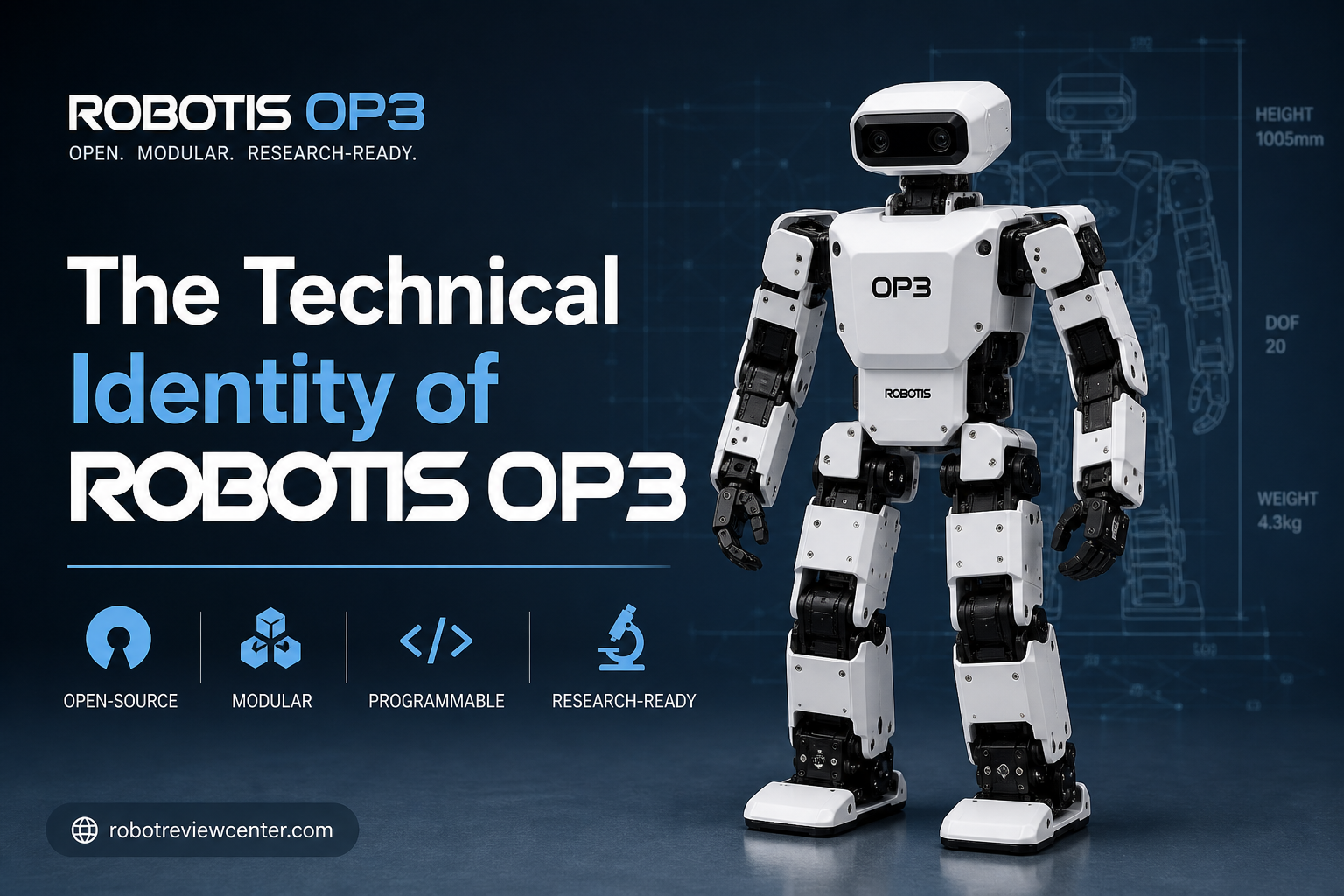
Technologically, the ROBOTIS OP3 is nothing short of impressive. Understanding its under-the-hood capabilities provides insights into why it is so highly valued in research and academia. Powered by a 1.6 GHz Intel Atom processor, this robot supports a full-scale Linux environment, allowing for advanced computation directly on its hardware. Its onboard camera and thirteen degrees of freedom articulate the robot’s ability to mimic complex human-like gestures and movements.
In terms of sensors, the OP3 features a three-axis gyro sensor and three-axis accelerometer, which are crucial for balance and orientation—key factors in humanoid robotics. Additionally, its 18 actuators are meticulously distributed throughout its body to provide smooth, dynamic motion, closely approximating human physicality. Despite these technical achievements, the true metric of the OP3’s success lies in how these components work harmoniously to deliver functionality that surpasses mere technical prowess, venturing into practical applicability.
Brain and Compute
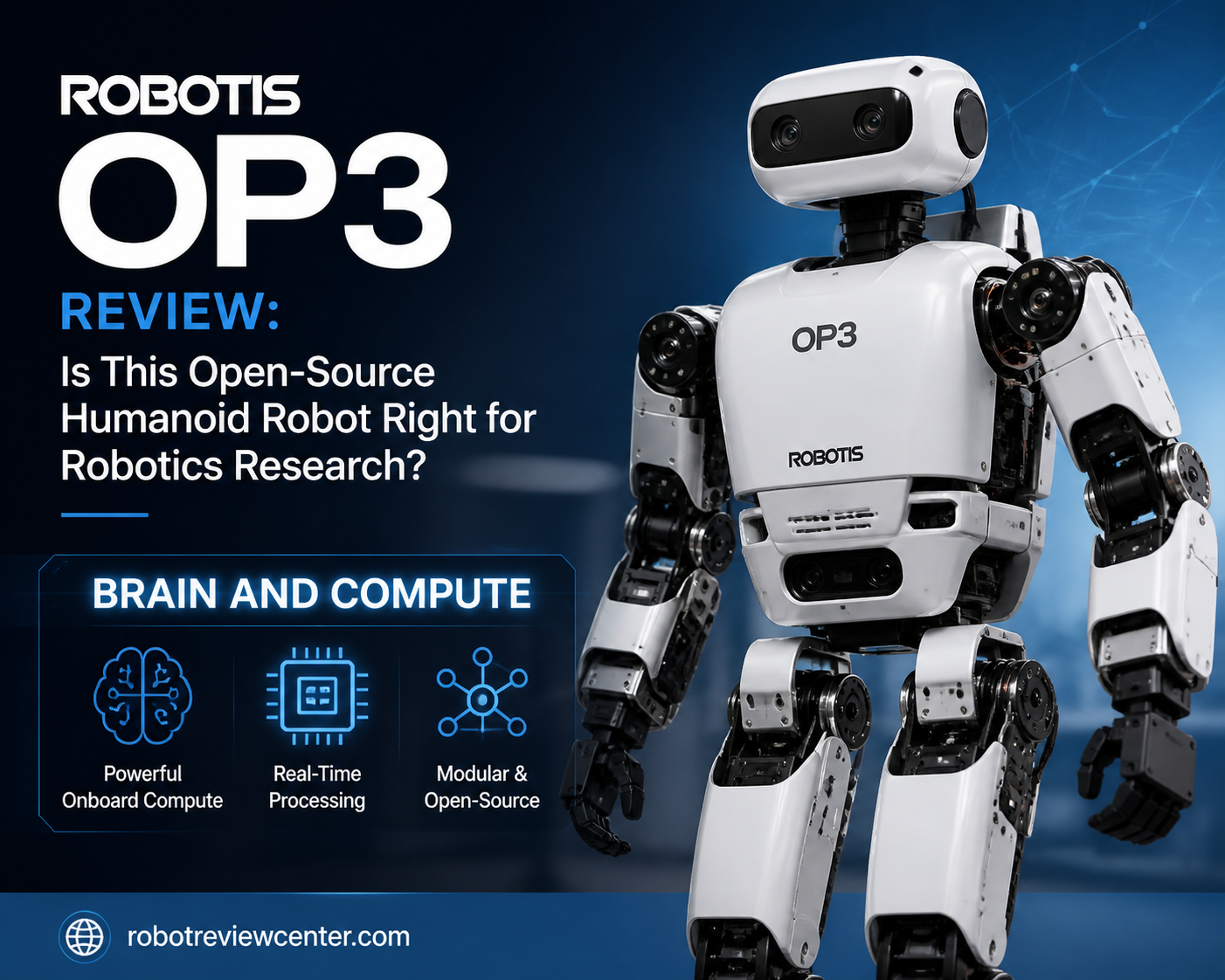
Behind any sophisticated robot is a robust computational framework that acts as its ‘brain.’ For the ROBOTIS OP3, this framework is epitomized by its use of ROS, which is instrumental for researchers aiming to test and improve AI algorithms. The synergy of the Intel Atom processor and ROS creates a highly adaptable platform for developing a wide array of robotic functions—from simple obstacle navigation to advanced machine-learning applications.
Interestingly, while many robots in this category rely on cloud processing to achieve complex tasks, the OP3 redefines convenience and efficiency by maintaining all essential computational capabilities onboard. This attribute reduces latency issues typically associated with remote processing, enhancing its performance in real-time scenarios. However, this independence comes with its nuances, as highlighted by Thomas Huynh’s metaphor: “Think of it as a prized violin; only in the hands of a skilled player does it truly sing.”
Vision and Spatial Intelligence
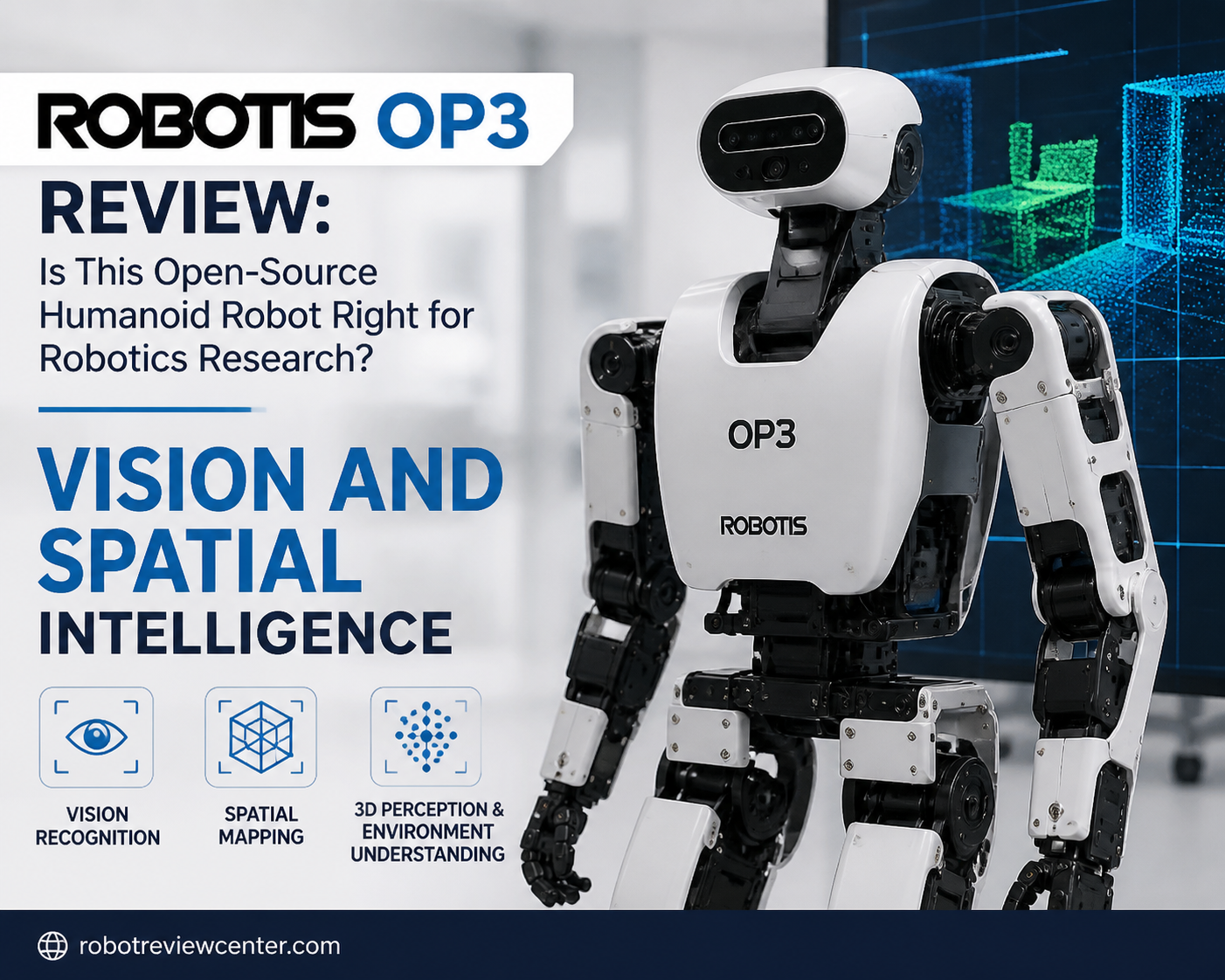
With robotics, a robot’s ability to ‘see’ and navigate its environment can make the difference between functionality and failure. The ROBOTIS OP3 employs a highly effective vision system consisting of an integrated RGB camera that facilitates accurate perception of its surroundings. Through the camera’s lens, the OP3 can identify and interact with objects within its environment, a feature that is invaluable for research aimed at programming robots to perform complex tasks autonomously.
This visual input is paired with spatial intelligence driven by SLAM (Simultaneous Localization and Mapping) technologies, which permit the robot to build and update a map of its environment while simultaneously keeping track of its location. Despite these advanced systems, users have reported occasional setbacks in dynamic environments, particularly where lighting conditions vary—a common hurdle in robotics research that constantly strives for more robust adaptability.
Hands and Manipulation
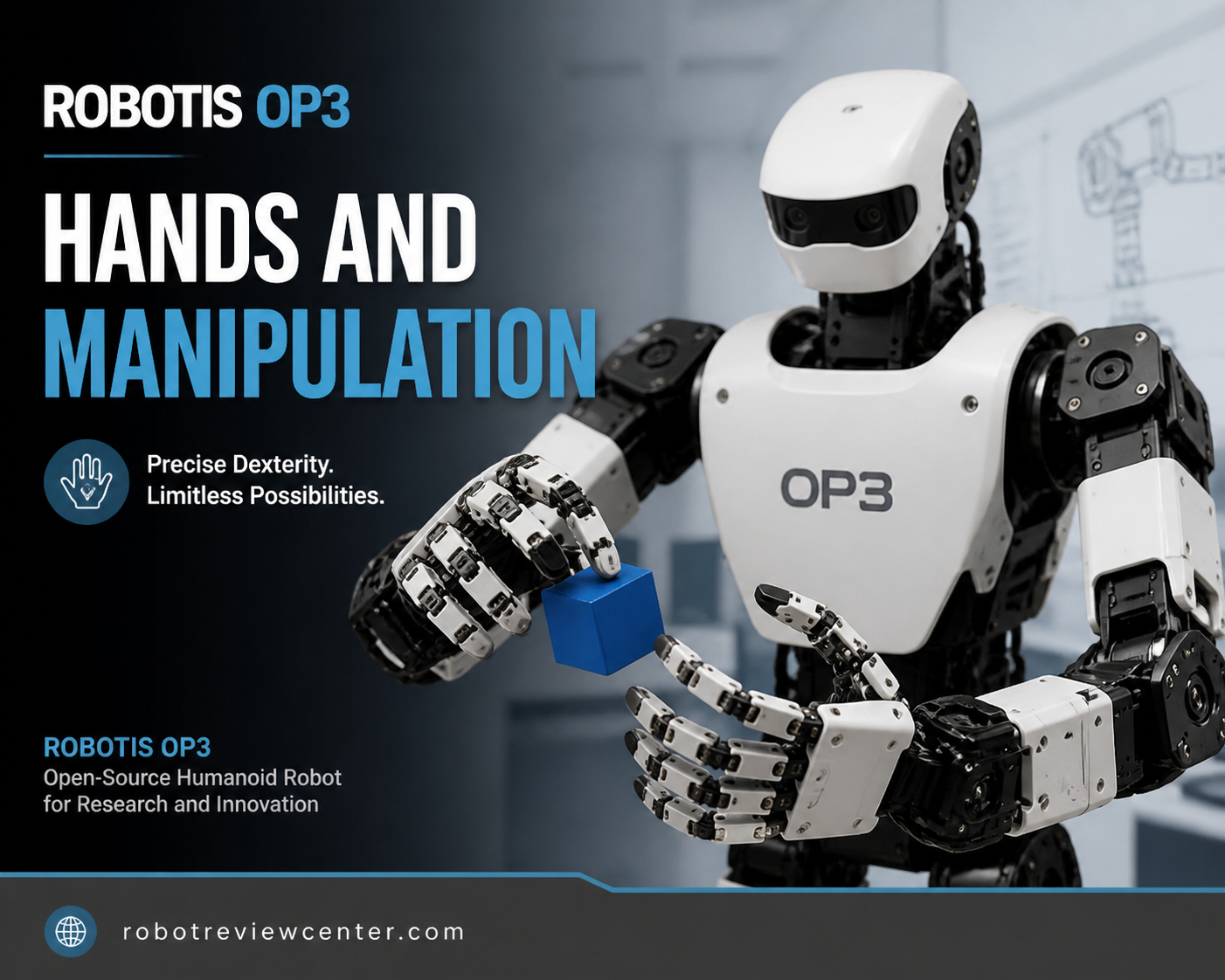
The hands of a humanoid robot are critical for interaction and manipulation of the physical world. The ROBOTIS OP3 is equipped with adaptive grippers that artfully combine sturdiness with flexibility, allowing it to grasp various objects with differing sizes and shapes. While not matching the complexity of human hands, the OP3’s manipulation capabilities are sufficient for educational demonstrations and simple task automation.
Despite its current competencies, the OP3’s hand functionality highlights a broader challenge within robotics: delivering human-like dexterity. This capability remains largely theoretical across the industry, with few robots achieving high levels of precision in manipulation. Manufacturers like Boston Dynamics and UBTECH remain engaged in a continuous dance with innovation, pushing the envelope to appropriate mechanical dexterity from biology, yet still, much work rests ahead.
Mobility, Legs, and Balance
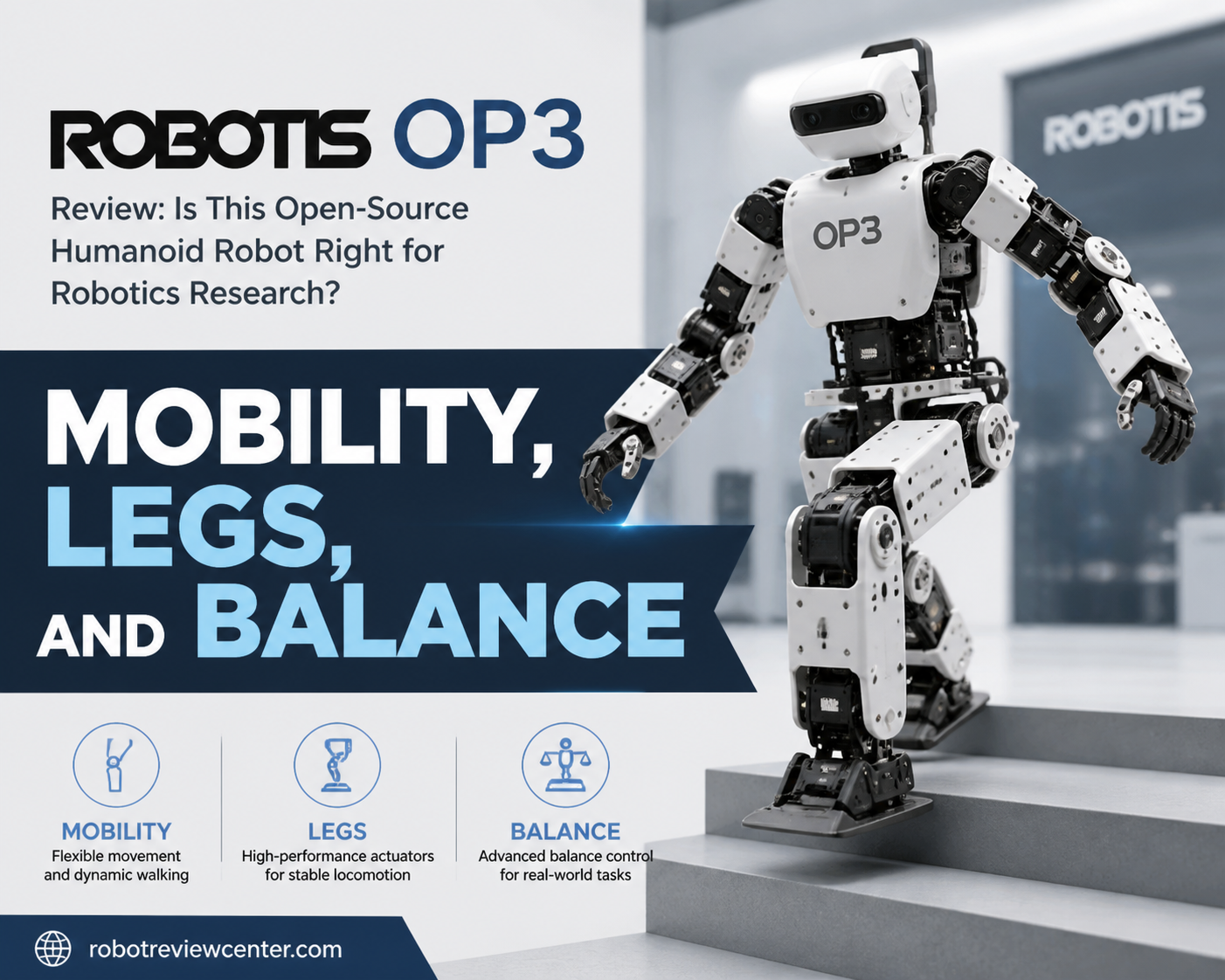
Humanoid robots take a cue from humans in striving for balance, agility, and speed, and the ROBOTIS OP3 is no different. Its two-leg configuration and integrated servo motors deliver sufficient locomotion that simulates basic human walking. This ability relies heavily on its 18 degrees of freedom, providing a foundation for fluid motion and navigating diverse terrains within controlled environments.
The integration of algorithms for balance further ensures stability, which is critical for educational purposes where robots need to mimic controlled scenarios. However, when thrust into uncontrolled settings, the challenge remains: seamless adaptation to unfamiliar or rapidly changing environments—an area where industry giants like Agility Robotics are making strides with robots designed to traverse real-world landscapes.
Voice and Human Interaction
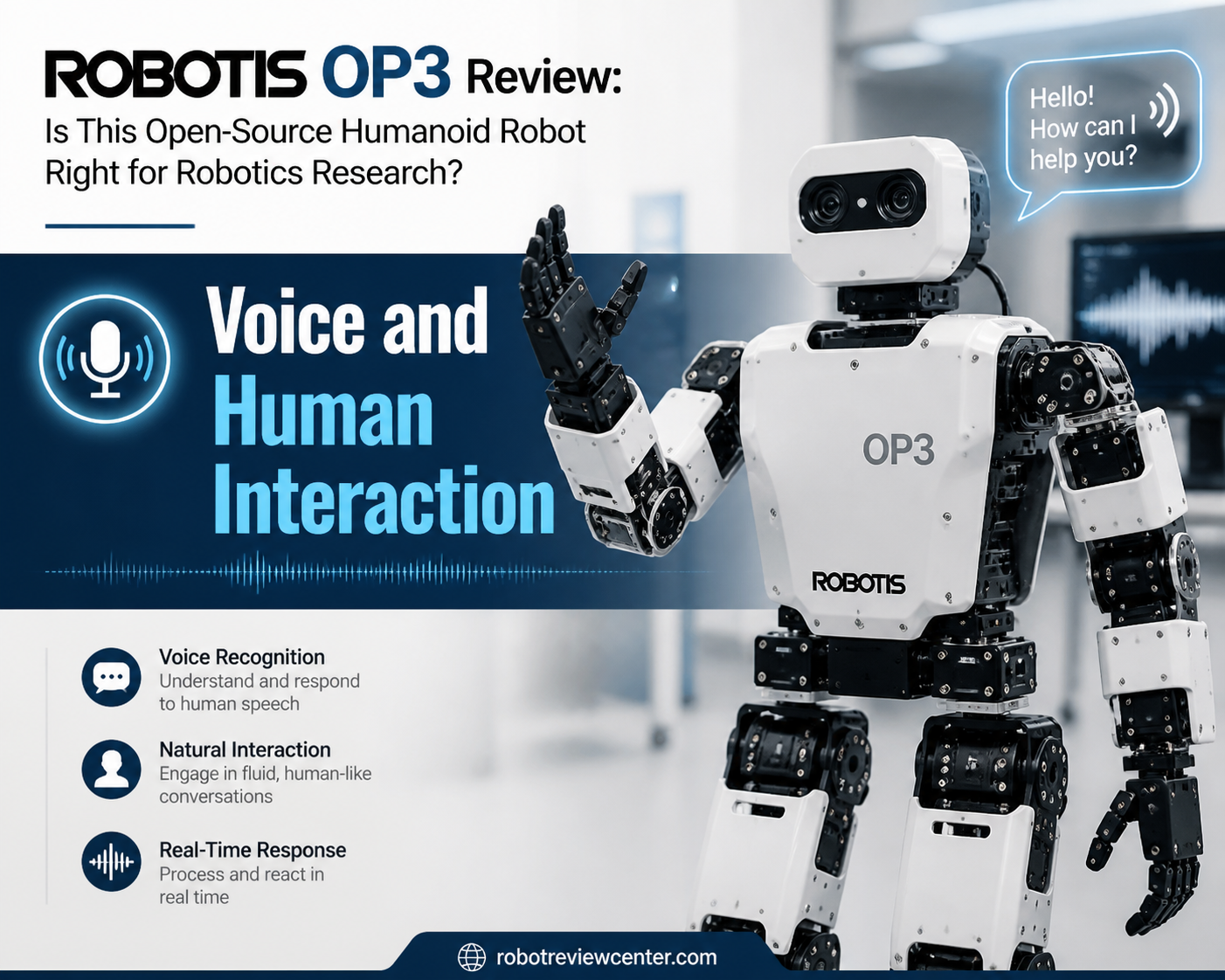
As we delve into robotics, interpersonal communication between humans and machines is at the forefront of innovation. The ROBOTIS OP3 offers voice recognition technologies that enable basic responses to user input, primarily in research-focused applications. The inclusion of speech synthesis allows the OP3 to ‘speak,’ although its language processing capabilities remain elementary.
Compared to higher-end models that focus intensively on human-robot interaction, like those pioneered by companies such as SoftBank Robotics or Tesla’s research division, the OP3’s communicative faculties are comparatively modest. Nevertheless, its open-source nature empowers developers to extend its capabilities using advancements from active research in speech AI, potentially transforming its conversational dynamics by tapping into external AI platforms.
Autonomy and AI Architecture
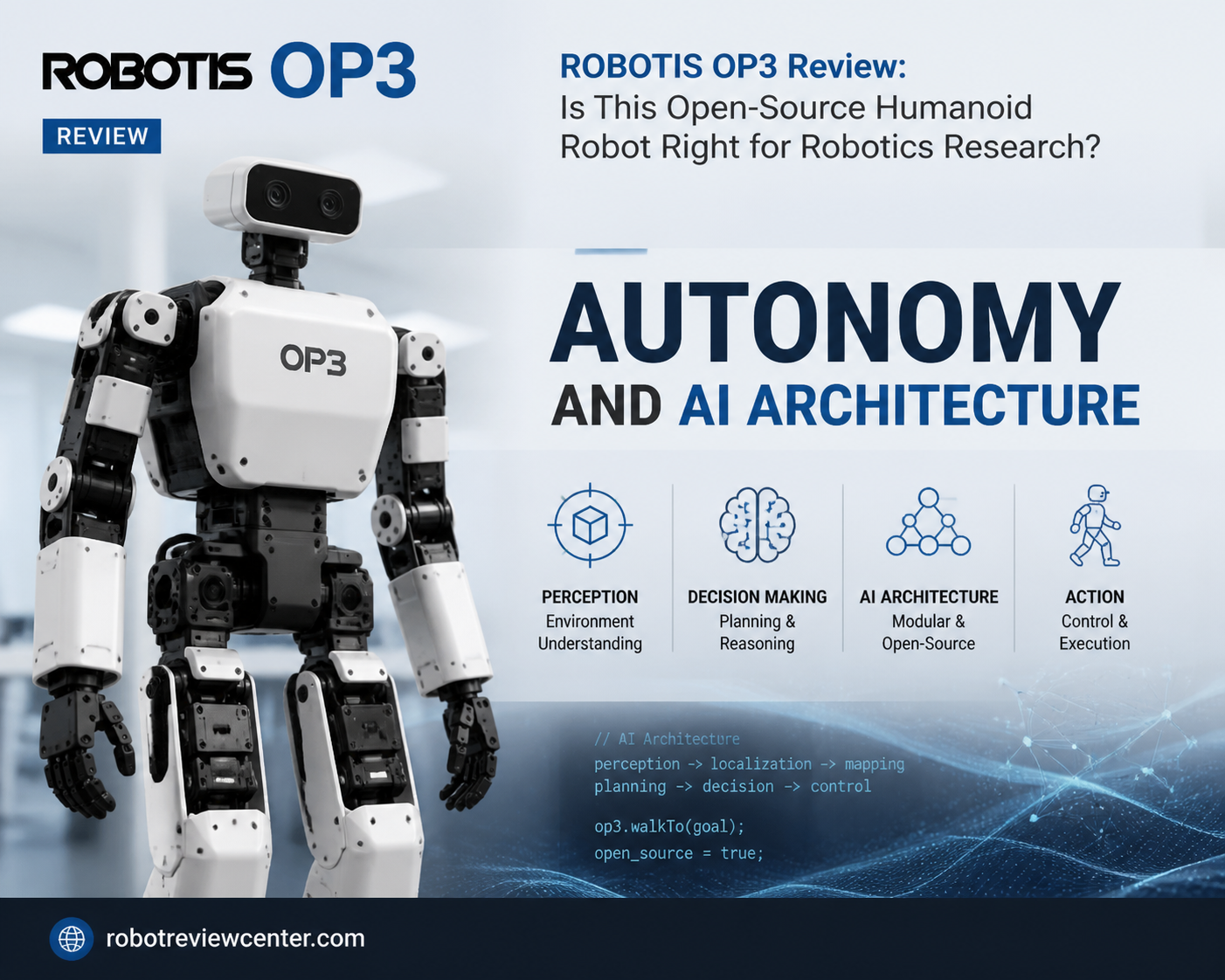
Autonomy is a coveted trait in robotics, and the ROBOTIS OP3 is pioneering strides in this arena, albeit with realistic limitations. Driven predominantly by an autonomous architecture that allows for unsupervised task execution, the OP3 sporadically grapples with the complexities synonymous with evolving dynamic environments.
The integrating of ROS empowers exploration into adaptable architectures, supporting algorithms that enable learning from real-time interactions. This illuminates a path toward improving degrees of autonomy, although fully autonomous operation is unlikely to be widespread in the immediate future. Robotics researchers astutely recognize that the brain-bending intricacies of artificial general intelligence are still nascent, pinned back by the paradox of current AI being adept in specialized but compartmentalized tasks.
Battery, Uptime, and Operational Reality
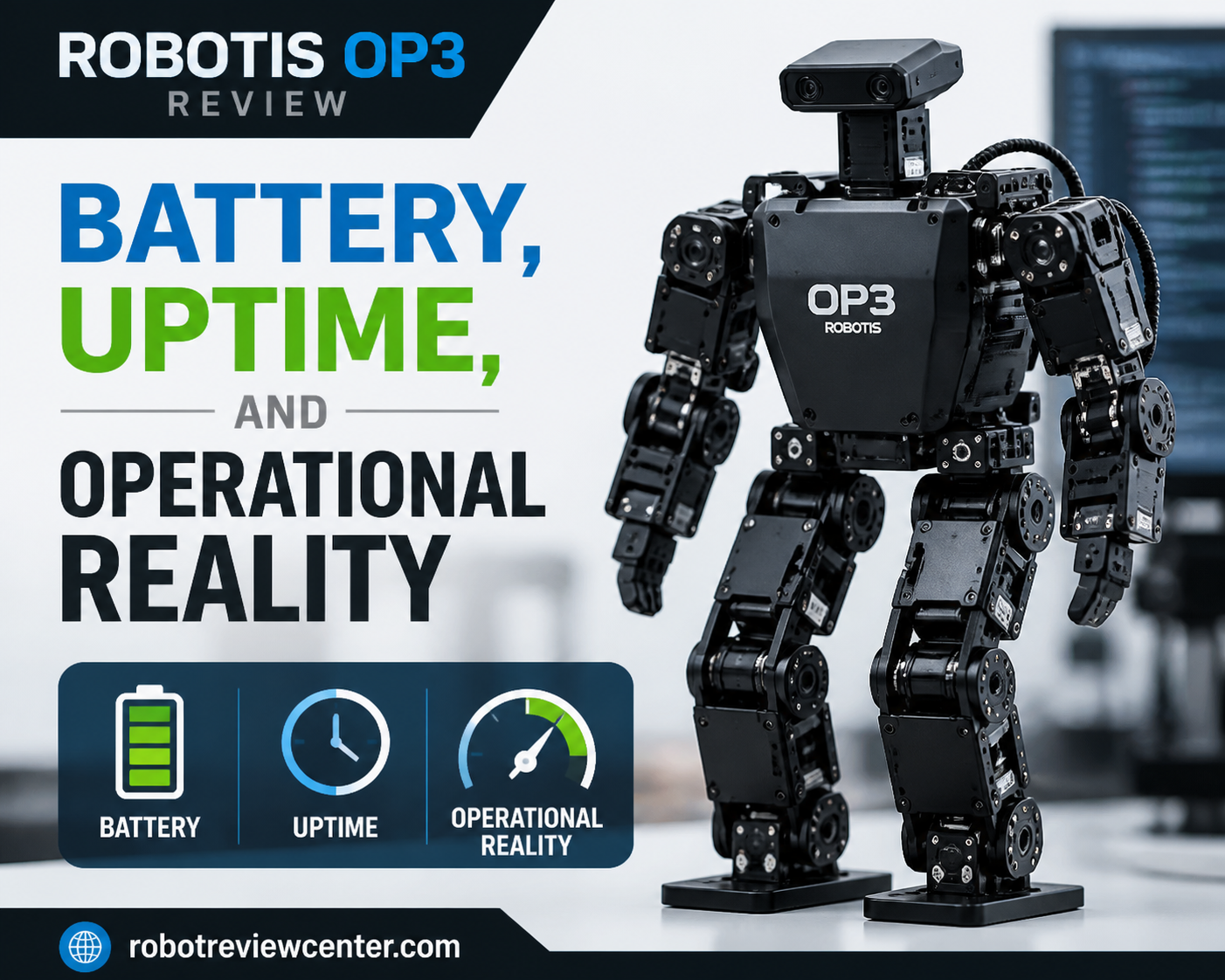
For robotics, practicality often converges at the cross-section of power consumption and operational lifespan. The ROBOTIS OP3 maintains a relatively modest energy profile, powered by a 3-cell LiPo battery, which provides roughly 30 minutes of continuous operation—a limitation not dissimilar to its market counterparts.
Charging intervals necessitate operational pauses that could potentially stall experiments or demos, thereby challenging the continuity of research processes. The upgrade to more energy-efficient systems or battery technologies remains an imperative focus for developers seeking operational seamlessness. Indeed, adoptive power solutions akin to those employed by the latest lineup from Unitree might rectify such limitations, prolonging the exploration of humanoid robotics without frequent disruptions.
Real-world Applications and Verified Deployments
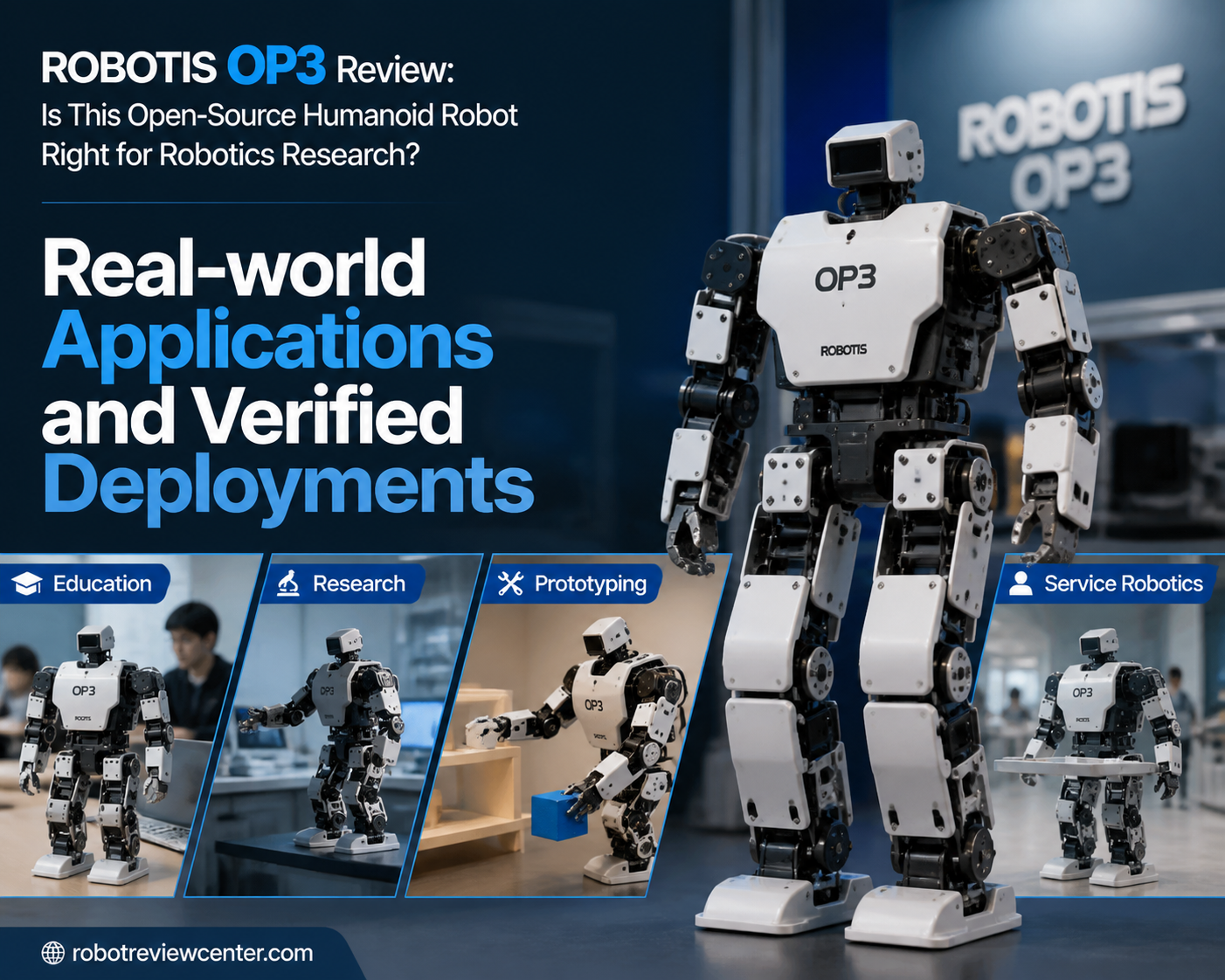
The flexibility of the ROBOTIS OP3 lends itself to myriad academic and practical applications. It acts as an excellent platform for students and researchers in universities, primarily utilized to experiment with robotic algorithms and software development. Its straightforward design is conducive to studying human-robot interaction in controlled environments, providing invaluable insights into robotic behavior.
Notwithstanding its utility in educational settings, its deployment in commercial settings remains minimal; a reflection of its primary design objectives rather than a critique of its potential. Other humanoid models from companies like Boston Dynamics have ventured into specialized tasks across diverse sectors, as industries continue to explore more autonomous robotic solutions underpinned by increasing investment in robotic research and development.
Manufacturing and Commercial Readiness
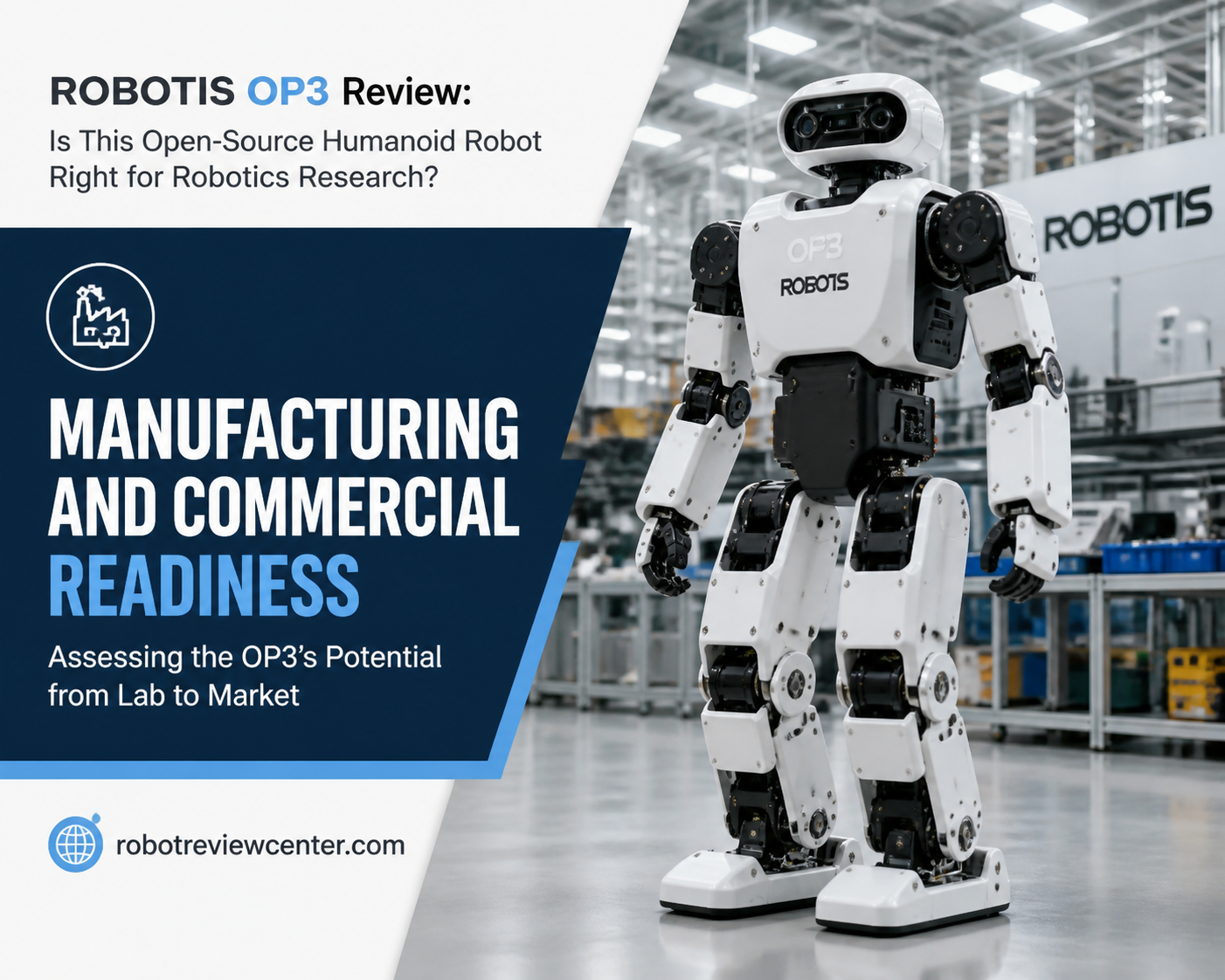
Currently, the ROBOTIS OP3’s presence is predominantly felt in academia and research laboratories. With manufacturing processes geared specifically toward fulfilling educational demand, its readiness for commercial adaptation has yet to be fully realized. Its price range, often considered premium for educational institutions, reflects its niche target and specialized functionality.
However, looking further ahead, the trending shift towards humanoid-friendly environments suggests that the foundations laid by the OP3 could evolve into broader manufacturing readiness. This becomes more plausible as companies refine production techniques to reduce costs and optimize assembly, an innovative race led by smart robotics companies worldwide aiming to democratize access to humanoids.
Price and Economics
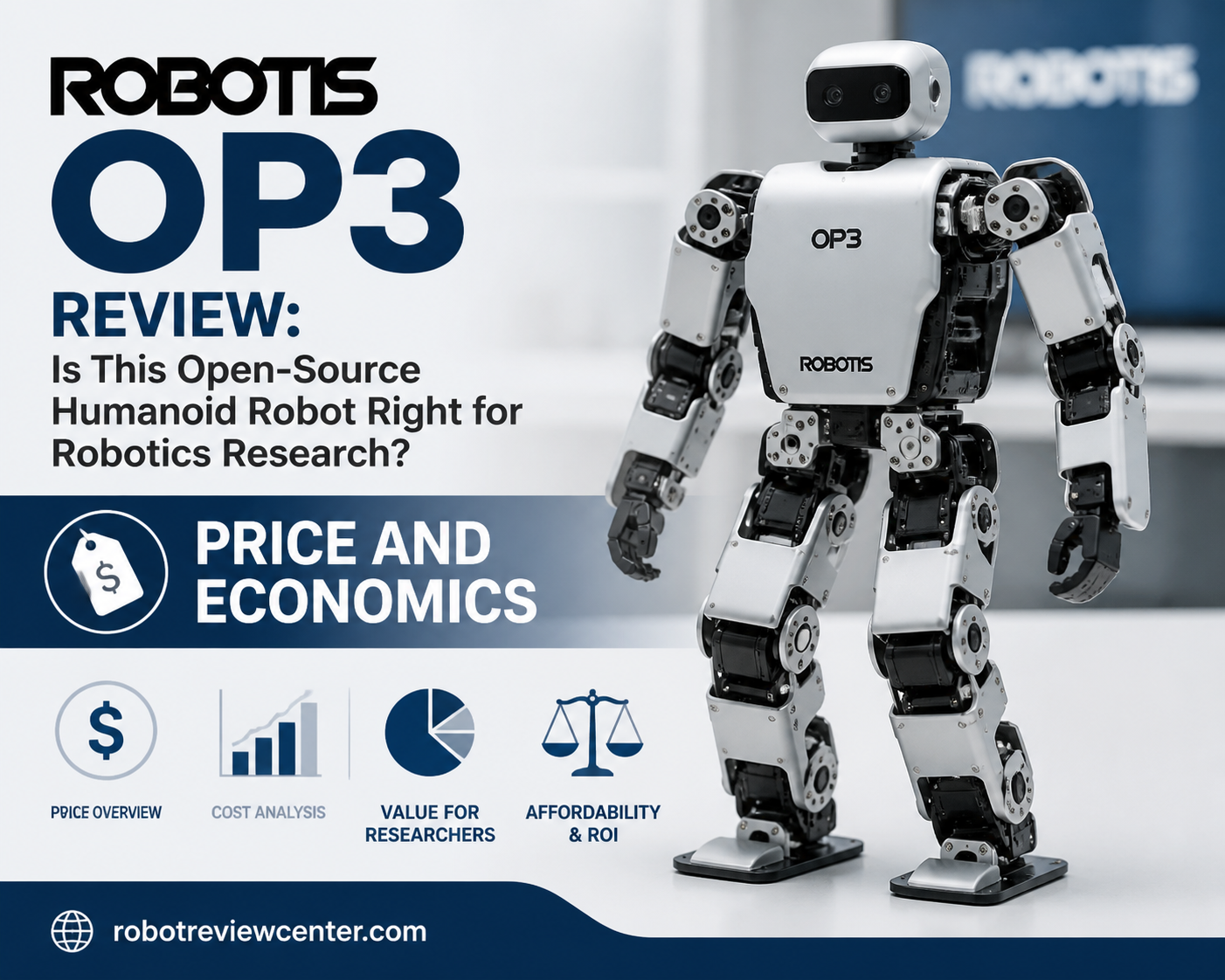
Understanding the pricing and economic positioning of the ROBOTIS OP3 adds another dimension to its evaluation. Present in a niche marked by relatively high costs due to its sophisticated components and open-source nature, the OP3’s pricing is in line with similar educational and research-grade robots. Unfortunately, publicly available documentation reviewed for this article does not disclose the exact public retail price.
This aligns with the broader economic dialogue on robotics: the initial investment remains substantial relative to an individual’s potential financial return, but the educational and developmental opportunities it provides may offer longer-term returns that justify the initial expenses. As technology evolves and the costs of advanced components decrease, mass-market opportunities are expected to rise, likely shifting the economic narrative of humanoid robotics.
Competition in the Robotics Landscape
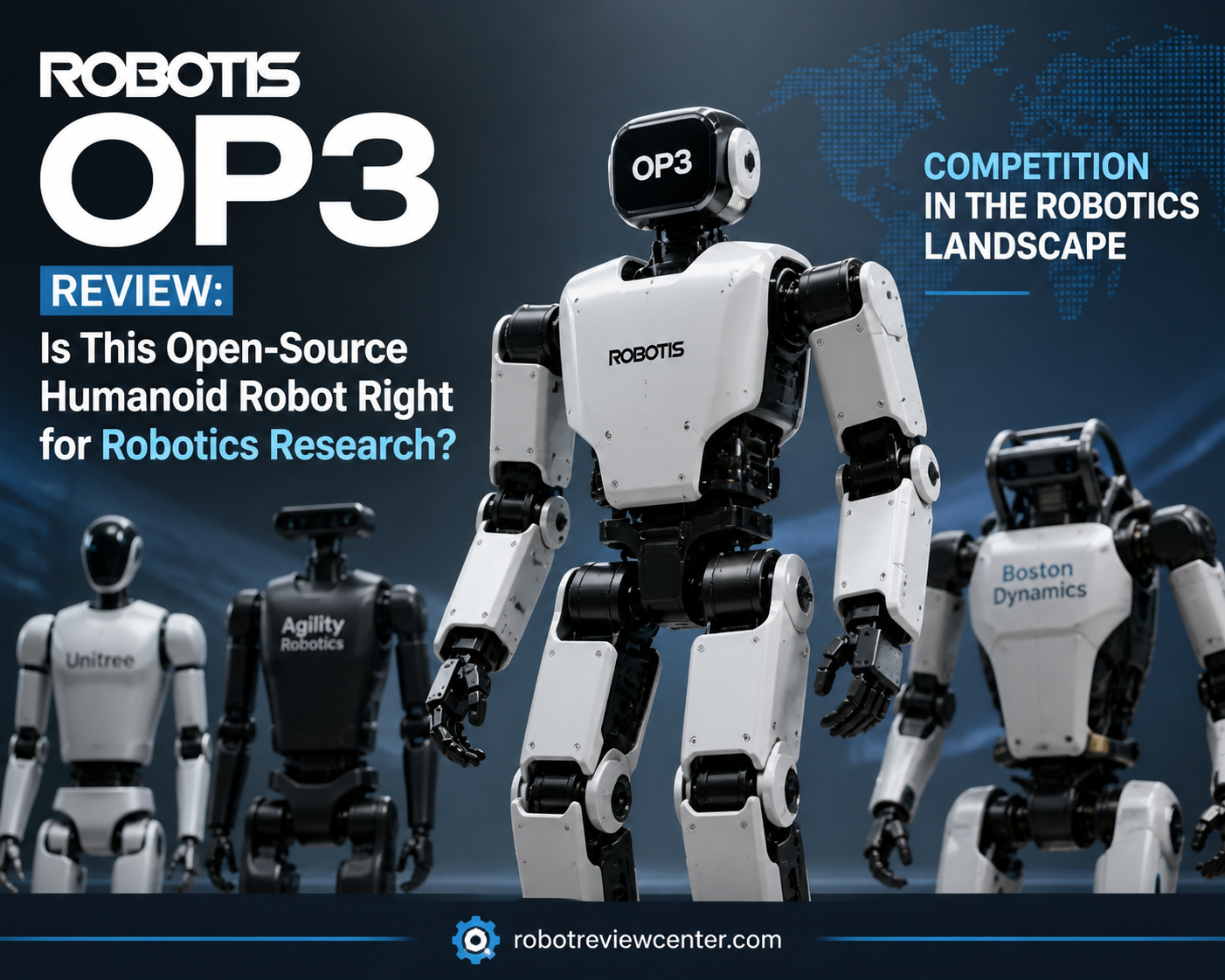
The competitive landscape of humanoid robots is fiercely dynamic, featuring notable mentions including Boston Dynamics’ Atlas and UBTECH’s Walker robots. These counterparts provide differing functionalities and are, in many respects, higher priced due to advanced capabilities targeting sectors beyond education.
When juxtaposed with its peers, the ROBOTIS OP3’s advantage stems from its focus on open-source adaptability. While robots like Atlas are remarkable for their agile, dexterous capabilities, they remain more specialized—frequently deployed in controlled environments due to their complexity and expense. The OP3 continues to shine as a research incubator, where adaptability and customization, rather than multifunctional brilliance, remain paramount.
Thomas Huynh insightfully points out during our discussions, “In the sandbox of robotics, it’s often the simple yet flexible toys that inspire the most ingenious creations.” This highlights the OP3’s primary role in nurturing the next wave of roboticists, engineers, and developers.
Challenges and Limitations
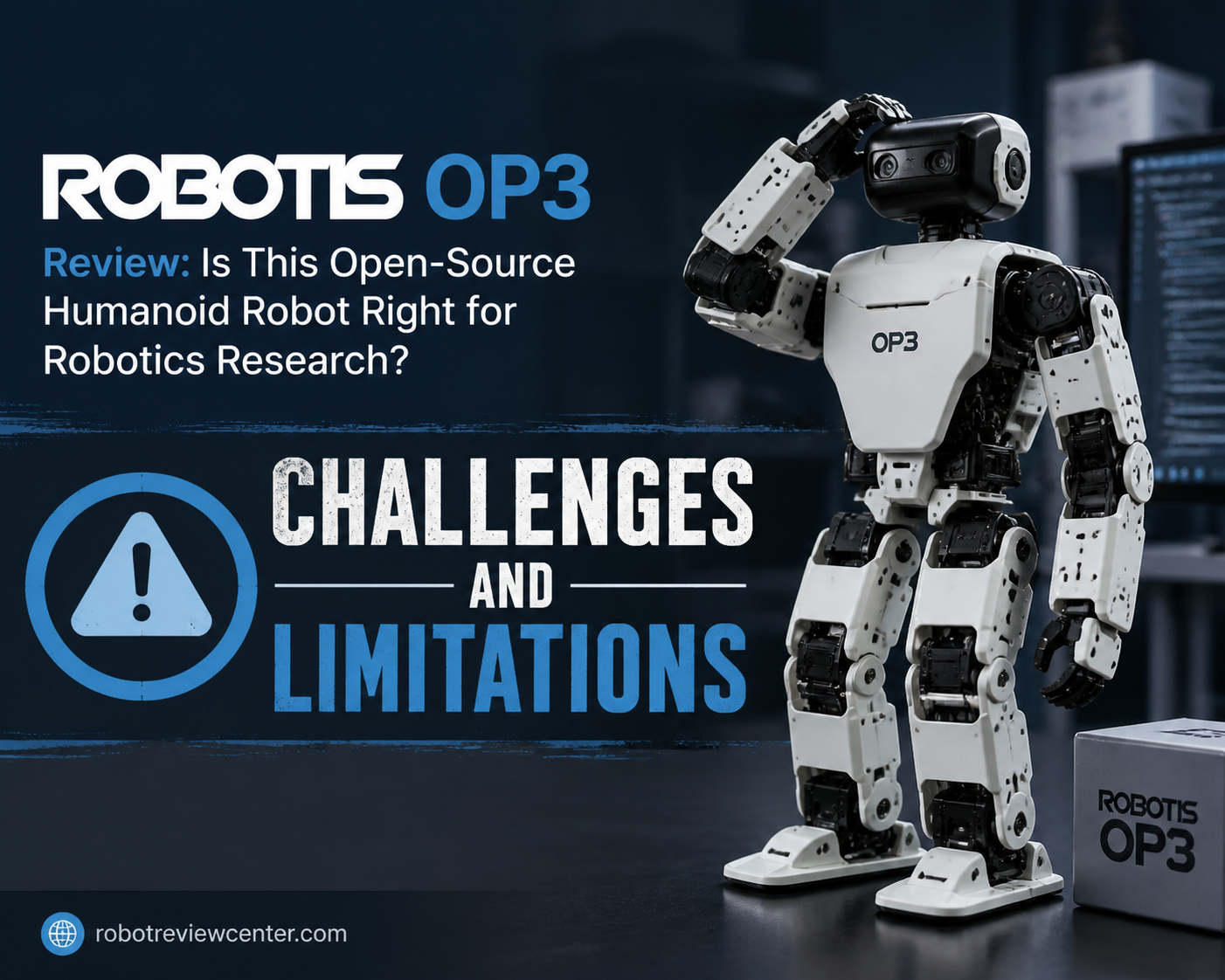
Despite its compelling attributes, the ROBOTIS OP3 is not devoid of challenges, inherent limitations arising from both design and application. Chief among these is its battery life and subsequent downtime—a common plight across similar robots. Furthermore, while its adaptability is a boon for research, the complex nature of open-source development can frustrate those without the expertise or resources to fully leverage this potential.
In a field racing towards autonomous functionality, the present limitations in human-like dexterity and natural language comprehension inevitably underscore the research areas requiring fortification. The pursuit of equipping robots with high-level conversational skills akin to virtual assistants by the likes of Siri or Alexa requires substantial enhancements in AI-processing capability—a forewarning against complacency in technology’s current trajectory.
Future Predictions and Strategic Insights
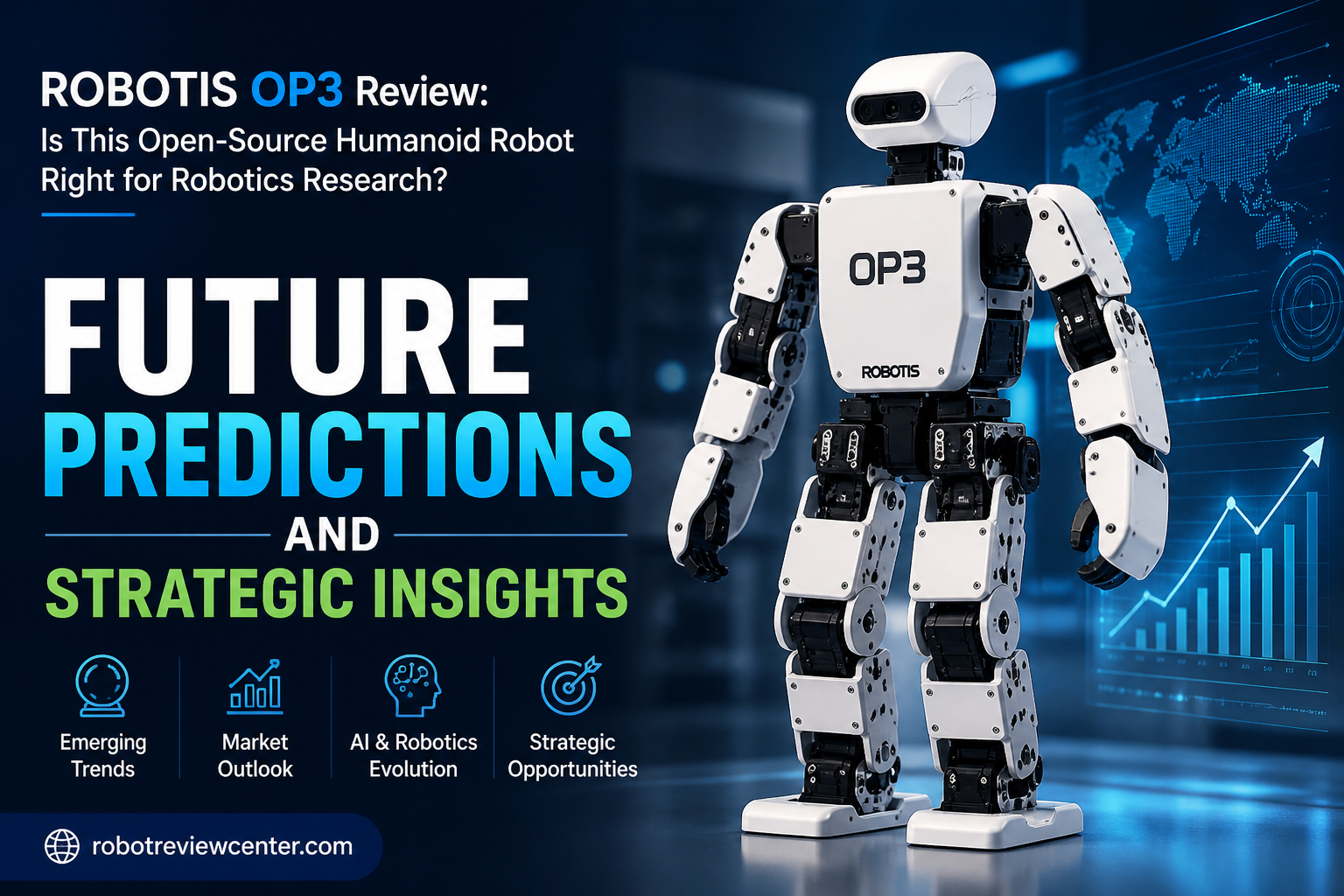
Gazing five years ahead, the landscape of humanoid robotics is poised for transformative shifts. As more sophisticated technologies emerge, the potential of robots like the ROBOTIS OP3 will likely explode, gradually permeating into commercial realms and everyday life. The evolution of AI, compounded by strides in machine learning and processing power, will usher an era where humanoid robots navigate our environments with greater autonomy and purpose.
For businesses and developers eyeing investments in robotics, strategic foresight becomes indispensable. Engaging with developing technologies related to AI integration and sensor fusion will position them to leverage both the anthropomorphic appeal and the functional power of humanoid robots. The imperative is clear: they must not only observe the fruition of these advancements but actively participate in their genesis to foster innovation.
As we look forward, the symphony of robotic evolution continues to play on. It is in this crescendo where the ROBOTIS OP3 may redefine the role of humanoids, with the potential to act as both a learning tool and a harbinger of the next phase out of the laboratory and into the wider world.
So where does this leave us in the ambit of robotics research and development? For the ROBOTIS OP3, its true value lies not just in its specifications but in the its potential—its ability to serve as an educational muse and a testament to the power of open-source collaboration. While challenges undeniably persist and advancements are awaited, what the OP3 symbolizes for aspiring researchers can be as valuable as any technical improvement. As we carry this momentum forward, the world of robotics is on the brink of unprecedented innovations—an orchestration of human ingenuity and mechanical prowess melded into the fabric of our future.
Thomas Huynh – Admin of RobotReviewCenter.com