
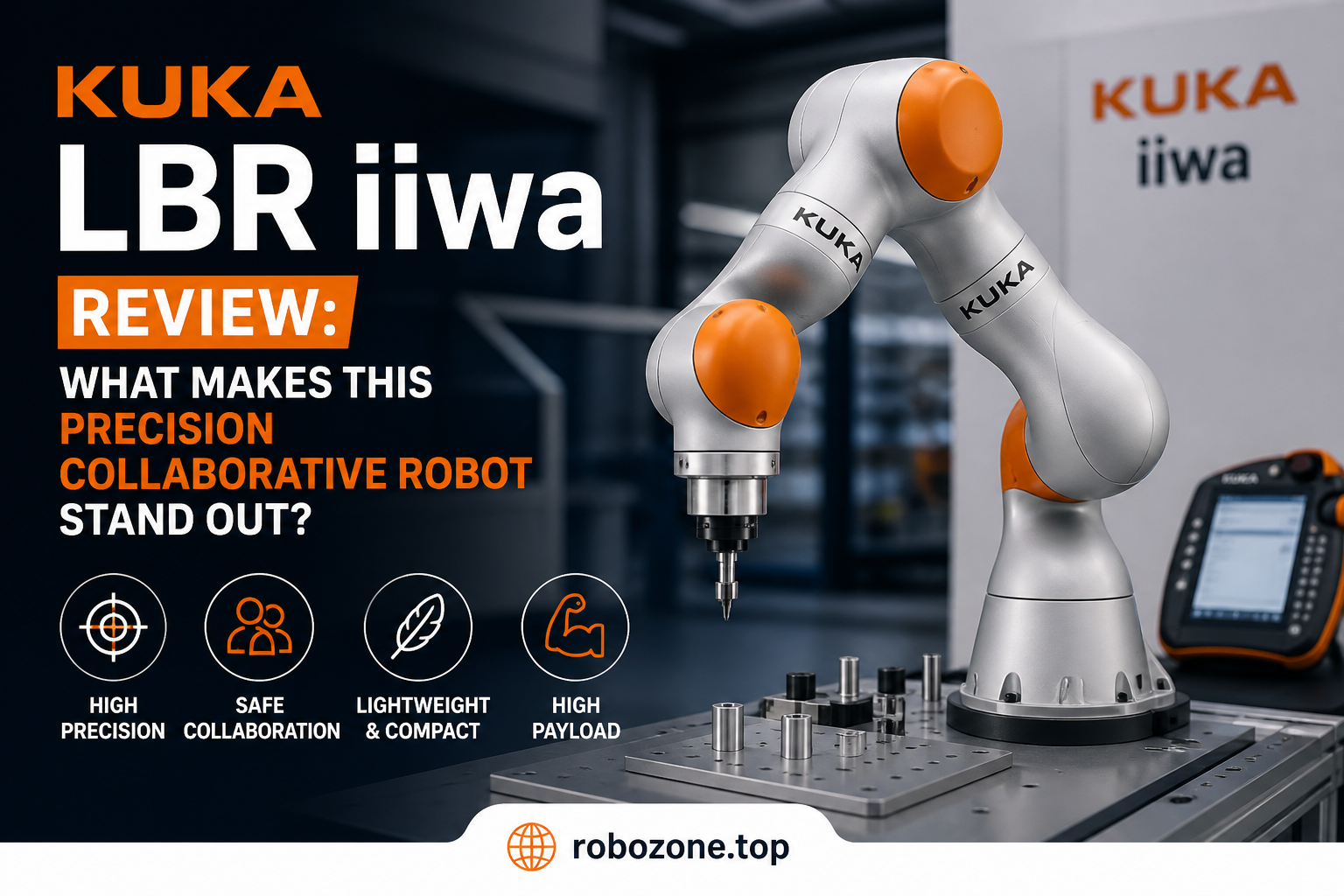
In the ever-evolving landscape of robotics, certain models rise to prominence not just through their technical specifications, but by demonstrating a nuanced understanding of real-world applications. Enter the KUKA LBR iiwa: a collaborative robot devised to work alongside human counterparts with such precision and care that it sometimes feels less like a machine and more like a well-coordinated partner. In this detailed analysis, we unravel what sets the KUKA LBR iiwa apart in a crowded field of automation solutions and explore how it is shaping industries globally.
Understanding the Core Concept of the KUKA LBR iiwa
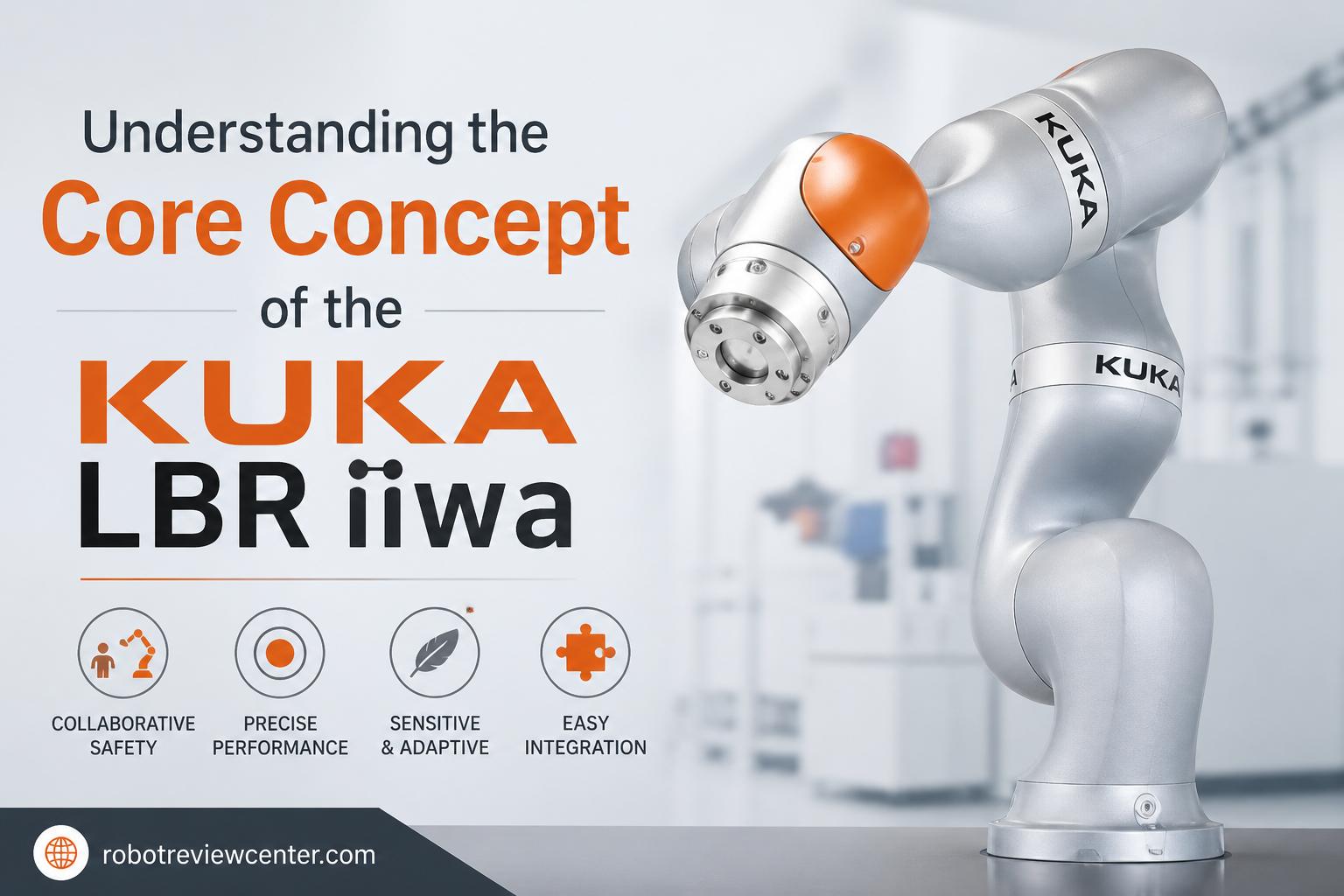
The acronym ‘iiwa’ stands for ‘intelligent industrial work assistant,’ a fitting description for this robot’s intended role in various industrial settings. At its core, LBR iiwa is a lightweight robot designed for precise tasks that require human-robot collaboration. With its ability to sense force and interaction with humans, it minimizes the risk of injury, embodying the concept of a ‘safe’ collaborative workspace. Imagine a scenario where an industrial robot not only mimics human dexterity but also responds intuitively to slight changes in force—a feat that KUKA LBR iiwa has achieved through its state-of-the-art sensors and software integration.
At first glance, the KUKA LBR iiwa appears to be a typical robotic arm, but it’s the subtleties of its design and function that evoke genuine admiration. With seven axes that can smoothly maneuver, akin to a human arm, this robot can perform tasks in tight spaces with remarkable dexterity. The question is not ‘what can this robot do?’ but rather ‘where might its capabilities take us next?’
Real-world Applications Across Various Industries
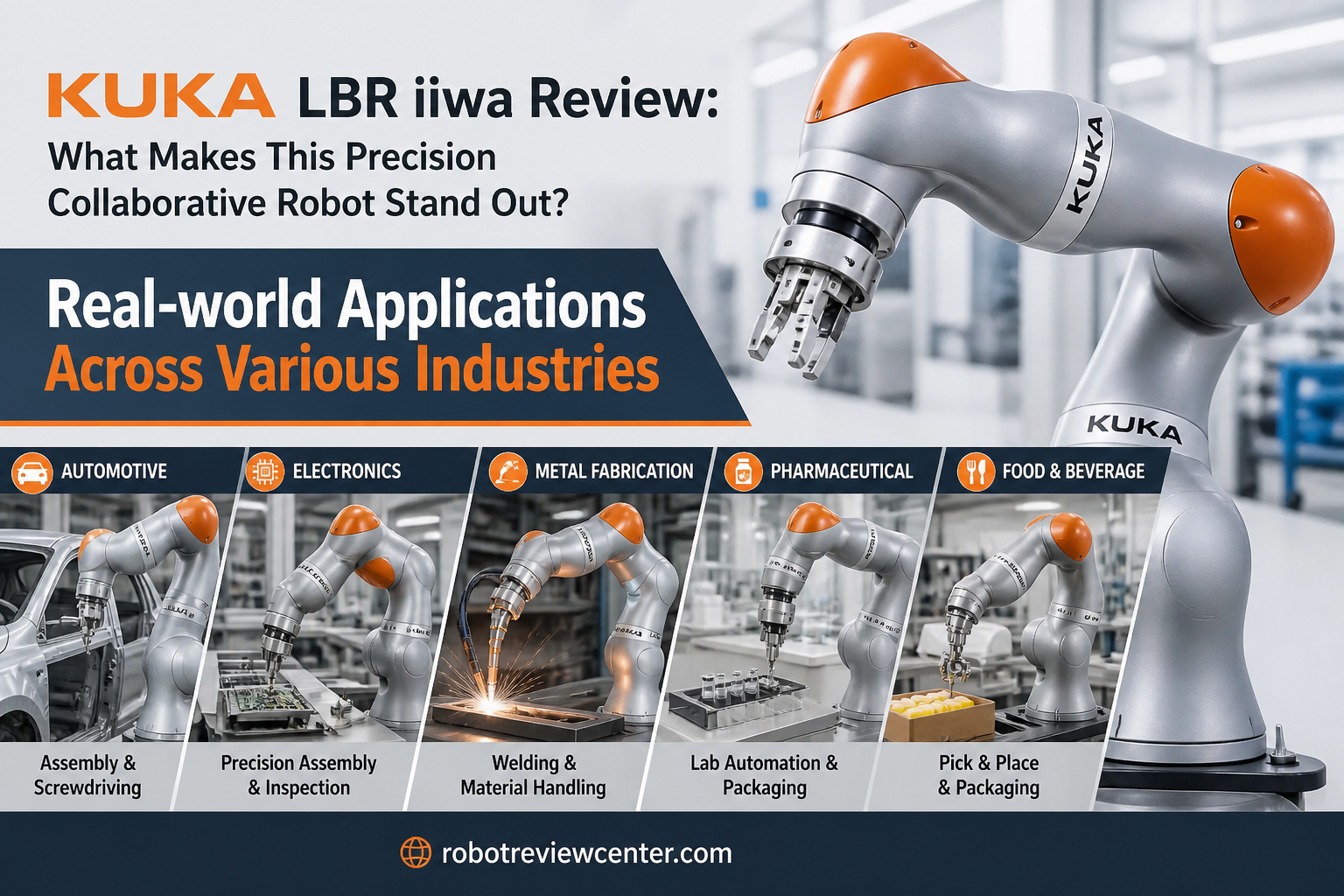
The versatility of KUKA LBR iiwa extends beyond the confines of a factory floor. In healthcare, for instance, the robot’s precision allows it to assist in surgeries, performing tasks with a steady and gentle touch—ensuring much-needed reliability. The iiwa has been deployed in assembly lines where its accuracy in handling delicate components surpasses that of its human counterparts, thereby reducing error and improving efficiency.
Imagine a busy automotive factory wherein parts need to be assembled with millimeter precision to ensure vehicle safety. Human workers and LBR iiwa robots can collaborate over tasks without cumbersome safety barriers, creating an environment where the robot handles precision movements while humans conduct quality checks and decision-making operations.
In laboratories, robots like the iiwa manage repetitive actions in delicate scientific experiments, allowing human scientists to focus on innovative thinking. This robot’s adaptability makes it an asset in settings as varied as electronics assembly to complex biochemical experiments.
Technical Insights: Sensors, AI Models, and More
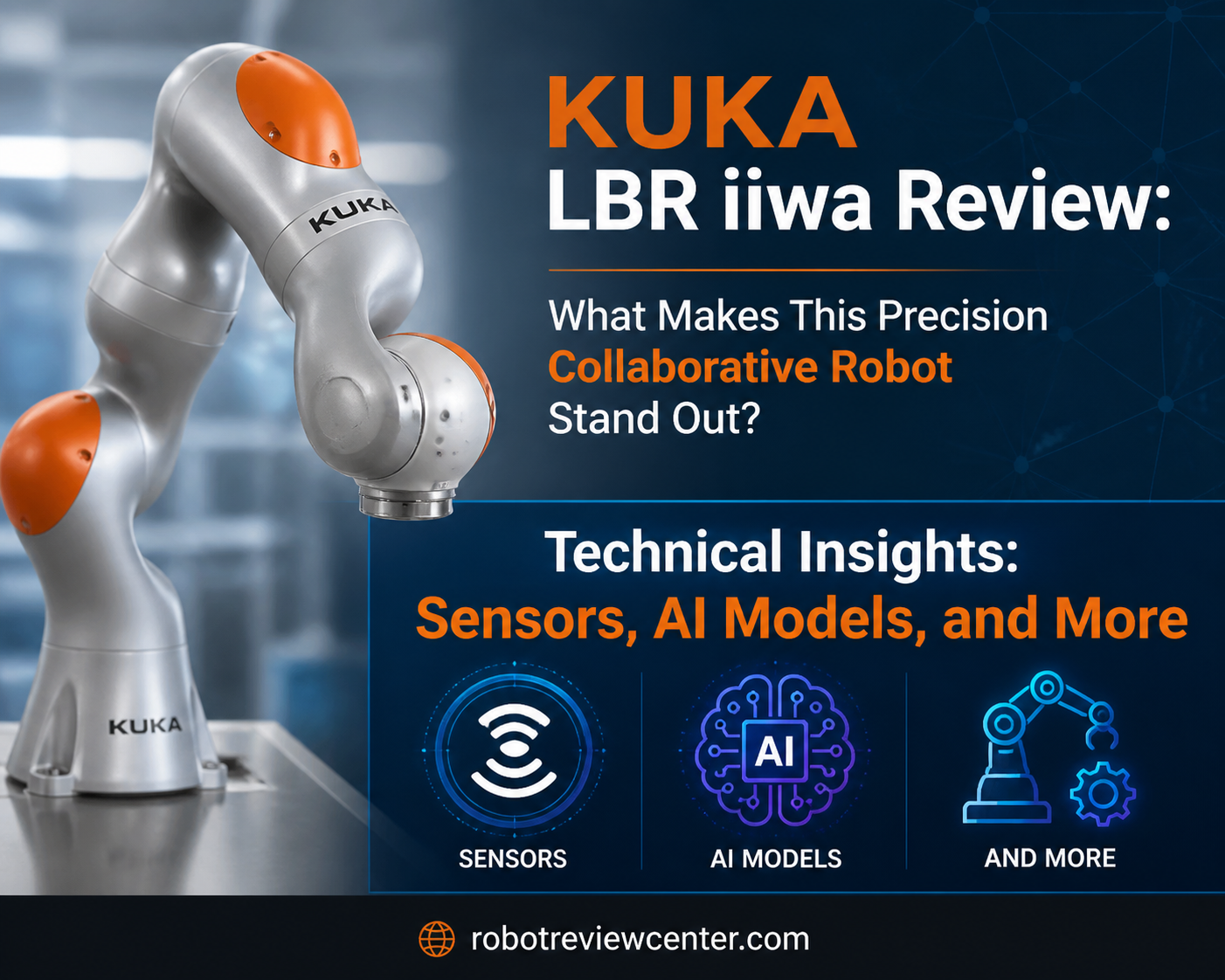
Under the hood of the KUKA LBR iiwa lies a sophisticated suite of sensors and AI capabilities that ensure superior performance in collaborative environments. Its tactile sensors enable it to ‘feel’ its surroundings, adjusting its movements based on real-time feedback. This sensory capability is complemented by cutting-edge AI models that allow the LBR iiwa to learn from each interaction and continually improve its efficiency and precision.
Integrating advanced chips from the likes of NVIDIA, the robot’s real-time processing capabilities are nothing short of impressive. These components allow the robot to make swift decisions, akin to a chess player analyzing several moves ahead in a critical game scenario. It can anticipate and adapt to changes in its environment, making it a robust partner in dynamic settings.
The LBR iiwa’s ability to seamlessly integrate with existing systems using software platforms such as ROS adds another dimension to its flexibility, making it accessible to developers who can customize it to suit specific industrial needs.
Market Analysis: Growth and Economic Impact
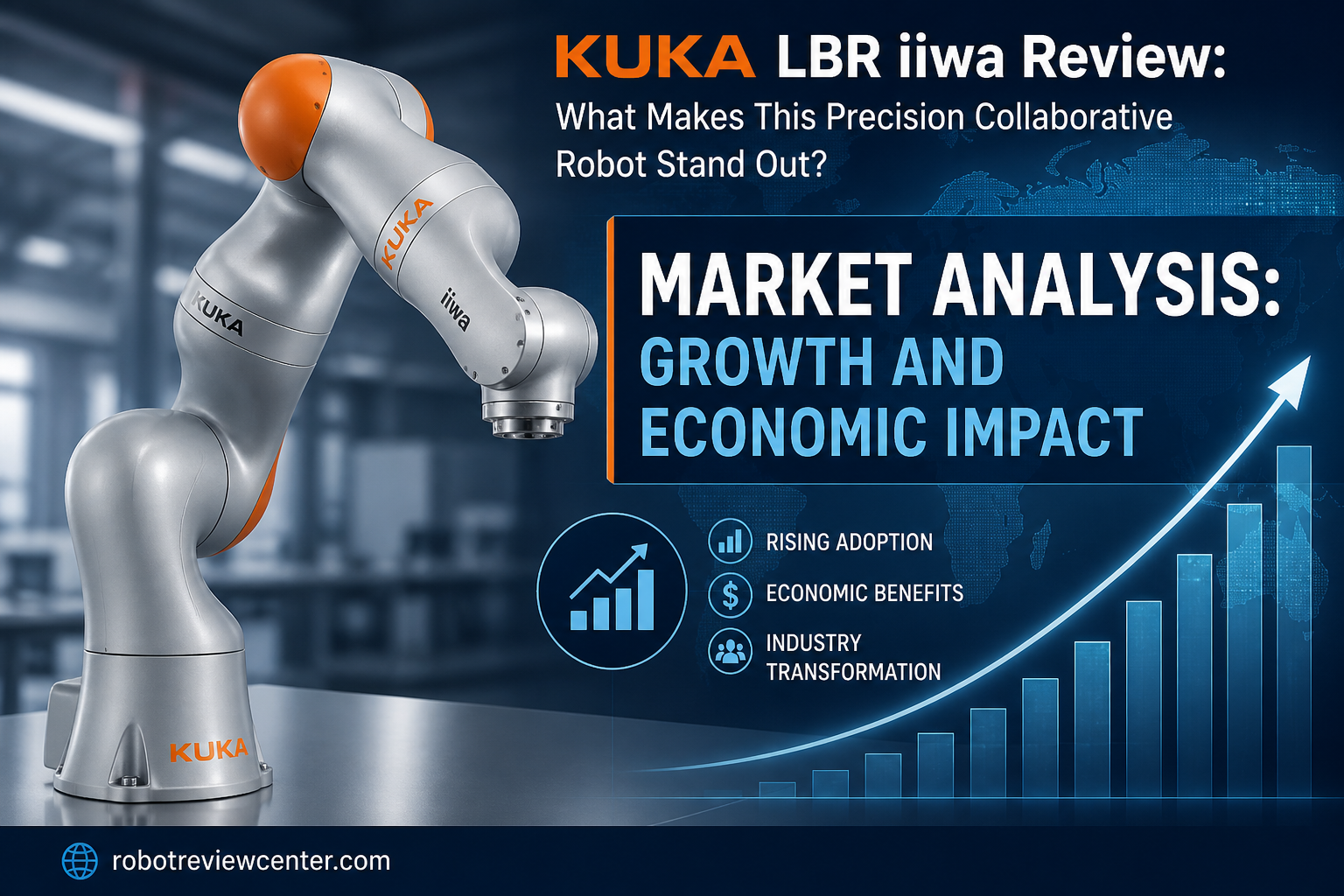
The collaborative robot market has shown considerable growth over the past years, and the KUKA LBR iiwa is at the forefront of this trend. According to a study by MarketsandMarkets, the market for collaborative robots is expected to grow from $1.9 billion in 2020 to $7.6 billion by 2026. This growth is driven by increasing demand for enhanced automation coupled with the ability to work alongside humans safely and efficiently.
As industries focus more on precision, efficiency, and safety, models like the LBR iiwa are becoming preferred choices. Their deployment promises significant cost savings in terms of both reduced labor costs and minimized errors during production, translating into hefty economic benefits.
Separately, KUKA’s commitment to advancing robotic technology aligns well with broader economic growth trends, as companies worldwide recognize the financial advantages of robot-assisted workflows. As automation technology becomes increasingly entrenched in industry strategies, investment in such collaborative robotics is not just a possibility—it’s a necessity.
Challenges and Limitations: The Path Forward
While the KUKA LBR iiwa exemplifies precision and collaborative innovation, it is not without challenges. A significant barrier is the initial cost of investment into such advanced machinery. Although the long-term operational benefits often outweigh the upfront expenditure, smaller businesses may struggle to justify the immediate financial outlay.
Moreover, the adaptability of the LBR iiwa, while impressive, is bounded by current technological constraints. In environments where operations change frequently or require a range of unprogrammed tasks, human intervention is still required—not just for programming but for supervision and troubleshooting.
Furthermore, as with all advanced machinery, scalability across numerous industries depends not only on technological readiness but on aligning with industry-specific regulations and safety standards—a process often encumbered by red tape.
Future Predictions: Imagining the Next Steps
Looking ahead to the next 3 to 5 years, advances in AI and machine learning are expected to further enhance the capabilities of collaborative robots like the KUKA LBR iiwa. The convergence of AI algorithms with robotics is projected to expand the tasks these robots can autonomously perform, reducing the need for manual oversight drastically.
Consider the potential legend of an autonomous manufacturing facility powered by a network of KUKA LBR iiwas—each capable of complex decision-making and task optimization. Such a setup could result in unprecedented productivity gains, redefining manufacturing efficiency standards.
In healthcare, the expansion of AI-driven diagnostics will likely increase the demand for robotic assistants that can perform routine checks, allowing doctors to focus more on direct patient care. Such collaborative efforts between human and robot have the potential to revolutionize patient outcomes.
Strategic Insights for Businesses and Developers
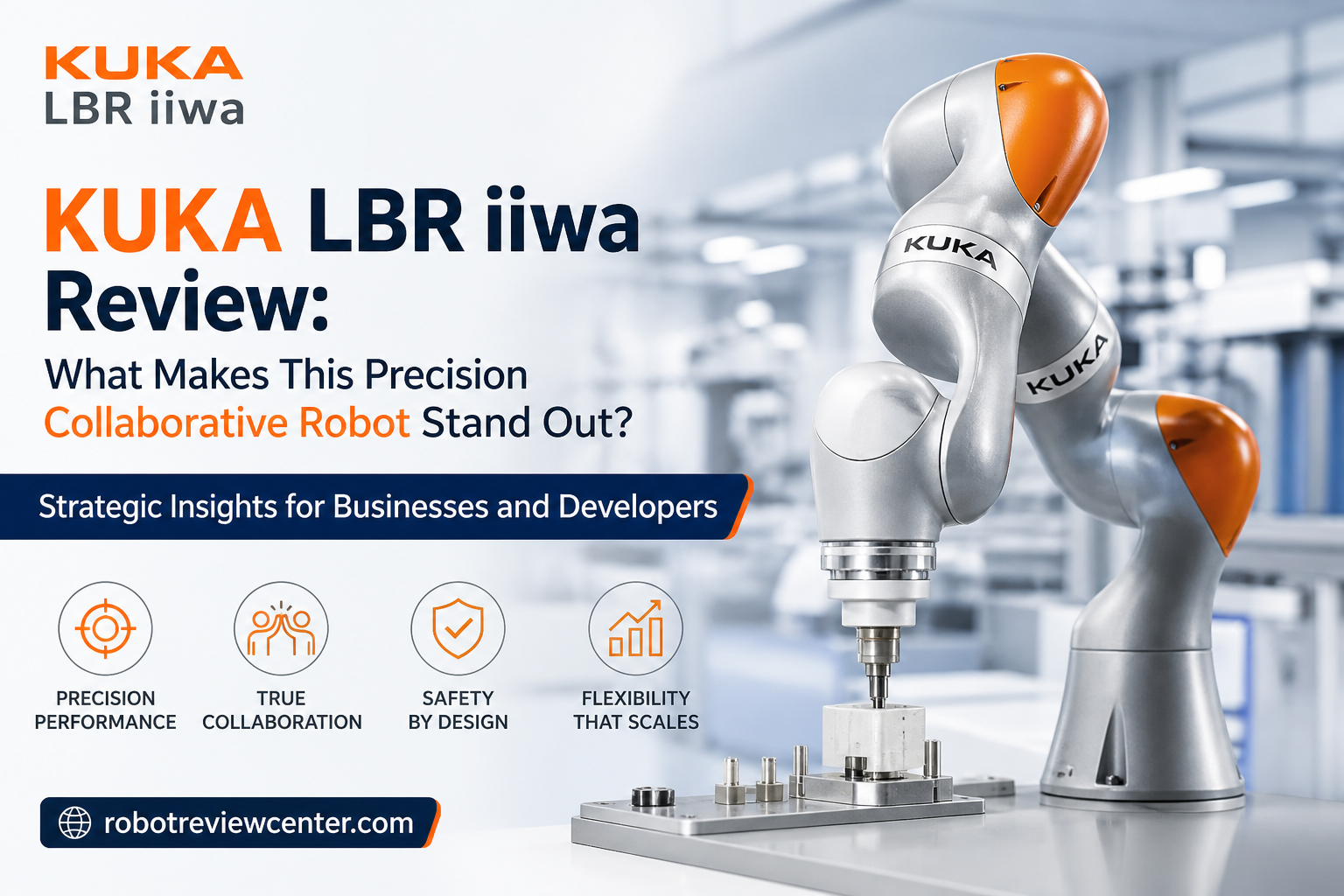
Businesses aiming to leverage the KUKA LBR iiwa must equip themselves with a robust strategy for integration, taking into account the unique dynamics of their work environments. This includes training employees to work alongside these robots, aligning robot capabilities with company objectives, and ensuring ongoing maintenance and updates.
For developers, the opportunity to write custom applications utilizing the iiwa’s open architecture promises innovations tailored to niche industry needs. An exciting avenue lies in developing AI algorithms that focus on enhancing robot-human interaction, where robots can learn and adapt to the nuances of human behavior.
Ultimately, the successful deployment of the KUKA LBR iiwa will depend on understanding both the capacity of the technology and the capability of the workforce to adapt and interact with this next-generation tool effectively.
What Should We Really Pay Attention To?
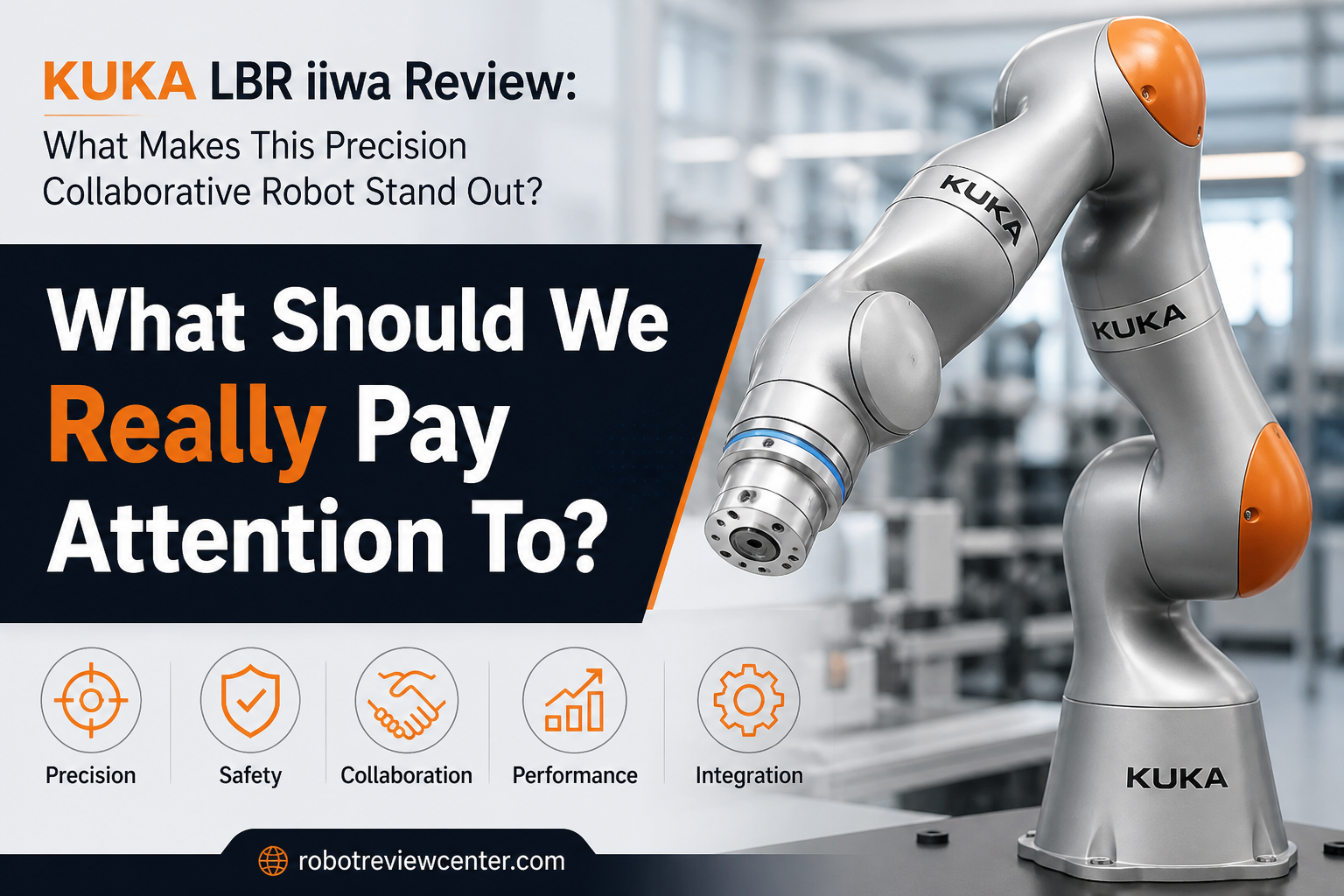
In the world of robotics, the KUKA LBR iiwa represents a fascinating amalgamation of engineering prowess and collaborative potential. However, readers should remain astute to actual versus potential capability. It’s easy to get caught up in the excitement, but true value lies in effective, evidence-based integration into workspaces.
An eye should also be kept on continued development and market shifts, as newer models or enhancements to existing robots emerge. These shifts have the potential to not only alter industry paradigms but also reshape economic landscapes through varied applications.
Ultimately, the greatest question remains: How will humanity redefine the human-robot partnership as advancements continue? The KUKA LBR iiwa is not just a step forward in robotics—it’s a glimpse into how collaboration will shape the industry of tomorrow, compelling us to reconsider the limits of what robots can do and what barriers humans and robots might overcome together.
Thomas Huynh – Admin of RobotReviewCenter.com