
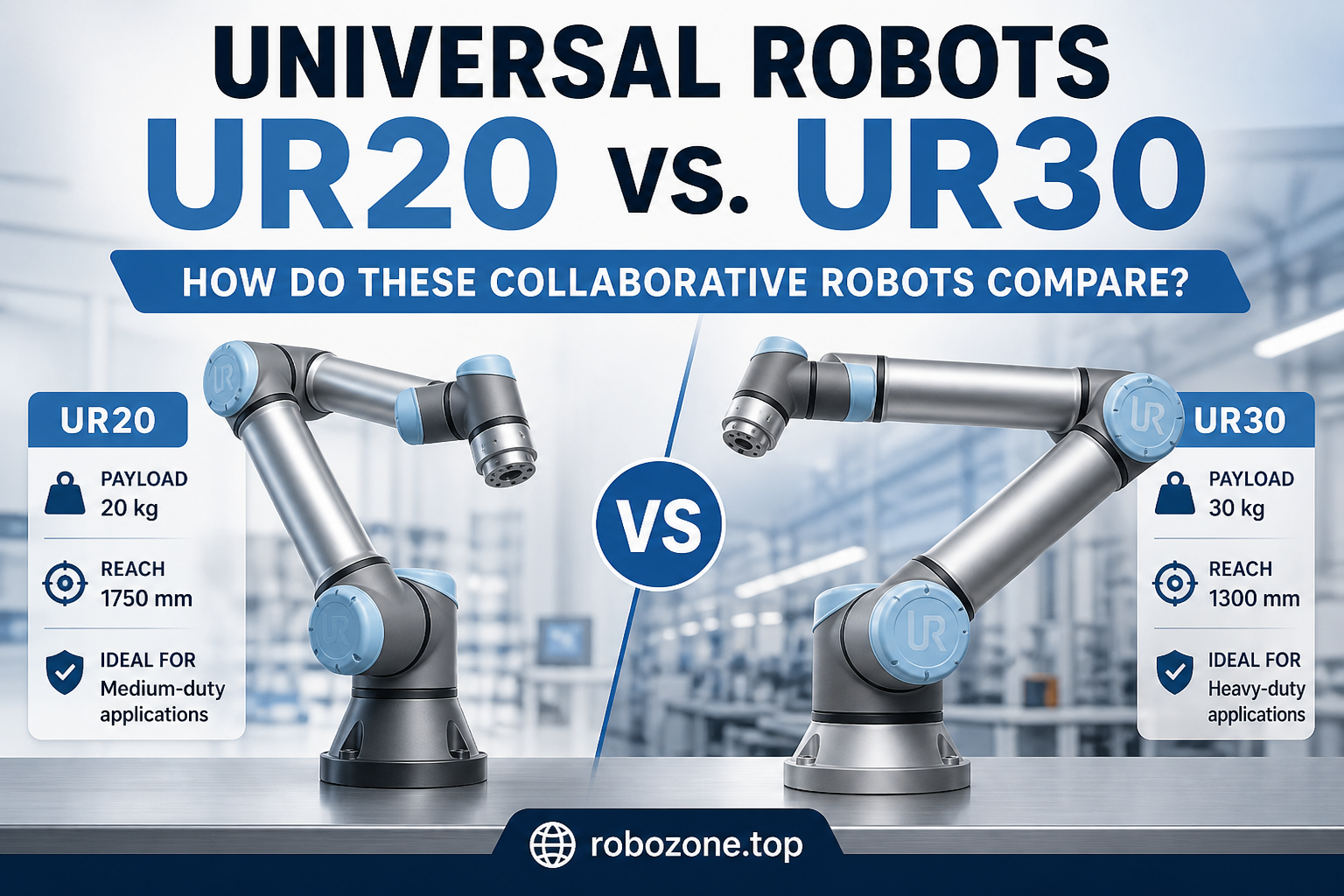
The advent of collaborative robots, or cobots as they are affectionately known in tech circles, has marked a significant leap forward in industrial automation. Universal Robots, a pioneer in this sphere, has been at the forefront of developing machines that work hand-in-hand with humans. It’s a landscape where the UR20 and UR30 stand out, often headlining conversations about the future of robotics in industrial applications. But what truly sets these two apart, and how do they measure up against each other? In this article, we delve into the intricate world of these cobots, dissecting their capabilities, real-world applications, and the broader impact they hold for industries worldwide.
Understanding the Essence of Collaborative Robotics
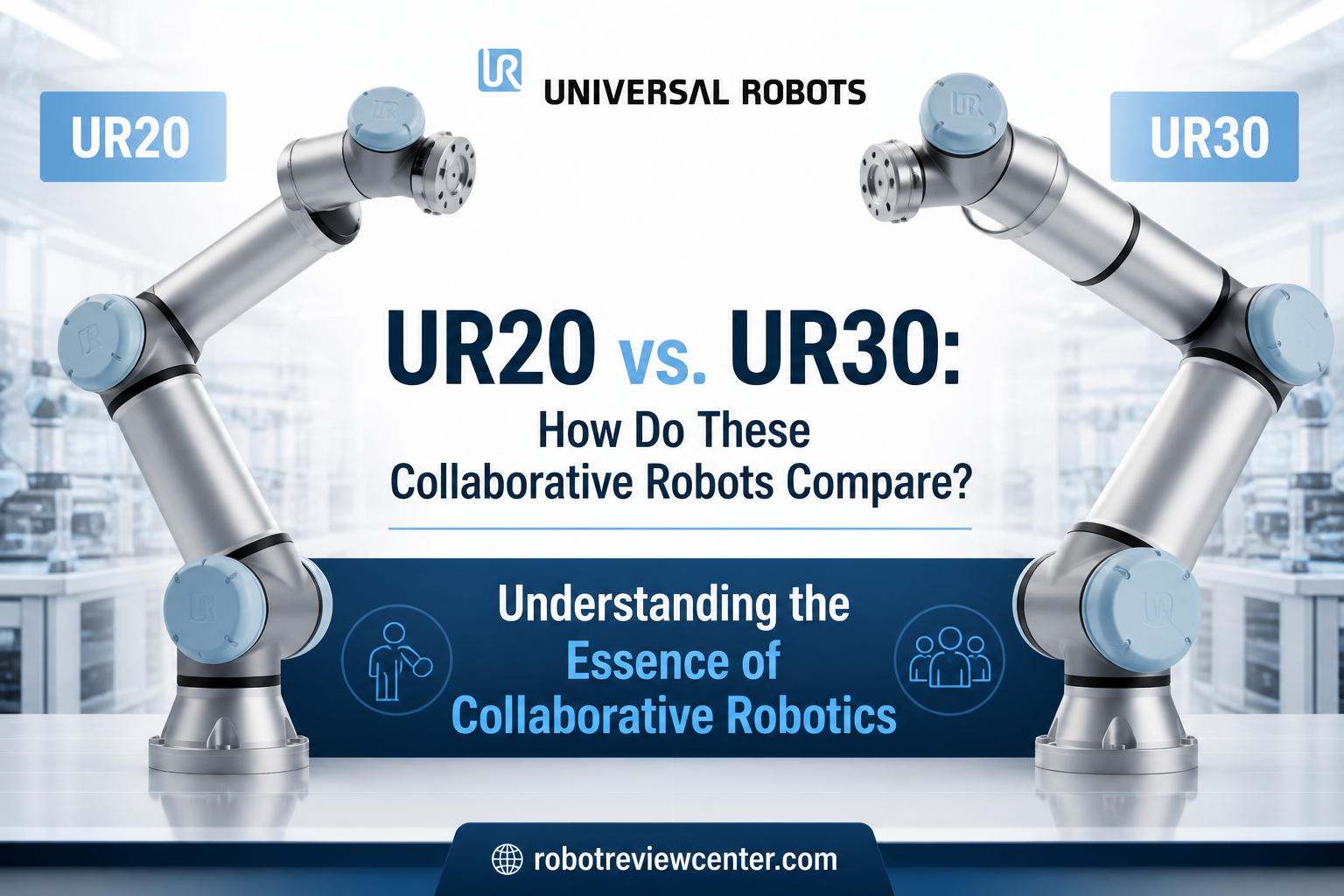
Collaborative robots are designed to safely and efficiently work alongside humans. In stark contrast to their industrial forebears, which were typically fenced off for safety reasons, these cobots embody the ethos of cooperation. The UR20 and UR30 are prime examples of such synergy, boasting user-friendly interfaces, easy programmability, and adaptability in various environments. But more than just technical feats, they are cultural symbols of where automation is heading—towards integration rather than isolation.
Real-World Applications Across Industries
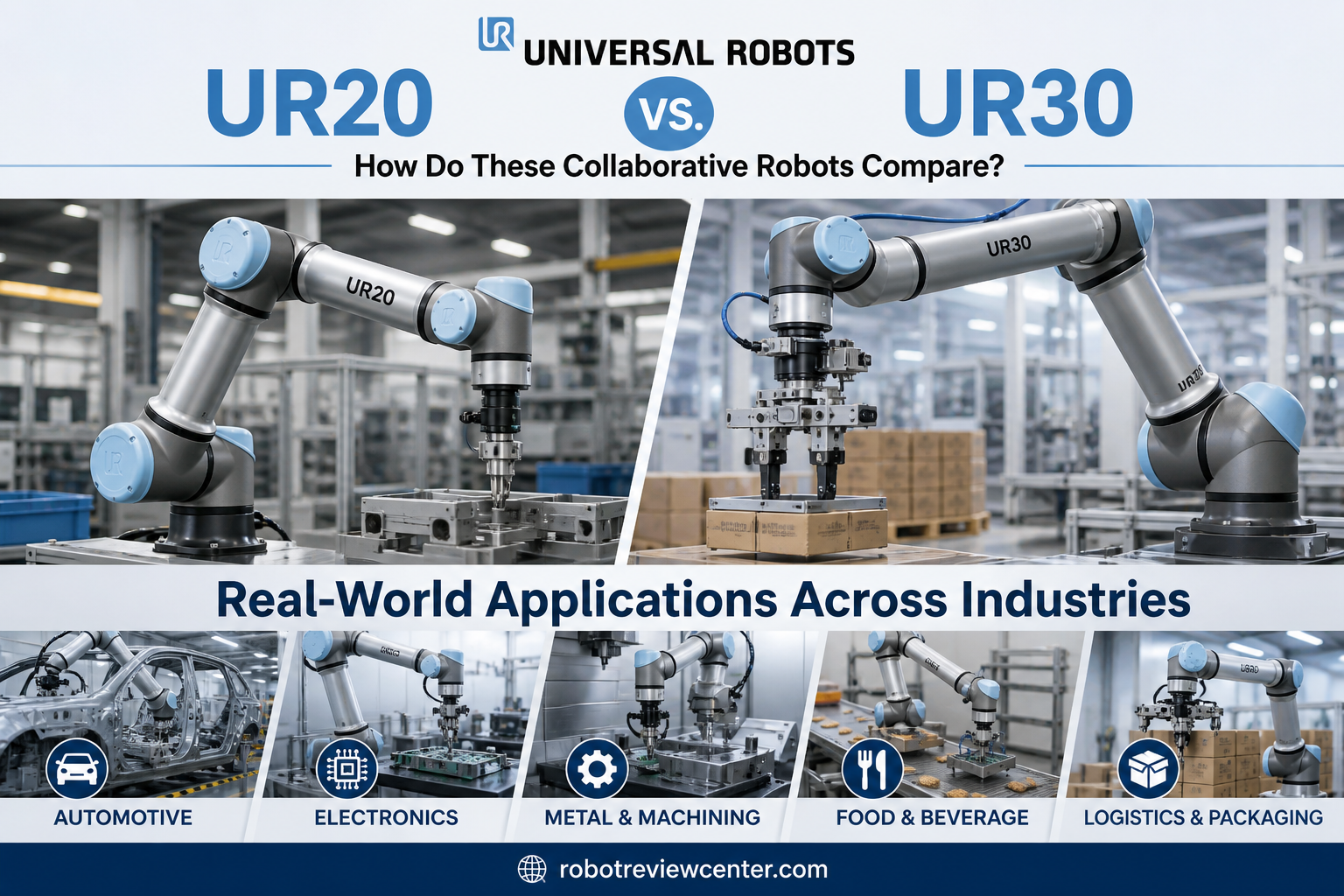
Throughout sectors ranging from manufacturing to healthcare, the UR20 and UR30 have found a place, not as replacements for human workers, but as multipliers of their productivity. In factories, they handle mundane tasks which free humans to focus on more intricate works. In electronics, they assemble complex components with precision that only advanced AI-driven machinery could achieve. Likewise, within the intricate world of healthcare, their precision and reliability make them invaluable for tasks requiring consistent accuracy—essentially acting as an invisible helping hand.
Technical Insights: What Makes the UR20 and UR30 Tick
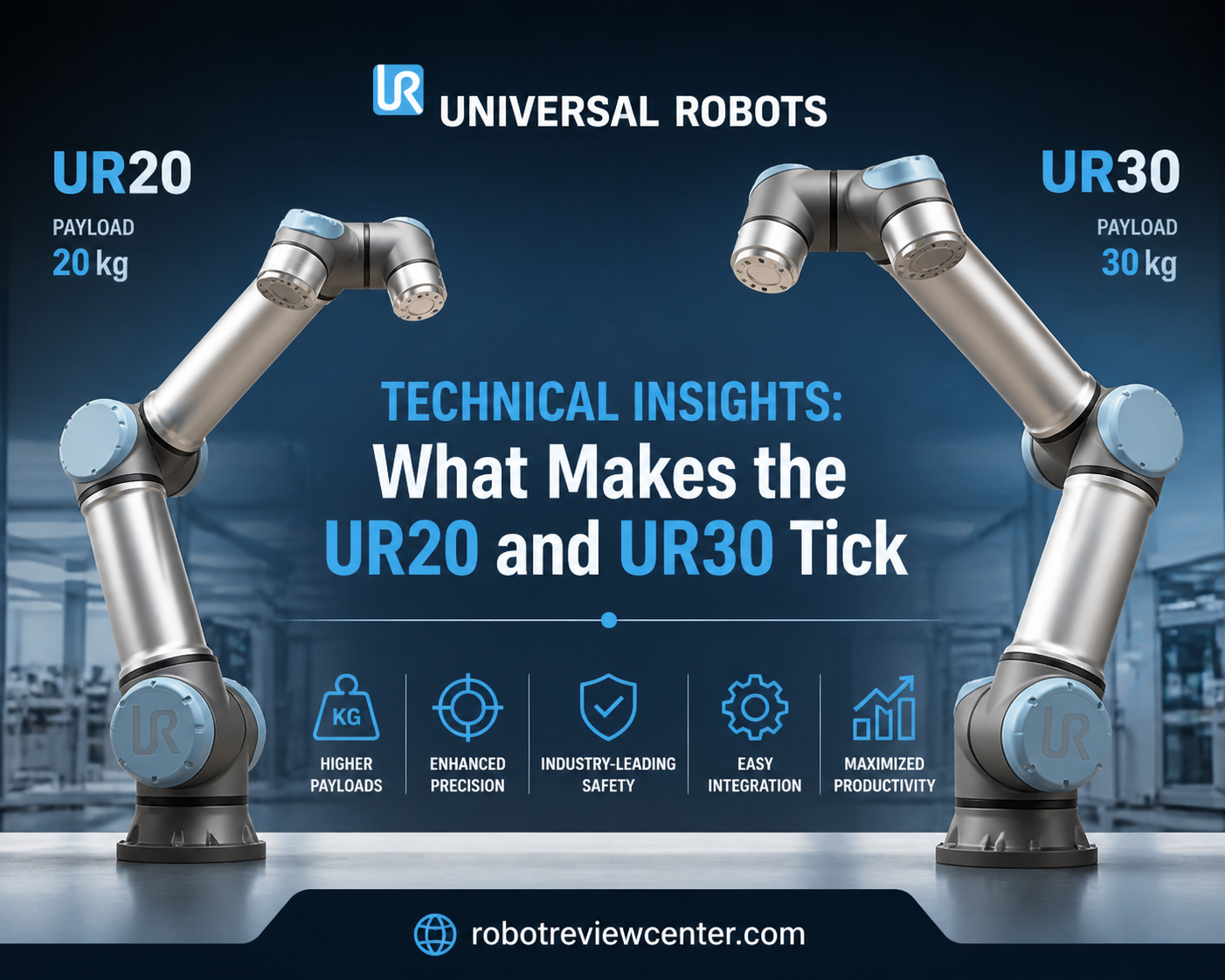
Technologically speaking, the difference between UR20 and UR30 is substantial when dissecting their technical specifications. They are built around cutting-edge robotics systems incorporating advanced AI models. Their sensors, potentially featuring NVIDIA technology, offer real-time adaptability and spatial awareness—critical for any cobot operating safely alongside humans. This aspect, the use of high-definition imaging sensors, empowers the UR30 to tackle even the most complex tasks with unparalleled precision. Both models exemplify the power of smart AI-integrated sensor systems driving a seamless human-cobot interface.
Market Analysis: Impact and Growth Projections
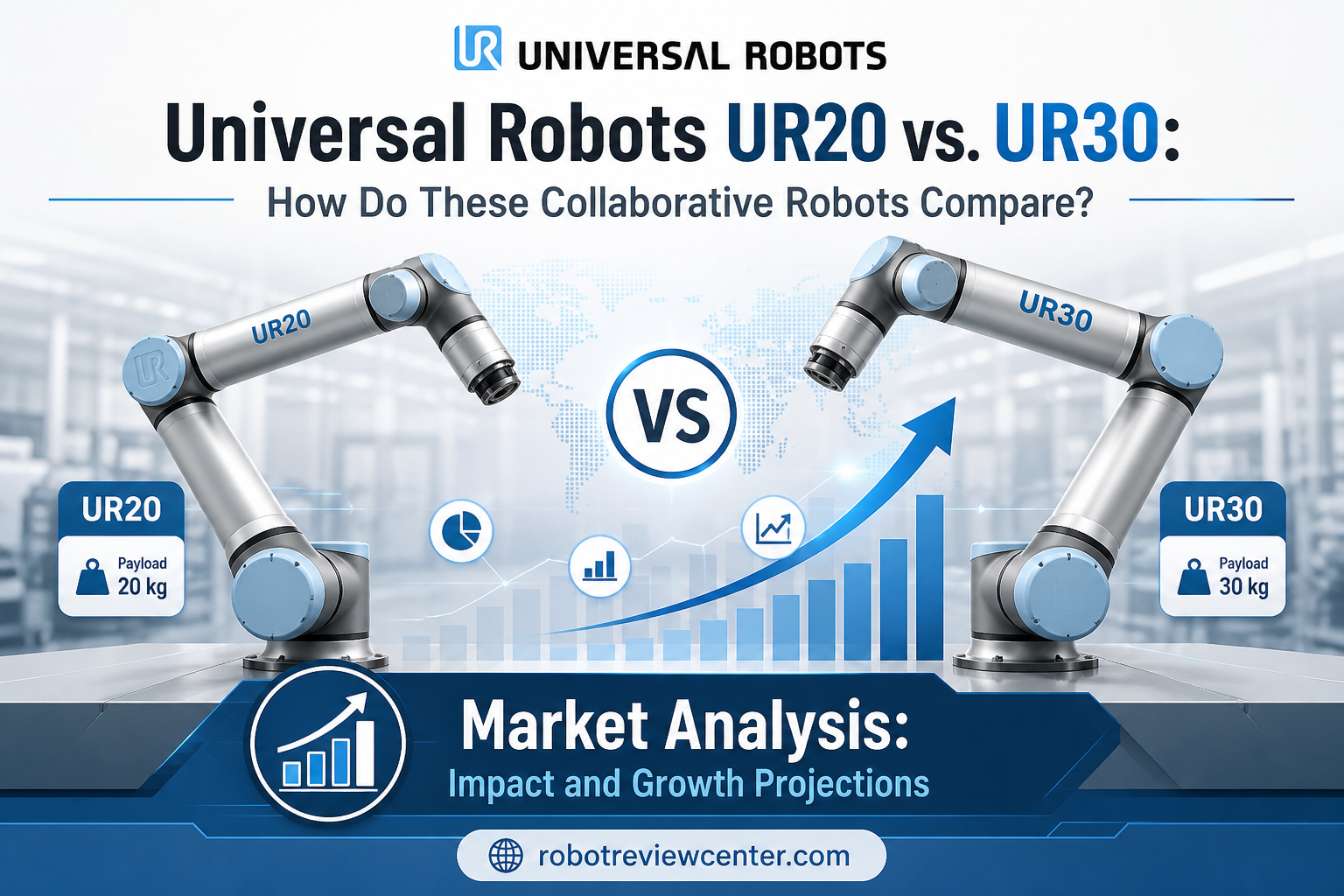
The market for collaborative robots has witnessed exponential growth, driven by industries’ need to enhance efficiency and cut costs. As industries scramble to automate and adapt, investments in cobot technology have skyrocketed. According to data from MarketsandMarkets, the collaborative robot market is expected to reach $12 billion by 2026, up from $1.2 billion in 2021. This dynamic shift is propelled by technologies like the UR20 and UR30. They lead their peers in facilitating this rise in market consumption, thus crafting an economic landscape that’s both fiercely competitive and ripe with potential.
Challenges and Limitations: The Roadblocks Ahead
Despite the incredible advances epitomized by the UR20 and UR30, challenges remain. Safety, for one, is a continual pursuit, as even the most sophisticated systems must ensure blameless interaction within dynamic environments. Furthermore, integration into existing infrastructure is not without its headaches. Companies frequently confront hurdles involving compatibility and the capital investment needed to overhaul their systems. Even so, with diligent development and an innovative approach, these limitations are slowly being surmounted.
Future Predictions: Navigating the Next Frontier
Looking forward, the landscape of cobots like the UR20 and UR30 suggests growing prevalence and complexity in tasks they’ll undertake. Within the next five years, expect to see them equipped with even more advanced AI models, honing their decision-making and learning capabilities. These robots will continue to blur the lines between human-robot interactions, a prospect that companies like Universal Robots are well-equipped to navigate. These tech-forward visions highlight a long-term horizon where cobots not only optimize but innovate the workplace dynamics themselves.
Strategic Insights for Business and Technological Evolution
For businesses and developers engaging with collaborative robots, preparation and strategy are indispensable. Companies must equip their personnel with skills complementary to AI-driven cobots, fostering collaboration rather than competition. This alignment will undoubtedly drive productivity and innovation. The strategic implementation of UR20 and UR30 should also consider phases of learning, testing, and eventual scaling to fully realize the cobots’ benefits. With technology spearheading industry transformations, the stakes for early adopters are high but mightily rewarding when managed astutely.
So, what comes next in the saga of the UR20 and UR30 cobots may not only redefine productivity but challenge the very essence of workplace dynamics. As cobots evolve and AI technology integrates deeper into everyday operations, the future is being shaped where the extraordinary becomes the realm of the expected, where humans and robots collaborate seamlessly. In adhering to the ethical and pragmatic evolution of these technologies, industries have much to gain. Perhaps the most pressing question isn’t how these robots will change the workplace but rather how swiftly industries can adapt to leverage their full potential.