
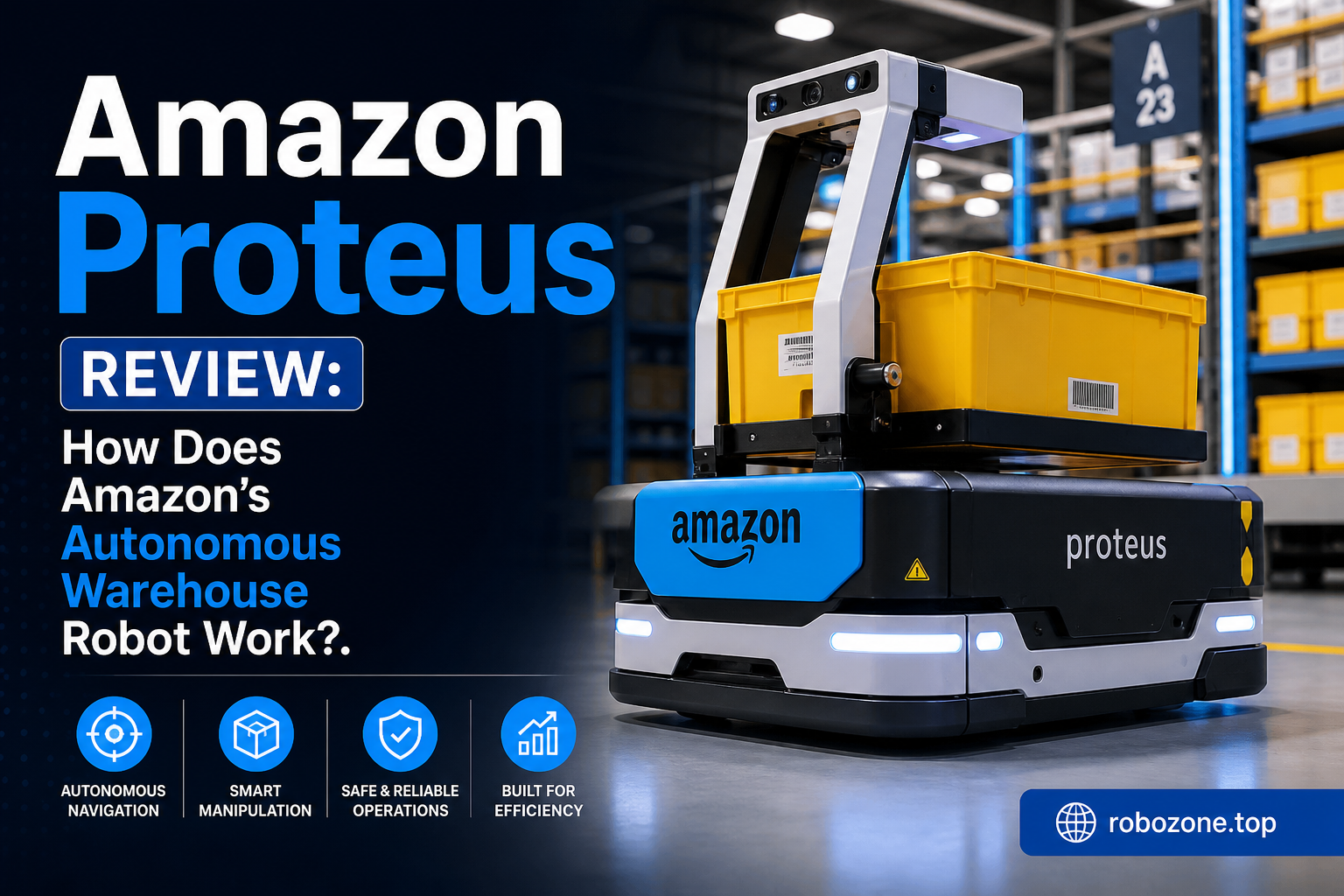
The modern warehouse landscape is undergoing a seismic transformation thanks to the innovative strides in autonomous robotics. Leading the charge is Amazon’s Proteus robot, touted as a game-changer in logistical automation. But what makes this robot tick? How does it navigate the bustling environments of Amazon’s fulfillment centers? Today, join me, Thomas Huynh of RobotReviewCenter.com, as we dive into the inner workings and real-world implications of the Amazon Proteus robot.
What is the Amazon Proteus Robot?
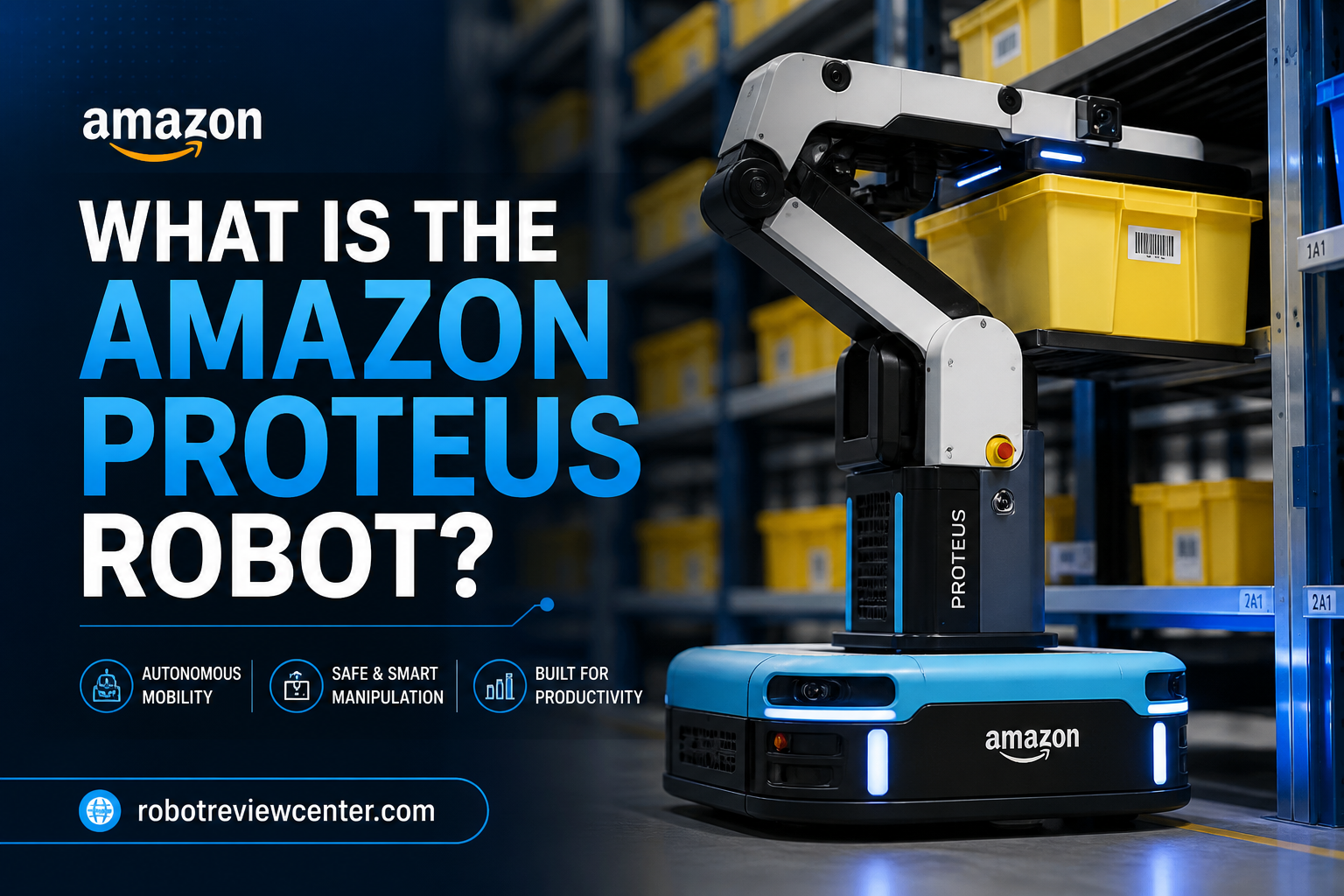
The Amazon Proteus is a fully autonomous warehouse robot designed to revolutionize how inventory is managed within Amazon’s extensive network of fulfillment centers. Over the past few years, this robot has garnered significant attention for its unique ability to navigate around humans and other obstacles without the need for traditional safety barriers, a feature not commonly found in earlier autonomous robots. This capability is grounded in a combination of advanced sensor technology and sophisticated artificial intelligence. By independently transporting packages and pallets across different levels of crowded warehouses, the Proteus aims to enhance efficiency and reduce reliance on human workers for mundane tasks.
Amazon first unveiled Proteus as part of its broader vision to automate and streamline its logistics operations. Unlike other robots that are confined to certain areas, Proteus is designed with flexibility and versatility in mind. Thanks to its cutting-edge technology, this robot integrates seamlessly into existing operations, paving the way for a more dynamic and human-friendly automated system.
The Technology Powering the Proteus
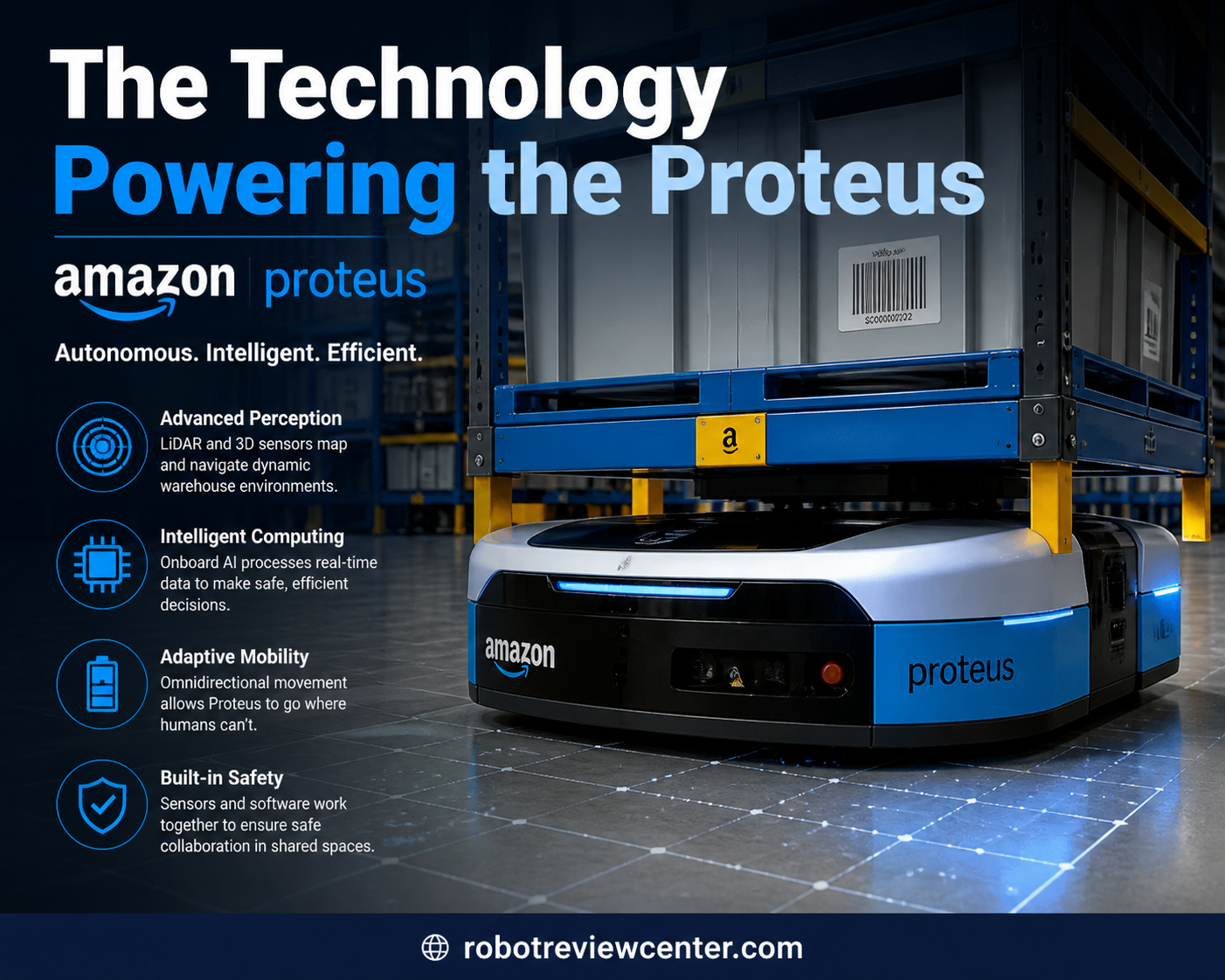
At the core of Proteus’s performance is a robust suite of sensors and AI-driven components. The robot employs LiDAR technology, allowing it to ‘see’ its surroundings in real-time and make split-second decisions. LiDAR, or Light Detection and Ranging, is essential for spatial mapping and navigation, providing a 360-degree field of vision to detect obstacles and ensure a smooth path forward. Additionally, Proteus is equipped with a series of depth cameras and ultrasonic sensors, allowing it to fine-tune its movements and interact effortlessly with varied layout changes within the warehouse.
Crucial to its intelligence is a proprietary AI system developed in-house by Amazon. The robot’s AI engine processes vast streams of sensor data to predict and plan its next moves. This capability is comparable to a human’s ability to anticipate changes in a crowded space and adjust their path accordingly. Moreover, just as one might expect from a platform driven by Amazon, interactions with other devices and systems are facilitated through a cloud-based integration, ensuring that Proteus remains up-to-date with the most recent performance enhancements and safety protocols.
Real-World Applications and Comparative Analysis
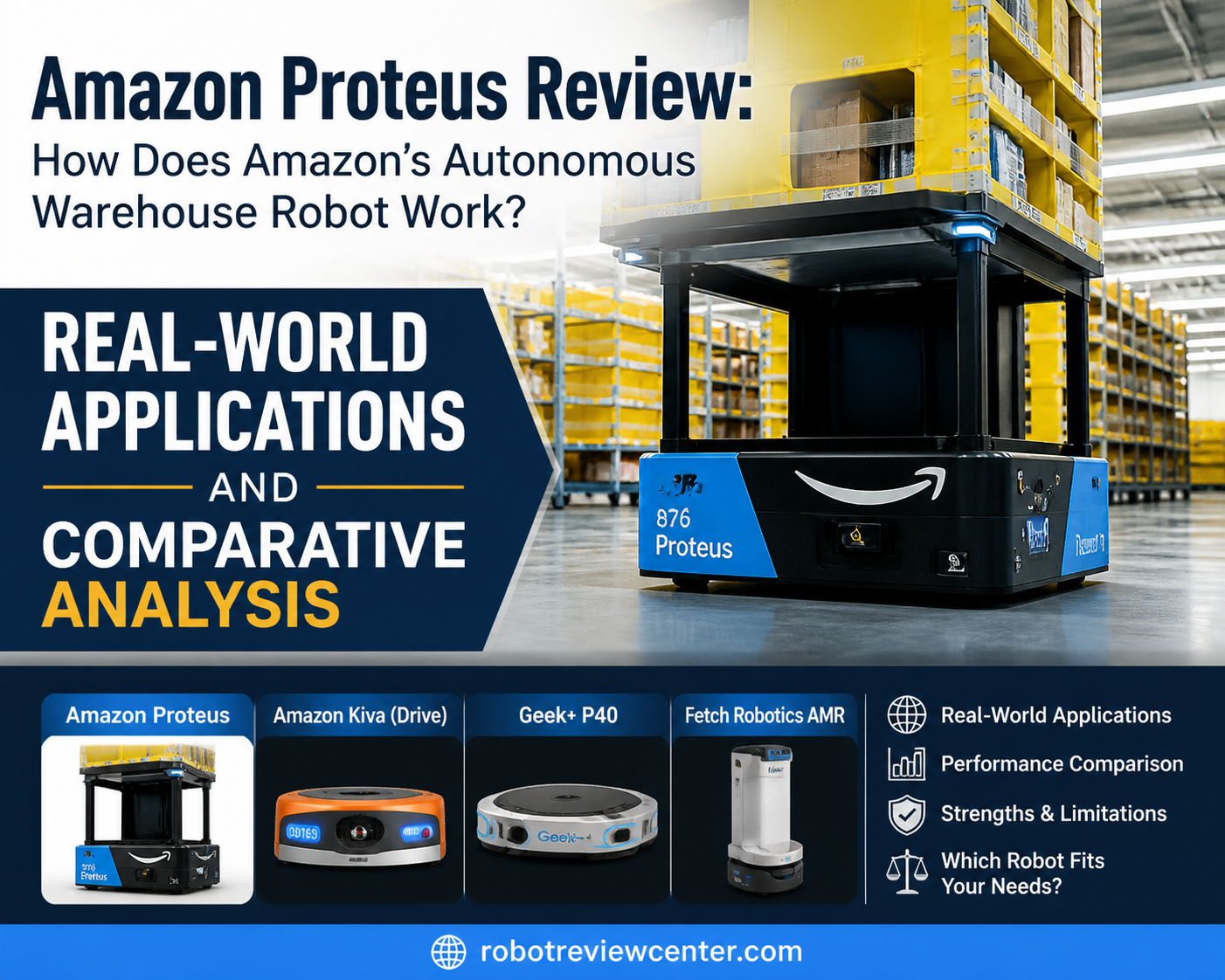
The Proteus robot finds itself at home in various environments that require flexible, autonomous operation. Predominately seen in Amazon’s distribution and fulfillment centers, this robot drastically reduces the time it takes to transport goods from one point to another. Its autonomous nature allows it to operate around the clock without the need for human intervention, save for routine maintenance and oversight.
When comparing Proteus to similar robots, such as those developed by Boston Dynamics or Fetch Robotics, it stands out due to its innate ability to interact safely in mixed environments with human workers present. In contrast, other robots used in logistics and warehouse settings often operate behind closed barriers to prevent accidental human encounters. Thomas Huynh notes that this adaptation by Proteus could potentially set a precedent for future mobile robots, heralding a new era of collaborative robotics.
Interestingly, this robot also forms a crucial part in sectors such as manufacturing, where precision and continuity of operations are paramount. While the core capabilities remain similar, the ability to integrate with existing digital inventories and manage new challenges in real time gives Amazon a formidable tool in its logistical arsenal.
A Glimpse into the Future
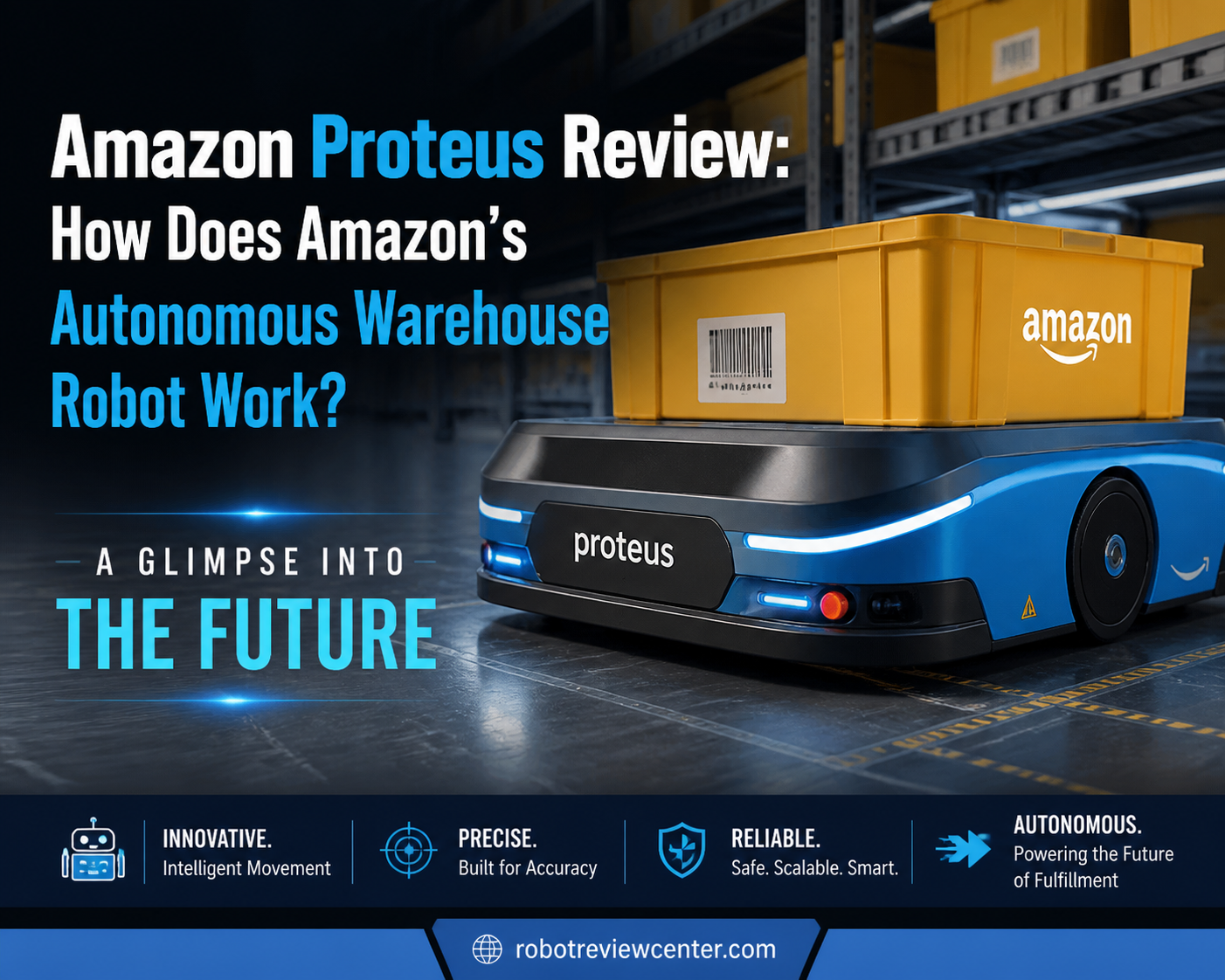
Looking ahead, the future of robotic automation in warehousing seems brighter than ever. Analysts project that by 2030, a significant portion of warehouse operations will be entirely automated, with robots like Proteus leading the charge. Not only will such advancements create efficiencies, but they will also ensure safety and scalability in logistics processes. Companies that fail to integrate autonomous solutions could very well be left behind as lean, adaptive operations become the industry standard.
Amazon, with its in-depth research and vast resources, is uniquely positioned to lead this advancement. By possibly extending the capabilities of Proteus beyond logistics – perhaps into other sectors such as healthcare or sophisticated manufacturing – they could set new industry benchmarks. What we see today could very well be just the tip of the iceberg, as the synergy between robotics and AI continues to evolve.
It’s fascinating to consider what the integration of machine learning and improved sensor arrays could yield for next-generation iterations of Proteus. Higher efficiency, greater adaptability, and an increased array of functionalities are on the horizon. This strategic foresight ensures that Amazon, like Proteus, is constantly moving forward and adapting to the world’s ever-changing logistics landscape.
So where does this leave us?
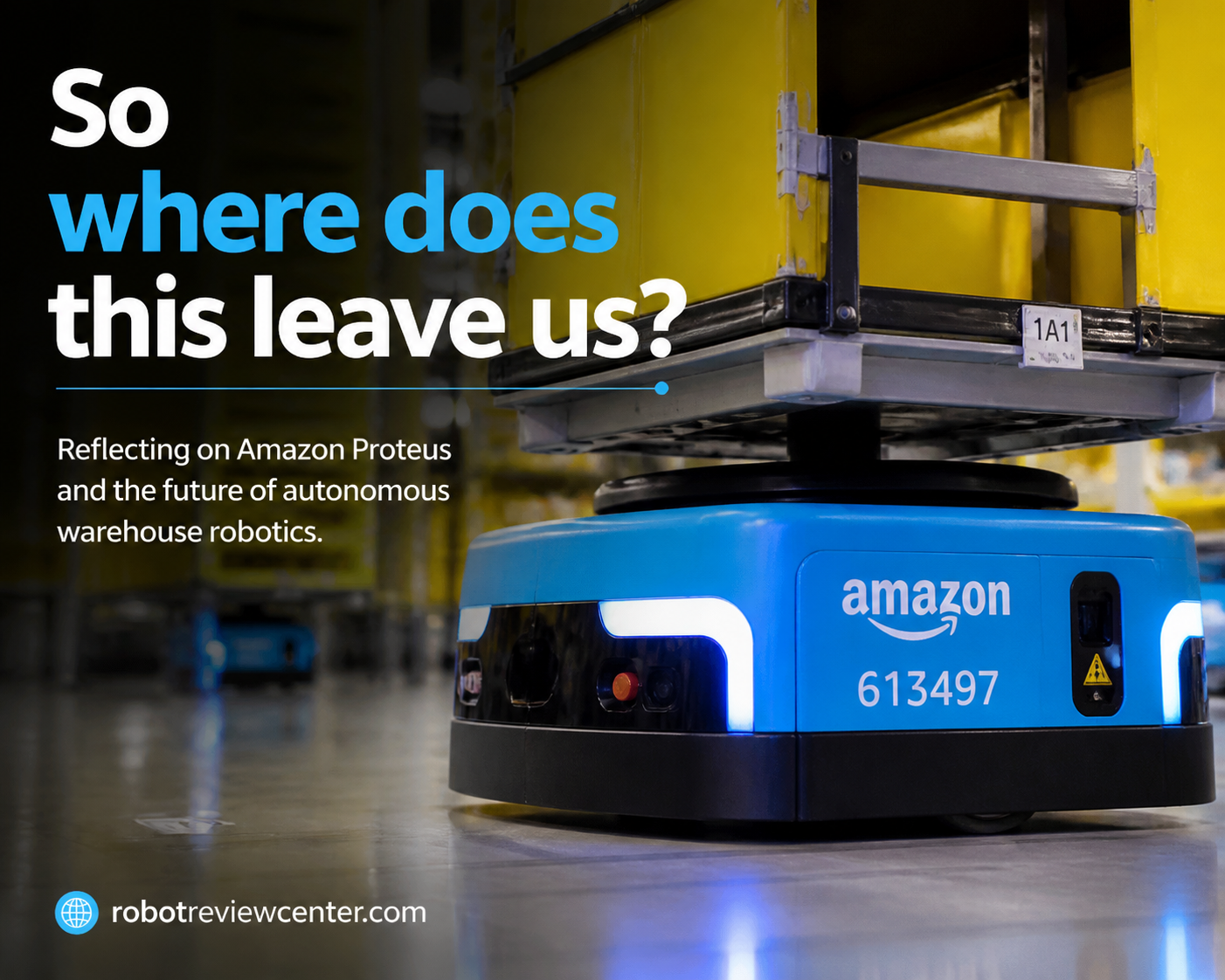
While Proteus in its current form already showcases remarkable feats in automation, the path forward is just as exciting. Stakeholders within and outside Amazon should pay close attention to emerging trends in AI applications and robotics innovation. The implications of Proteus extend far beyond the corporation’s own operations; they serve as a blueprint for how automation can redefine industry standards across the globe.
In this light, businesses contemplating robotic integration need to invest in technological adaptability and forward-thinking strategies to thrive in an increasingly competitive market. The world of logistics is undergoing a renaissance, and with robots like Proteus setting the stage, we’re witnessing the dawn of an era where speed, efficiency, and innovation are the defining pillars.
As we continue to explore and understand these dynamics, I, Thomas Huynh, will remain committed to bringing you the nuanced insights and left-field perspectives that will help you navigate this key transition in automation.
Thomas Huynh – Admin of RobotReviewCenter.com