
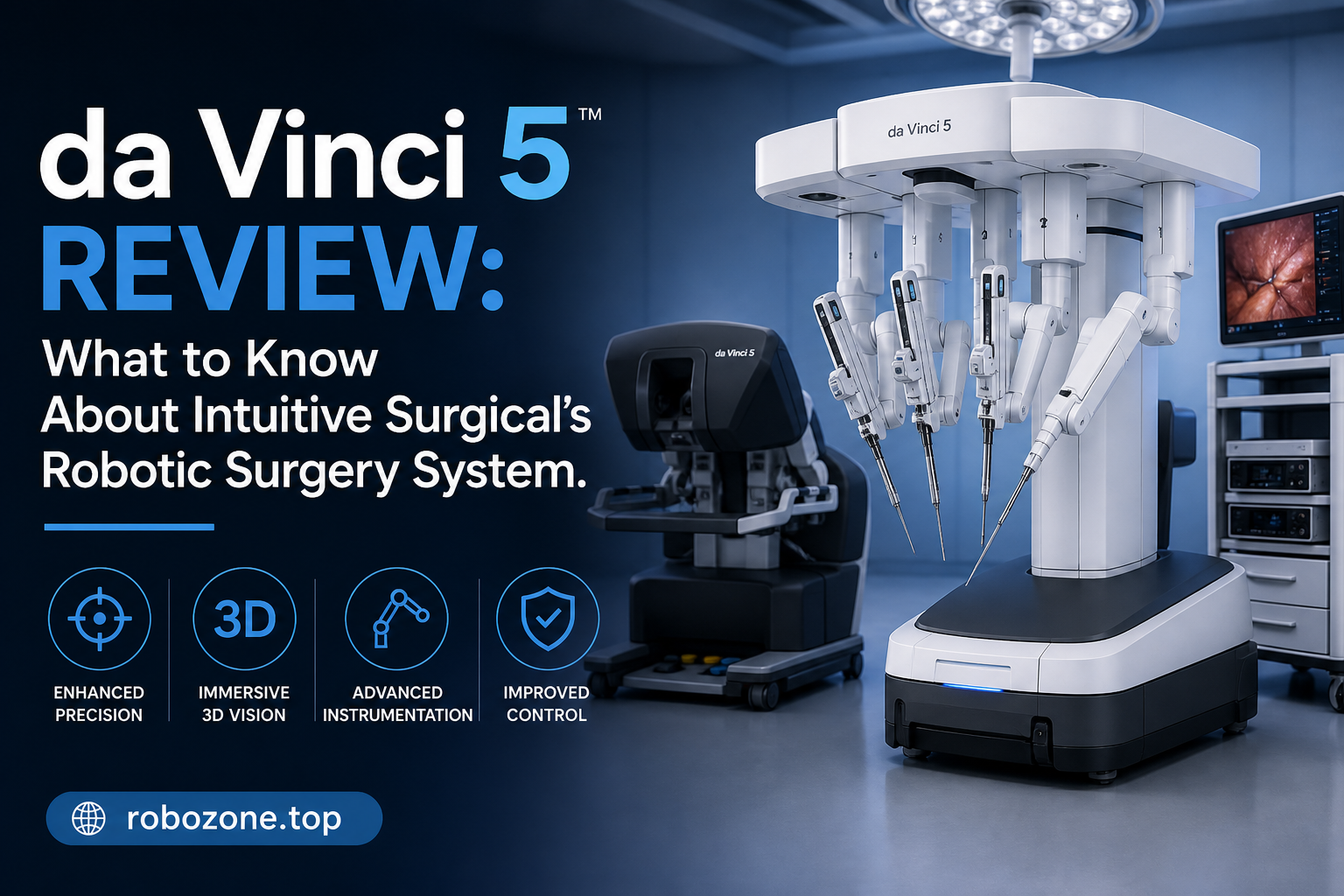
In the rapidly evolving world of medical technology, where surgical precision meets digital prowess, the da Vinci 5 by Intuitive Surgical represents a formidable blend of engineering and healthcare. As the latest in their series of robotic surgery systems, the da Vinci 5 has ushered in new possibilities for surgeons across the globe, promising to reshape the surgical landscape. Today, we dive deep into understanding how this technological marvel operates, what sets it apart, and where it stands in the broader context of robotics. By examining its technical architecture, real-world applications, and market dynamics, we aim to provide a comprehensive look at what makes the da Vinci 5 an extraordinary leap forward in robot-assisted surgery.
Understanding the da Vinci 5: The Mechanics Behind the Magic
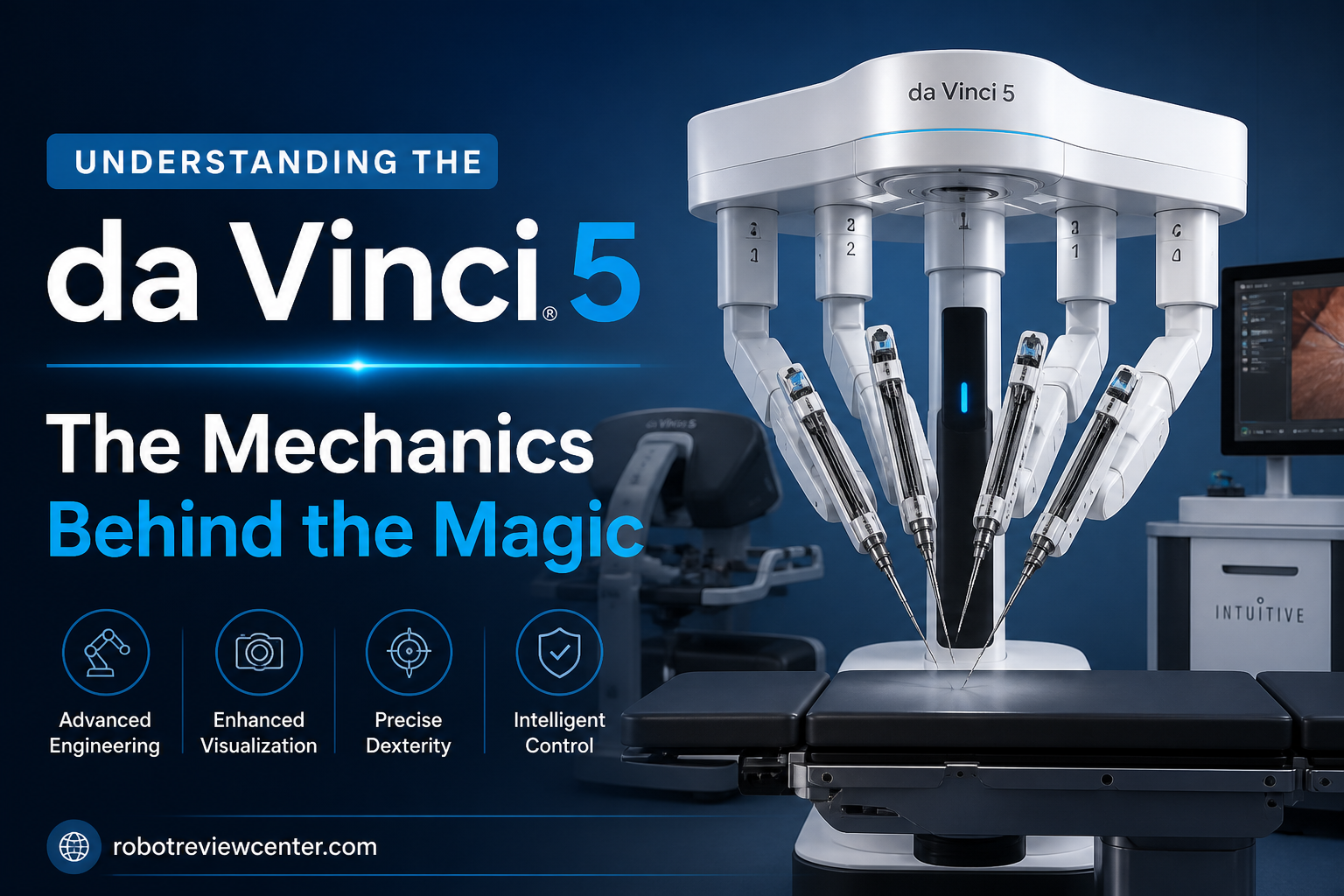
The da Vinci 5, a product of engineering brilliance, is not merely a robot; it is a highly sophisticated robotic system designed to provide surgeons with enhanced capabilities and precision control. The heart of this system includes articulated robotic arms operated remotely by a surgeon seated at a console. Using this console, the surgeon can maneuver the arms with greater dexterity than traditional methods allow. This system is equipped with a high-definition 3D camera, giving surgeons a magnified and immersive view of the surgical field. What sets the da Vinci 5 apart is its combination of surgical precision with intuitive human control, allowing surgeons to operate with meticulous accuracy. Thomas Huynh, Admin of RobotReviewCenter.com, describes the interface as being akin to playing a sophisticated video game, but one where the stakes involve human lives.
Expanding Horizons: Real-World Applications and Industries
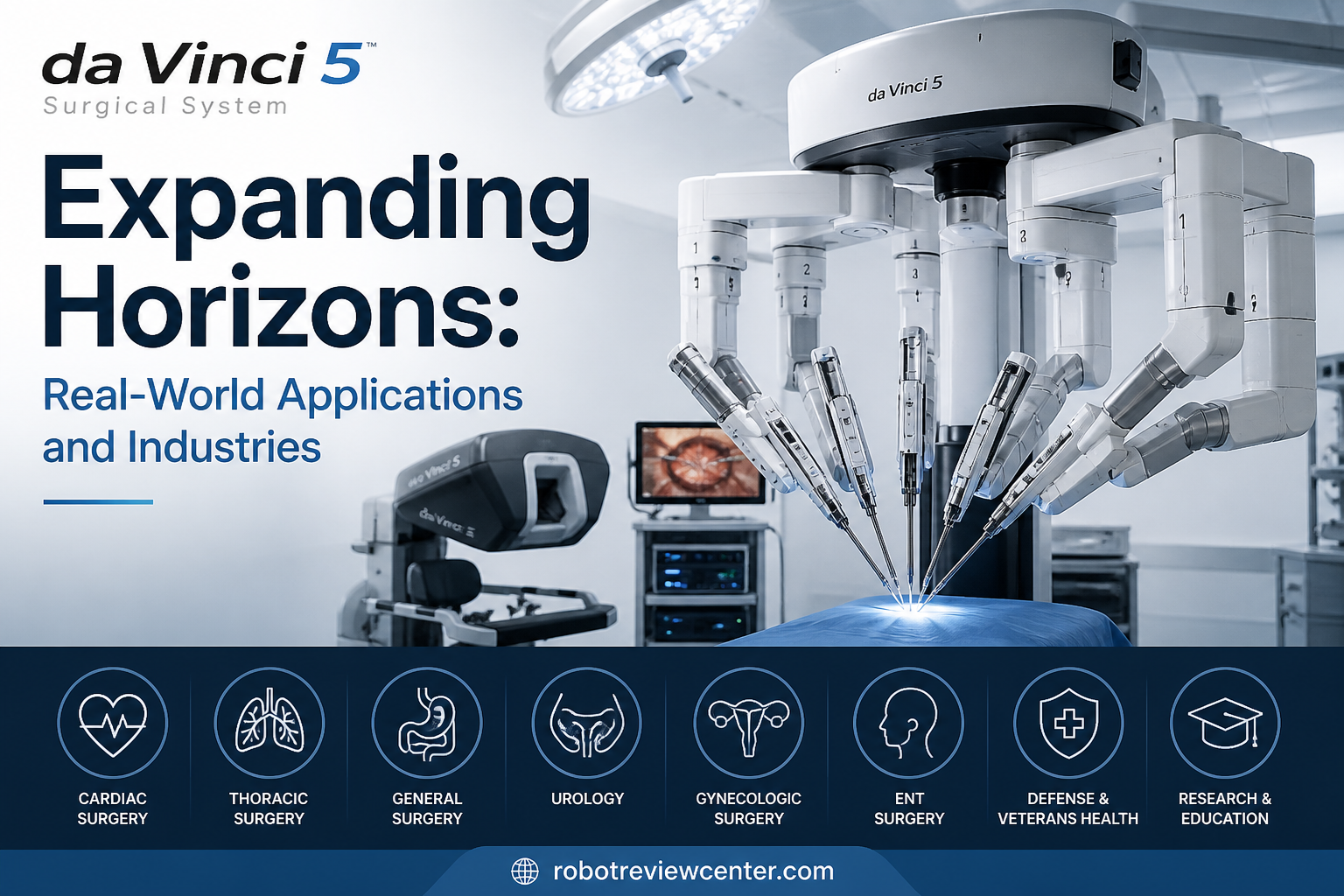
The surgical applications of the da Vinci 5 extend beyond traditional boundaries. While its primary use has been in complex procedures like prostatectomies and hysterectomies, its potential is being tapped in diverse medical fields, including cardiothoracic surgery and even orthopedics. The precision and reduced invasiveness of robotic surgery align with the broader healthcare industry’s push towards minimally invasive procedures—an area that holds promise for quicker patient recovery times and better surgical outcomes. Hospitals and surgical centers worldwide, such as the renowned Cleveland Clinic, have reported increased adoption rates, testament to the system’s effectiveness and versatility.
Technical Insights: Diving Into the Robotics and AI Systems
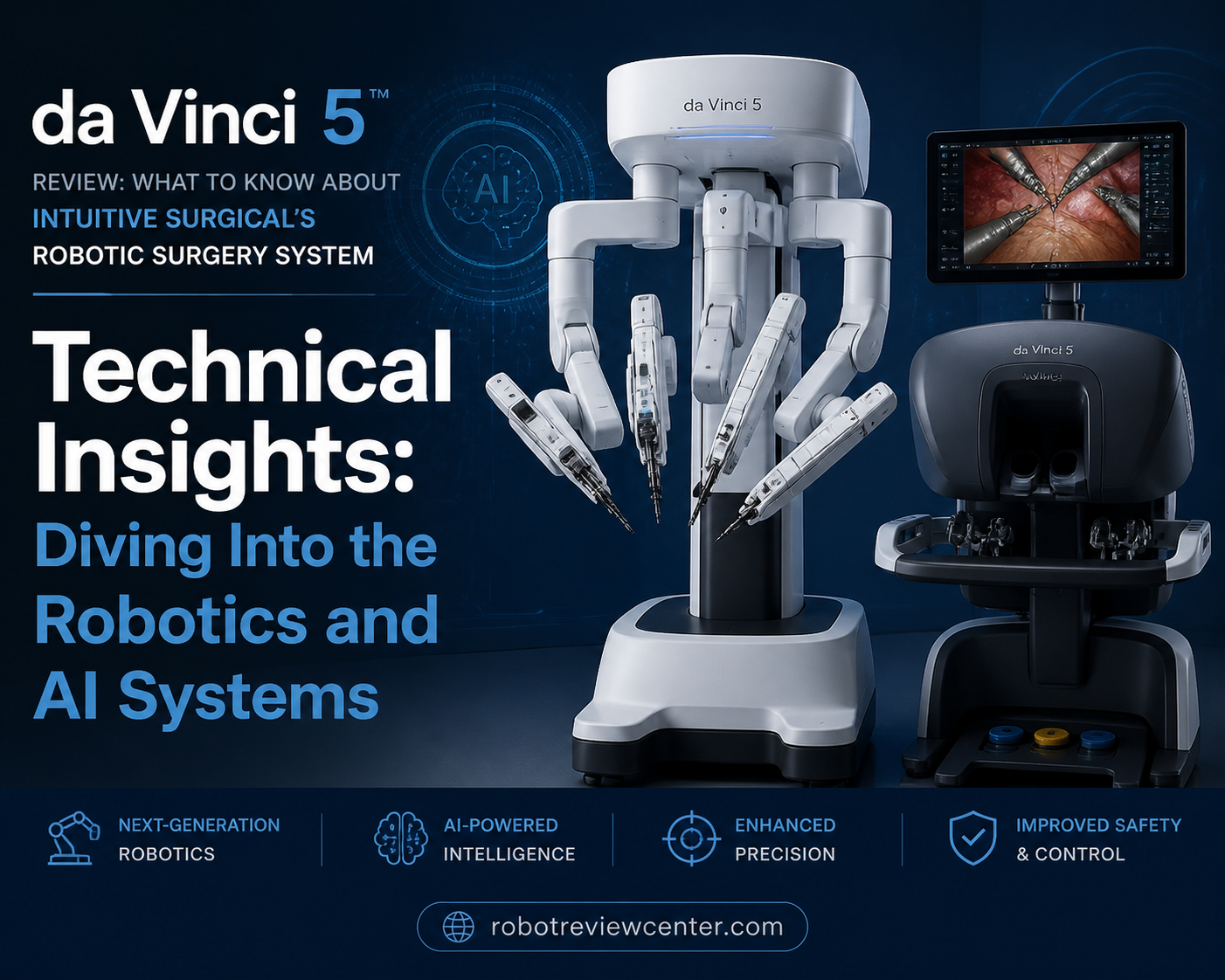
Under the hood, the da Vinci 5 utilizes state-of-the-art robotics technology integrated with AI systems to improve its functional capabilities. Each surgical arm is equipped with advanced sensors that provide haptic feedback, allowing for precise manipulation of instruments. While the system primarily relies on the surgeon’s expertise, AI aids in planning and decision-making by analyzing real-time data feeds from intraoperative sensors. This sensory integration is crucial for tasks that require delicate handling, much like threading a needle on a moving ship. Leading tech companies, including NVIDIA, have contributed to this project through advanced computing chips that empower the system’s real-time processing requirements. These chips enable the AI to seamlessly assist and ensure that the robotic actions are aligned with human commands.
Market Dynamics and Economic Impact
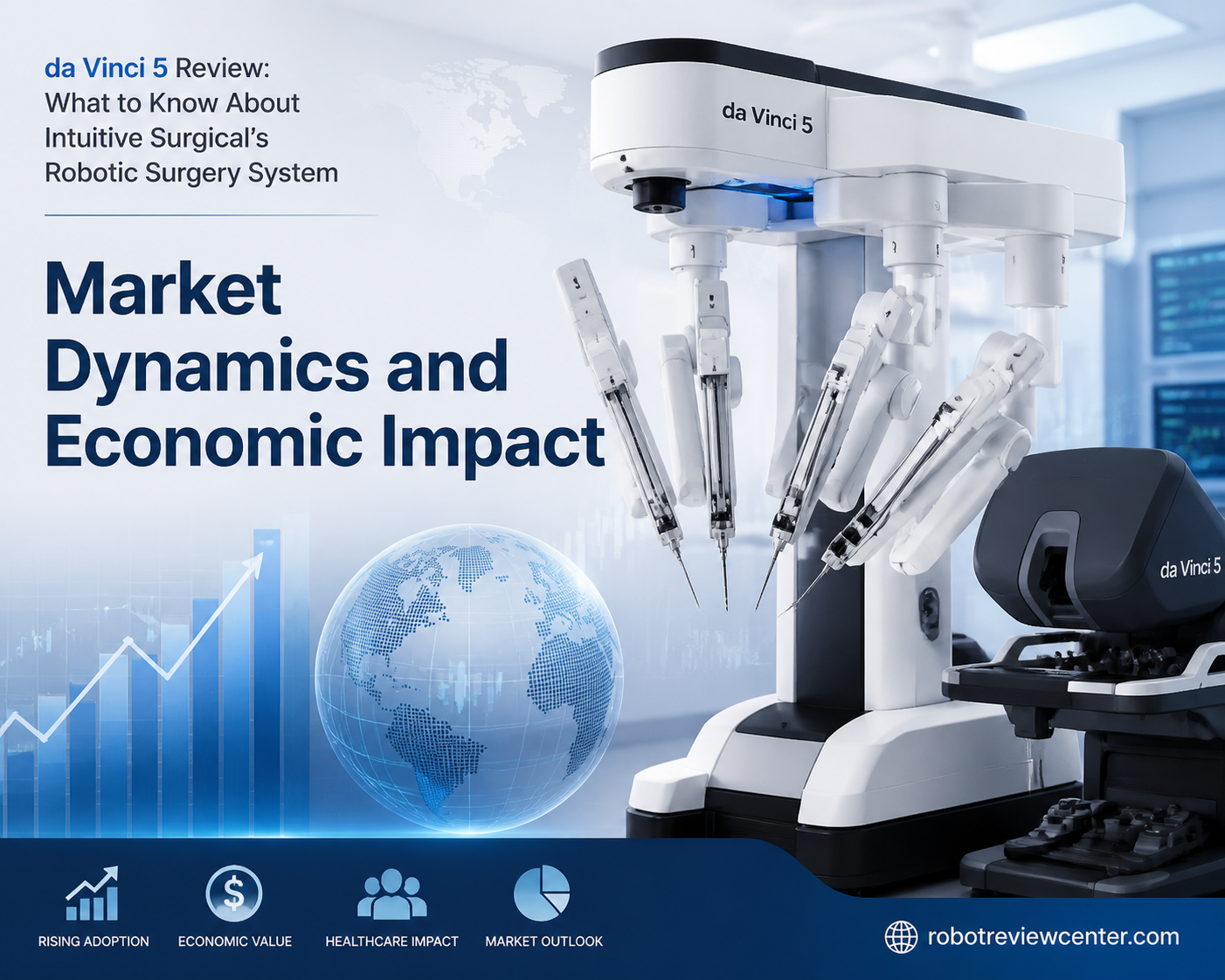
The introduction of platforms like the da Vinci 5 marks a profound shift in the healthcare market landscape. The system has seen substantial investment inflows, with institutions eager to leverage its capabilities. Market analysis firms such as McKinsey & Company predict significant growth in the robotic surgery sector, citing improved patient outcomes and operational efficiencies as key drivers. The International Federation of Robotics notes that the industry is on track to becoming one of the force multipliers in the digital transformation of healthcare, potentially reducing costs associated with prolonged hospital stays due to quicker recovery times. As hospitals invest in such cutting-edge technology, the expectations are clear: an elevated standard of patient care and optimized surgical workflows.
Challenges and Limitations: What Needs Improvement?
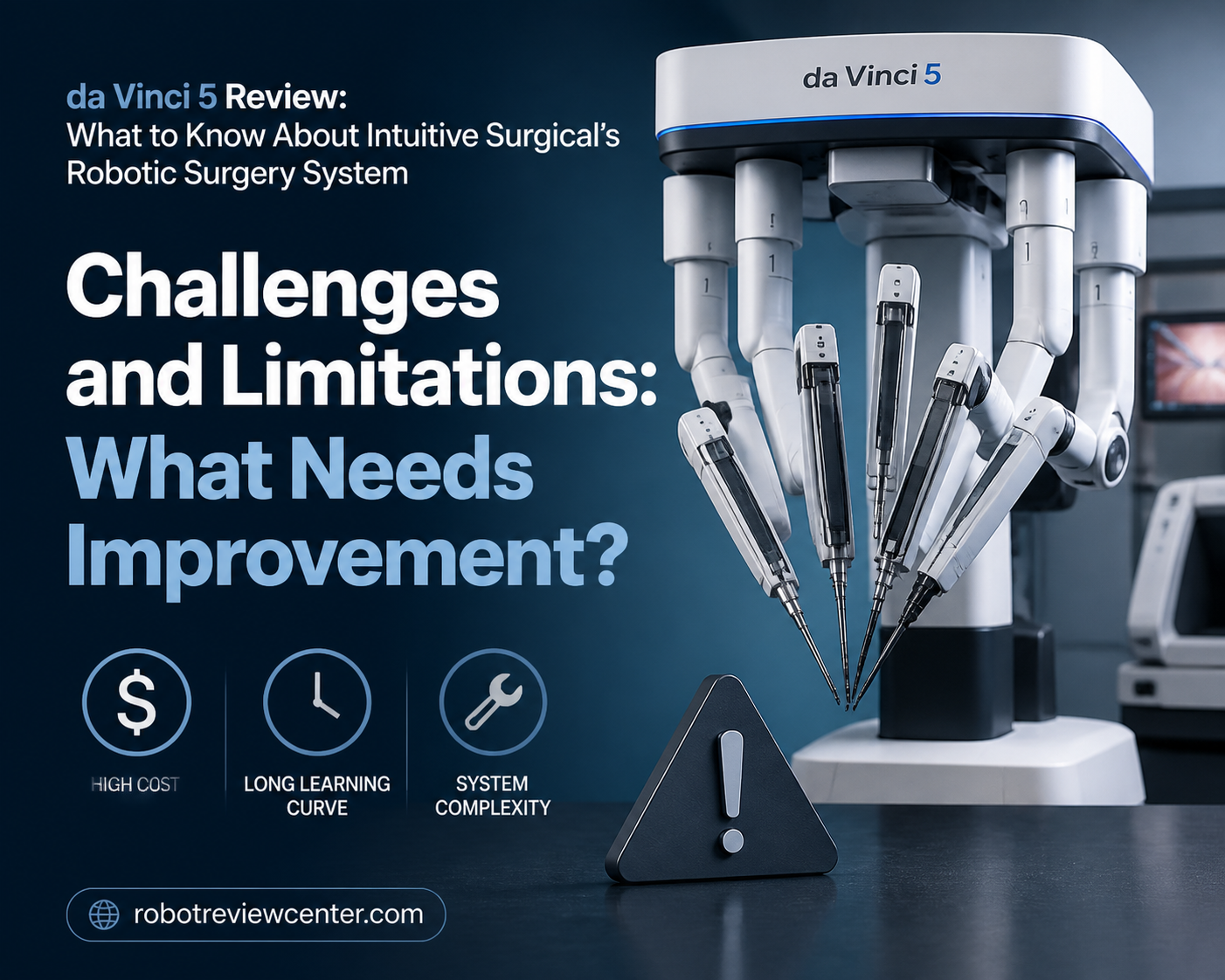
Despite its advanced capabilities, the da Vinci 5 is not without its challenges. One of the primary concerns is the high acquisition and operational costs, making it less accessible to underfunded or smaller healthcare facilities. There’s also the learning curve associated with adopting such sophisticated technology; surgeons require extensive training to master the system’s controls fully. Another significant challenge is system downtime and maintenance. Regular software updates and hardware servicing are necessary to ensure peak performance but can disrupt operations. As Thomas Huynh often notes, while the circulatory systems of a hospital may find such technology revolutionary, the capillaries – the smaller, resource-limited centers – may not have the luxury of adopting it just yet.
Future Perspectives: What Lies Ahead for Robotic Surgery?
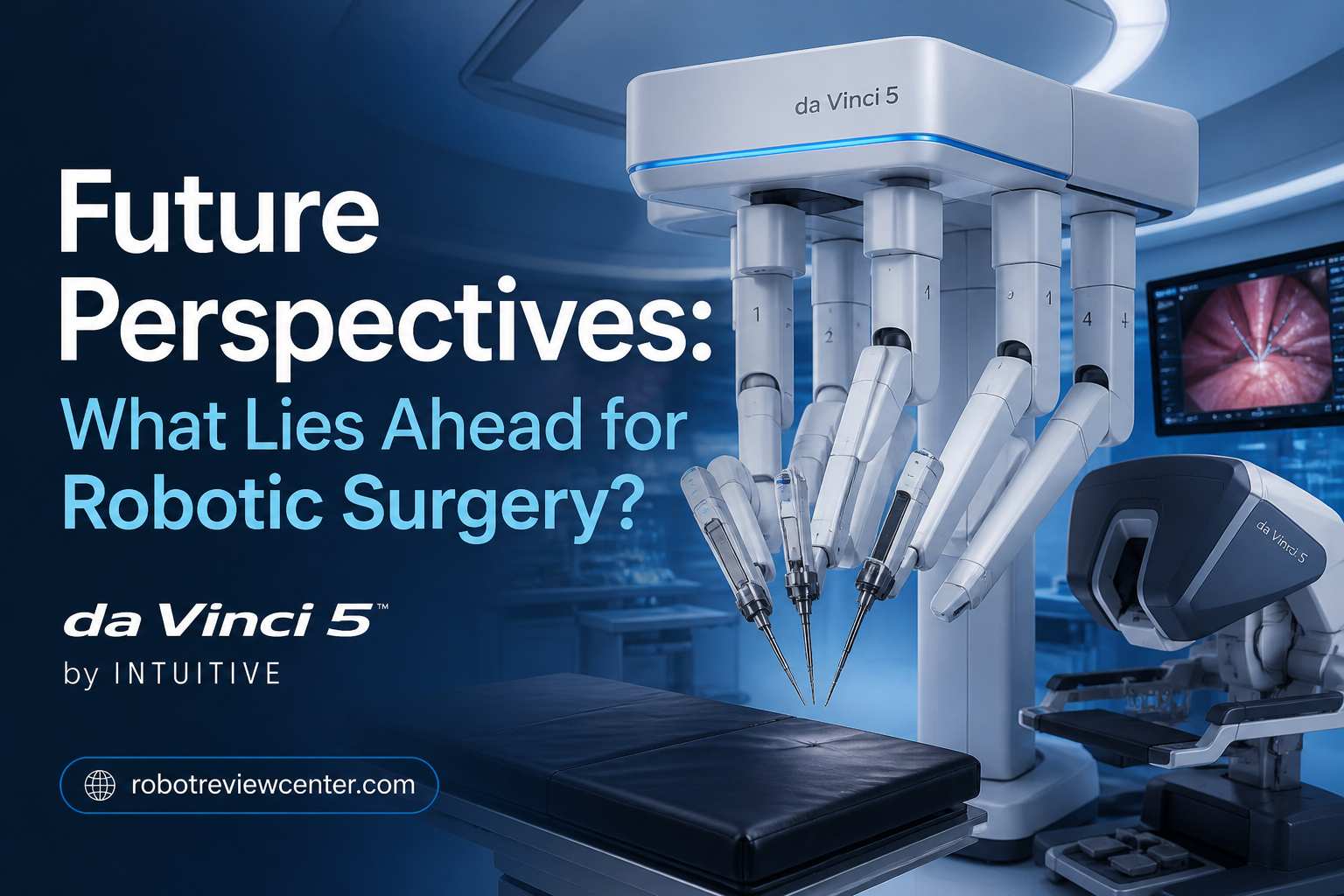
Looking ahead, the trajectory for robotic surgical systems like da Vinci 5 points towards greater integration with AI and machine learning. The advancements expected over the next 3-5 years include greater autonomy in surgical decision-making, driven by models trained on extensive datasets. These data-driven insights will enhance predictive analytics, driving further precision in preoperative planning and intraoperative adjustments. Moreover, continued improvements in sensor technology and real-time data analytics will expand the scope of procedures such systems can address. Companies are also exploring economies of scale to reduce costs, potentially democratizing access to robotic surgery systems globally.
Strategic Insights for Stakeholders
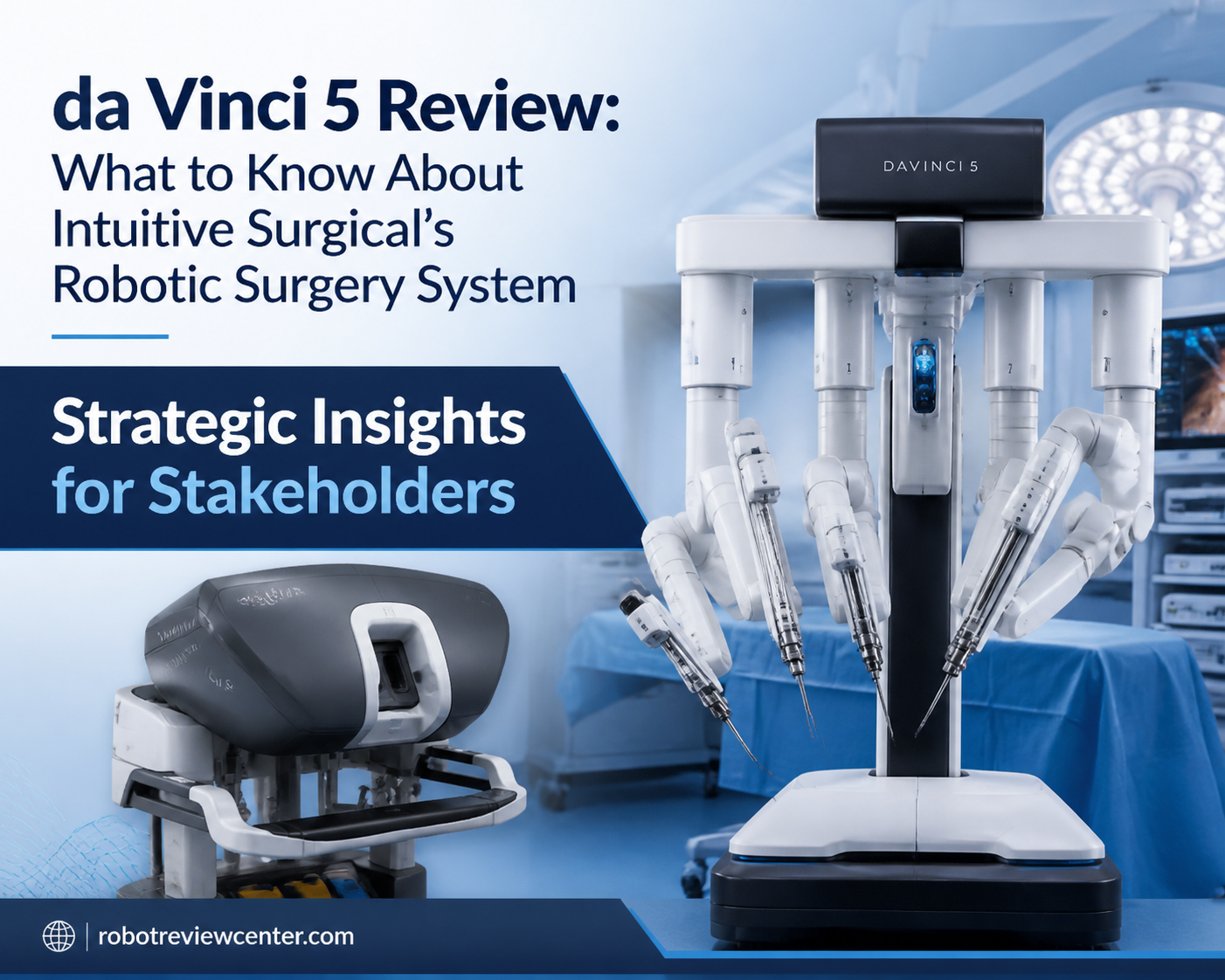
For medical practitioners and healthcare administrators, the da Vinci 5 symbolizes a critical innovation crossroads: the meeting point of tradition and technology. Embracing such systems requires a strategic shift towards more digitally integrated operating rooms. Developers and manufacturers should invest in user-friendly interfaces and training modules to lower barriers to entry for end-users. Furthermore, as these technologies evolve, businesses within the healthcare sphere must navigate regulatory landscapes that balance innovation with patient safety. For engineers, the call to action is clear: optimize systems to function reliably even outside controlled environments, ensuring they can adapt to the unique challenges of unpredictable operating scenarios.
What Should We Really Pay Attention To?
The da Vinci 5 is a testament to how far we have come in harmonizing robotics with human dexterity. It’s not just a technological leap but a meaningful evolution in healthcare service delivery. As this system continues to evolve, the critical focus should remain on accessibility and education, enabling surgeons across the globe to harness these innovations effectively. With continued improvements in AI, cost structures, and training, the era of robotic surgery promises to revolutionize patient outcomes. For healthcare systems on the cusp of acquiring such technology, it’s essential to weigh up the technological promise against pragmatic realities of cost, training, and infrastructural readiness.
As Thomas Huynh often reflects, the journey of robotic surgery is as much about the path as the destination—each technological step forward opening new vistas for what it means to care for life.