
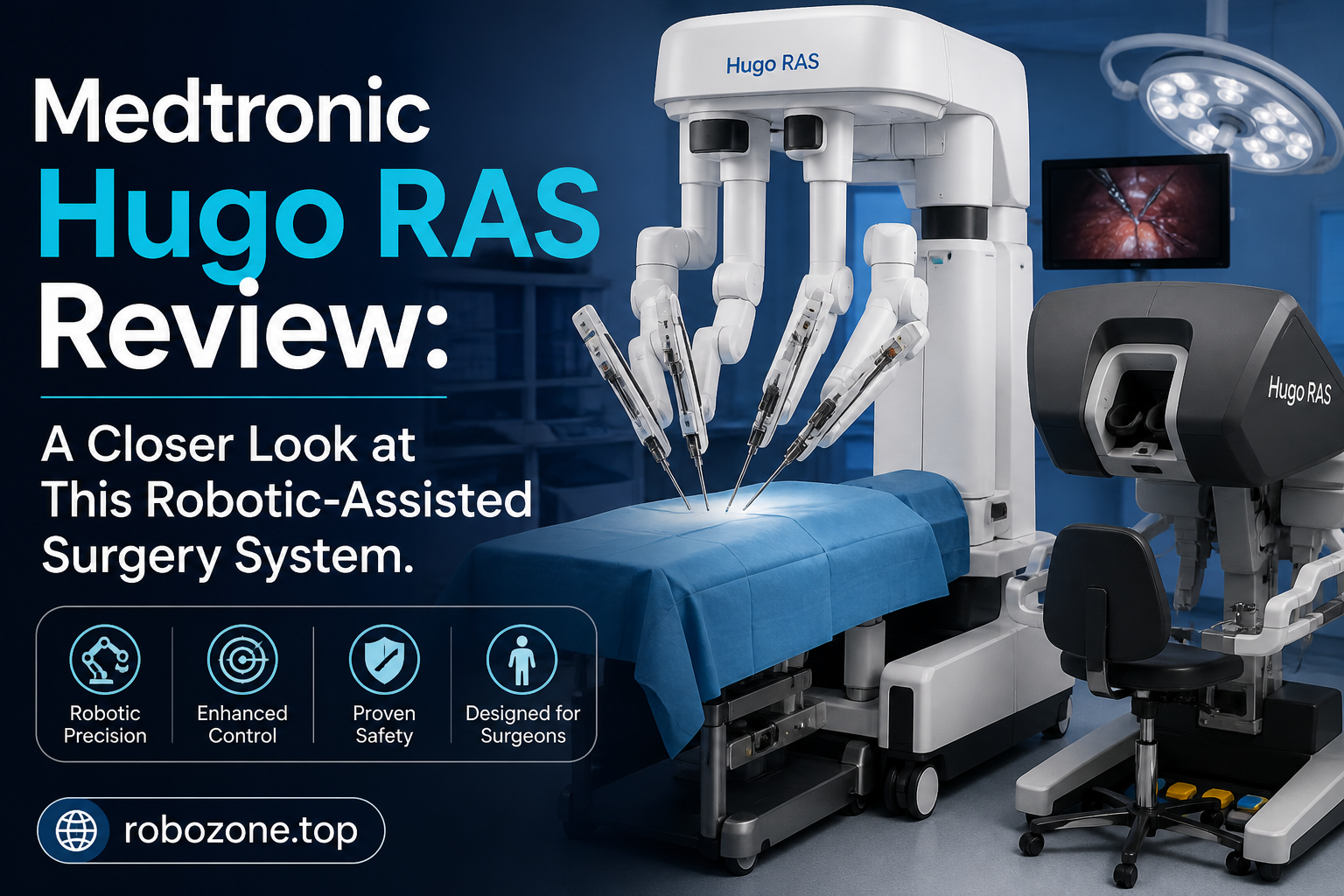
In an era where technological advancements constantly reshape the healthcare landscape, the introduction of robotic-assisted surgery has stood at the forefront. The Medtronic Hugo™ Robotic-Assisted Surgery (RAS) system is one such innovation promising to redefine surgical procedures globally. But what exactly makes this system stand out, and does it live up to the claims? In our deep dive today, we’ll explore the intricacies of this cutting-edge technology, its real-world applications, and the future trajectory of robotic surgery.
Understanding the Medtronic Hugo RAS System
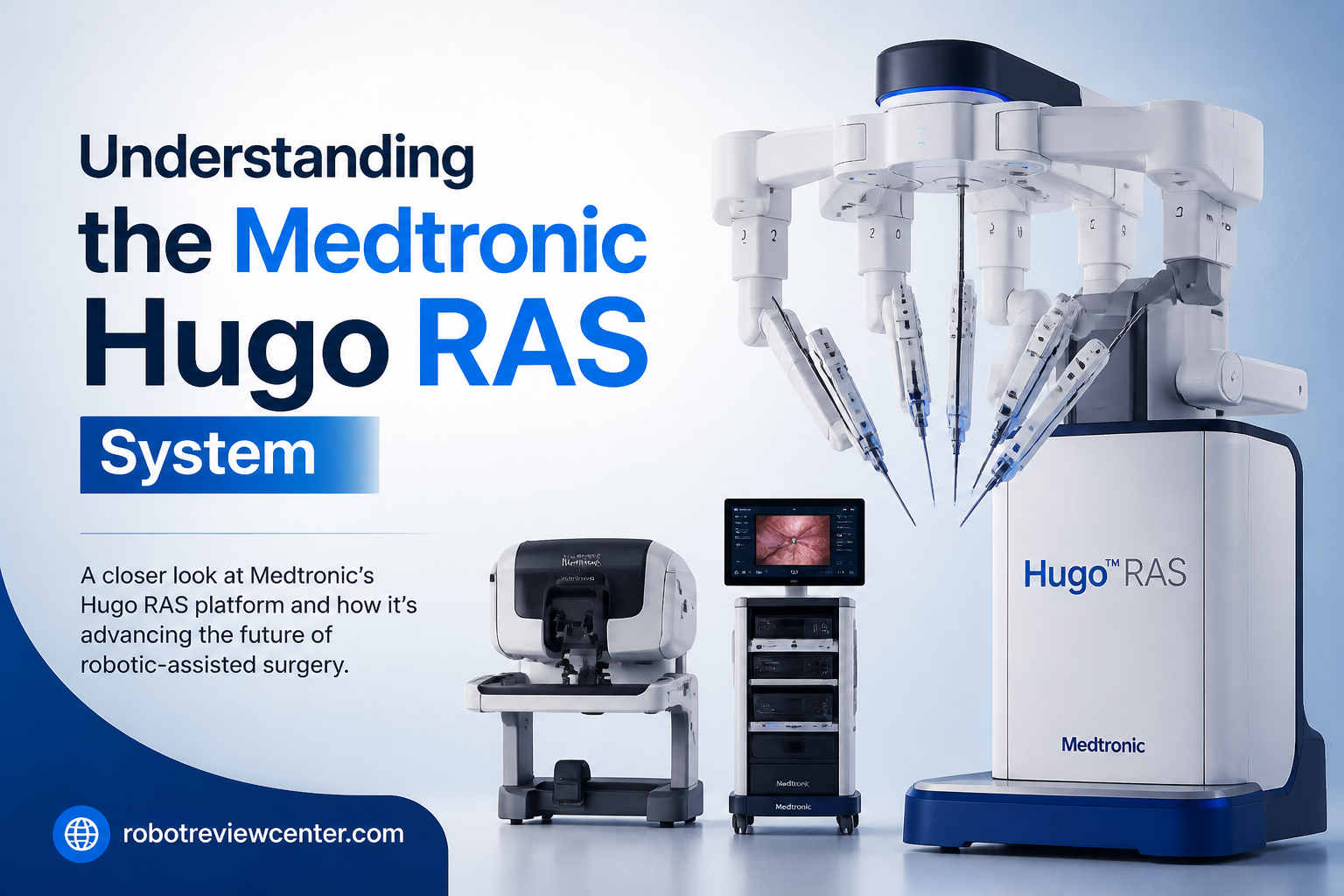
At its core, the Medtronic Hugo RAS system represents a confluence of precision, adaptability, and advanced technology. Developed by Medtronic, a global leader in healthcare technology, the Hugo RAS system harnesses robotics to facilitate more accurate surgical interventions. Unlike traditional open or laparoscopic surgeries, the Hugo system aims to minimize invasiveness, thereby reducing recovery time and improving patient outcomes.
Each component of the system is meticulously engineered to offer seamless integration of robotic arms, high-definition 3D visualization, and sophisticated instrumentation. Such capabilities enable surgeons to perform complex procedures with enhanced dexterity and precision.
Not merely a tool, the Hugo RAS system acts as an extension of the surgeon’s own abilities, promising to bring surgical precision to an unprecedented level. In Dr. Carlos L. Urnice’s words, a renowned surgeon utilizing the Hugo system, “It’s akin to having a steady, adaptable extension to my fingers, offering surgical possibilities I could only dream of before.”
Technical Insights and Component Analysis
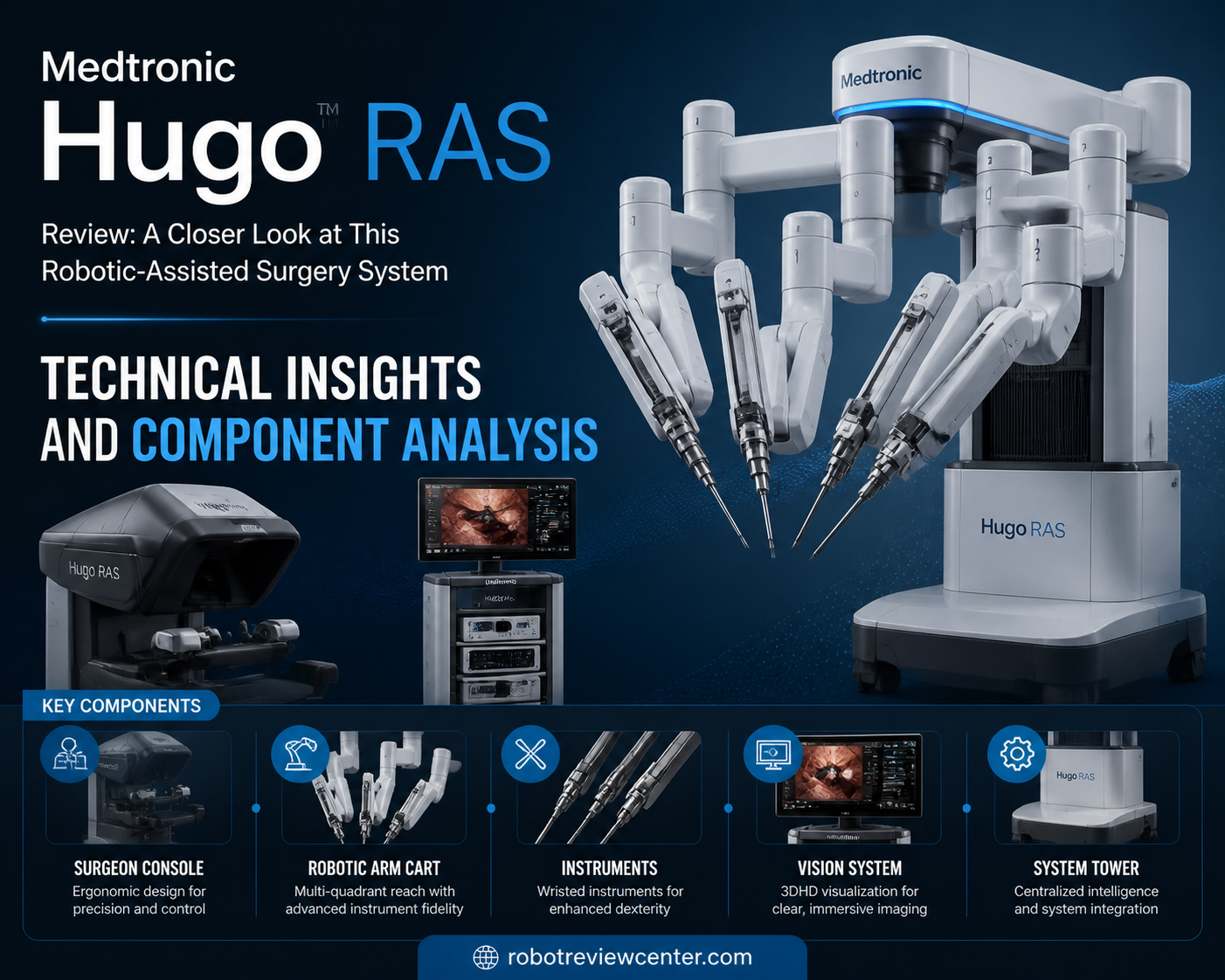
For enthusiasts and industry professionals alike, understanding the technical specifications of the Medtronic Hugo RAS system unveils the prowess behind its operations. The system features articulated robotic arms, each equipped with multiple degrees of freedom, allowing for flexible movement and positioning during surgery.
The imaging capabilities of the Hugo RAS system are bolstered by state-of-the-art 3D high-definition cameras that provide surgeons with crystal-clear views of the operation site. Furthermore, the system is underpinned by NVIDIA-powered computational units that ensure real-time processing of image data—an essential feature that enhances operational accuracy.
Central to the Hugo RAS system’s functionality is its advanced AI models. These models assist in anticipating surgical needs by analyzing current and historical procedure data, offering suggestions and assisting with planning, thus reducing potential human error.
Real-World Applications and Industry Reach
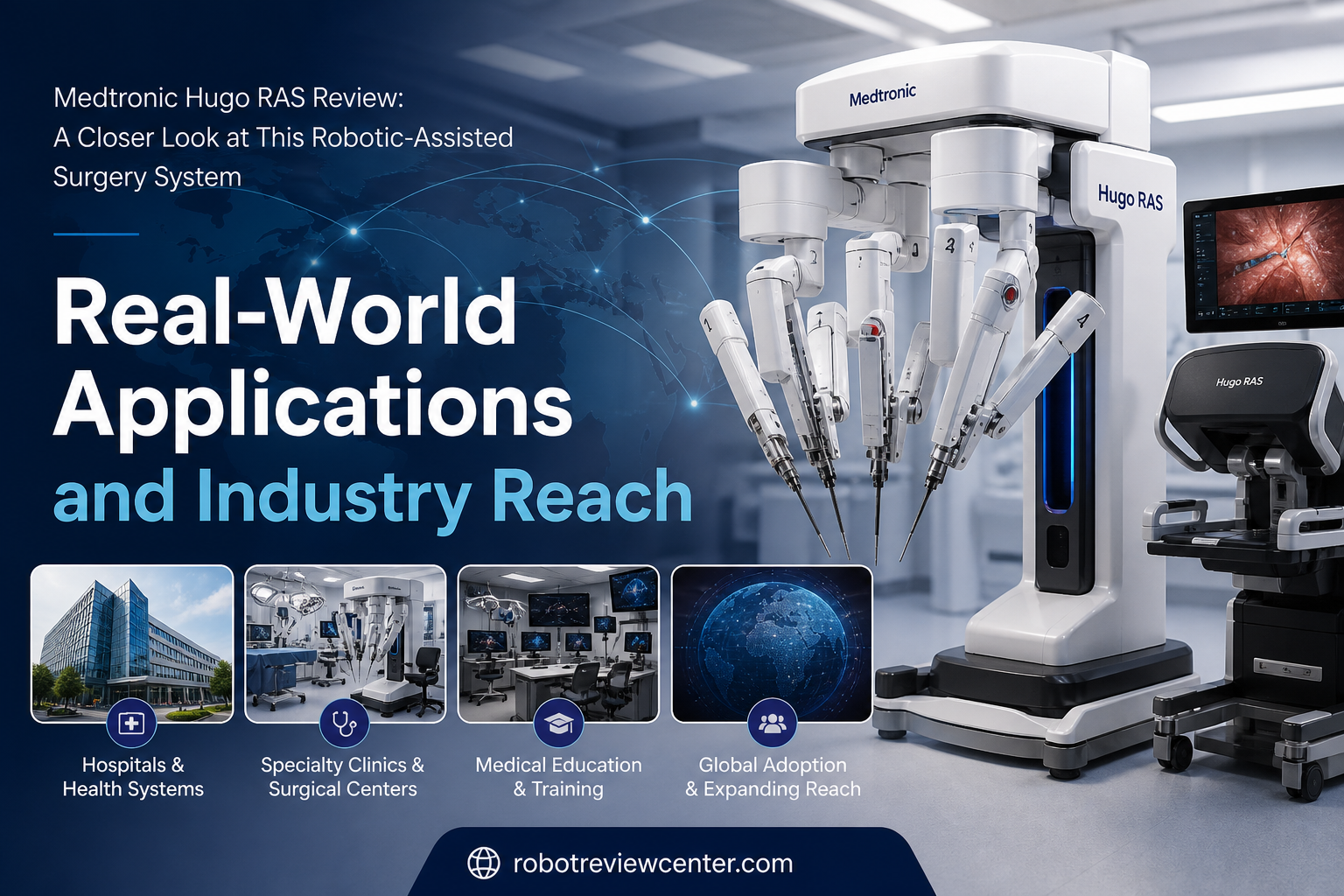
The Hugo RAS system’s impact extends across multiple domains within healthcare. From general surgery to more specialized fields such as urology and gynecology, this system has distinguished itself as a versatile tool. Its adoption in major hospitals worldwide—like the Mayo Clinic—underscores its growing acceptance among healthcare professionals.
Healthcare facilities have reported reduced operation times and improved recovery metrics due to the system’s ability to make procedures less invasive. In high-risk surgeries requiring precise movements, the Hugo RAS system provides unparalleled steadiness and precision.
Organizations beyond individual hospitals have taken note. Insurance companies, for example, are increasingly integrating robotic-assisted surgeries into coverage plans, acknowledging their efficiency and potential to reduce long-term healthcare costs through quicker recovery and lower complication rates.
Challenges and Limitations
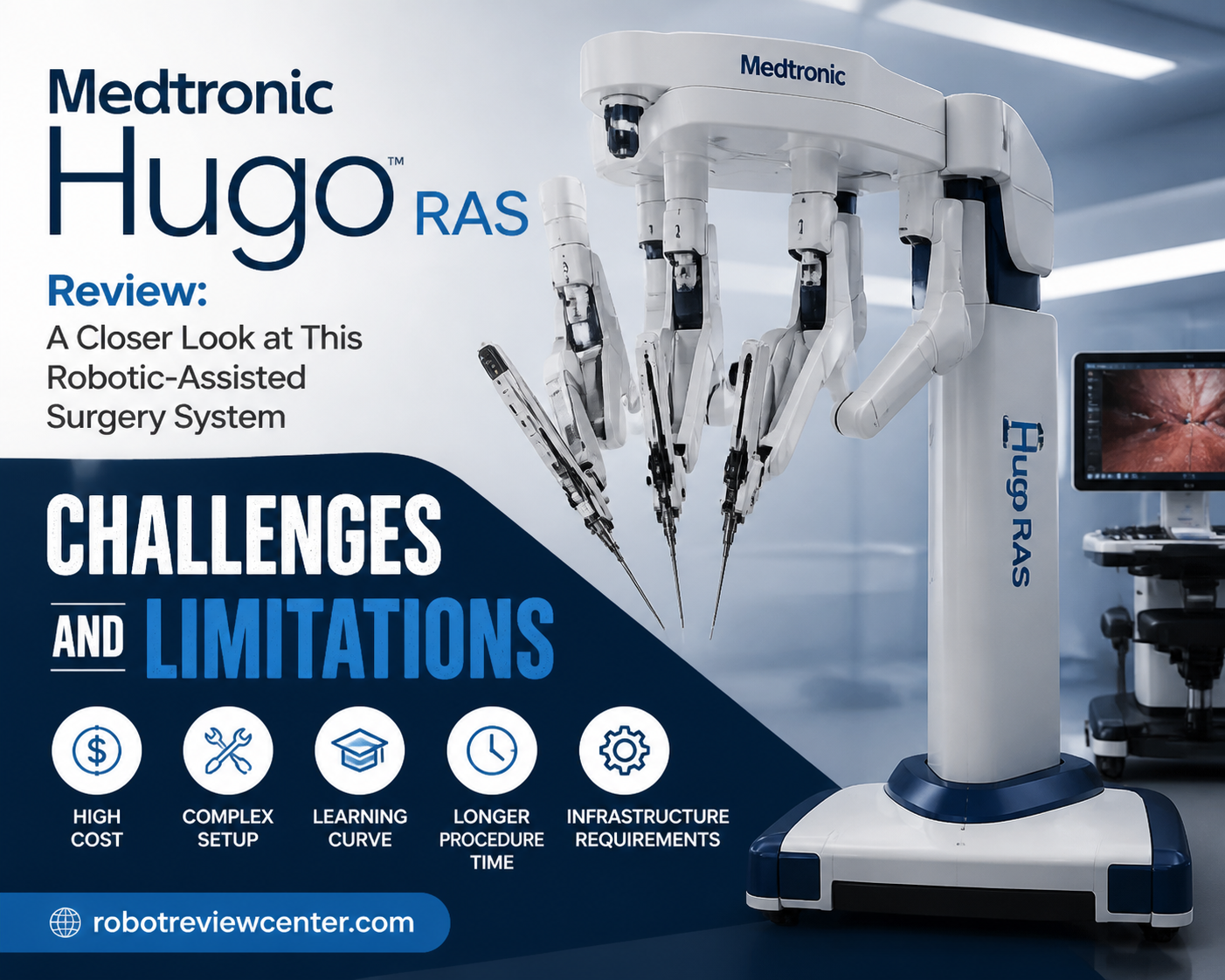
Despite its significant advancements, the Medtronic Hugo RAS system is not without challenges. Adoption barriers primarily stem from the cost perspective. Initial acquisition and integration into operating theaters represent substantial financial commitments for healthcare institutions.
Moreover, the transition to robotic surgery necessitates comprehensive training programs for surgical teams, which can be time-consuming and resource-intensive. There’s also the pressing need for continuous software updates and hardware maintenance, which require ongoing investment.
Furthermore, skepticism regarding the efficacy of robotic-assisted surgeries persists in some conventional circles within the medical community. Studies have shown mixed results, prompting some experts to call for more extensive, independent validation of the Hugo RAS system’s long-term outcomes.
Market and Economic Impact
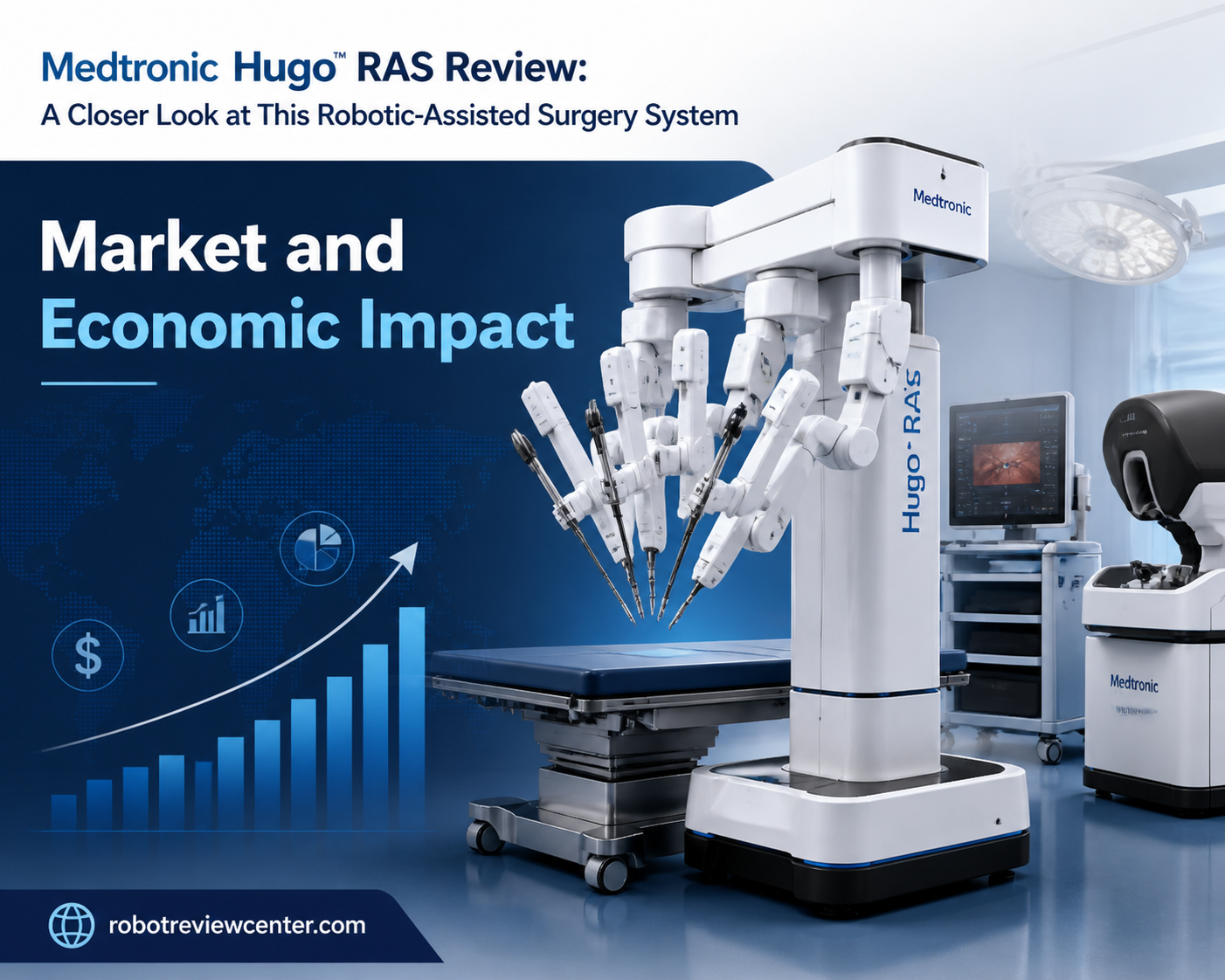
The introduction of the Hugo RAS system presents profound economic implications for healthcare systems globally. According to MarketsandMarkets, the surgical robotics market was valued at $6.5 billion in 2021 and is projected to reach approximately $11.3 billion by 2027. The growth trajectory of companies like Medtronic is expected to mirror this trend, driven by increasing demand for minimally invasive procedures.
However, economic benefits don’t only materialize at the macro level. Patients undergoing robotic surgeries report reduced hospital stays and fewer postoperative complications, translating into reduced medical bills and individual out-of-pocket expenses.
Moreover, hospitals equipped with cutting-edge systems like Hugo often experience boosts in patient intake, attracted by the promise of cutting-edge medical care, further driving revenue growth.
A Glimpse Into the Future
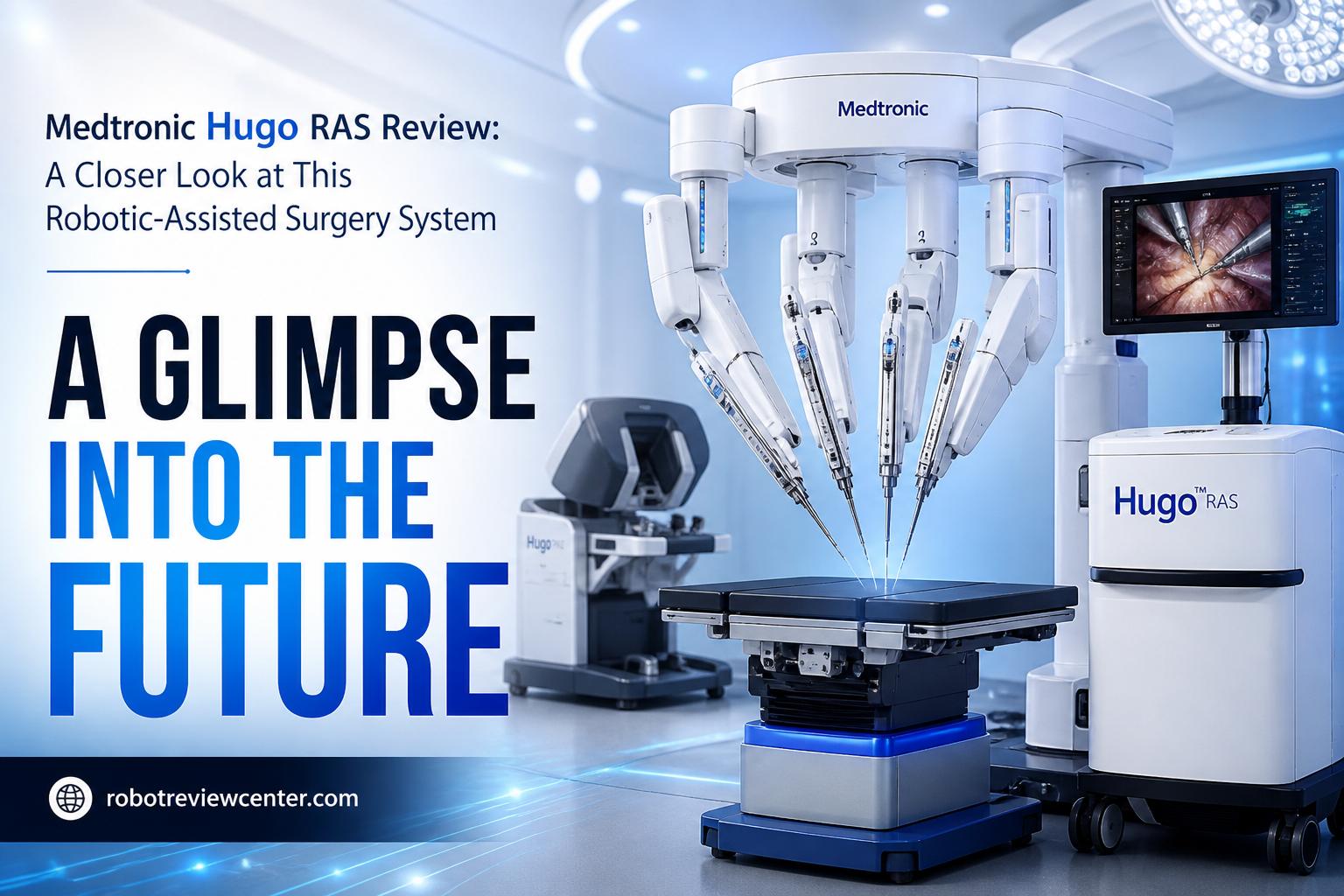
As we peer into the future, the horizon for robotic-assisted surgery looks promising. Within the next 3 to 5 years, experts like Thomas Huynh from RobotReviewCenter.com predict the Hugo RAS system’s evolution will focus on enhanced AI integration, potentially leading to autonomous features that assist surgeons without direct inputs.
Medtronic also hints at geographic and procedural expansion. Emerging markets in Asia and South America represent growth opportunities, poised for integration in both urban and underserved rural hospitals.
On the technological front, advancements in robotics and AI could refine instruments used in robotic surgeries, pushing precision and adaptability even further. In the long term, we might see the Hugo system and its competitors driving a transformation in how surgeries are fundamentally conceived and executed.
Conclusion: What Should We Really Pay Attention To?
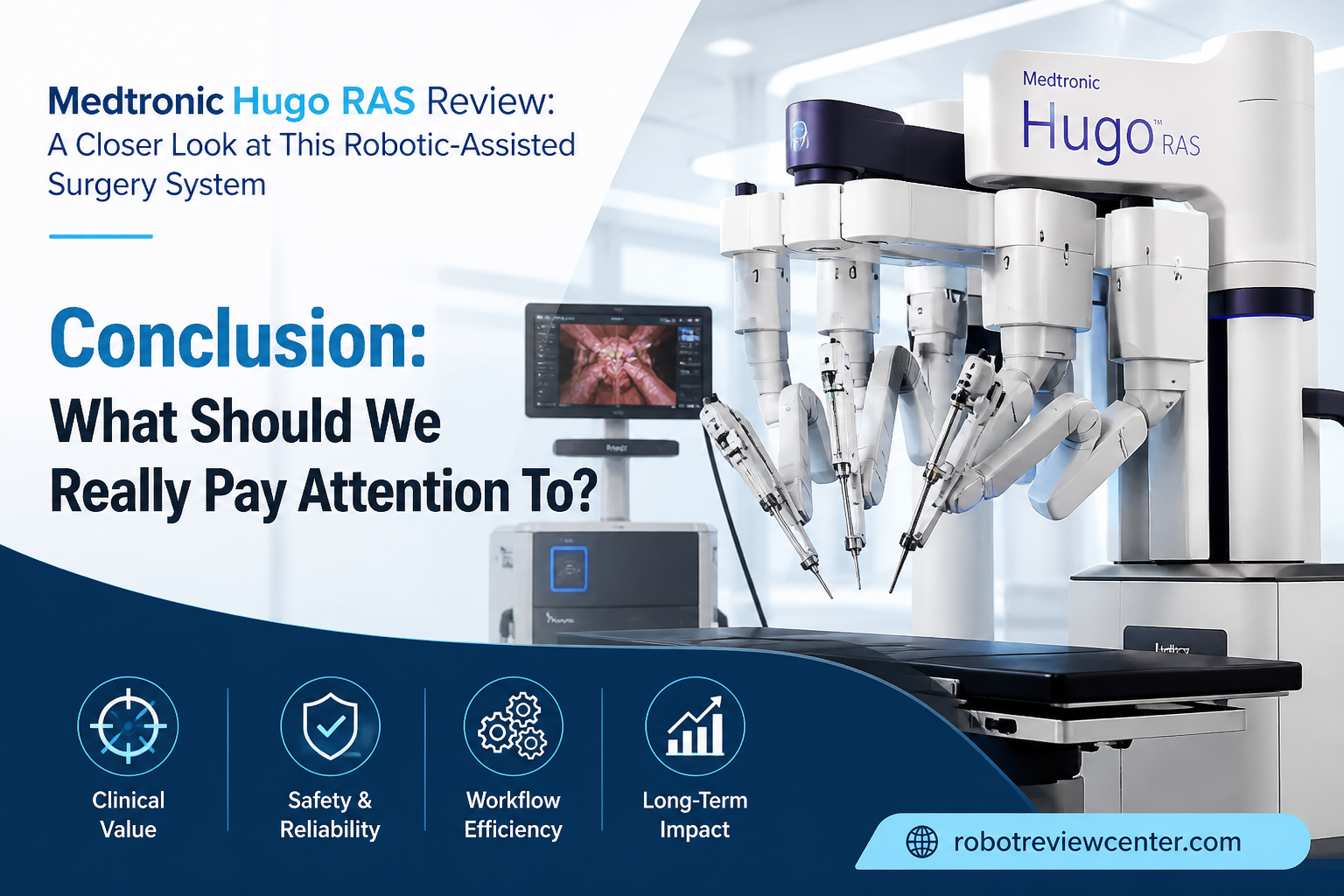
As the convergence of surgery and robotics continues to unfold, the Medtronic Hugo RAS system stands as a testament to the tremendous potential of technology in healthcare. However, it’s crucial to maintain a balance between enthusiasm and scrutiny.
While the system offers many benefits, ranging from economic advantages to enhanced patient outcomes, healthcare institutions must be vigilant in training, investment, and verification of claims. The real challenge lies in integrating these systems effectively into the existing surgical landscape, ensuring they complement rather than complicate current practices.
As Thomas Huynh often emphasizes, “Technological progress should heighten, not hinder, our humane touch in healthcare.” In this vein, let us watch closely and ensure that systems like Hugo RAS serve the ultimate goal of better health for all.
In the final analysis, the Medtronic Hugo RAS system has not only opened new vistas in surgical precision but also signified a paradigm shift in medical care. As we advance into an era of unprecedented technological integration in healthcare, these innovations remind us of the transformative power technology holds—a power that, when wielded wisely, can redefine the very essence of healing.
Thomas Huynh – Admin of RobotReviewCenter.com