
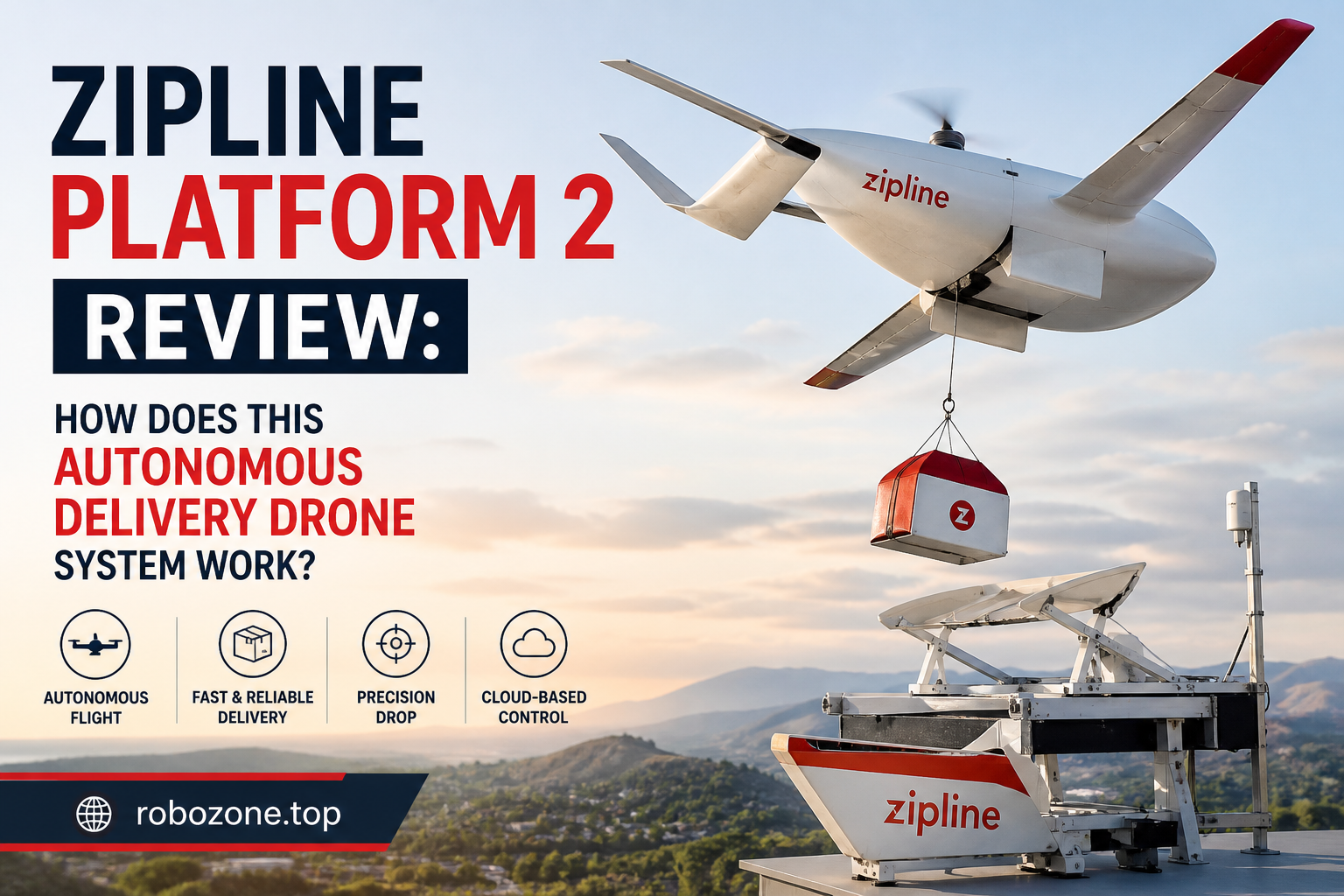
The world of autonomous delivery drones is rapidly expanding, and at the forefront is Zipline Platform 2. This cutting-edge technology promises to revolutionize the way goods are transported. With its advanced capabilities and sleek design, it aims to provide a seamless delivery experience. But how exactly does this system work, and what could it mean for the future? As we explore the intricacies of Zipline Platform 2, we’ll uncover its potential impacts across various industries, delve into its technical framework, and evaluate its market significance, offering a comprehensive view of this groundbreaking innovation.
What is Zipline Platform 2?
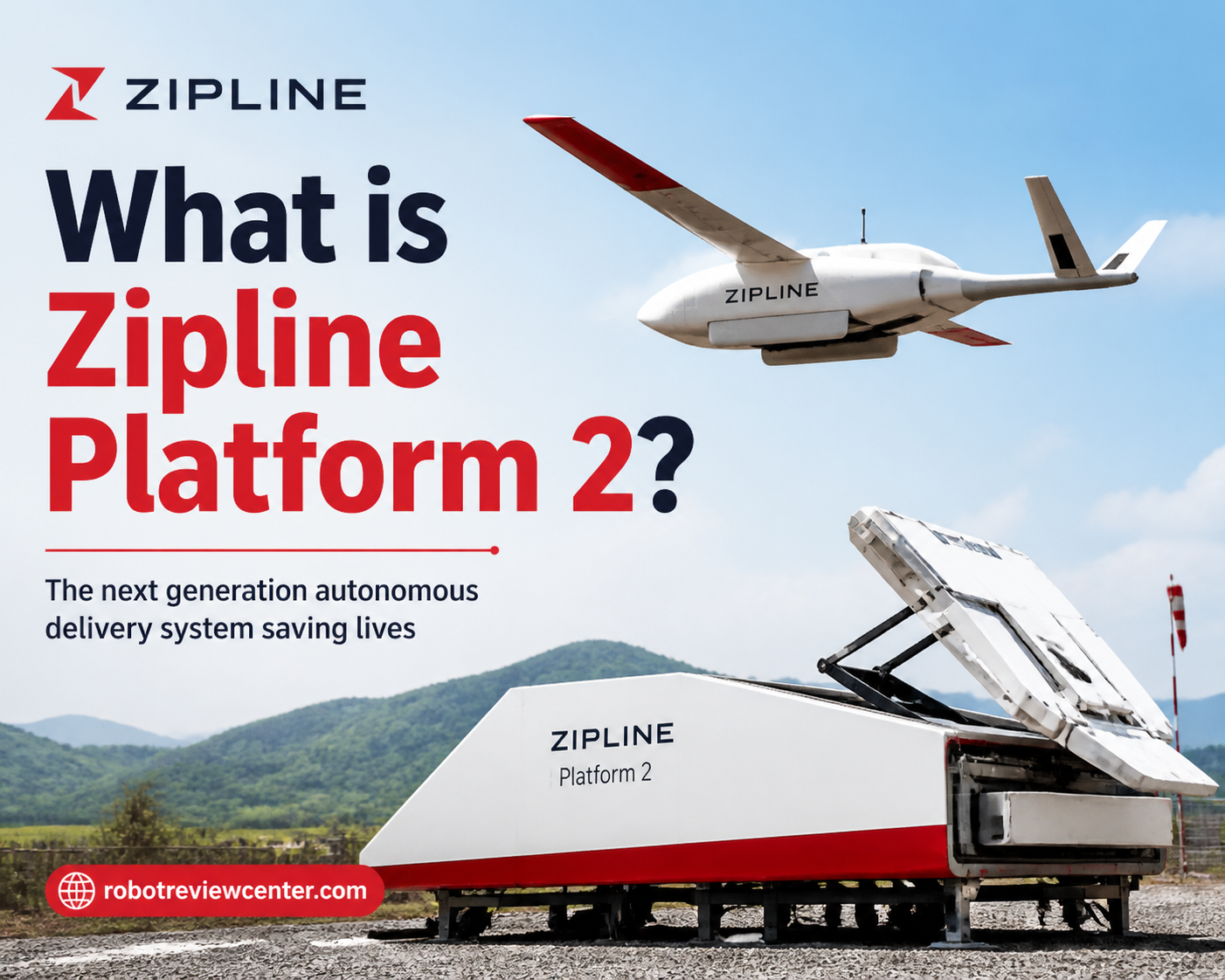
Zipline Platform 2 is an autonomous drone delivery system specifically designed to enhance the efficiency and reliability of transporting goods. It’s the brainchild of Zipline, a company renowned for its innovative approaches in the drone sector. Their latest platform builds on years of experience and experimentation in autonomous flight, aiming to streamline logistics with minimal human intervention.
Using AI-driven navigation and a host of sensors, Zipline Platform 2 navigates the skies to deliver products directly to their destinations. This sophisticated machine is more than just a drone; it’s a fusion of advanced technology and practical application, designed to maneuver through complicated urban environments as effortlessly as it soars over open fields.
Real-World Applications Across Industries
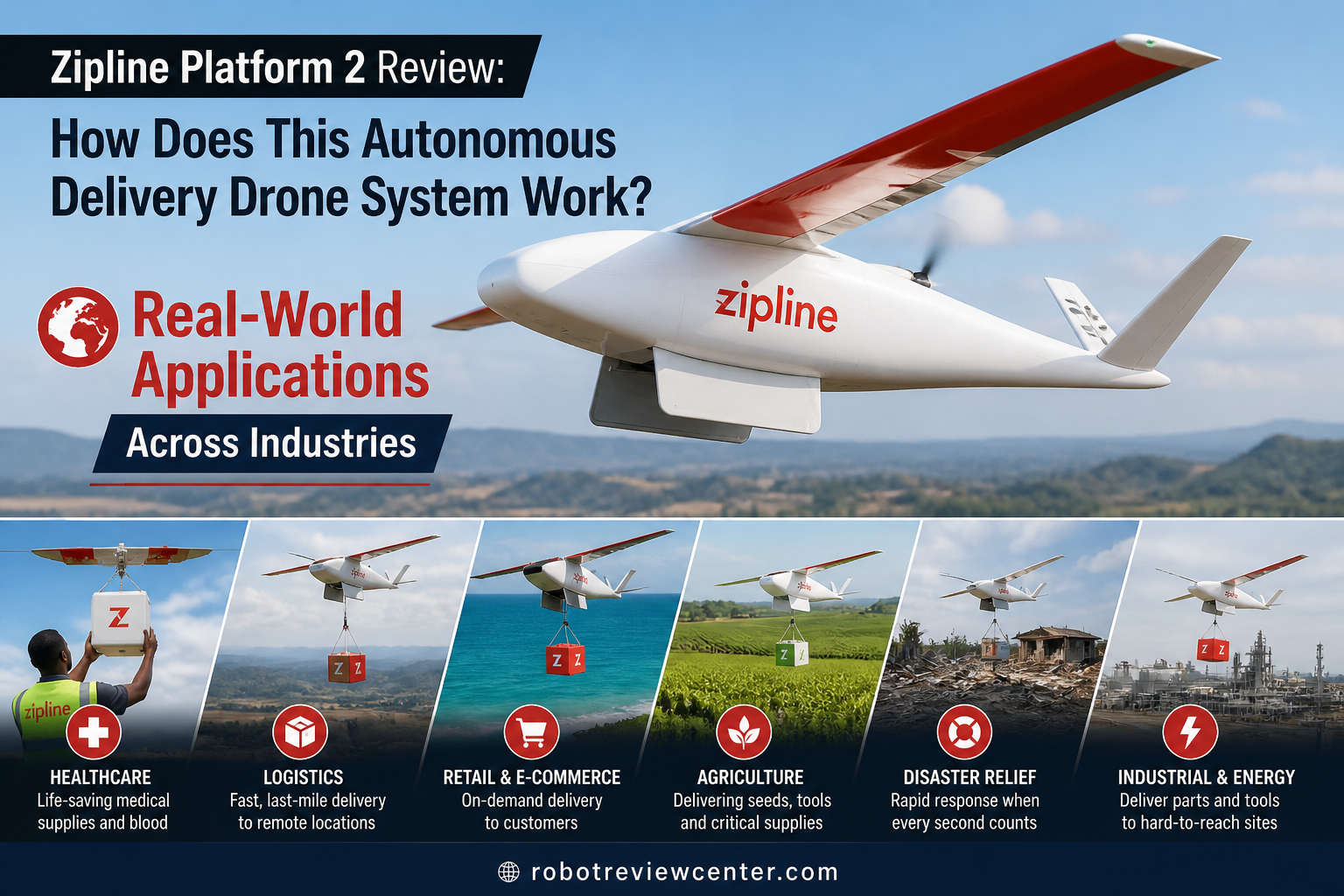
The implications of Zipline Platform 2 are vast, touching various sectors from healthcare to e-commerce. In the healthcare industry, its ability to deliver medical supplies swiftly and efficiently can mean the difference between life and death in critical situations. Zipline has already demonstrated this potential by successfully deploying drones to deliver vaccines and blood in remote areas.
In the realm of retail and e-commerce, its impact could be equally transformative. Imagine a world where consumers receive their online orders within hours without the carbon footprint associated with ground vehicles. As delivery times shrink and operations become more sustainable, businesses could see a dramatic shift in logistics strategies.
Technical Insights and Innovations
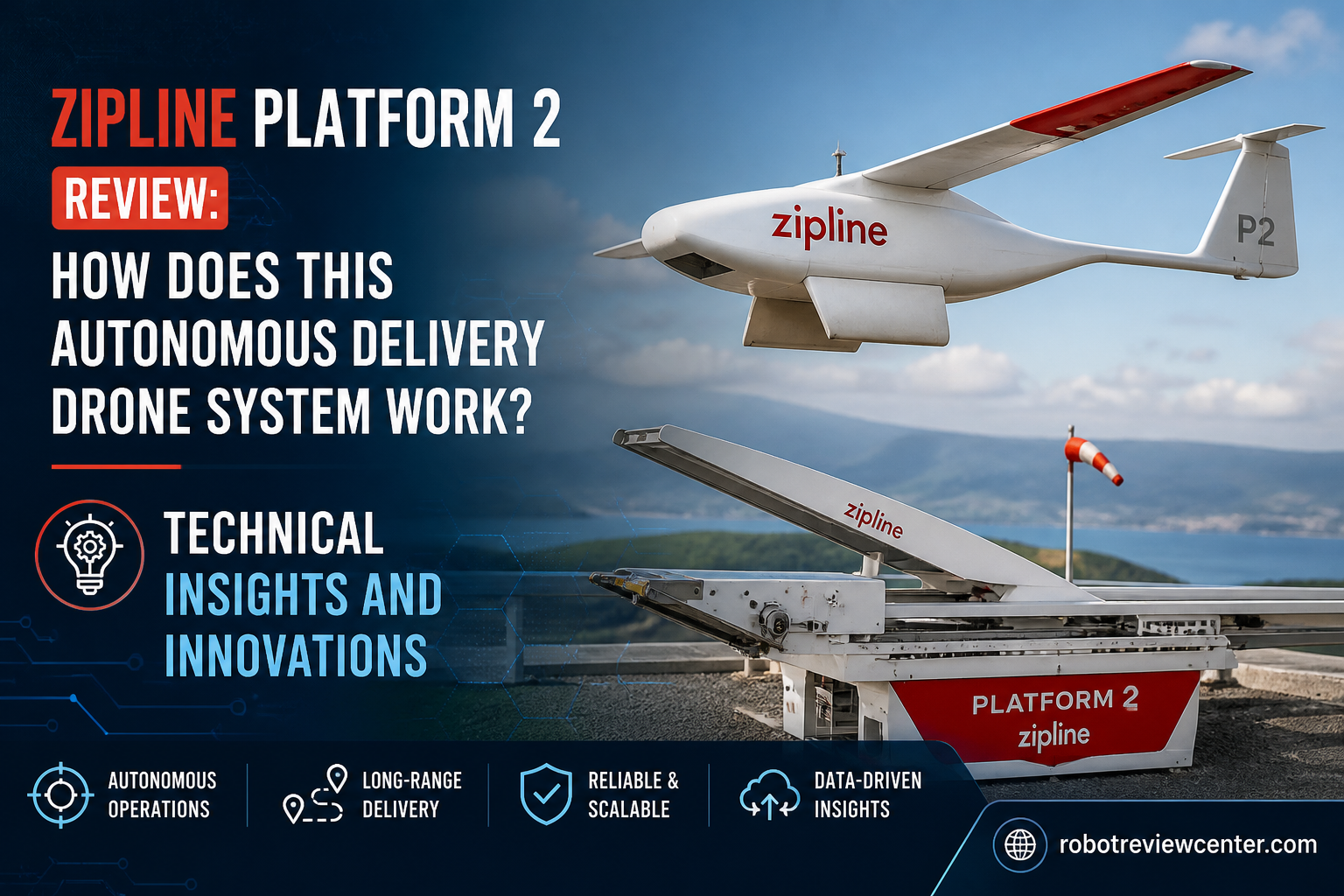
At the heart of Zipline Platform 2 is a robust technological framework that integrates AI, robotics, and sensor technology. The drone is equipped with a high-performance computing system capable of processing vast amounts of data in real time. NVIDIA’s cutting-edge chips power these systems, ensuring optimal performance in even the most challenging conditions.
One of the most impressive features of the platform is its autonomous navigation capability. Using advanced AI models, the drone can plot the most efficient route, dynamically adapting to changes in weather and airspace conditions. Sophisticated algorithms allow it to avoid obstacles, ensuring safety and reliability throughout the flight. This blend of hardware and software constitutes a marvel of modern engineering that sets a new standard for delivery drones.
Market Analysis and Economic Potential
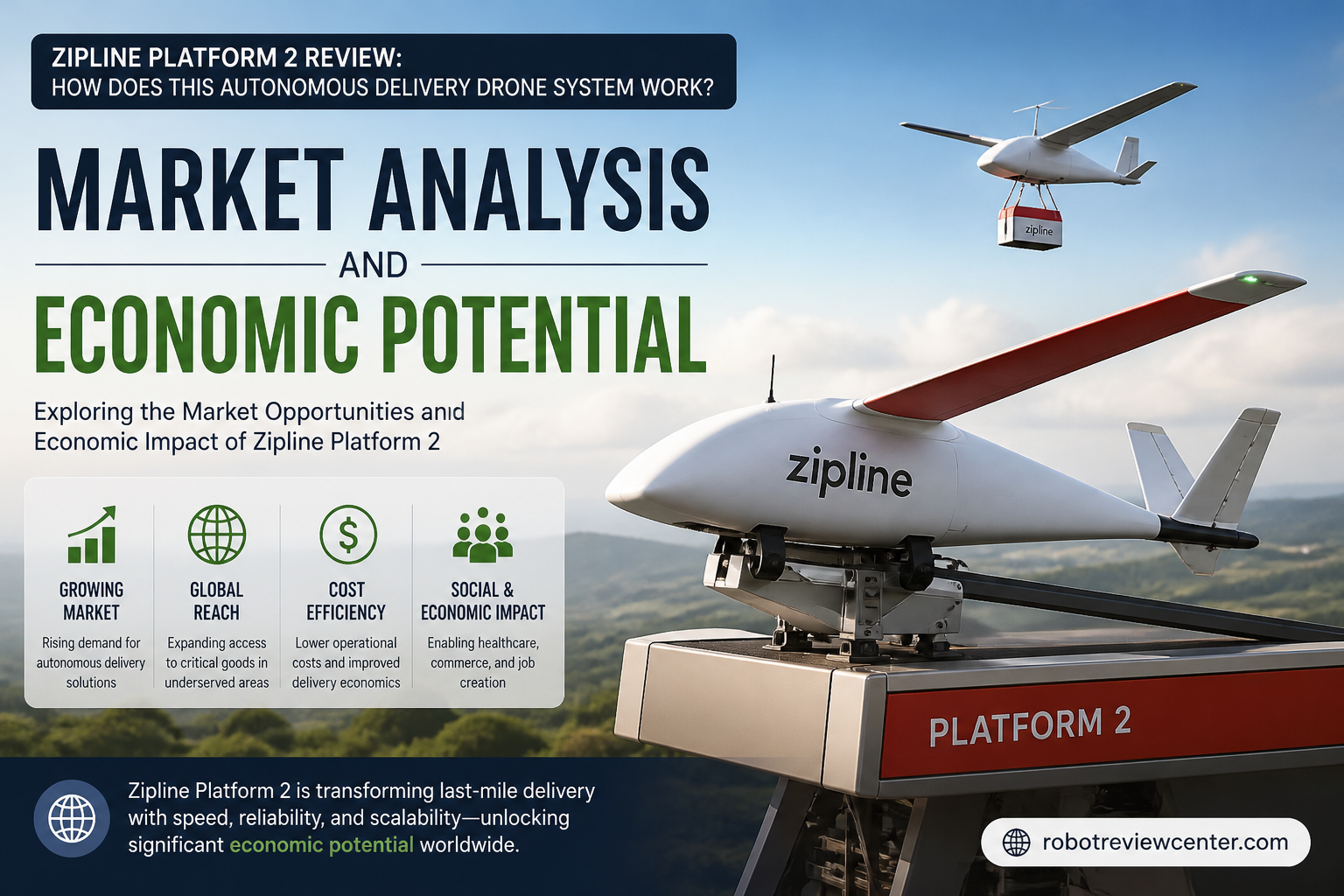
The global market for drone deliveries is experiencing rapid growth, with projections indicating substantial investments and economic impact. According to industry reports, the autonomous delivery market is expected to reach unprecedented heights, driven by innovations like the Zipline Platform 2.
Investors are particularly keen on the scalability potential of such platforms. As businesses seek more efficient distribution channels, drones like Zipline’s offer a compelling value proposition. Their ability to decrease delivery times and operational costs can boost profit margins and enhance customer satisfaction. For Zipline, the challenge lies in maintaining its competitive edge as other tech giants and startups venture into this promising field.
Challenges and Limitations
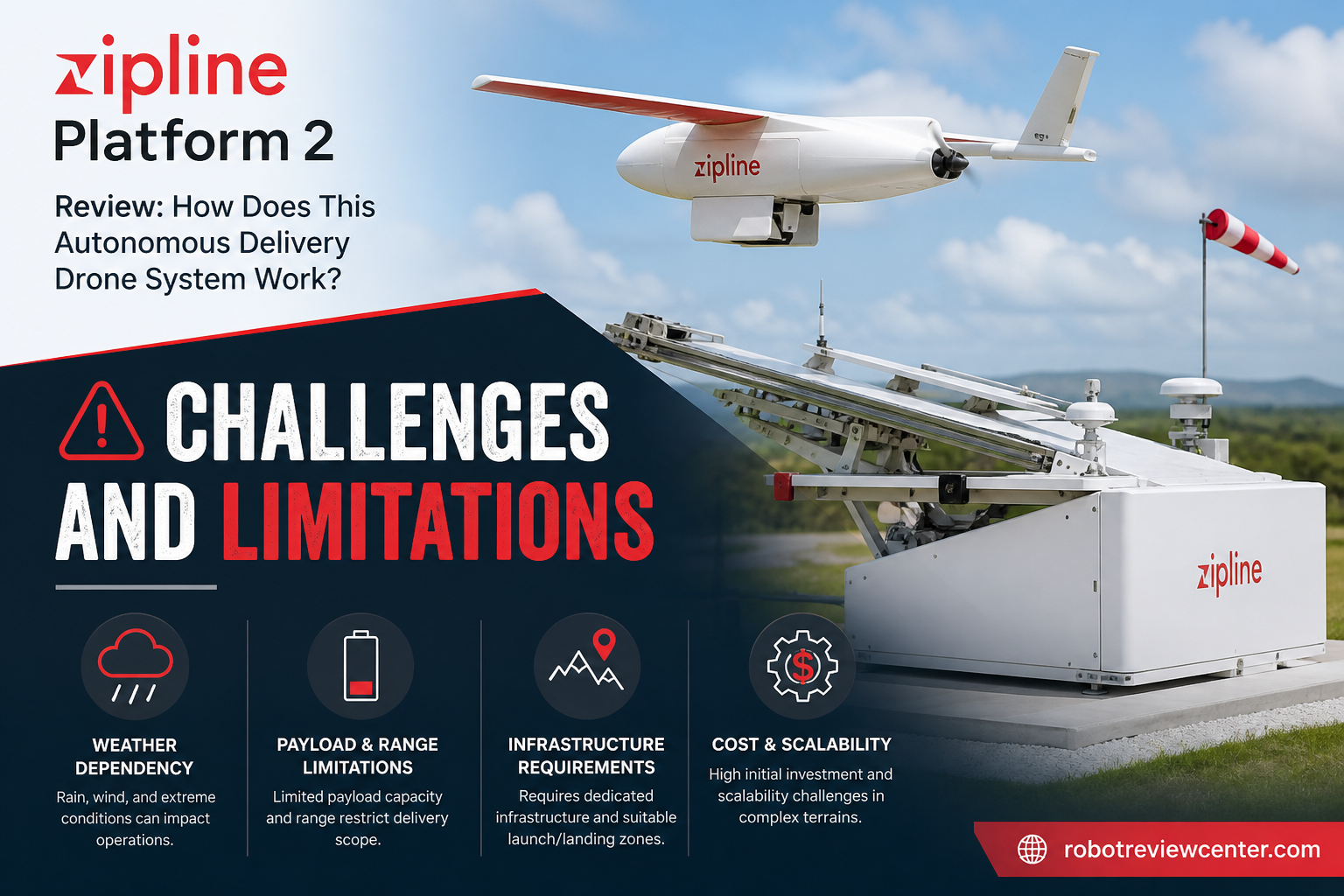
Despite its numerous advantages, Zipline Platform 2 faces several challenges. Regulatory hurdles represent one of the primary barriers to widespread adoption. Airspace regulations vary across regions, and navigating this complex legal landscape requires strategic partnerships and continuous dialogue with governmental bodies.
Technical limitations also persist. While autonomous drones have made significant strides, issues such as battery life and payload capacity are constant challenges. Enhancing these aspects without compromising safety and efficiency remains an ongoing focus for Zipline’s engineering team.
Future Predictions and Long-Term Vision
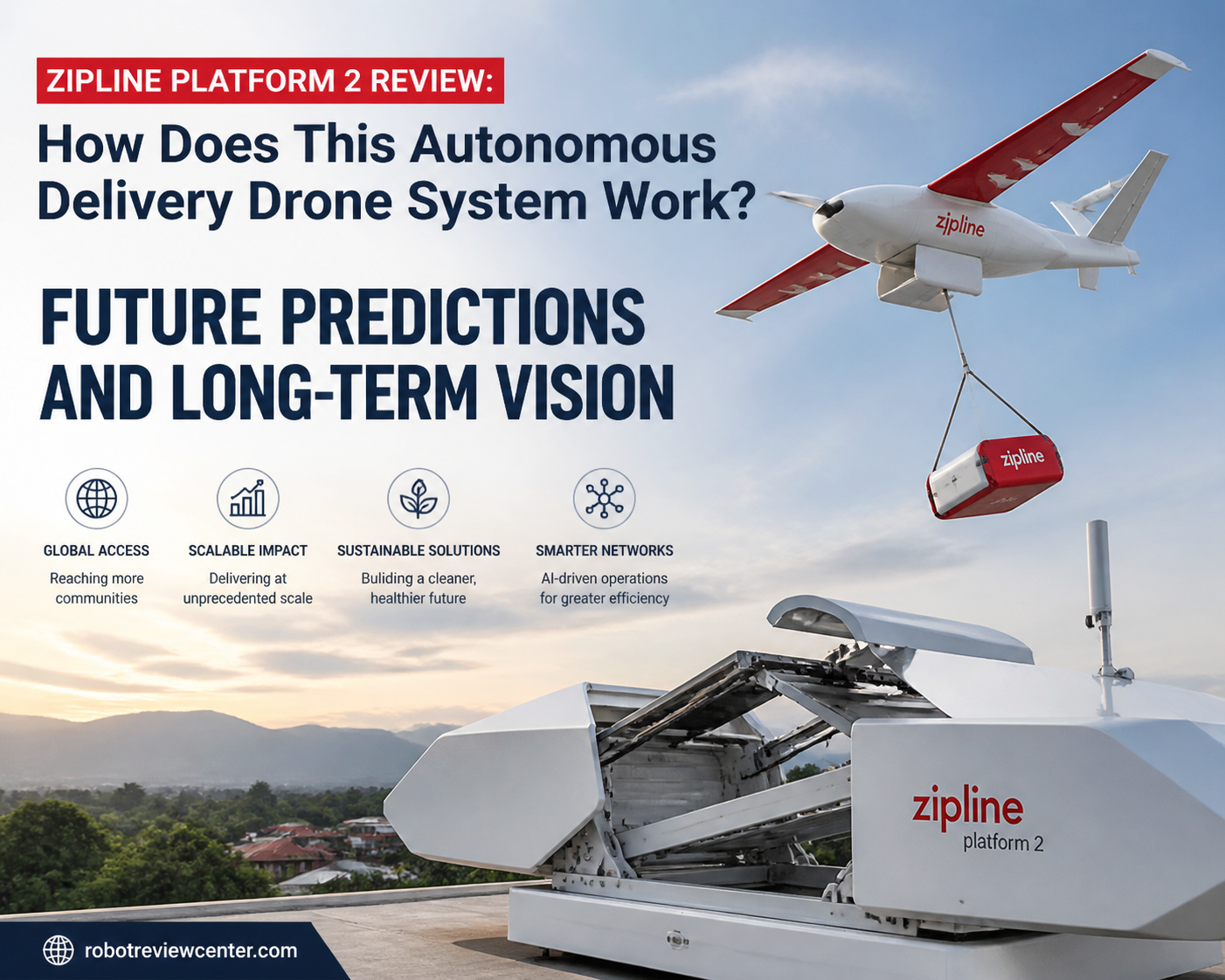
As we peer into the future, the vision for Zipline Platform 2 is one of integration and expansion. In the next three to five years, expect to see these drones as a common sight above both urban and rural landscapes. They will likely serve as the backbone of sophisticated logistics networks, fostering collaboration between tech companies and traditional logistics providers.
Looking further ahead, the possibility of full integration into urban planning could reshape how cities function. Zipline’s drones might one day facilitate emergency response programs, offer infrastructural support, and play a crucial role in smart city environments.
Strategic Insights for Businesses and Developers
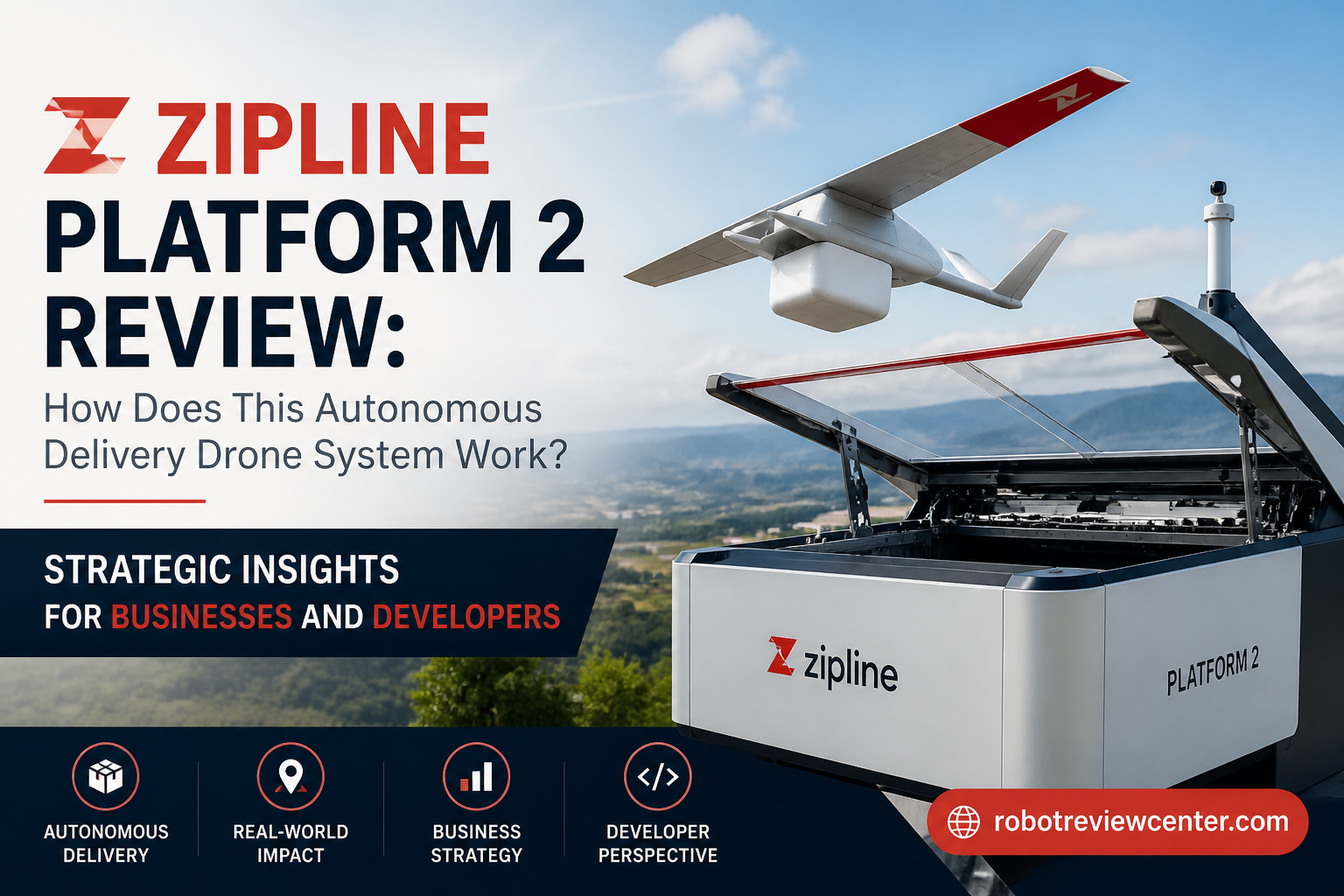
For businesses considering entering the drone delivery space or aiming to leverage it for operational improvement, Zipline Platform 2 offers valuable lessons. Key considerations include investing in AI-driven logistics solutions, building flexible and scalable systems, and engaging proactively with regulatory entities to shape favorable guidelines.
Developers, on the other hand, should focus on enhancing AI models to push the boundaries of what is possible in autonomous navigation. Collaboration with companies like Zipline could open avenues for innovation and drive technological advancements.
So where does this leave us? The introduction of Zipline Platform 2 marks a pivotal moment in the evolution of autonomous delivery drones. Its impressive blend of technology, practicality, and innovation sets a benchmark for new entrants looking to make their mark. However, realizing its full potential hinges on overcoming regulatory challenges and technical limitations. As we continue to question the possibilities and push the boundaries of what drones can achieve, one thing remains clear: the future of delivery is airborne, autonomous, and unquestionably transformative.