
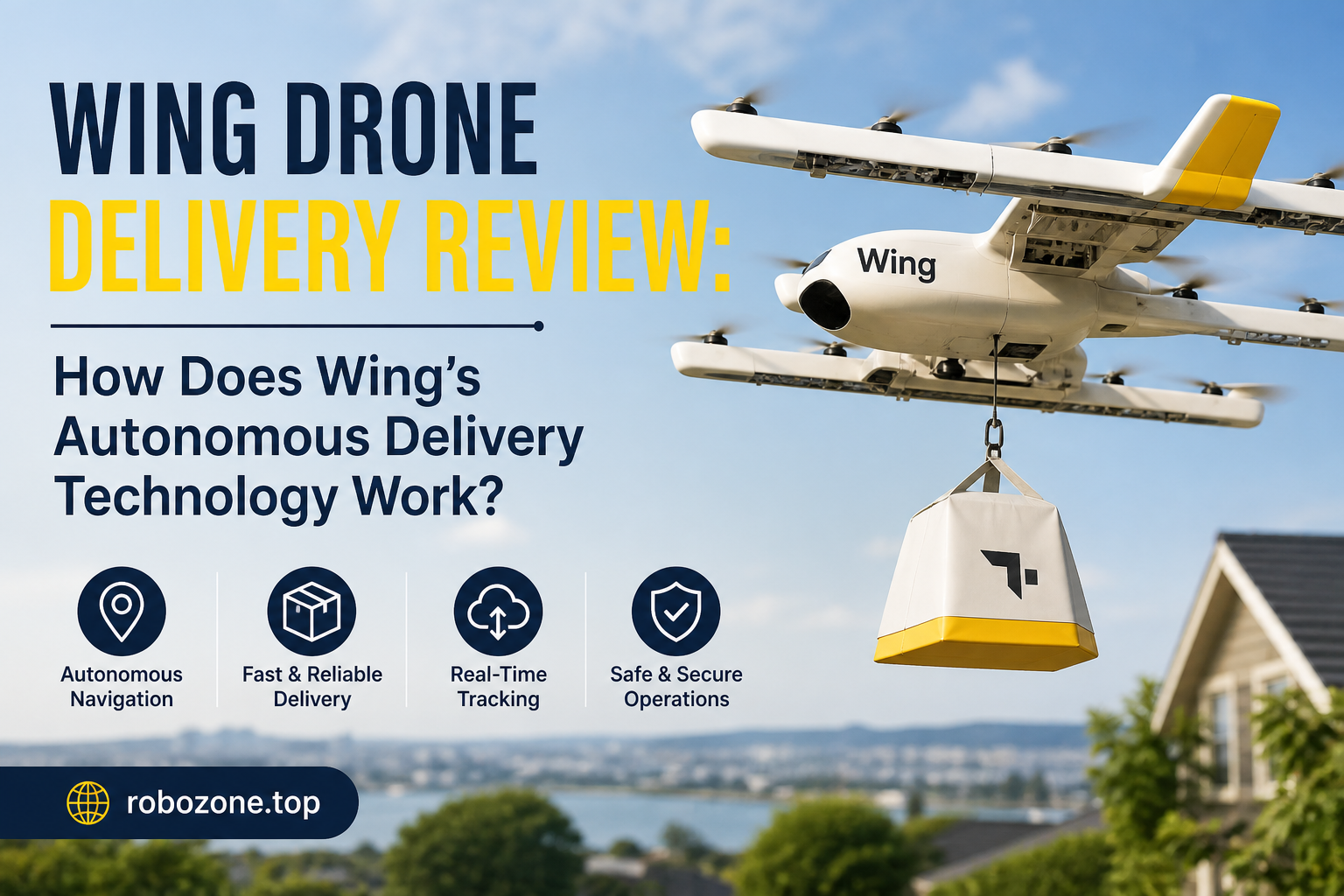
In a world where convenience reigns supreme, the concept of drone delivery is not only futuristic but gradually becoming a staple of modern logistics. Among the front-runners in this race is Wing, a drone delivery company that’s constantly pushing boundaries. As we delve into the intricate workings of Wing’s autonomous delivery technology, expect a journey through innovation, challenges, and future vistas. Let’s unravel the mystery behind how Wing integrates advanced robotics with real-world applications to redefine delivery.
What is Wing’s Autonomous Delivery Technology?
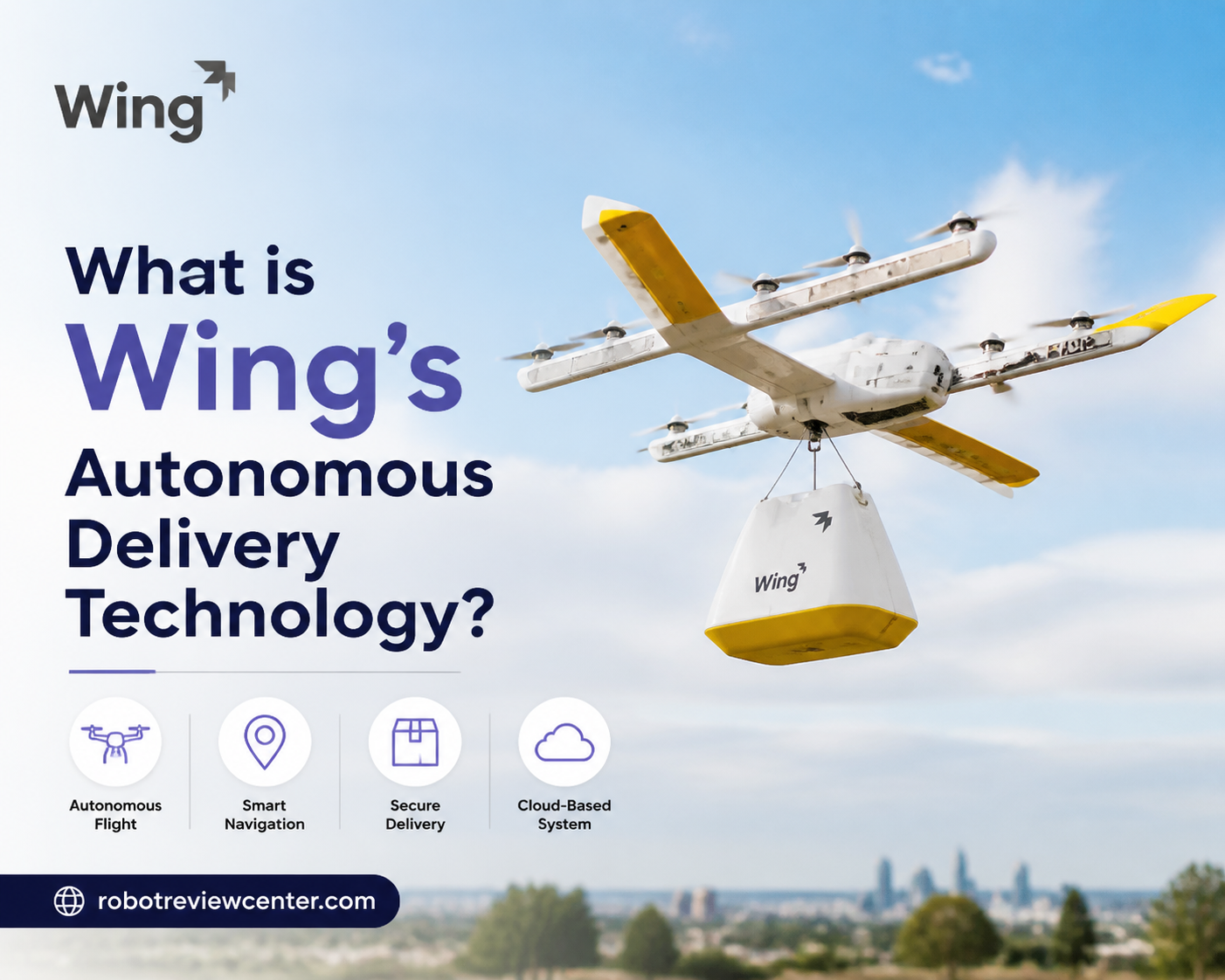
At its core, Wing’s delivery system is a sophisticated blend of autonomous flight machinery and logistics management. Wing, a subsidiary of Alphabet, Google’s parent company, developed its delivery drones with precision and efficiency at the forefront.
The process begins when a customer places an order through a relevant app. The order is packed and placed within a special container that is then attached to the drone. Wasting no time, Wing drones autonomously navigate to the delivery location using pre-programmed software and real-time data processing. These drones are designed to hover over the drop-off point, deploying the package gently to the ground via a winch system.
Real-World Applications of Wing’s Drone Delivery
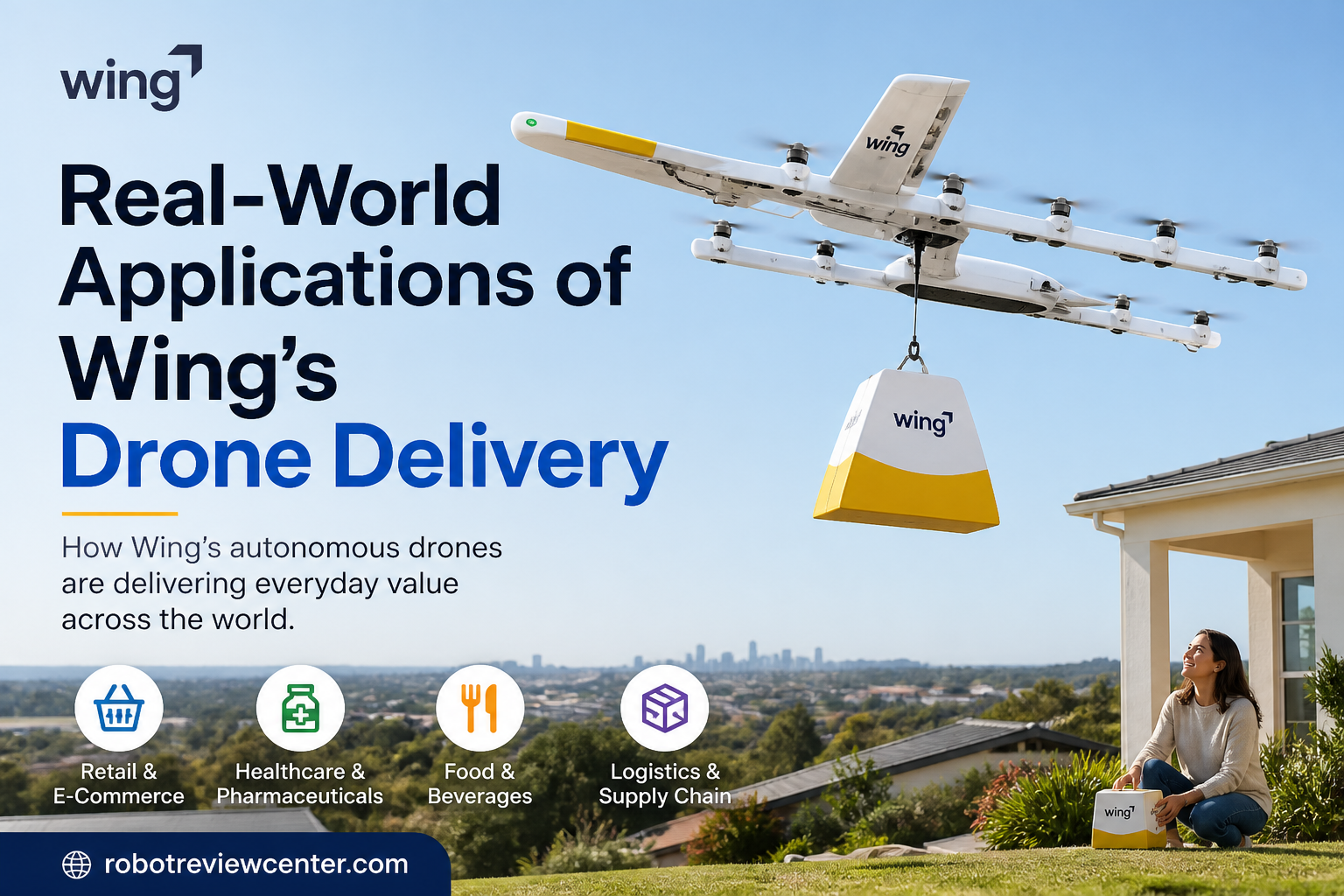
Wing’s technology holds immense potential across various sectors. In retail, the drones are revolutionizing last-mile deliveries, effectively minimizing delivery times. Imagine ordering a small gadget online and receiving it within minutes, not days. That’s the magic Wing brings to the table. Moreover, the healthcare industry has begun to take advantage of Wing’s drones too. These drones can expedite medical deliveries, such as essential vaccines and medicines, to remote or inaccessible locations.
In rural settings, drones play a pivotal role in overcoming geographical barriers that traditionally impeded timely deliveries. By providing fast and efficient service, Wing represents a crucial step towards breaking the logistic bottleneck, therein enhancing rural commerce and connectivity.
Diving Into the Technical Insights
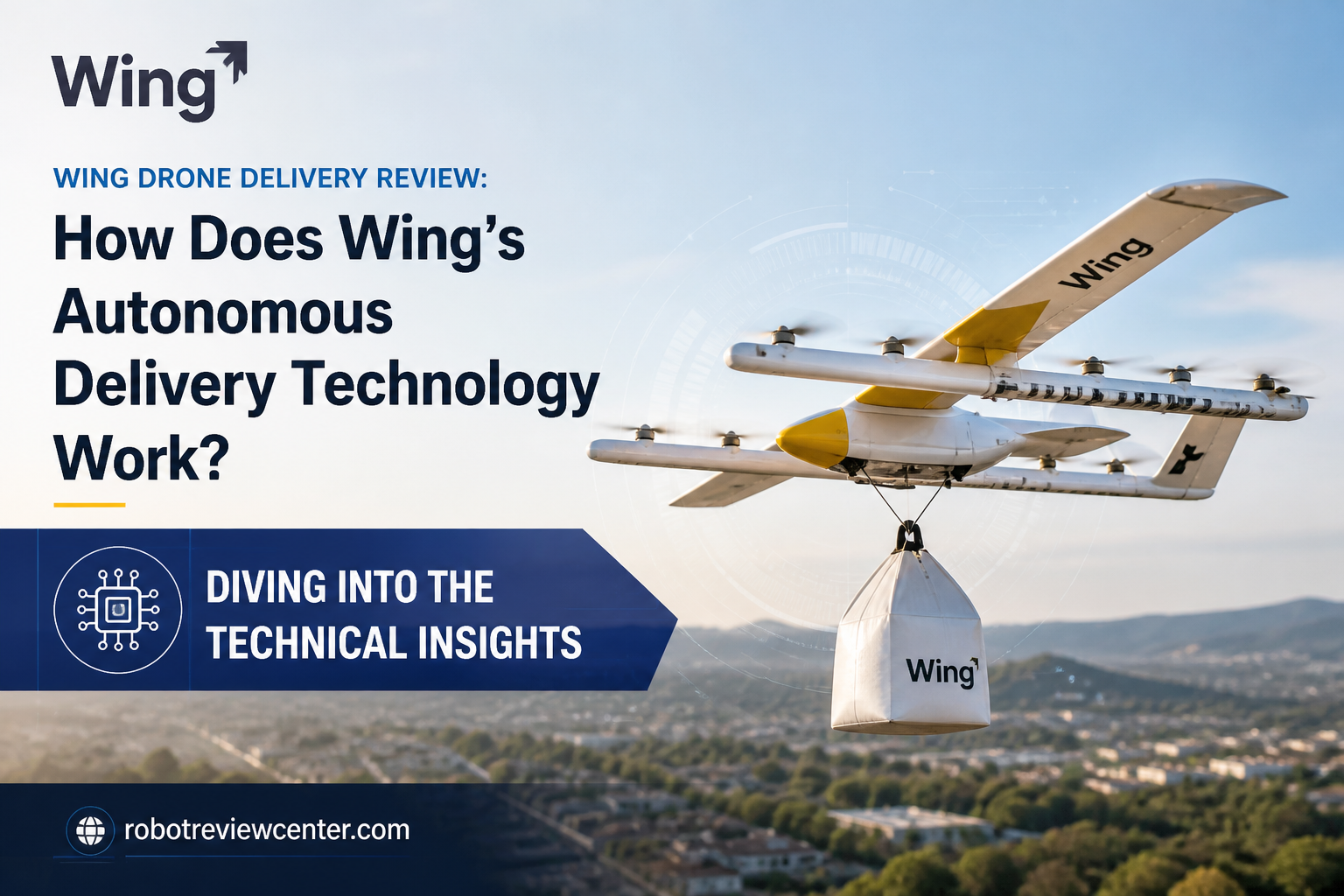
Certainly, the technology behind Wing’s drones is as intriguing as it is complex. The drones utilize GPS for navigation, coupled with onboard computing systems to ensure route efficiency and safety. What’s fascinating is their ability to adapt to real-time obstacles or changes in the flying environment.
Wing employs advanced machine learning algorithms for its flight operations, ensuring the drones ‘learn’ best practices over time. The drones are powered by electric engines, highlighting an eco-friendly approach to modern transportation. As for hardware, the onboard computer hardware is reportedly equipped with capabilities comparable to NVIDIA’s AI computing platforms, which are famous for managing high-volume data processing and real-time analytics.
Analyzing the Market
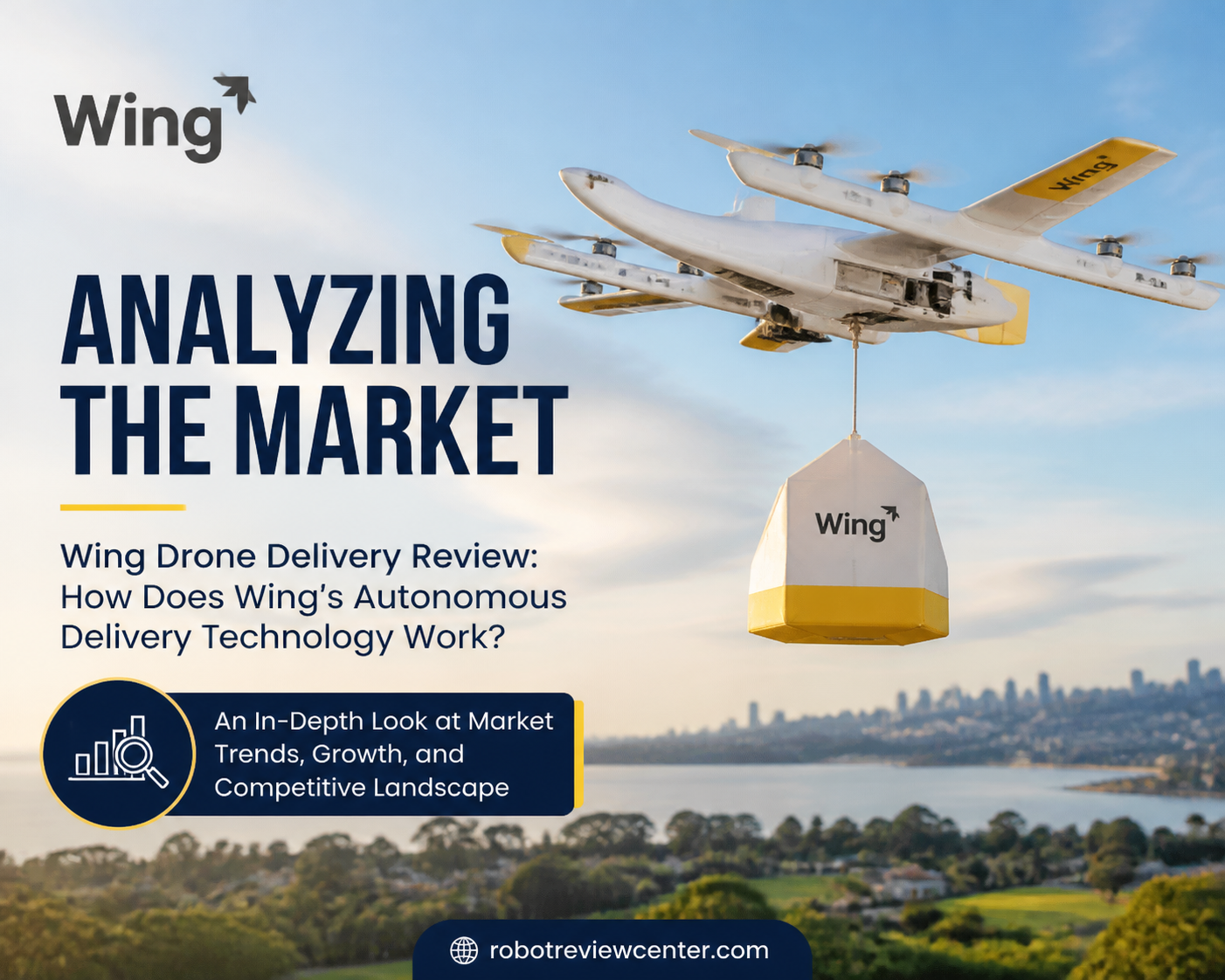
Robust investments have bolstered the drone delivery sector, with projections suggesting exponential growth in coming years. According to MarketsandMarkets, the drone logistics and transportation market looks set to leap from $11.20 billion in 2022 to a staggering $29.06 billion by 2025, with Wing as a key player in this burgeoning industry.
Economic impact is substantial, as companies embrace drone delivery to cut transportation costs while enhancing service efficiency. Consumers, on the other hand, enjoy near-instant gratification with minimal effort—an increasingly vital business enabler in today’s fast-paced world.
Challenges and Limitations
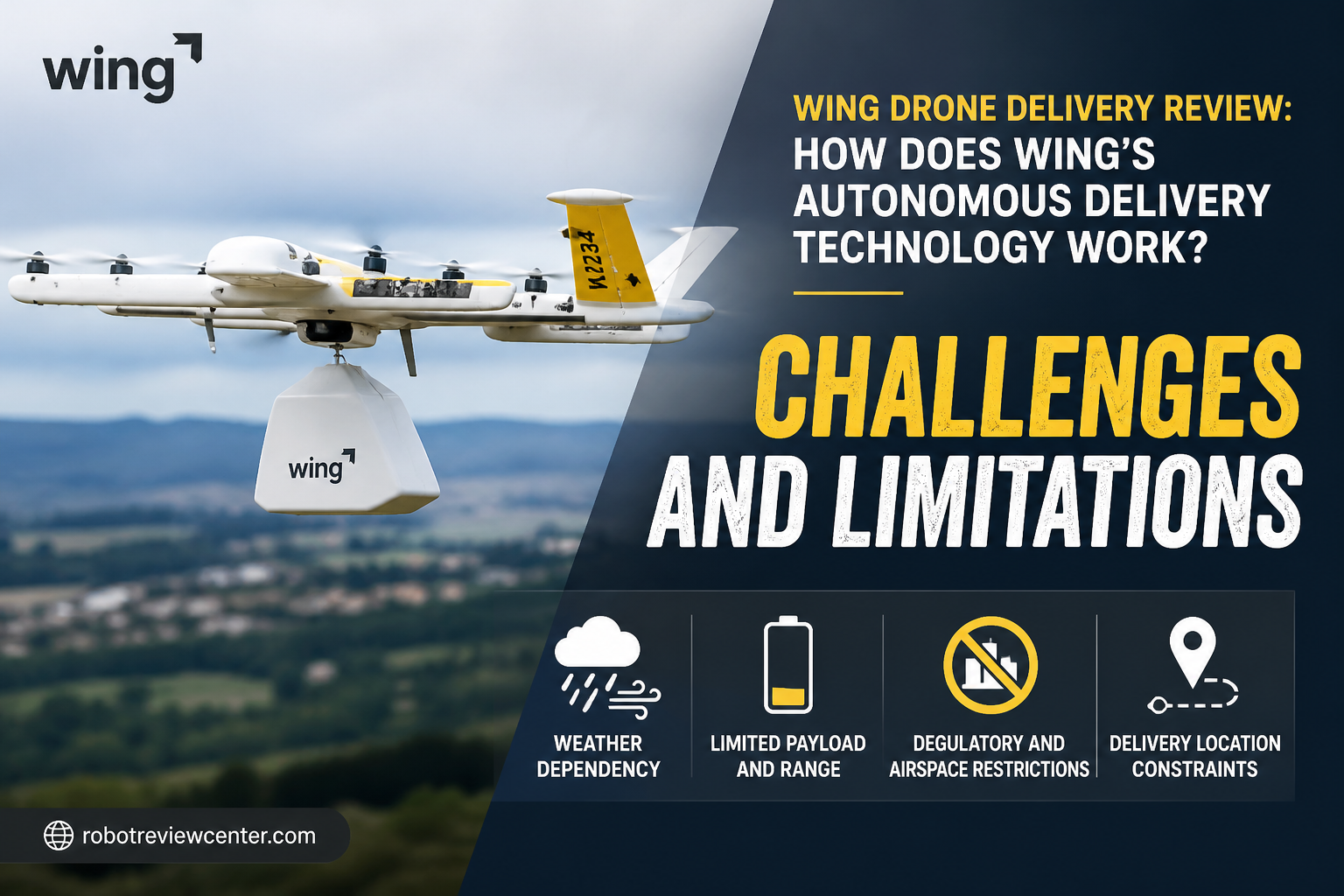
However, Wing’s journey is not without its hurdles. At the forefront lie regulatory challenges. Drone regulations vary widely across regions, often requiring arduous approval processes before operations can commence. Another significant concern is safety and privacy. Unlike traditional vehicles, drones operate in three-dimensional spaces, requiring meticulous planning to avoid accidents and invasions of privacy.
Weather poses another challenge; high winds, rain, or snow can truncate delivery attempts. While Wing continues to refine its technology to overcome such setbacks, the current systems remain imperfect across diverse weather conditions.
Peering Into the Future
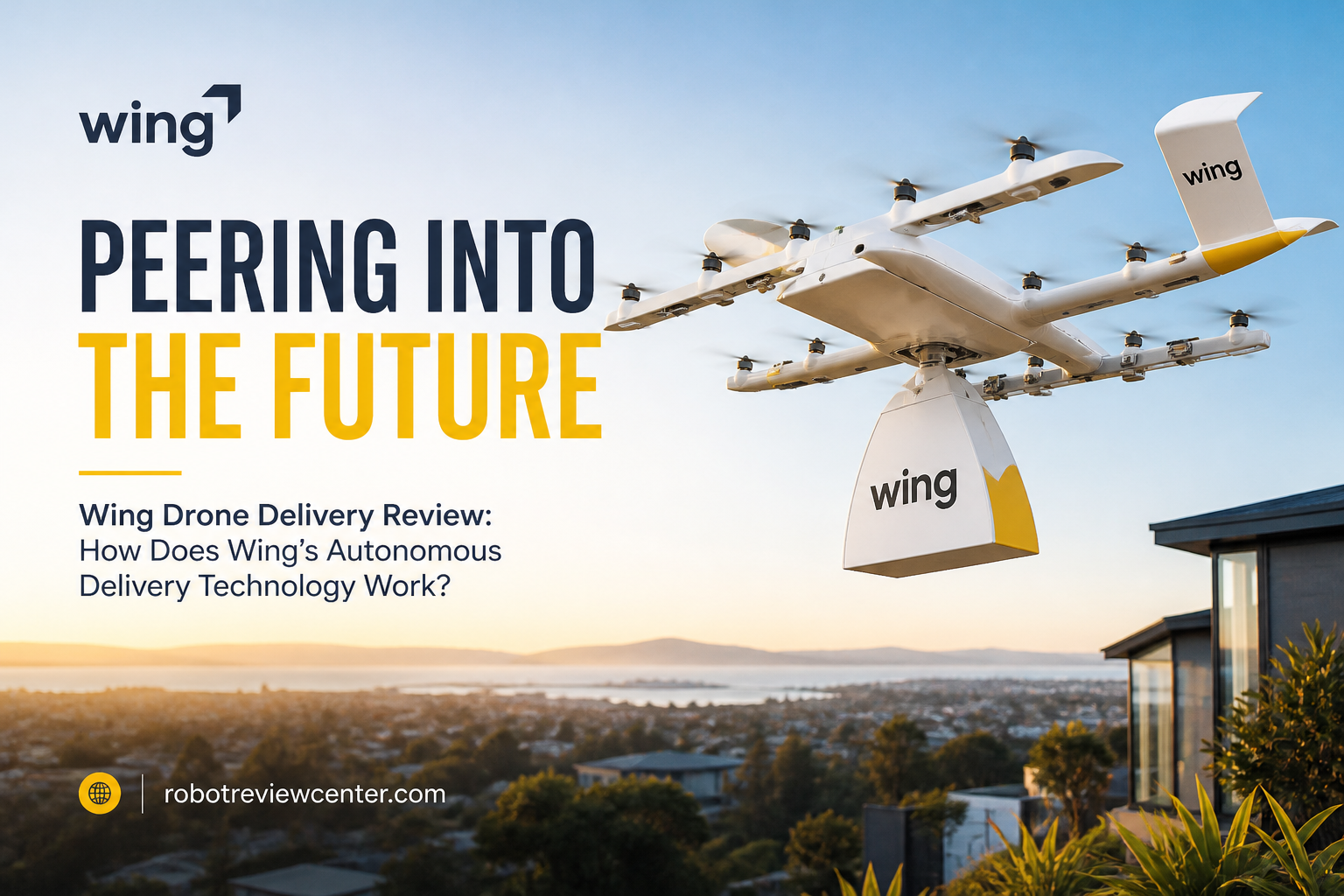
Looking ahead, the future appears vibrant with possibility for Wing and the broader drone delivery industry. Technological advancements point towards more integrated AI systems enhancing autonomy and efficiency. Experts predict expanded usage in urban centers, evolving roles from parcel carriers to critical emergency responders delivering life-saving tools and medicines.
As systems converge and corroborate, collaboration between tech firms, governments, and regulatory bodies will become paramount to nurturing this transformative innovation. The success of Wing’s tech could well see a revolution in how we perceive deliveries altogether.
Strategic Insights for Industry Stakeholders
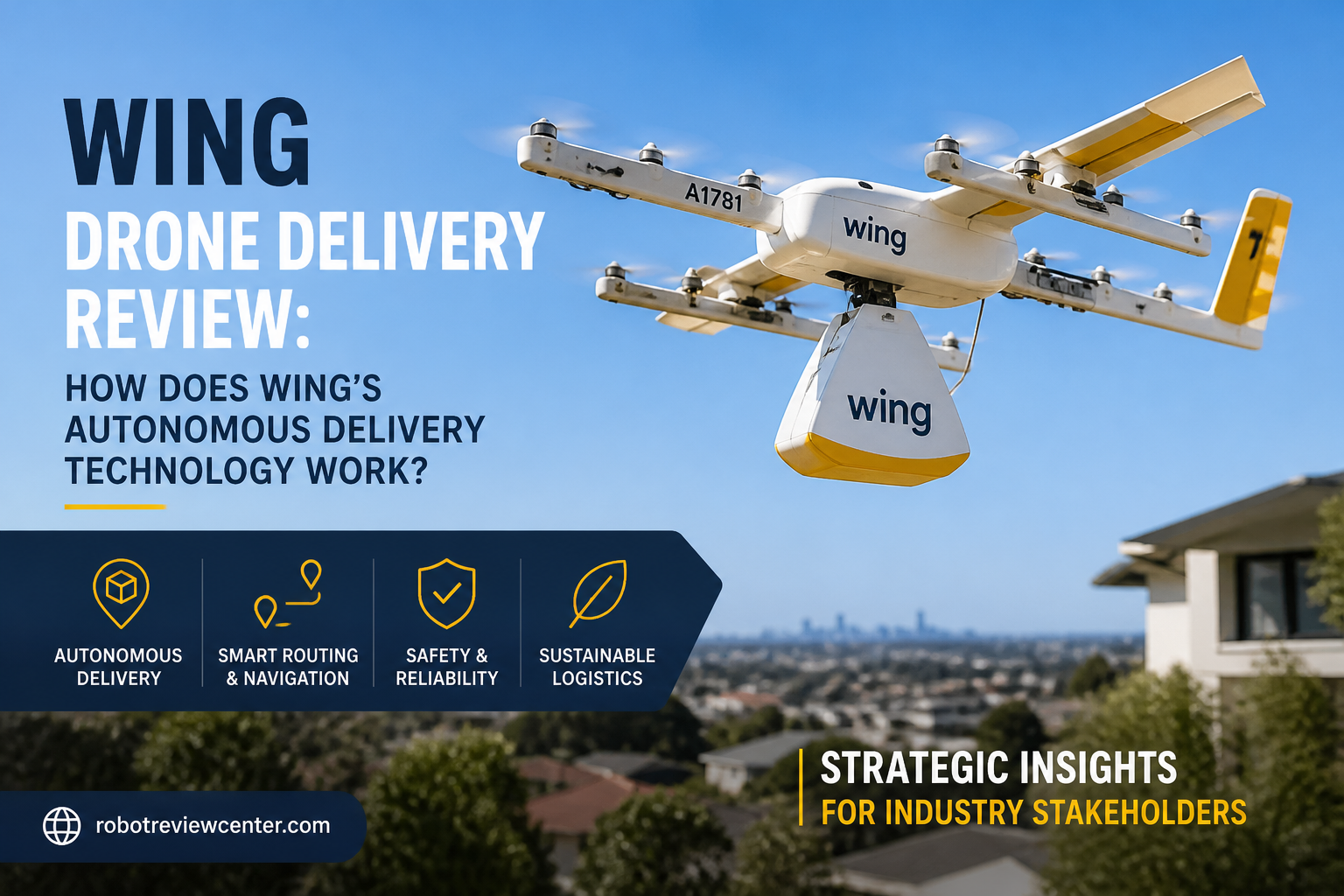
For businesses capitalizing on Wing’s technology, the emphasis should remain on optimizing supply chain logistics and enhancing customer satisfaction through expedited service delivery. Developers should focus on enhancing drone AI for improved navigation and hazard detection.
Consumers should prepare for a redefined sense of ordering and receiving, as rapid delivery becomes a norm rather than a novelty. Whether it’s emulating Wing’s efficient models, or innovating alongside them, stakeholders should anticipate a steady march towards a drone-centric future.
So what comes next? As the race towards autonomous technologies reaches fever pitch, Wing stands as a testament to the potential of drones beyond mere delivery—hinting at a future where efficiency and immediacy are harmonized with innovation. For those of us watching the skies, the real question is: how long until these drones become as common as the mail trucks they now augment?