
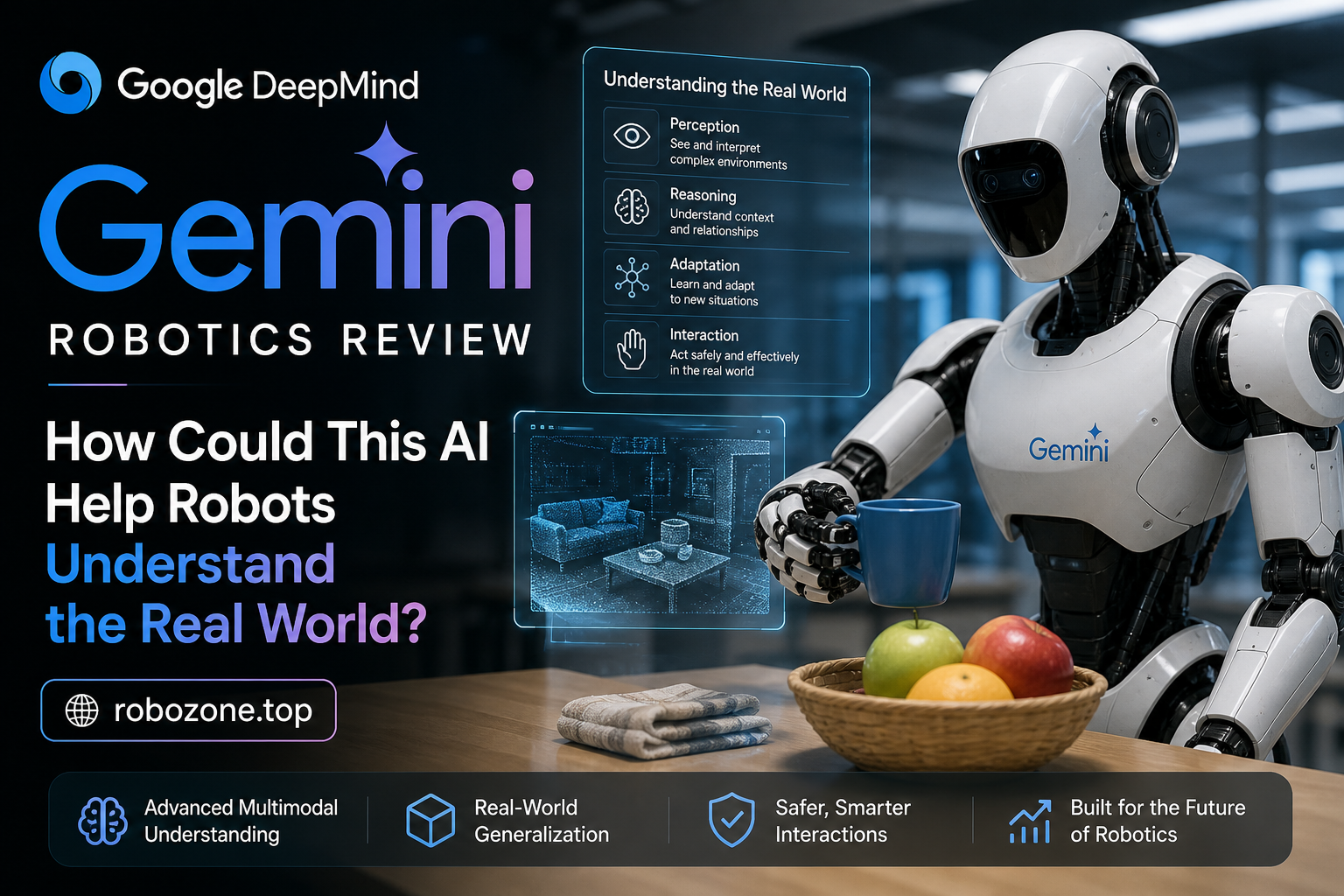
In the last decade, robotics has taken significant strides from the realms of science fiction into the practical corridors of our everyday lives. This evolution owes much to groundbreaking advancements in artificial intelligence, particularly in enabling machines to navigate and understand the complexities of the real world. At the forefront of this revolution is Google DeepMind’s Gemini AI, a technology that promises to transform how robots perceive, process, and interact with their surroundings. So, what exactly is Google DeepMind Gemini, and how could this AI redefine the landscape of robotics? Let’s delve deeper to uncover the secrets behind this innovation and its potential impact.
The Genesis of Google DeepMind Gemini
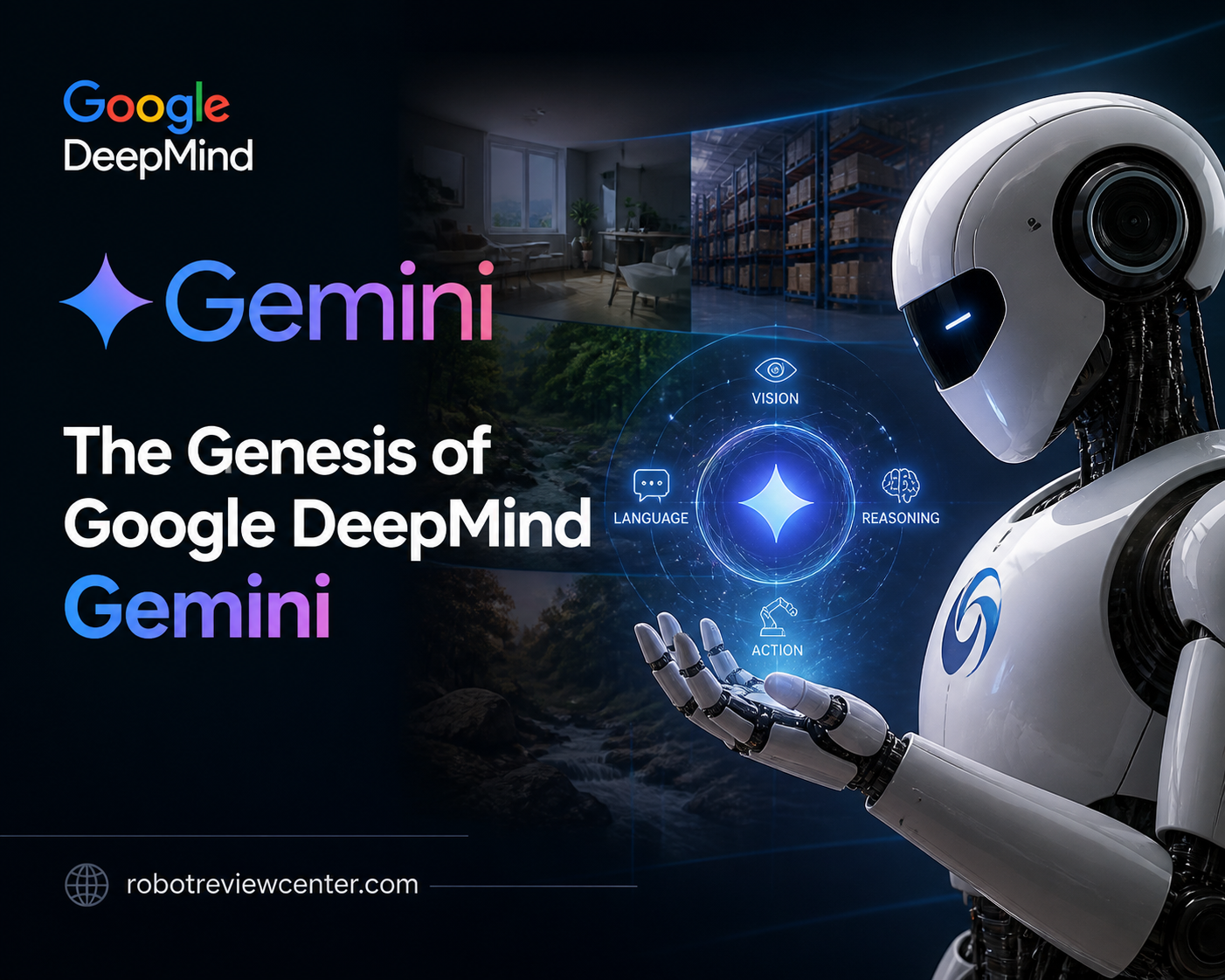
Google DeepMind has always been synonymous with cutting-edge AI research. Established in 2010, it has consistently pushed the boundaries of what’s possible with artificial intelligence. Remember when its AlphaGo defeated the world’s leading Go player? It was a historical moment, showcasing the transformative power of AI.
Google DeepMind’s newest venture, the Gemini AI, follows this tradition of excellence. Designed with the intent to enhance robotic perception and understanding, Gemini employs sophisticated algorithms to enable machines to interpret their environments accurately.
So how does it work? Unlike traditional AIs, which rely solely on pre-programmed data, Gemini integrates reinforcement learning—a process where AI improves through trial and error. This methodology allows robots to adapt in real-time, learning from their mistakes and improving with every activity.
The Mechanics of Perception
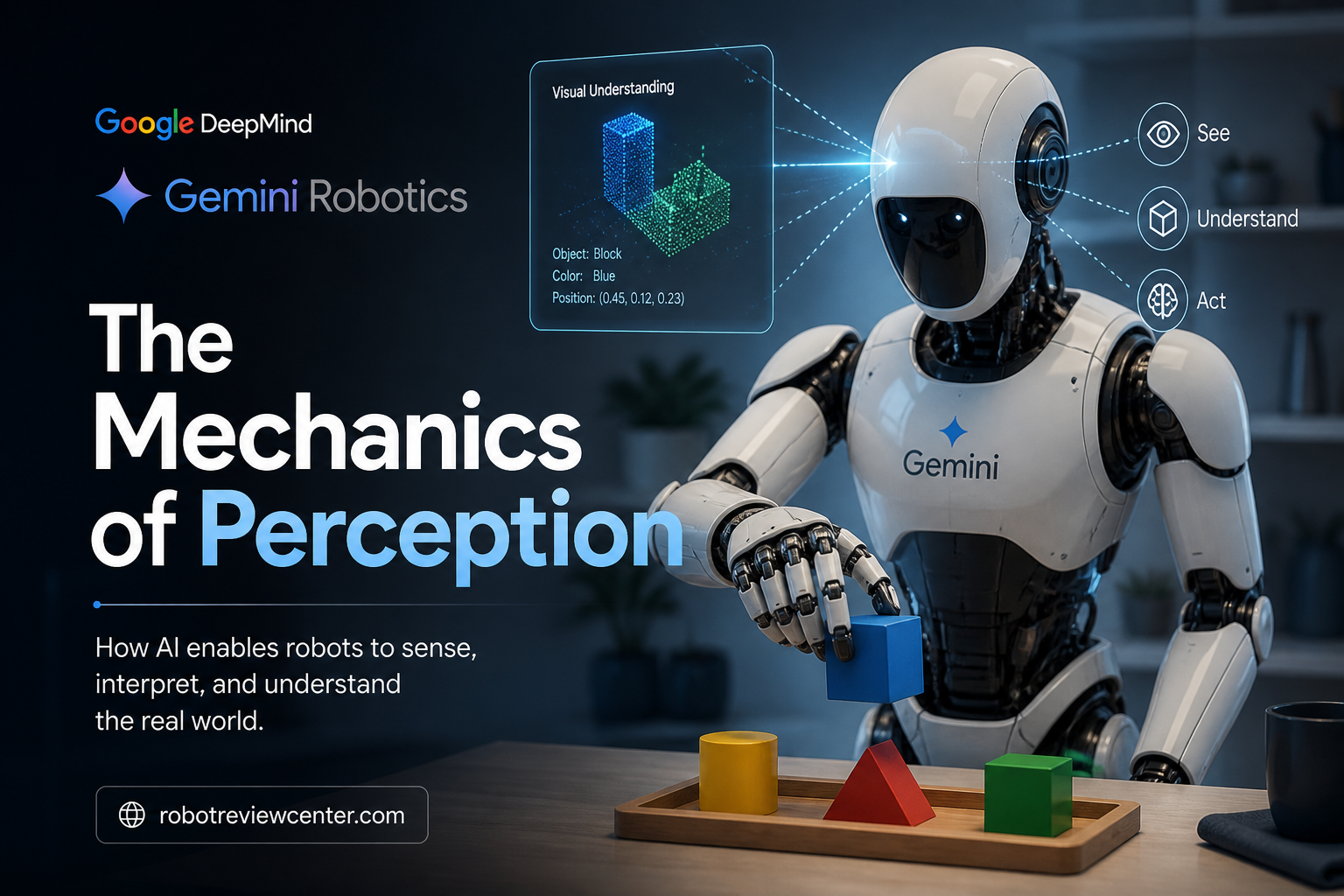
Understanding the real world requires more than just computational power; it demands the ability to perceive nuances, something Gemini is designed to master. With its integration of advanced sensor technology, including RGB-D cameras and LiDAR, robots can form a comprehensive picture of their surroundings.
The combination of stereo vision and powerful computing capabilities allows for accurate scene understanding. For instance, with depth cameras, robots equipped with Gemini can differentiate between objects, surfaces, and distances, laying the groundwork for obstacle navigation and precise manipulation.
Thus, Gemini enables robots not just to ‘see’ but to ‘understand’ the spaces they are in—whether it’s discerning a delicate glass from a sturdy book or navigating a crowded room without causing disturbances.
Real-World Applications Across Industries
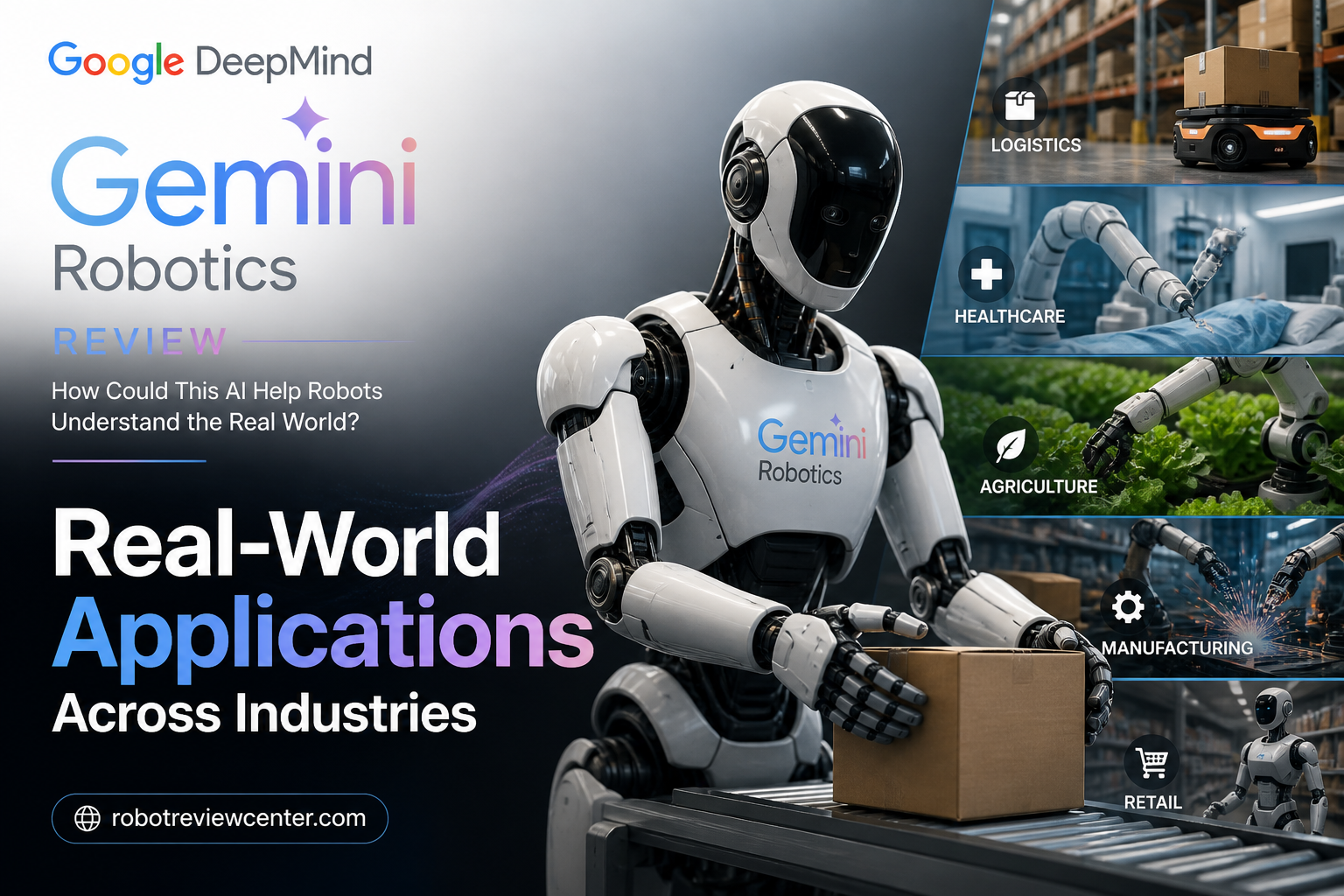
How could such technology reshape industries? The applications seem endless. In healthcare, where the need for precision and adaptability is paramount, Gemini-powered robots could assist in surgeries or manage logistics in bustling hospitals. The ability to traverse hallways crowded with equipment and staff without interruption is invaluable.
In industrial sectors, such robots could facilitate complex assembly tasks or perform dangerous operations, enhancing efficiency and safety. Imagine a Gemini-enabled robot orchestrating a logistics operation, optimizing routes and movements with uncanny precision—it is efficiency redefined.
Even in domestic settings, the potential of Gemini AI shines. Maintenance tasks, cooking, and even assisting the elderly or disabled could be revolutionized, providing comfort and autonomy where it matters most.
Inside the Brain: AI Models and Computation
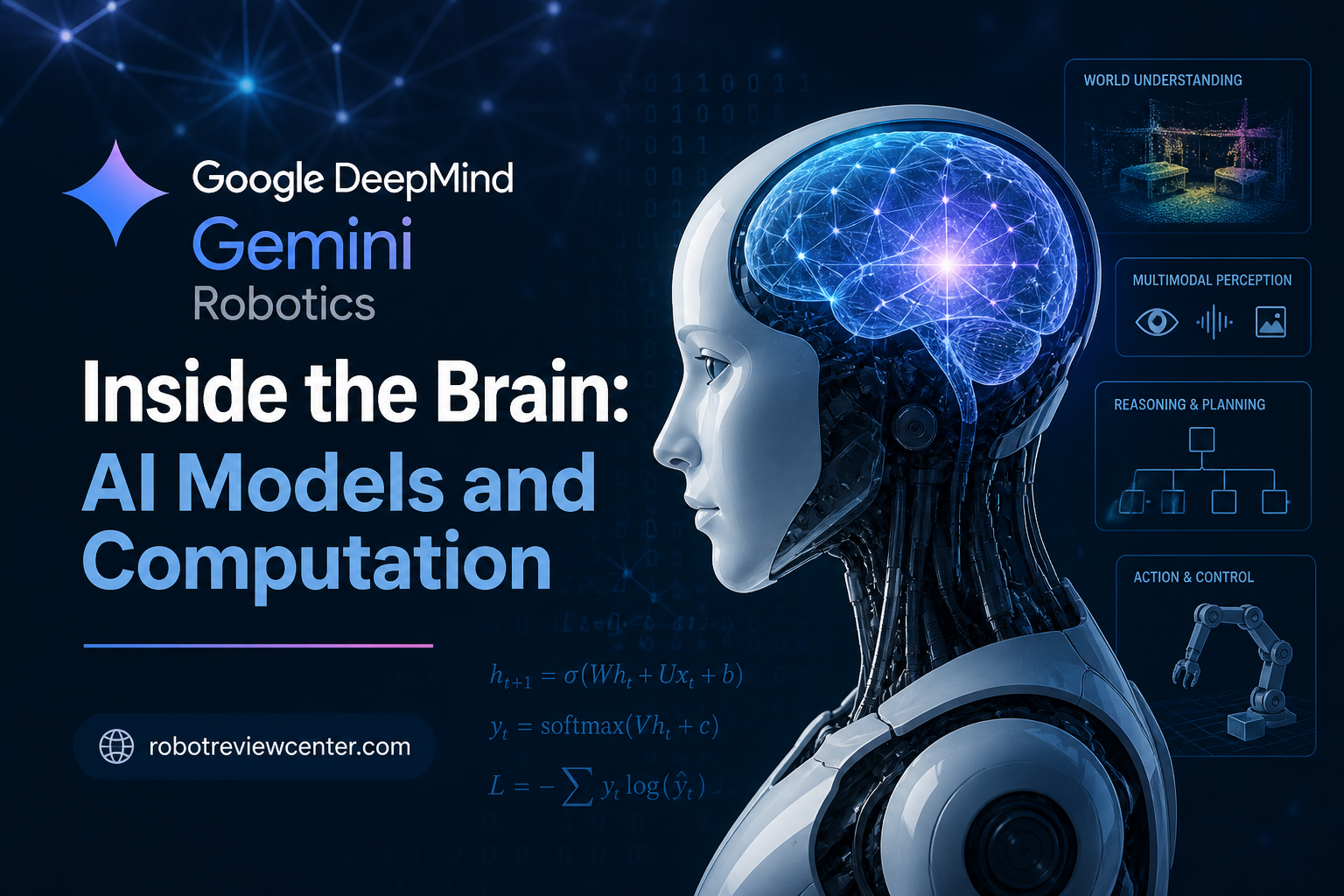
At its core, Gemini relies on an amalgamation of powerful AI models and robust hardware. The use of NVIDIA GPUs and TensorFlow frameworks exemplifies its reliance on high-performance computing. These tools empower DeepMind to run complex algorithms that process vast amounts of sensory data quickly and accurately.
Beyond its hardware, Gemini’s true strength lies in its AI architecture. Employing a Vision-Language-Action model, it bridges the traditional gaps between how robots see, interpret, and act. This holistic approach ensures a seamless conversion of perception to action—a crucial factor in real-world applications.
Thus, the computation behind Gemini doesn’t merely power functions—it facilitates intelligent actions, marking a shift from reactive to proactive robotic behavior.
Market Dynamics: Economic Impact and Growth Potential
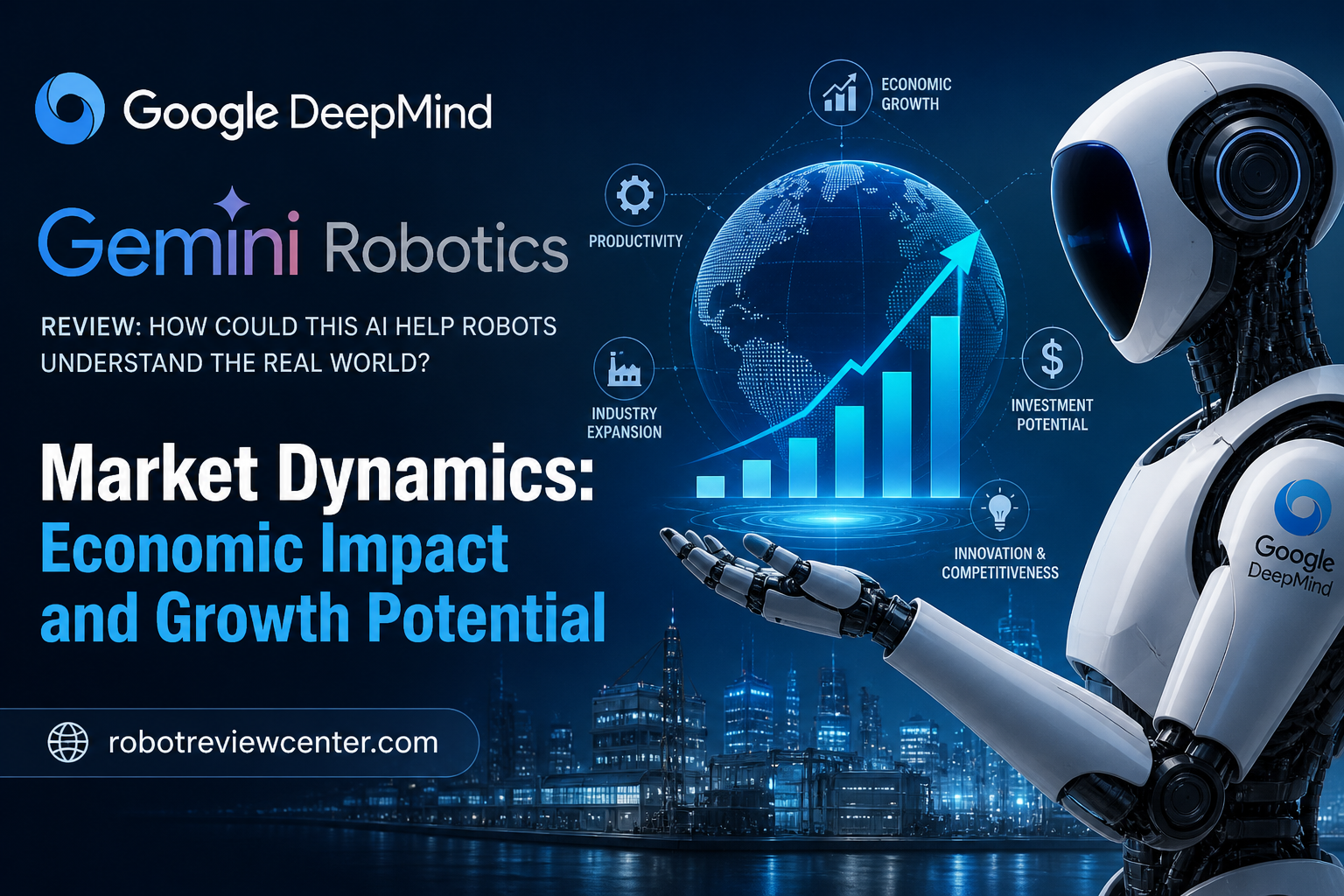
The robotics market is poised for exponential growth, with intelligent systems predicted to drive significant economic impact. According to market analyses, the integration of AI in robotics could contribute trillions to global growth over the next decade.
The driving force behind this forecast lies in productivity enhancements across industries. For businesses, this translates into higher output, lower operational costs, and enhanced service levels. A McKinsey report estimates that AI could potentially automate up to 45% of work activities, underpinning the relevance of technologies like Gemini in the modern landscape.
As DeepMind’s innovations continue to unfold, the anticipation within industry circles only grows. Investors, developers, and end-users alike stand to gain unprecedented value from the rise of intelligent robotics.
Navigating the Challenges
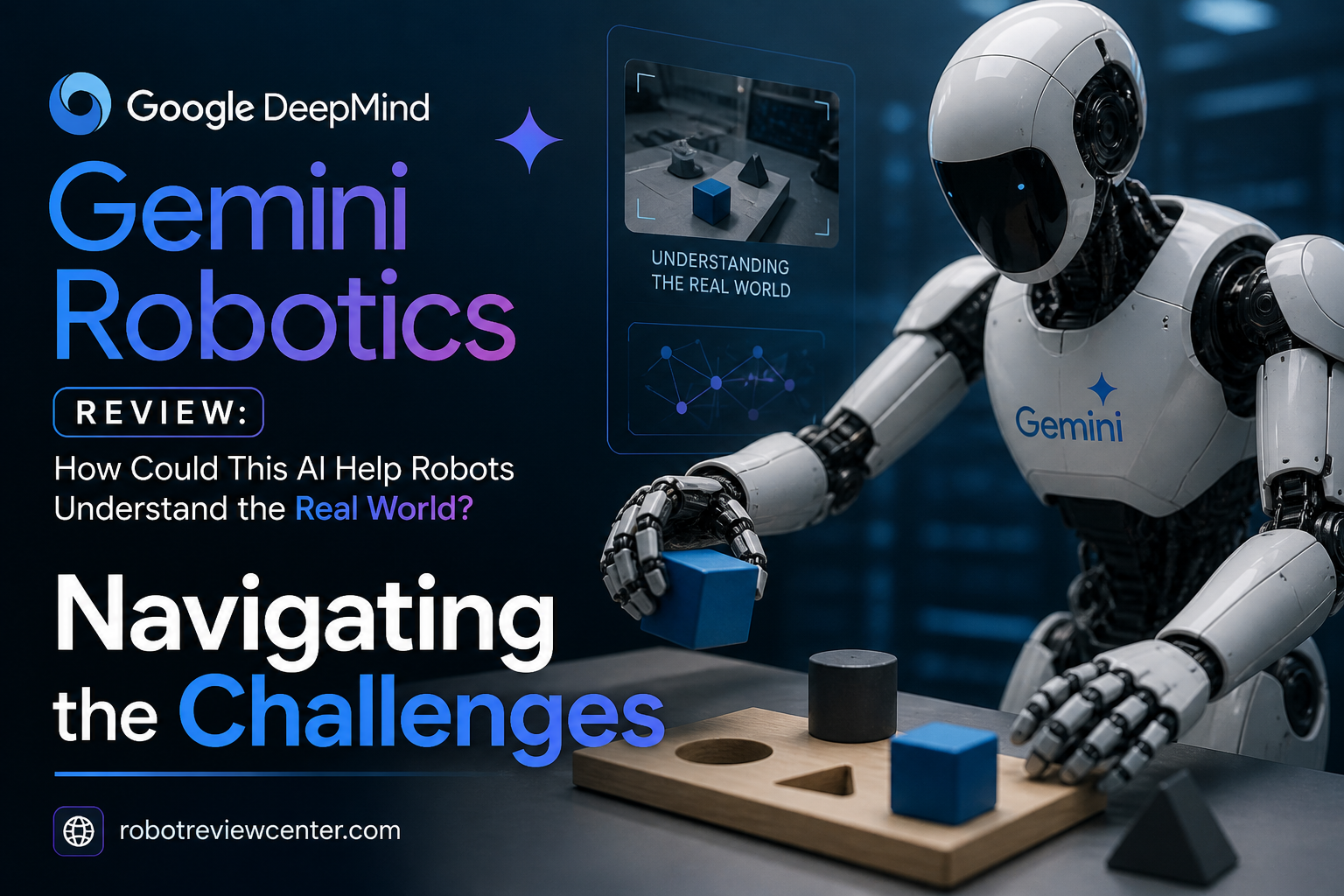
Yet, despite its positives, Gemini AI is not without its challenges. One significant hurdle is the vast computational requirement. High processing power means that such systems are often costly to implement.
Additionally, the complexities involved in programming robots to understand nuanced human emotions and intentions still pose a significant barrier. While Gemini is adept at environmental interaction, developing a sense of social intelligence remains a work in progress.
Moreover, there are concerns about privacy and ethics. With robots that ‘see’ and ‘hear’, questions about data security and ethical deployment are inevitable. Addressing these concerns will be crucial for the widespread acceptance of AI-driven robotics.
Peering Into the Future
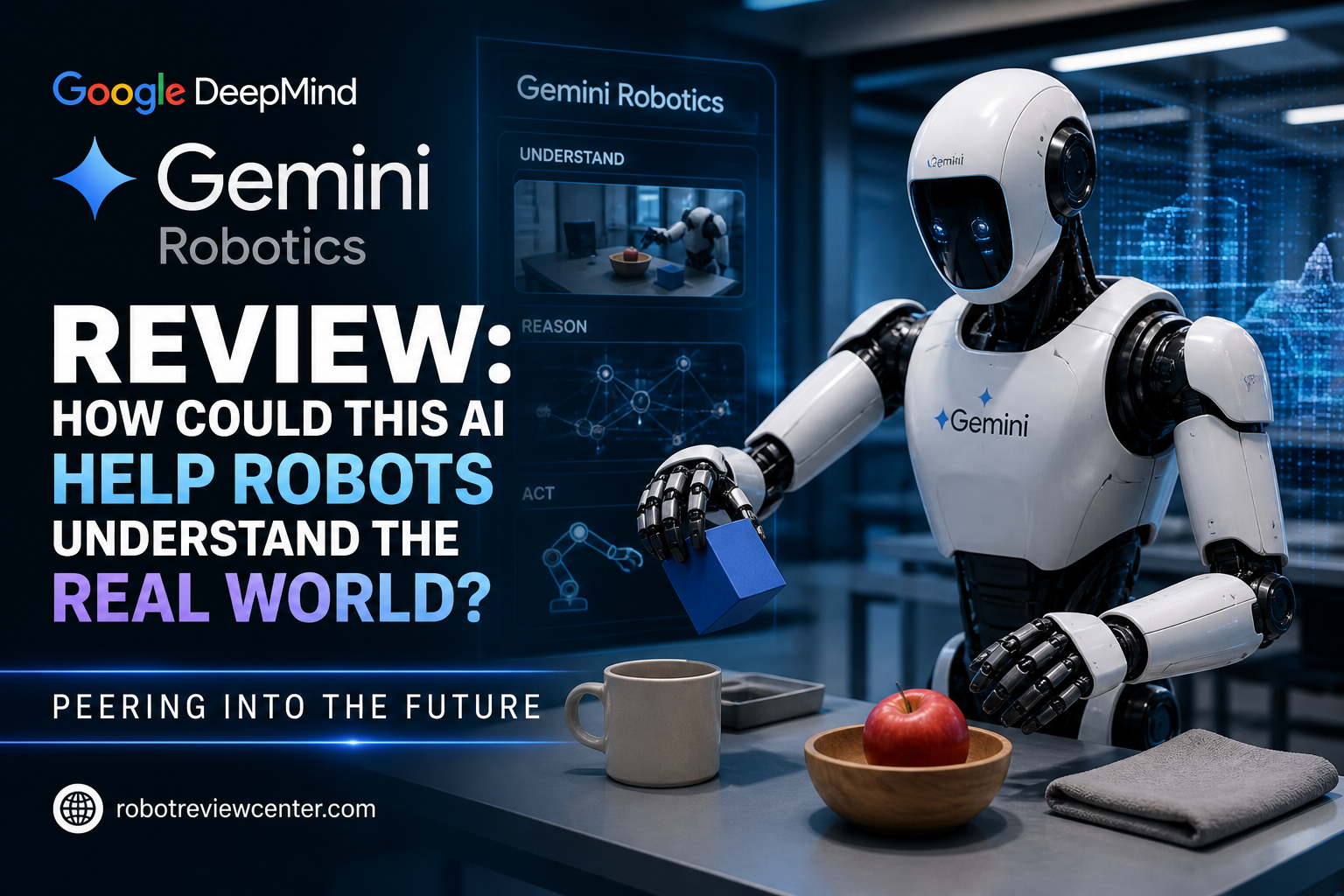
So, what does the future hold for AI in robotics? Experts forecast that within the next five to ten years, AI models like Gemini will become more versatile and accessible. The advancements in machine learning and AI will likely achieve higher levels of autonomy and understanding, making robots even more integral in daily operations.
Imagine hospitals where robotic assistants autonomously manage inventories, factories where robots maintain seamless production lines, or homes equipped with robots that evolve with their environments. Such scenarios may soon transition from imagination to reality.
For businesses and developers, staying abreast of these advancements is imperative. Embracing this technology could mean the difference between leading the market and being overwhelmed by change.
So Where Does This Leave Us?
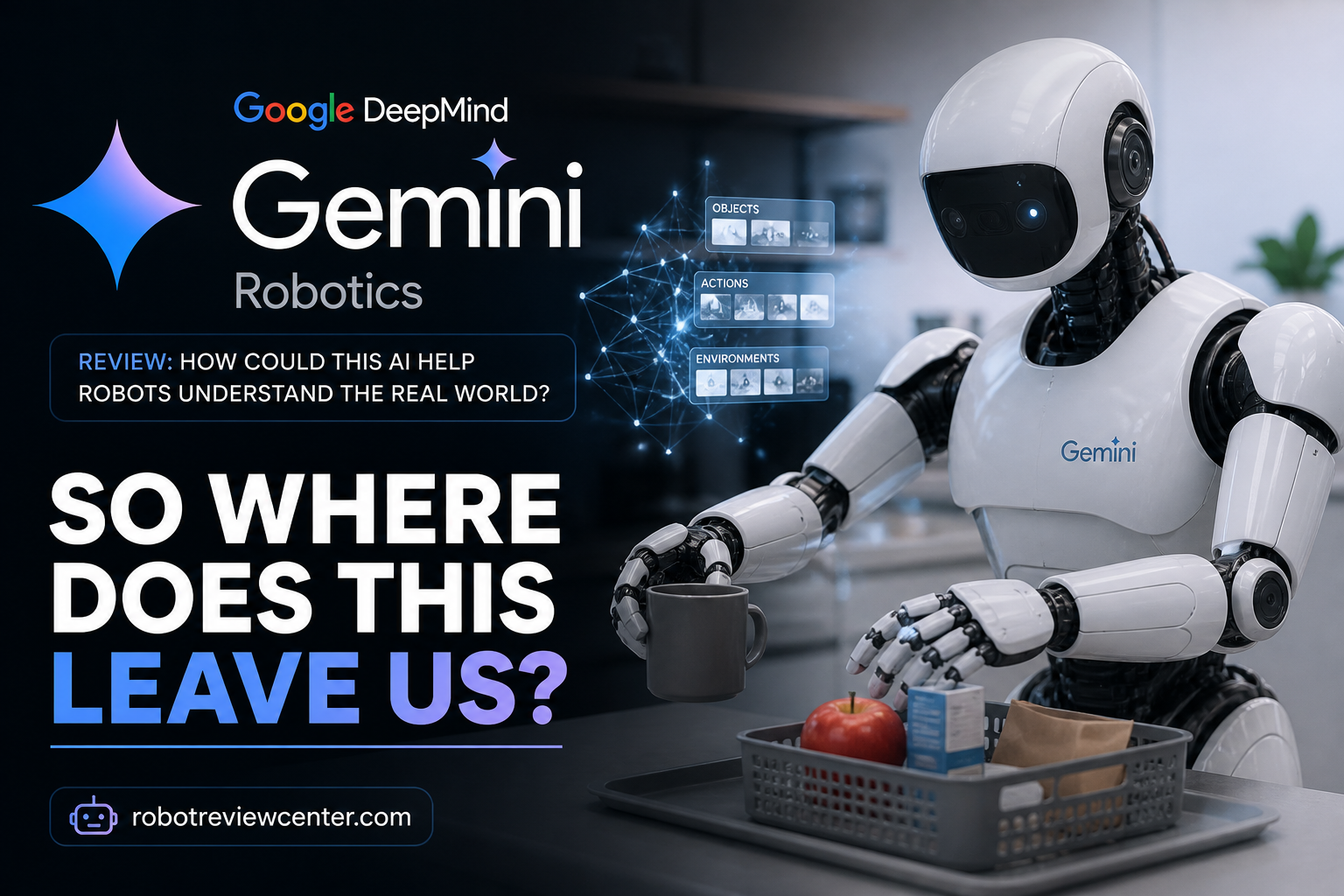
In reflection, the advent of Google DeepMind’s Gemini AI marks a pivotal point in robotic advancement. Offering a framework that enhances perception, understanding, and response, it is a herald for future innovation across industries.
But as we stand at this precipice, defining the ethical and operational frameworks that guide AI’s integration in society will determine its true impact. For stakeholders across industries, such understanding is not just advantageous—it is essential for strategic growth.
As Thomas Huynh often reminds us, ‘In the fast-evolving world of robotics, it’s not just about keeping up, but staying ahead.’ As we move forward, one thing is clear: Gemini AI might just be the compass that points the way forward.
Thomas Huynh – Admin of RobotReviewCenter.com