
The world of robotics is like a living organism, constantly evolving with the pulsations of innovation. At RobotReviewCenter.com, where curiosity meets critical analysis, we’re delving into one of the most intriguing robotics AI emerging on the scene—Physical Intelligence π0.7. Imagine the potential of a robotics model designed to mimic the intuitive decision-making processes of living beings in dynamic environments. This is where Physical Intelligence π0.7 stakes its claim. In this comprehensive review, we’ll navigate through this model’s intricacies, studying its engineering precision, potential applications, and where it stands in the ever-noisy universe of robotics.
Understanding Physical Intelligence π0.7
Picture a robot that doesn’t just compute, but truly ‘thinks’ on its feet. Physical Intelligence π0.7 is designed to bring about a new era where robots aren’t just pre-programmed entities but are expected to exhibit spontaneous problem-solving abilities—reacting to real-world challenges in real-time. Developed with the intention to enhance the autonomous functionality of machines, this AI model integrates robotics with advanced neural computing to mimic organic intelligence. Think of it as endowing robots with the cognitive faculties to tackle unforeseen obstacles much like a human would—quickly and, often, intuitively.
Though originating from the speculative dreams of AI pioneers, the current application of Physical Intelligence π0.7 is not just theory. It’s grounded in science, leveraging cutting-edge machine learning algorithms. Experts at the Stanford AI Lab describe it as a paradigm shift, where AIs engage in continual learning, gaining spatial awareness akin to humans who assess, adapt, and act based on complex environmental stimuli.
Unveiling the Technical Architecture
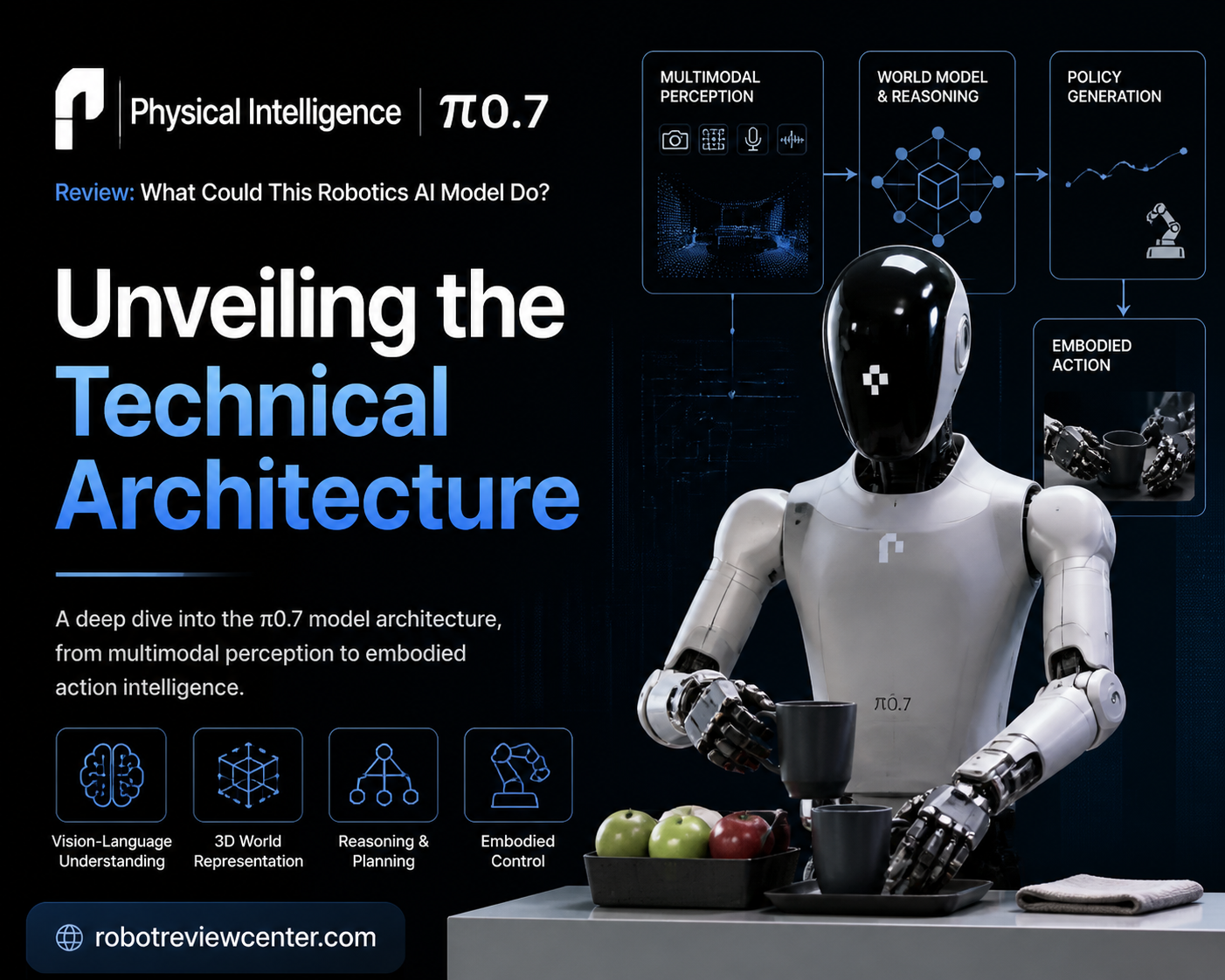
In the heart of Physical Intelligence π0.7’s architecture lies a confluence of AI models and computational prowess. This model employs cutting-edge deep learning frameworks that channel observational data into actionable intelligence through vision-based processing systems. Not unlike the NVIDIA’s Jetson AGX Xavier, these frameworks assimilate visual data in real-time, converting them into motion-planning commands.
Equipped with a plethora of sensors—ranging from RGB cameras and LiDAR to tactile sensors—π0.7 perceives its trading world in layers. Each sensor feeds into the AI’s neural pathways, establishing a spatial map that guides its primary operations. For those versed in technological semantics, π0.7’s depth-sensing capabilities echo Boston Dynamics’ Spot robots, but with the added advantage of advanced cognitive processing underpinned by enhanced visual language models (VLMs). This integration taps into Vision-Language-Action (VLA) frameworks enabling the robot not just to see but to ‘understand’ its surroundings and interact more naturally.
Real-World Applications: Industry Meets Inspiration
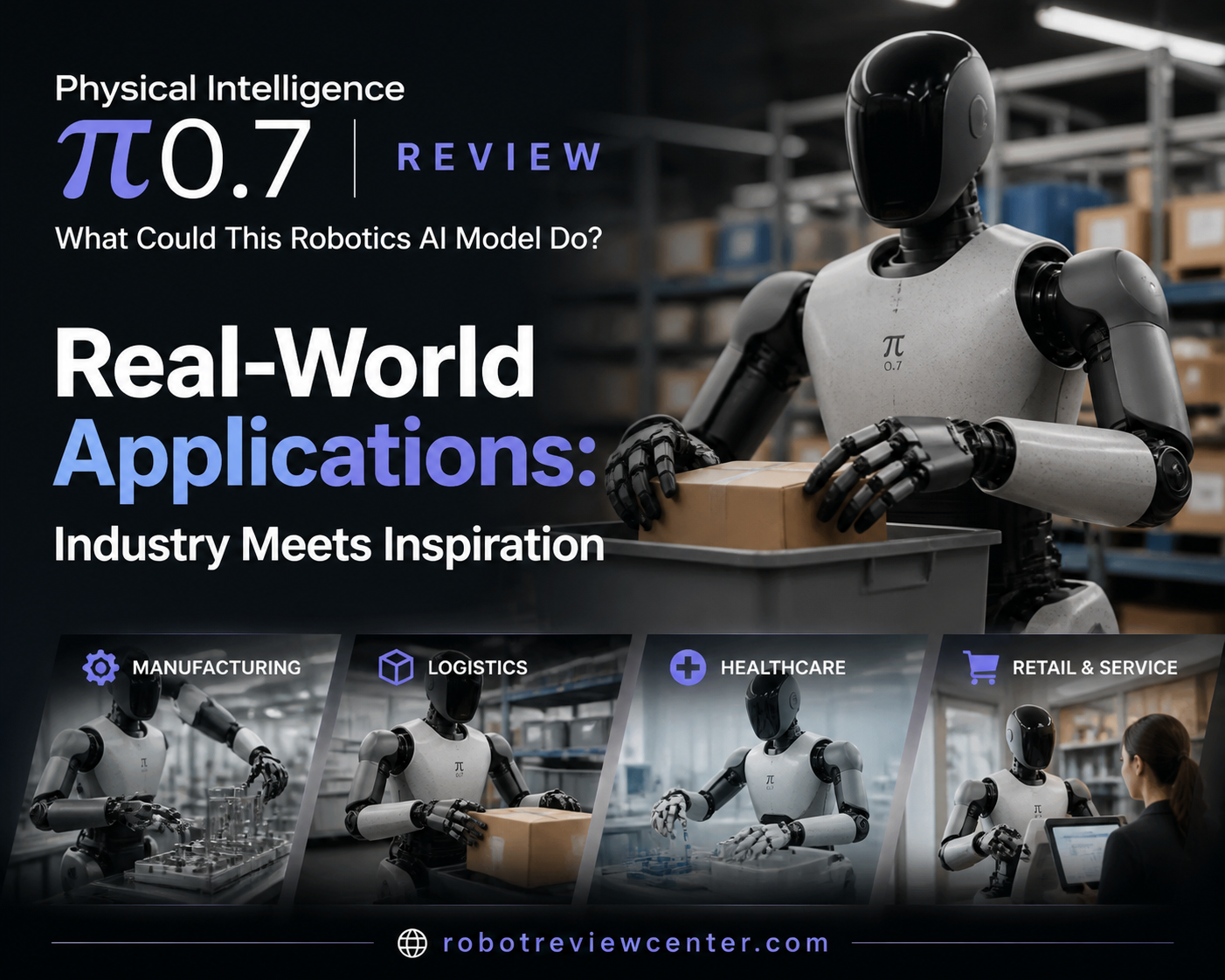
The applications of Physical Intelligence π0.7 span a vast spectrum. In factories, this model holds promise as a sophisticated partner in assembling and quality control, swiftly responding to production line hiccups without manual oversight. The industrial sector sees it as both a labor-saving device and an efficiency booster, already undergoing pilot testing in select Rolls-Royce manufacturing units where its adaptive capabilities continue to surprise engineers.
On the healthcare front, the piqued curiosity lies in its use as a nursing assistant—dispensing medications, offering patient support, and performing routine checks. The potential to operate under unpredictable hospital conditions with a high degree of safety is under scrutiny, although conclusive evidence of deployment is limited as of now. Similarly, retail environments envision π0.7 functioning as an autonomous logistical asset, managing inventories and navigating diverse aisles with dexterity.
At home, π0.7’s configuration allows for enticing prospects where personal assistants might take a turn on the domestic front, offering elderly care and strengthening daily routines by learning from human interactions. Yet, commercial availability for domestic use remains prospective rather than operational, with rigorous testing being paramount before wider adoption.
Market Ecology and Economic Impacts
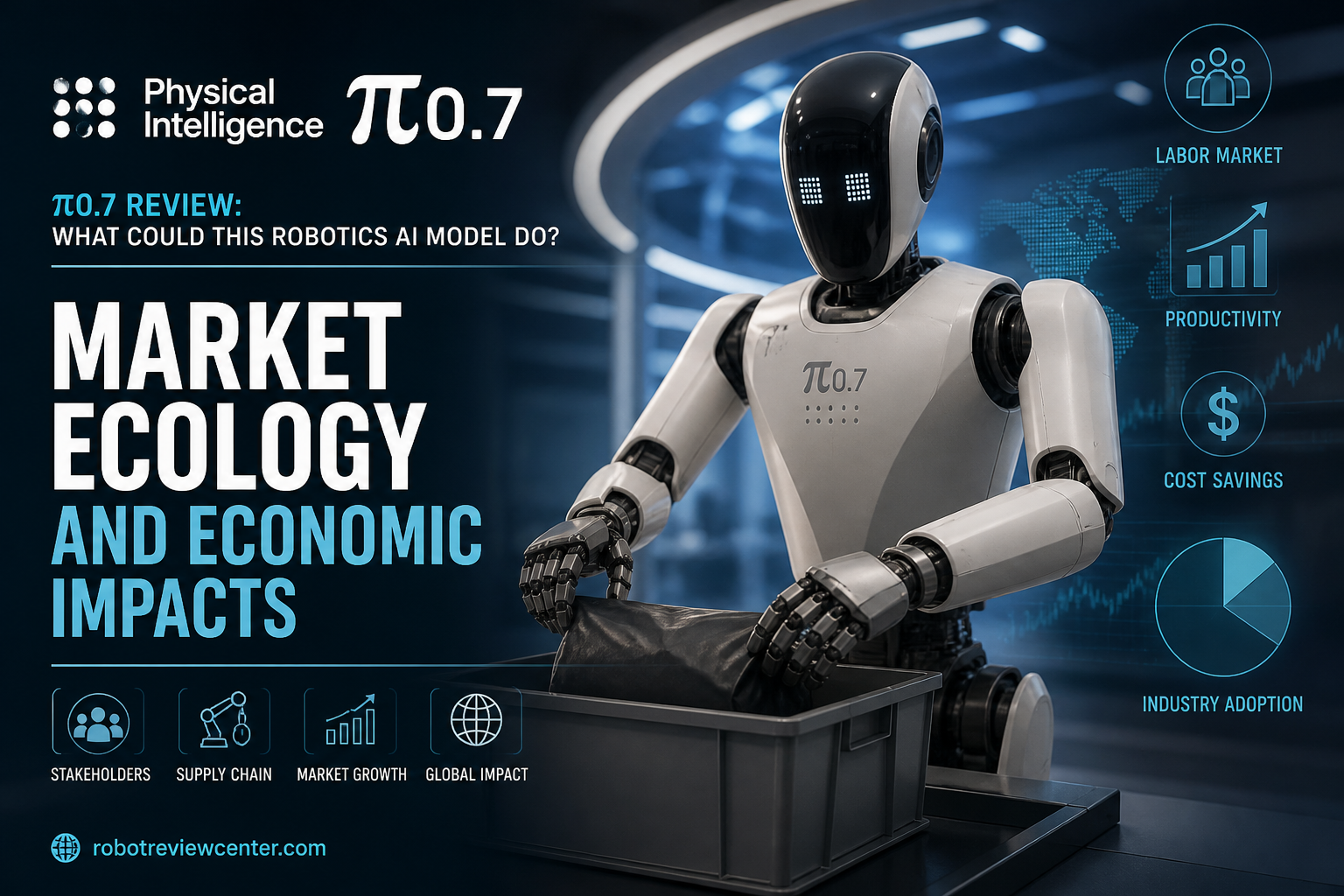
As AI methodologies innovate, markets adjust. From industrial efficiency to domestic automation, Physical Intelligence π0.7 is the harbinger of economic realignment. McKinsey & Company projects that AI-driven robotics could redefine operational economics, simultaneously creating and repurposing jobs. According to their analysis, by 2030, such technologies might absorb repetitive manual tasks, freeing human capital for more nuanced, creative roles—a boon echoed by the International Federation of Robotics.
Investors have taken notice, injecting substantial capital into robotics-focused AI ventures. The economic landscape is ripe for growth, with the International Federation of Robotics forecasting an annual compound growth rate in double digits for robotics through 2028. This shift places AI solutions at a critical inflection point, turning robotics from speculative technology to economic necessity.
Surmounting Challenges
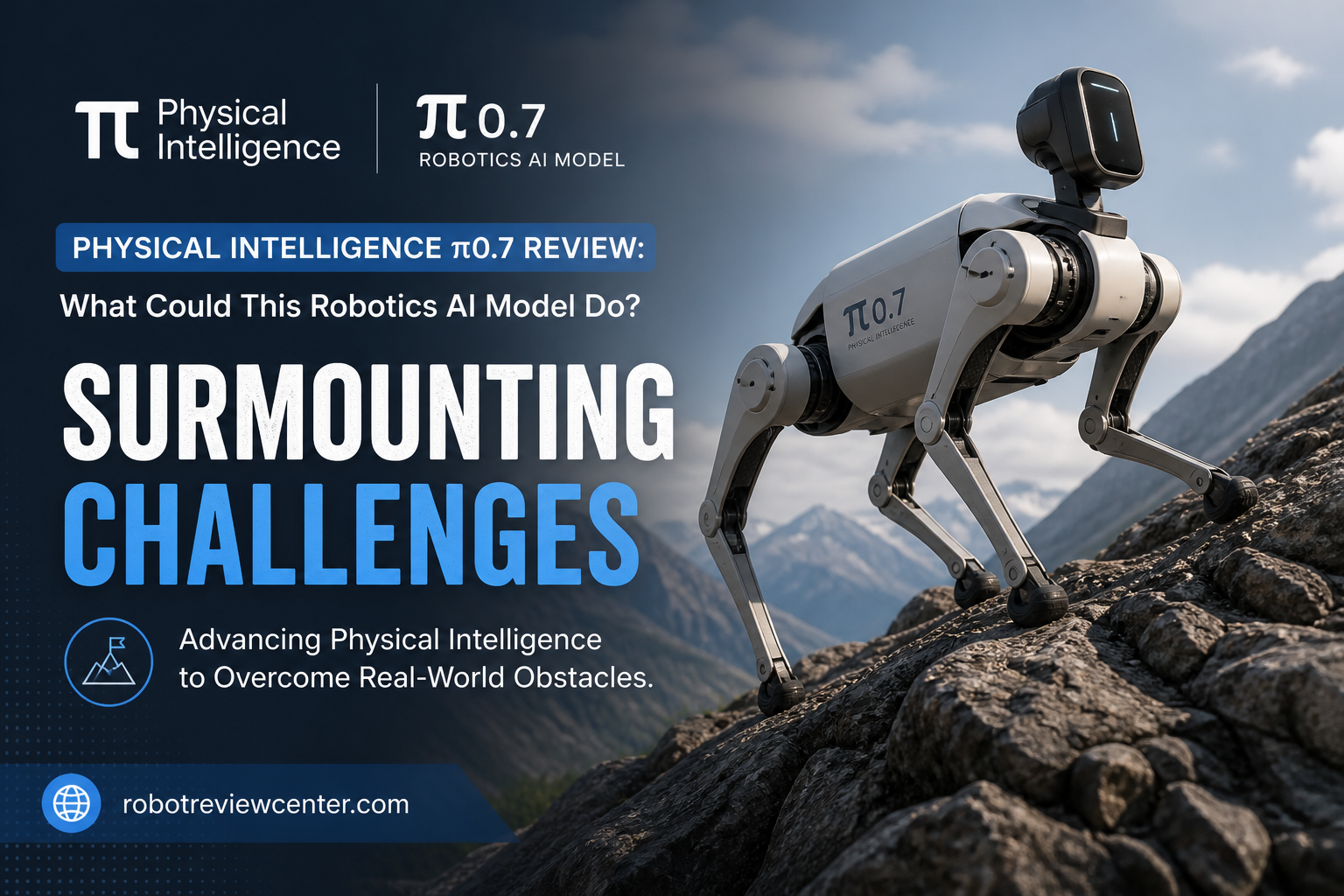
While π0.7 navigates through perceptions of autonomy, it’s not without hurdles. One critical challenge persists: seamless decision-making under uncertainty. Although excelled in controlled environments, unpredictable real-world conditions pose obstacles, as reflected in test scenarios where unexpected tactile feedback unevenness hindered smooth operation.
Further, the rugged demands of various deployment environments necessitate robust safety protocols. Partners at Tesla highlight that effective regulatory frameworks haven’t kept pace with innovation, rendering potential liabilities a legitimate concern. Moreover, the complexity of AI necessitates transparency via explainable AI (XAI), addressing concerns over decision-making opacity.
The Future: Trajectories and Predictions
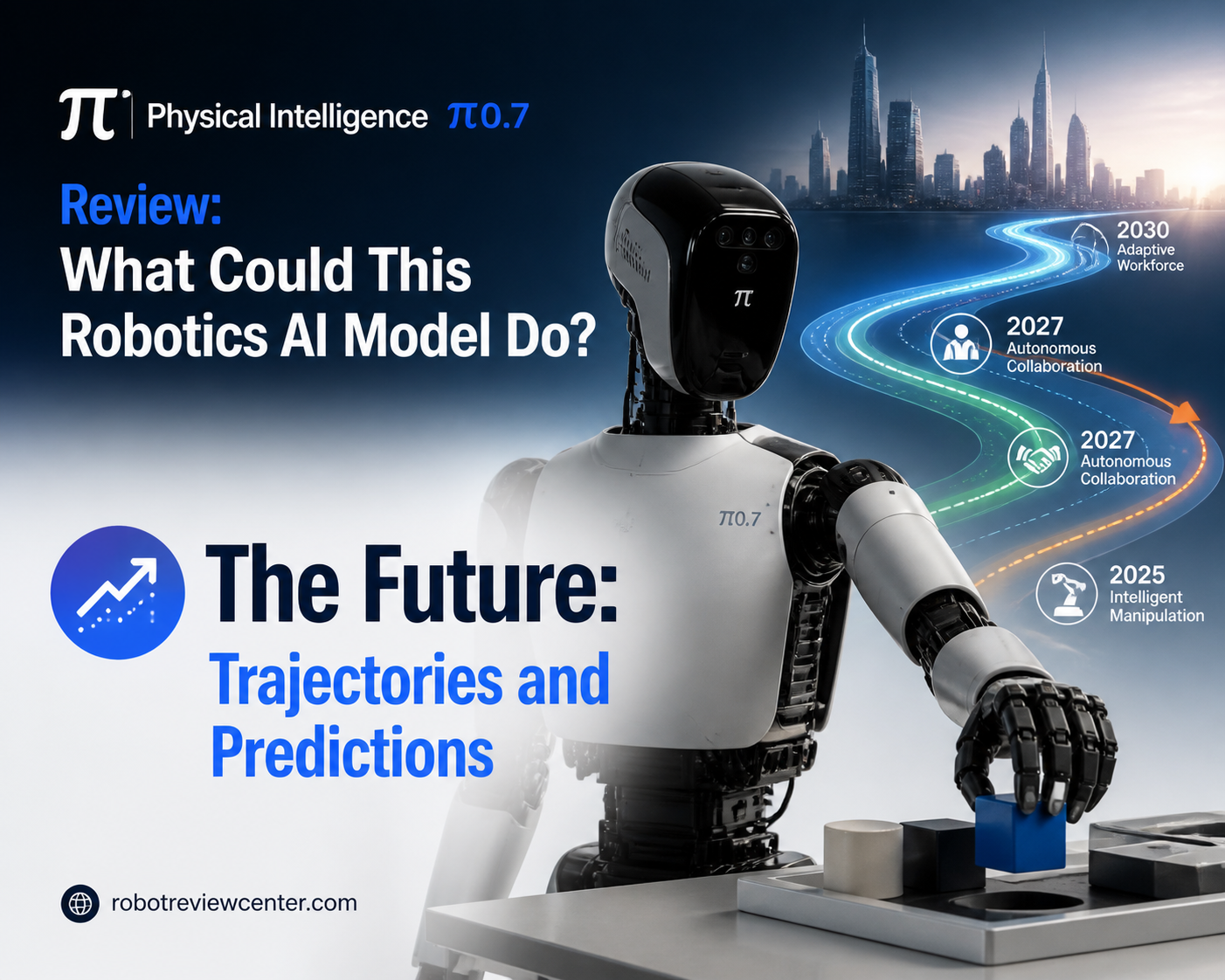
Looking through the lens of innovation, the progress of Physical Intelligence π0.7 casts a fascinating silhouette on the technological horizon. By 2028, analysts foresee AI models adopting enhanced perceptual capabilities, elevated by subsequent hardware iterations akin to the evolution of NVIDIA’s GPUs. Cross-disciplinary research collaborations may yield self-improving robots, where continuous learning nurtures ever-increasing autonomy.
The long-term vision hints at an era where machines engage socially, predicting human needs in spaces ranging from urban infrastructure to interstellar colonies. For developers, the progression of adjacent technologies such as augmented reality (AR) and quantum computing holds the potential to further propel π0.7 and its successors into new realms of human experience enhancement.
Strategic Insights: Preparing for Tomorrow
In the arena of robotics AIs, staying ahead necessitates foresight. Not just tech innovators, but industry magnates must eye strategic alliances, identifying synergies between cutting-edge AI developments and existing infrastructure. For businesses, integrating π0.7 into operational ruts could herald competitive advantage, catalyzing revolutions in productivity and consumer offerings.
Developers should gear toward affordable adaptability—nothing less than a fortress of scalability will nourish π0.7’s adoption across heterogeneous industries. While the future is peppered with possibilities, focusing on constructive development and scaling operations with prudence is paramount.
So where does this leave us? If nothing else, Physical Intelligence π0.7 represents a bold step into the future of robotics. While cavorting with its constraints, it inspires fresh dialogues on the nature of intelligence—could the divide between organic and synthetic intelligences narrow? Only time will tell. Until then, the pointers are set—the AI revolution continues to script its own story, where each page reveals challenges replete with opportunities.
Embracing these robotic allies might come quicker than we think, aligning us more closely with machines that will predominantly shape our narrative across epochs. As we contemplate π0.7’s promises and pitfalls, what we really ought to appreciate is the sense of wonder this juncture presents. As technological custodians, it is incumbent upon us, whether technologists, business leaders, or end-users, to steward this co-evolution wisely.
Thomas Huynh – Admin of RobotReviewCenter.com