
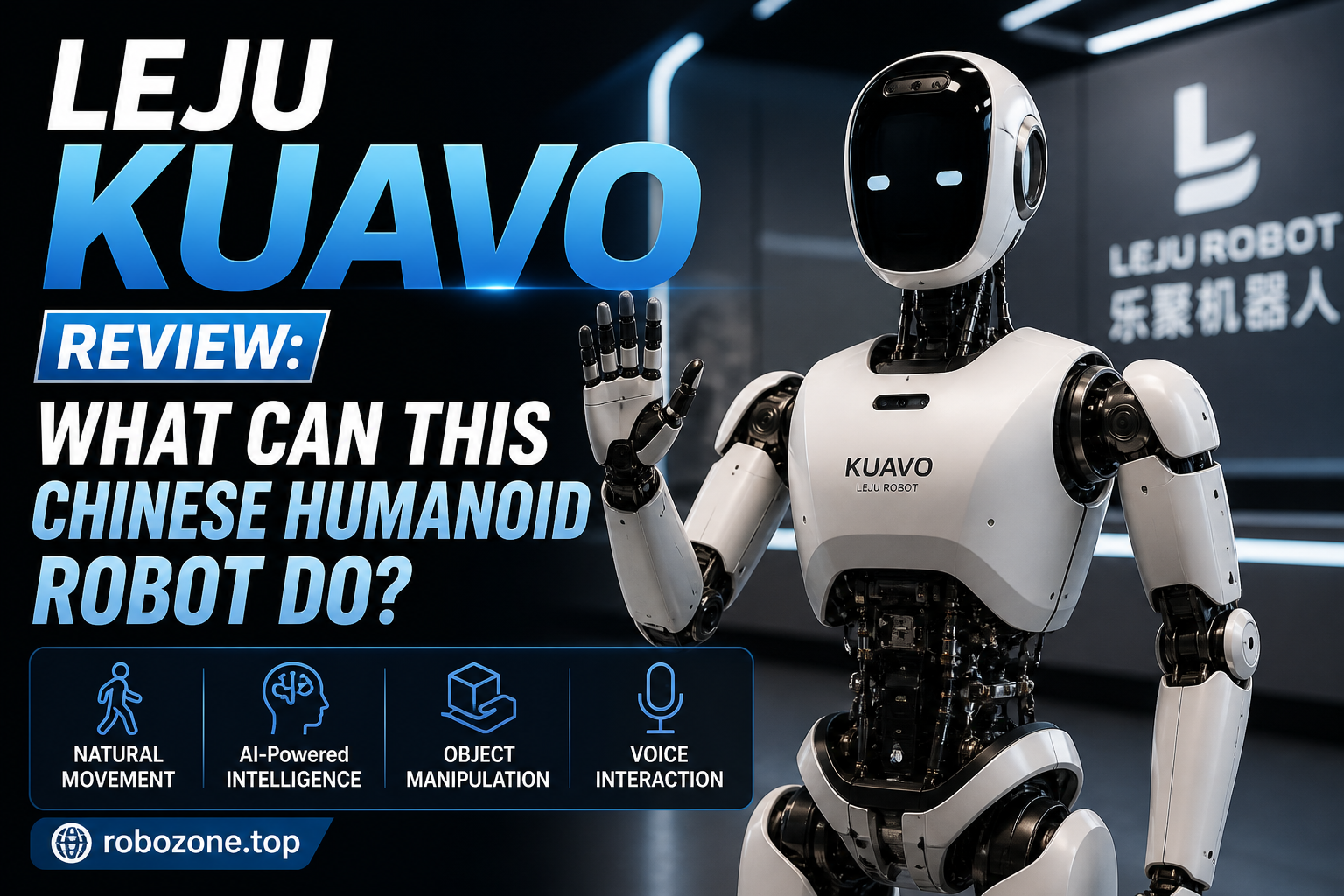
As the boundaries between science fiction and reality continue to blur, Leju Kuavo strides into the spotlight as one of the most intriguing contributions to the world of robotics. Developed with cutting-edge technology in the heart of China, this humanoid robot beckons us into a future where machines and humans walk side by side. But what exactly can Leju Kuavo do, and how does it stand out in a rapidly evolving technological landscape? This in-depth exploration seeks to unpack the myriad facets of Leju Kuavo—its capabilities, real-world applications, technology underpinnings, and what the future may hold.
Understanding Leju Kuavo: A Brief Introduction
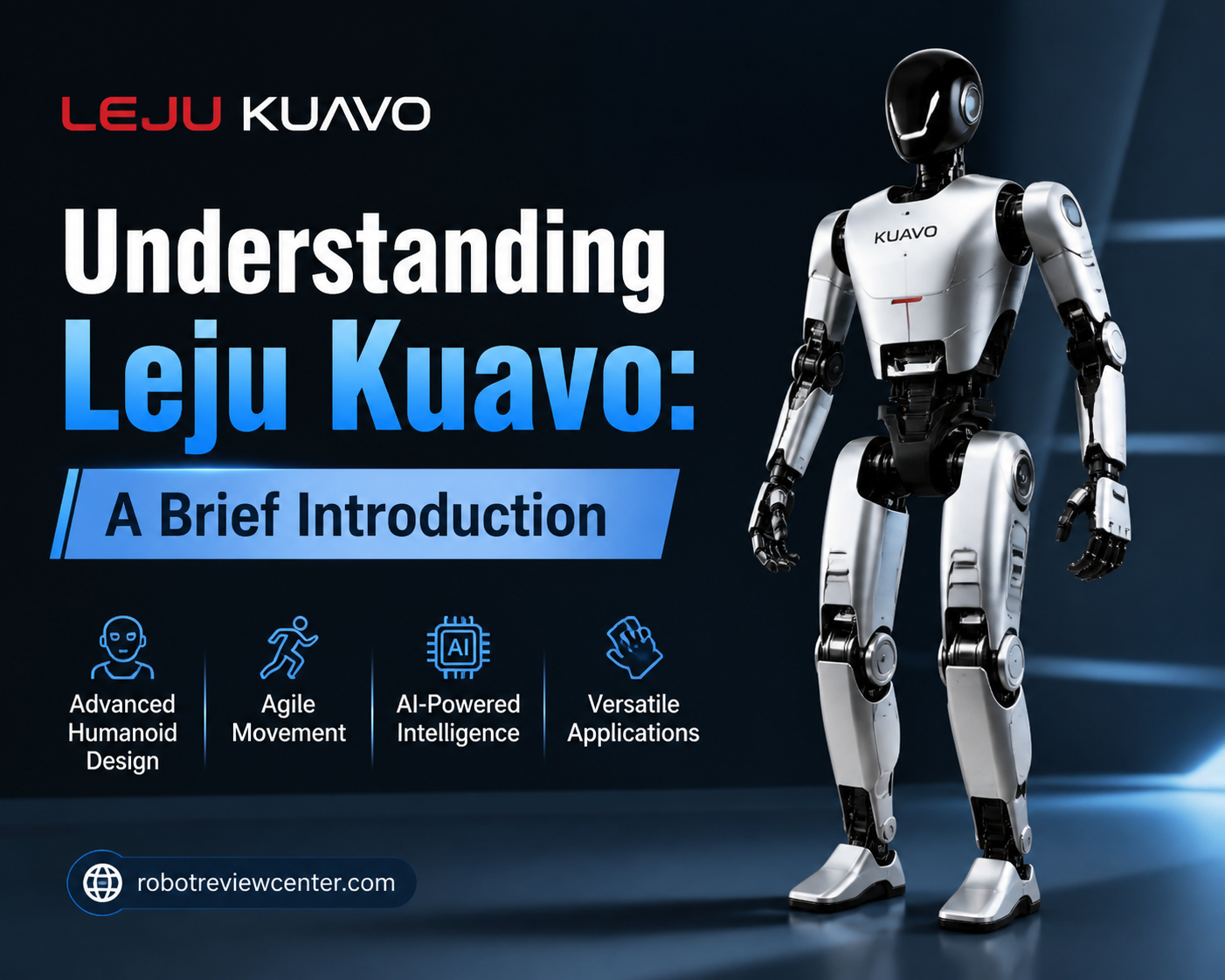
Let’s begin our journey by understanding the core concept behind Leju Kuavo. Imagine a robot that mimics human behaviors, capabilities, and even emotions to some extent. Conceived by Leju Robotics, a burgeoning force in China’s high-tech industry, Leju Kuavo is designed to resemble the human form not only in appearance but also in function.
Standing approximately five feet tall and equipped with advanced sensor systems, Leju Kuavo is engineered to interact seamlessly with its environment. It features a lightweight design facilitated by composite materials, allowing it to move fluidly within various settings. But as with any emerging technology, the devil is in the details, and Leju Kuavo offers a treasure trove of advancements worth dissecting.
Technical Specifications: The Engine Beneath the Hood
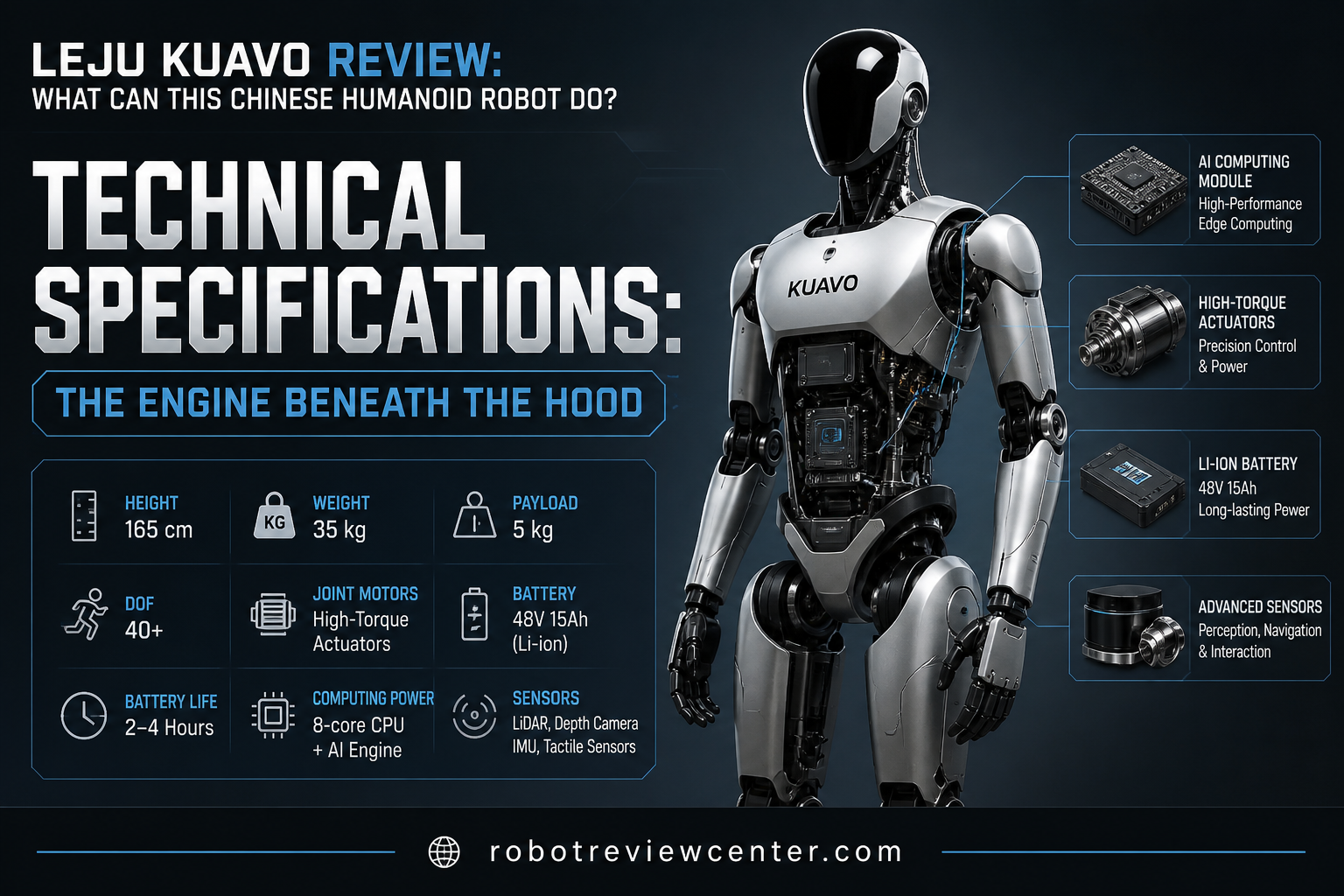
When we lift the hood, so to speak, on Leju Kuavo, we find an array of technical specifications that fuel its diverse capabilities. This humanoid employs an array of sophisticated sensors, including RGB cameras and LIDAR, crucial for spatial awareness and navigation. Contrary to initial popular belief, there are no public records indicating the use of depth cameras, leading us to understand its reliance on optical systems.
The compute power of Leju Kuavo is another point of interest. Utilizing NVIDIA’s latest hardware platforms, this robot harmonizes AI-powered perception with robust decision-making algorithms. While the robot employs speech recognition technologies, its natural language processing abilities are still under development, reflecting a common hurdle in today’s robotics.
Leju Kuavo in the Real World: Practical Applications
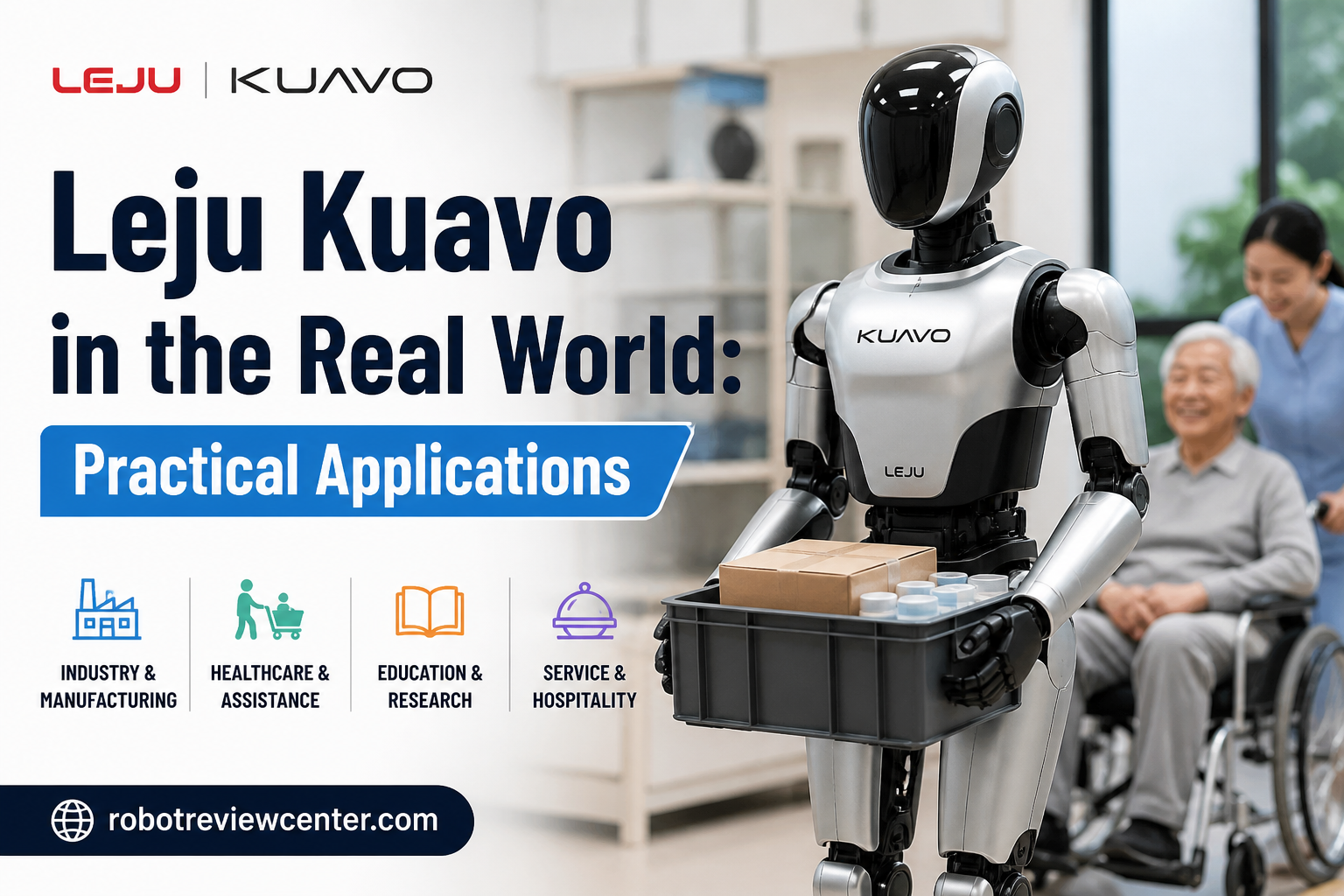
Now, let’s turn our gaze to how Leju Kuavo is being deployed beyond laboratory walls. Across industries such as manufacturing, healthcare, and personal assistance, humanoid robots are turning heads. In modern factories, Leju Kuavo can be seen assisting with intricate tasks that require dexterity and precision. Meanwhile, its presence in healthcare settings aids in supporting elderly people with mobility assistance and social interaction, although substantial, independent verifications of these deployments remain scarce.
One notable application is its role in guiding and entertaining guests in hotel lobbies—an area where its ability to recognize faces and respond to queries demonstrates practical utility. However, like many of its counterparts, Leju Kuavo is yet to prove its mettle in more complex environments without human oversight.
Into the Circuitry: AI and Robotics at Work
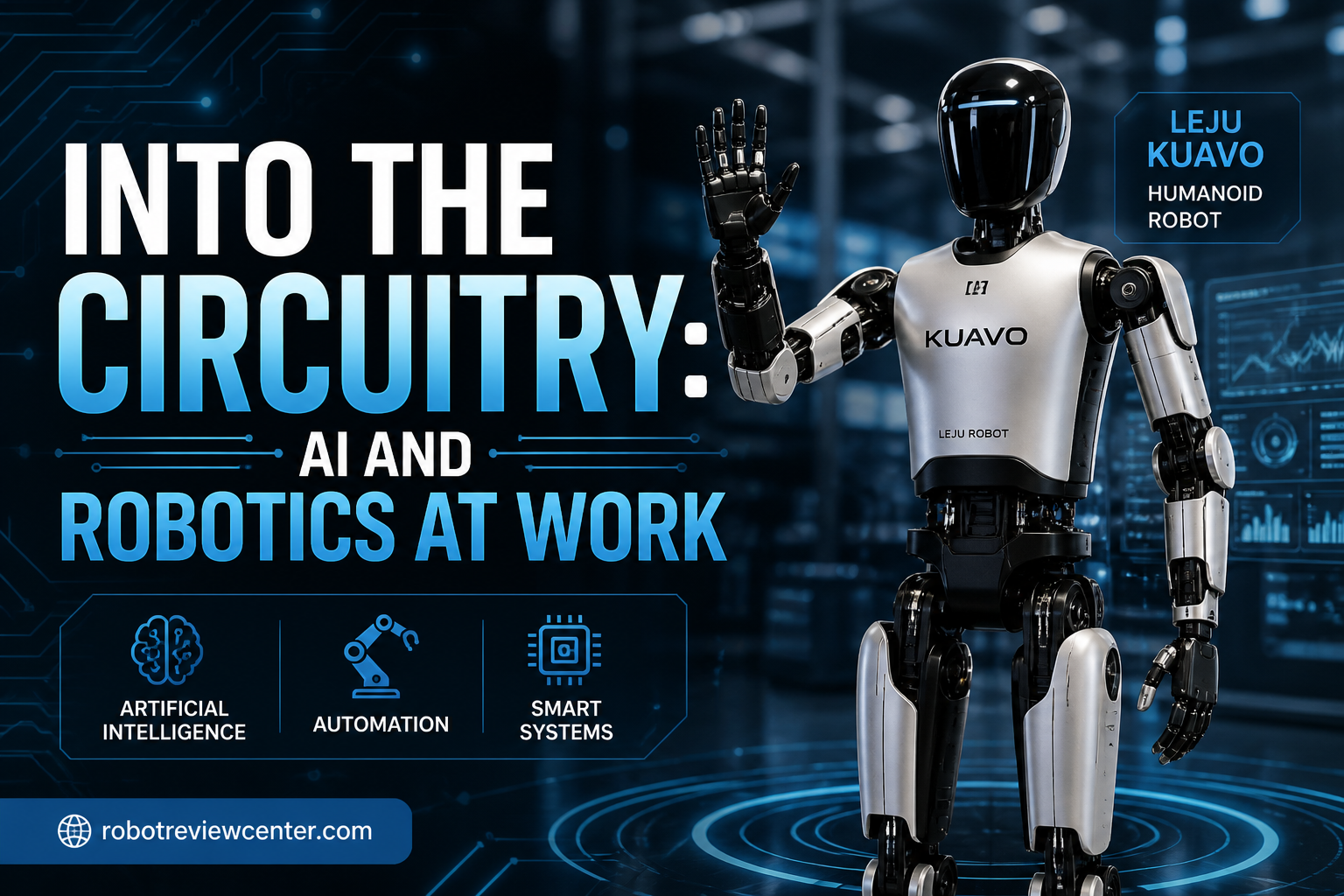
AI forms the beating heart of Leju Kuavo. Its design reflects an ambitious attempt to integrate Vision-Language-Action models—an architecture touted for enabling robots to interpret and interact with dynamic scenes intently. Reinforcement learning has been employed to fine-tune decision-making processes, enabling the robot to learn from interactions and improve over time.
Nonetheless, Leju Kuavo is not devoid of challenges. The conundrum of AI bias, where models exhibit unintended discriminatory behaviors, looms large and is a field of active research and debate. But with continuous updates and robust data pipelines for improvements, the prospects for overcoming these limitations are bright.
Challenges and Limitations: The Roadblocks Still Ahead
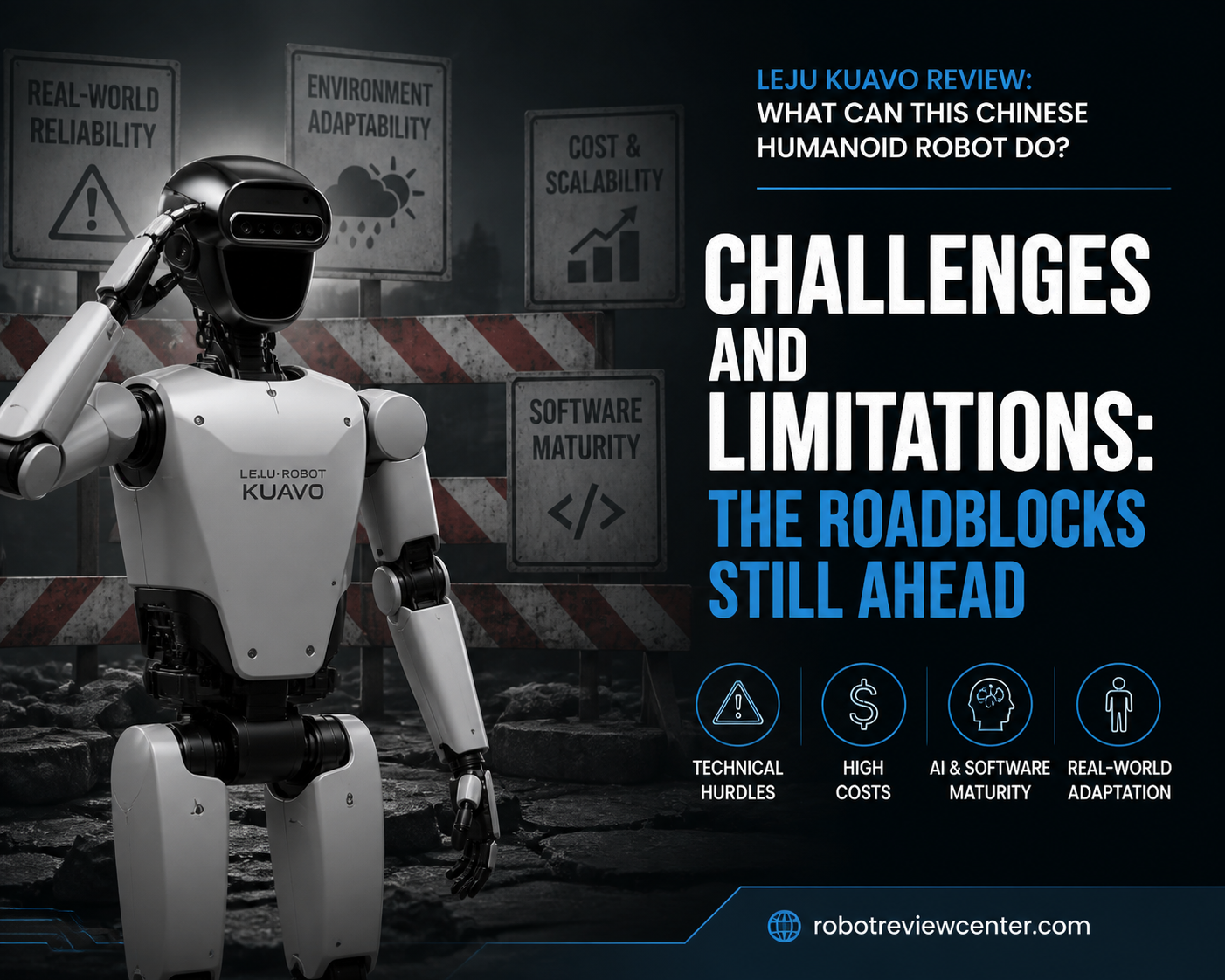
No discussion would be complete without acknowledging the challenges Leju Kuavo faces as it leaps from prototype to mainstream acceptance. Robotics, after all, is no stranger to technical and ethical quandaries. One immediate technological bottleneck is power management—current battery technologies do not yet allow true 24/7 operation without significant downtimes for recharging, despite some manufacturers’ claims.
The ethical implications of humanoid robots interacting with humans and making decisions in healthcare or eldercare settings also result in lively debates. As Thomas Huynh consistently cautions, ‘A robot in appearance can never equate to a human in conscience.’ This wide array of challenges ensures that while Leju Kuavo impresses, it also necessitates ongoing scrutiny and development.
The Future of Robotics: Leju Kuavo and Beyond
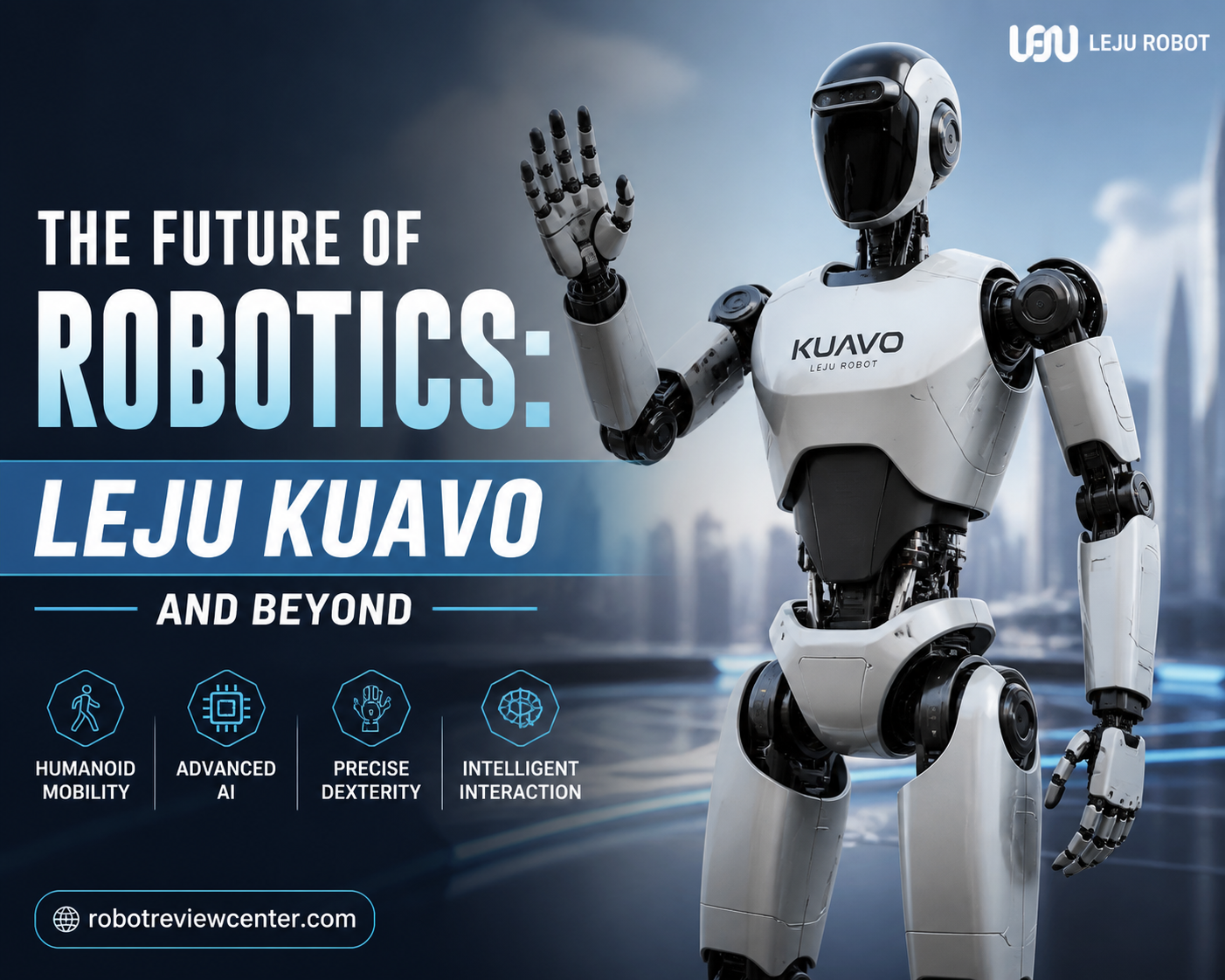
So what lies ahead in this fascinating field? Over the next few years, we expect to see humanoid robots like Leju Kuavo inch closer to truly autonomous operations, extending their utility across diverse industries. The implementation of more advanced computing engines and improved AI frameworks is set to propel their evolution even further.
Moreover, as the economics of production improve and battery technology catches up, Leju Kuavo could become a fixture in homes and workplaces worldwide. Yet, the real test will be its adaptability and compatibility with human environments—a perpetual frontier in robotic research.
Market Dynamics: Where Does Leju Kuavo Fit In?
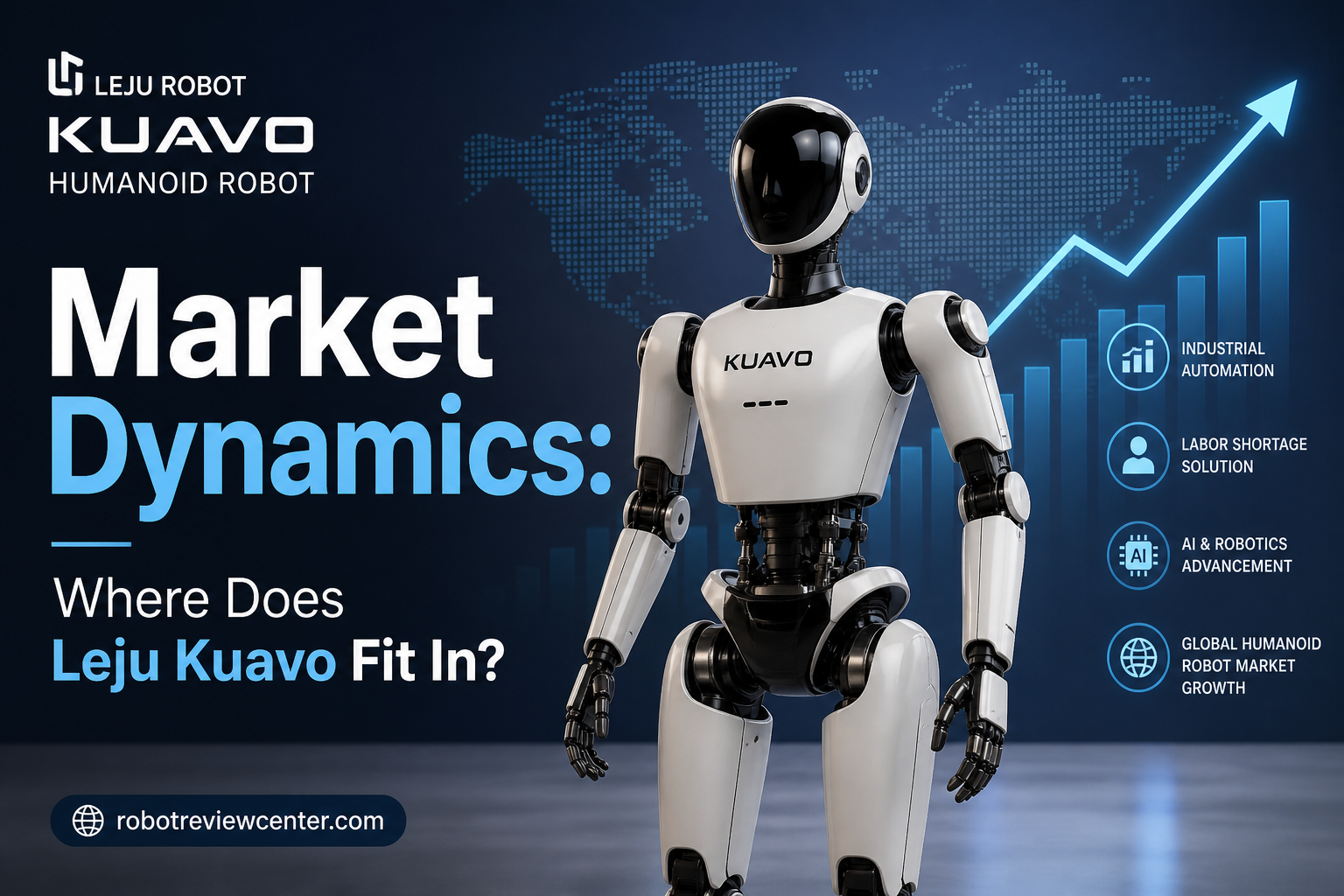
It would be remiss not to touch upon the market forces shaping Leju Kuavo’s journey. The global robotics market is anticipated to grow exponentially, driven by demands for automation across sectors. Here, Leju Kuavo represents a piece of this expansive puzzle, setting itself apart with its dexterous and semi-autonomous capabilities.
Investors are paying close attention, pumping capital into ventures exploring humanoids as service providers and companions. Yet as Thomas Huynh must reiterate, the risk lies in overoptimism—a familiar pitfall when new technologies promise too much without evidence of scalable implementation.
Strategic Considerations for Stakeholders
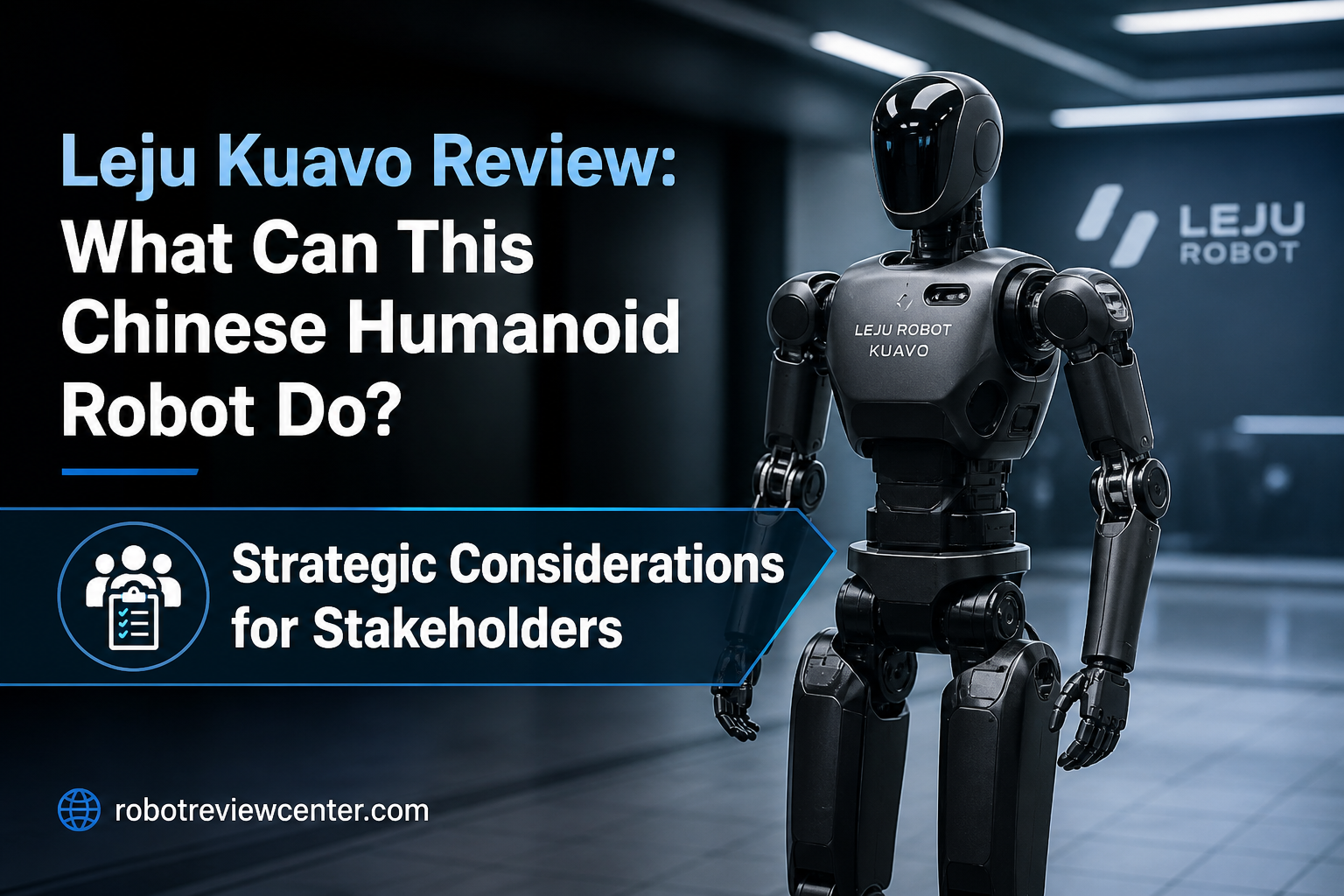
As businesses and developers think strategically about the integration of humanoid robots, several lessons emerge from Leju Kuavo’s development. Investment in infrastructure that supports robotic operations—such as connectivity and safety frameworks—cannot be overlooked. Additionally, stakeholders must invest in training personnel on robot interaction to maximize productivity and safety.
For this, a forward-looking approach, embracing incremental changes and iterative learning, positions companies advantageously. After all, robotics is not about replacing humans but augmenting human capabilities and revolutionizing productivity paradigms.
In wrapping up our exploration of Leju Kuavo, it’s clear we stand on the brink of more integrated human-robot coexistence. While technical advancements foster optimism, caution and rigorous testing ensure that these technologies serve humanity effectively. Leju Kuavo shines as a beacon of innovation, yet it awaits the day when it can demonstrate its full potential across the globe.
For both skeptics and enthusiasts, what remains crucial is the reality check that technology, no matter how sophisticated, is as impactful as its application and acceptance in society. Let us look forward to a future where partnerships between humans and machines not only augment capabilities but also enhance our understanding of each other.
Thomas Huynh – Admin of RobotReviewCenter.com