
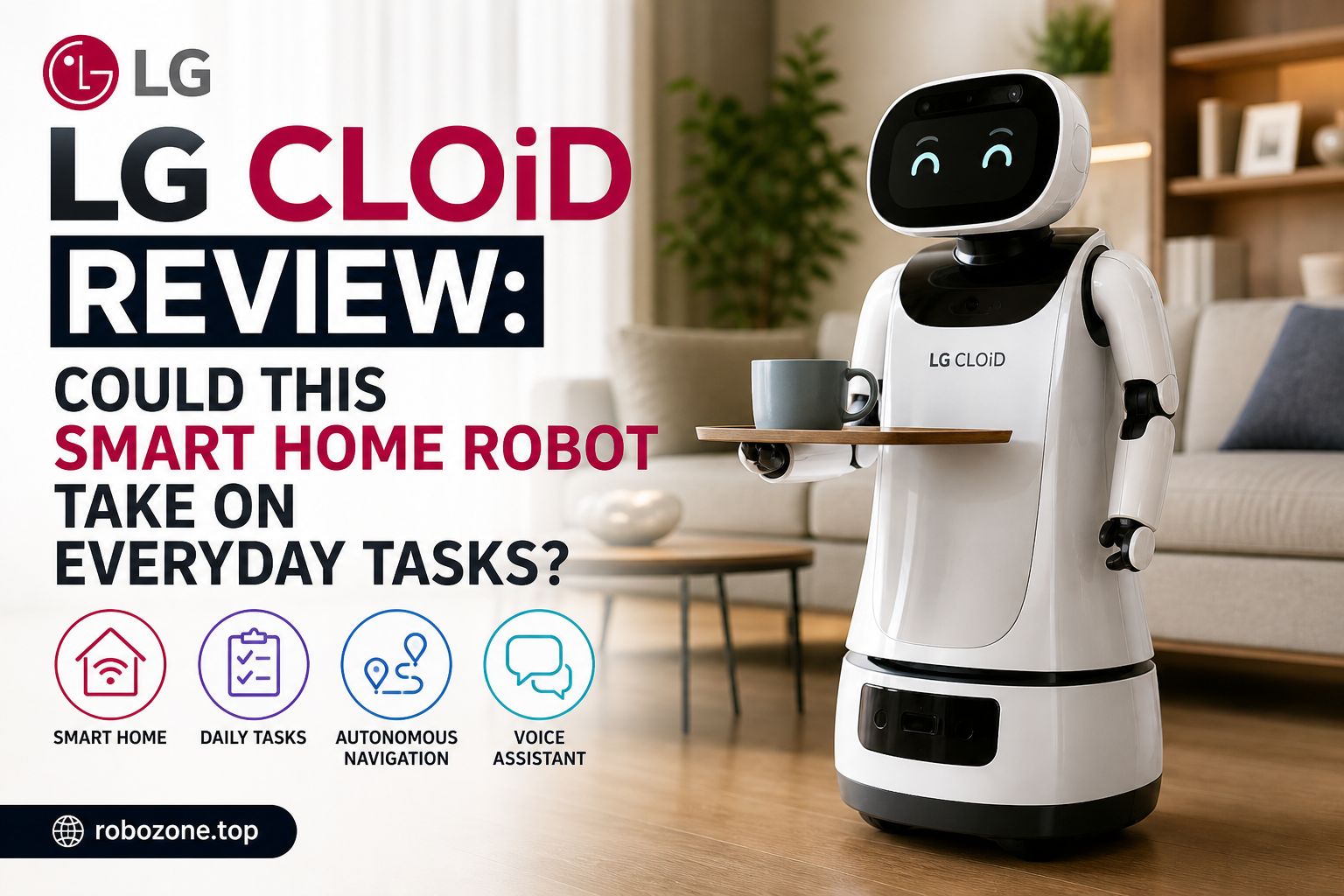
As the world becomes increasingly reliant on technology, the question of integrating smart robots into everyday life has become more relevant than ever. LG Electronics has been at the forefront of this transition with its smart home robot, the LG CLOiD. But the real question on everyone’s mind is, can this technology rise to the occasion and take on everyday tasks? In this article, we’ll dive into the intricate details of the LG CLOiD, exploring its capabilities, applications, and the impact it could have on our daily routines. By doing so, we’ll navigate through a world where science fiction meets reality.
What is the LG CLOiD?
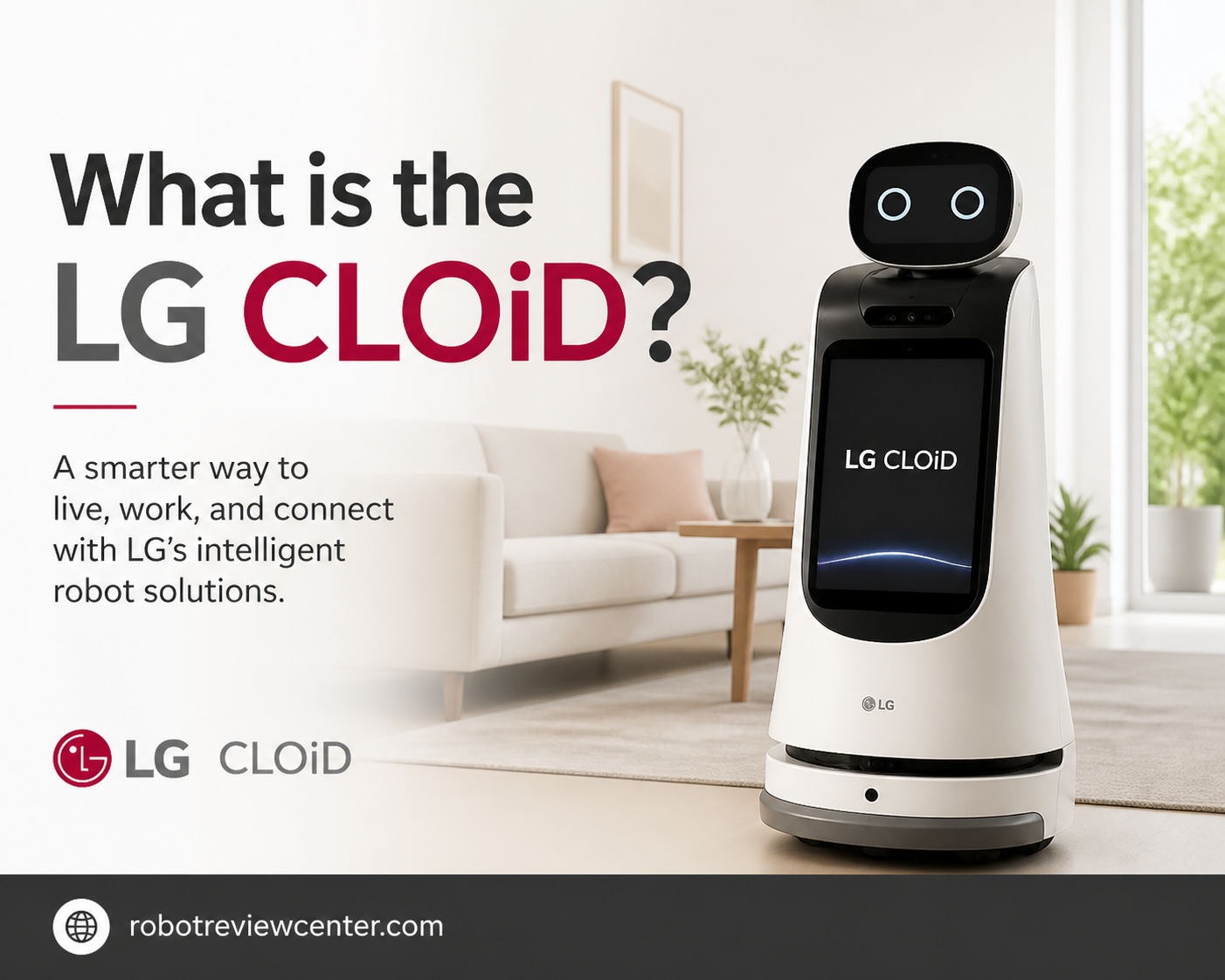
The LG CLOiD is more than just a robot; it represents a leap forward in smart home technology. Designed as a domestic helper, this robot aims to enhance the quality of life by performing a variety of household tasks. From basic cleaning duties to more interactive activities like voice-command assistance, CLOiD is intended to act as an extra pair of hands in a busy household.
This concept is not entirely new, but what sets the CLOiD apart is its design as a seamless blend of advanced Artificial Intelligence and robotic engineering, leading to an intuitive user experience. LG’s efforts to combine aesthetics with functionality create not just a tool but a companion designed to grow smarter and more efficient over time.
The Technological Brain: AI and Robotics Systems
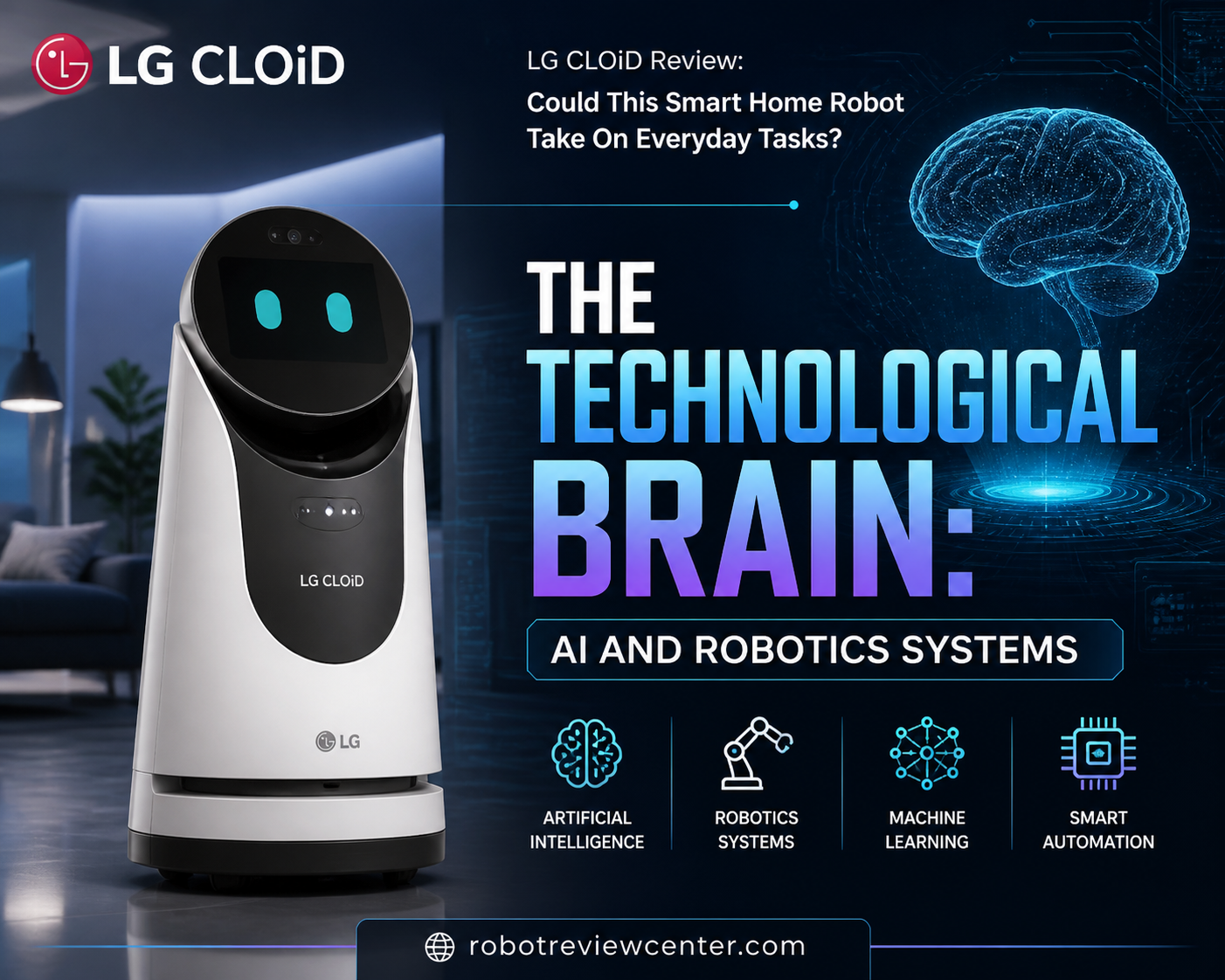
At its core, the LG CLOiD is powered by cutting-edge AI models that enable it to adapt its behavior based on the context and user interaction. Utilizing advanced algorithms allows it to learn from its environment, paving the way for personalized interactions. This is where CLOiD excels; it continually evolves by recognizing speech patterns, facial expressions, and even distinguishing emotions, which is no small feat.
Equipped with NVIDIA processing chips, the robot utilizes unparalleled computational power to process complex data in real-time. Such capabilities place it in a unique position to interact and react promptly to various stimuli, which can be further enhanced by updates as the technology progresses. LG continues to partner with top-tier AI research firms and tech giants, reinforcing the sophistication and potential of CLOiD’s intelligence systems.
Vision and Sensor Systems: Seeing the Unseeable
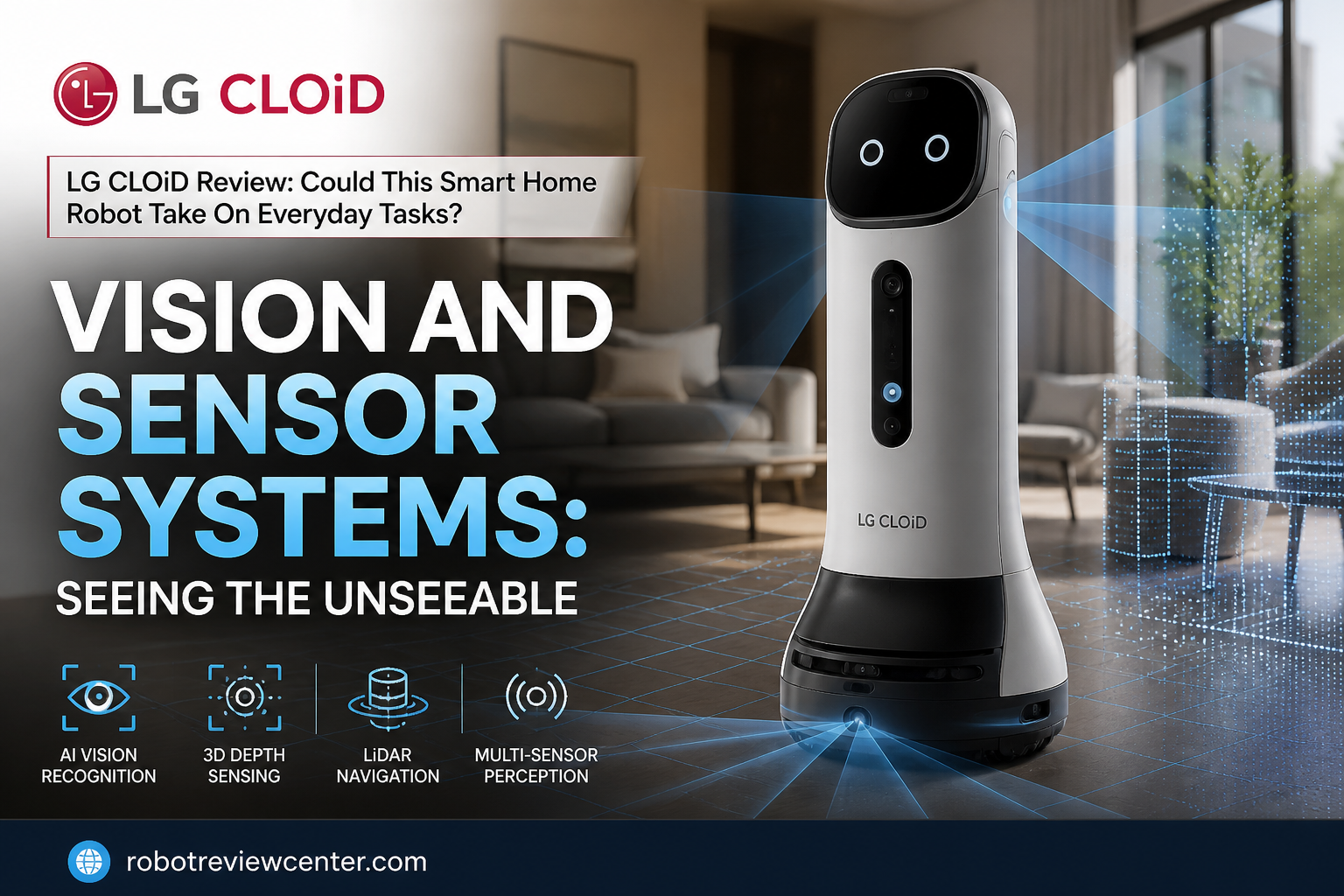
For any smart robot, vision is perhaps its most crucial faculty. CLOiD employs an array of sensors, including LiDAR and advanced RGB-D cameras, allowing it to map environments with precision. These sensors aid in spatial navigation, object detection, and even gesture recognition, enabling CLOiD to maneuver through unfamiliar territories seamlessly.
Spatial reasoning allows the robot to make informed decisions when avoiding obstacles or reaching for an item, and its visual capabilities are a testament to LG’s pioneering research in sensor fusion. This integration of sensory modalities creates an experience where the CLOiD interacts in ways reminiscent of human-like perception, blurring the line between machinery and intuition.
Hands-Free But Not Helpless: Mechanisms of Grasp
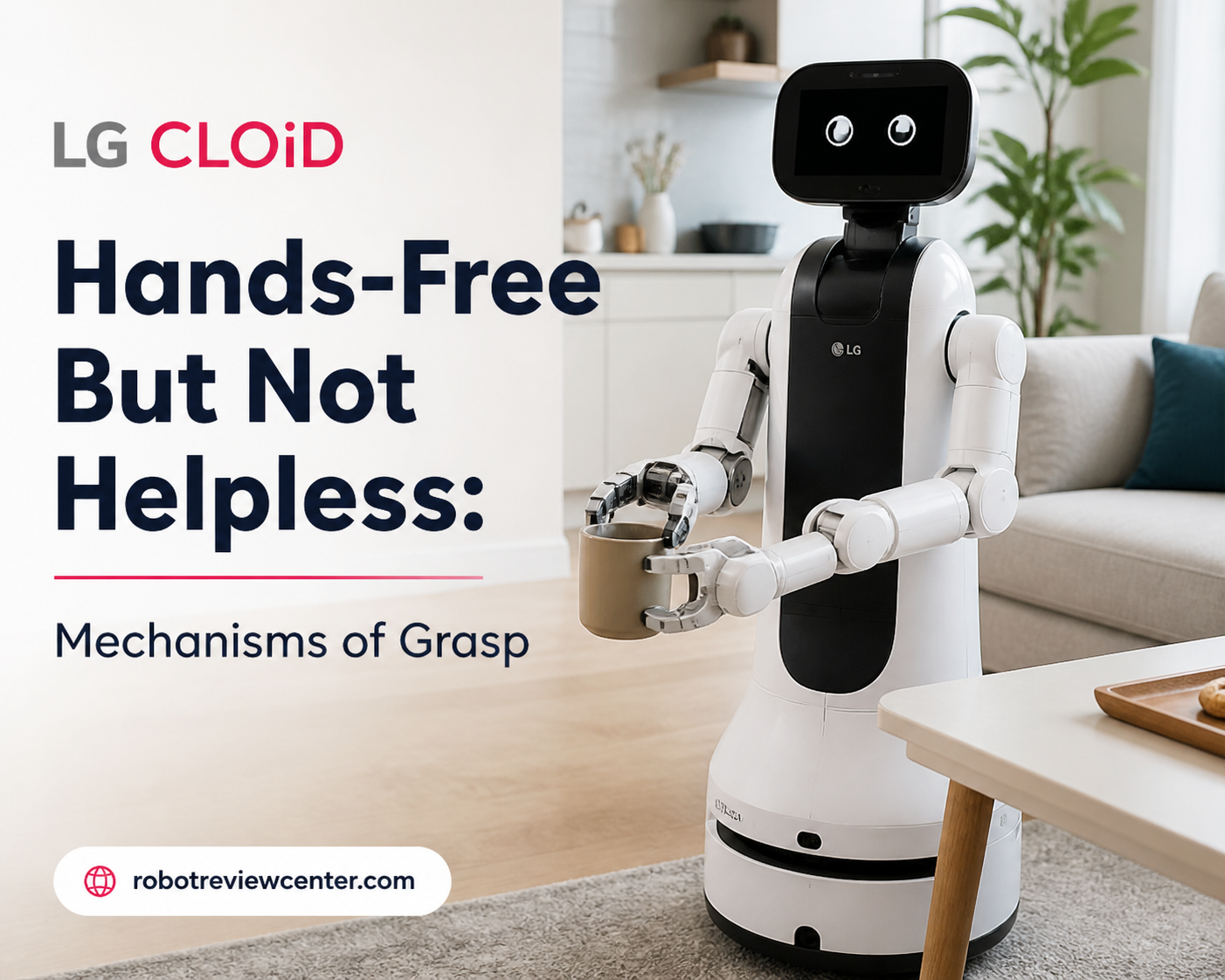
While CLOiD does not boast sophisticated manipulators like some industrial robots, its utility is measured in its ability to assist rather than replace. Simple armature mechanisms enable it to perform tasks such as opening doors or carrying light items, focusing not on perfect mimicry of human dexterity but rather on practical assistance to ease household chores.
This approach embodies the philosophy that smart home robotics doesn’t have to be a futuristic fantasy; instead, it needs to be a realistic collaborator in daily life, intelligently completing complementary tasks with accuracy and reliability.
Applications in Everyday Life
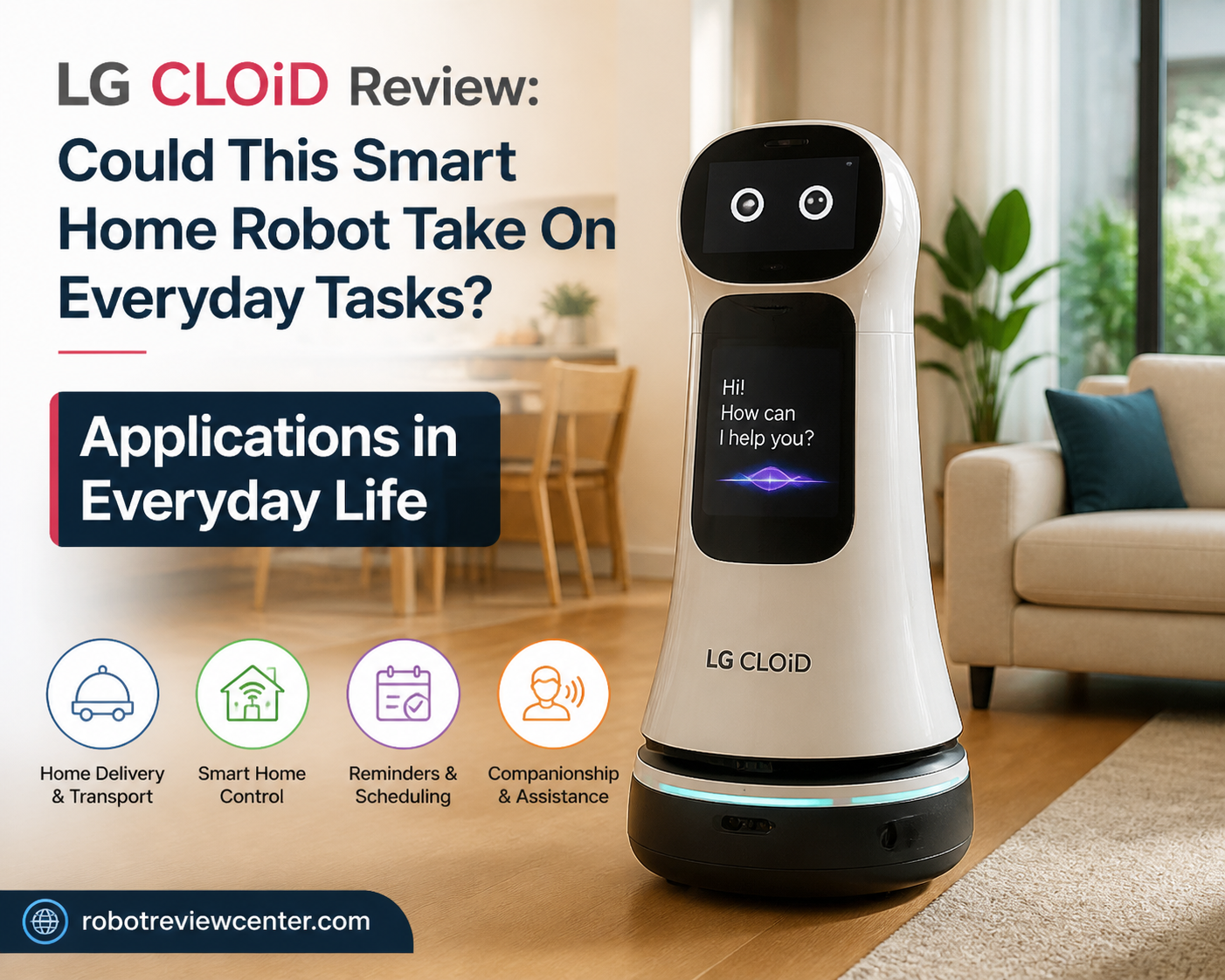
The real value of LG CLOiD lies in its potential applications in everyday scenarios. Picture a world where your morning routine is orchestrated by a robot preparing your breakfast while simultaneously updating you on the day’s schedule. The CLOiD’s innate ability to interface with smart home systems allows for an orchestrated environment where tasks are automated, and time is meticulously managed.
Moreover, LG CLOiD’s applications extend to diverse settings, including assisting the elderly with reminders for medication or providing security alerts, thereby showcasing its multifunctionality and versatility beyond conventional household tasks.
Limitations: What CLOiD Still Battles With
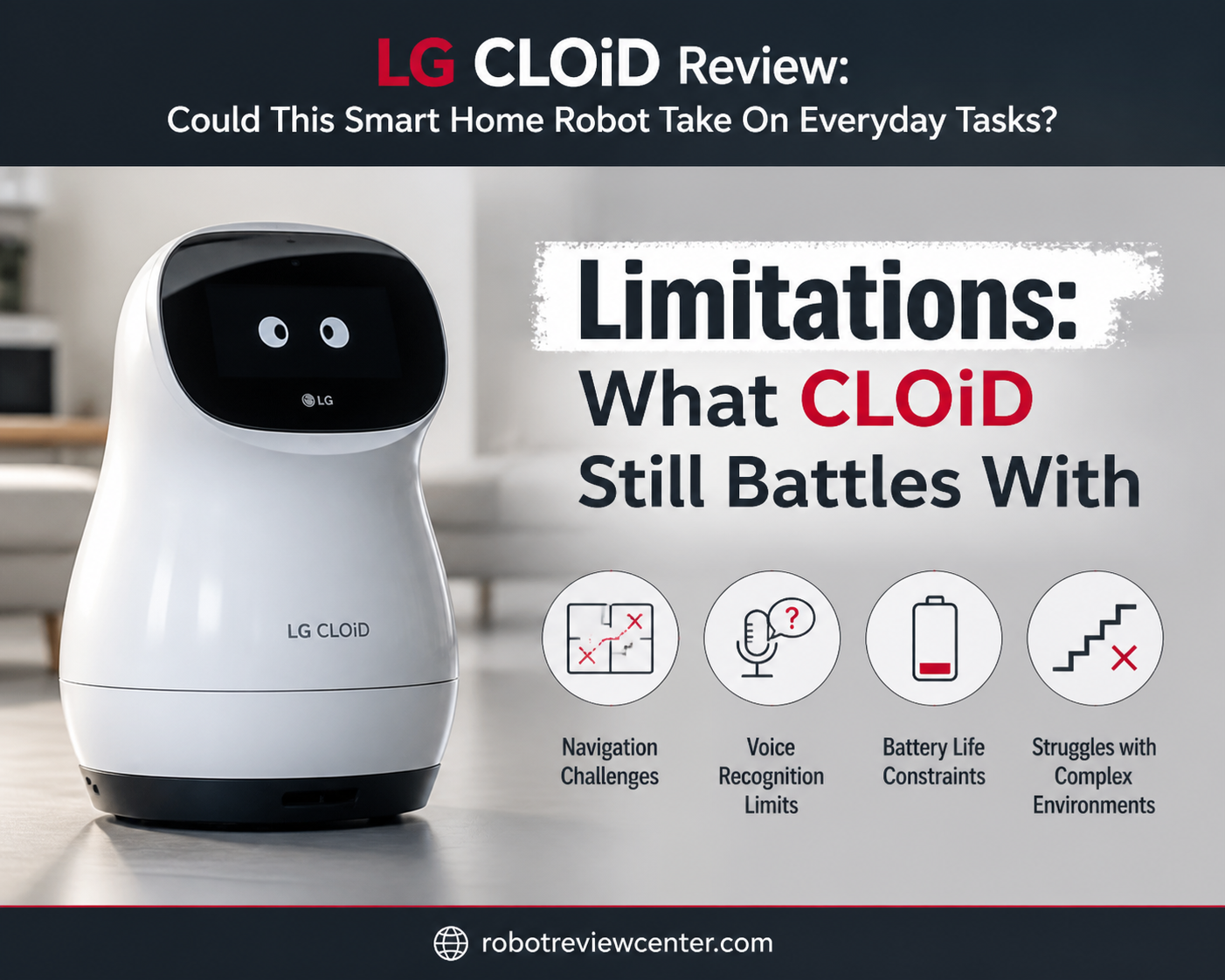
Despite its advancements, it’s prudent to remember that CLOiD isn’t without its limitations. The integration of intuitive interaction poses challenges, as distinguishing context-specific commands remains an area of ongoing research. Furthermore, its functionality is somewhat constrained to pre-programmed environments, meaning dynamic adaptability outside a well-known setting can be limited.
Another concern is the robot’s physical limitations concerning the weight and type of objects it can manipulate, often relying on users to assist with manual tasks where human input is still indispensable. As much as these represent hurdles, they also serve as focal points for future improvement in the realm of household robotics.
Market Trajectory: Current Trends and Future Possibilities
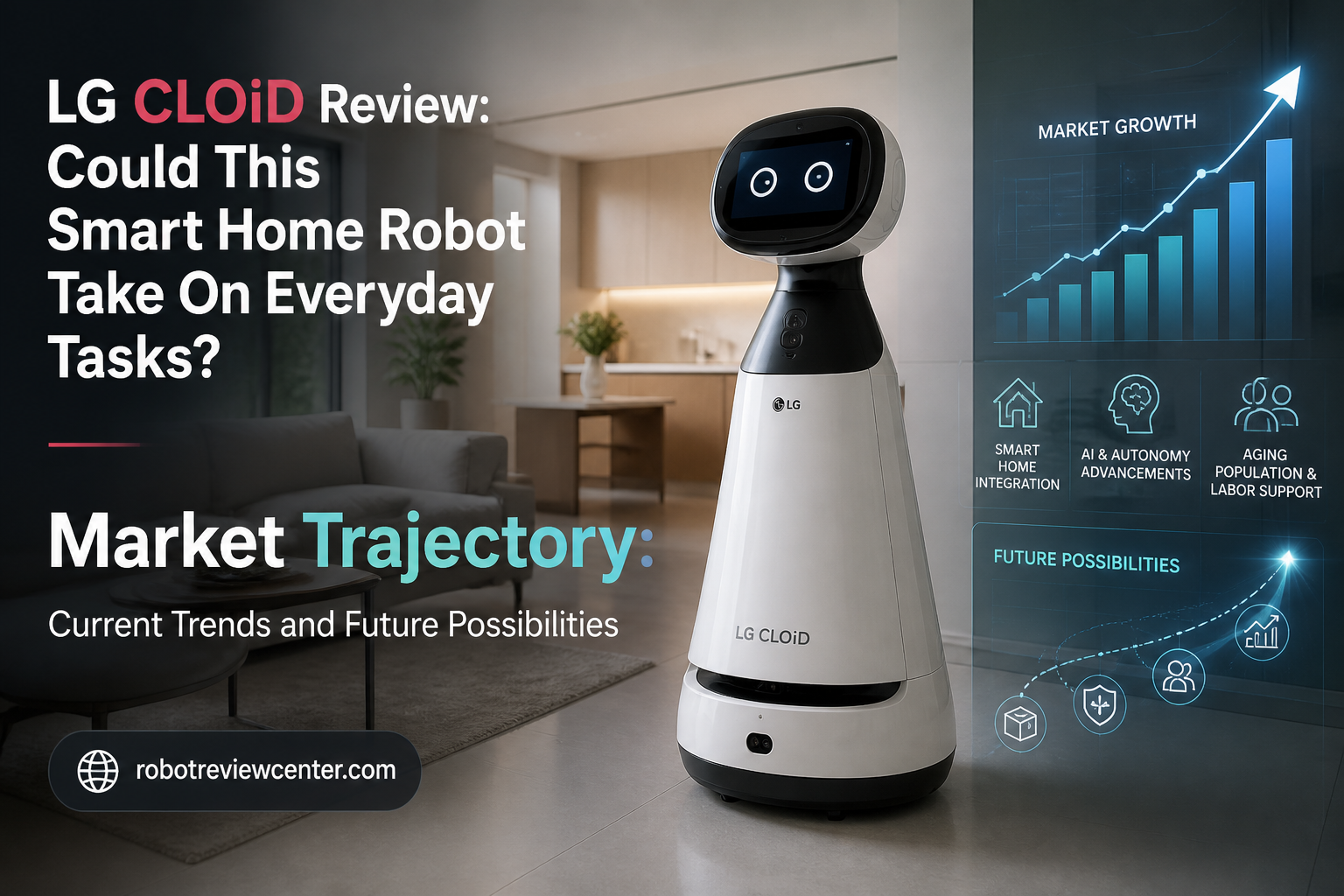
In recent years, the global robotics market has experienced significant growth, with factors such as declining hardware costs and increased AI capabilities contributing to this expansion. Smart home robots, like the LG CLOiD, are predicted to become more commonplace as technological barriers continue to dissolve.
The International Federation of Robotics anticipates substantial growth in this sector. With more homes featuring integrated smart systems, robots like CLOiD are set to benefit from synergized environments where their role is elevated from a luxury to a household norm.
What Lies Ahead?
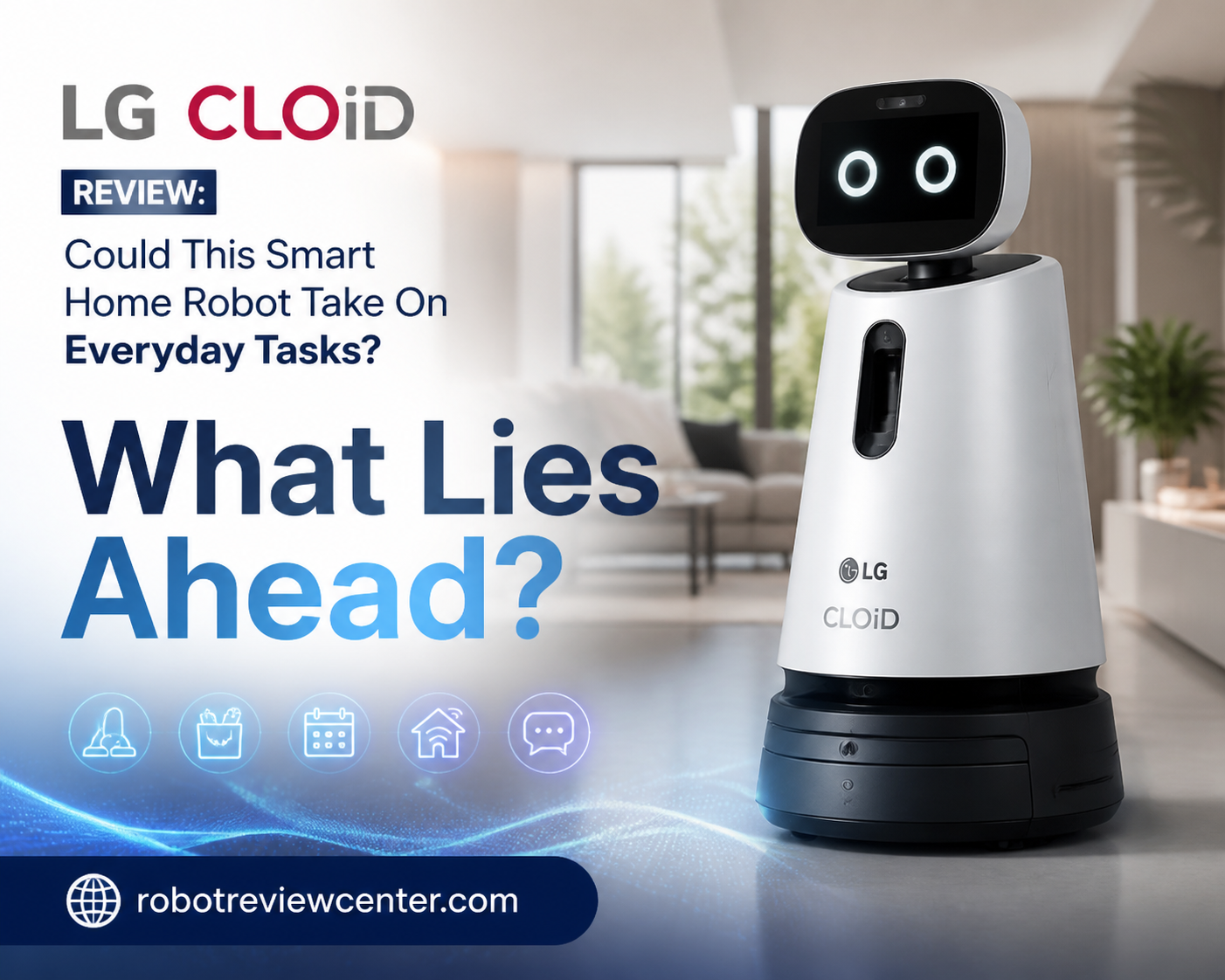
So where does this leave us? The journey of the LG CLOiD symbolizes the rapid progression of smart home technologies and our shift towards increasingly automated living environments. As AI continues to mature, the potential for CLOiD and similar robots will only grow larger.
The focus now finds itself on improving intuitive capabilities and expanding applicable environments. This evolution will dictate how future iterations shape the landscape of home robotics. Industries, developers, and users alike should stay observant and prepare for a world where robots are not just machines but integral partners in day-to-day activities.
But one thing remains clear — the LG CLOiD represents a significant step towards a future where technology transcends utility, aspiring to redefine how we interact with the world around us.
In summation, the LG CLOiD offers a glimpse into a future where smart home robots assist in more aspects of daily life than previously considered possible. As we continue to explore this frontier, the balance between technology and human augmentation remains central. RobotReviewCenter will continue to track and analyze these progressions, offering insights into how these advancements impact both industries and individuals.
Ultimately, it is about transformation, and how these innovations — spearheaded by industry leaders like LG — redefine interaction dynamics between humans and smart technology.
Thomas Huynh – Admin of RobotReviewCenter.com