
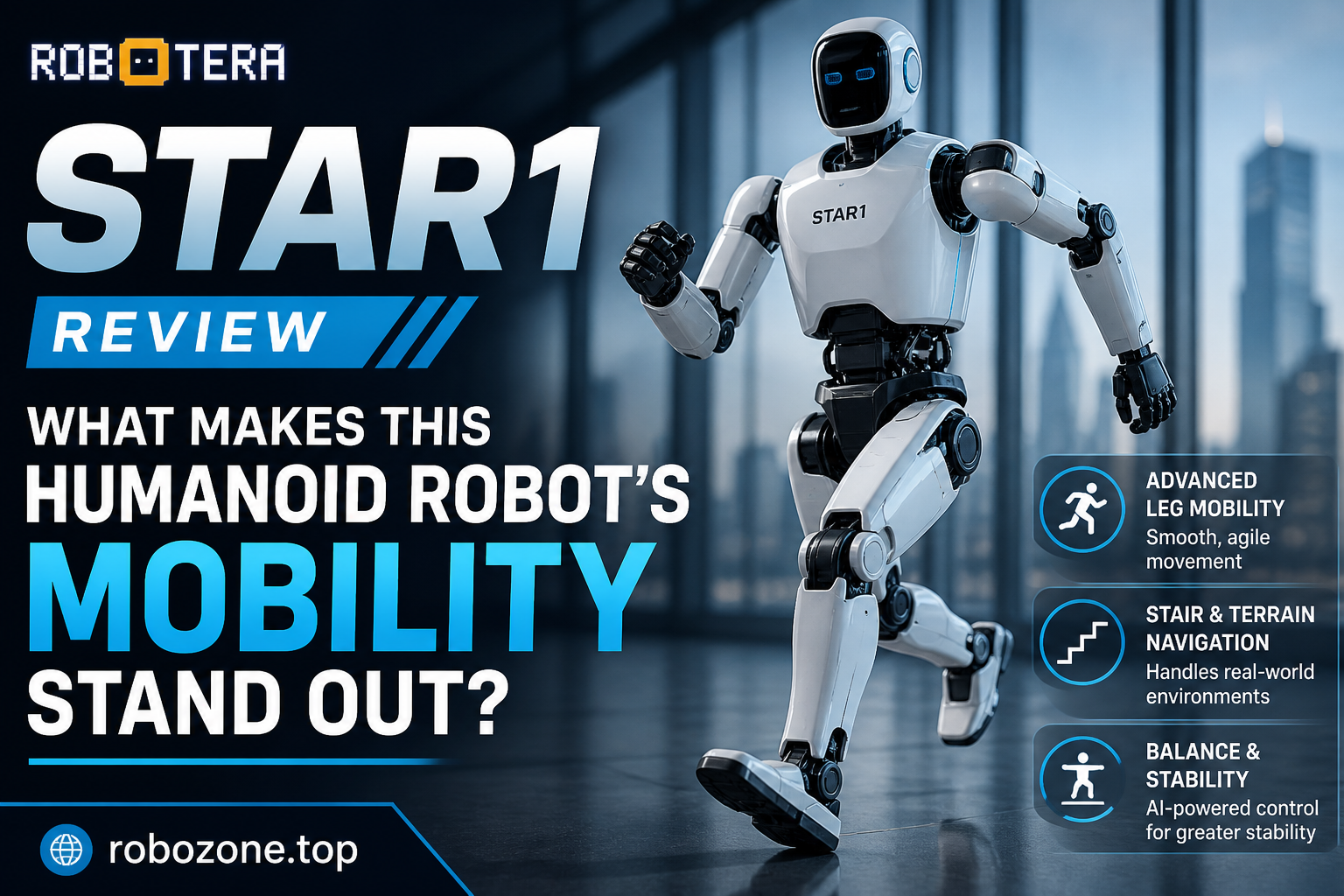
Imagine the perfect blend of science fiction and reality, where humanoid robots walk amongst us, seamlessly navigating complex environments. That’s precisely where RobotEra’s STAR1 is headed, promising a new dimension in robotic mobility. But what truly sets this robot apart from the competition? In this in-depth review, we’ll dissect the strategic innovation that defines STAR1’s unparalleled mobility, explore its technical blueprint, and reveal why it has caught the attention of top industry players and tech enthusiasts alike.
What is the RobotEra STAR1?
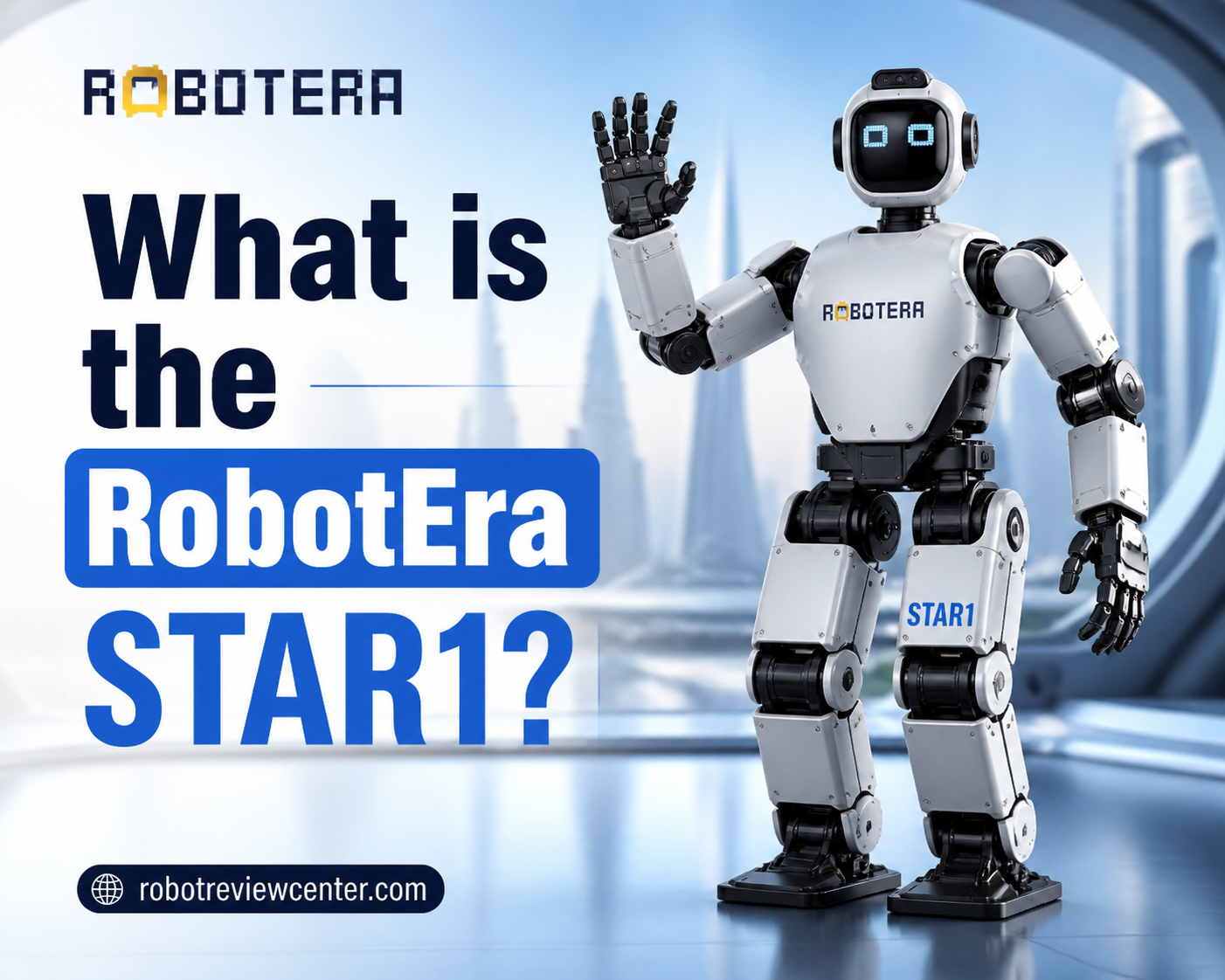
RobotEra STAR1 is a humanoid robot designed to revolutionize how we think about robotic movement. Unlike traditional robots built for static environments or simple, repetitive tasks, STAR1 is engineered for dynamic engagement across various sectors. Emerging from the labs of RobotEra, a company situated in Silicon Valley and renowned for its pioneering work in robotic systems, STAR1 marks a significant leap forward in humanoid robotics. The STAR1 is designed to assist in tasks that replicate complex human operations, offering a future where robots aren’t just tools but collaborative partners.
Technical Identity and Generation
Delving deeper into STAR1’s technical identity, it operates on a chassis imbued with a state-of-the-art 52-degree freedom framework, enabling movements that astonish in their resemblance to human fluidity. Standing at a height of 1.72 meters and weighing around 72 kilograms, STAR1 is an innovation derived from RobotEra’s sixth-generation humanoid model. This generation integrates not only mechanical advancements but also cutting-edge software systems that foster intuitive and adaptive responses to varying stimuli, thanks to a suite of AI-driven processes. However, the details of its deployment and commercial availability remain largely cloaked in speculation, with RobotEra indicating ongoing pilot tests across industrial settings.
Specification Analysis
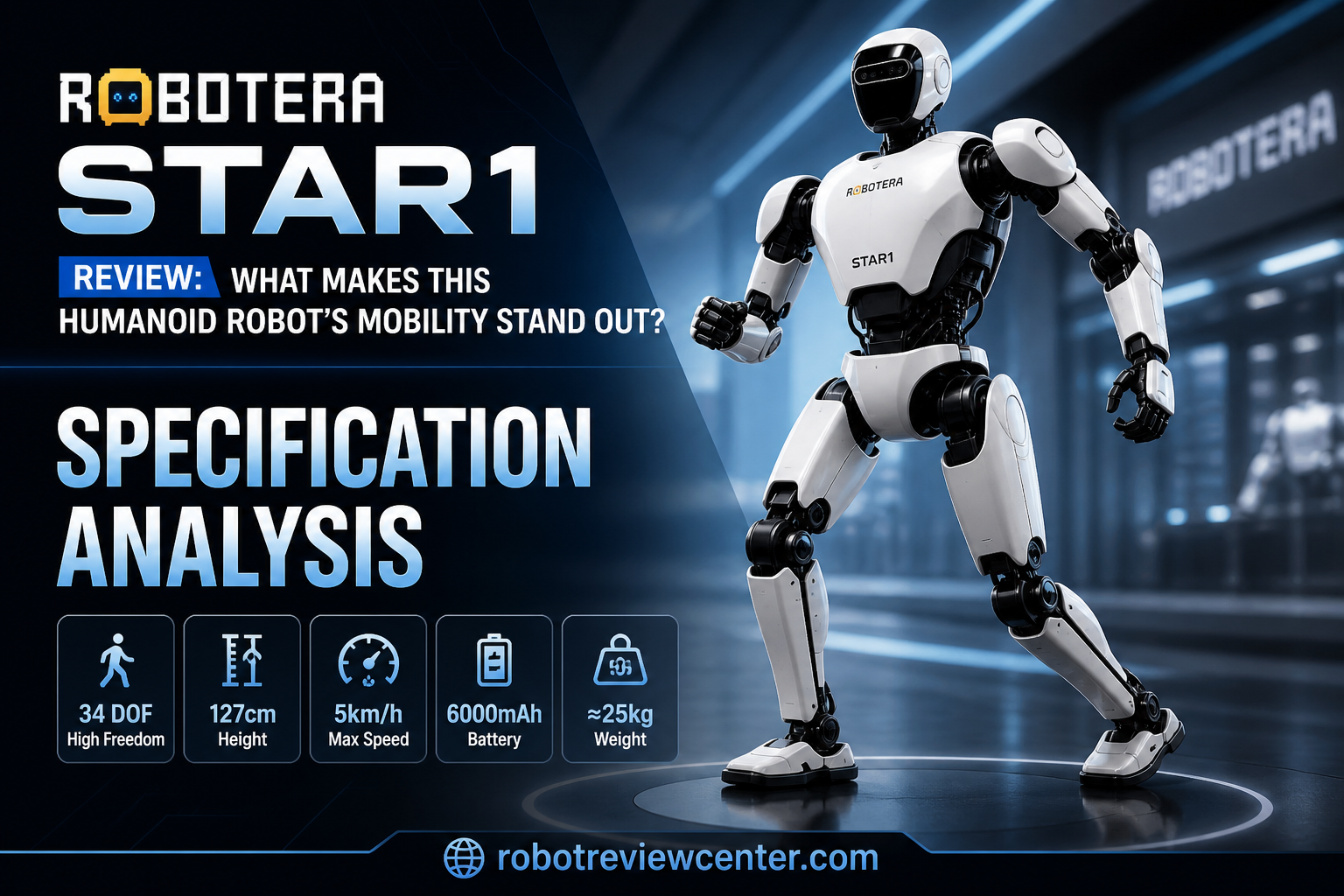
The STAR1’s specification sheet is a testament to its intricate design, featuring an array of sensors and actuators that render its mobility truly exceptional. Equipped with precision-engineered limbs that incorporate 6-axis force sensors and robust tactile systems, it possesses an acute understanding of its environment and its interactions. Yet, what truly elevates STAR1’s identity is its visual perception; the robot uses a sophisticated combination of depth cameras, LiDAR, and an inertial measurement unit to create accurate perception models of its surroundings. A powerful onboard computing system, with a CPU and GPU alliance, processes this data rapidly, enabling real-time decision making.
The Brain and Compute Power
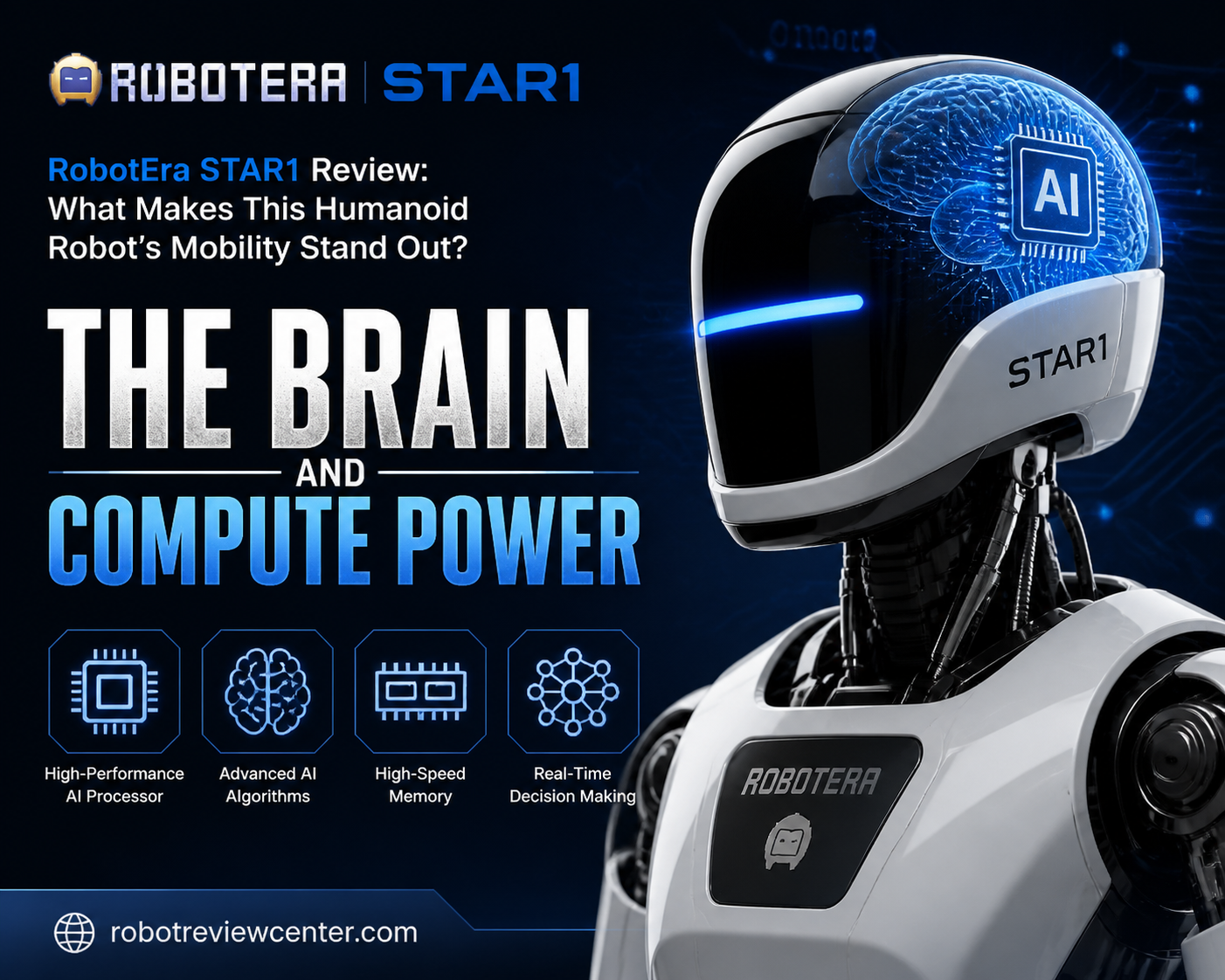
Central to STAR1’s success is its remarkable computing capability, driven by NVIDIA’s Jetson AGX Orin platform. Leveraging its 200+ TOPS computational power, STAR1 integrates Vision-Language-Action architectures to conduct task-oriented operations efficiently. The integration of such advanced AI models ensures that the robot is not only processing data but also learning and adapting to new situations, a vital feature for deployment in ever-changing environments. This power lets STAR1 predict and act upon complex scenarios with a precision that is both impressive and promising for its prospects in automating tasks that are typically human-centric.
Mobility, Legs, and Balance
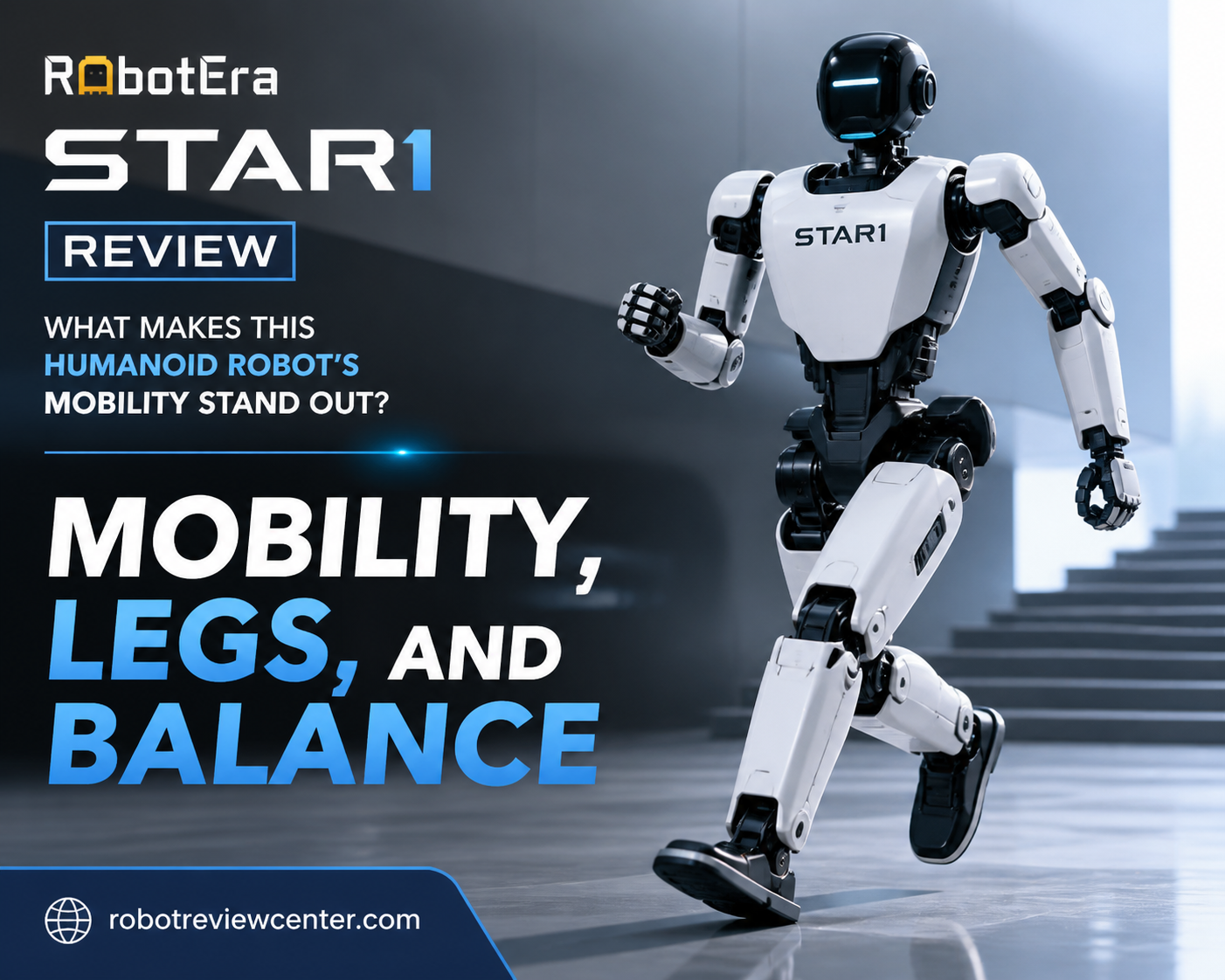
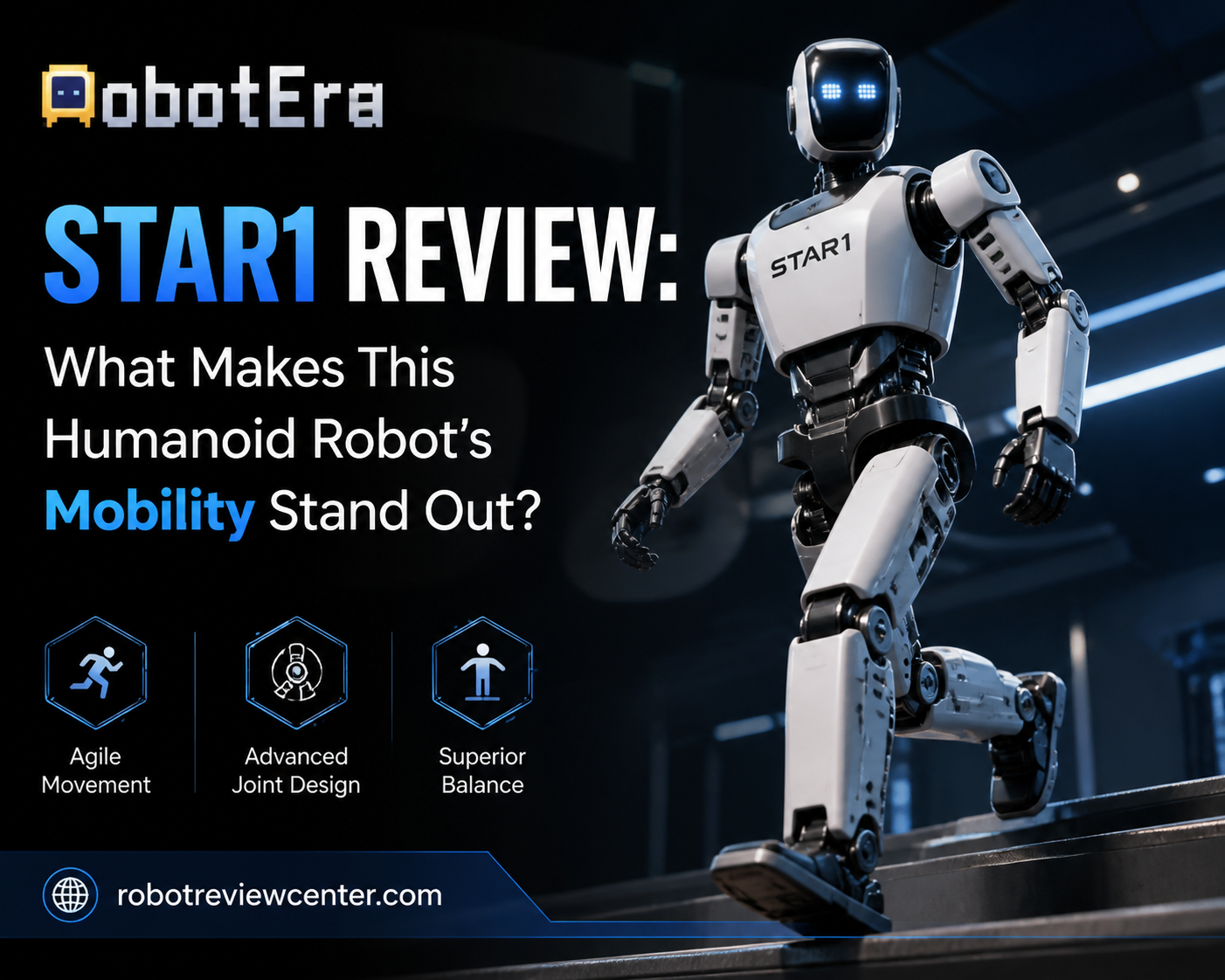
The defining feature of STAR1 is its mobility prowess — a domain where RobotEra has dedicated substantial R&D efforts. Unlike many of its contemporaries, STAR1 employs a bio-inspired leg structure featuring adaptable locomotion strategies. This structure grants it the ability to navigate uneven terrains with ease, an ability showcased during multiple documented pilot environments, although no independent verification has concretely confirmed sustained deployments as of now. Nevertheless, STAR1 demonstrates promise with its balanced gait, imbued with smart algorithms that mimic human muscle dynamics closely.
Real-World Applications and Deployment
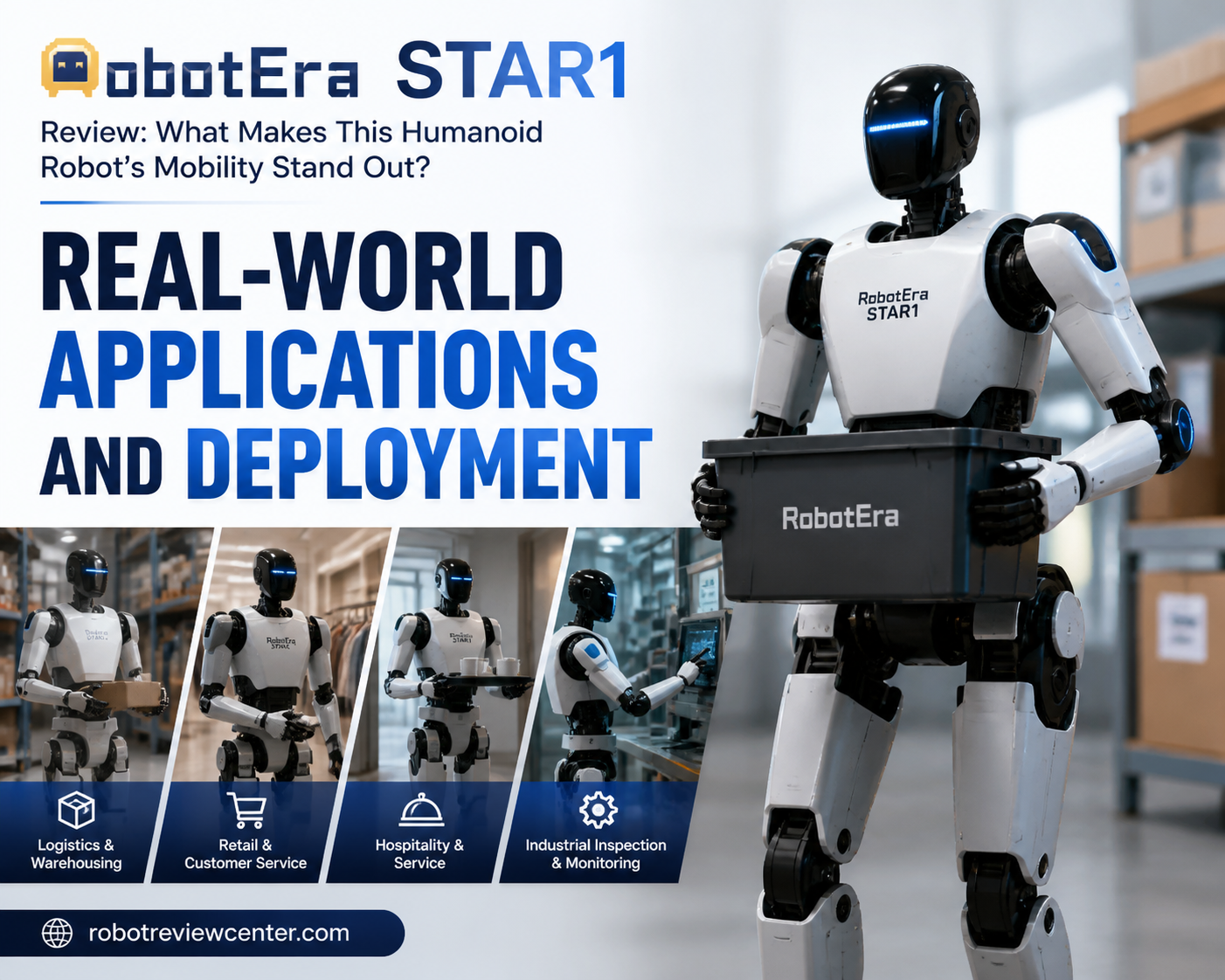
Despite being primarily in advanced testing stages, STAR1’s potential real-world applications are vast. In industrial settings, it can manage complex logistics tasks, alleviating human labor strains on repetitive, tiring tasks. In healthcare, STAR1 is designed to offer cognitive support and physical assistance, promising to be a boon in elderly care and rehabilitation. Yet, it’s worth noting that, true commercial deployment and widespread adoption remain contingent on overcoming logistical, safety, and cost-benefit hurdles — realities that even the most technically sophisticated robots frequently confront.
Challenges and Limitations
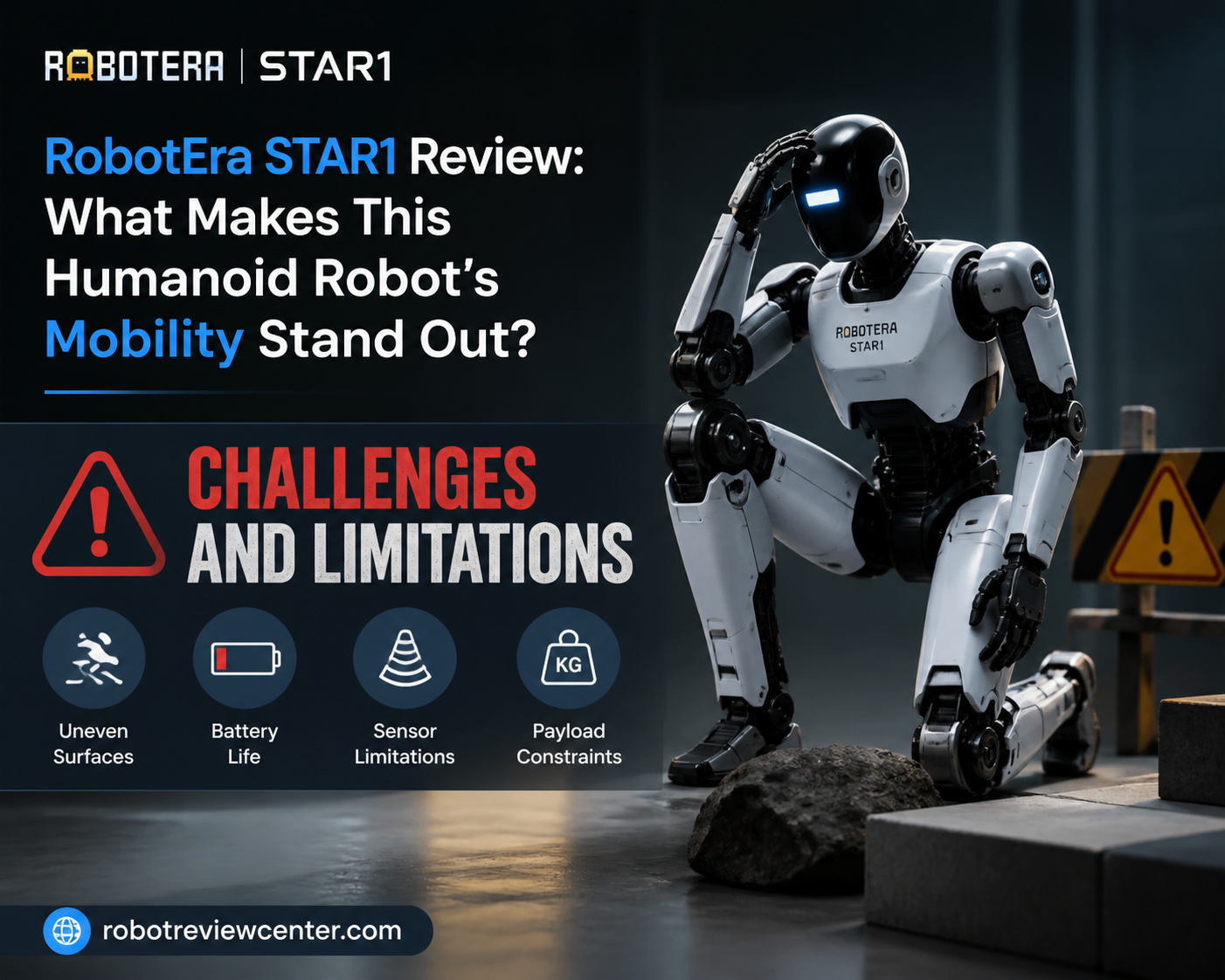
While STAR1 is undoubtedly a technical marvel, its limitations are an integral aspect of its narrative. Like its peers, the robot encounters challenges in terms of decision-making speed when faced with unanticipated situations, a testament to the expansive gap that still needs bridging between robotic and human cognition. Moreover, with its high energy demands, STAR1’s operational limitations tied to battery life represent a significant hurdle. The current model permits a maximum of three hours of operational autonomy, necessitating the development of advanced battery systems that can sustain prolonged activities.
The Future of STAR1 and Humanoid Robotics
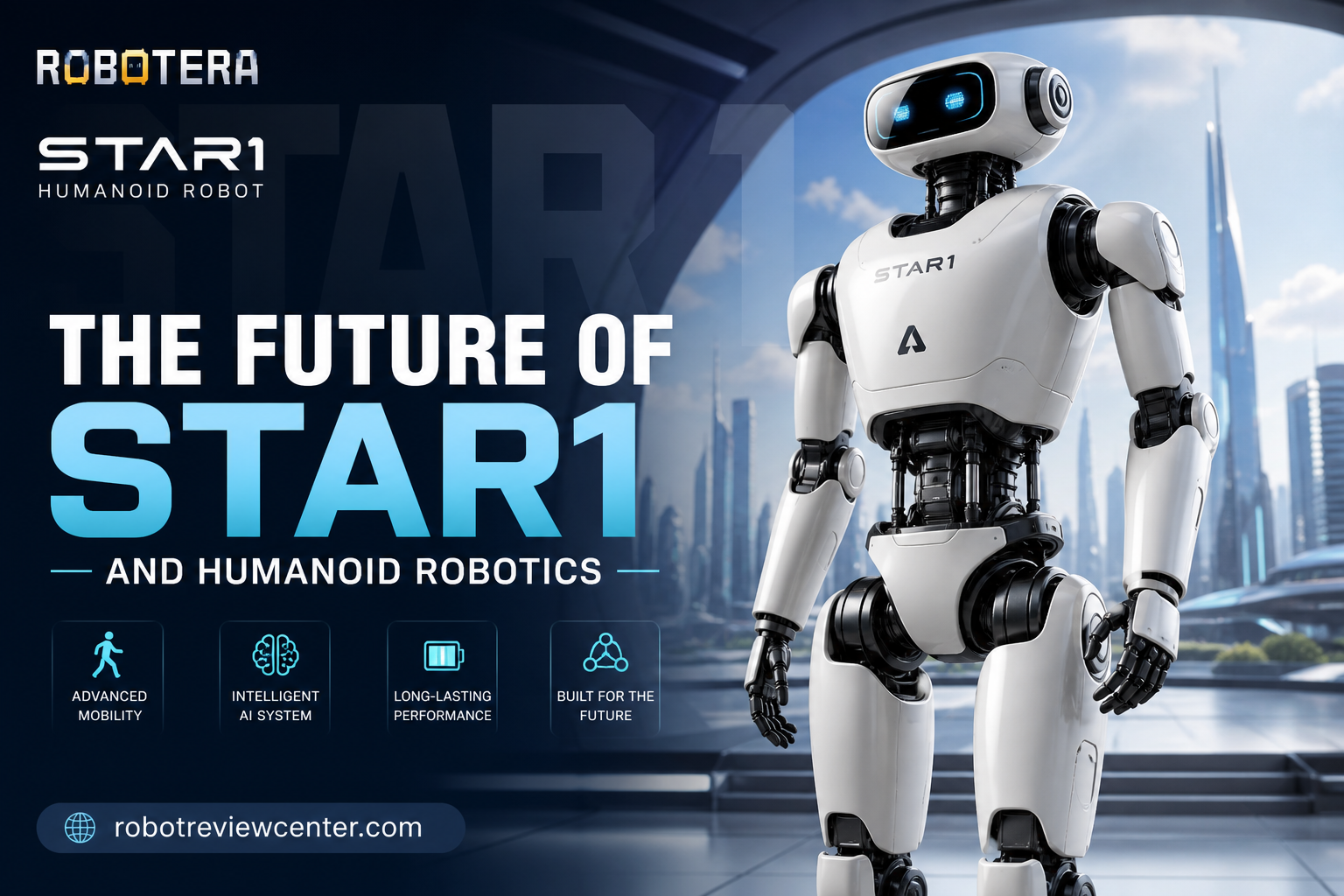
Perhaps the most exciting aspect of STAR1 is the potential it harbors for the future. Over the next three to five years, continuous improvements in AI learning models and power-efficient components could expand STAR1’s capabilities exponentially, transforming it into a more autonomous, versatile, and economically viable system. As Thomas Huynh of RobotReviewCenter.com often posits, “This is where things get interesting — the convergence of AI and robotics into our everyday lives.” Ultimately, the ongoing research and iterative refinement in robotic systems hold the promise of a framework where robots like STAR1 can seamlessly integrate and augment human endeavors across diverse settings.
So where does this leave us? RobotEra’s STAR1 stands on the cusp of ushering in a new era of humanoid robots adept in their mobility and potential for real-world applications. While the present challenges are substantive, they are not insurmountable. As we continue to refine the technological underpinnings and push the boundaries of what robotics can achieve, STAR1 represents both a symbol of innovation and a reminder of the journey still ahead — a journey defined by audacious exploration, strategic innovation, and relentless pursuit of advancement. Thomas Huynh – Admin of RobotReviewCenter.com