
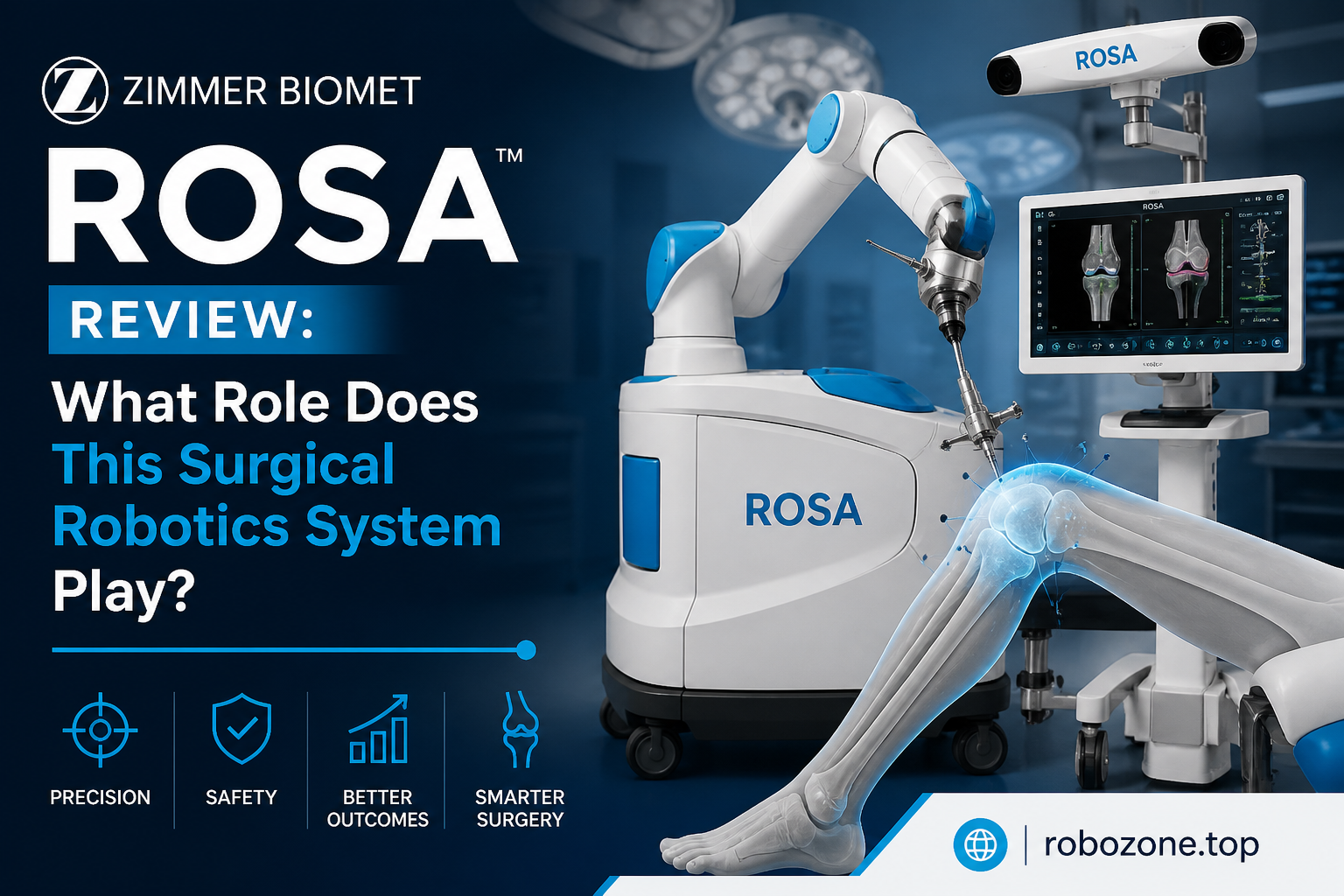
In the evolving landscape of surgical technology, Zimmer Biomet’s ROSA system emerges as a compelling player. Often evoking thoughts of mechanized operating rooms of the future, ROSA stands as a testament to modern robotics teaming up with surgical expertise. Imagine a world where precision, efficiency, and dexterity are not just ideals but tangible realities. In this article, we dive deep into what makes the Zimmer Biomet ROSA an exciting advancement in surgical technology. Let’s peel back the layers of its conception, technical prowess, and its growing place in the world of surgery.
What is Zimmer Biomet’s ROSA?
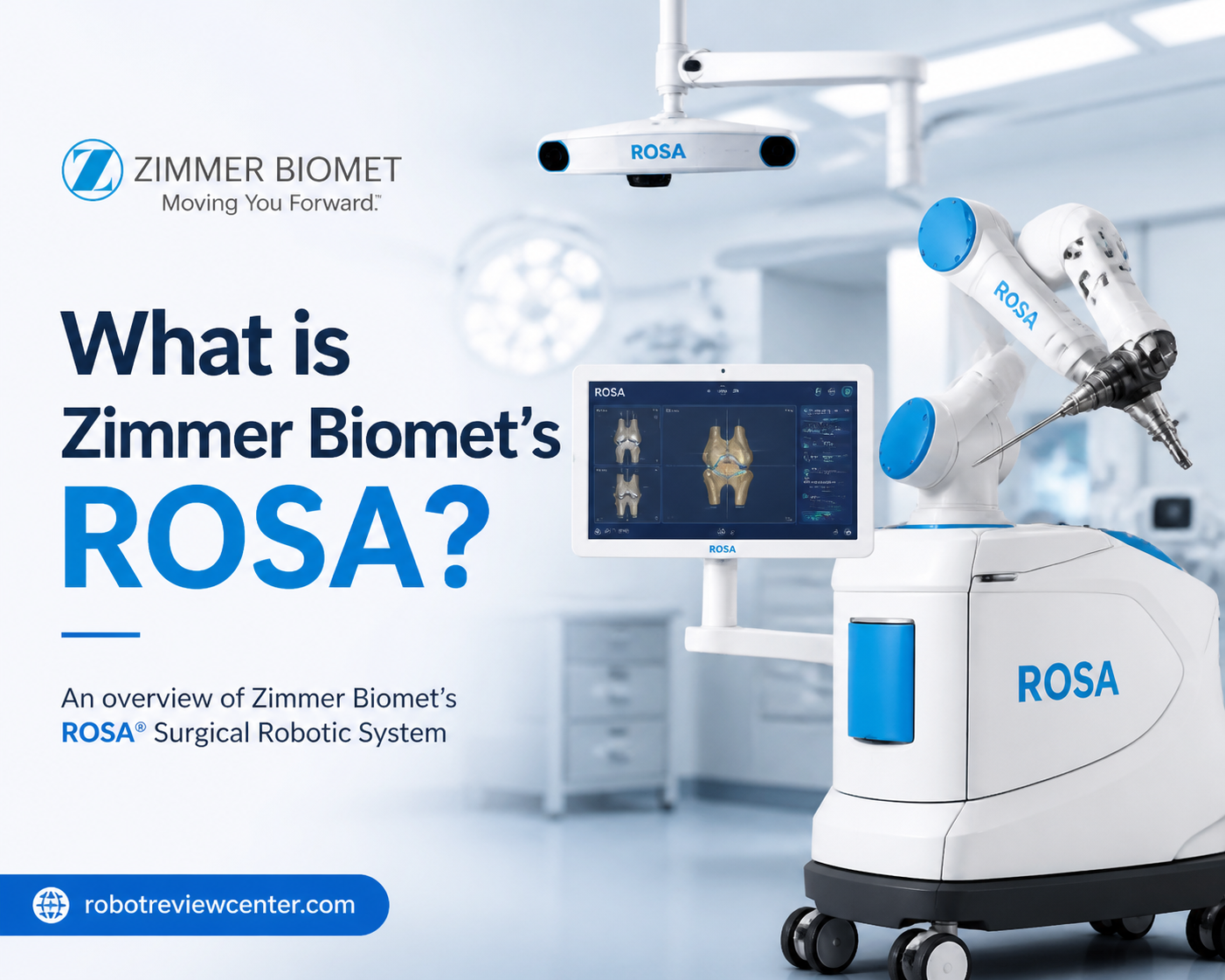
The Zimmer Biomet ROSA (Robotic Surgical Assistant) is a specialized robotic system designed to assist surgeons in complex procedures, especially within the fields of orthopedics and neurosurgery. Introduced as a versatile partner in the operating room, ROSA promises to enhance precision and consistency in surgical tasks. Tracing back to its initial announcement, ROSA system represents a fusion of innovative technology and surgical precision.
ROSA’s defining feature lies in its capability to aid minimally invasive surgeries. By leveraging real-time imaging and robotic precision, it aims to reduce the invasiveness typically associated with surgical procedures. Through advanced software, precise navigation, and articulated robotic arms, ROSA supports the surgeon in executing meticulous surgical interventions. With an arm that mimics the flexibility of a human arm, the device can delicately navigate the most intricate surgical landscapes.
The core objective of this system is not to replace the surgeon but to complement their skills by offering a platform that enhances their abilities, allowing for greater accuracy and efficiency. This results in potentially quicker patient recovery times and lowers the chance of human error.
The Technology Behind the ROSA System
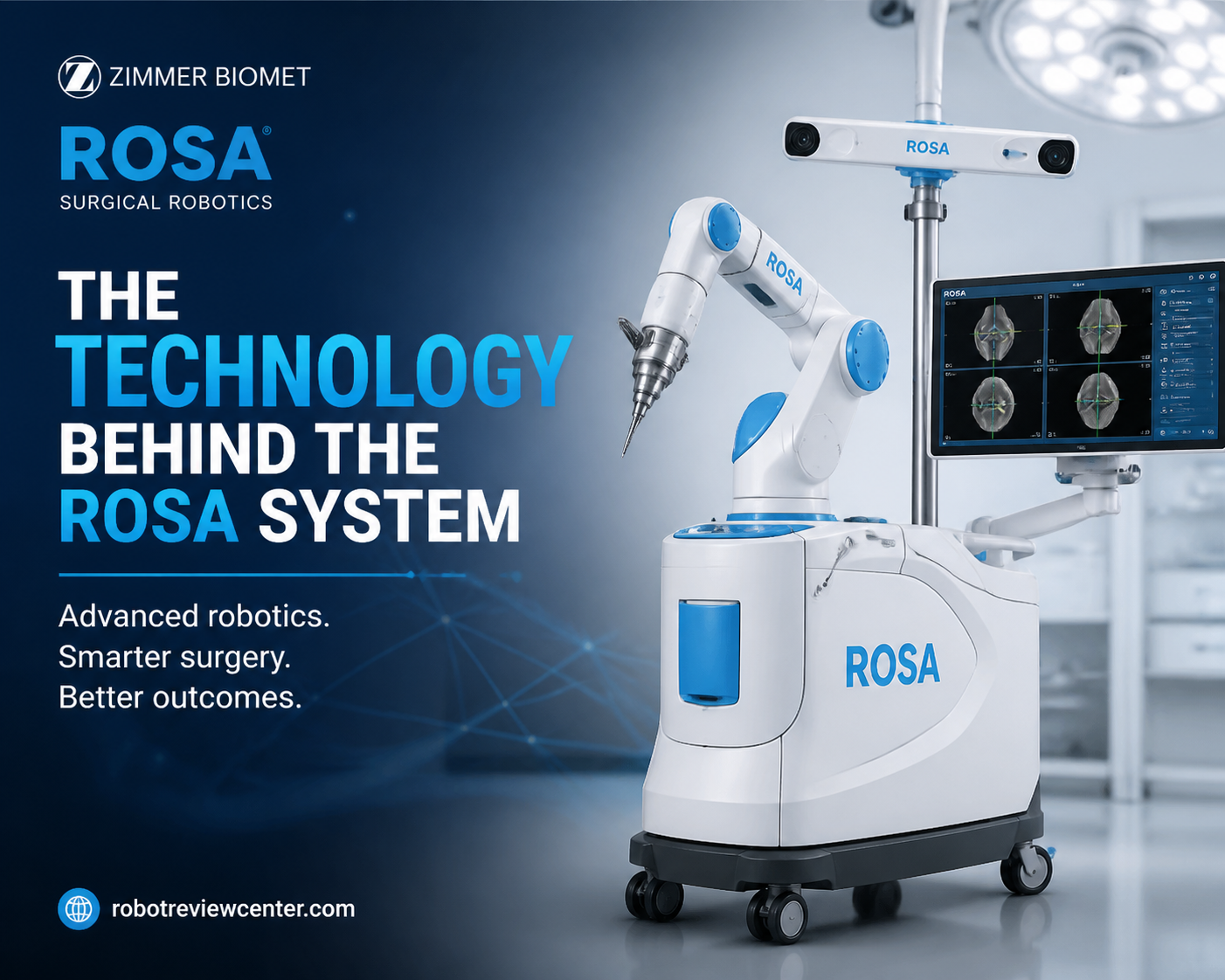
At its heart, ROSA is powered by a combination of sophisticated AI models, state-of-the-art sensors, and advanced computing systems. With devices like NVIDIA chips facilitating easy handling of vast data, ROSA can process and analyze complex information quickly. This AI-backed technology ensures real-time decision-making, which is crucial for dynamic surgical environments.
The ROSA system makes use of infrared imaging, ensuring high-precision navigation. Through a dedicated vision system, it captures the anatomy of the patient in high definition, allowing for real-time manipulation and detailed feedback. Artificial intelligence components integrated within contribute not only to automation but also aid continuous learning from every surgical procedure, enhancing subsequent operations’ efficiency.
These features, combined with sophisticated machine learning models, exemplify ROSA’s technical prowess. The machine’s design allows the system to autonomously refine its movements, learning from various patterns and surgical techniques, presenting an AI-driven learning curve that promises improvements over time.
Real-World Applications of ROSA
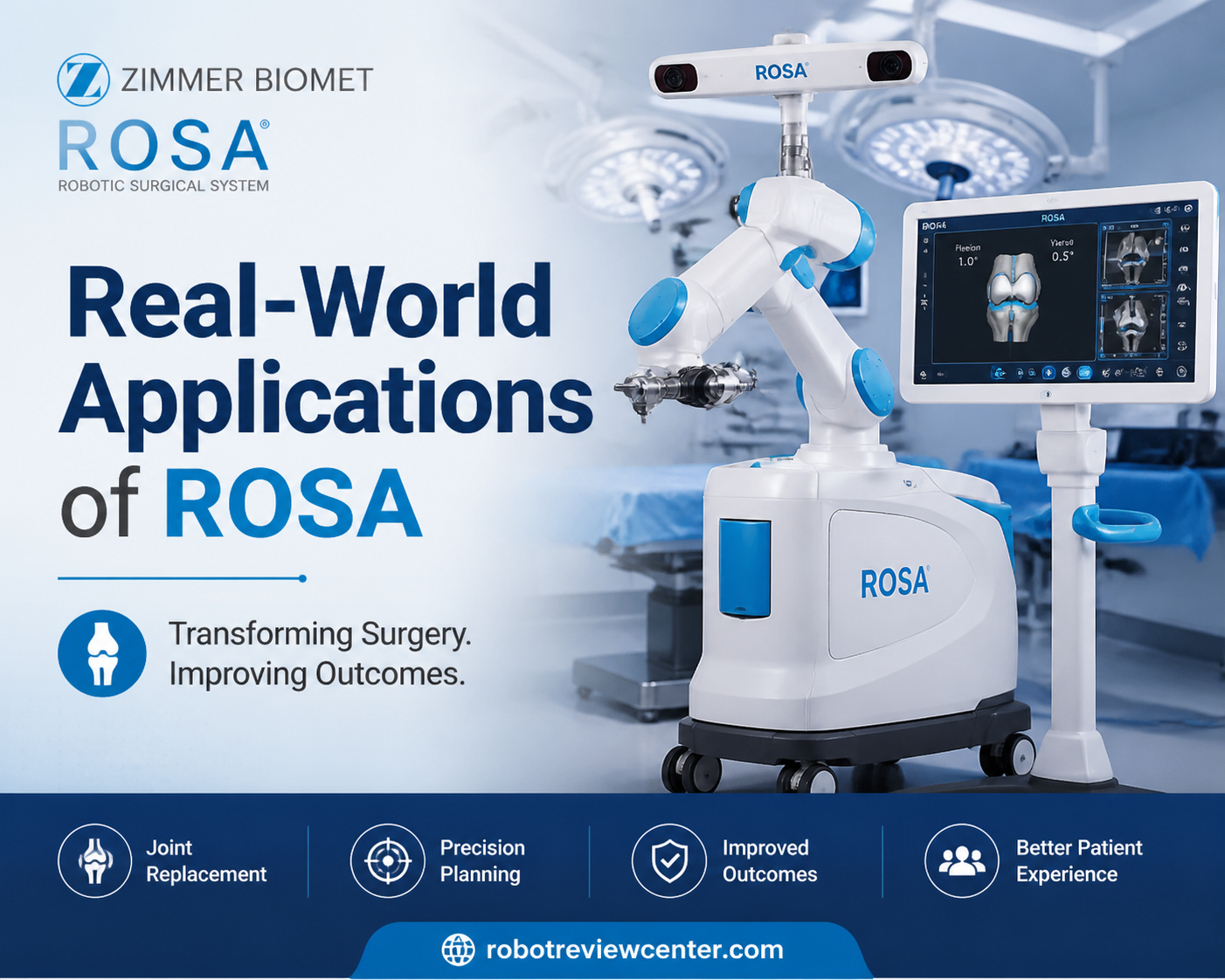
The Zimmer Biomet ROSA system has been primarily targeted at improving outcomes in fields including spine surgeries, total knee replacements, and cranial procedures. Its advantage lies in the fact that it can stabilize and support surgical tools, providing unparalleled steadiness. In orthopedic surgeries, especially, it offers enhanced precision, aligning knee replacements with high accuracy, minimizing post-surgery complications.
ROSA’s value extends to neurosurgery, where precision and careful planning can drastically affect outcomes. Here, the ability to maintain stability during the approach is of utmost importance, reducing risks associated with manual handling.
Furthermore, ROSA plays a significant role in enhancing patient outcomes. By potentially reducing operating times, postoperative pain is decreased, the threat of infections diminishes, and hospital stays are curtailed considerably. This not only presents a better recovery pathway for patients but also has broader economic implications for healthcare systems, potentially reducing overall costs.
Challenges and Limitations
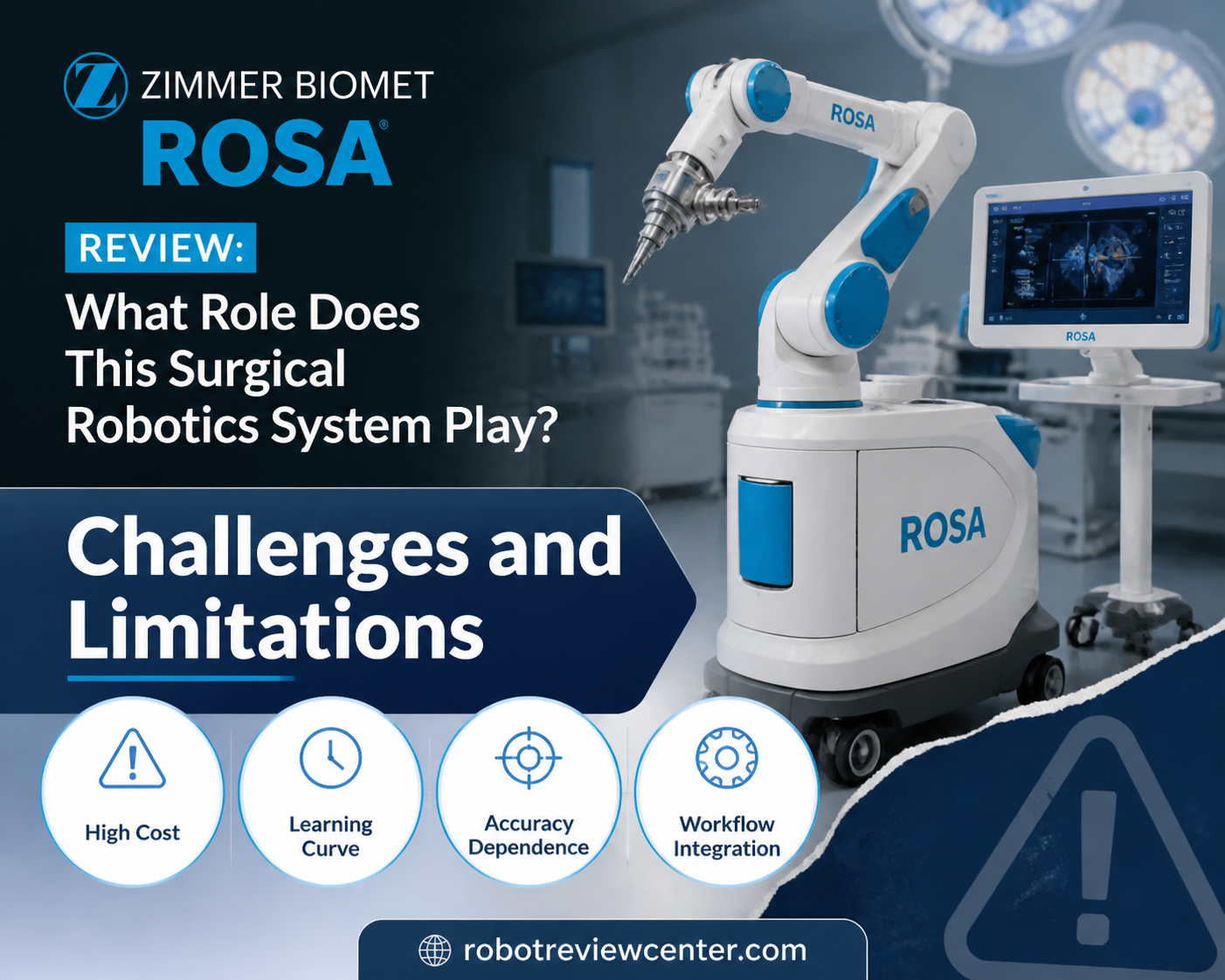
While the ROSA system stands out for its innovative approach to surgical assistance, it’s not without its challenges. Integration into existing surgical workflows is often cumbersome, requiring significant training time and adjustment periods for surgical staff. Surgeons must become adept at maneuvering and commanding these robotic systems in tandem with their own practices.
A common concern among the surgical community is the system’s dependency on precise calibration and setup. Any deviation or misalignment could potentially negate the advantages ROSA offers, introducing complications rather than eliminating them. Furthermore, the reliance on sophisticated software means that system updates and maintenance are crucial for continued efficiency.
Financial investment remains another barrier. The costs associated with implementing such high-end systems into traditional medical centers can be prohibitive, limiting accessibility primarily to high-budget institutions, further creating a divide in healthcare equality.
Market Analysis and Growth Potential
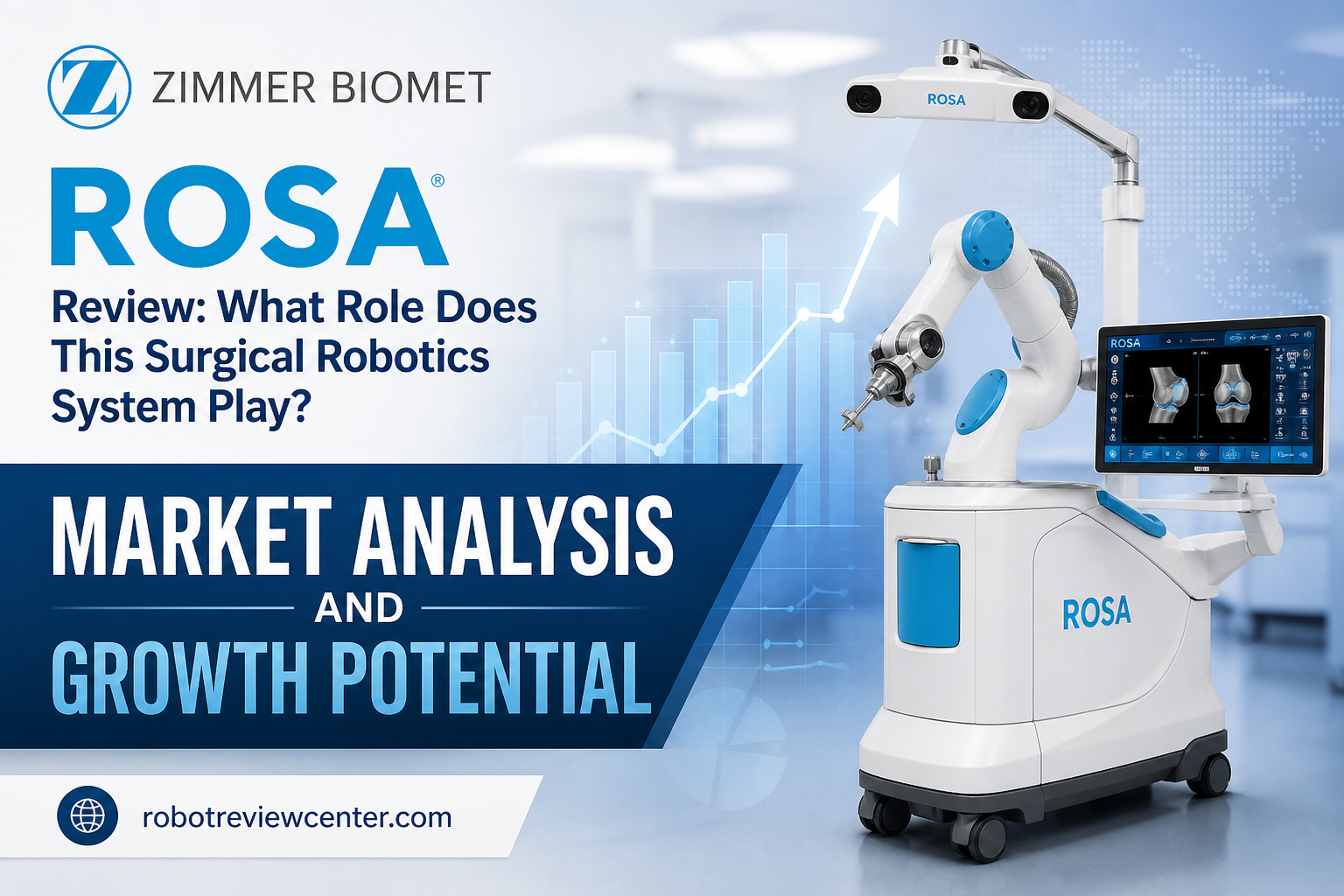
In recent years, the demand for surgical robotics has witnessed exponential growth. According to numerous industry forecasts, the market for medical robotics, including systems like ROSA, is anticipated to soar in the coming decade. Zimmer Biomet, among others, has made significant investments in refining their robotic systems to stay competitive in this burgeoning field.
The market trajectory suggests a greater integration of robotics within surgical fields, driven by the promise of higher precision, better patient outcomes, and efficient surgical workflows. This not only positions the ROSA system as a pivotal player but also incentivizes other companies to innovate and compete, implying a rapidly evolving ecosystem of surgical robotics.
What Lies Ahead for ROSA?
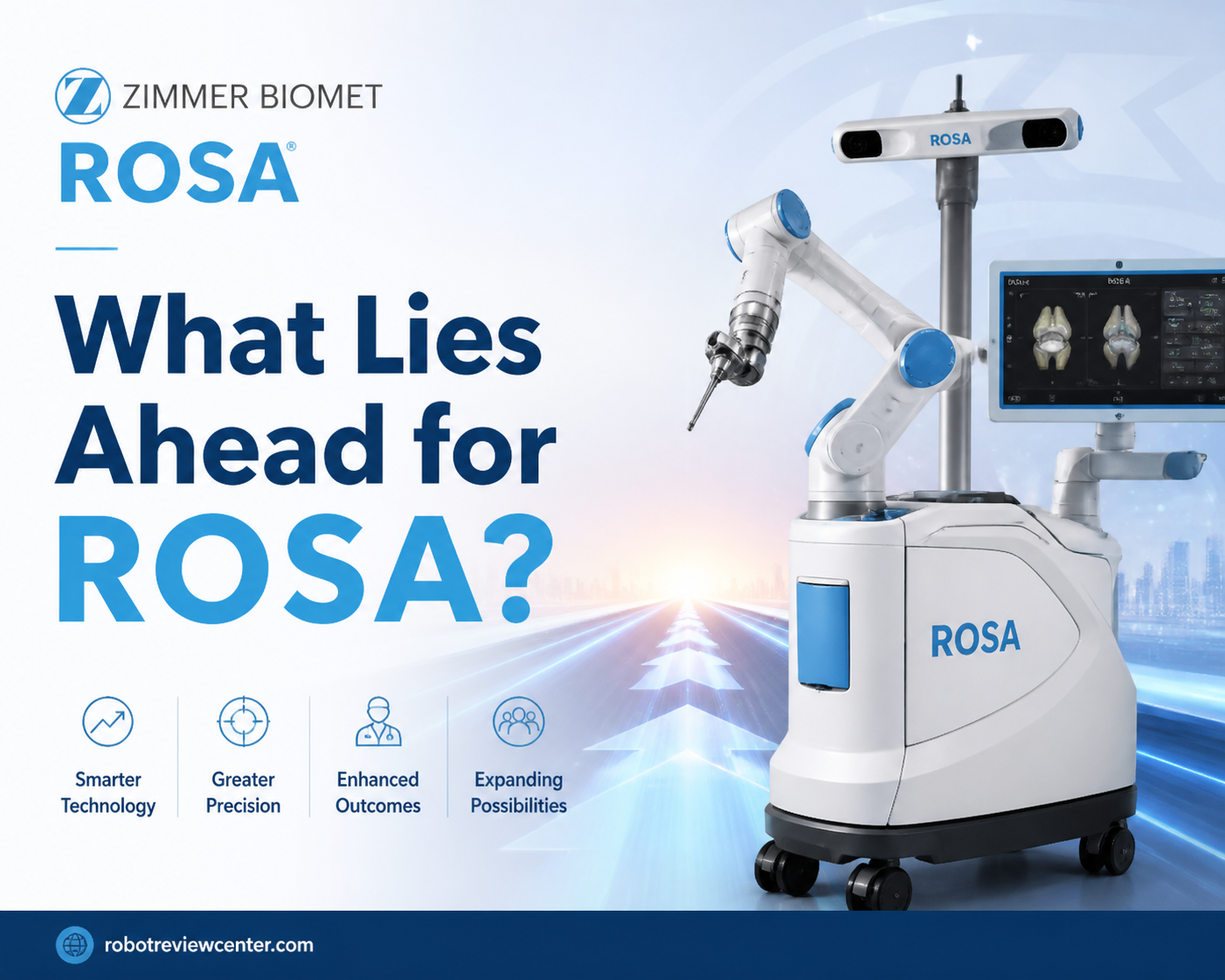
So where does this leave us in the conversation about technology in surgical suites? For Zimmer Biomet’s ROSA, the future looks as intriguing as it does challenging. The possibility of better integrating AI into surgical workflows creates pathways for more autonomous, adaptable systems that could foreseeably collaborate with surgeons in deeper capacities.
Advancing ROSA’s capabilities to tackle a broader range of surgeries or moving into fully autonomous surgeries might be where the next phase of evolution lies. Additionally, focusing on affordability without compromising on quality will be critical in democratizing the benefits of robotic surgery globally.
Keeping an eye on this technology also reminds us to strike a balance—machines enhancing human capabilities, but never overshadowing the indispensable importance of the human touch in surgical care.
As one of the pioneering players in surgical robotics, the Zimmer Biomet ROSA system exemplifies the exciting intersection where technology meets dedicated healthcare. With its blend of precision, innovation, and potential for growth, the robotic surgical assistant prompts us to consider the broader implications of technology in medicine—an exciting future where man and machine collaborate harmoniously for healthier outcomes.
Thomas Huynh – Admin of RobotReviewCenter.com