
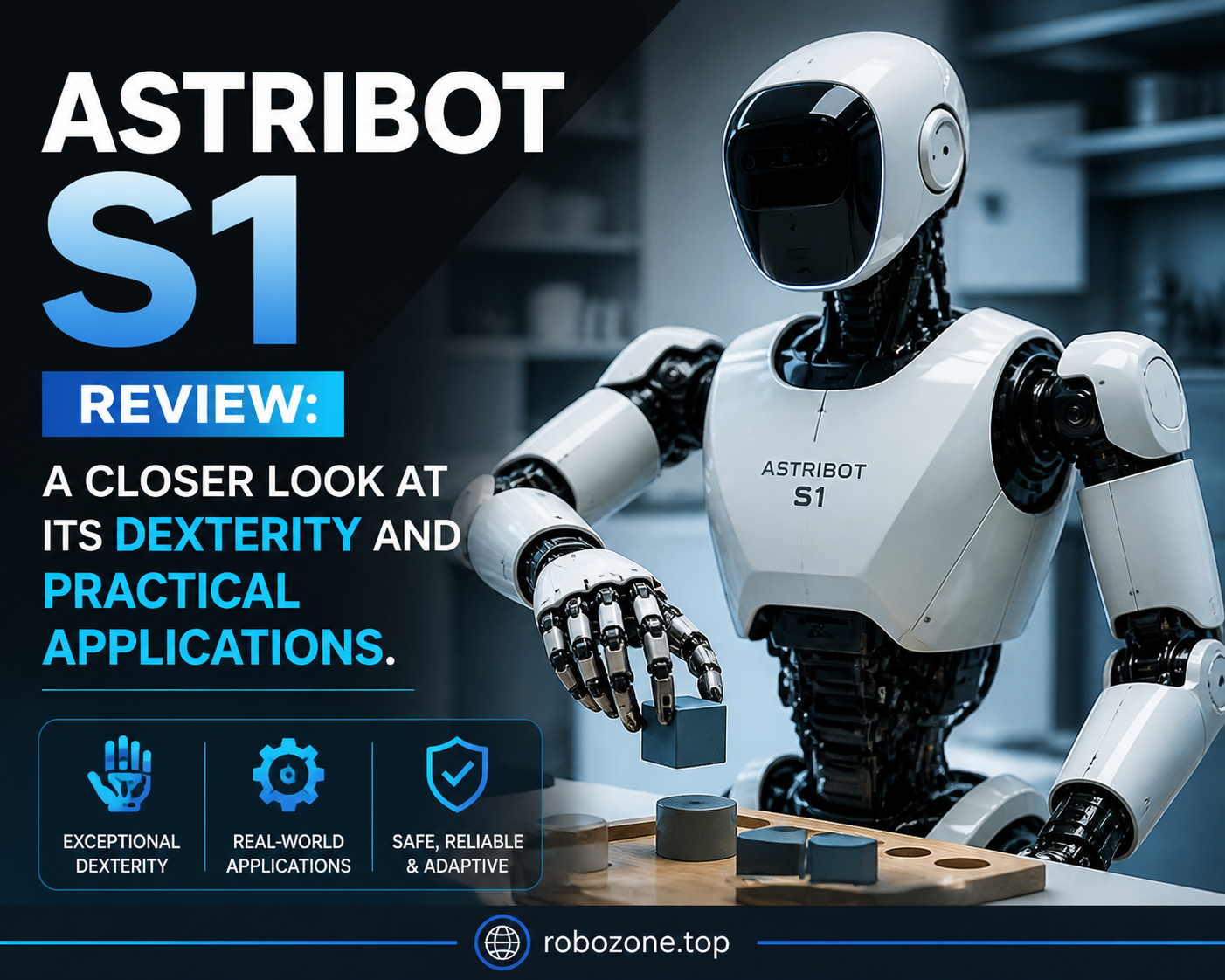
In the realm of robotics, dexterity remains one of the most sought-after attributes, akin to the elegance of a ballet dancer or the precision of a master craftsman. Enter the Astribot S1, a robot that promises more than just industrial competence. With claims of superior dexterity and adaptability across multiple sectors, the Astribot S1 is postured as a game-changer. But, does it deliver on its promises? Let’s embark on a journey to decode this question as we examine the Astribot S1 in detail.
What is the Astribot S1?
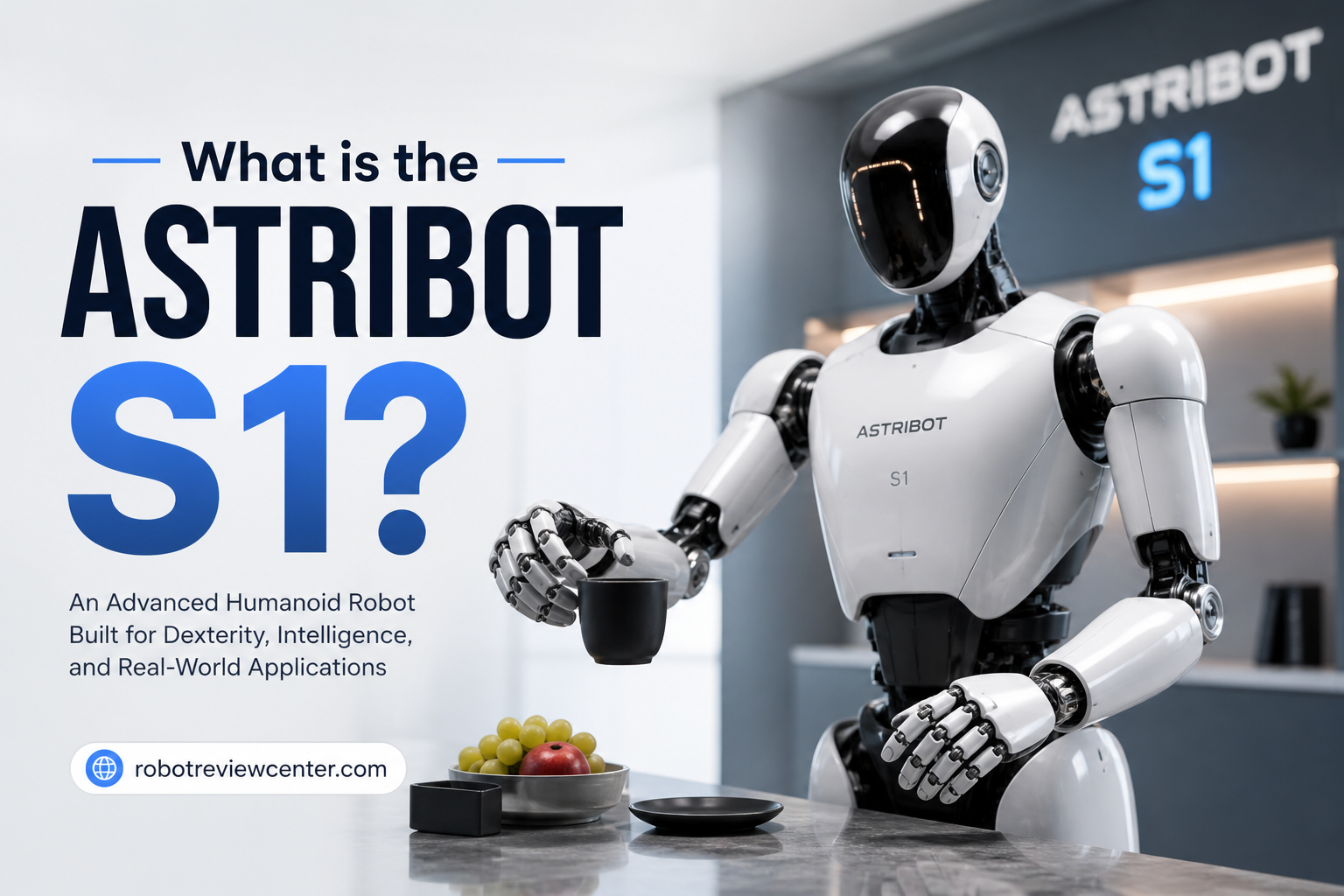
The Astribot S1 is a humanoid robot designed to bridge the gap between artificial intelligence and physical dexterity. Manufactured by a leading robotics firm, Astribotics, based in Silicon Valley, the S1 model has captivated the imagination of both tech enthusiasts and skeptics. Standing at a modest height comparable to your average human and weighing in at an efficient 70 kilograms, the Astribot S1 endeavors to mimic the human form not just in size but in functionality.
Boasting an impressive 40 degrees of freedom, the S1 moves with fluidity rarely seen in robots. This is not merely a technical feat—it’s the realization of a dream many robotics engineers have long chased. But what sets the S1 apart isn’t simply its mimicry of human motion—it’s the precision and control the degrees of freedom afford, offering a spectrum of movement that was previously reserved for science fiction.
The S1 uses an integrated AI system that Astribotics claims to be based on cutting-edge neural networks capable of learning and adapting to its environment. While announcements about its capabilities have been well-publicized, what separates it from other humanoid robots is its demonstration of agility in complex, unstructured environments.
Technical Identity and Specification Analysis
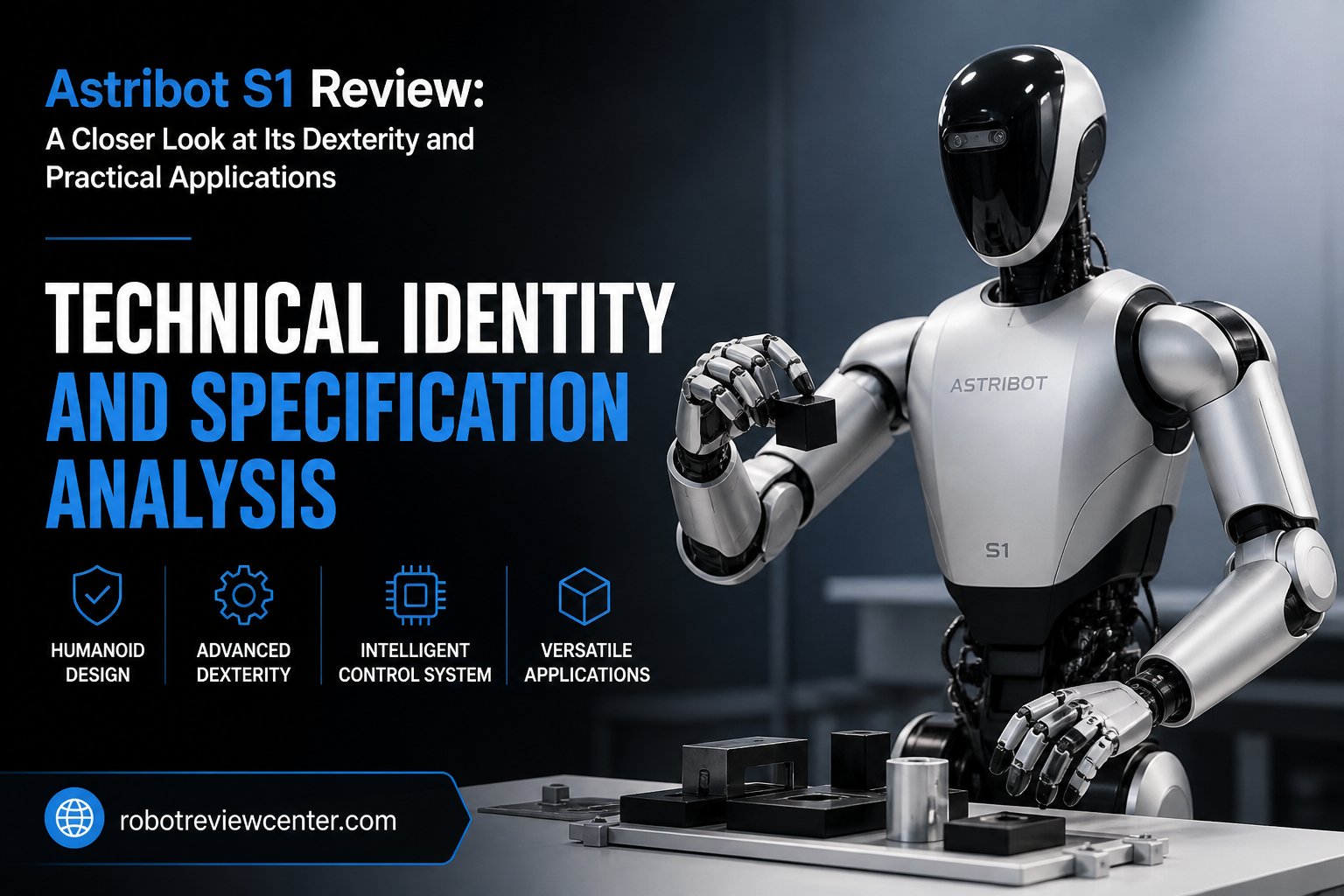
To delve deeper into the Astribot S1’s technical identity, we must look at its array of sensors and hardware components that are orchestrated to achieve its promises of dexterity. The S1 is equipped with dual RGB cameras and depth sensors that serve as its eyes, offering it the spatial intelligence required for meticulous navigation and interaction.
These cameras—capable of capturing both depth and texture—are what grant the S1 its impressive object detection and manipulation capabilities. Tied into this visual feed is a deeply embedded NVIDIA Jetson AGX Orin platform, which powers its real-time processing capabilities. This compute module allows the robot to handle simultaneous processing tasks, such as object recognition and decision-making, with relative ease.
One cannot discuss the S1 without mentioning its hands, or more aptly, its manipulation capabilities. Armed with multi-jointed fingers offering up to 20 degrees of freedom, the S1’s hands are inspired by human anatomy to accommodate intricate tasks that require precision.
Brain and Compute
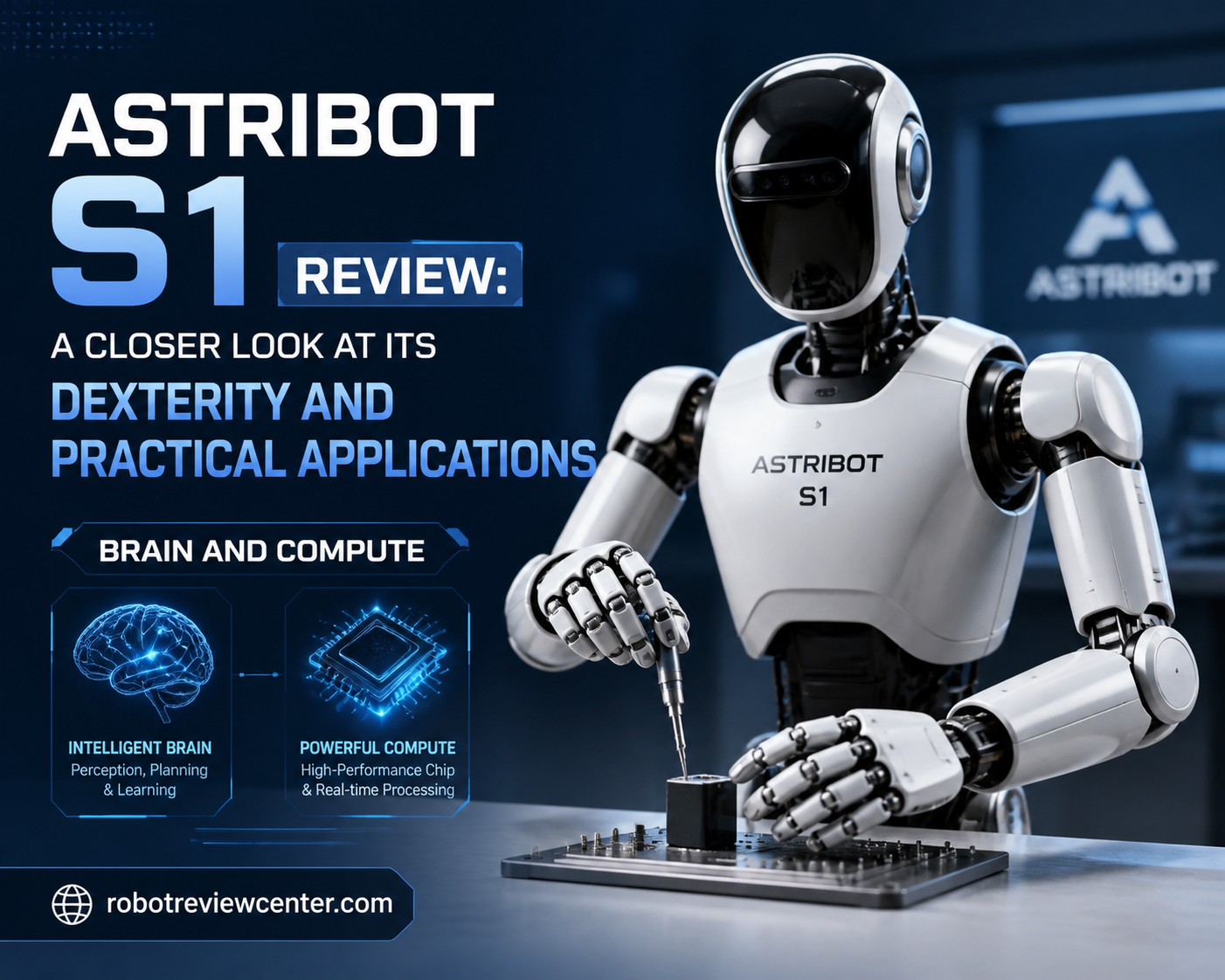
In the heart of the Astribot S1’s processing ability lies the integration of NVIDIA’s modern-day computing prowess, which underpins its AI and sensory capabilities. Utilizing advanced models of imitation learning, the S1 engages in tasks that require understanding contextual variables, much like a seasoned chess player assessing a board.
The reliance on such advanced computation is what differentiates the S1 from counterparts which operate heavily on pre-programmed instructions. Here, the AI does not merely execute commands—it’s in a constant state of self-improvement, learning from each interaction to refine its future responses.
This model of AI, however, is not without its limitations. Behavioral adaptation can sometimes clash with predefined protocols, leading to scenarios where the ‘brain’ of the S1 might encounter the equivalent of a digital existential crisis—a point upon which skeptics are quick to converge.
Vision and Spatial Intelligence
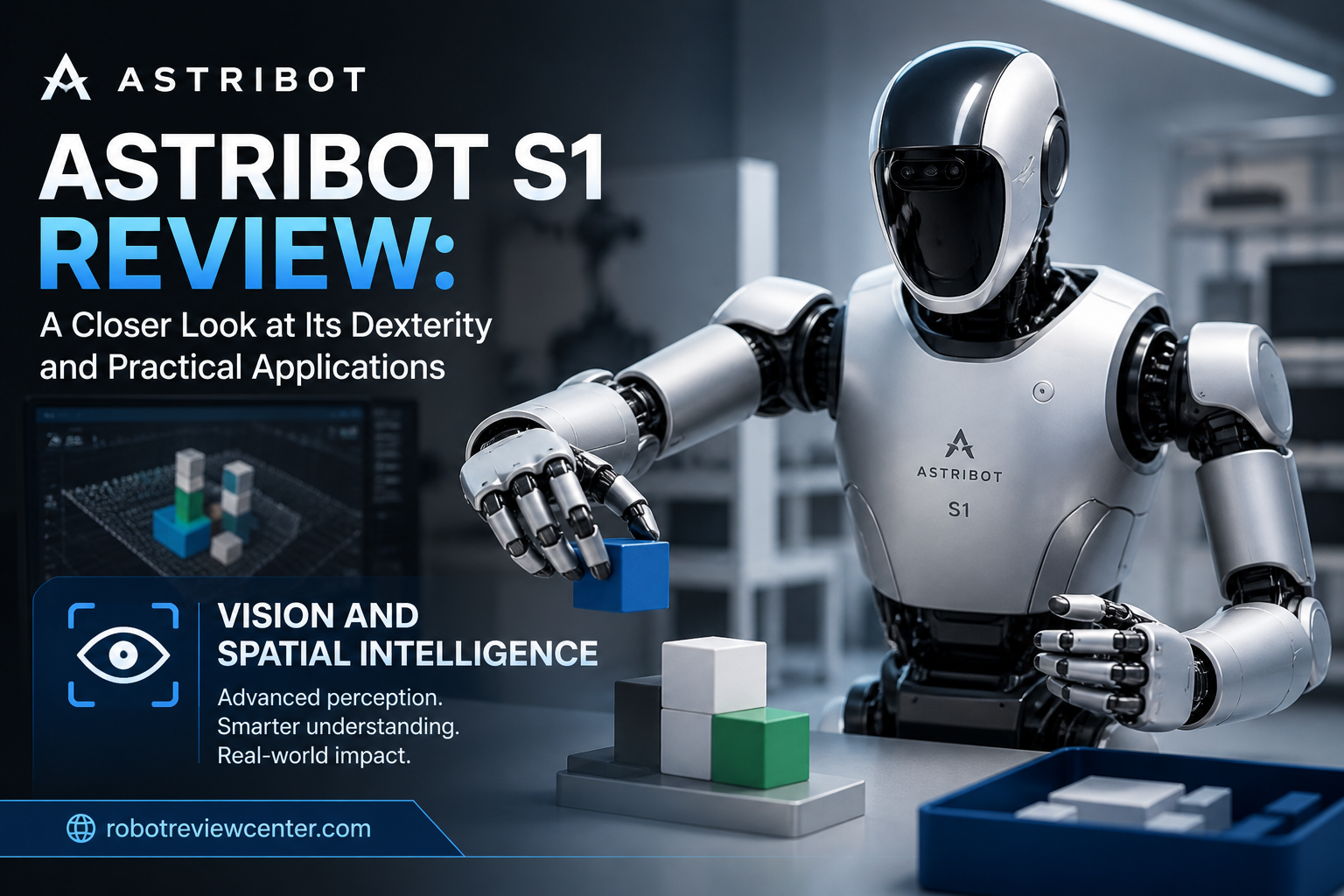
The lenses that guide the Astribot S1’s operational expertise are much like the eyes of an eagle, meticulously scanning the environment for both opportunities and challenges. Equipped with the latest stereo vision technology, the S1’s spatial intelligence isn’t about mere identification—it’s about context and interaction.
With SLAM (Simultaneous Localization and Mapping) capabilities, the S1 maps its environment in real-time. This enables it not just to avoid obstacles but to predict their movements, an essential feature for dynamic workspaces like factories or kitchens.
However, vision in robotics debates often rekindle the philosophical inquiries of perception: does the ability to see equate to the ability to understand? In the S1’s case, third-party evaluations and pilot projects suggest a proficiency that might appease but not satisfy the renowned skeptics of our Robotics Review Center.
Real-World Applications
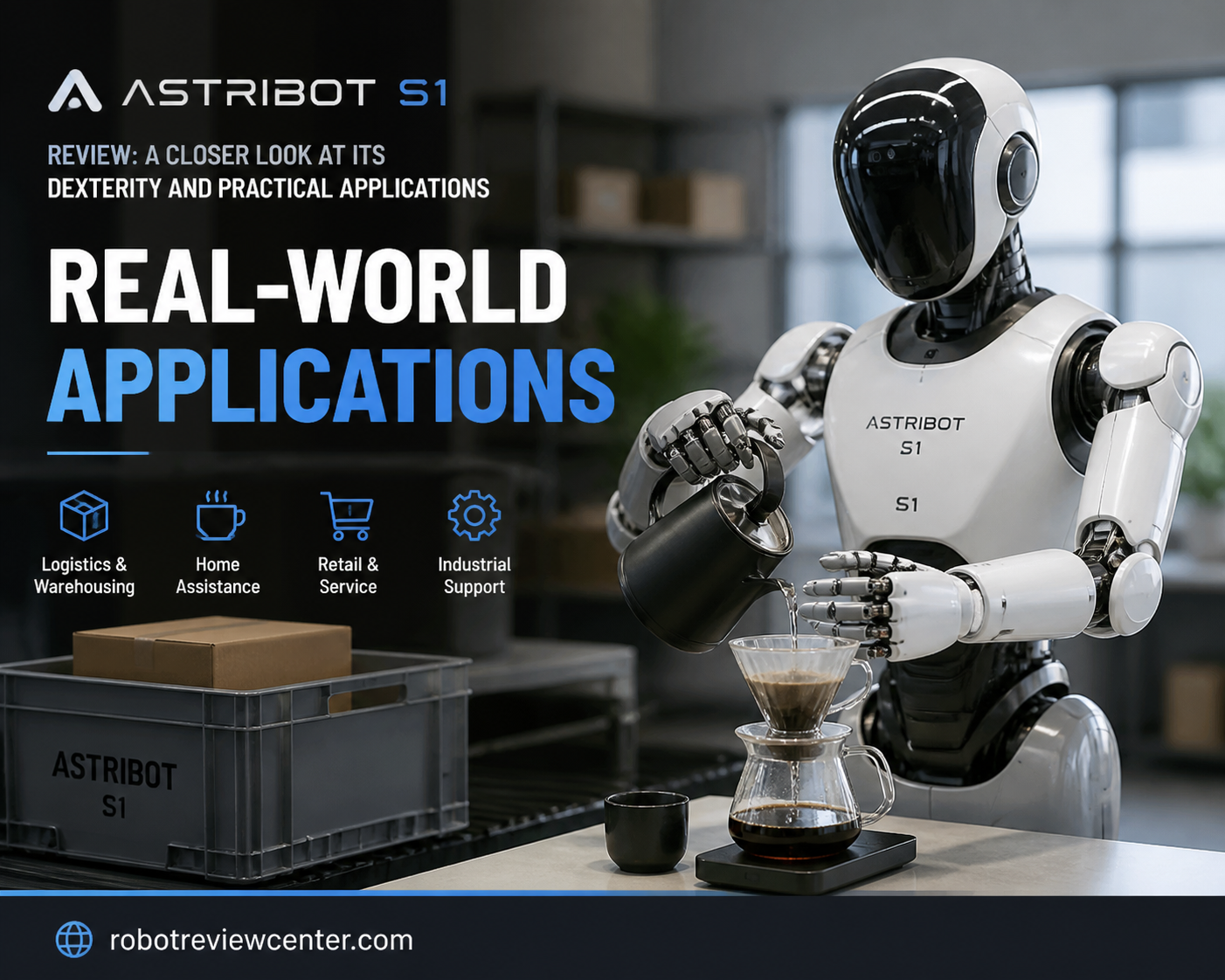
Undoubtedly, a robot’s value is most significantly quantified by its real-world applications, and the Astribot S1 claims versatility synonymous with that of a Swiss Army knife. Its applications span from industrial to healthcare and even social settings.
In industrial contexts, the S1 has been piloted in assembly lines where it seamlessly collaborates with human workers, significantly reducing production times and operational errors. This is particularly impactful in industries with intricate assembly processes often too delicate for existing robotic solutions.
But, the S1 isn’t confined to the factory floor. Healthcare applications have surfaced where its ability to interact softly and precisely has been utilized in elder care, providing assistance to nurses by performing additional monitoring and basic patient care.
Its venture into social robotics is where the narrative becomes intriguing. Equipped with conversational AI frameworks, S1 engages in simple dialogues—ideal for engagement in educational environments or assisting the differently-abled in personalized settings.
Challenges and Limitations
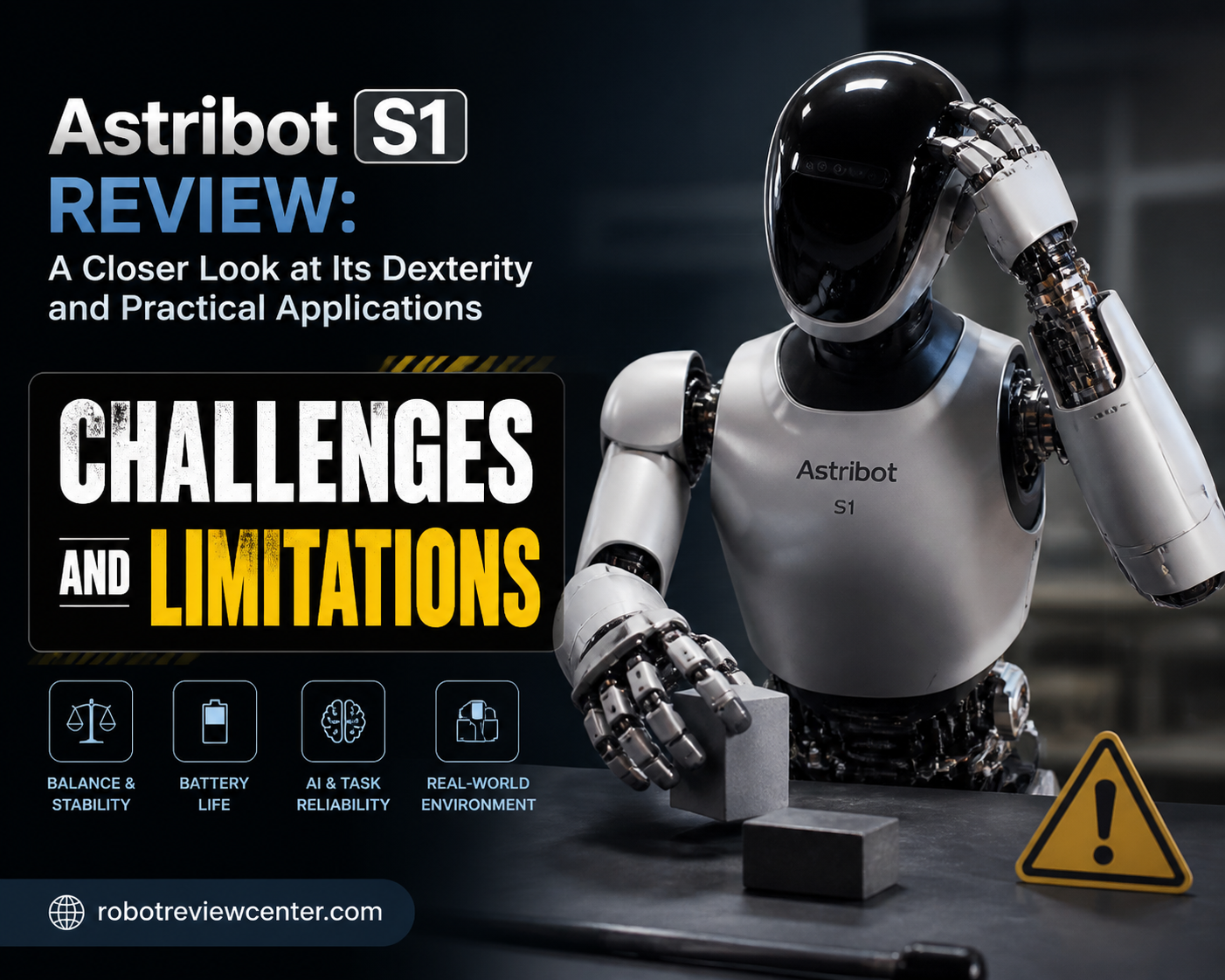
While the Astribot S1 is presented as a tour de force of innovation, it is not exempt from the challenges shadowing its technological accomplishments. Among its trials lie the perennial hurdles of AI ethics, battery longevity, and operational security.
The sophisticated AI that brings the S1 to life also raises alarms about autonomous decision-making, posing questions on accountability and safety. Battery technology, although vastly improved, still caps the S1’s operational time—raising concerns about its continued efficiency in round-the-clock environments.
Security within the scope of networked robotics, especially those operating in sensitive sectors like healthcare, is a scrutiny-laden aspect where improvements must continue to be robust and proactive rather than reactive.
Market Analysis and Economic Impact
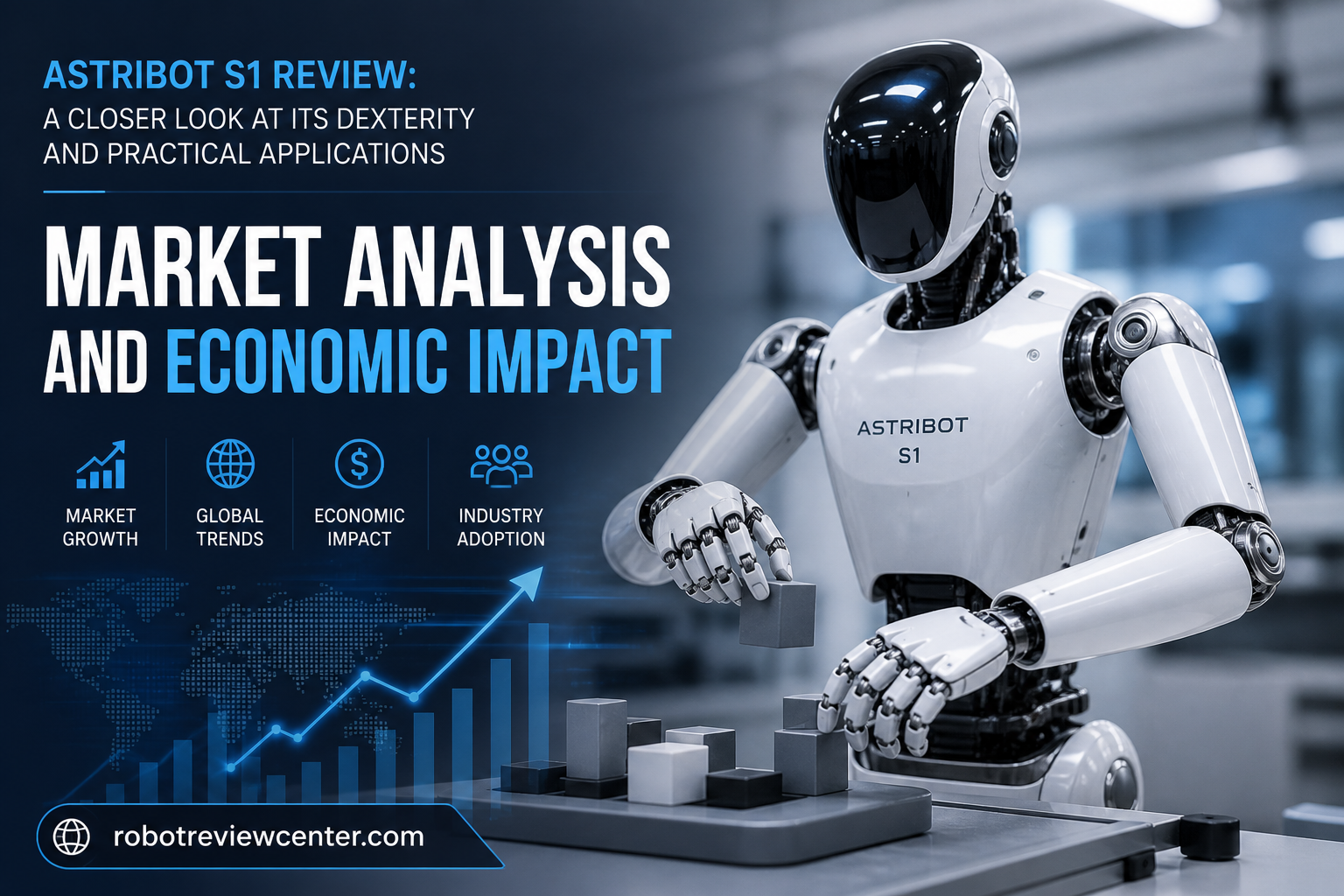
Globally, the robotics market is undergoing unprecedented growth, with burgeoning investments flowing towards innovation-driven firms. The Astribot S1 is well-poised to capitalize on this momentum, especially as its hybrid of technical finesse and practical utility appeals to investors seeking both novelty and reliability.
Projected growth statistics published by the International Federation of Robotics cement the multi-billion dollar trajectory of automation technologies up to 2030. However, the computational needs and production costs of units like the S1 pose ongoing economic challenges that must be alleviated in a competitive market landscape.
In navigating these tides, Astribotics engages in strategic partnerships with manufacturing powerhouses to not only refine production but to ensure a rollout that is as economically feasible as it is technologically sound.
Future Predictions
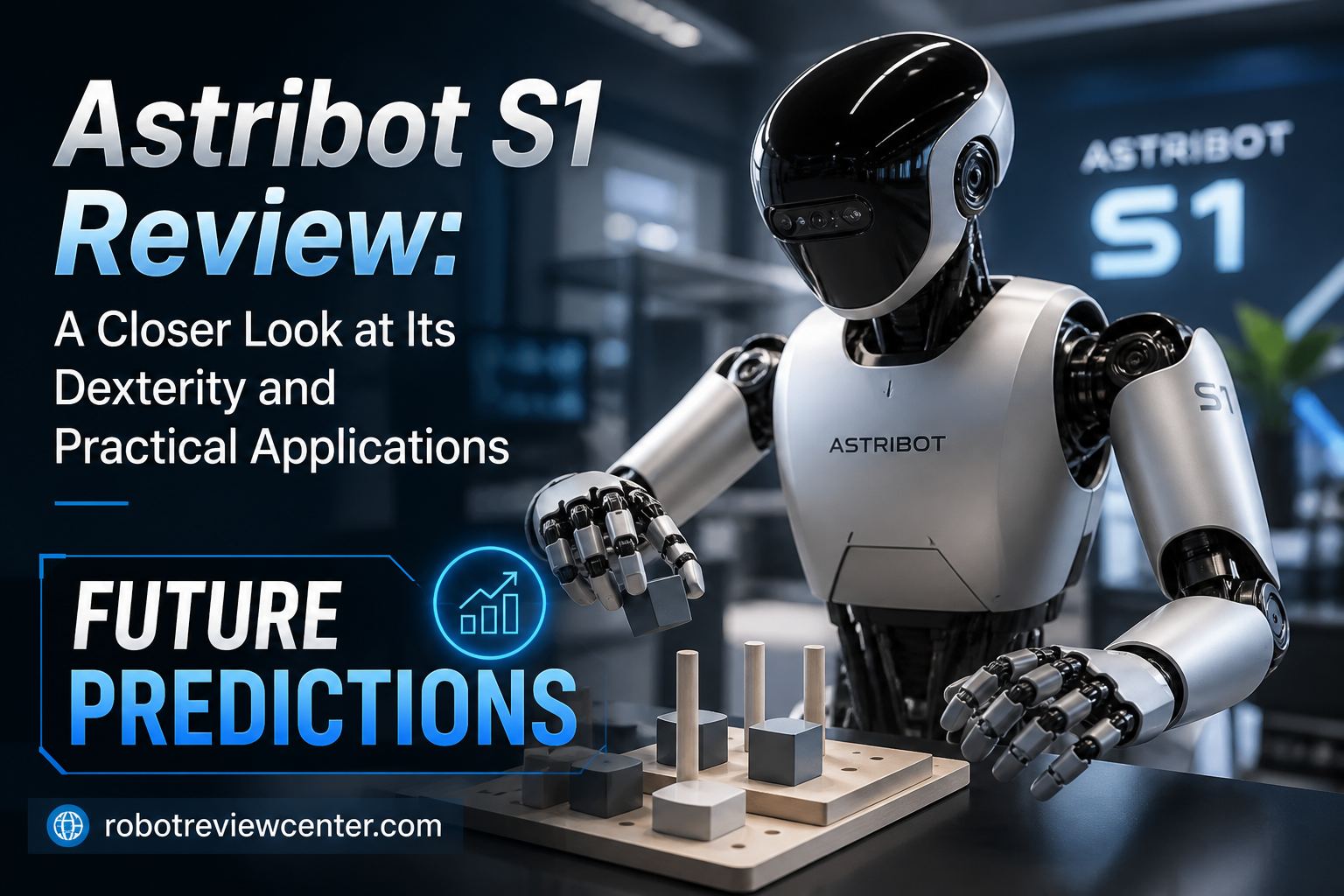
The horizon awaits the Astribot S1 with anticipations running high as the world progressively tilts towards automation. Within the next five years, we can expect evolutionary developments in the S1’s AI—enhancing its emotional recognition capabilities and perhaps fostering increasingly human-like interactions.
Long-term strategic insights suggest that as battery technology and AI processing continue to evolve, the S1 could redefine service sectors entirely. As industry giants contribute their fair share towards research, targeted improvements could see the S1 fully deployed in interactive educational systems or inclusive public service roles.
Strengths and Strategic Insights
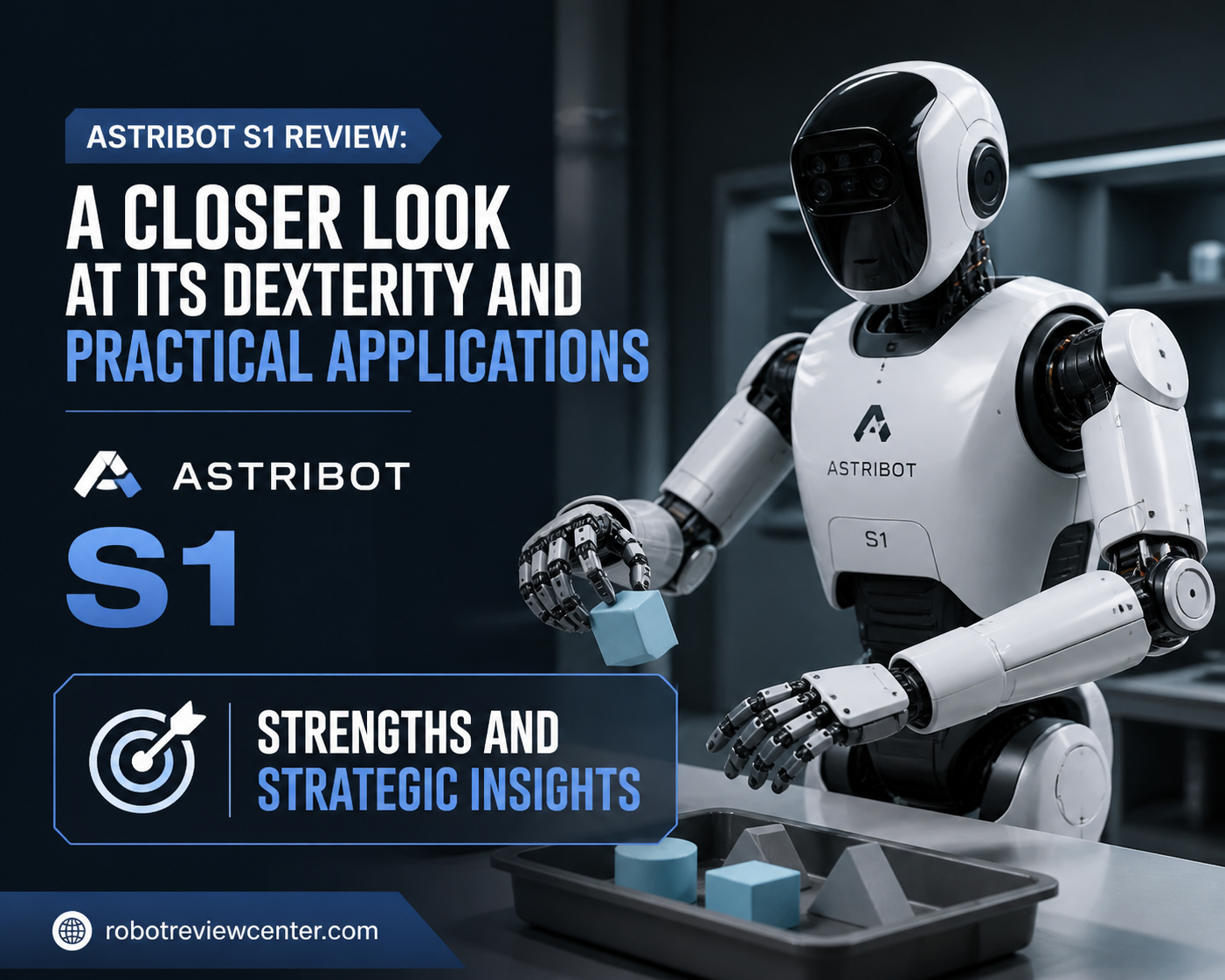
As we reflect on the S1’s intricate composition and versatile applications, its strengths lie in its dexterity, AI adaptability, and its compelling AI-powered sensor suite. These enable applications across domains while enhancing productivity benchmarks and potential safety standards.
To capitalize on its potential, firms exploring integration with the Astribot S1 should strategically prepare by adopting scalability in robotic system implementations and workforce trainings to maximize its versatility and fit it within human-robot interaction frameworks efficiently.
What Should We Pay Attention To?
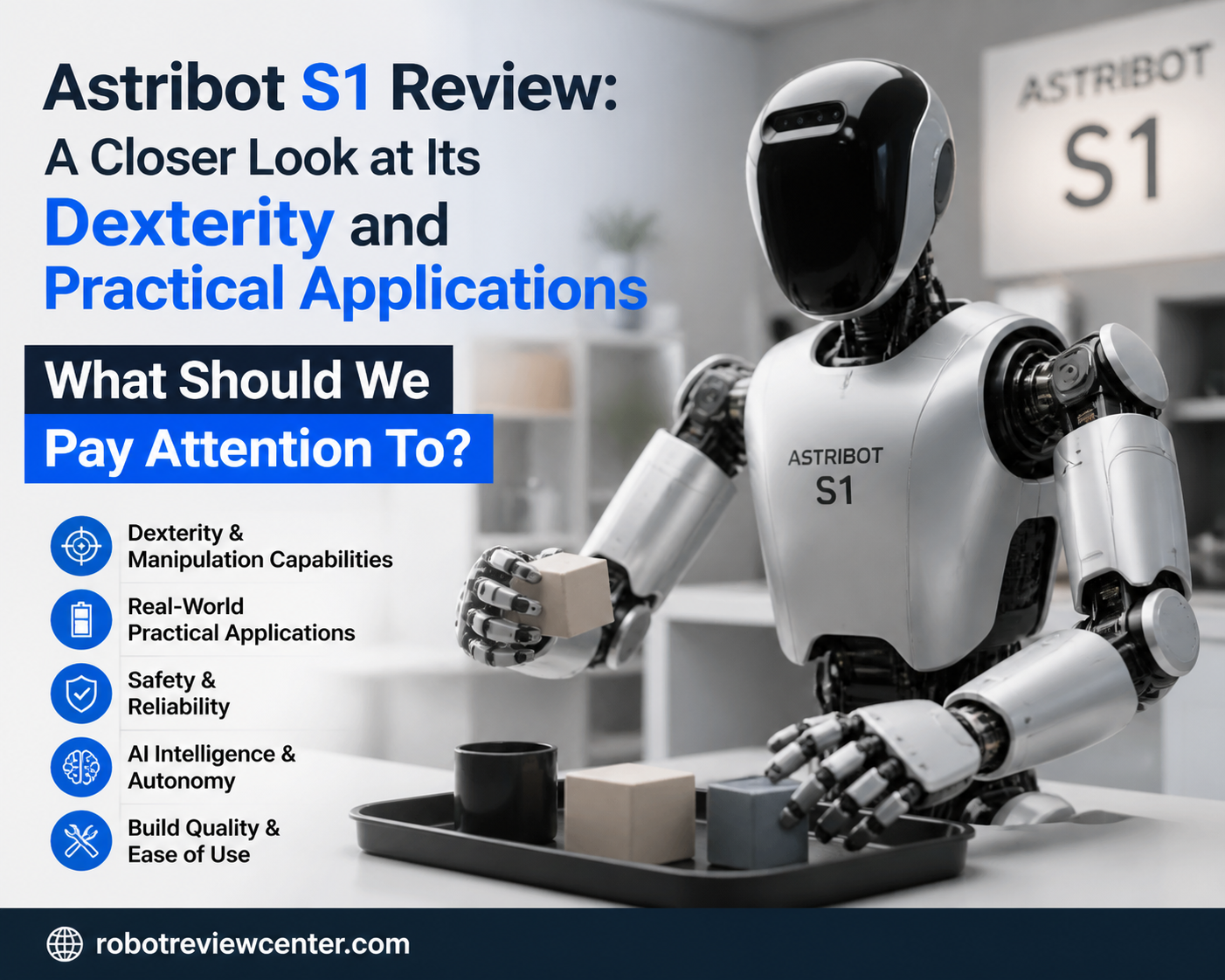
As we stand before what could be a transformative era in robotics, the Astribot S1 offers a tantalizing glimpse into a future where human-robot cooperation is not just a concept but an operational standard. This situation is ripe with possibilities and challenges—each demanding attention.
Businesses and developers should focus on evolving AI to ensure accountability and ethical use while enhancing battery technology to lengthen operational viability. Users—whether industrial or personal—must stay informed about the ever-evolving compliance mandates and security updates accompanying robotics.
While optimism is abundant, diligence in navigating these advancements remains paramount in charting a progressive journey toward a truly automated tomorrow, with the Astribot S1 as a pivotal player.
Thomas Huynh – Admin of RobotReviewCenter.com