
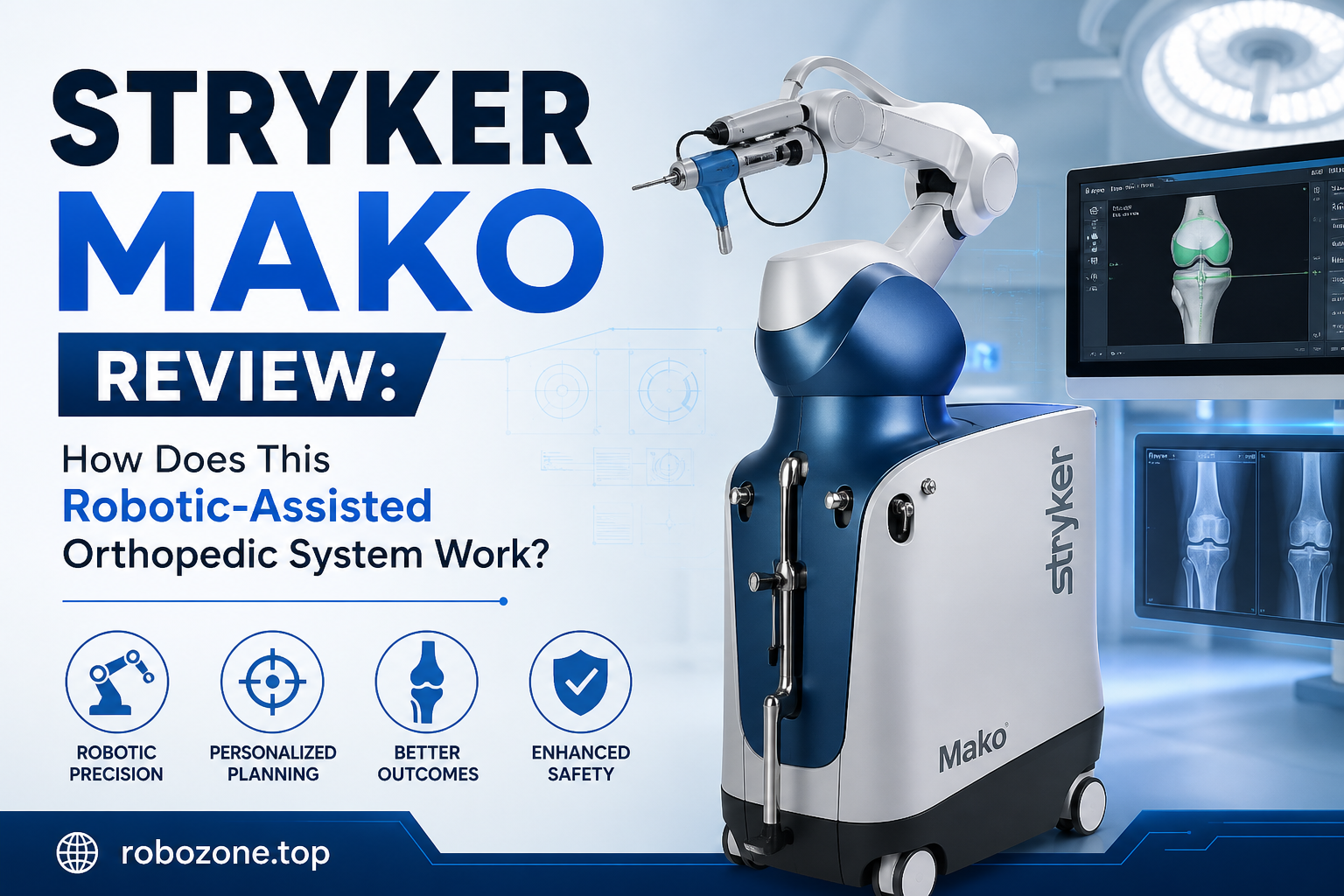
Imagine stepping into a world where precision in orthopedic surgery is elevated to a new peak, a realm where human error becomes an anomaly, not the norm. Welcome to the world of the Stryker Mako, a robotic-assisted orthopedic system turning science fiction into everyday reality. This isn’t Andy Weir’s future, but today’s medical breakthrough where technology meets healthcare. Let me take you on a journey through its intricacies, real-world applications, technical insights, market positioning, and the future landscape it promises to shape.
What is Stryker Mako?
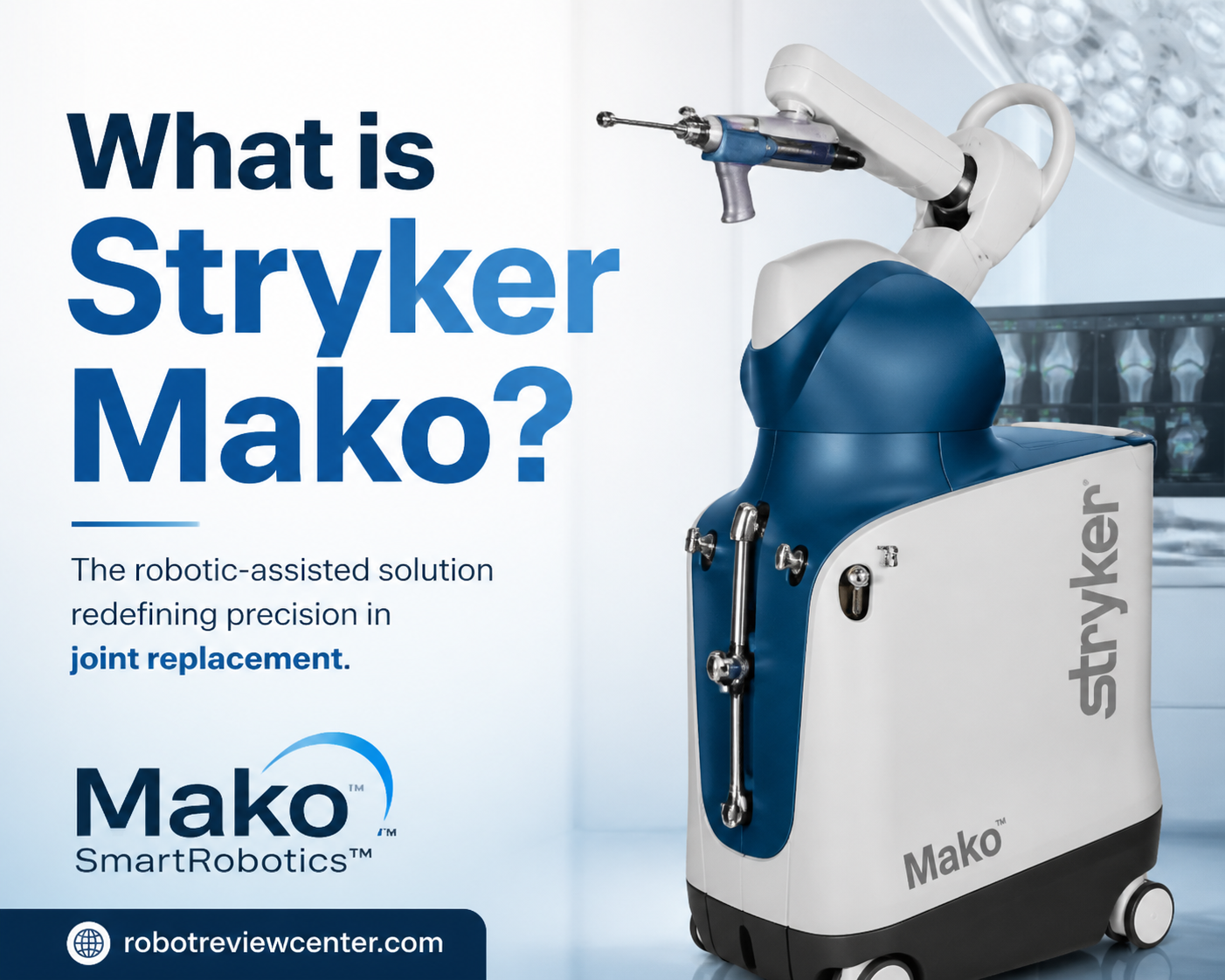
An innovation that blends the finesse of robotics with the art of orthopedics, the Stryker Mako system is an ingenious surgical advancement aimed at hip and knee replacements. Unlike conventional surgical techniques fraught with variability, Mako uses cutting-edge robotic technology to assist surgeons in planning and executing procedures with unparalleled precision. This robotic-arm assisted technology boasts a system that allows for minimally invasive techniques in total hip, partial knee, and total knee arthroplasty. But, what makes it more than a glorified robotic assistant is its integrative approach combining tactile feedback with 3D visualization – almost as if it were granting the surgeons super-human precision.
Real-World Applications: A New Dawn for Orthopedic Surgery
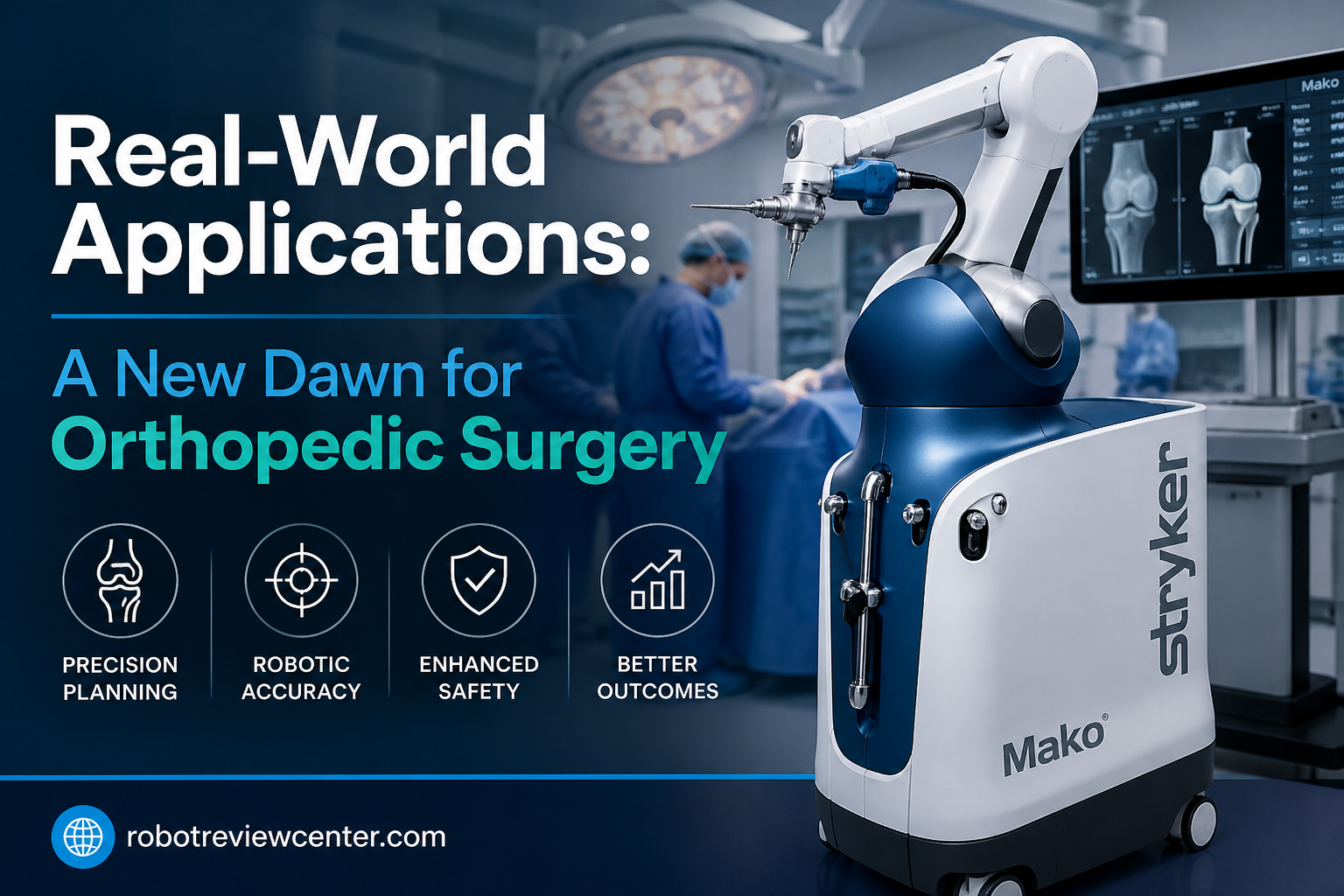
In the world of healthcare, the applications of the Mako system range widely but are tightly bound to the discipline of orthopedics. It has been observed in numerous clinical settings that surgeries aided by robotic systems such as Mako lead to improved surgical accuracy, better patient outcomes, and faster recovery times. Hospitals, particularly those classified as centers of excellence for joint replacements, leverage Mako’s technology to enhance the consistency and quality of procedures. The precision provided is not just for show; real-world deployment evidence suggests significant decreases in postoperative pain and a reduction in the number of revision surgeries needed. The system shines particularly in partial knee replacements where maintaining the nuanced fine lines between bone and metal is critical for successful outcomes.
Technical Insights: Under the Hood of Mako’s Mind
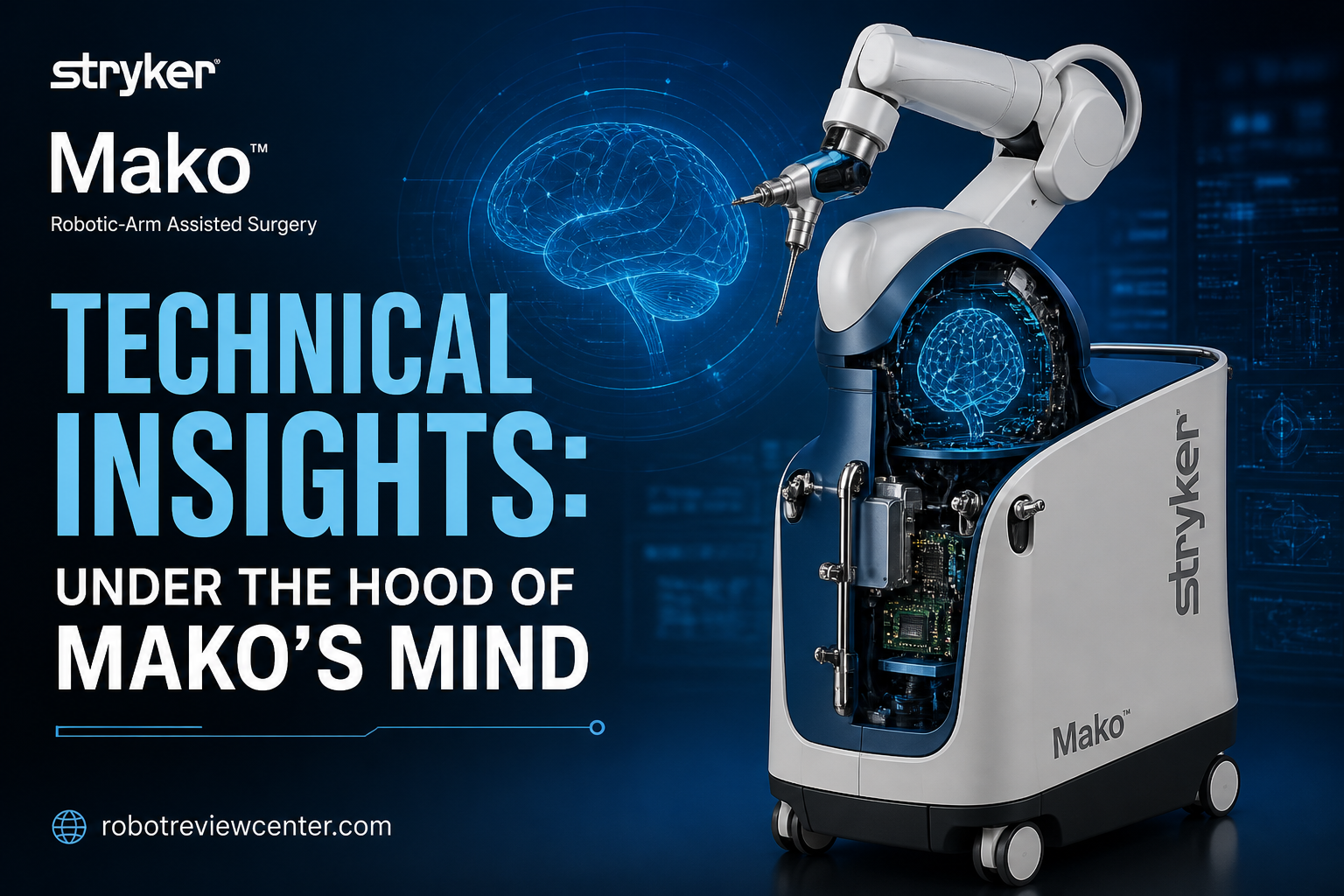
From the computing prowess nestled within to the sensory apparatus it employs, the Mako system is a marvel of modern engineering. At the heart of its operation lies an agile and robust computer system capable of processing 3D models and feedback from surgeries in real-time. Utilizing NVIDIA’s advanced processing power—no less hailed in technical circles for its reliability—Mako integrates AI algorithms to predict and adapt to the surgeon’s actions. Sensory input from dynamic sensors provides feedback loops that support real-time adjustments during procedures, enhancing precision. Furthermore, the Stryker Mako doesn’t operate in isolation but rather interfaces with proprietary surgical software, continuously updated to reflect the latest research and clinical findings.
Market Analysis: Navigating the Robotic Surgery Revolution
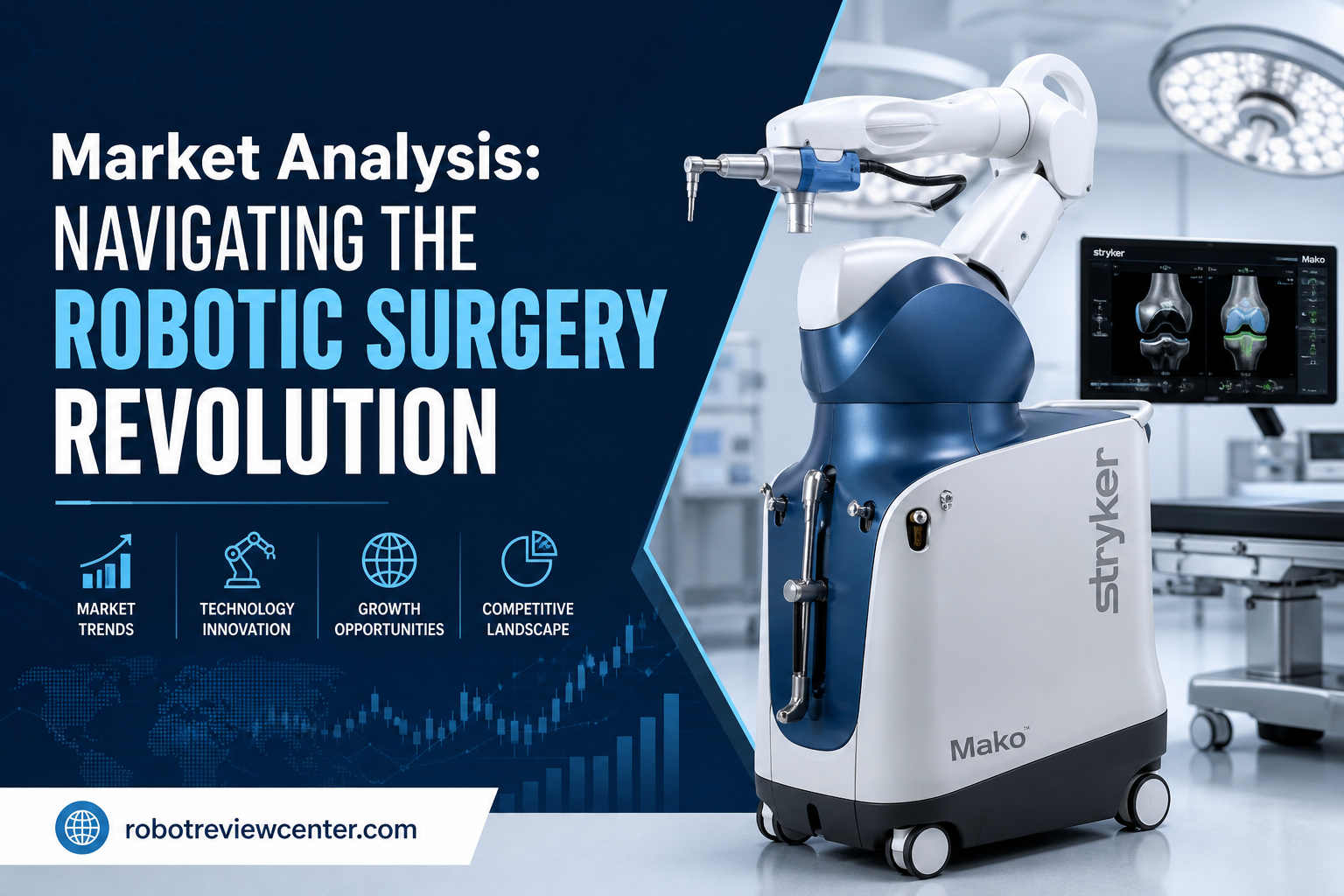
As of recent years, the market for robotic-assisted surgery has been burgeoning, expected to exceed $6 billion by 2025 as predicted by industry analysts such as McKinsey & Company. Within this burgeoning sector, Stryker’s Mako enjoys a leading reputation, admired for its surgical precision benefits and reduced patient trauma. Economic impact studies reflect substantial reductions in hospital stays and readmissions associated with Mako deployments, which, when combined with its improved surgical outcomes, bolster its case in hospital boardrooms globally. The wider orthopedic market acknowledges the significant capital investment required for such systems, yet the long-term savings in operating time, revision surgeries, and quickened patient recovery offer a compelling argument for continued investment.
Challenges and Limitations: Addressing the Real-World Hurdles
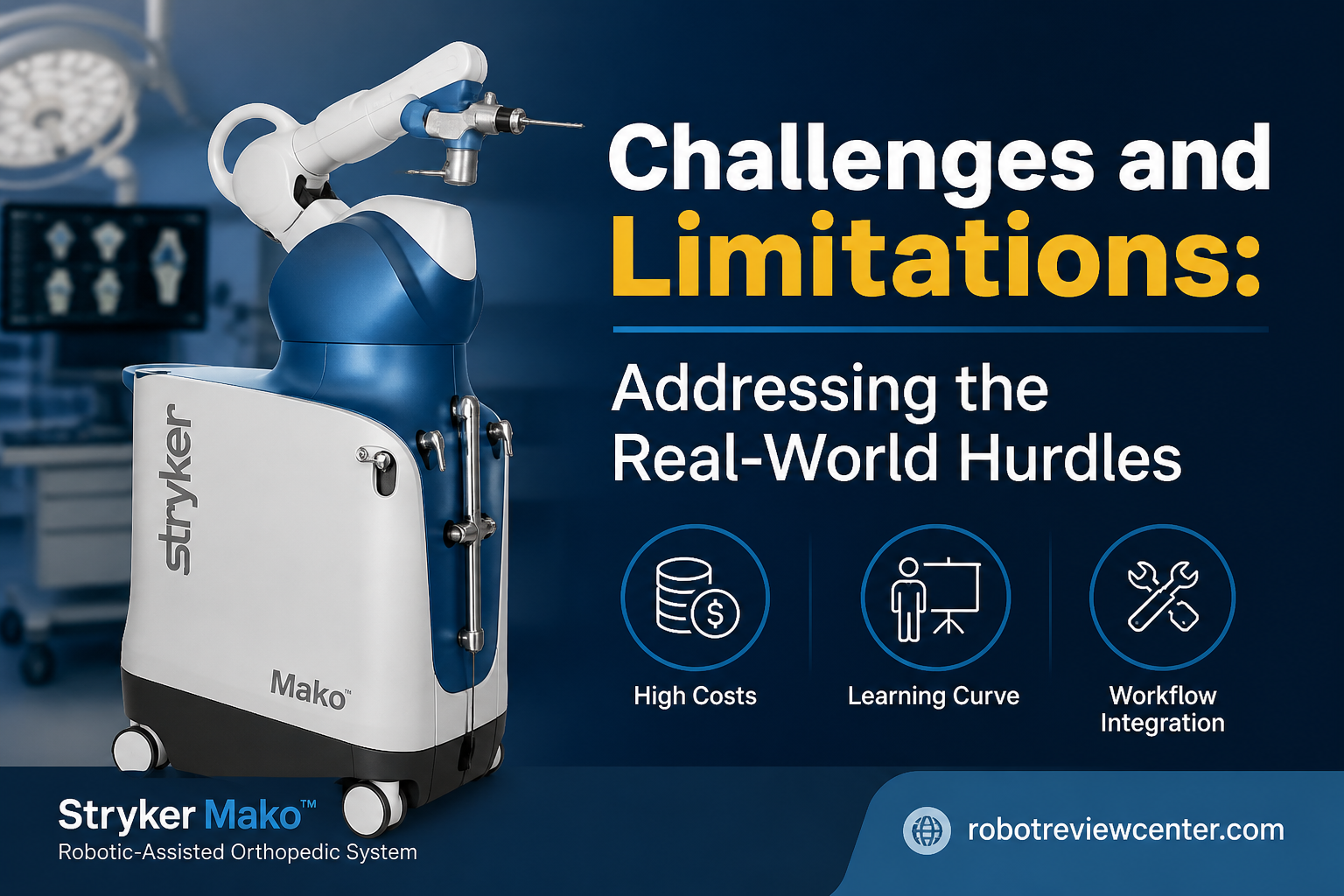
No technological advancement is devoid of its challenges, and Stryker Mako is no exception. The system, while advanced, demands high technical proficiency from the operating surgeons. The adaptation phase, though expedited by comprehensive training programs, can prove a bottleneck, perhaps dissuading some institutions from widespread adoption. Despite rigorous calibration, the Mako system cannot entirely remove the need for human oversight to address unforeseen surgical complexities. Questions often arise about the sustainability of implementing such high-cost systems in regions with stark disparities in healthcare funding, a concern echoed frequently in peer reviews found in reputable sources like IEEE Spectrum.
Future Predictions: The Road Ahead
In the next three to five years, Mako’s role within surgery might transform further as it integrates with deeper AI models and enhanced machine learning capabilities. The anticipation here is centered on continual advancement where these systems might perform entirely automated procedures under human supervision, pushing the envelope of what we currently define as robotic-assisted surgery. Harvard Business Review recently highlighted incredible strides towards closed-loop AI systems capable of learning and adapting throughout the surgery-enabling unprecedented automation while retaining safety checks. The amalgamation of Mako with wearable health diagnostic tools could forecast patient-specific customization previously deemed the realm of science fiction.
Strategic Insights: Preparing for a Robotic Future
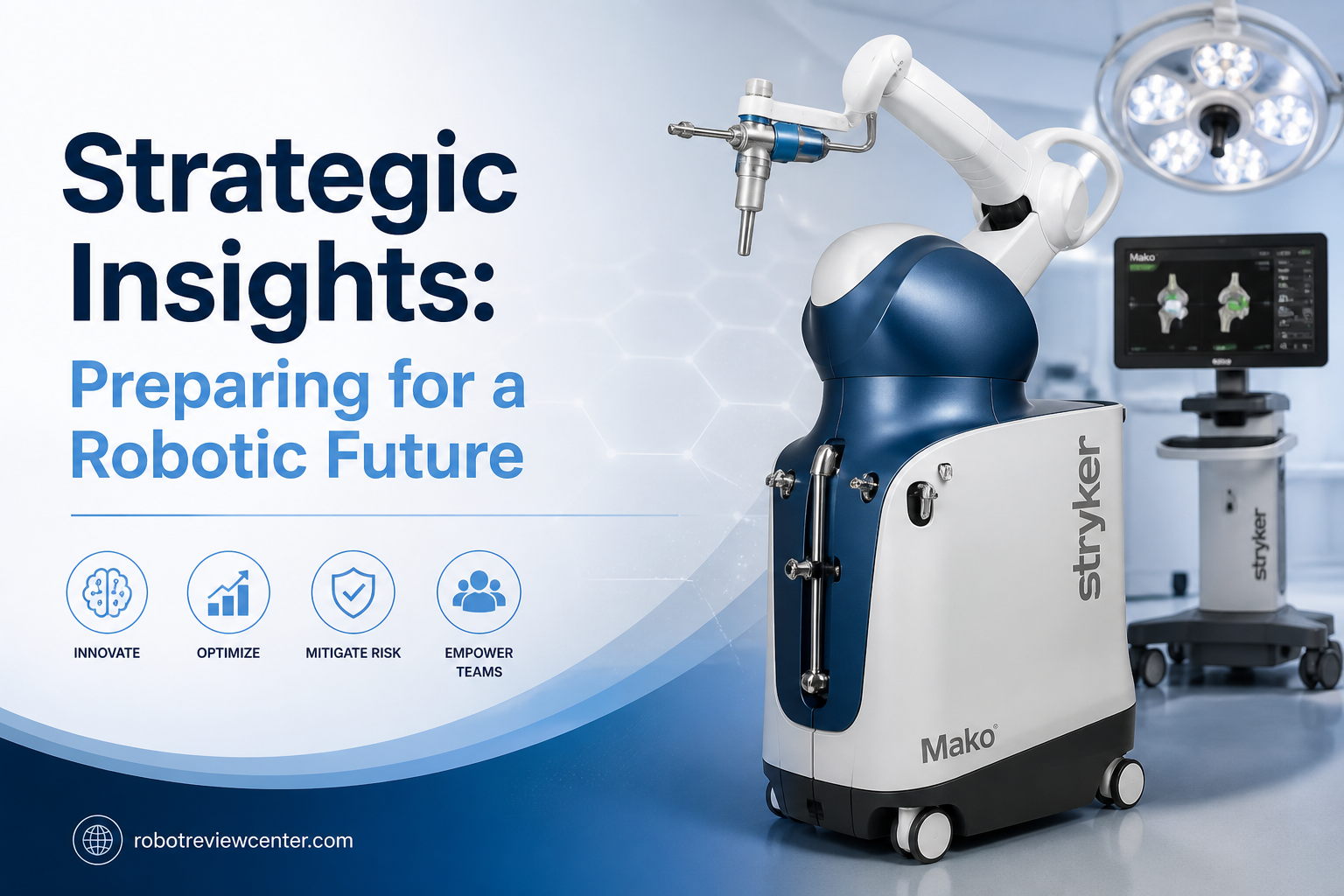
For stakeholders in this robotic transformation – be they businesses, developers, or healthcare professionals – preparation is paramount. Navigating the future landscape means understanding not only the current capabilities and benefits of systems like Mako but also anticipating technological evolutions. Investment in ongoing training will remain critical, as will fostering partnerships with tech innovators recognized in the robotics industry like Boston Dynamics and Google DeepMind. Moreover, establishing patient trust through comprehensive education about these technologies will be essential. It becomes imperative that healthcare providers embrace a proactive stance in shaping the narrative around robotic surgery, aligning public perception with the tangible benefits provided.
What should we really pay attention to? The Stryker Mako redefines surgical boundaries, creating a synergistic dance between human and machine, echoing the future of healthcare when technology and tradition merge seamlessly. However, while we marvel at its innovations, our gaze must also remain fixed on its limitations and challenges – the dual-edged sword of technological advancement. Its promise lies not only in its present capabilities but deeply in its potential to continue evolving, shaping a future where surgical precision and patient outcomes are constantly redefined.
Thomas Huynh – Admin of RobotReviewCenter.com