
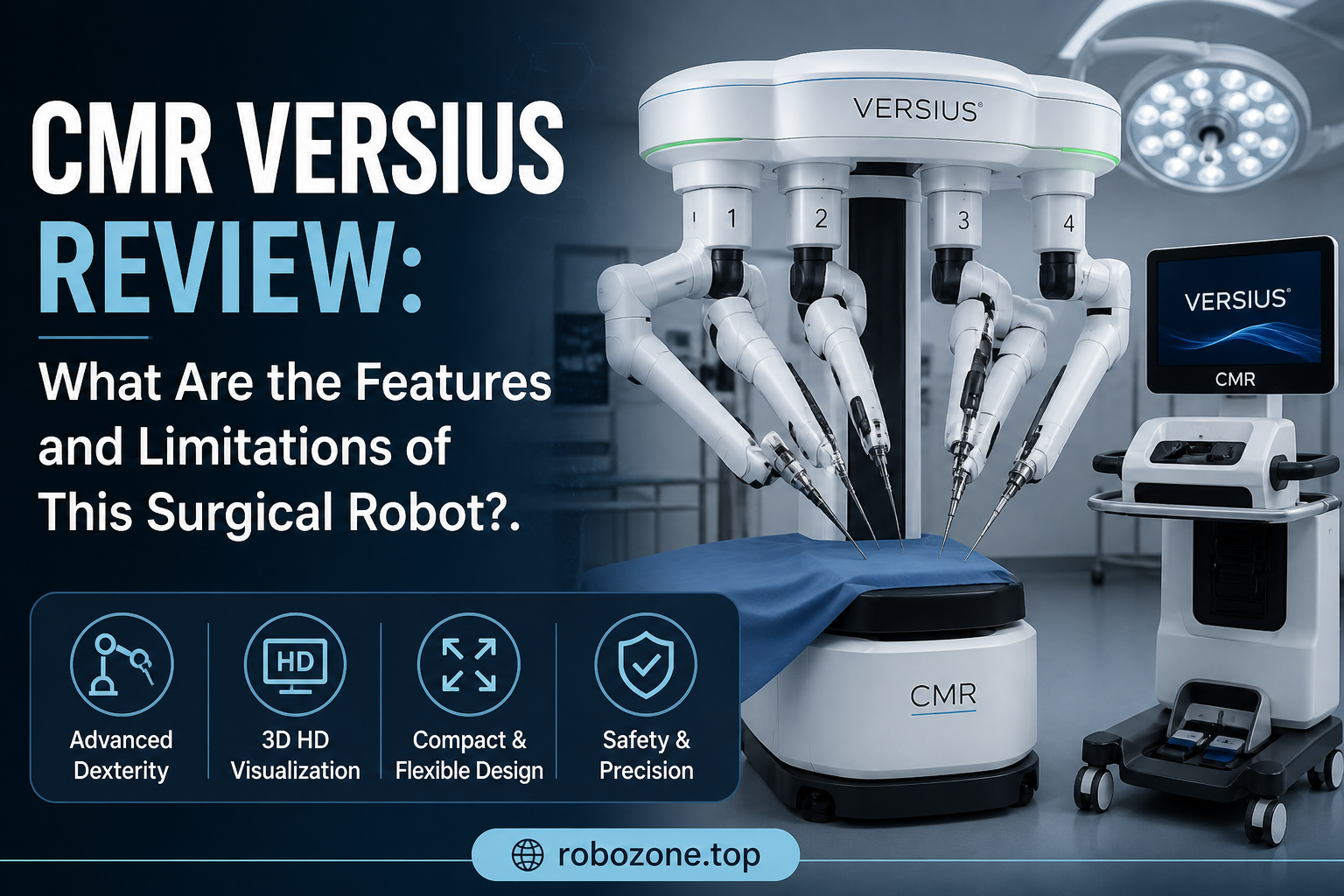
In the bustling world of surgical robotics, CMR Surgical’s Versius robot has increasingly captured the curiosity and attention of the medical community. While many robotic systems promise revolutionary changes in the operating room, the story of the Versius robot offers an interesting blend of technology, ambition, and real-world impact. It’s a tale of innovation, laced with the challenges and expectations that accompany any pioneering venture.
Let’s embark on a deep dive to explore the technical backbone and real-world applications of Versius, analyze the limitations that still tether its potential, and examine its place in the ever-evolving robotics landscape.
Introducing the CMR Versius Surgical Robot
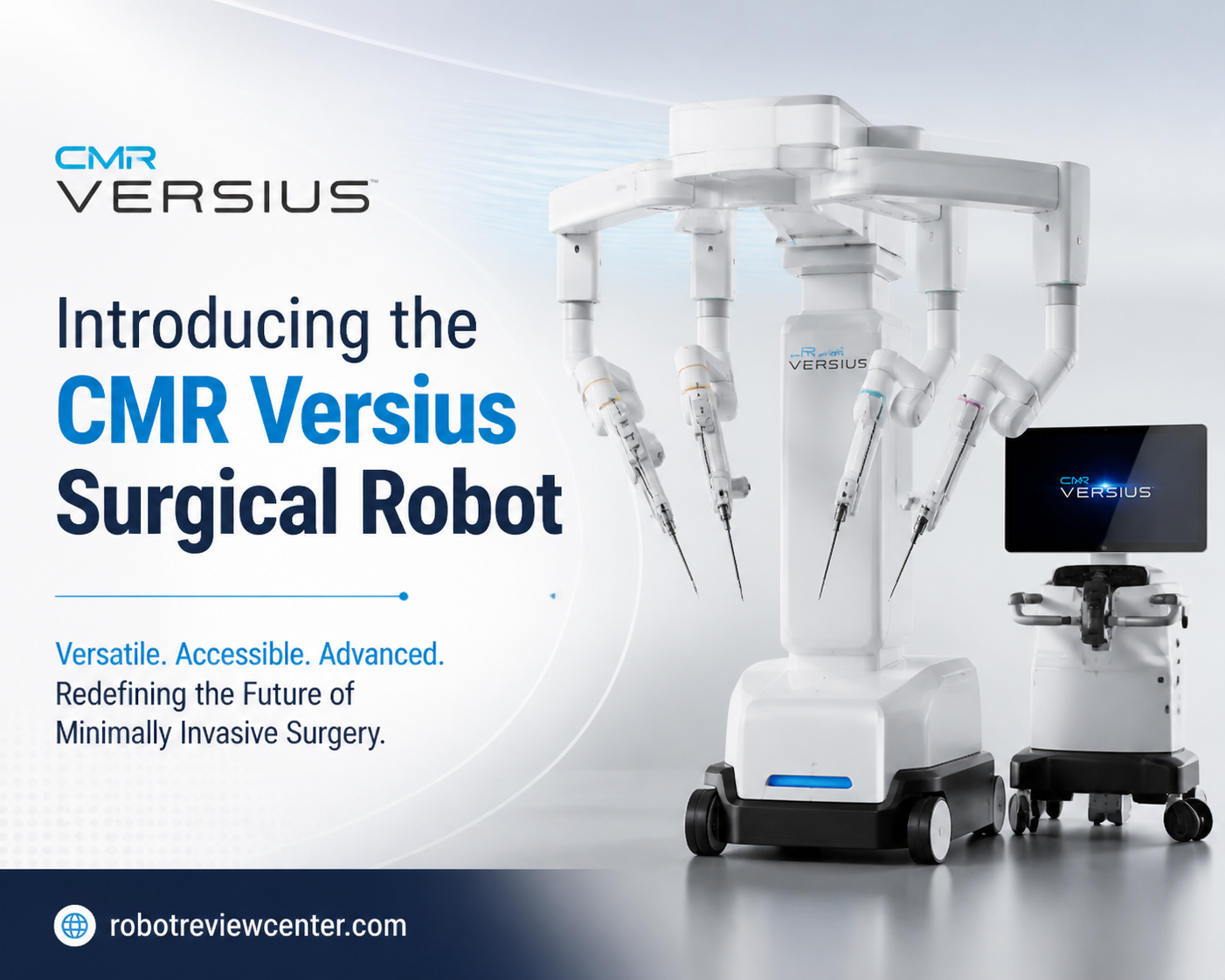
Innovations in robotics are redefining the medical landscape, especially within the realm of surgery. The CMR Surgical Versius robot is not just another player; it’s a symbol of what the future holds. Unlike traditional robots that overwhelm with size and complexity, Versius emanates efficiency and practical utility in a compact form.
Developed by CMR Surgical, a British company headquartered in Cambridge, Versius was designed with the idea of freeing surgeons from the ergonomic constraints of traditional surgical procedures. By offering a modular and lightweight option, Versius aims to expand minimally invasive surgery access, reduce complications, and offer the flexibility that today’s operating rooms demand. During its unveiling in 2019, the robot was presented as a system that could easily integrate into existing settings without the need for drastic infrastructure changes.
What makes Versius stand out is not just its promise of technical excellence but its thoughtful approach to the surgeon’s experience. Instead of demanding adaptations, Versius adapts to surgeons, allowing them to operate comfortably and effectively while maintaining a high degree of dexterity and precision.
Technical Architecture and Capabilities
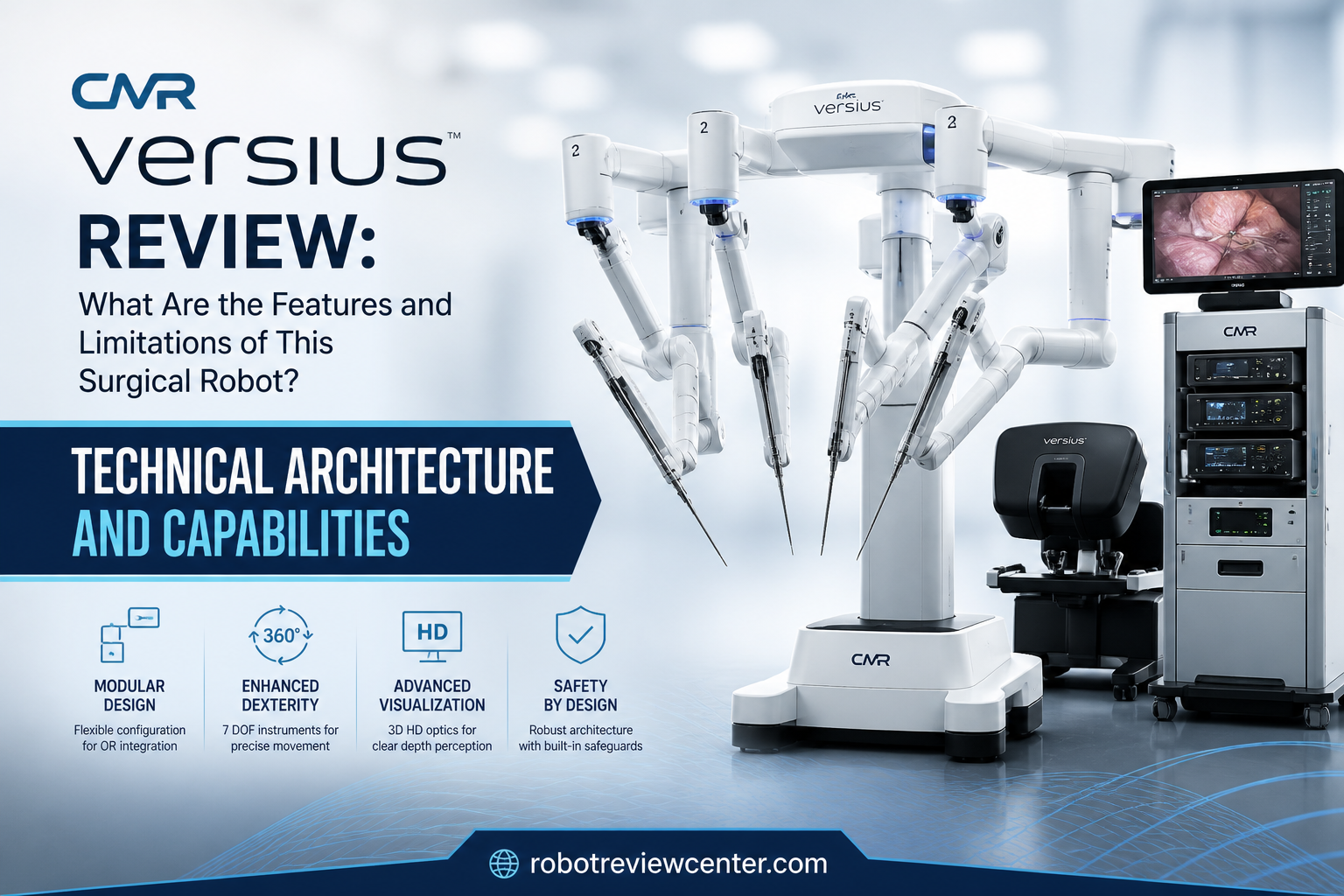
Versius is defined by its modular architecture and high flexibility. With arms that are independently positioned, it mimics the dexterity of a human arm more credibly than many predecessors. Each arm is lightweight, single-port, and quick to maneuver, which permits ease of movement and positioning during surgery. Not only does this reduce operator fatigue, but it also significantly cuts down on procedural setup time.
On the technical front, Versius is equipped with advanced algorithms and high-definition optics that facilitate relentless precision. It uses 3D HD vision to allow surgeons to have an immersive view of the operating field, allowing for precise and highly coordinated maneuvering of surgical tools.
In terms of AI, Versius leverages sophisticated task automation and decision-support systems. While not fully autonomous, its guided AI support enhances surgical procedures by providing real-time feedback, which aids in making informed decisions. However, it is crucial to note that such claims by CMR have not been extensively independently verified beyond initial demonstrations.
Moreover, Versius stands on the cutting edge of robotic tooling technology. The mechatronic arms have a range of motion akin to that of a human wrist, enhancing the accuracy of complex maneuvers.
Real-World Applications
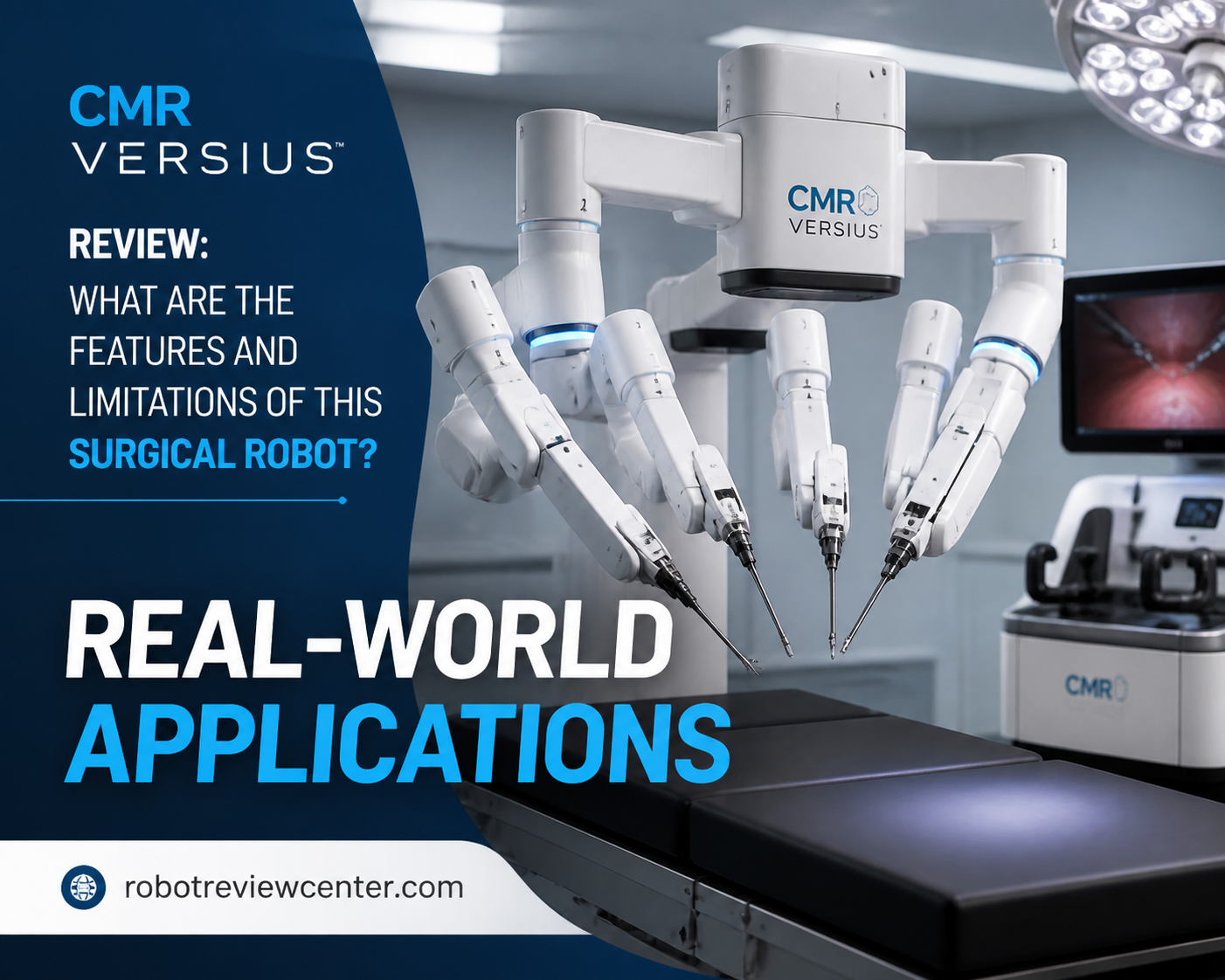
The versatility of Versius extends beyond theoretical capabilities. Its applications span laparoscopic surgeries across urology, gynecology, colorectal surgeries, and more. Hospitals around the globe have incorporated Versius into their procedure lineup, reporting streamlined workflows and improved patient outcomes. However, substantial independent assessments and peer-reviewed studies are still needed for a comprehensive understanding of its long-term clinical impact.
By integrating Versius, healthcare systems are faced with both opportunities and challenges. The opportunities manifest as reduced recovery times for patients and optimized surgical outcomes. The challenges, however, involve getting past the steep initial learning curve for clinical staff and grappling with the upfront costs of implementation.
The Market Landscape and Competitive Position
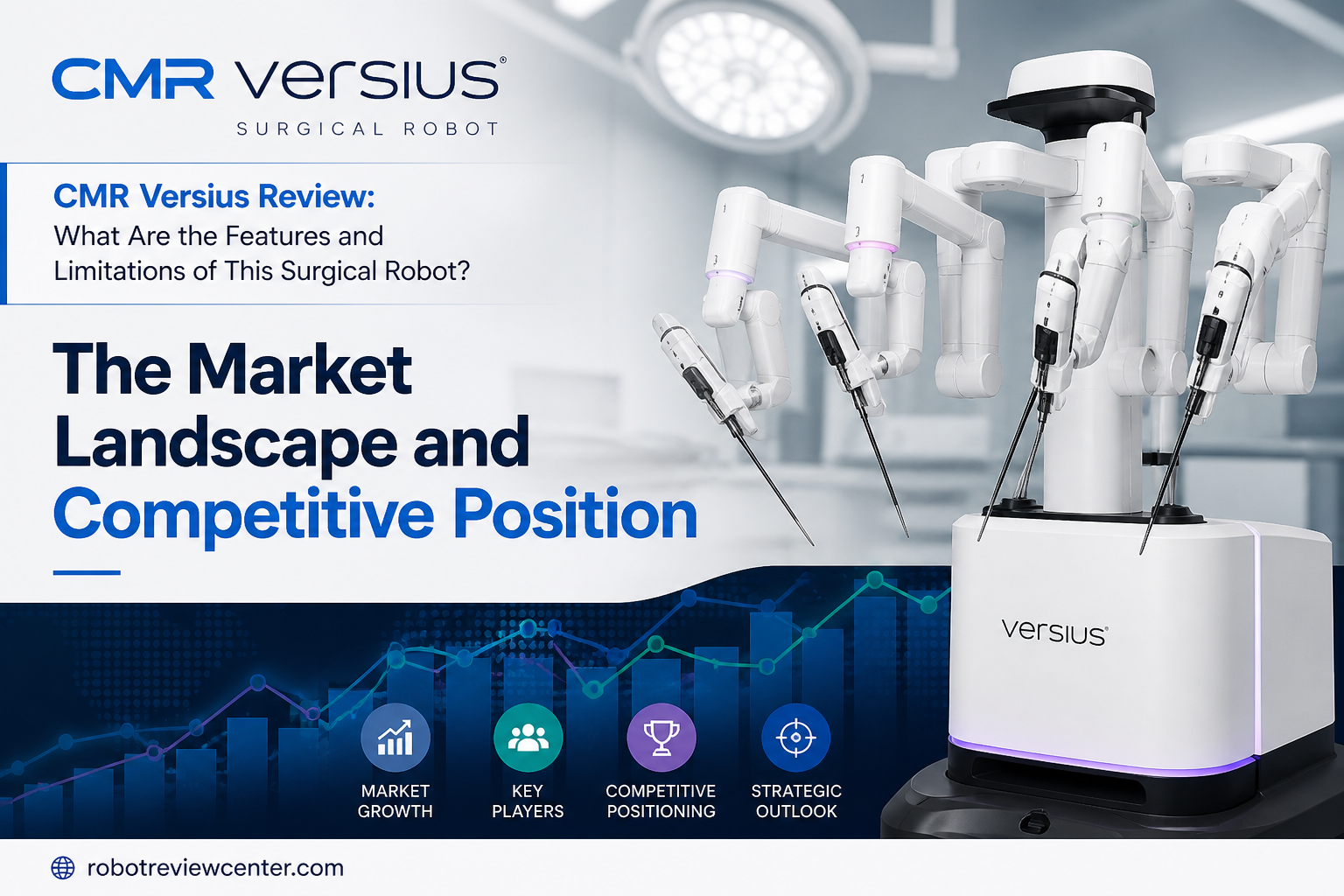
In the robotics ecosystem, Versius competes with formidable names such as the da Vinci Surgical System by Intuitive Surgical and the Hugo Robotic System by Medtronic. While Versius offers modularity as its primary strength, the da Vinci is well-established with a track record of over two decades.
What might tilt the market in favor of Versius is its potential cost-effectiveness and adaptability. CMR Surgical has emphasized that the system’s low footprint and ease of use could reduce operational costs in hospital environments in the long run.
The global surgical robot market is undergoing rapid evolution, projected to grow significantly in the coming years. This environment offers both opportunity and competition, prompting constant innovation from all players involved, including CMR.
Identifying Challenges and Limitations
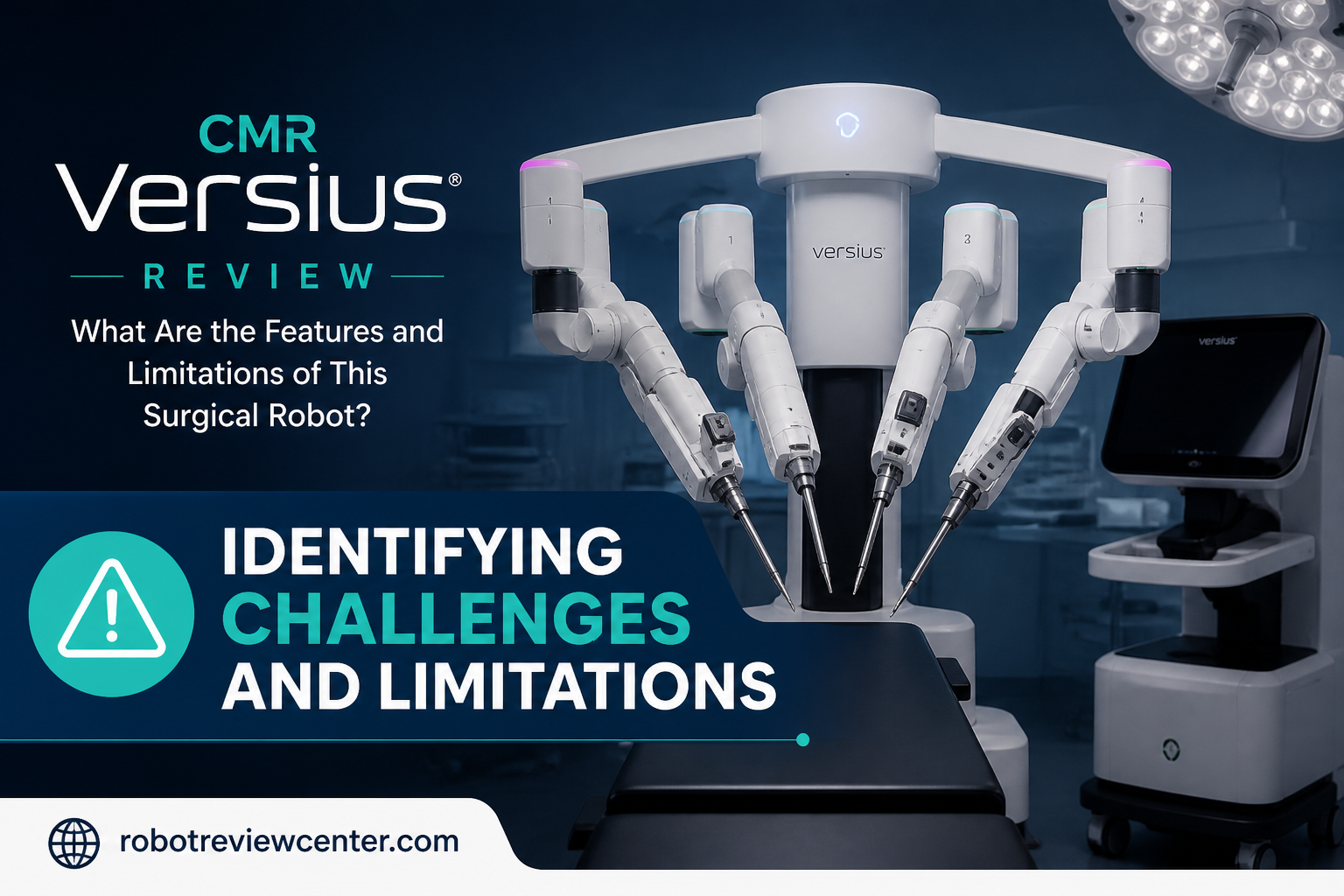
Despite its innovative design, Versius faces a number of challenges. First, there’s the natural skepticism surrounding new technology adoption in highly sensitive environments like surgical suites. Although the initial results seem promising, large-scale independent validation and sustained clinical use cases are necessary to solidify its standing.
A major limitation is the manual oversight requisite during surgeries. While Versius supports the surgeon significantly, full autonomy remains evasive, an aspect every contender in robotic surgery is actively working to refine.
Questions around data privacy, system vulnerabilities, and the cost of extensive training represent some of the other hurdles CMR needs to address as it navigates complex regulatory landscapes to gain global acceptance.
A Glimpse Into the Future
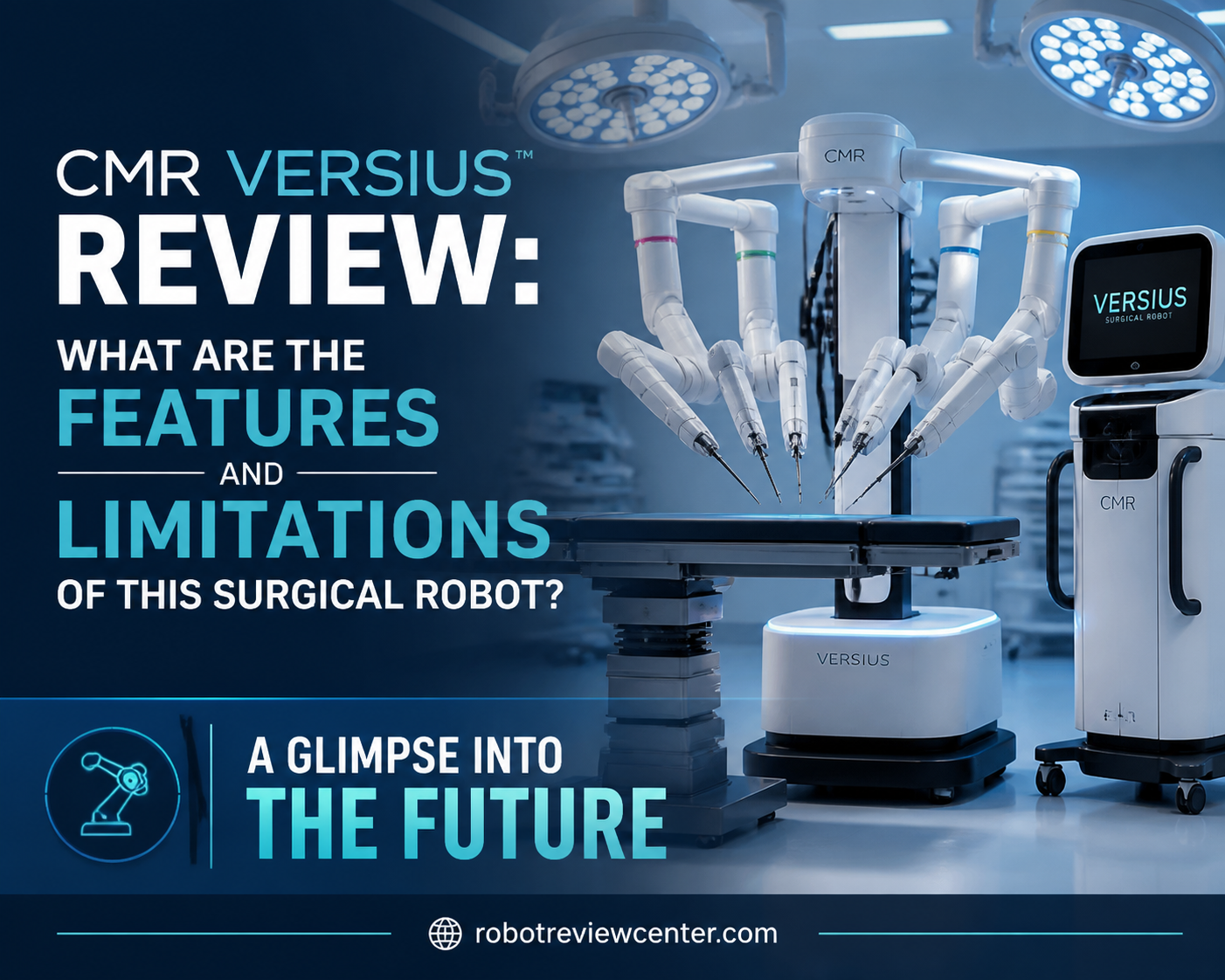
The long-term vision for Versius aligns with a larger trend toward automation and smarter medical systems. Predictions within the industry suggest that robots like Versius will eventually perform more complex tasks, assisted by machine learning algorithms that enhance decision-making capabilities in real-time.
In the next three to five years, we expect to witness significant advancements in AI-driven surgical assistance, perhaps progressing towards more autonomous systems that reduce the burden on human operators.
Strategic Insights for Stakeholders
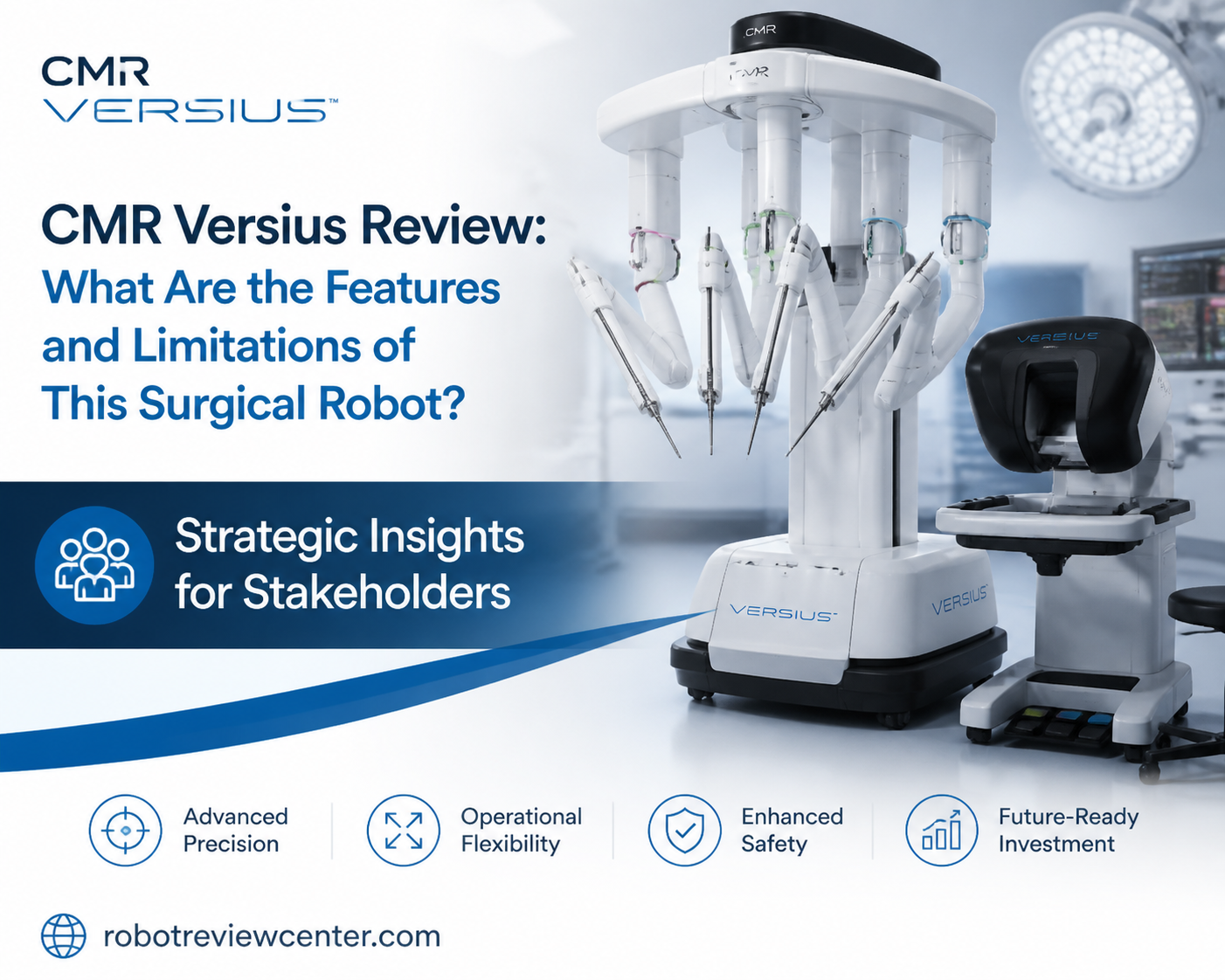
For businesses, developers, and medical professionals contemplating the integration of systems like Versius, it’s pivotal to take a strategic approach. Institutions must weigh the initial costs against long-term efficiencies and patient benefits. Developers and engineers should focus on seamless integration, robust data handling, and evolving the AI to be more intuitive and responsive to real-world challenges.
Meanwhile, healthcare systems should prepare for methodical training programs to get the most out of their robotic investments, potentially setting new standards for surgical accuracy and efficacy.
So, what should we really pay attention to here? The emergence of CMR’s Versius robot indeed positions it as a serious competitor in the surgical field. Its innovative approach and practical considerations point towards a future where surgical robotics might become not just a tool, but an integral partner in healthcare.
As with any technological frontier, the path is laden with challenges and staggering possibilities. Patient outcomes, cost-effectiveness, and seamless integration will determine its lasting impact. As the landscape evolves, one thing is certain — the intersection between healthcare and advanced robotics is a frontier worth watching closely.
Thomas Huynh – Admin of RobotReviewCenter.com