
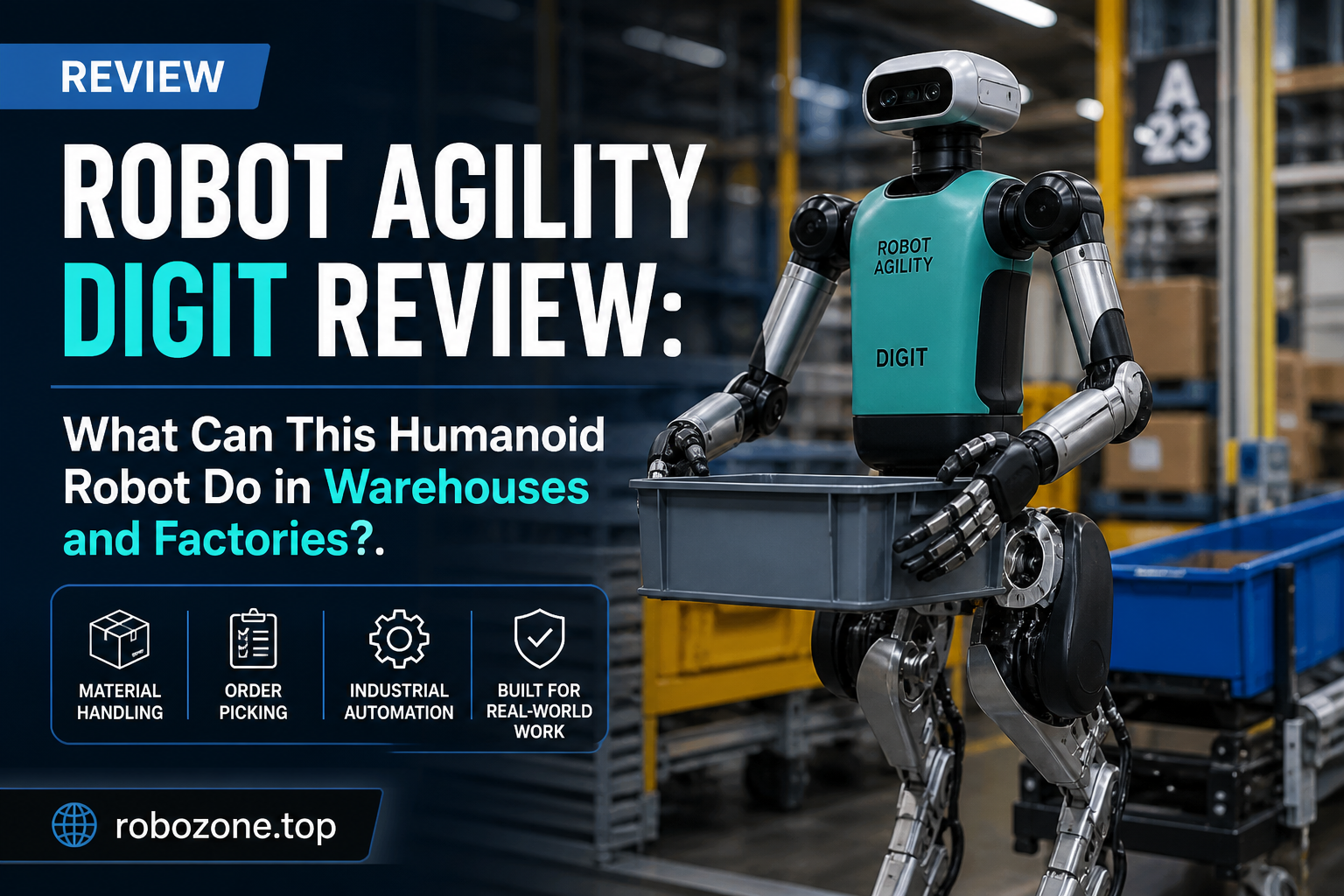
In a world where automation seems to be the driving force behind nearly every industry, the rise of humanoid robots has sparked both fascination and skepticism. Enter the Agility Digit, a robot designed not to mimic humans in their totality but to enhance operations in warehouses and factories. This review delves into what makes the Agility Digit a significant player in this domain, distinguishing between its announced capabilities and what it has demonstrated to date.
What is the Agility Digit?
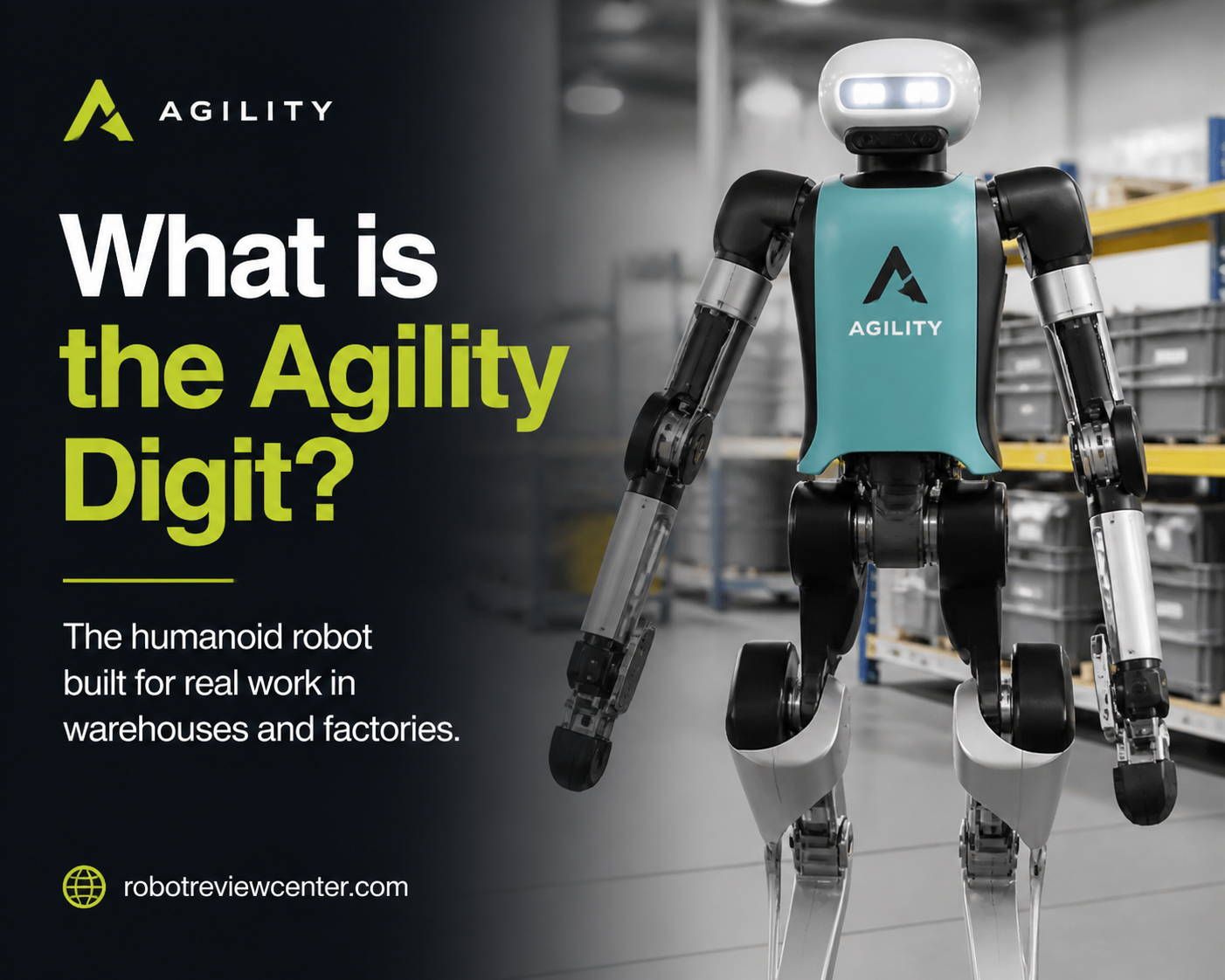
The Agility Digit, created by Agility Robotics, is a technical marvel that stands out with its bipedal design. Unlike many robots that imitate human dexterity, the Digit focuses on functionality, especially in industrial settings. This humanoid robot is not just a curious display of robotics but a practical tool designed to enhance productivity and safety in environments that have traditionally relied on human workers.
Agility Robotics, headquartered in Oregon, USA, introduced Digit as an advanced version of their earlier robot, Cassie. Announced in 2019 and refined over the years, Digit represents the culmination of iterative design and testing. Its primary aim? To assist and automate complex tasks in warehouses and factories, bridging the gap between human workers and mechanized efficiency.
Specifications: Unpacking the Technical Details
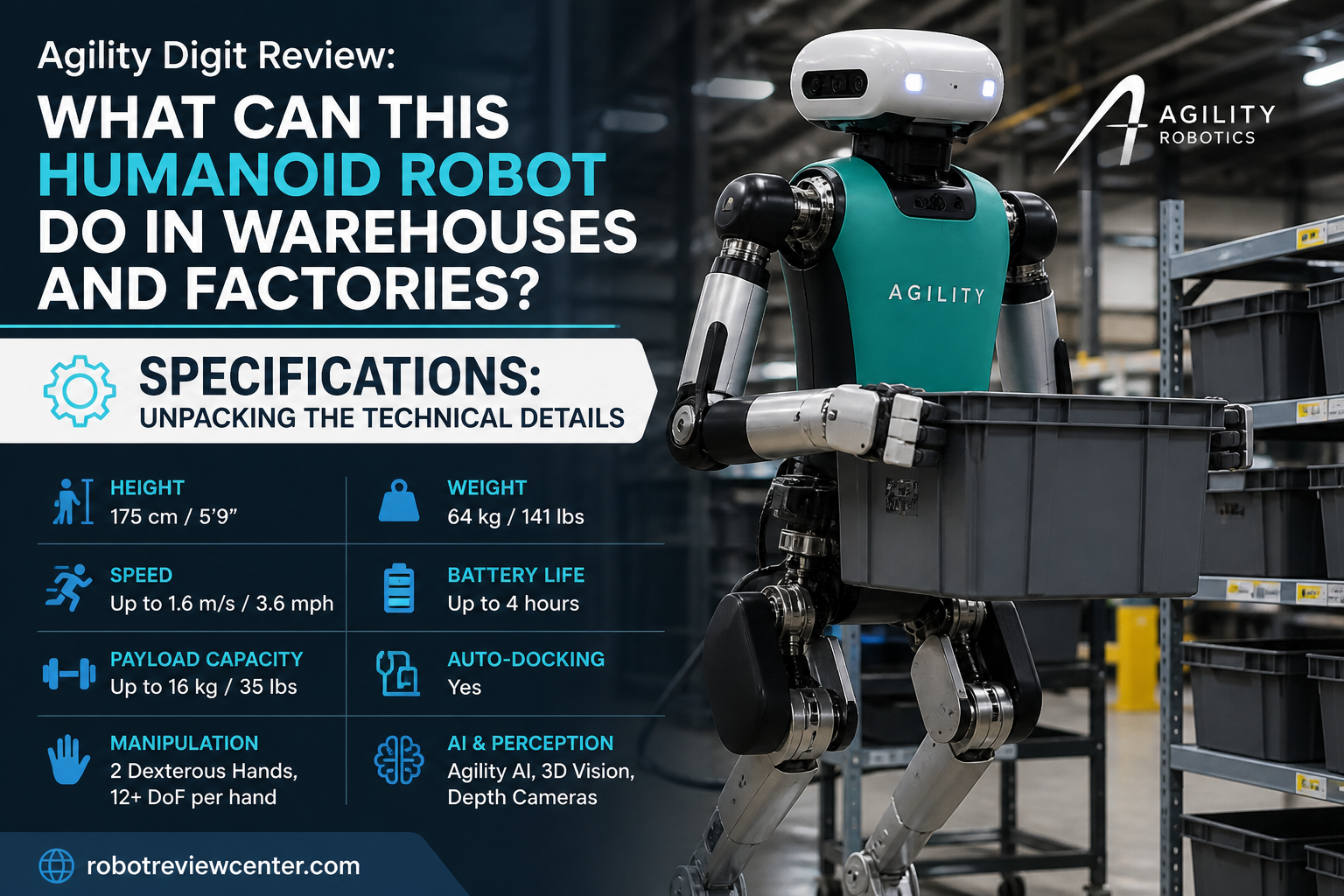
The Agility Digit boasts a height of approximately 5 feet and weighs close to 100 lbs, a strategic design choice that balances natural interaction with humans and logistical maneuverability in confined spaces. It features a remarkable array of sensors, including LiDAR and RGB cameras, designed to provide spatial awareness comparable to a human sense of vision.
This robot is equipped with 20 degrees of freedom (DoF), enabling a range of movements from walking, turning, to climbing stairs. The arms, however, do not have hands but can perform simple pick-and-place operations. With a payload capacity of 40 lbs, Digit’s strength lies in its mobility rather than manipulation.
Driving Digit’s capabilities is its sophisticated compute system powered by NVIDIA’s Jetson AGX Xavier platform, allowing it to process sensor data in real-time. The platform enables advanced AI functions such as deep learning, navigation, and dynamic decision-making, although it primarily operates on pre-programmed instructions rather than autonomous learning.
Vision and Navigation: How Digit Sees the World
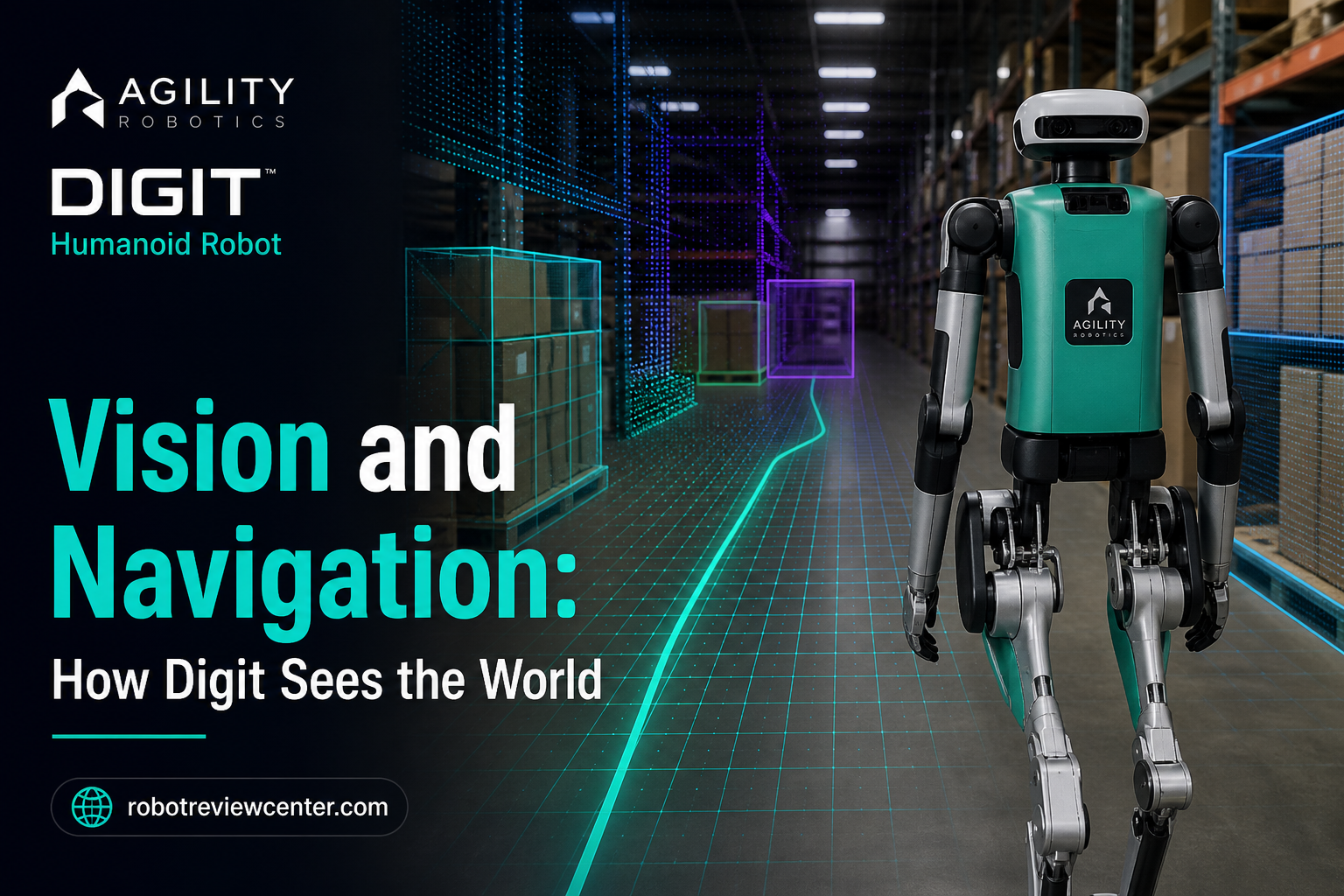
The Agility Digit is designed to navigate complex environments with remarkable ease, a feat achieved through its sophisticated vision system. Its RGB and depth cameras, coupled with LiDAR, enable it to map its surroundings meticulously. This setup not only facilitates obstacle avoidance but also ensures Digit can traverse varied terrains, including gradients and uneven surfaces commonly found in factories and warehouses.
One of the core strengths of Digit lies in its ability to integrate vision data into actionable movement strategies. Using Simultaneous Localization and Mapping (SLAM) technology, it smartly navigates and recalls environments, reducing the need for human intervention.
Prowess in Motion: Mobility, Leg Structure, and Balancing
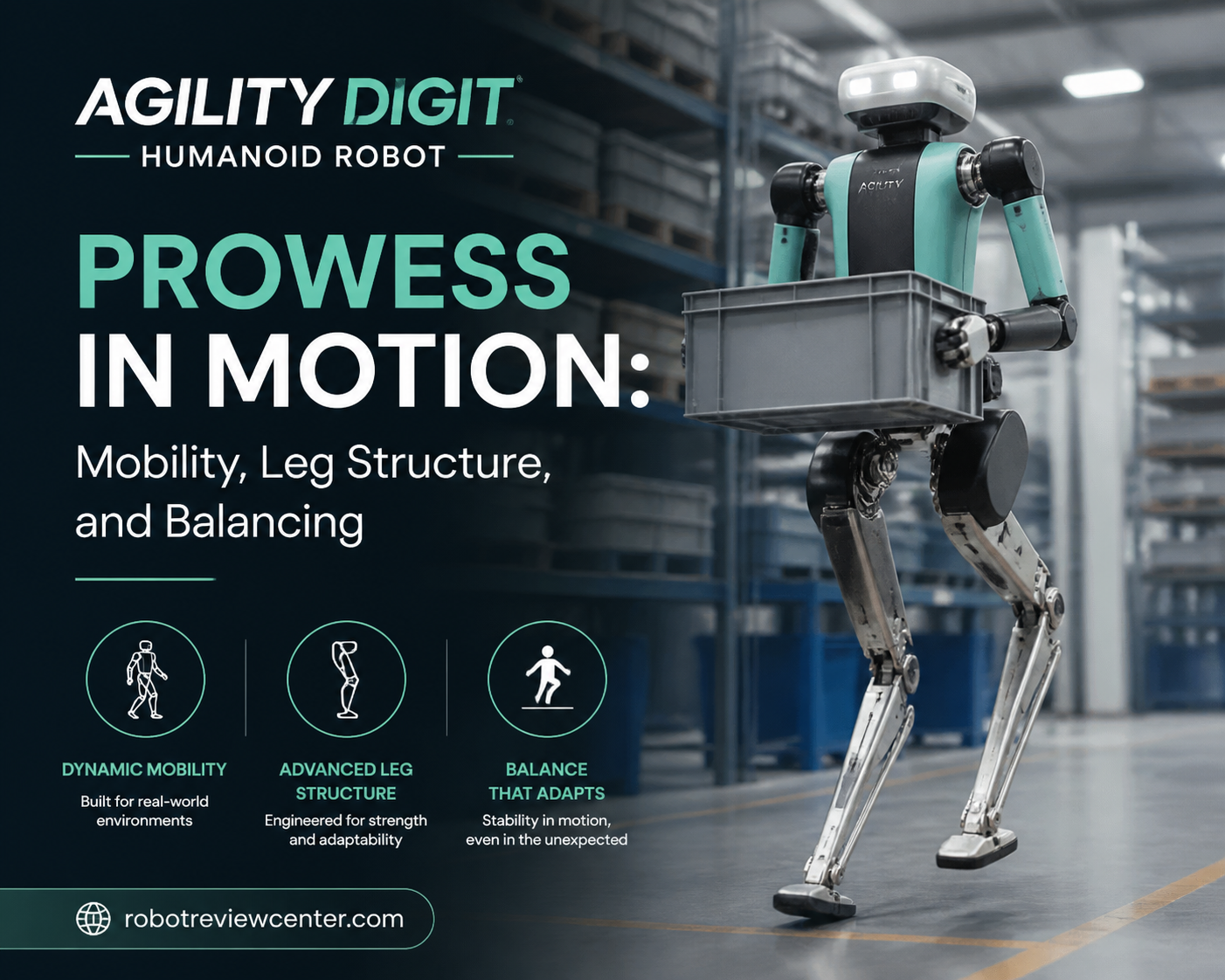
The Agility Digit’s mobility can be likened to that of a seasoned gymnast carefully navigating a packed arena. The robot’s leg structure, inspired by the biological mechanisms of bipedal species, allows it to maneuver effortlessly, dynamically shifting its weight and maintaining balance. Its legs, powered by series elastic actuators, provide the torque and flexibility needed to handle sudden shifts in direction and speed.
Digit’s ability to balance and recover from perturbations is not just a testament to its hardware but also to its real-time control algorithms that analyze terrain and adjust foot placement accordingly, ensuring stability and continuous movement.
Industrial Applications: From Warehouse Floors to Factory Lines
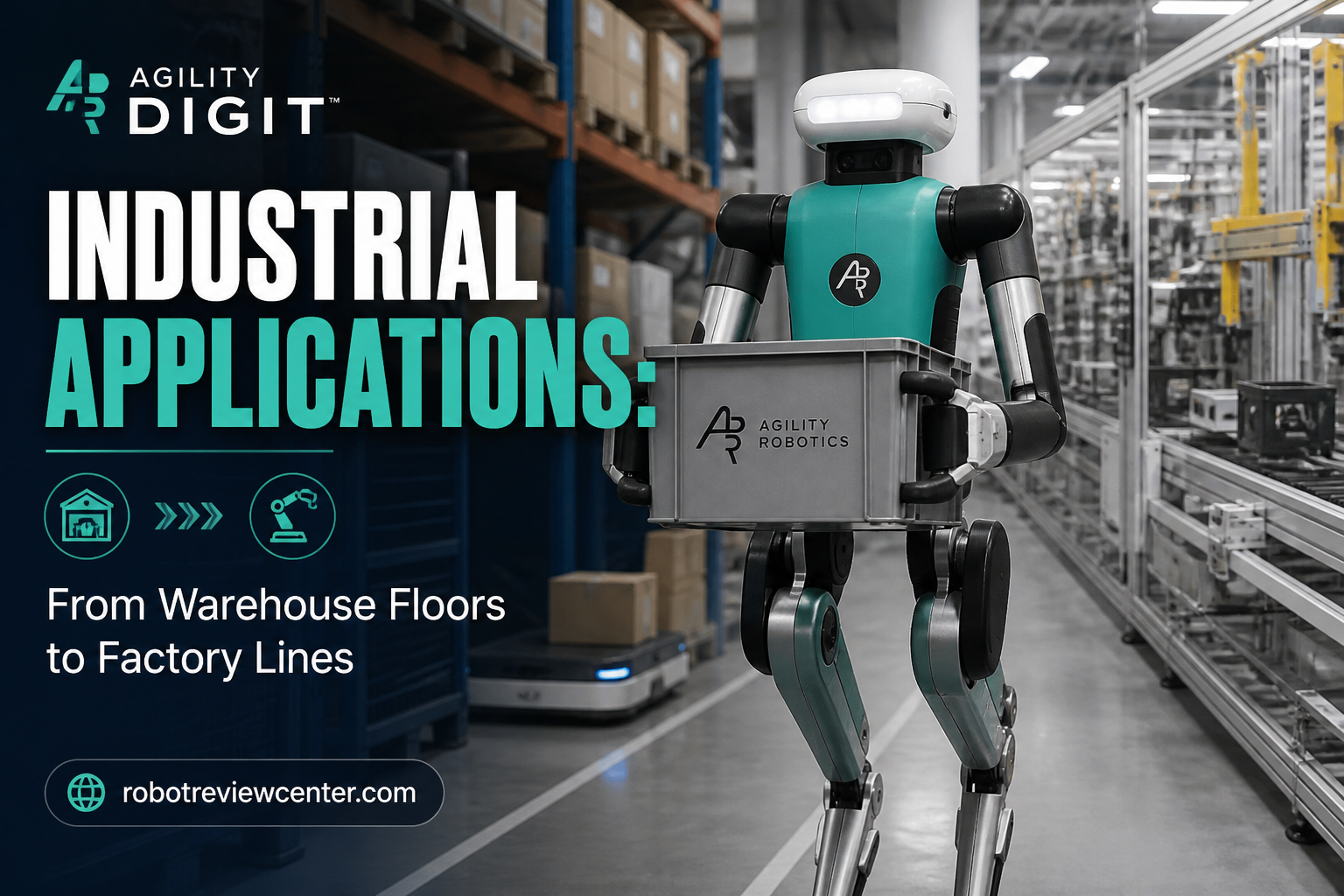
Industries are the proving grounds for Digit’s capabilities. As automation takes a firm grip on operations, Digit supports manual laborers by handling mundane and physically demanding tasks. In warehouses, it has been shown to fetch and carry heavy items, reducing the physical strain on human workers. Its ability to operate tirelessly across long shifts makes it a desirable addition to any industrial setting focused on efficiency and worker safety.
While there are no large-scale deployments yet, several pilot programs have been initiated to test Digit’s effectiveness in different operation settings. These tests aim to gauge not only the robot’s technical performance but also its integration into existing workflows.
Economic Impact: Investment in Agility and Humanoid Robotics
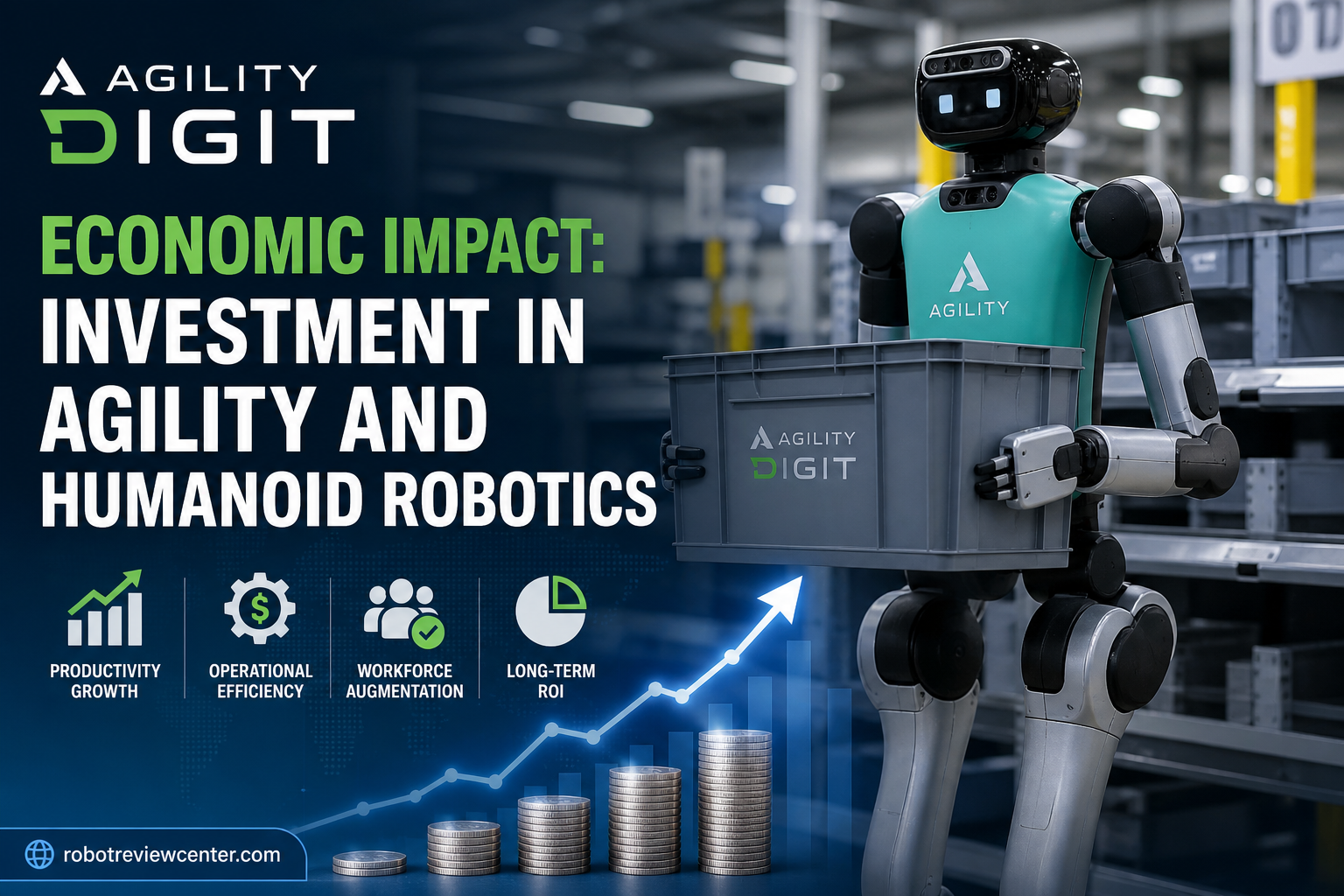
Investment in humanoid robotics has surged as businesses seek cost-effective solutions to labor shortages. The Agility Digit represents a significant advancement in this field, promising not only to enhance productivity but also to redefine asset allocation in terms of labor expenses. As more industries adopt automation, robots like Digit may contribute to a shift in market dynamics, driving growth in sectors that invest heavily in technological innovation.
Agility Robotics has received substantial financial backing, underscoring a market confidence in its technology. Analysts predict a robust 10% annual growth in the service robots sector over the next five years, with humanoid robots capturing a notable share of this expansion.
Challenges: The Roadblocks on the Path to Full Automation
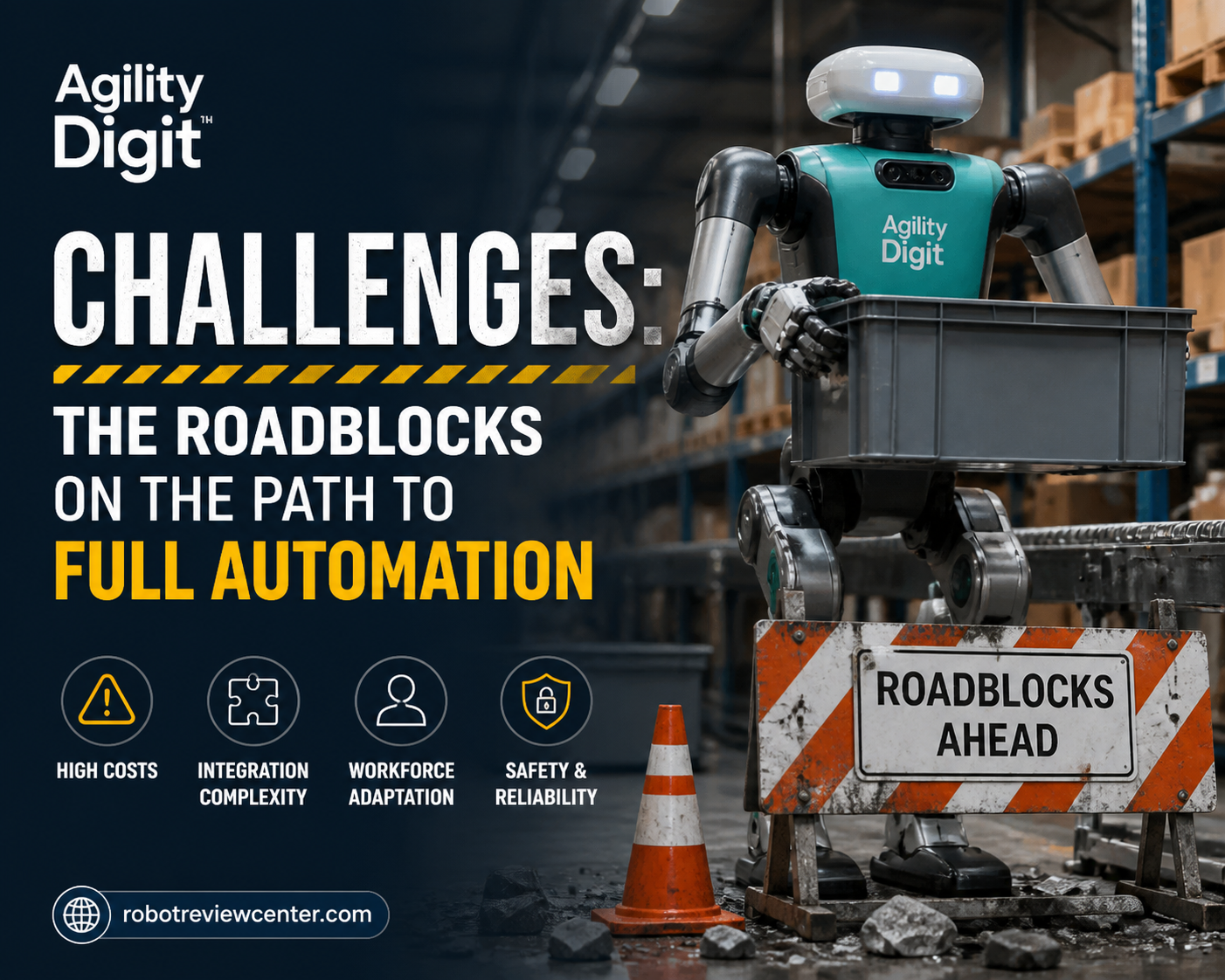
While the Agility Digit showcases impressive potential, its current limitations highlight the challenges remaining in the quest for full automation. One significant hurdle is the adaptation of AI to complex, unpredictable environments where robots must seamlessly interact with diverse objects and people. Additionally, the current technology requires substantial human oversight and cannot yet autonomously learn new tasks or adapt to new settings without external programming.
Digit’s navigation and manipulation capabilities, while advanced, still lack the nuance of human interaction, such as delicate handling and precise tool use, which are essential for diverse industrial applications.
At the Cusp of Change: Predictions for the Future
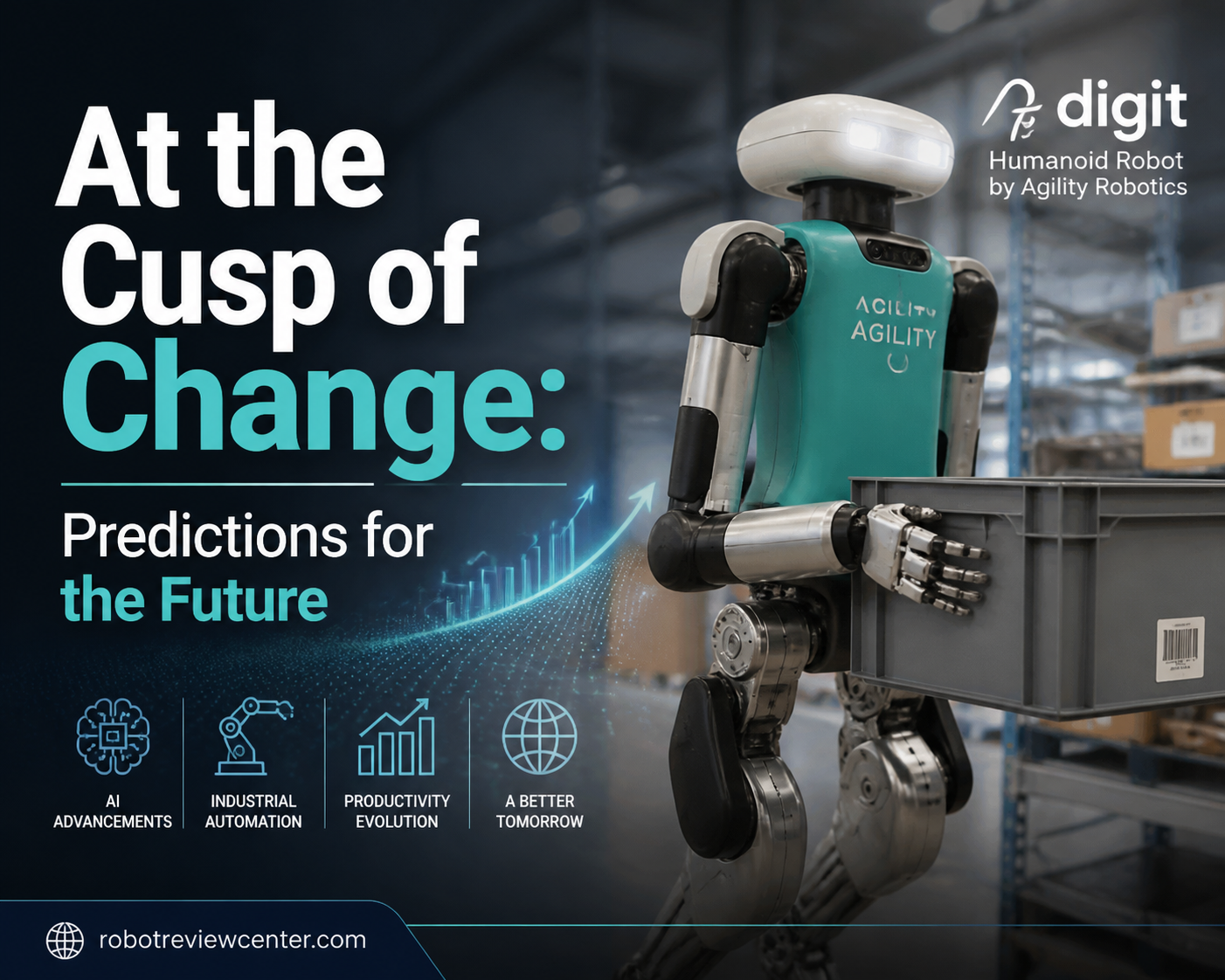
Looking forward, the evolution of humanoid robots like the Agility Digit will likely be driven by advances in AI and sensor technologies. Future iterations are expected to feature improved autonomy, allowing for more comprehensive task performance with minimal oversight. As these technologies mature, we may see deployments expanding beyond warehouses and factories, finding roles in retail, healthcare, and beyond.
In the next three to five years, it’s anticipated that these robots will become more integrated into human-centric tasks, with enhanced dexterity and decision-making capabilities becoming more common. Their impact on productivity and economics will depend heavily on their ability to reduce costs while increasing output.
Strategic Insights: Preparing for a Robot-Enhanced Future
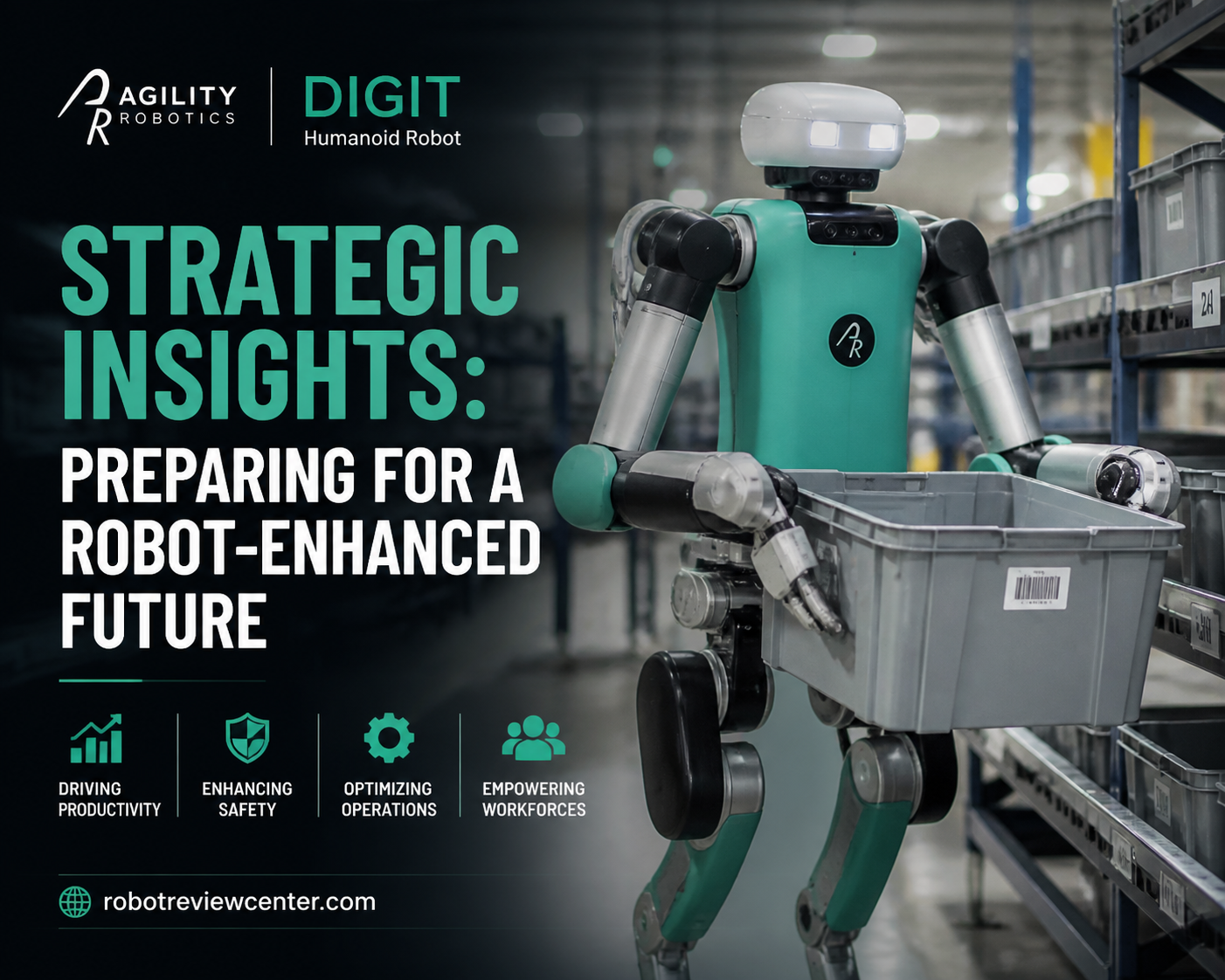
For businesses, developers, and users, staying ahead in the robotics race means investing in training and infrastructure that support robot integration. Companies should be prepared to adapt their workflows, ensuring that human and robot team members can collaborate without friction.
Developers, meanwhile, are tasked with refining AI algorithms and enhancing interface technologies that enable intuitive human-robot interaction. Users will benefit from understanding not only the capabilities but also the limitations of technologies like the Agility Digit, employing them in areas where they truly add value.
So where does this leave us? Agility Digit stands as a beacon of what is technologically possible, hinting at a future where robots play integral roles alongside humans. While limitations exist, the path forward involves gradual refinement and adaptation to real-world challenges. For stakeholders across industries, the key lies in viewing automation not as a replacement but as a strategic enhancement to the capabilities of human workers, ushering in efficiency and safety in industrial operations.
Thomas Huynh – Admin of RobotReviewCenter.com