
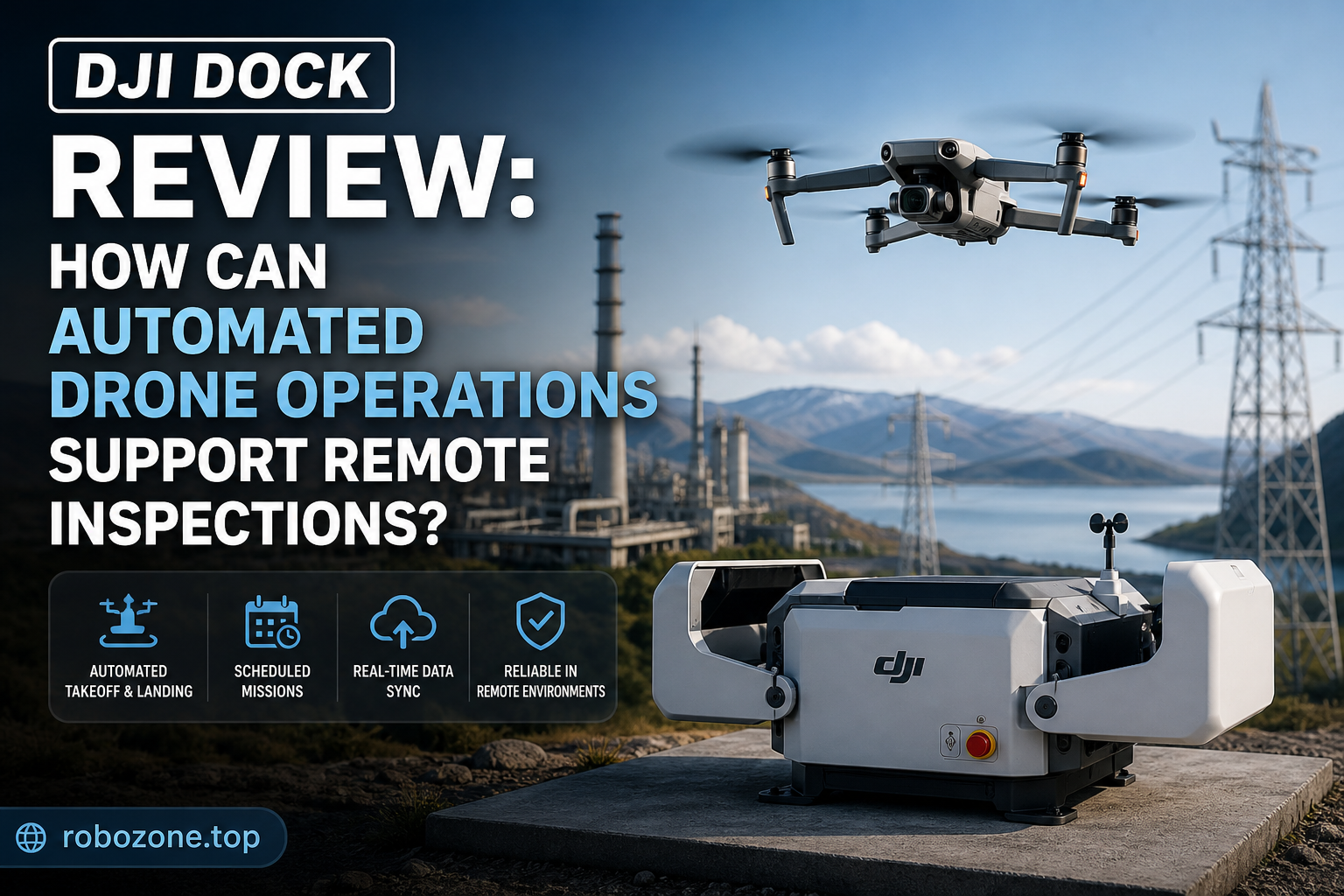
In the rapidly evolving domain of robotics and automation, few innovations have garnered as much attention in recent years as the DJI Dock. A revolutionary player in the field of automated drone operations, it promises to redefine the landscape of remote inspections across various industries. As we embark on this exploration, we’ll delve into the intricacies of how this technology works, its practical applications, the challenges it faces, and its potential impact on the future. Welcome to a deep dive into automated drone operations with me, Thomas Huynh, your guide.
Understanding the DJI Dock: A Core Overview
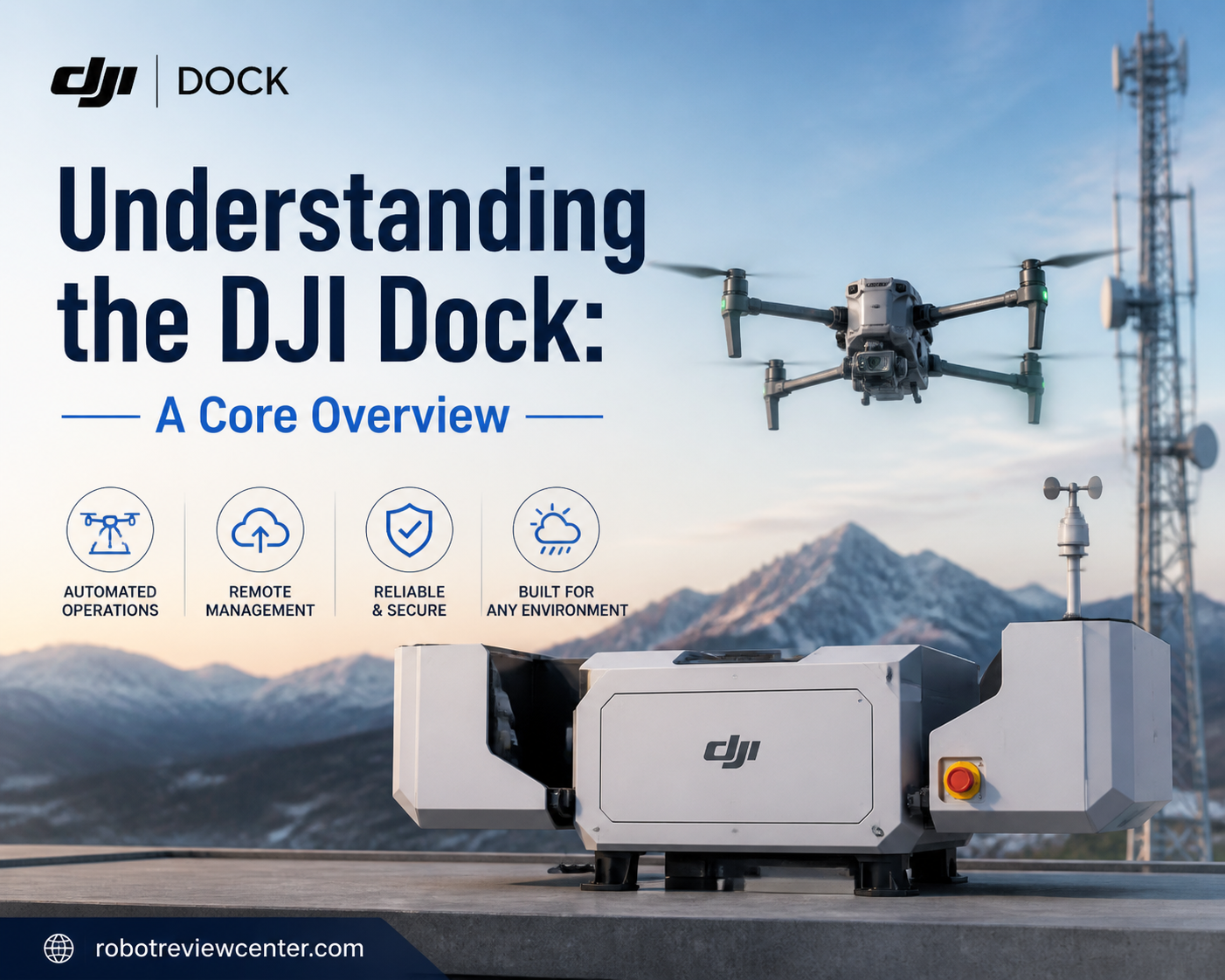
The DJI Dock represents a cutting-edge solution in the realm of unmanned aerial vehicle (UAV) management systems. Designed to autonomously house, charge, and deploy drones, it functions as a self-contained unit capable of operating in various environmental conditions. But how does this seemingly unassuming box manage to execute such complex tasks? What is it about the DJI Dock that has industry insiders buzzing?
At its core, the DJI Dock is designed around the principles of automation and autonomous control. Equipped with environmental sensors and onboard computing power, it boasts the capability to execute pre-planned aerial missions without human intervention. The system’s AI models take the credit, allowing it to process environmental data in real-time, ensuring not only comprehensive inspections but also accurate and repeatable results. With this degree of autonomy, it effectively removes the human element typically required in drone operations, setting a new benchmark in the industry.
One striking feature about the DJI Dock is its capability to recharge drones between missions autonomously. This minimizes downtime and maximizes operational efficiency, especially in sectors that require frequent inspections such as agriculture, logistics, and infrastructure maintenance. Furthermore, DJI Dock’s design ensures that drones are always ready, highlighting how foresight in design can lead to operational excellence.
Real-World Applications: A Sweeping Spectrum
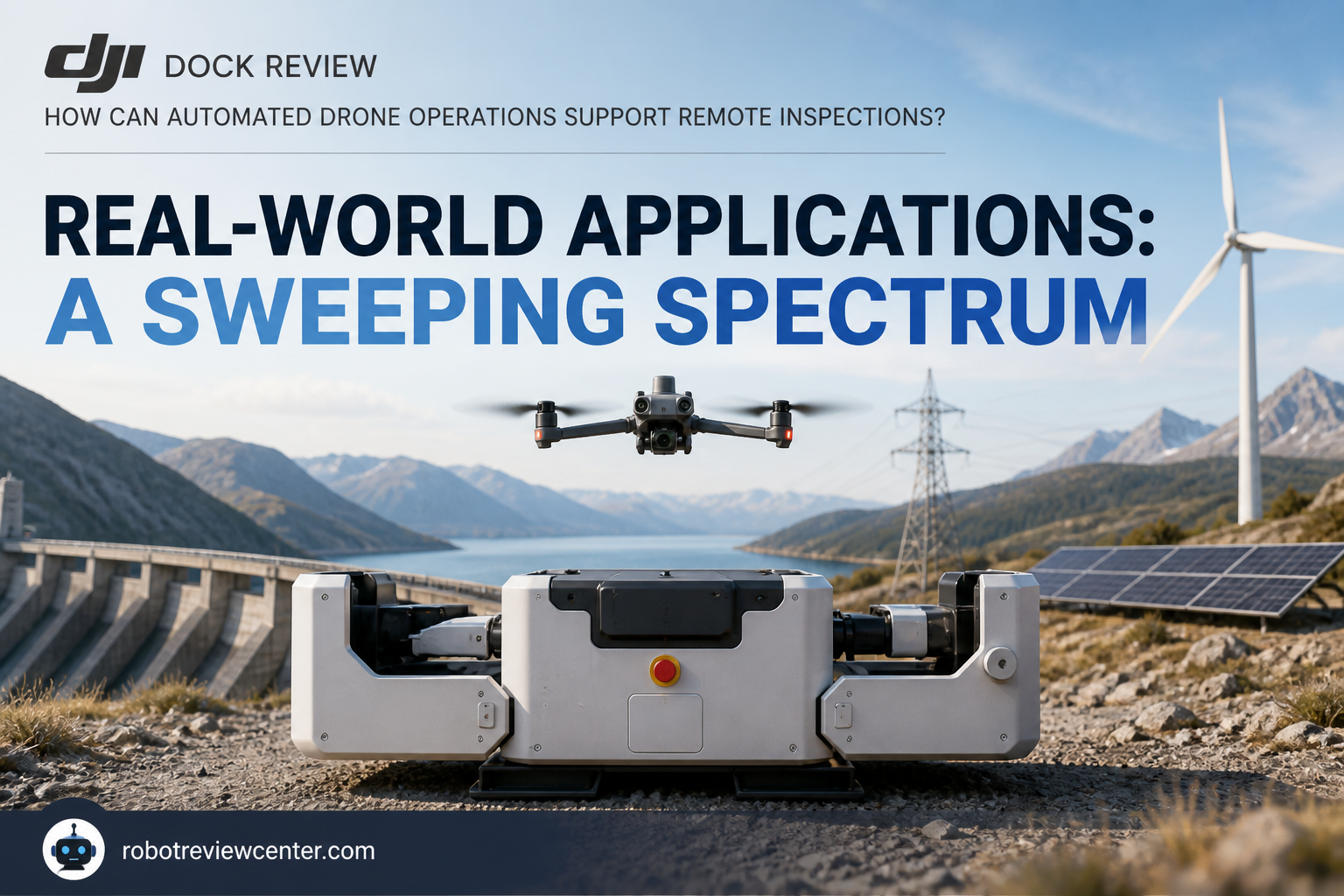
Automated drone operations, as offered by the DJI Dock, present transformative possibilities across several industries. Let us explore these applications in detail, revealing how something initially conceptual can transition into practical utility.
Infrastructure Inspections: Drone technology in inspecting infrastructure such as bridges, power lines, and pipelines offers unparalleled efficiency. Traditionally, such inspections involve significant human risk and error potential. However, the utilization of the DJI Dock enables high-frequency, autonomous inspections, delivering consistent, reliable data.
Agriculture: In agriculture, precision is key to maintaining high yields. Drones equipped with imaging technology can assess crop health, track growth patterns, and identify areas affected by disease or pests. The DJI Dock ensures drones are continuously available to capture this vital information, optimizing resource use and lowering costs.
Environmental Monitoring: Environmental conservation efforts benefit from the intelligence drones provide by monitoring land changes and animal movements. The data collected autonomously via the DJI Dock supports structural conservation strategies with real-time analytics, contributing to ecological balance.
Beyond these sectors, we anticipate novel applications to emerge as technology advances. Whether it is healthcare, where drones can quickly transport medical supplies, or security, providing surveillance operations, the DJI Dock serves as the lynchpin of possibilities in automated drone applications.
Technical Insights: The Intelligence within
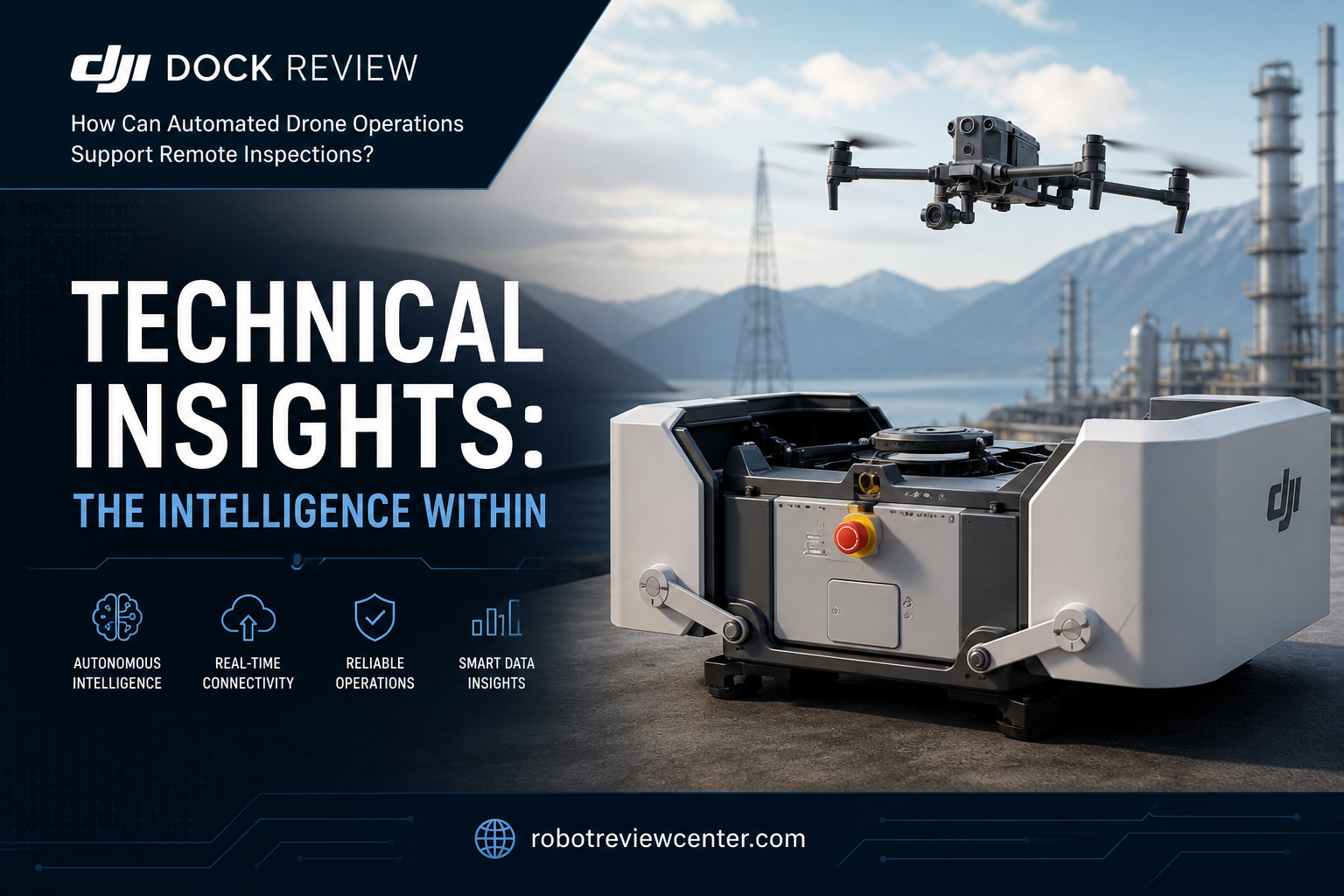
Let’s now dissect the technological marvel that powers the DJI Dock. One might wonder, what makes automated drone operations tick? The answers lie in three pillars: AI, sensory equipment, and computational advances. Thanks to technological endorsements from giants such as NVIDIA, whose chips power the processing needs of the DJI Dock, the docking station delivers high-performance operations efficiently.
The AI models integrated into the DJI Dock are pivotal. They synthesize data through multiple types of sensors, including ultrasonic, imaging, and thermal sensors. This sensory fusion harnesses the efficacy of deep learning to recognize patterns, process visual data, and enable drones to navigate autonomously in complex environments.
A salient element is the precision guidance system, crucial for docking maneuvers. With millimeter-level accuracy, the system ensures drones can accurately land and dock, a feat of engineering that ties back to the core principles of spatial reasoning and control within robotics. Furthermore, advancements in SLAM (Simultaneous Localization and Mapping) technology support dynamic adaptations, so drones can recalibrate and function optimally in varying conditions.
Assessing the Market Impact
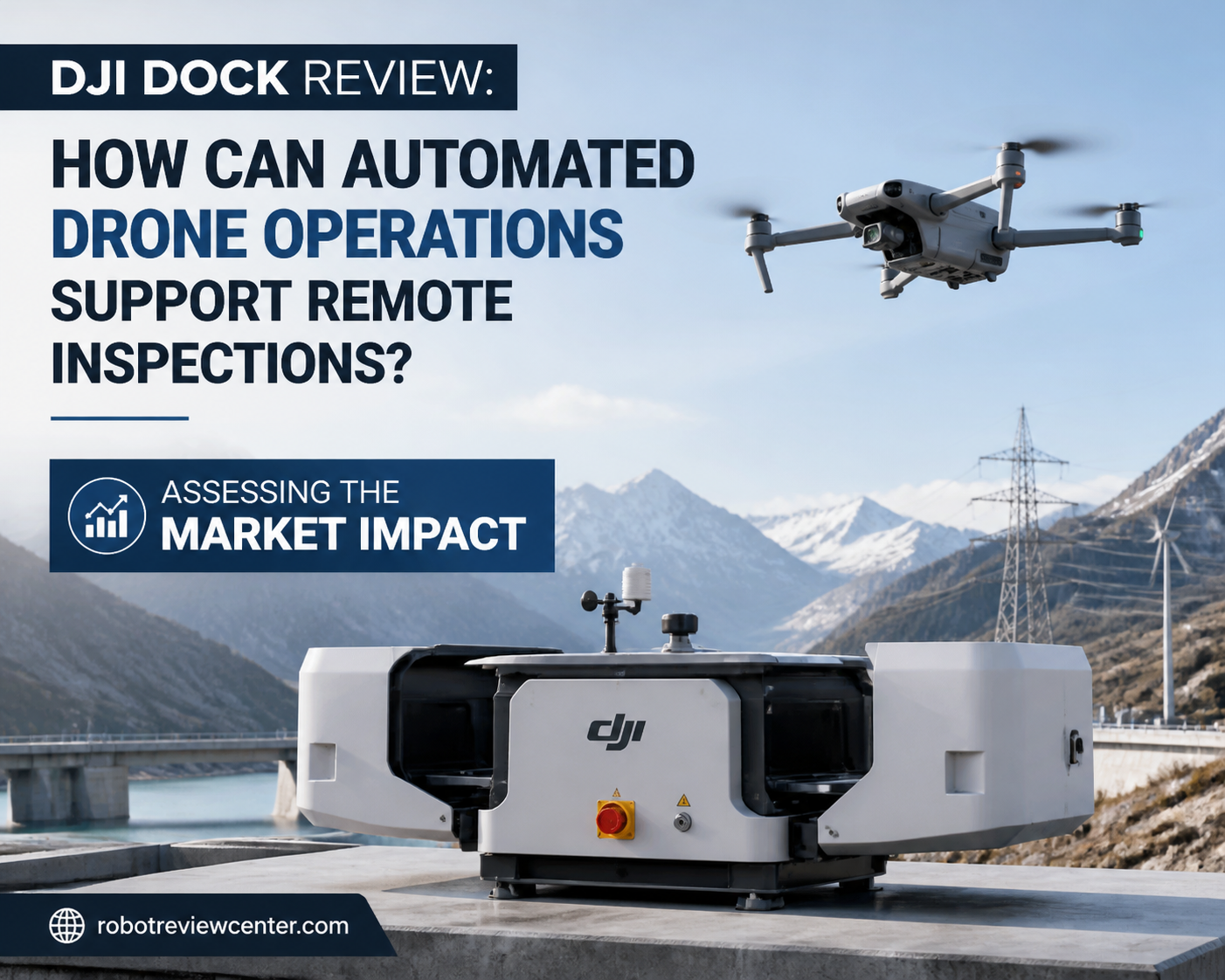
As we pivot towards market dynamics, the economic footprint of automated drone operations presents an intriguing topic. At present, market analysis from sources like MarketsandMarkets projects a notable growth in the drone market, driven by the rising demand for efficient inspection solutions in various sectors.
Investment in this area signals a shift towards recognizing drones as a vital asset rather than a supplementary tool. Companies are increasingly investing in adapting DJI Dock technology due to potential cost savings, a key attraction as businesses strive for lean operations.
With the International Federation of Robotics forecasting advancements in aerial robotics, it is expected that the DJI Dock will not only elevate operational capacities but also redefine benchmarks for return on investment in technological adoption. Economic impacts will resonate broadly, from lowering inspection costs to enabling scalable deployments across different industrial facets.
Challenges and Limitations: Navigating the Path Ahead
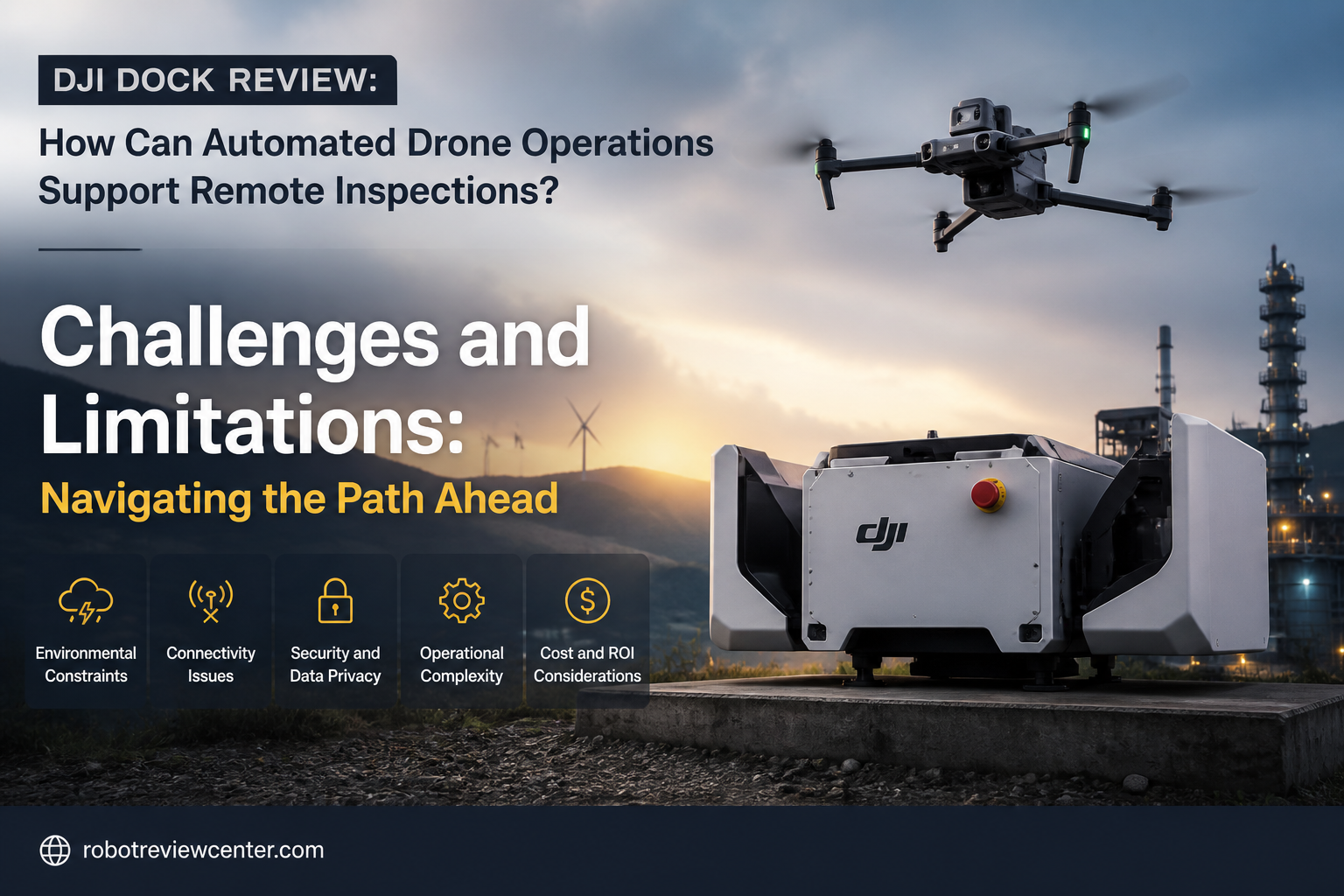
Despite its narrative of progress, the road to perfect automation faces inevitable obstacles. Like any other pioneering technology, automated drone operations grapple with challenges that need addressing before achieving full market potential.
Regulatory Hurdles: Policies governing unmanned flight need synchronization globally. The regulatory landscape must evolve to accommodate these advancements, ensuring safety and privacy are not compromised, a concern universally echoed.
Environmental Constraints: Operating in adverse weather remains challenging. While sensory technologies are sophisticated, ensuring drones function seamlessly during extreme conditions remains an area that needs technological fortification.
Technical Dependence: The DJI Dock’s reliance on complex AI systems necessitates high level of accuracy and reliability. Errors in AI model interpretations could lead to operational inefficiencies or failures.
Addressing these limitations will require collaborative effort from industry stakeholders, policy makers, and technologists, ensuring the path forward is harmoniously navigated.
Future Outlook: Vision Beyond the Horizon
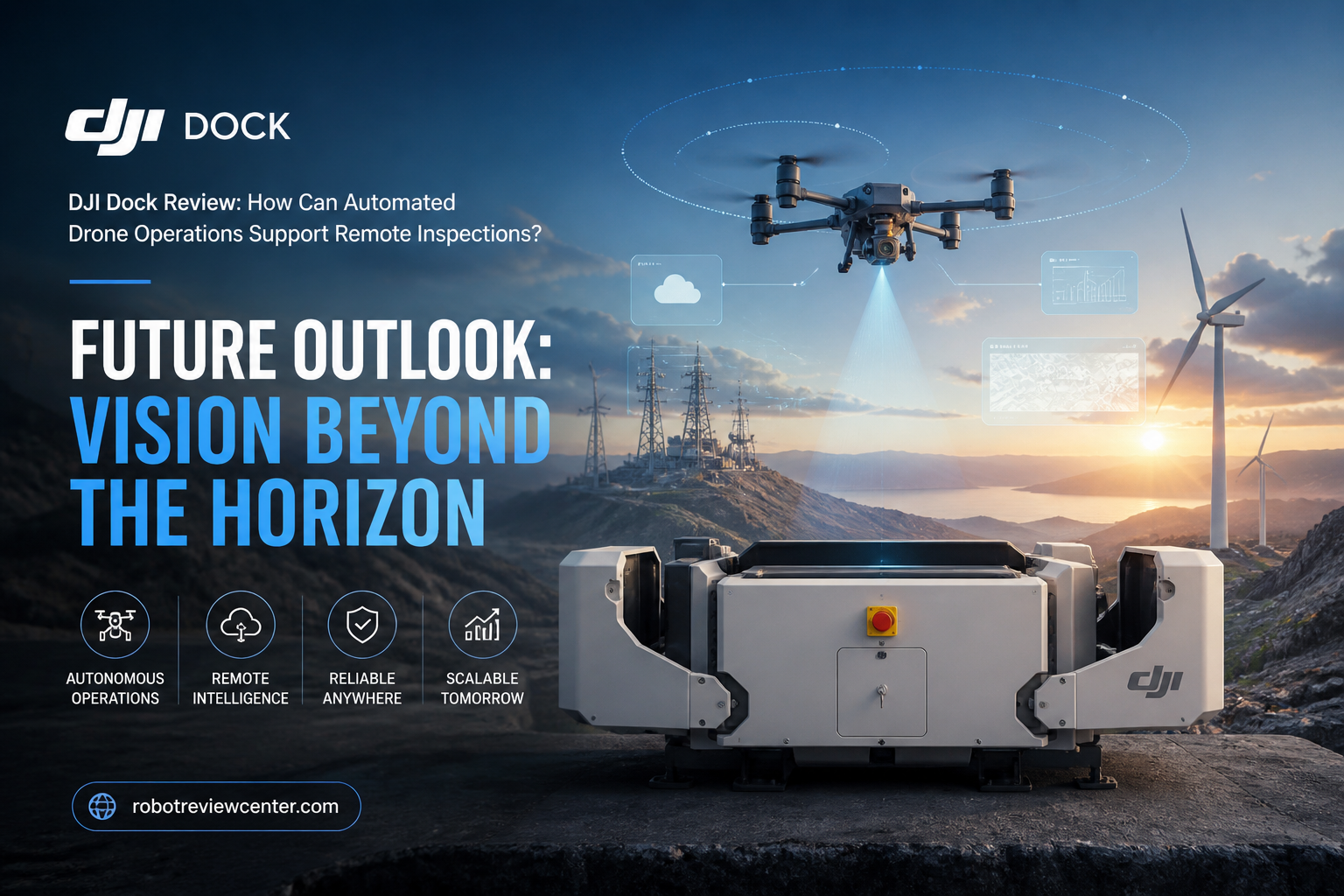
The landscape of drone operations holds untapped potential, and the momentum generated by the DJI Dock propels us to envision a future ripe with possibilities. Analysts from McKinsey & Company speculate that in the next three to five years, we could witness widespread adoption of automated drone systems.
The foreseeable trend waves include the integration of cloud-based AI processing, enhancing data collection and operational efficiency. We also expect a paradigm shift where drones evolve from merely tools to intelligent collaborators capable of executing nuanced operations autonomously.
Futuristic visions include drone networks capable of multi-vehicle coordination, analogous to how bees operate collectively, executing precise tasks while communicating in real-time. This swarm-like intelligence opens doors to applications once thought messianic.
Looking further, the sustainable impact and environmental contributions of automated drone operations could redefine industry standards, prompting us to embrace these innovations with both caution and optimism.
Strategic Insights: Embracing the New Era
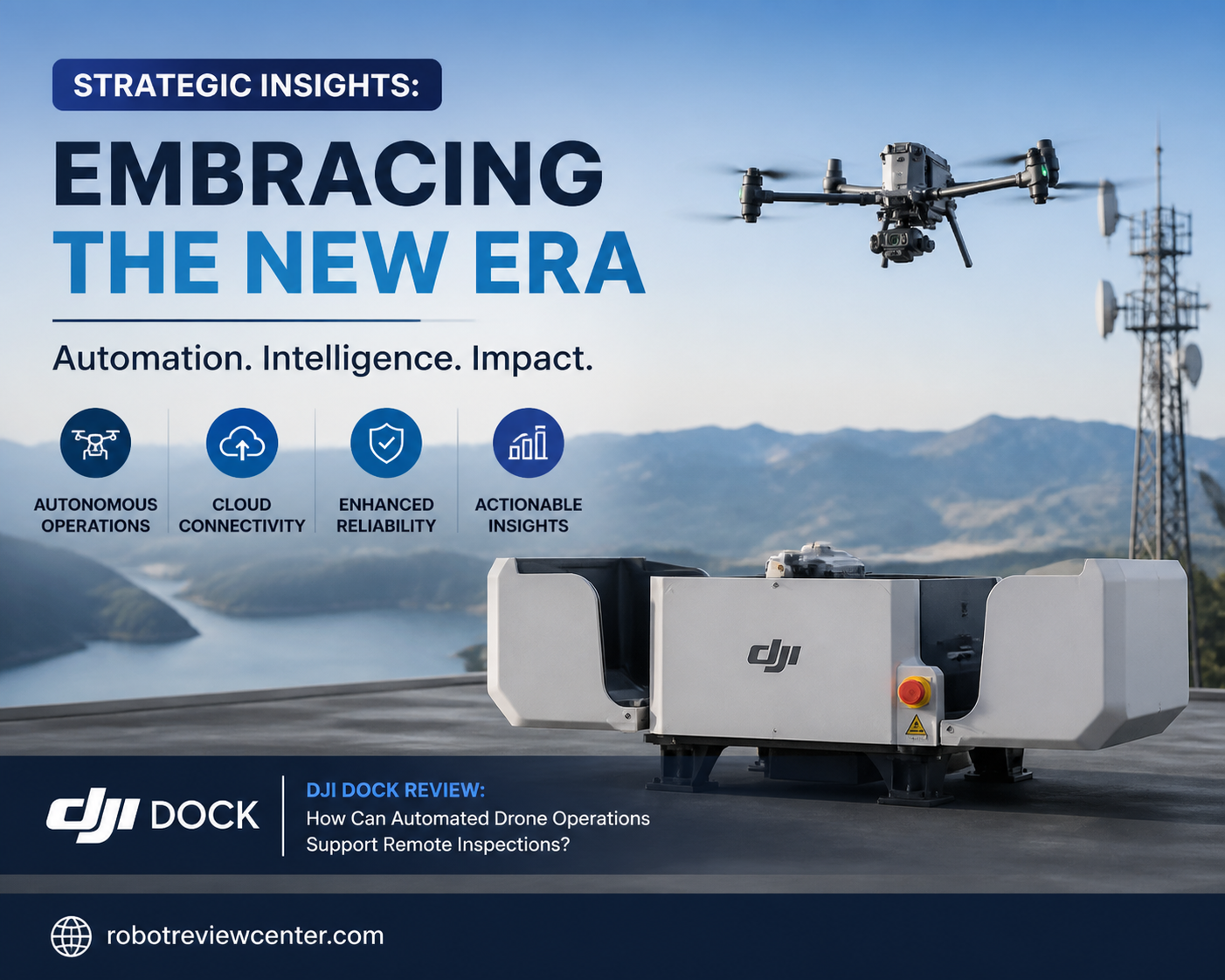
The dawn of automated drone operations beckons businesses to ready themselves strategically for integration. Businesses must see beyond the innovation and delve into the practicality and economic benefit analysis, determining how DJI Dock technology aligns with their strategic objectives.
For developers, focusing on cross-compatibility and software adaptability is crucial. Systems that leverage open-source platforms may find a stronger foothold in the market, offering tailored solutions that cater to diverse needs.
Users must educate themselves on regulatory landscapes and operational nuances, fostering a deeper understanding of drone technology’s capabilities and limitations. A comprehensive well-informed approach to adopting DJI Dock technology fuels success.
In essence, the strategic landscape built on DJI Dock’s capabilities ensues an era where accommodating automated drone operations isn’t a question of ‘if’ but rather ‘when’ and ‘how effectively’.
A Reflective Glance into the Future: What Comes Next?
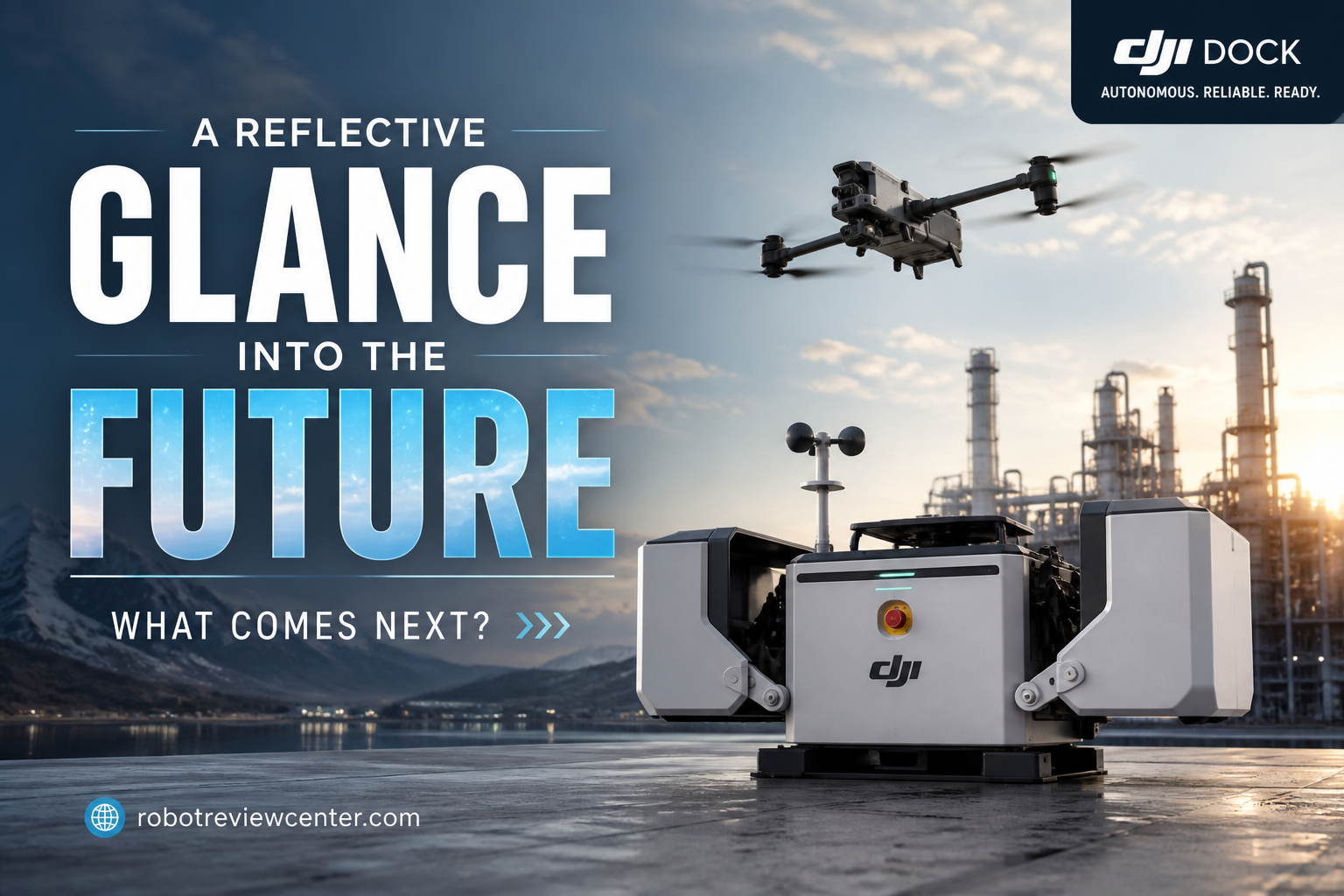
As we stand at the frontier of a revolution steered by the DJI Dock, key questions linger: What pathways should industries carve out for themselves? How do we reconcile the magic of technology with the sobering realities of its current limitations?
Indeed, engaging with these questions provides the clarity needed to chart the course forward. At RobotReviewCenter.com, we continue to scrutinize emerging innovations, searching for veracity in every claim and promise of advancement.
In navigating this terrain, it is essential to maintain a balance between embracing technological advancements and recognizing their limitations. Armed with knowledge, skepticism, and an unwavering commitment to clarity, we remain excited to witness a future replete with untapped potential.
Thomas Huynh – Admin of RobotReviewCenter.com
References & Further Reading
- MIT Technology Review – www.technologyreview.com
- IEEE Spectrum – www.spectrum.ieee.org
- McKinsey & Company – www.mckinsey.com
- Harvard Business Review – www.hbr.org
- NVIDIA Blog – www.blogs.nvidia.com
- International Federation of Robotics – www.ifr.org