
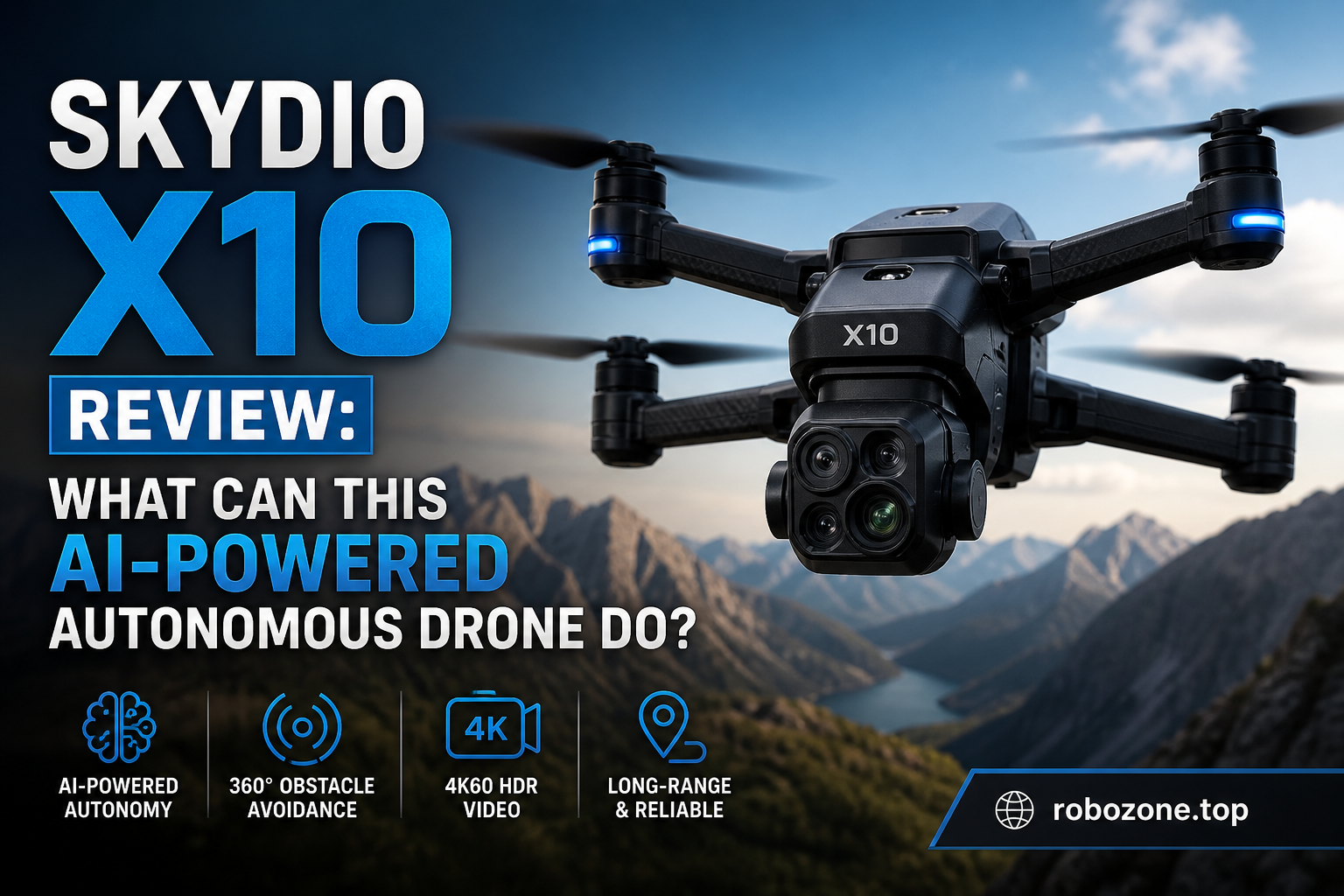
In the fast-paced world of autonomous drones, where technology evolves at lightning speed, the Skydio X10 emerges as a remarkable innovation that shines like a beacon. As an AI-powered autonomous drone, it promises to revolutionize the market, taking capabilities to new heights. But what sets it apart from its competitors? In this review, we’ll explore what makes the Skydio X10 a formidable player.
Understanding the Skydio X10: Core Concepts
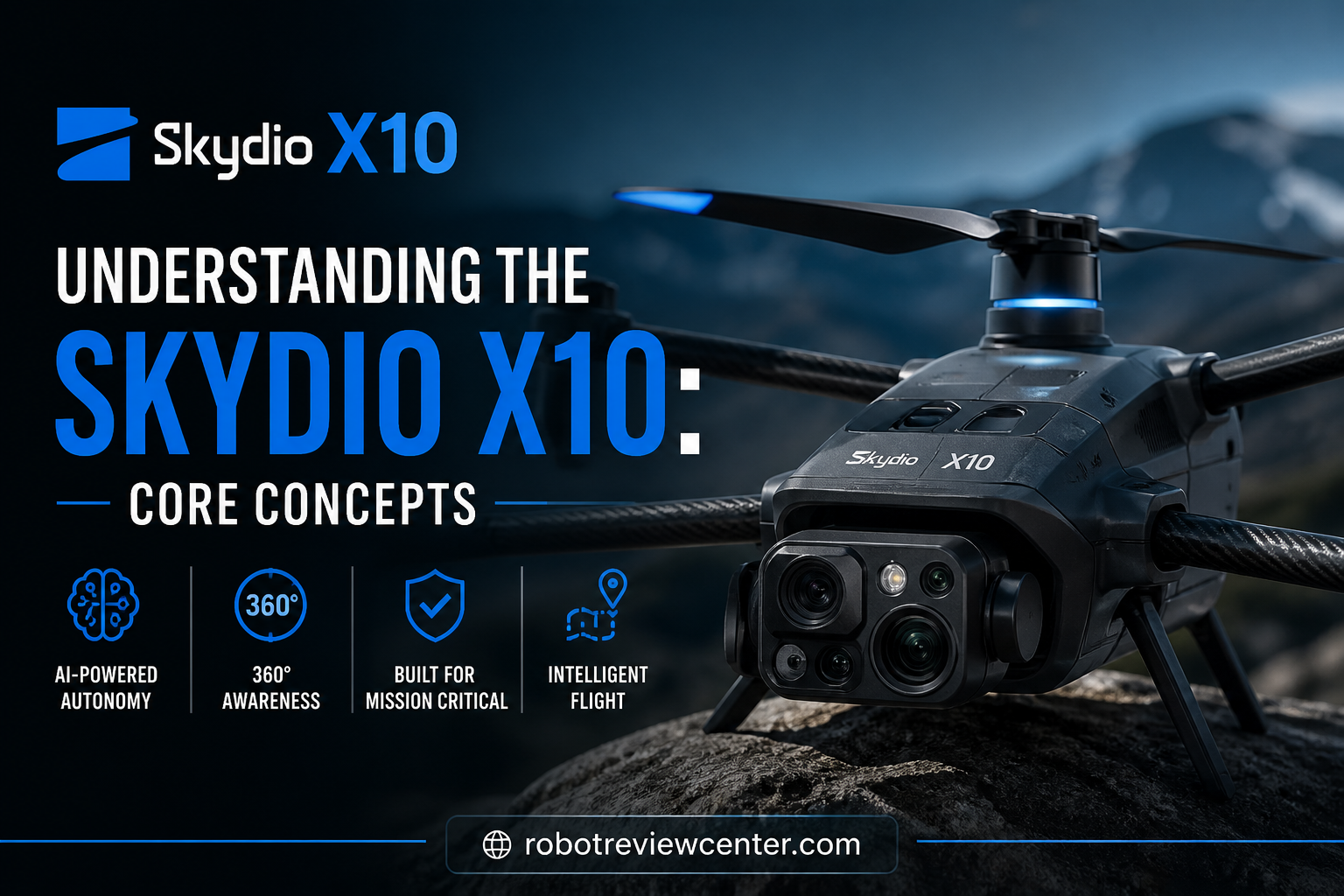
To comprehend the potential impact of the Skydio X10, we must first understand its core functionalities and technological underpinnings. Announced by Skydio, a leading drone manufacturer known for its autonomous flight capabilities, the X10 builds on the firm’s success with prior models. Using cutting-edge algorithms and AI-powered navigational systems, this drone offers unique autonomous flying abilities. Equipped with advanced sensor arrays and a robust computational framework, the Skydio X10 integrates technology that feels more science fiction than traditional UAV.
With computer vision expertise, Skydio has engineered a drone capable of real-time obstacle detection and avoidance, even in GPS-denied environments. The foundational algorithms power human-like decision-making, making this drone ideal for operations across various terrains.
Technical Insights: The Brain and Sensors
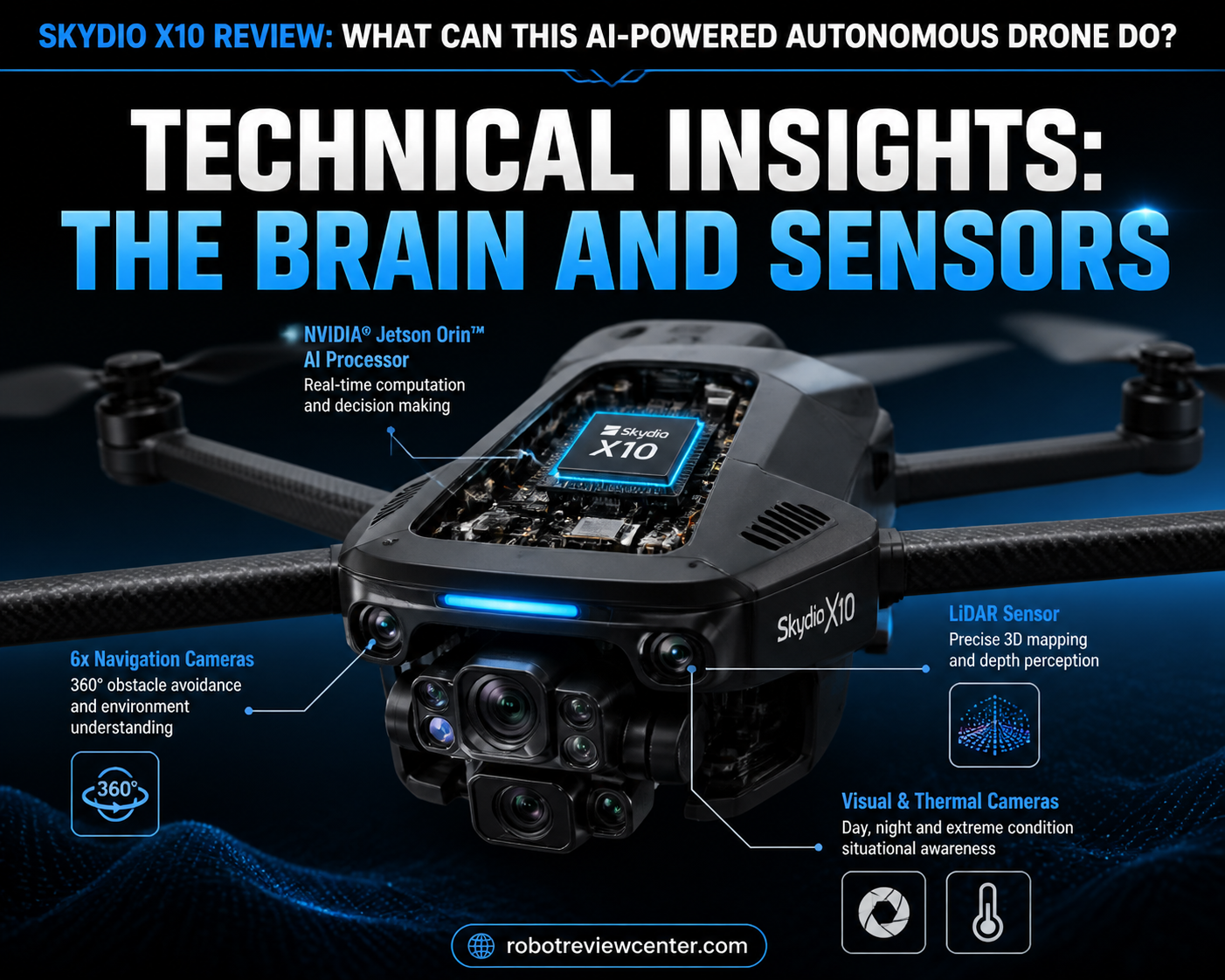
Delving deeper, the Skydio X10 utilizes high-performance computing and sensor technologies, capturing the crux of its capabilities. Its powered AI relies on state-of-the-art NVIDIA processors helping process multifaceted data streams swiftly. This parallel processing fortifies its navigational acumen, enhancing autonomy without human intervention.
Skydio’s suite of sensors, including stereo cameras and LiDAR, offers unparalleled spatial awareness. Combined, these components empower the drone to model its environment meticulously, promising safer and more reliable operation. This blend of sensory input and computational prowess cements Skydio X10’s standing as an innovation leader.
Real-World Applications: Beyond Photography
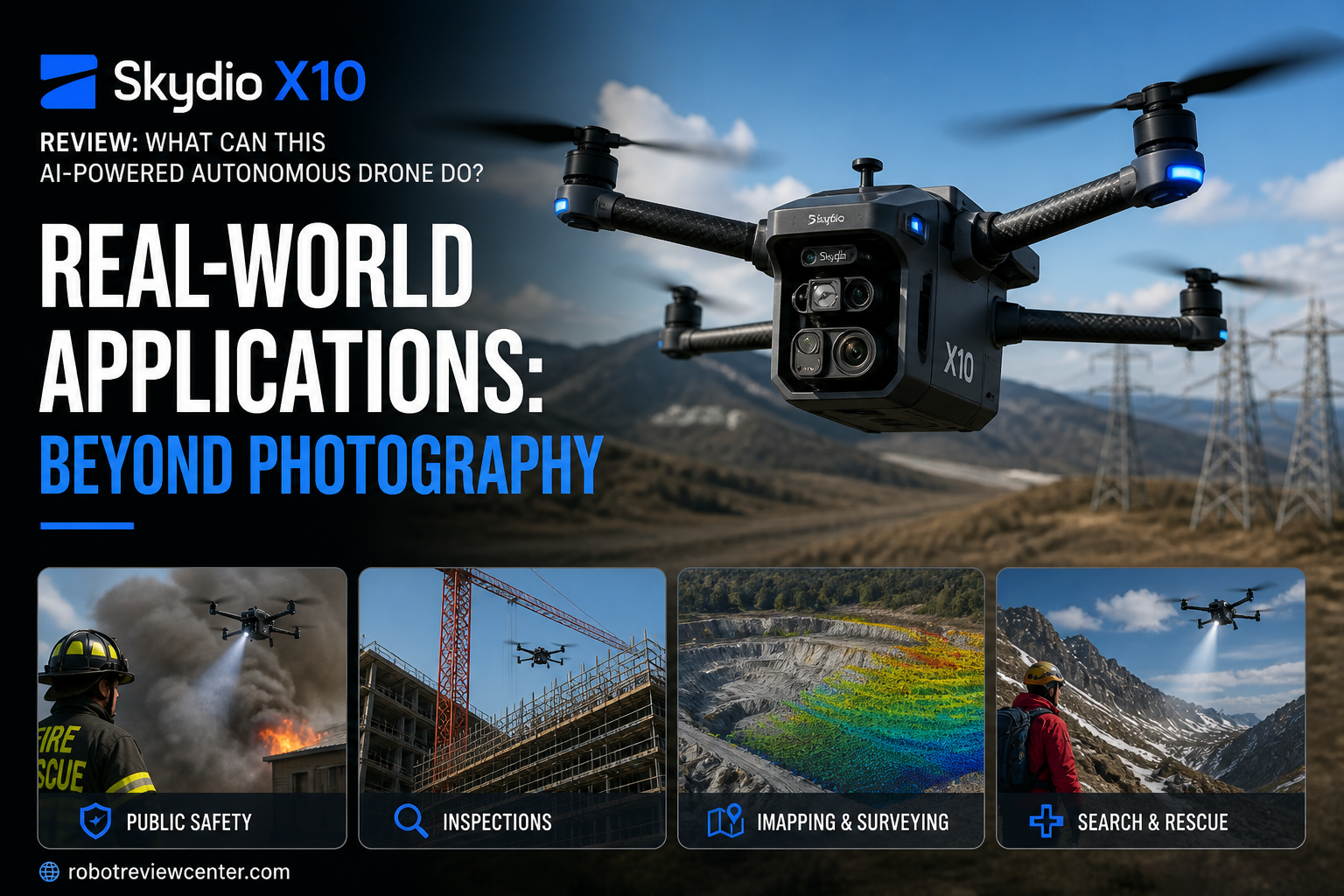
While consumer drones are often associated with aerial photography and videography, the Skydio X10’s potential extends far beyond capturing stunning visuals. One compelling application emerges within public safety; first responders can leverage the drone’s autonomous features for search and rescue missions, offering crucial support in inaccessible terrains.
Furthermore, industries like construction and agriculture are tapping into Skydio X10’s capabilities for surveying and mapping. Large-scale operations, whether assessing crop health or inspecting infrastructure, find the drone’s precise autonomy invaluable. The promise extends further with potential in maintenance, logistics, and delivery, showing the broad spectrum of utility within this advanced technology.
Market Impact and Growth Trajectory
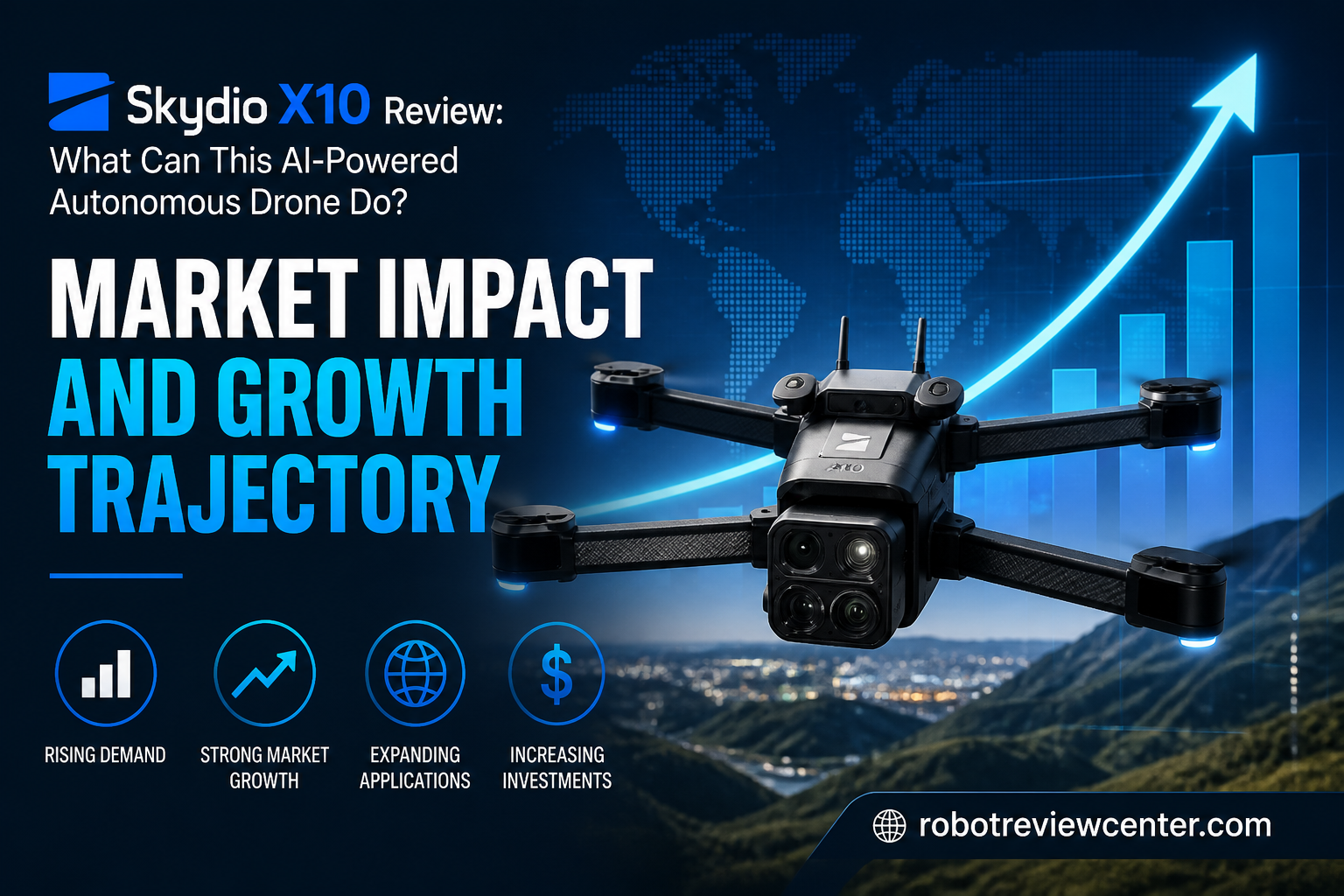
In the ever-expanding drone market, the Skydio X10 positions itself at a competitive intersection of AI and autonomous flight. The International Federation of Robotics anticipates significant growth within the autonomous drone sector, driven by robust technological advancements and increased industry investments.
Skydio capitalizes on this momentum by addressing key market needs, from efficiency to cost-effectiveness. As more sectors recognize drone potential, economics point towards the X10’s lucrative opportunities, enhanced by Skydio’s commitment to continuous innovation. In an industry poised for exponential growth, the X10 is well-aligned to capture market share and redefine what drones can do.
Challenges and Limitations: The Roadblocks Ahead
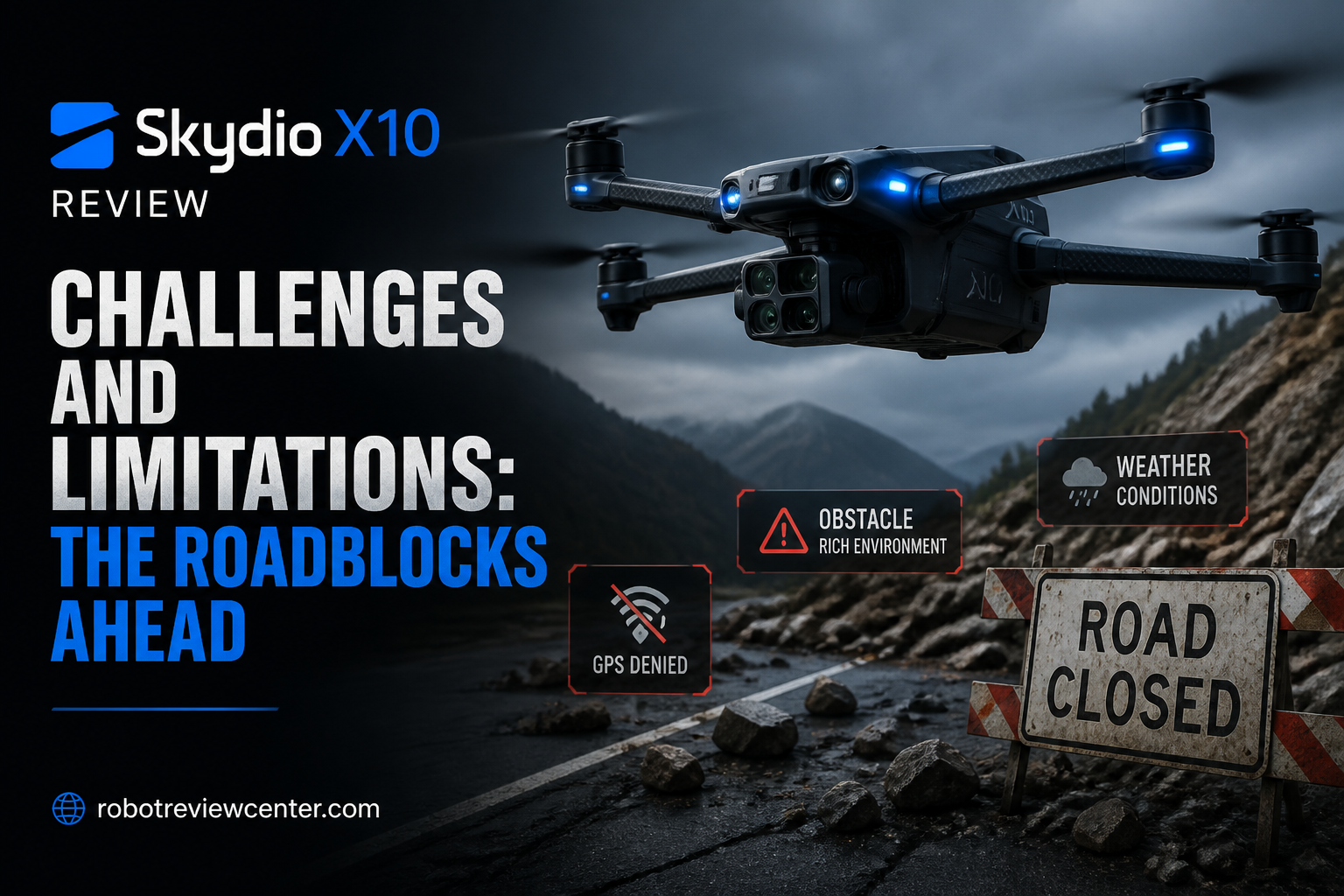
Every technological marvel faces inherent challenges, and the Skydio X10 is no exception. Autonomous navigation, while advanced, still grapples with evolving regulatory environments. Unmanned flight regulations vary globally, posing constraints on full deployment capabilities.
Beyond policy issues, the drone’s reliance on AI and computational demands necessitates robust power management. Efficient battery usage remains a developmental hurdle, requiring ongoing research and innovation. Addressing these challenges head-on will be critical for Skydio to sustain its competitive edge in the market.
Future Predictions: Gearing up for Tomorrow
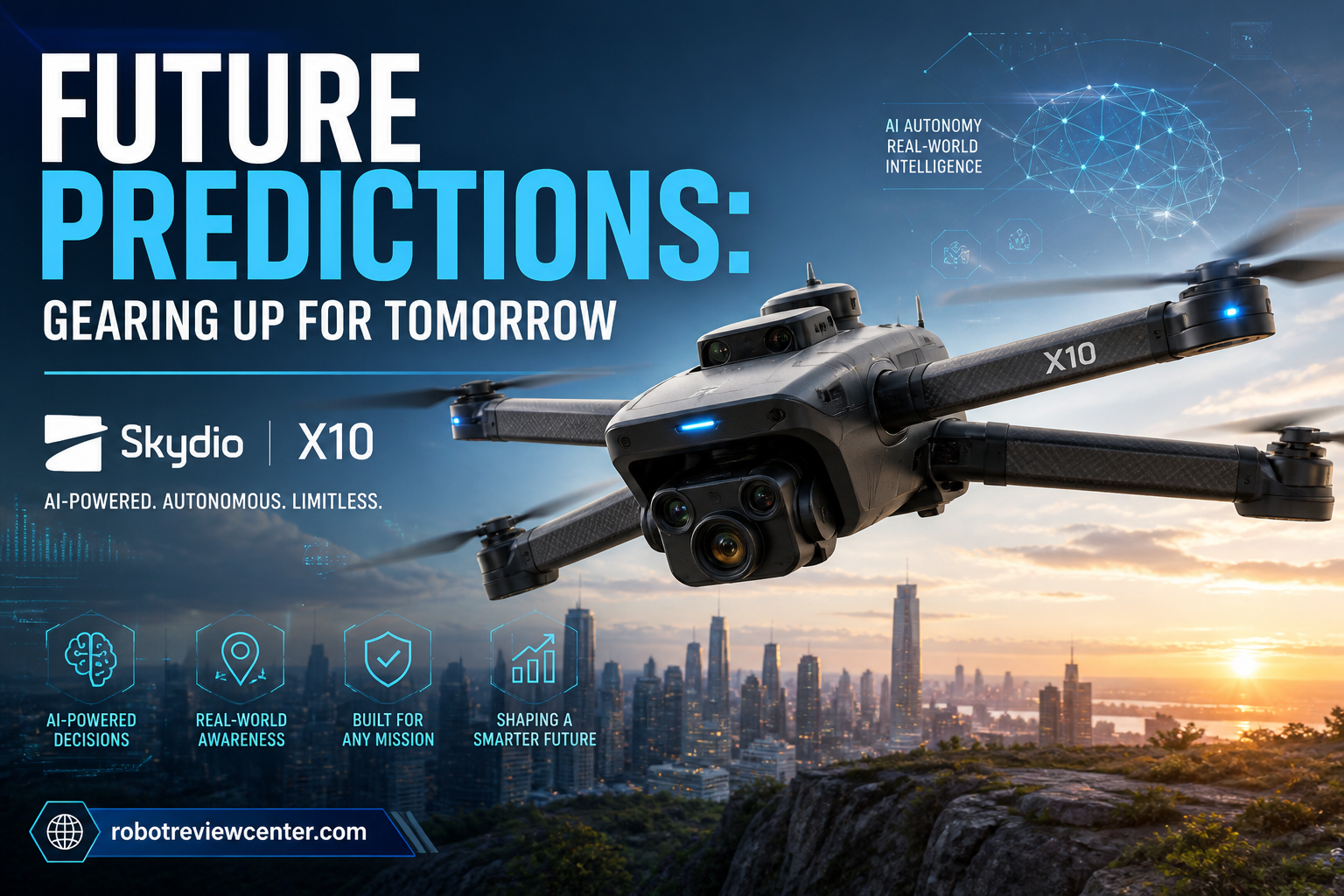
Looking ahead, what does the future hold for the Skydio X10 and the broader field of autonomous drones? As AI continues advancing, we can anticipate refinements in computational models, boosting drone intelligence and new application areas. We expect the next 3 to 5 years to witness rapid advances in AI capabilities, facilitating more intricate decision-making processes for drones.
Visions of drones participating seamlessly in urban traffic management or emerging as integral tools in industrial settings could become a reality. Partnerships between robotics firms and technology giants could further accelerate Skydio X10’s evolution, expanding horizon possibilities.
Strategic Insights: Preparing Stakeholders for Tomorrow
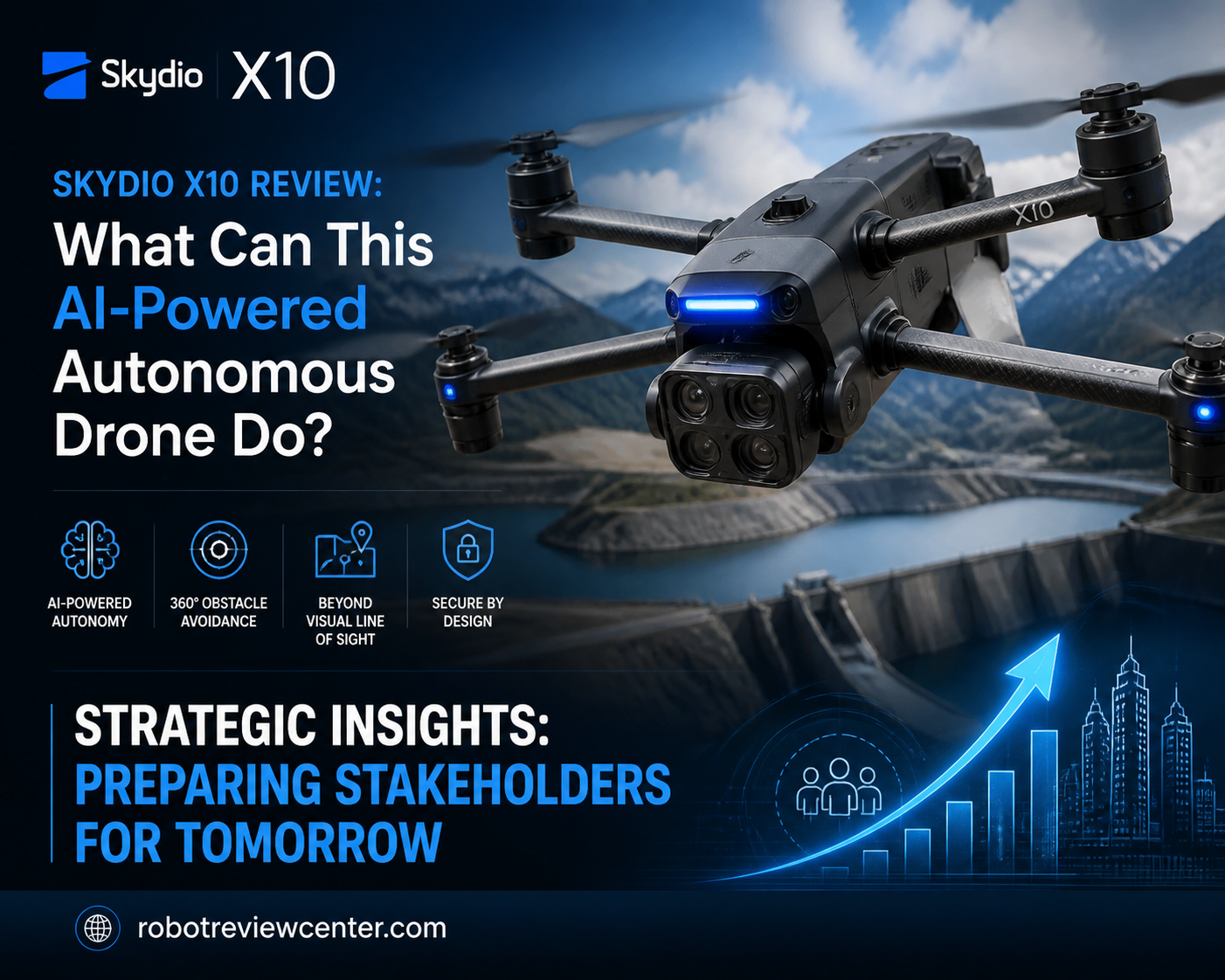
For businesses, developers, and users, embracing the Skydio X10 necessitates strategic foresight. Businesses must align operational frameworks with regulatory landscapes, while developers continue innovating within software ecosystems to enhance functionality.
Prospective users should engage in thoughtful exploration – leveraging drone capabilities effectively in enterprise applications demands perceptive planning. Building knowledge networks, sharing insights, and fostering partnerships will be instrumental in maximizing the impactful potential of the Skydio X10 within commercial spheres.
As we explore the capabilities, challenges, and potentials of the Skydio X10, it’s evident that this AI-powered autonomous drone offers much more than a simple technological leap. It signifies a shift in how drones function, perceive their environment, and ultimately, deliver unprecedented utility. Skydio has charted a course where technology flirts with autonomy, awaiting its moment to redefine industries. While hurdles exist, most notably in regulation and battery technology, this ingenious device invites us on a journey where the future feels not just conceivable but tangible.
Thomas Huynh – Admin of RobotReviewCenter.com