
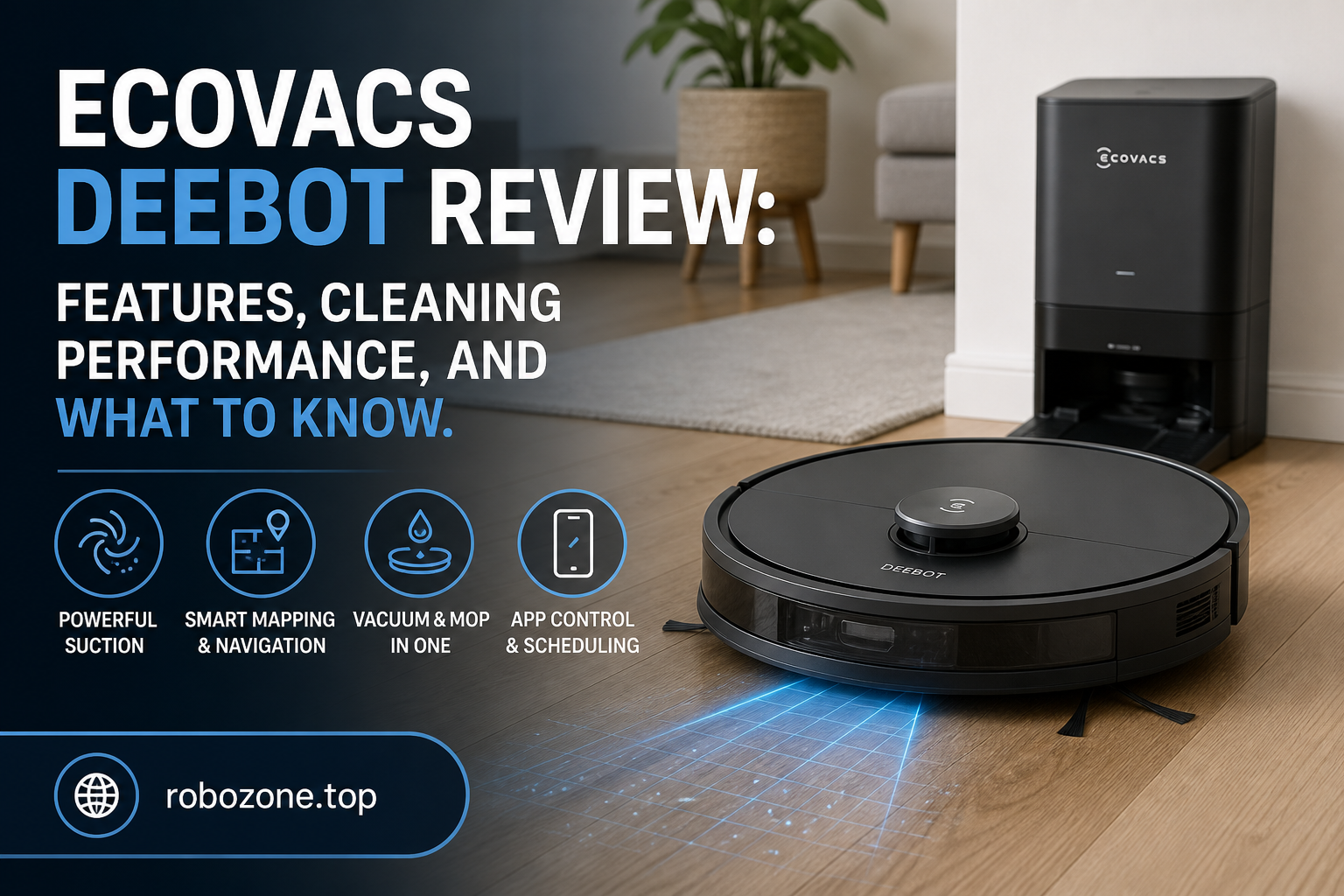
When technology waltzes into the everyday humdrum of household chores, it’s hard not to take notice. Enter the Ecovacs Deebot, a robotic vacuum cleaner promising to revolutionize the way we approach the often tedious task of cleaning. But does it live up to the hype? In this comprehensive review, we delve into the nuts and bolts of the Ecovacs Deebot, exploring its features, real-world effectiveness, and what you should know before inviting this autonomous helper into your home.
What is the Ecovacs Deebot?
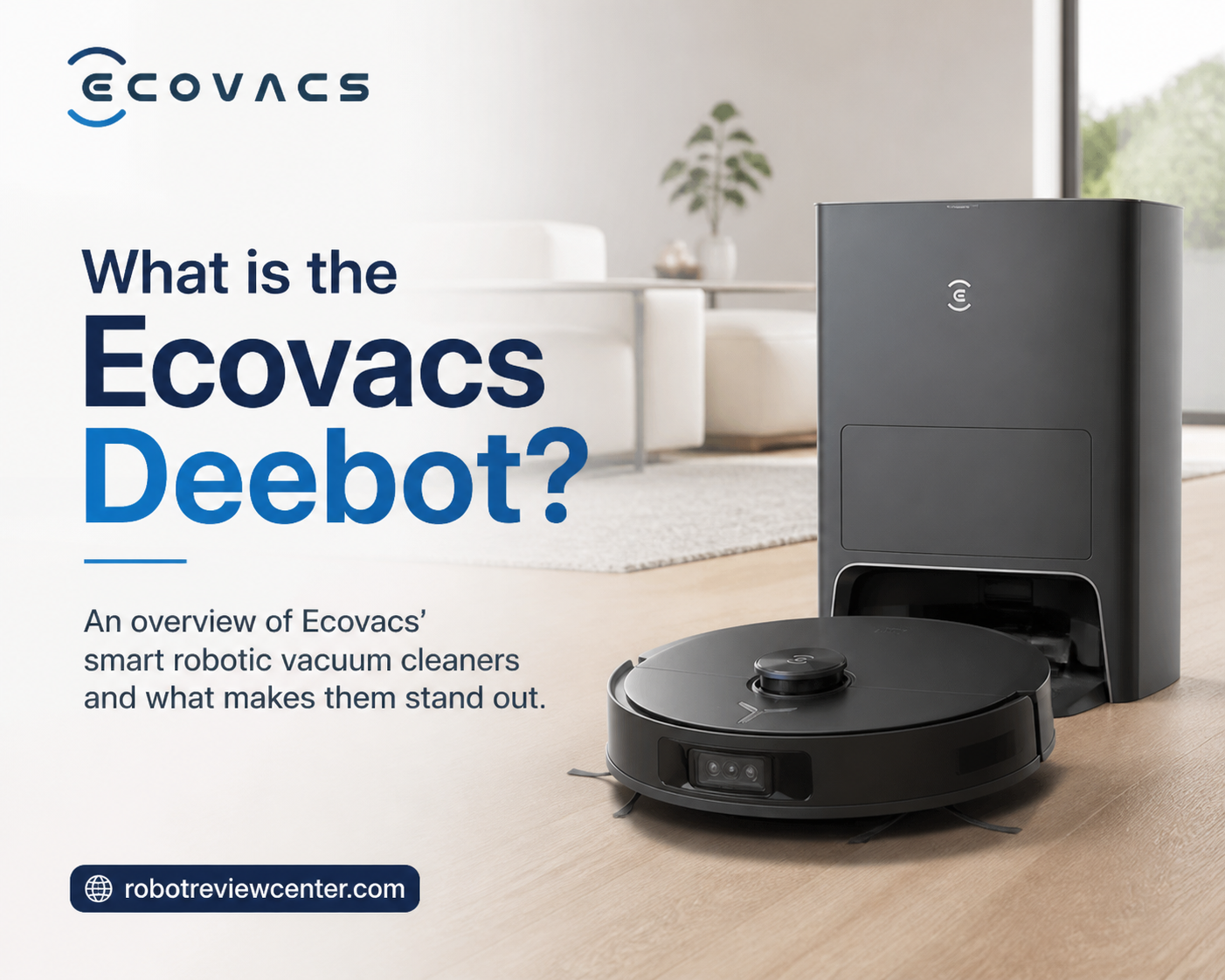
The Ecovacs Deebot isn’t your average robotic vacuum cleaner. This sleek gadget is designed to glide across your floors, ridding them of dust, pet hair, and the odd crushed cornflake. But it goes beyond mere vacuuming – many models are equipped with mopping capabilities, a two-in-one feature that sets it apart from its competitors. With a host of sensors and AI-driven smart navigation, it seeks to promise a comprehensive clean with minimal human intervention.
Core Features and Functionality
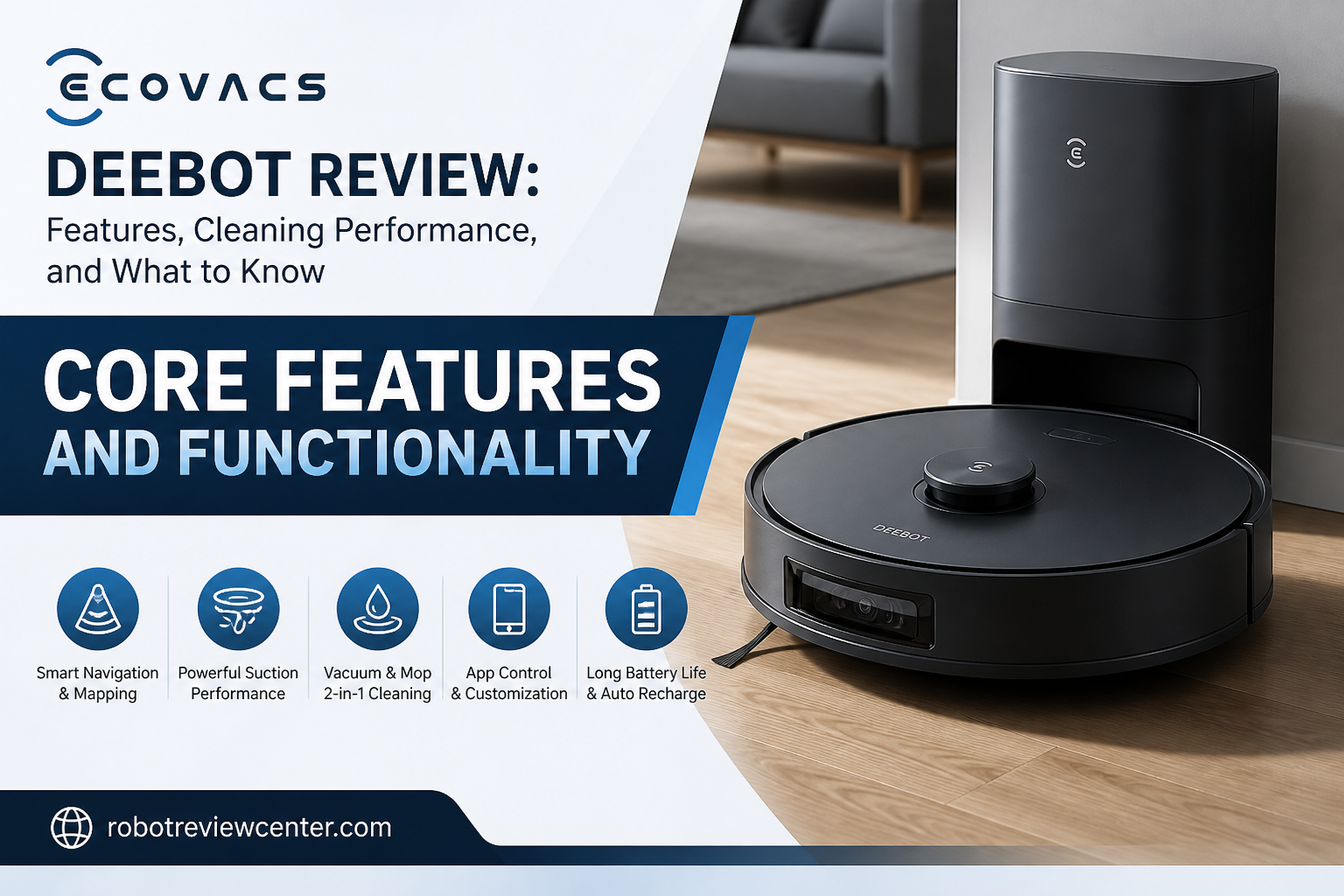
Delving into the Deebot’s core features, this device boasts smart mapping technology that creates a detailed map of your home to ensure efficient cleaning. The Deebot navigates using LiDAR technology, often seen in autonomous vehicles, allowing it to avoid obstacles and provide precision cleaning by following paths that systematically cover every inch of the floor. But where the Deebot really shines is in its ability to transition between floor types, increasing suction power on carpets while being gentle on hardwood floors.
Many Deebot models are paired with an app that allows users to schedule cleaning times, monitor cleaning progress, and even give voice commands through integrations with virtual assistants like Alexa.
The Ecovacs Technological Edge
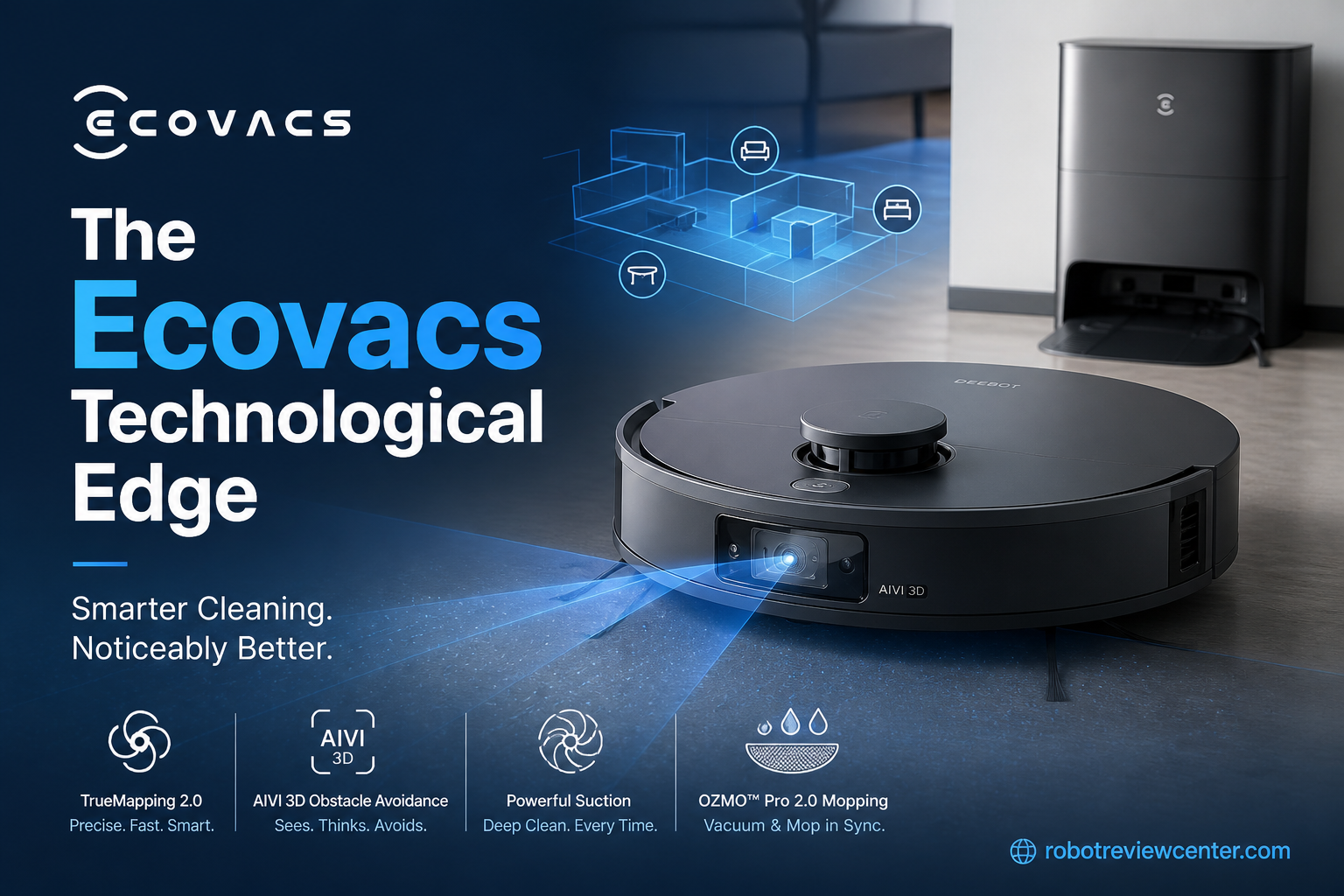
Let’s not shy away from the nuts and bolts here. The technology packed into these robots would be right at home in a sci-fi movie. The Deebot operates with state-of-the-art sensors that not only guide it but also allow for real-time adjustments during its cleaning routine. This includes its anti-drop and anti-collision sensors, making stairways and tight corners navigable without a hitch.
On the backend, the Deebot is powered by a combination of drive motors and brushless fans that work in tandem to keep operational noise to a minimum – an essential feature for anyone who’s ever hosted a conference call or tried to enjoy a peaceful afternoon while cleaning was underway.
Real-World Cleaning Performance
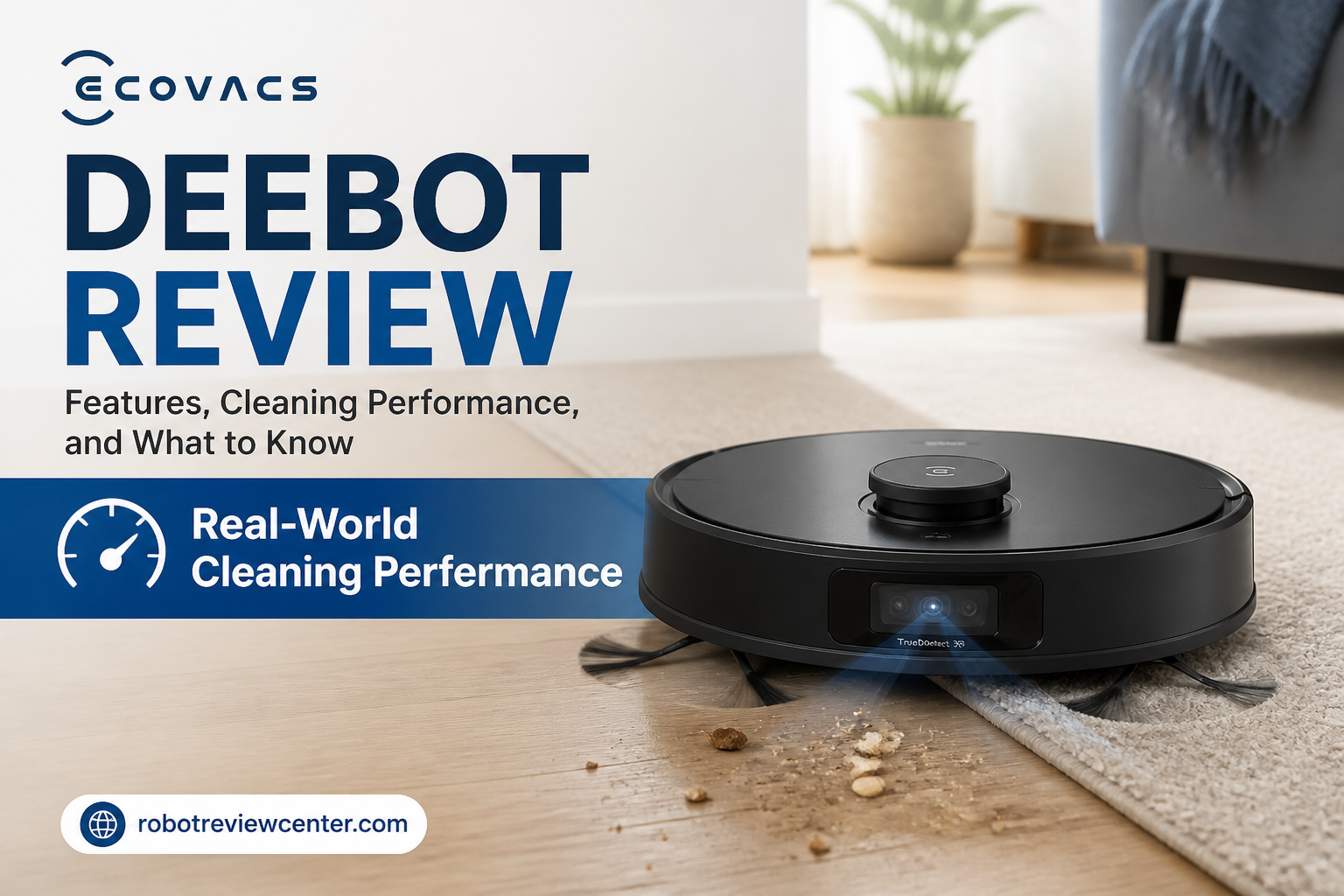
In practical terms, how does the Deebot measure up outside the realms of the lab? Testimonials from a slew of satisfied customers paint a picture of reliability and adaptability. The Deebot can distinguish between the kitchen, living room, and that all-too-often ignored space under the kitchen table where crumbs love to congregate. It’s adaptive AI allows it to adjust cleaning paths dynamically based on floor type and debris quantity, reducing the need for manual intervention.
However, is it perfect? Not quite. Some users have noted that while optimal on open floors, the Deebot can struggle with high thresholds and gets occasionally stymied by black rugs, which its sensors might interpret as a void.
Market Position and Competition
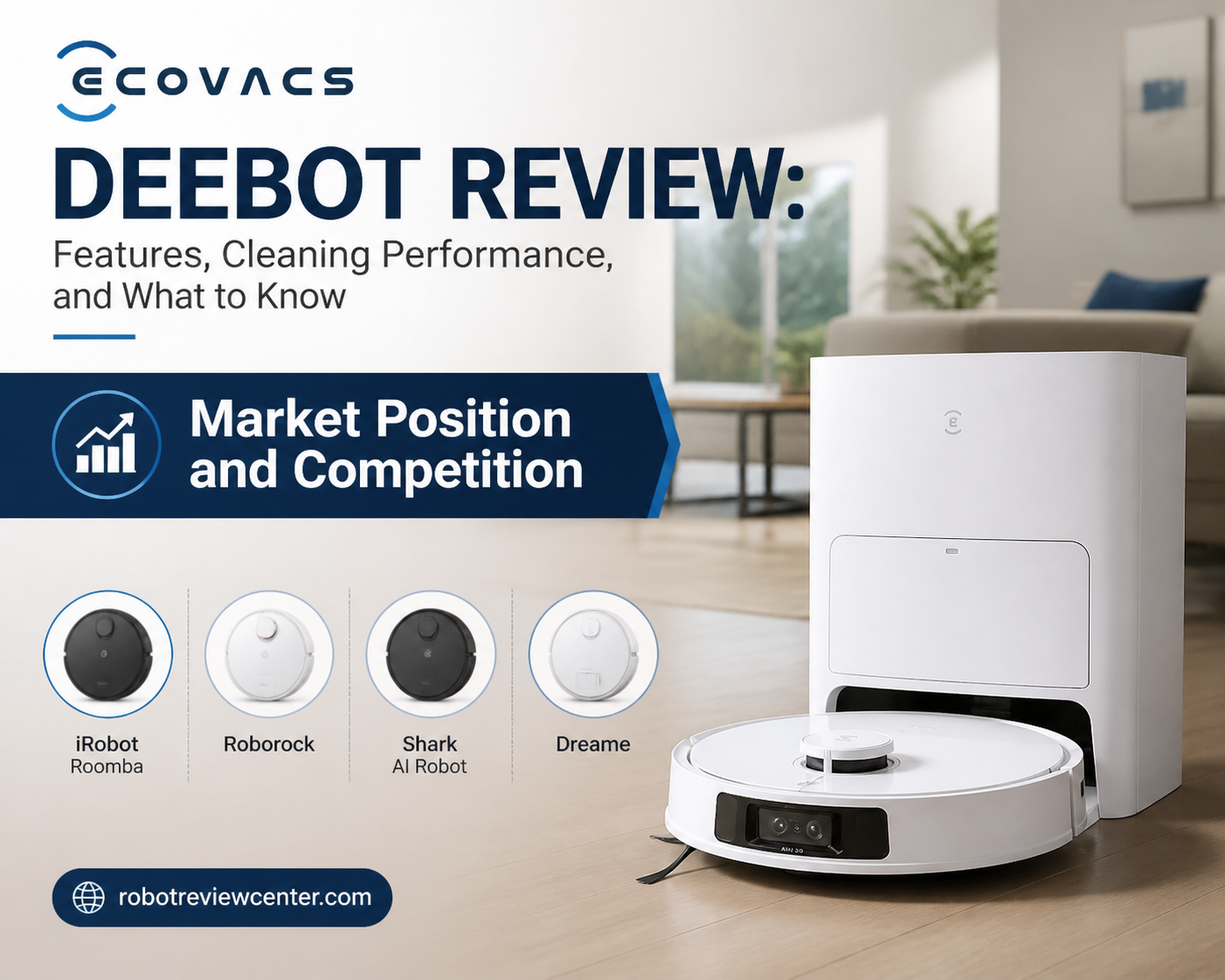
Competition in the robotic cleaning market is fierce. The Deebot battles it out with the likes of iRobot’s Roomba and the Neato Botvac. Each of these competitors offers distinguishing features, from iRobot’s improved dirt detection to Neato’s signature ‘D’ shape that targets corners with precision. But what gives the Deebot an edge is its price point, often more accessible without compromising on the innovative features one expects in a high-performance robot vacuum.
The global robotic vacuum market, projected to reach USD 14 billion by 2026, shows a rapid adoption trend enhanced by smart home technology. The Deebot aligns well with this trend, capitalizing on consumer demand for multifunctionality at a reasonable expense.
Challenges and Limitations
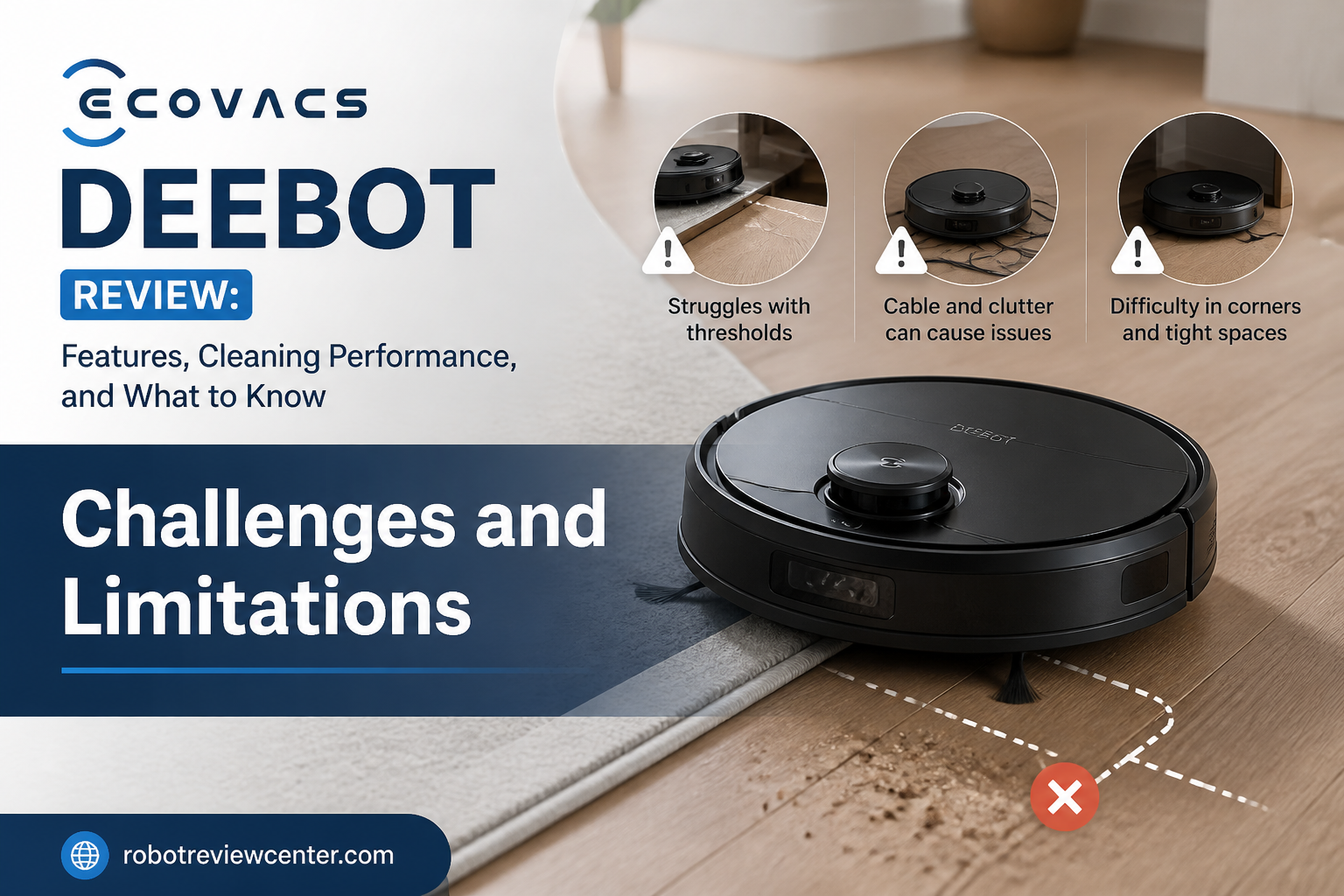
No review is complete without a fair exploration of the hitches in the gear. The Deebot, for all its strengths, is not without its challenges. Battery life remains a point of contention, with some models requiring more frequent recharges during extensive cleaning tasks. Furthermore, the initial setup procedure, especially mapping, can be cumbersome for tech novices, necessitating a little bit of patience and technical know-how.
Connectivity issues have also been highlighted, particularly with the app. These are not insurmountable challenges but represent areas where improvement could elevate the user experience significantly.
Future Predictions
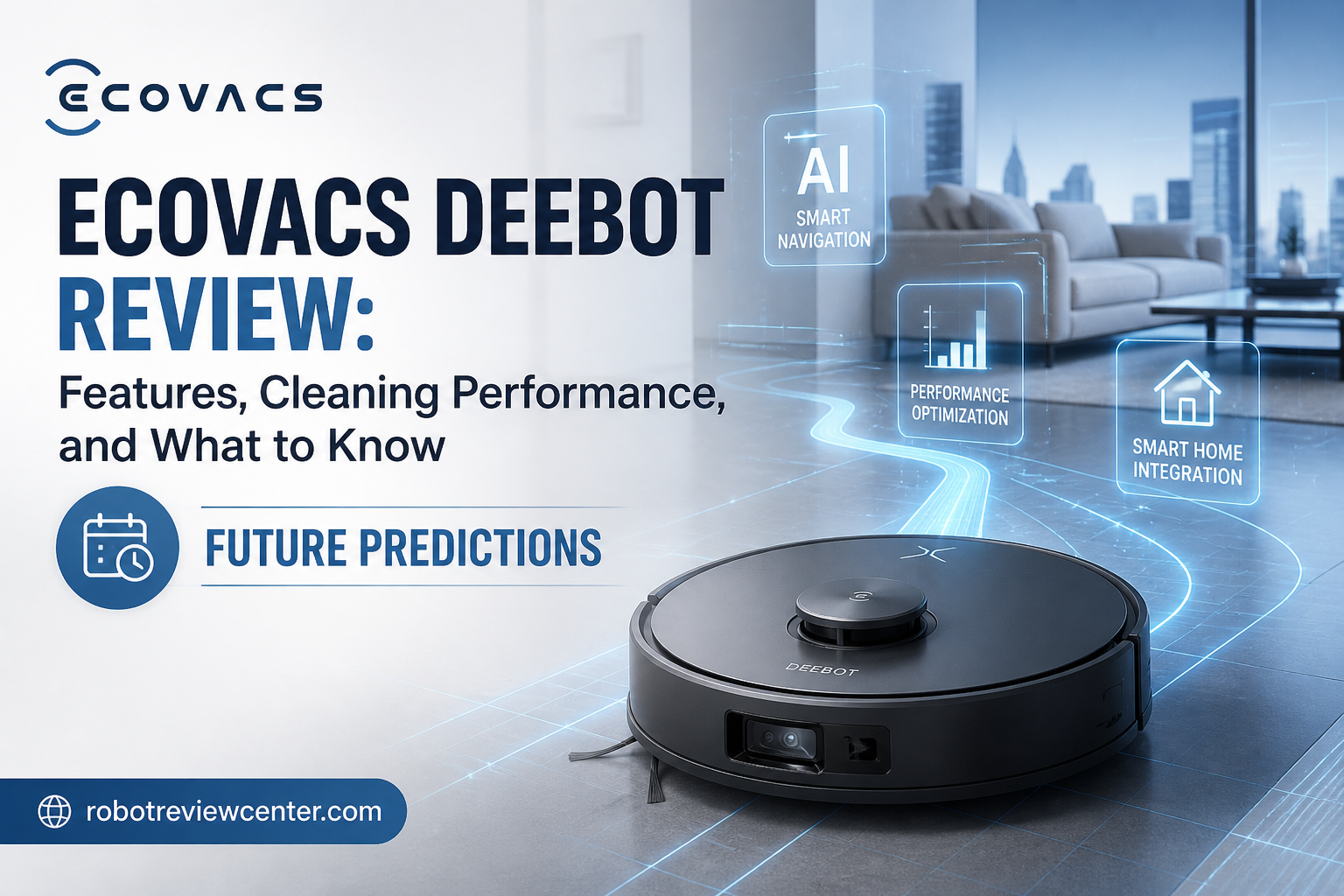
Looking to the future, the conversation isn’t just about vacuum robots roaming our floors; it’s about them evolving into centralized cleaning hubs of the smart home. In the coming 3–5 years, we can anticipate advancements in self-cleaning mechanisms, enhanced AI for better decision-making, and perhaps even capabilities for higher-level housekeeping tasks.
The gradual integration of AI and robotics into everyday life suggests a trajectory where these devices do more than clean; they become proactive solutions in our day-to-day living experience. The critical shift lies in adaptive learning, where devices like the Deebot not only execute commands but intuitively suggest improvements for household management.
So What Comes Next?
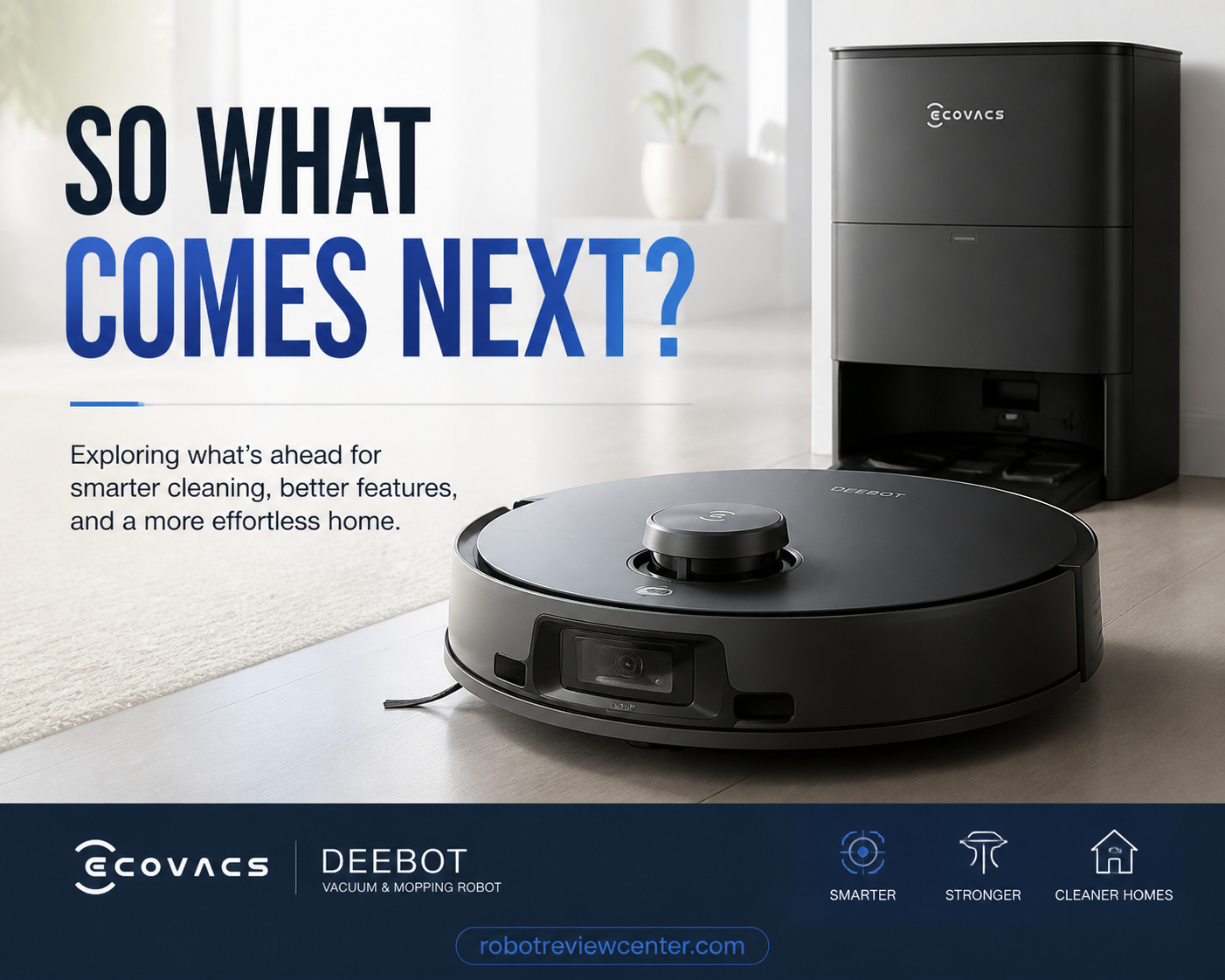
Ultimately, the Ecovacs Deebot stands as a testament to how far we’ve come in home automation. Thomas Huynh, from RobotReviewCenter.com, frequently reminds us that understanding the trajectory of this technology is pivotal. ‘It’s not just about keeping floors spotless; it’s about seamlessly integrating technology into our lifestyle for efficiency we didn’t know we could achieve.’
As manufacturers continue to innovate and refine, what should businesses, developers, and users thoughtfully consider? For users, an awareness of continuous updates and feature enhancements will ensure you squeeze every bit of value from the technology. Businesses need to reflect the growing consumer preference for eco-friendly, high-tech solutions, while developers should focus on reducing tech barriers that currently hinder user accessibility.
After all, progress marches on, whether we opt to press the start button on a robotic vacuum or hit the proverbial pause. The future of cleaning isn’t just tidy; it’s intelligent.
Thomas Huynh – Admin of RobotReviewCenter.com