
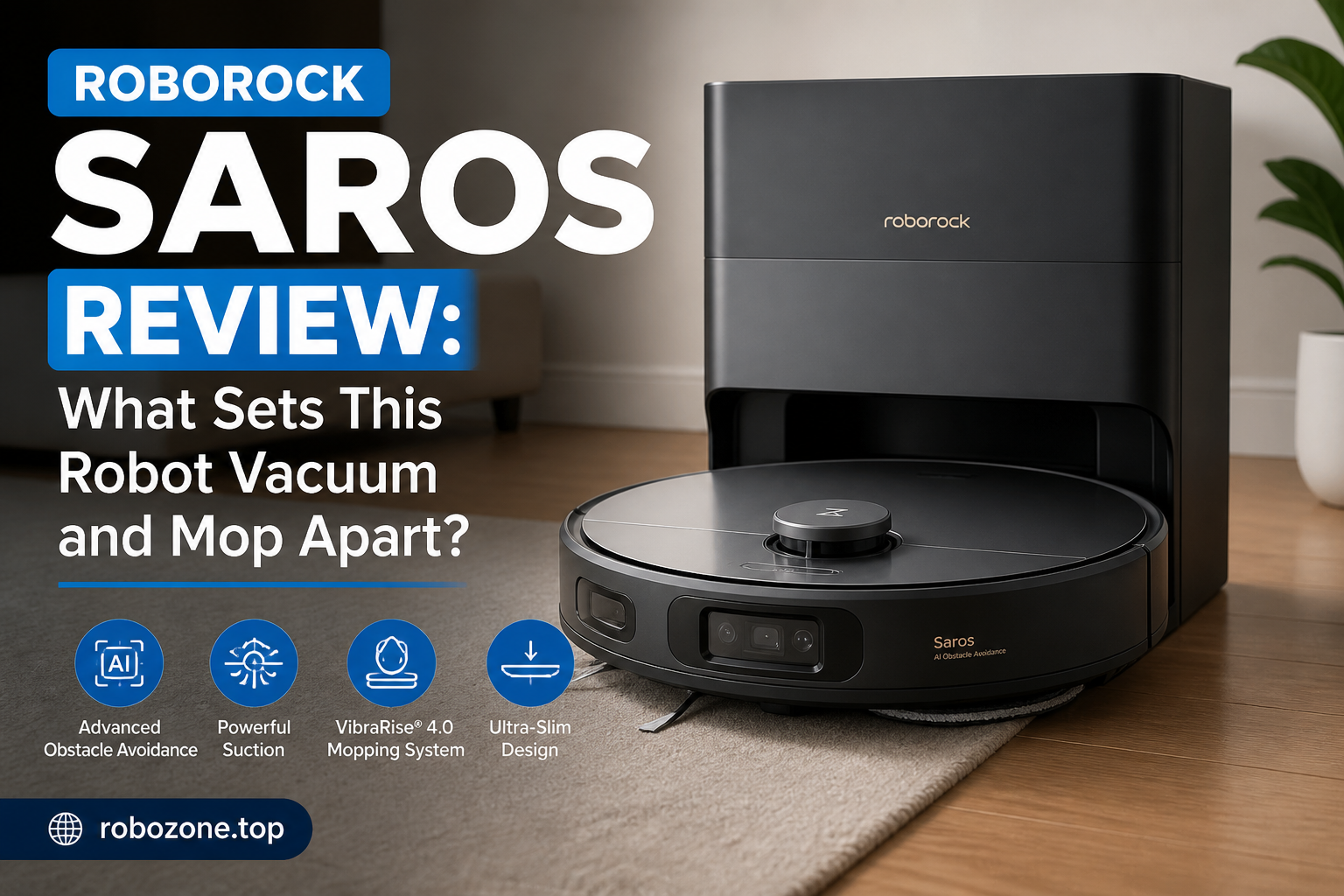
In the ever-evolving tech world, few household innovations capture the blend of convenience and advanced technology quite like robotic vacuums. Enter the Roborock Saros – a strong contender aiming to revolutionize how we perceive home cleaning. But what sets this particular robot vacuum and mop apart from the myriad of others available on the market today? Join me, Thomas Huynh at RobotReviewCenter.com, as we delve deep into the inner workings, market placements, and future outlooks for this device.
Understanding the Roborock Saros: A Brief Overview
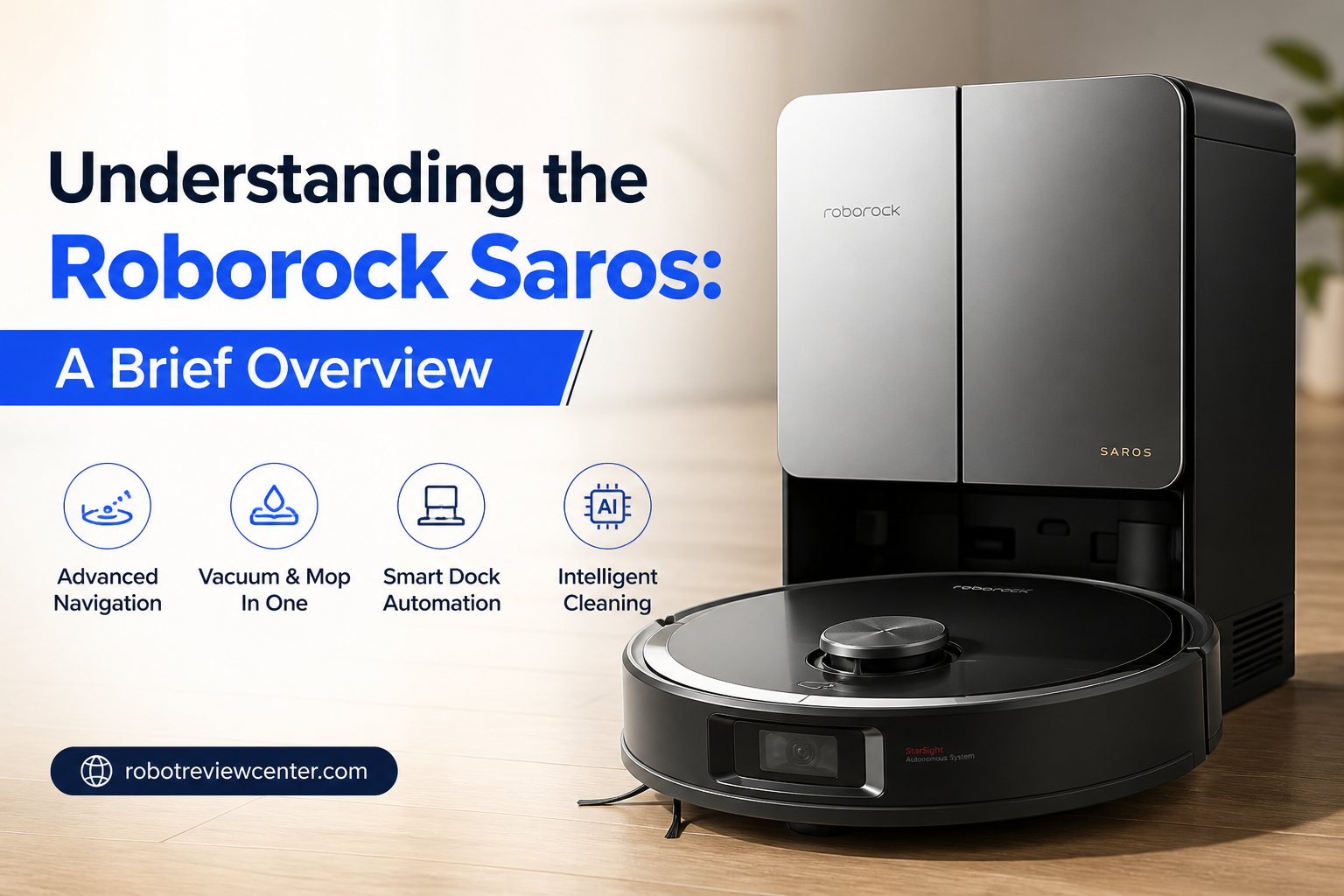
The Roborock Saros is not just another addition to the lineup of robot vacuums – it is a device that showcases the finest intersection of modern engineering and practical household needs. This machine integrates dual functionalities, vacuuming and mopping, under a singular dynamic system that promises efficiency and cleanliness. By leveraging the power of precision sensors and optimized software, the Roborock Saros claims to cover large swaths of floor surface efficiently while adapting its actions according to specific cleaning demands.
Developed by a team that remains at the cutting edge of robotic home cleaning technology, the Roborock Saros combines mechanical design with sophisticated AI algorithms. These components work in tandem to create an autonomous cleaning device capable of learning and adapting to its environment over time. But in a world where every company claims their robot is ‘the best’, what makes Saros different?
The Mechanics Behind the Machine
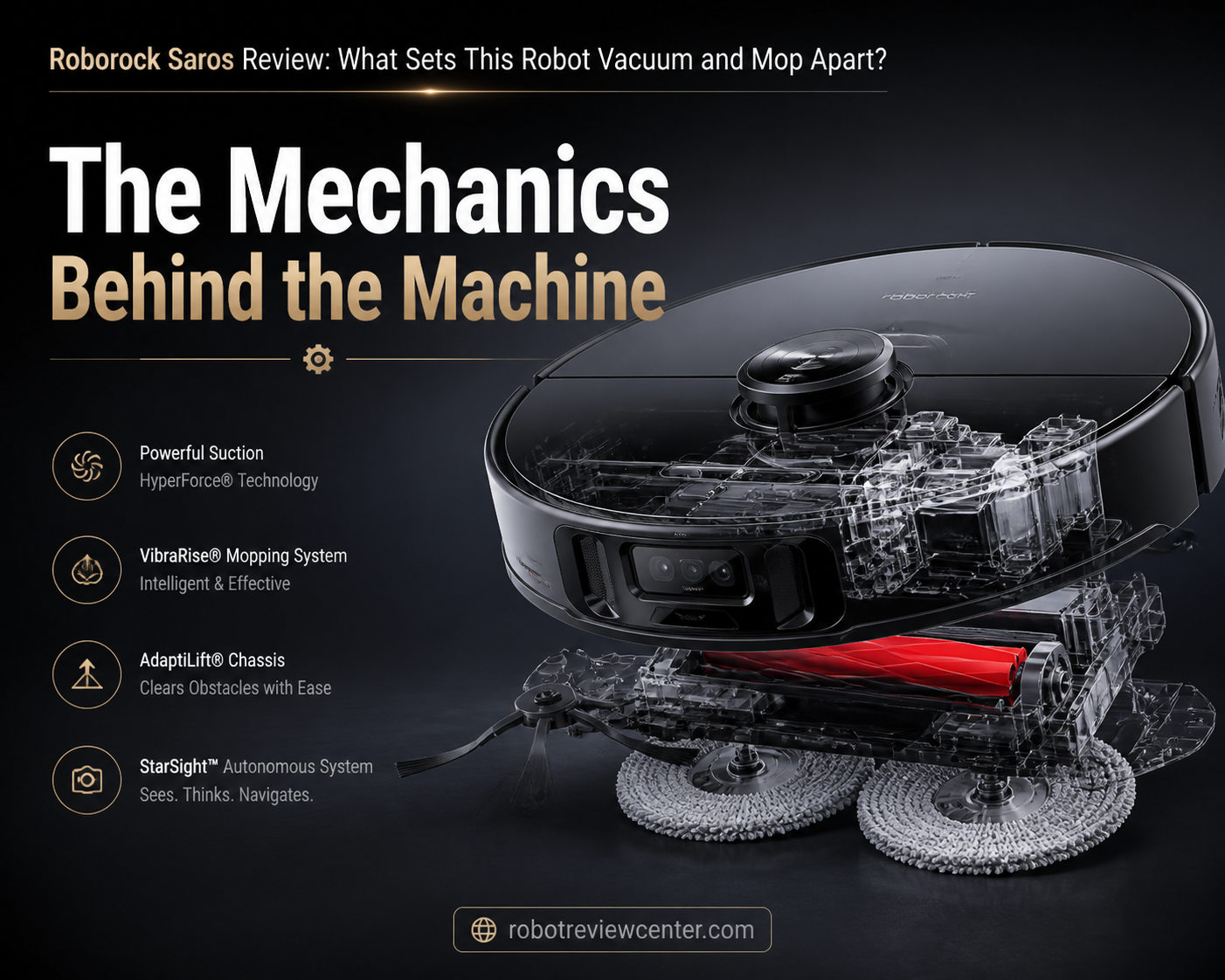
What truly defines the Roborock Saros starts within its build. The device boasts advanced LiDAR navigation, enabling intricate spatial understanding and precision in mapping environments. Integrating simultaneous localization and mapping (SLAM) technology allows the Saros to create and retain highly detailed maps of the spaces it cleans—something crucial when maneuvering around obstacles in a home.
Furthermore, the Roborock Saros uses a combination of multi-directional wheels and a precisely structured design, enabling it to transit across various surfaces seamlessly. It’s this versatility and mechanical robustness that put the Saros in close competition with top-tier models like the Roomba S9 or the Eufy RoboVac series.
Understanding the complexity of its components can be likened to analyzing the orchestra of sensors working harmoniously; only when this synthesis is fully appreciated can users understand why the Saros performs with such efficiency.
A Peek Into Its Brain: AI and Computing Technology

The magic behind Roborock Saros is its utilization of AI models that make it more than just a cleaning tool—it’s an evolving machine. NVIDIA’s high-performance processing hardware lies at its core, delivering the operations necessary for instant data processing and on-the-fly adjustments.
The deployment of AI manages not only real-time path adaptation but also environmental learning. As days turn into weeks, Saros’s algorithms morph and customize its paths and strategies based on user patterns and environmental changes, much like an experienced butler intuitively refining his service over time.
Beyond cleaning routes, the AI system is also fundamental in its ability to detect high-traffic areas, automatically adjusting suction power for thorough cleaning—a feature declared as revolutionary compared to older models that employ more rigid, pre-programmed patterns.
Real-World Applications: More Than Just Home Cleaning
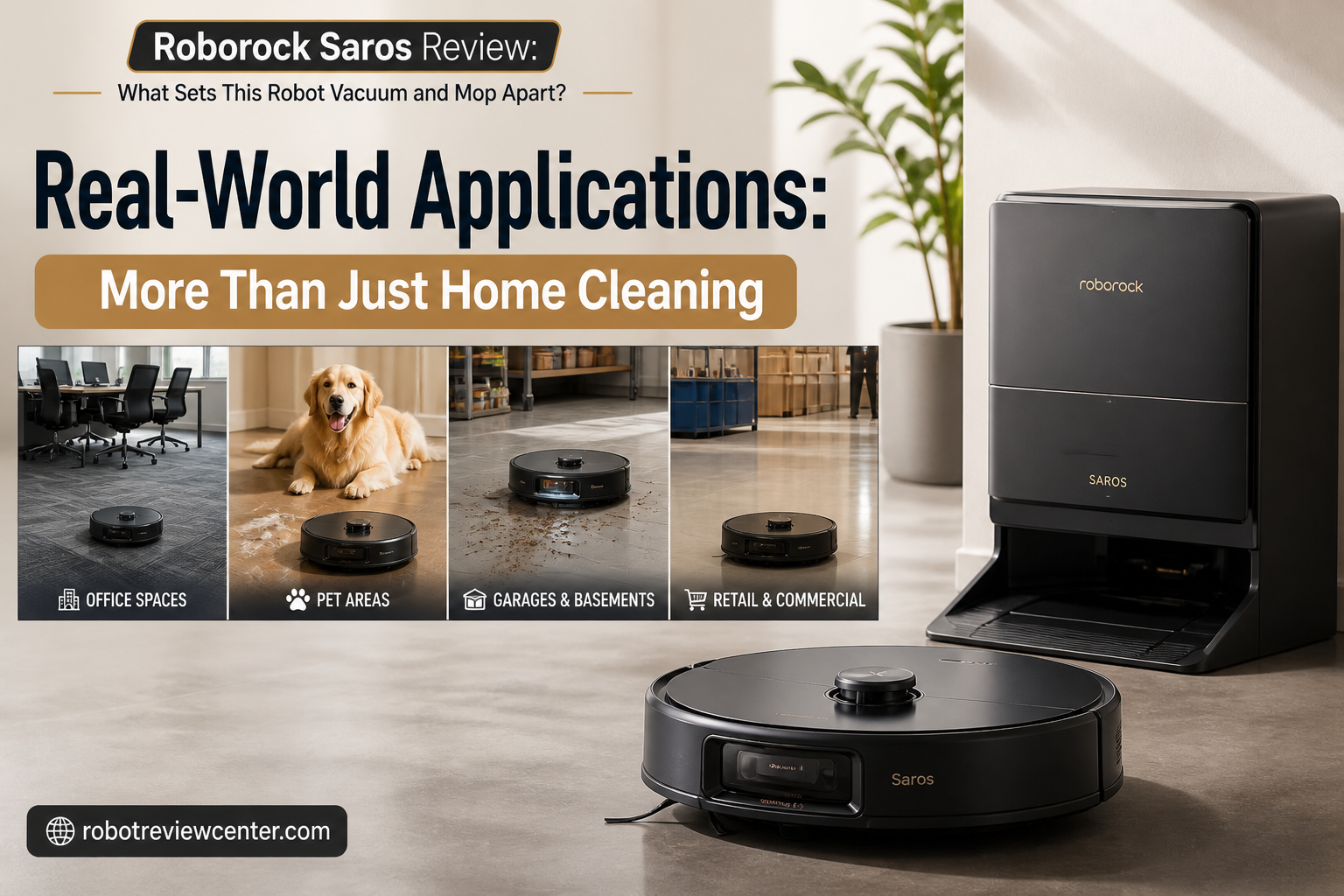
While the Roborock Saros primarily markets its abilities to cater to household hygiene needs, its technologies shore up potential applications far beyond this particular domain. As AI models advance and adaptations become seamless, we anticipate Saros-like devices migrating to small-scale hospitality businesses, offices, and even healthcare environments where autonomous cleaning is not merely a luxury but a necessity.
For instance, in small studio apartments typical of urban environments or mid-sized salon spaces, the Saros’ automatic area-specific cleaning ensures that it efficiently maximizes cleanliness while effectively minimizing manual supervision and intervention. This level of autonomy and space management showcases its market adaptability beyond simple home settings.
Market Standings and Future Directions
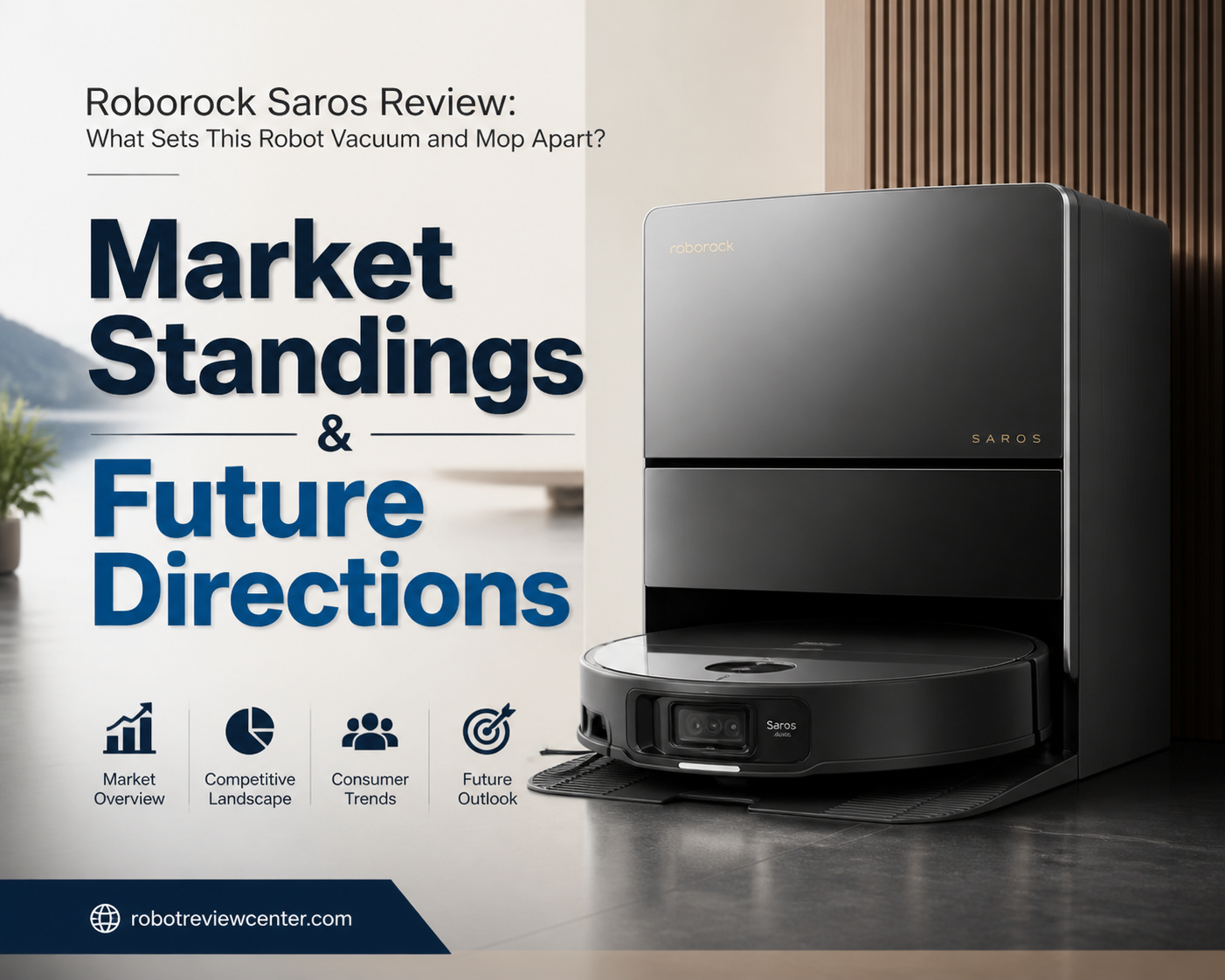
The global market demand for robot vacuums is showing prodigious growth, driven by increasing consumer demand for smart home technology. According to MarketsandMarkets, the estimated compounded annual growth rate (CAGR) suggests a burgeoning market projection, further fueling innovations like those seen with the Roborock Saros.
However, Roborock’s real strategic edge might well lie in its future insights. By integrating data analytics to offer personalized cleaning experiences based on user preferences and historic trends, Roborock can potentially transform their robots into intelligent home companions.
While the existing competition cannot be underestimated, companies like iRobot and Dyson maintaining robust market shares, understanding the shifts in consumer habits can provide a subtle but substantial advantage.
Challenges and Limitations in Current Models
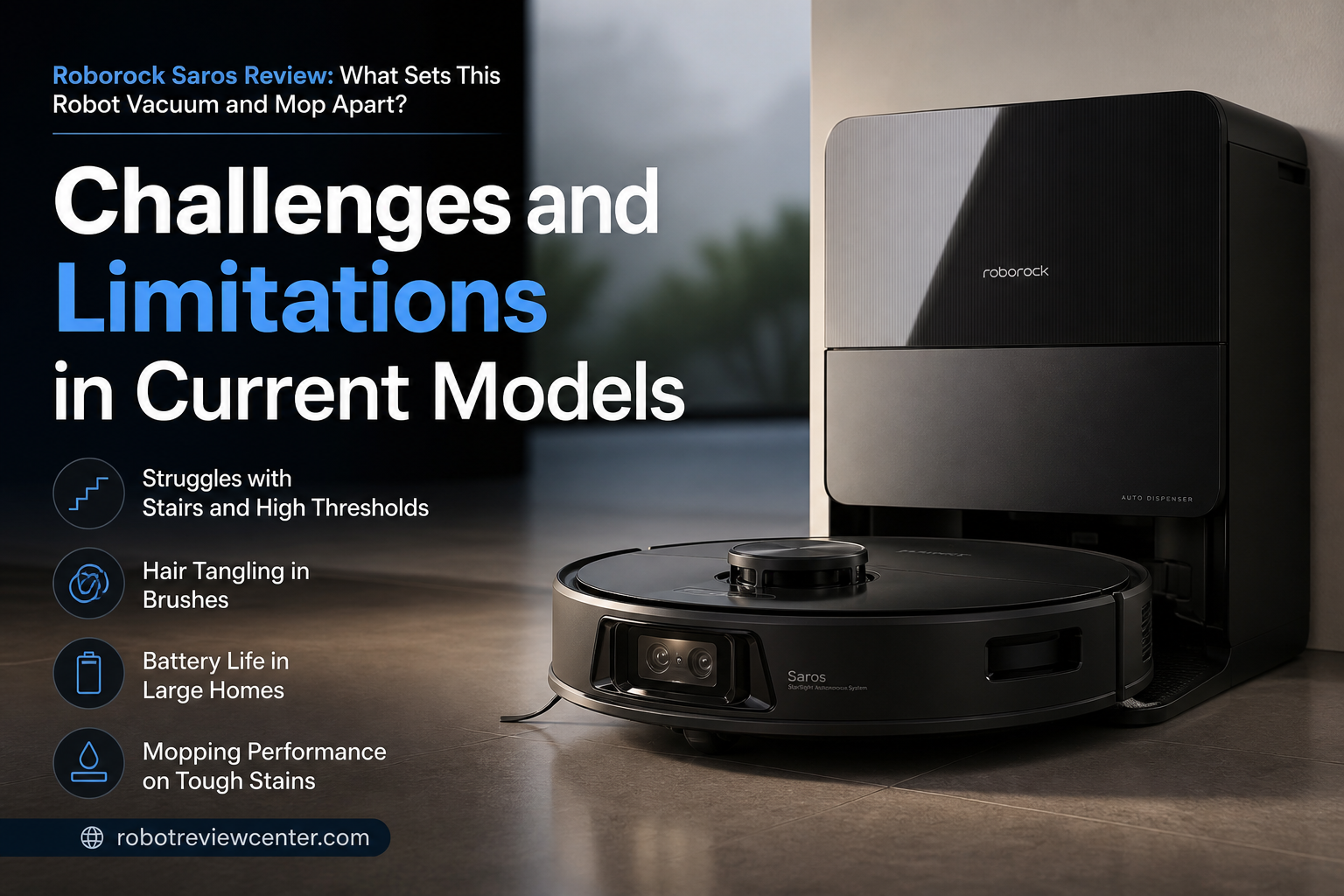
Despite a highly polished presentation, no technology comes without its challenges. One noted challenge with the Roborock Saros is its occasional difficulty navigating very tight spaces or unpredictable environments due to its size and sensor limitations. Such challenges mirror those in other products; however, the expectation from potential customers often remains inexplicably high due to promotional narratives and past experiences.
Moreover, battery life remains today’s Achilles’ heel for many vacuum robots. Although Roborock’s battery life is adequate for a moderate-sized home, larger areas may require recharging interruptions.
Additionally, the continued reliance on Wi-Fi can still pose security concerns for some users wary of smart technology entries into private corners of their world.
Strategic Considerations and Insights
For businesses and developers looking to dive deeper into the smart home market, it’s vital to focus on adaptable technologies like those utilized by the Roborock Saros. Identifying user behavioral patterns and seamlessly integrating more personalized cleaning schedules can add significant offerings beyond the typical smart home gadget.
Users, on the other hand, should educate themselves about the evolving capabilities and limitations of devices like Saros. As much about maintenance as about technological prowess, understanding how this device can fit into your lifestyle (and most importantly, your cleaning quirks) will optimize usage.
So where does this leave us? With Roborock Saros, we resonate a powerful reminder that technology doesn’t just forge forward through innovation alone—it evolves by learning from interactions with real world-use cases. As we continually investigate the remarkable potential within these devices, the Roborock Saros emerges as a useful protagonist in the story of modern home improvement technology.
With every hum of its motor or glide across tiled floors, Saros asks us, the users, to imagine a home where our time is reclaimed, and our focus redirected from menial chores to the broader canvas of living. The future of robotic cleaning sees more than just homes transformed—it promises a lifestyle elevated.
Thomas Huynh – Admin of RobotReviewCenter.com