
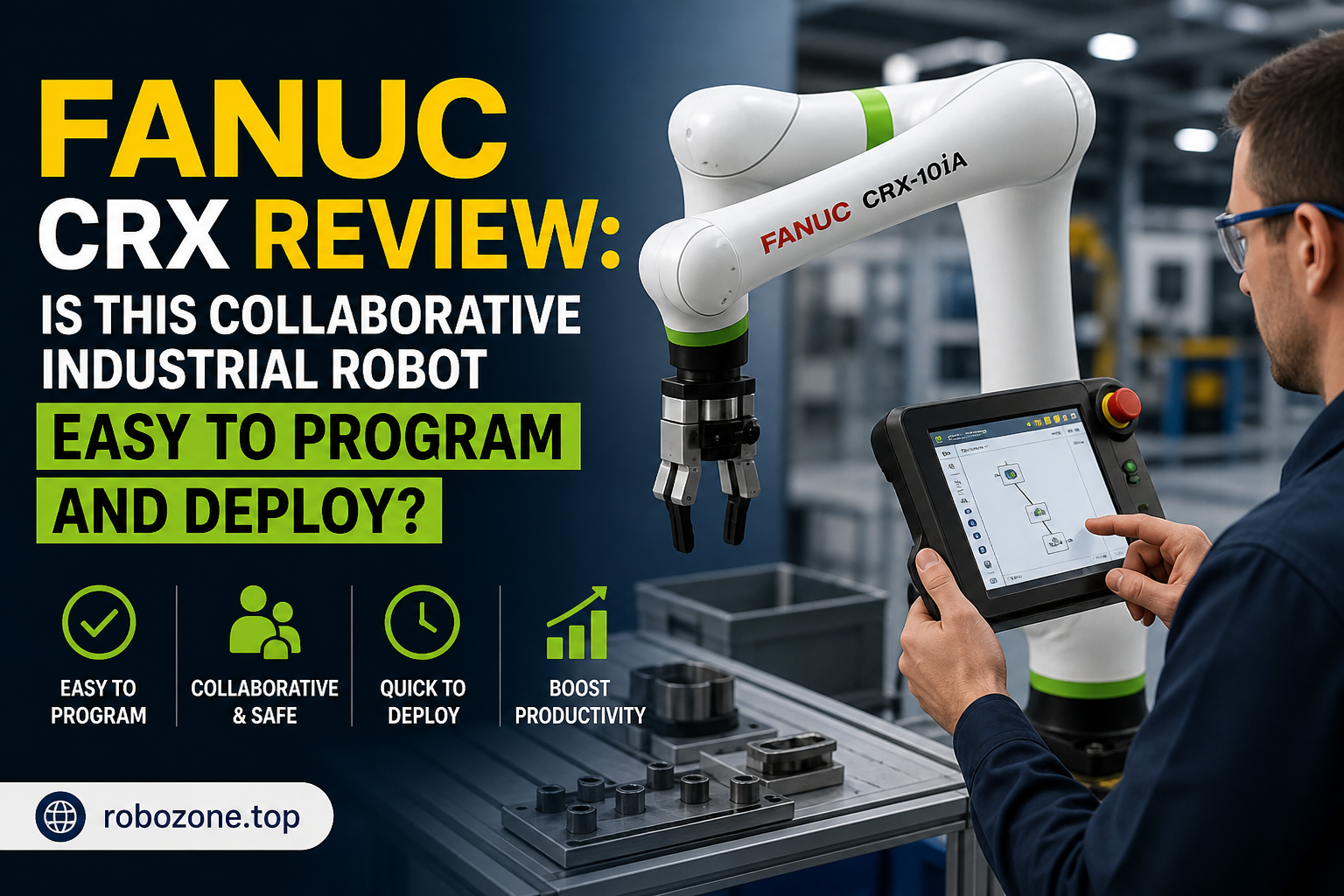
In an era where industrial efficiency is no longer just an advantage but a necessity, robots have steadily claimed their place alongside humans on the factory floor. Among them, the FANUC CRX series has garnered attention as a versatile collaborative robot, highlighting claims of easy programming and deployment. But as the quest for robotic assistance intensifies, it’s crucial to delve beyond marketing pitches to understand true capabilities and practicalities. So, does the FANUC CRX live up to its promise? Join me, Thomas Huynh from RobotReviewCenter.com, as we unwrap the layers of this intriguing machine, assessing its potential and pitfalls alike.
Understanding the FANUC CRX: A Brief Overview
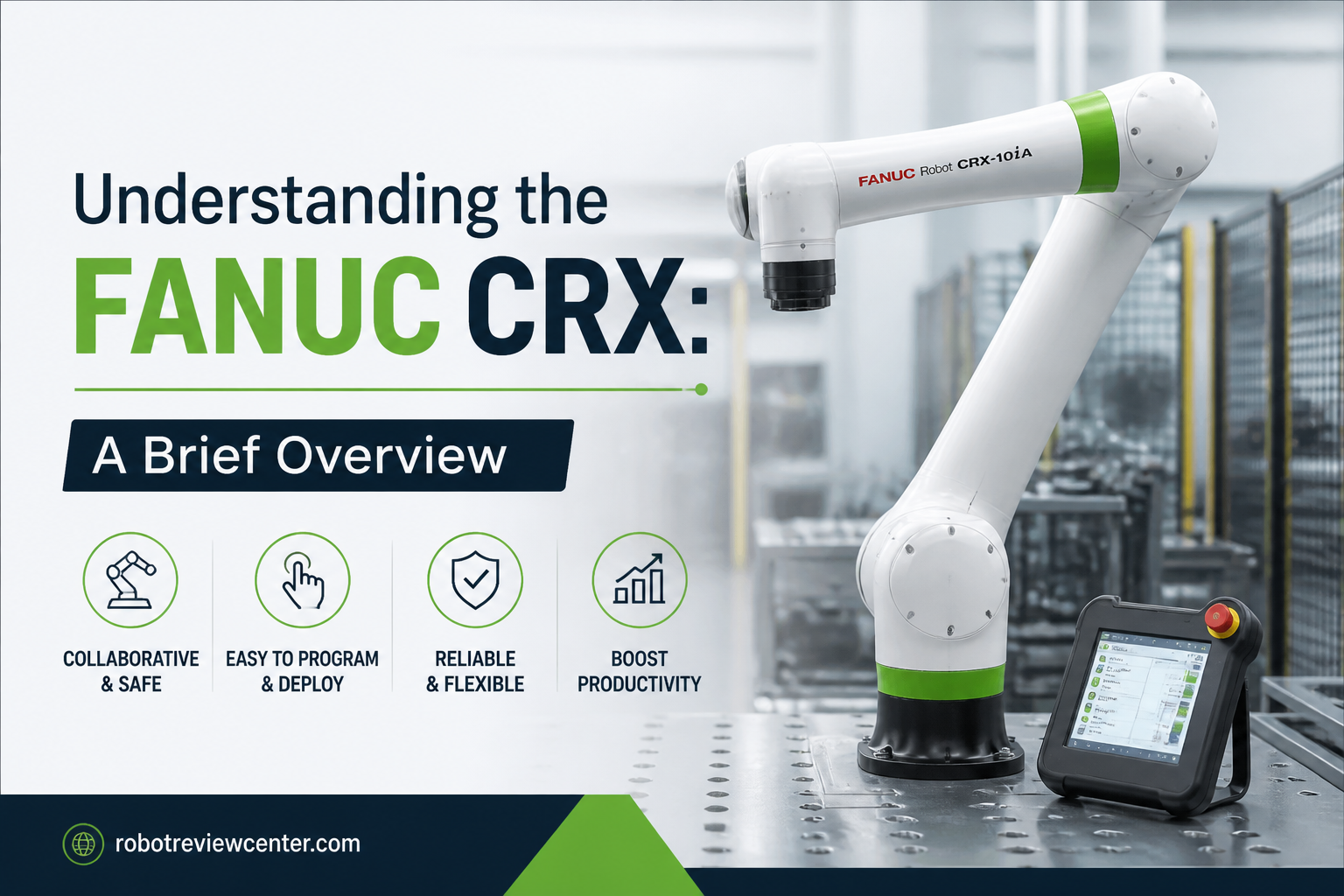
The FANUC CRX is a collaborative robot—or ‘cobot’—designed to work alongside humans in a shared workspace. Unlike its more traditional counterparts that often require physical barriers for operation, the CRX aims to be user-friendly and safe. Released by Japan-based FANUC Corporation, a leader in automation technology, the CRX represents an effort to democratize robotic programming and deployment.
Collaborative robots like the CRX are meant to integrate smoothly into existing workflows, minimizing disruption and maximizing efficiency. Key to the appeal of these cobots is their touted simplicity in programming, allowing handlers with minimal technical background to engage with them effectively. This simplicity, however, is not at the cost of capability—FANUC claims that the CRX can adapt to numerous tasks across various settings.
Technical Insights and Core Specifications
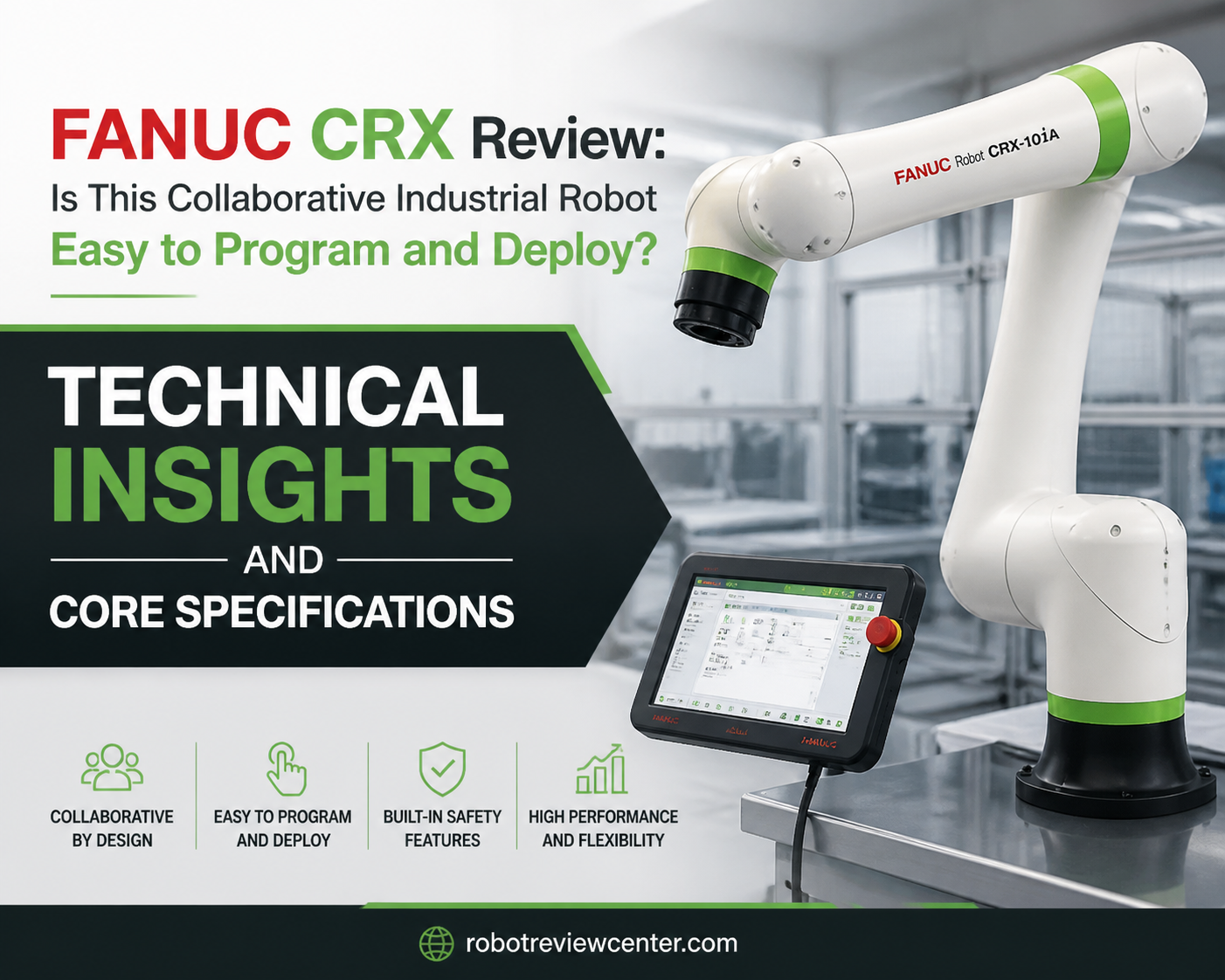
The FANUC CRX comes equipped with a 6-axis arm, offering a payload capacity of up to 10 kg and a reach of around 1249mm. This combination of flexibility and strength enables it to perform tasks ranging from basic assembly to intricate machine tending. Its design includes sensitive force sensors, ensuring safe human-robot interaction by instantly halting operations upon detecting abnormal forces.
For even greater adaptability, the CRX utilizes a user-friendly touch interface, guiding operators through the robot’s myriad functions without necessitating in-depth coding skills. Under the hood, the CRX is driven by FANUC’s proprietary software, supporting seamless programming through intuitive drag-and-drop features. Moreover, the integration of sensors and advanced AI enhances task efficiency, situating the CRX favorably in the expansive landscape of industrial robotics.
Real-World Applications Across Industries
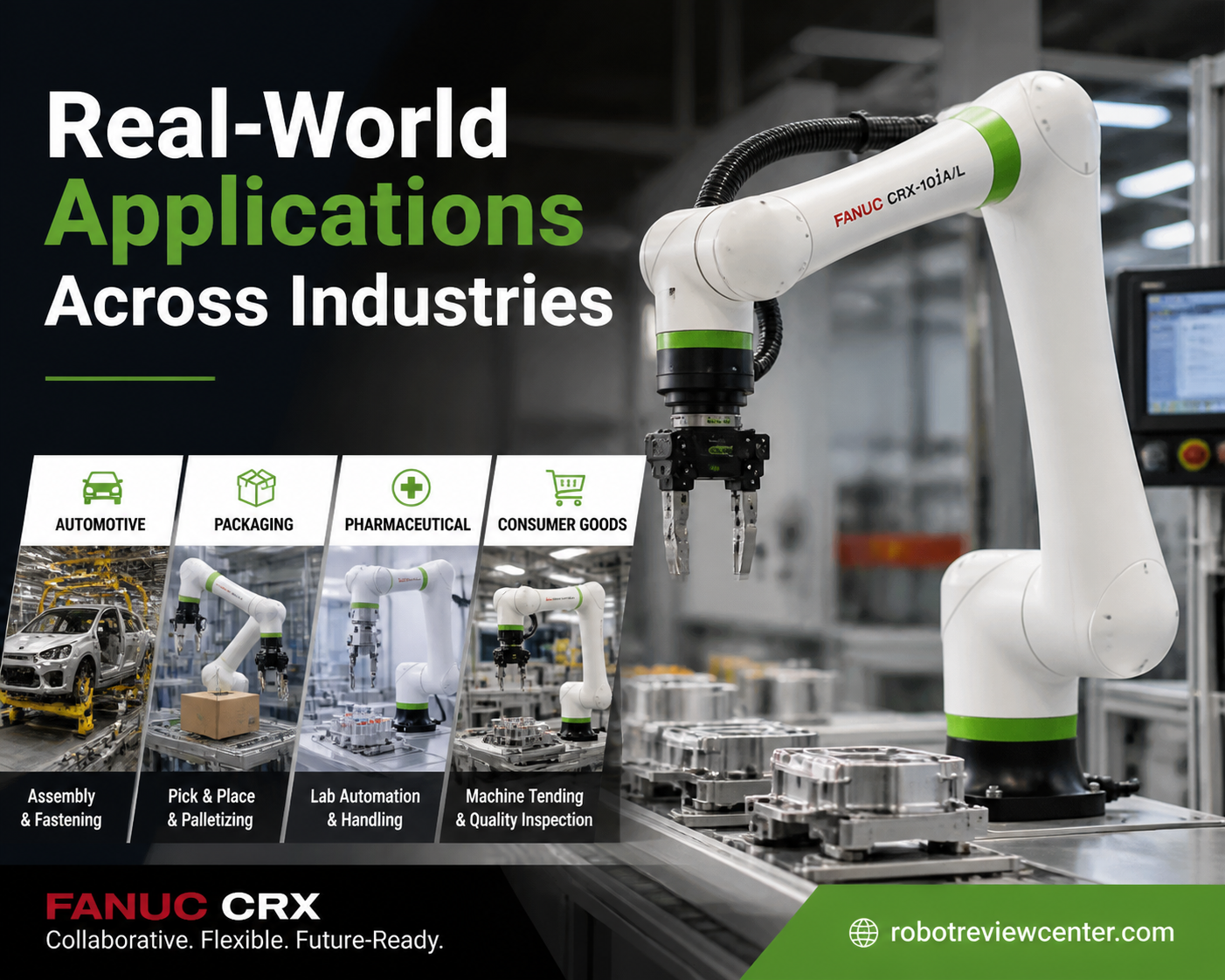
Beyond its technical specifications, the FANUC CRX boasts a portfolio of real-world applications across numerous sectors. In manufacturing, its role can be as varied as an assembly assistant or a quality control inspector, seamlessly adapting its programming to fit each unique requirement.
In warehousing and logistics, the CRX demonstrates dexterity by optimally sorting and categorizing products. Meanwhile, in fields like healthcare, the cobot’s precision in handling sensitive instruments shows promise, although widespread adoption remains in experimental stages. Each application that the CRX explores corroborates its claim to flexibility and advanced collaboration capabilities—suggesting a broader potential within diverse industrial landscapes.
AI Models, Sensors, and Robot-Powered Intelligence
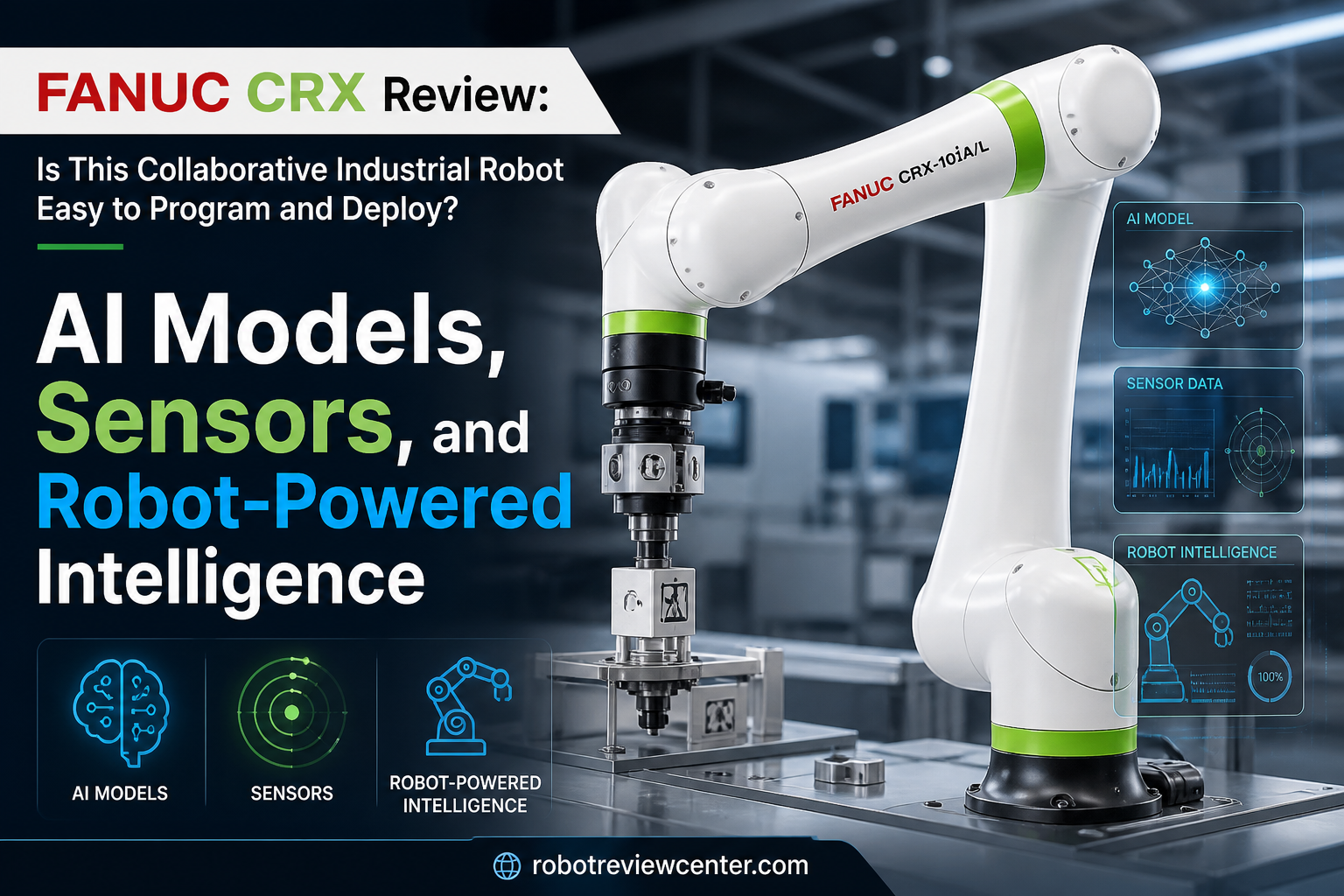
Diving deeper into its technological framework, the FANUC CRX relies on AI models that enhance its operational intelligence. The integration of machine learning algorithms augments the robot’s ability to not only execute programmed tasks but to adapt through identification and rectification of inefficiencies over time.
The robot’s sensor array is augmented with vision capabilities, allowing the CRX to deftly navigate spatial challenges. FANUC’s continued investment in AI development underlines their commitment to heightening the robot’s operational fluency—further details of which remain under wraps from public documentation.
Challenges and Limitations
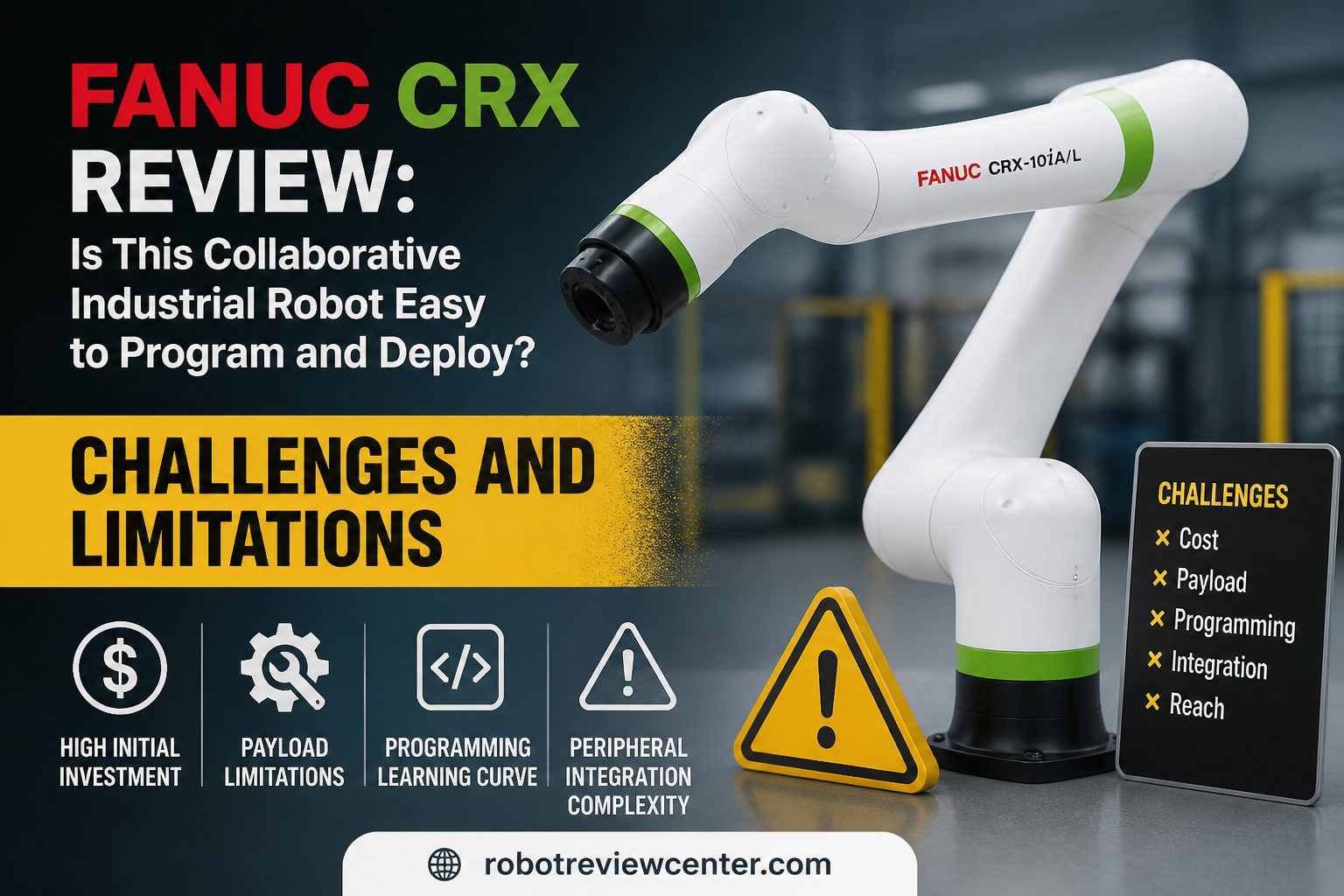
Despite the applause it garners, the FANUC CRX is not without its challenges. Programming ease, though advertised, can vary considerably depending on the task complexity. The cobot’s capabilities are heavily influenced by sensor calibration and existing infrastructure compatibility, which can necessitate additional investments to tailor its functionality to specific industrial needs.
While FANUC’s expertise is undeniable, novices may encounter steep learning curves when pushing the bounds of what’s feasible without extensive support or customization. This is where potential users must weigh the lure of low-barrier programming against long-term feasibility and operational demands.
Market Analysis and Economic Impact

Market analysis points to an upswing in collaborative robot adoption, with growth projections signaling significant expansion by 2026. Collaborative robots such as the CRX play a critical role in this market evolution, providing tangible impact on labor substitutions, efficiency gains, and overall production scalability.
However, entry into this robotic ecosystem mandates financial considerations beyond the initial investment. Companies are advised to evaluate not only the sticker price but factors such as maintenance, updates, and training costs. As industry momentum grows, so too does the need for judicious budgeting—elements that resonate strongly with both apprehension and enthusiasm projected onto the FANUC CRX.
Strategic Insights and Future Predictions
Looking towards the future, it is essential for businesses to align their strategies with emerging trends in automation. Collaborative robots like the CRX are not set in stone; they evolve through continuous updates and technological breakthroughs, potentially creating new paradigms in workforce dynamics.
Predictive analytics anticipates a growth trajectory where precision, adaptability, and human-robot synergy continue defining factors. As Thomas Huynh often reminds us, “Keeping an eye on the long-term game is pivotal in understanding the robotics realm.” Companies would do well to invest in talent development and infrastructure redesigns that embrace this evolving landscape.
So where does this leave us? The FANUC CRX, despite its challenges, represents a key chapter in the current wave of collaborative automation. This story is still unfolding as we explore the nuances of human-robot synergy, a narrative of immense potential tempered by practical realities. The question isn’t merely about the CRX’s capabilities as marketed but about how these capabilities can be harnessed, adapted, and expanded in real-world scenarios. As robots mature in both form and function, they stand to redefine not just how work is accomplished, but how we envision the collaboration between human ingenuity and robotic precision.
So, what should we really pay attention to? In the coming years, as industries continue to lean into automation, attention must be paid to how seamlessly robots augment—not replace—human capabilities. Real economic impact will arise not from simple substitution but from the intelligent integration of human skills and robot assistance, setting the stage for a truly collaborative future.