
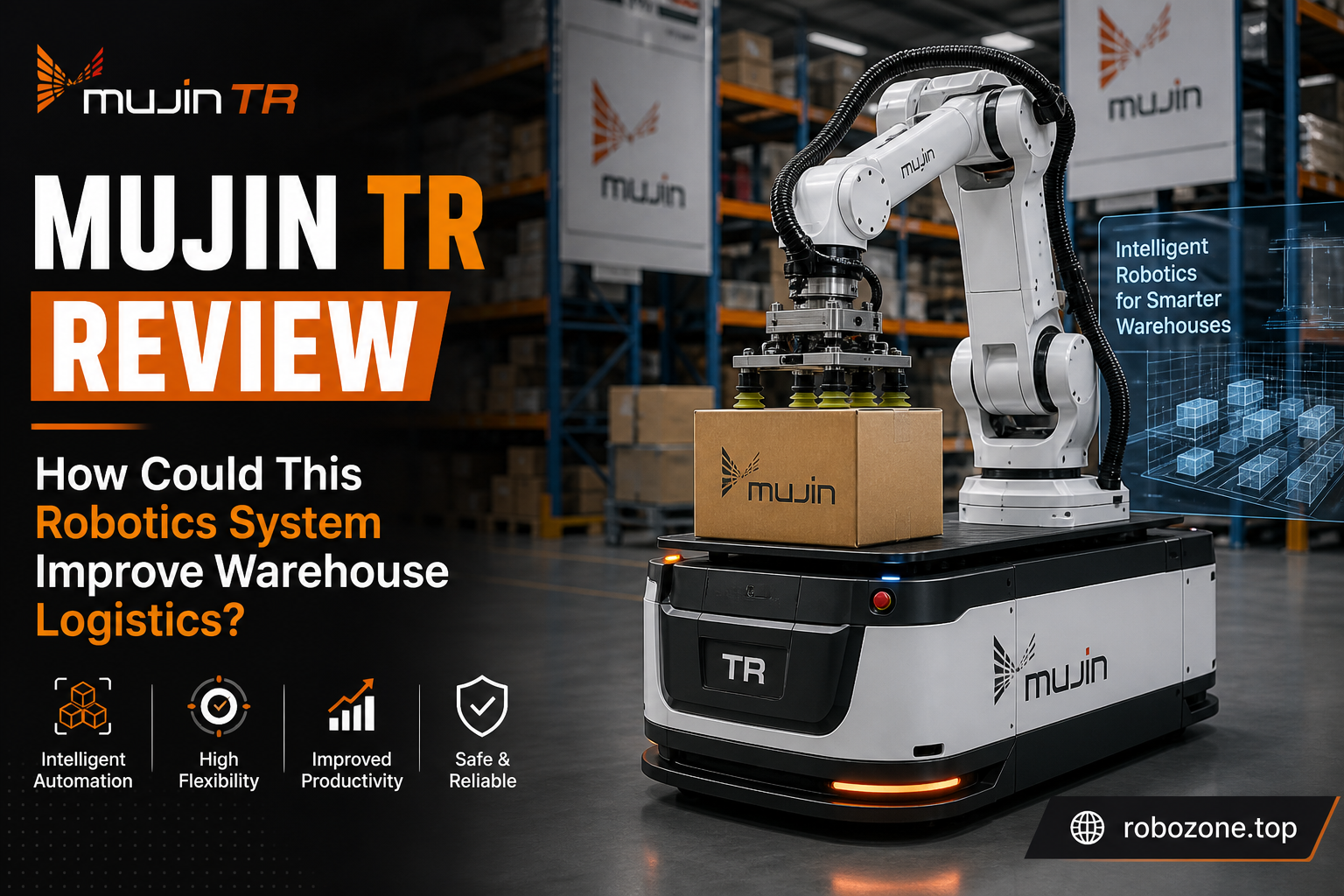
Once constrained to the pages of science fiction, robotics systems are now a cornerstone of modern warehouse logistics. As e-commerce and global supply chains expand at an unprecedented pace, companies are turning to automation to streamline operations. In this context, the Mujin TR stands out as a transformative force. But the question remains: can it deliver on its promises? This article will explore the technological marvel that is the Mujin TR robotic system and its potential to revolutionize logistics. We’ll dive into its intricate working mechanism, evaluate its real-world applications, and scrutinize the hurdles it must overcome.
What is the Mujin TR?
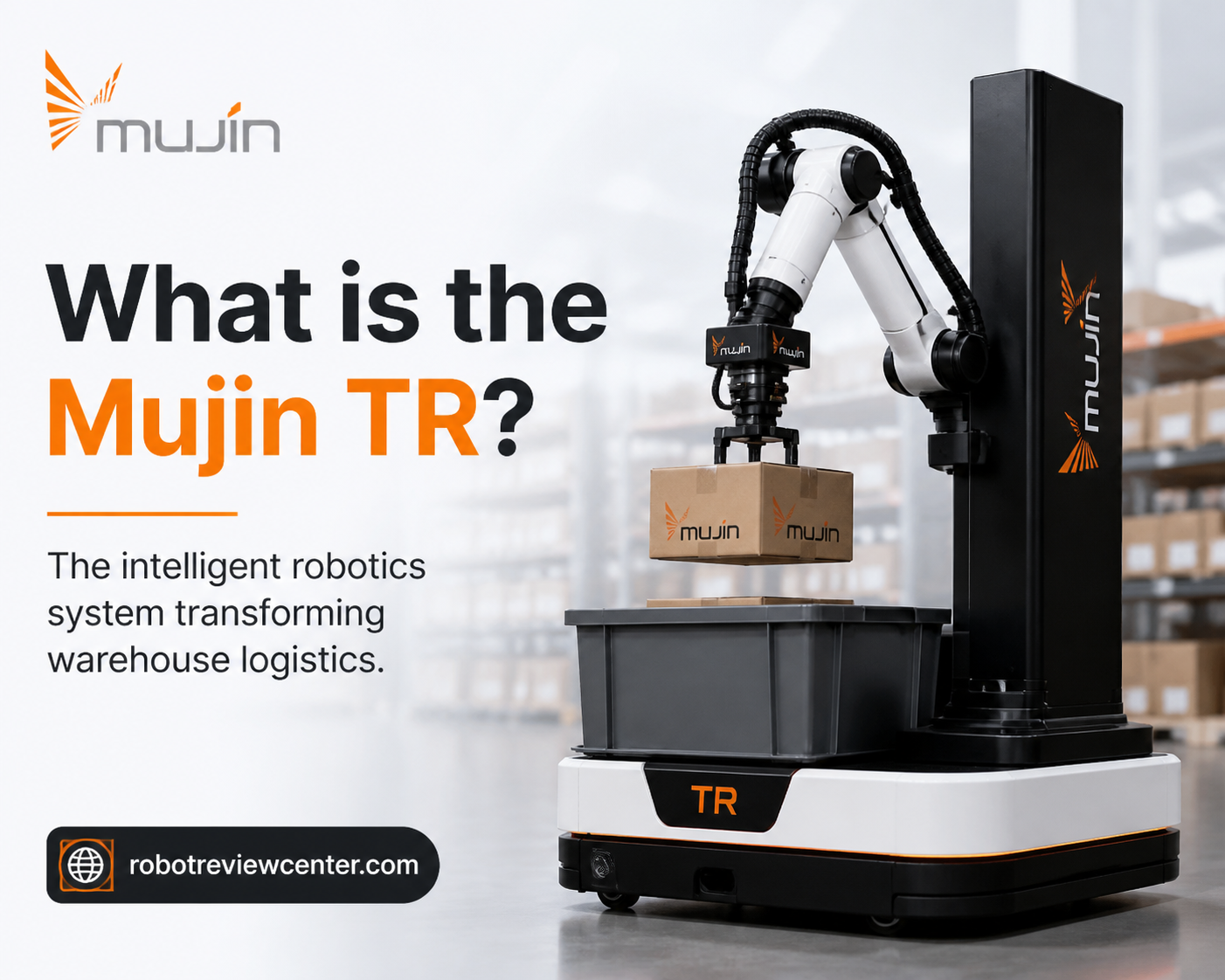
The Mujin TR is a warehouse robotics system designed to automate and enhance logistics operations. Developed by Mujin, a leading robotics company based in Japan, this technology is not just a robot but an entire ecosystem focused on logistics efficiency. Unlike single-function robotics solutions, the Mujin TR combines AI-powered control systems with advanced hardware to create a versatile and adaptable solution. The core technology behind Mujin TR involves computer vision, sensor fusion, and machine learning algorithms that allow it to interact with and navigate through a warehouse environment seamlessly.
At its heart, the Mujin Controller, a universal robot controller, acts as the brain of the system, managing a diverse array of robots and electric devices. This centralized control facilitates real-time decision-making and path optimization, streamlining work processes and reducing human operational errors. This is where the Mujin TR gets interesting—it doesn’t just claim effectiveness; it embodies a sophisticated network of robotics intelligence.
Real-World Applications of Mujin TR
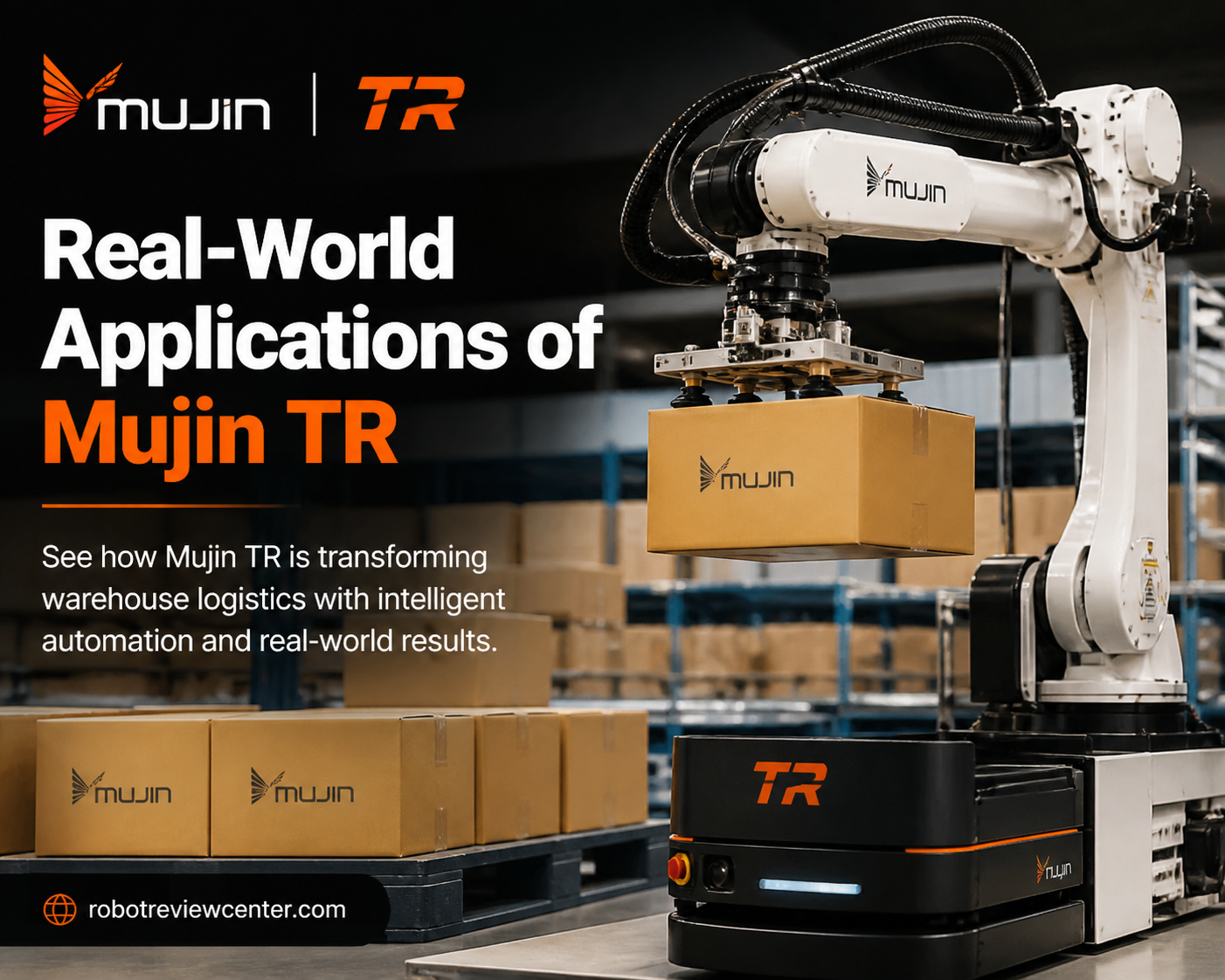
Imagine a warehouse operating at peak efficiency: products continuously flowing, minimal downtime, and the perfect coordination between machinery and humans. That’s the promise of the Mujin TR. Due to its versatile design, Mujin TR systems have been successfully implemented in multiple sectors beyond warehousing. The manufacturing sector benefits from Mujin TR’s precision in material handling, while retail logistics operations leverage its automation to meet fast-changing consumer demands.
In healthcare, the Mujin TR has found a niche in managing large volumes of medical supplies, ensuring timely and error-free replenishment—a task that is more critical now than ever. Through these varied implementations, the Mujin TR has proven its adaptability and effectiveness. However, each application varies based on scale, complexity, and industry-specific challenges.
Technical Insights: The Brain Behind the Brawn
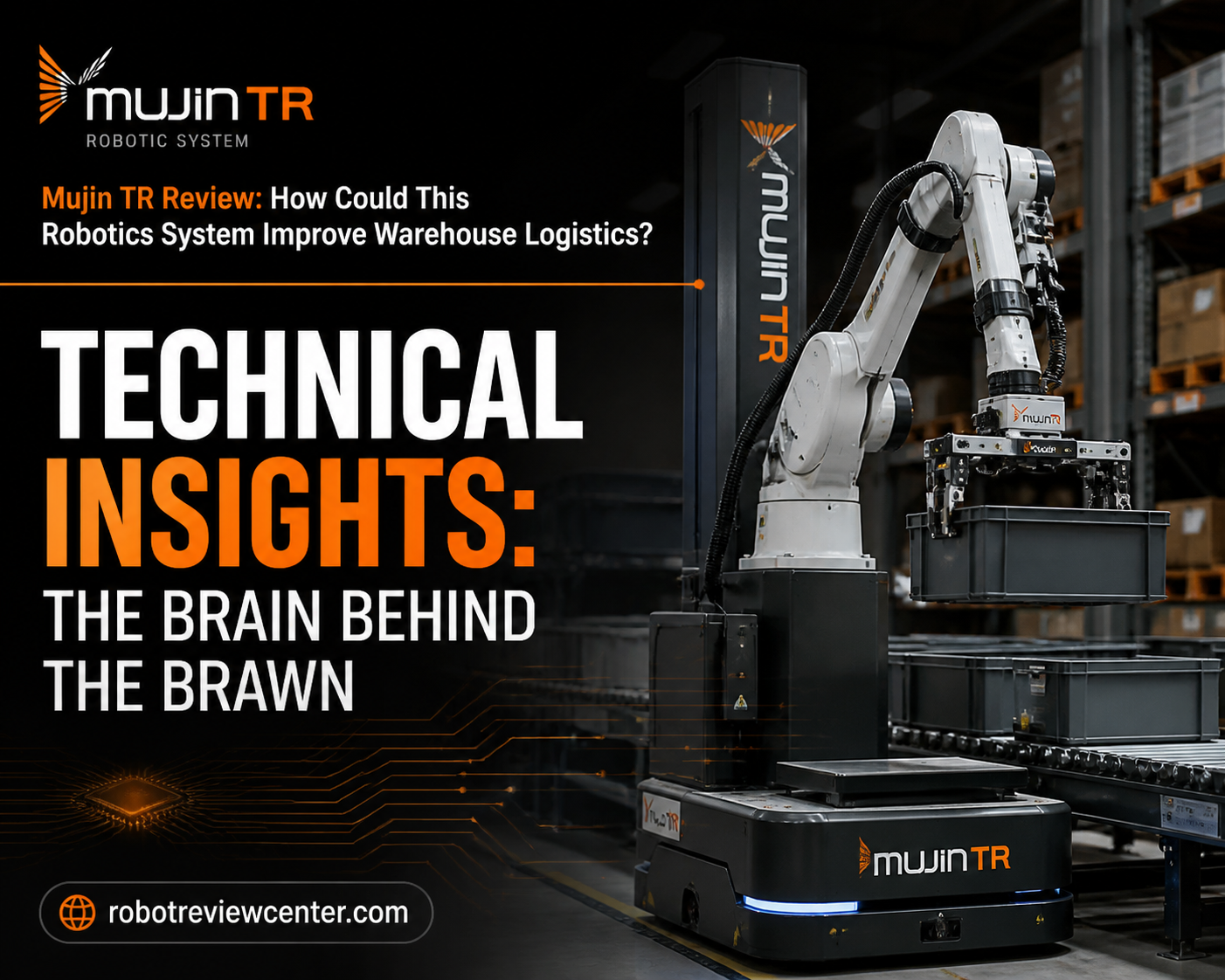
Central to the Mujin TR’s innovative capability is its AI-driven core. At the forefront is the use of cutting-edge deep learning models, which allow the system to perform complex tasks such as object recognition and spatial mapping with high precision. With real-time data from multiple sensors, including advanced LiDAR and vision systems developed with NVIDIA, the Mujin TR is more than a sum of its parts.
The integration of NVIDIA-powered GPUs enables the high-speed processing required for advanced motion planning and environment mapping. What sets Mujin TR apart is its ability to learn from its environment, adaptively alter its strategies, and execute tasks—qualities that transform a rigid system into a dynamic partner for logistics teams.
Market Analysis: Robotics in Warehouse Logistics
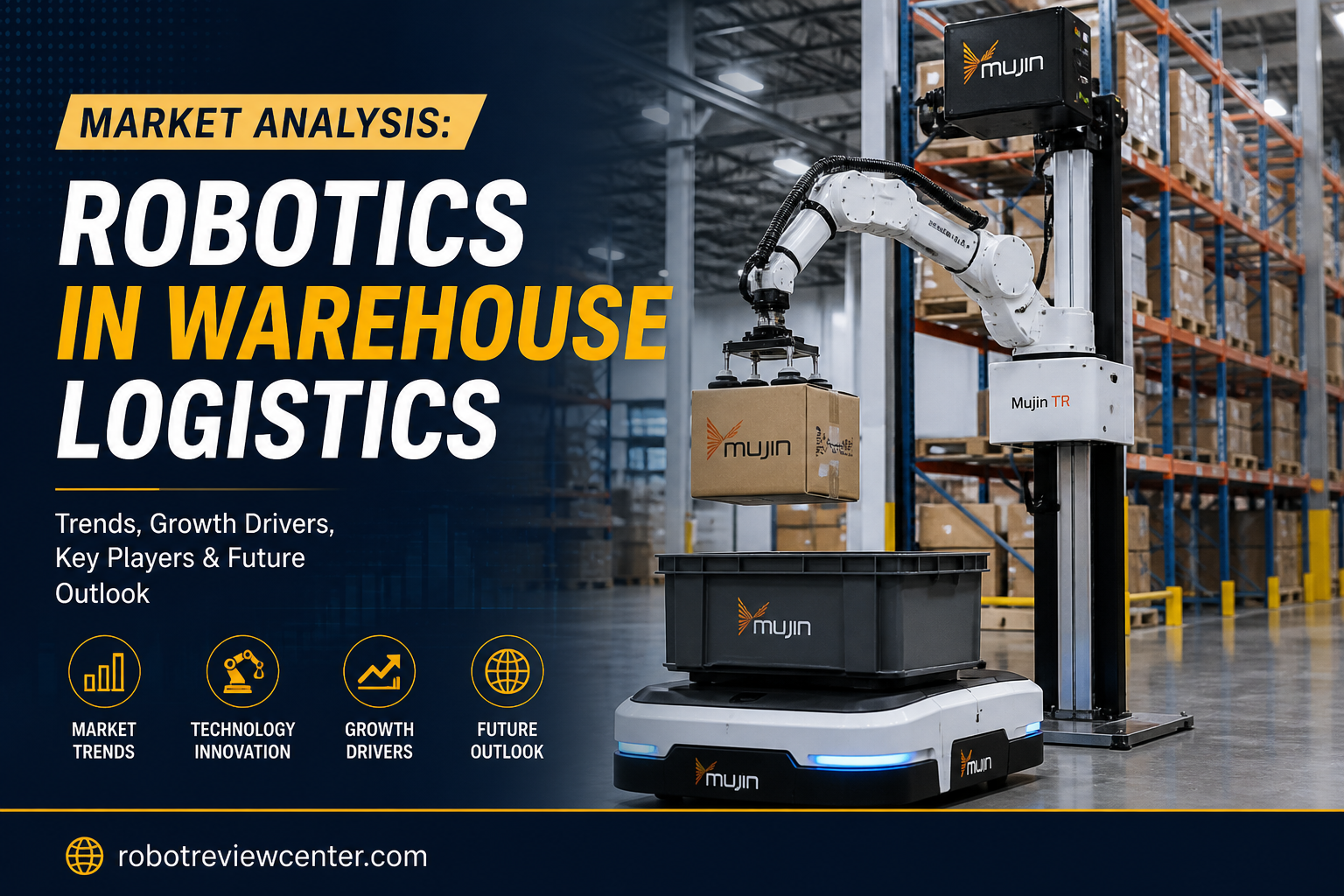
The global market for warehouse robotics is projected to grow at a compound annual growth rate (CAGR) exceeding 15% over the next five years, according to a report by MarketsandMarkets. Mujin is capitalizing on this growth by not only targeting warehouse systems but extending its technologies to broader applications. This positions Mujin alongside other formidable robotics firms such as Boston Dynamics and Amazon Robotics, both of whom are making strides in this sector.
The economic impact of such technologies cannot be overstated. Automation like Mujin TR is pivotal in reducing long-term costs, labor dependency, and enhancing precision and efficiency in operations. However, the market is competitive, with each player necessitating continual innovation to retain their edge.
Challenges and Limitations
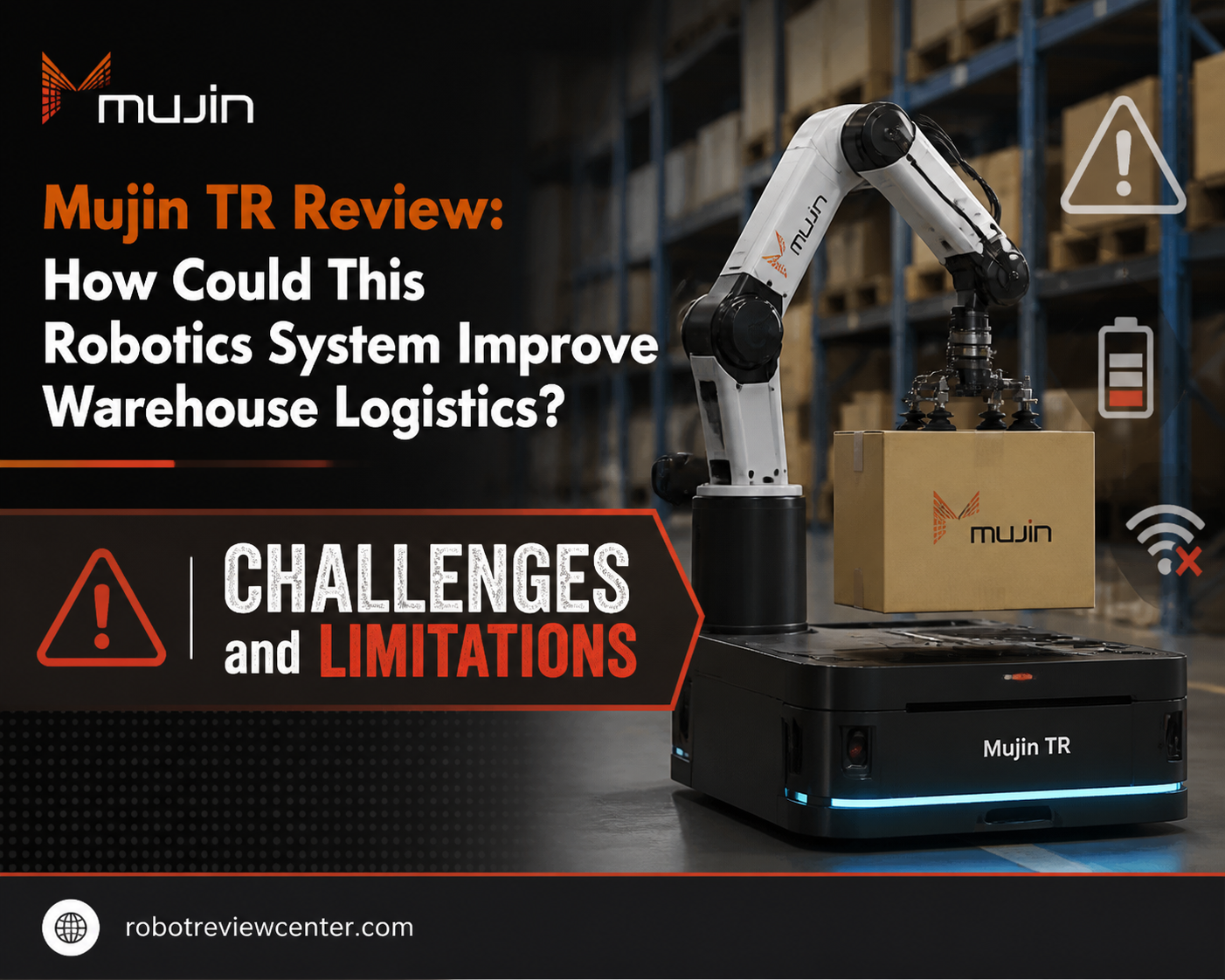
Despite its promising capabilities, the Mujin TR faces certain limitations typical of robotics systems today. Initial setup costs, though potentially offset by long-term ROI, are substantial, which can be a barrier for smaller enterprises. Additionally, while the system excels in controlled environments, its effectiveness may wane in unpredictable conditions or where unique operational constraints exist.
Moreover, reliance on precise sensor input and controlled environments indicates a degree of vulnerability to environmental variations or hardware malfunctions. The machine’s adaptation to such scenarios remains a critical area for further enhancement and research.
Future Predictions for Mujin TR
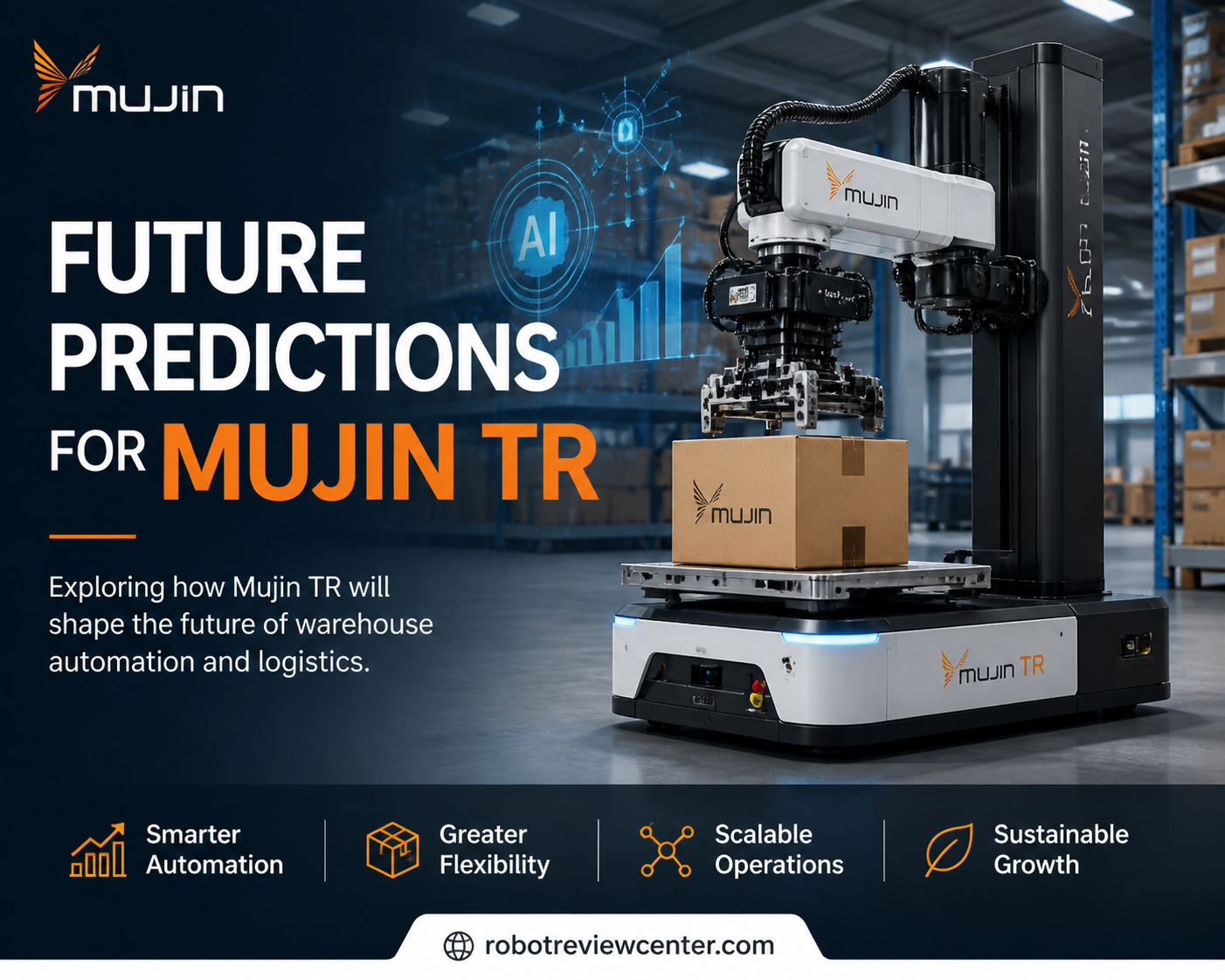
Looking towards the future, the potential for Mujin TR systems—and warehouse robotics more broadly—is expansive. Over the next three to five years, we can anticipate advancements that bolster its resilience and flexibility, enabling wider operational contexts. An emphasis on enhancing AI capabilities to predict and manage unexpected variables dynamically is likely to feature heavily in its evolution.
Furthermore, as industries increasingly turn to automation to alleviate labor shortages and increase throughput, systems like Mujin TR are poised to become not merely tools of convenience but necessities for competitive survival.
Strategic Insights: Preparing for Automation
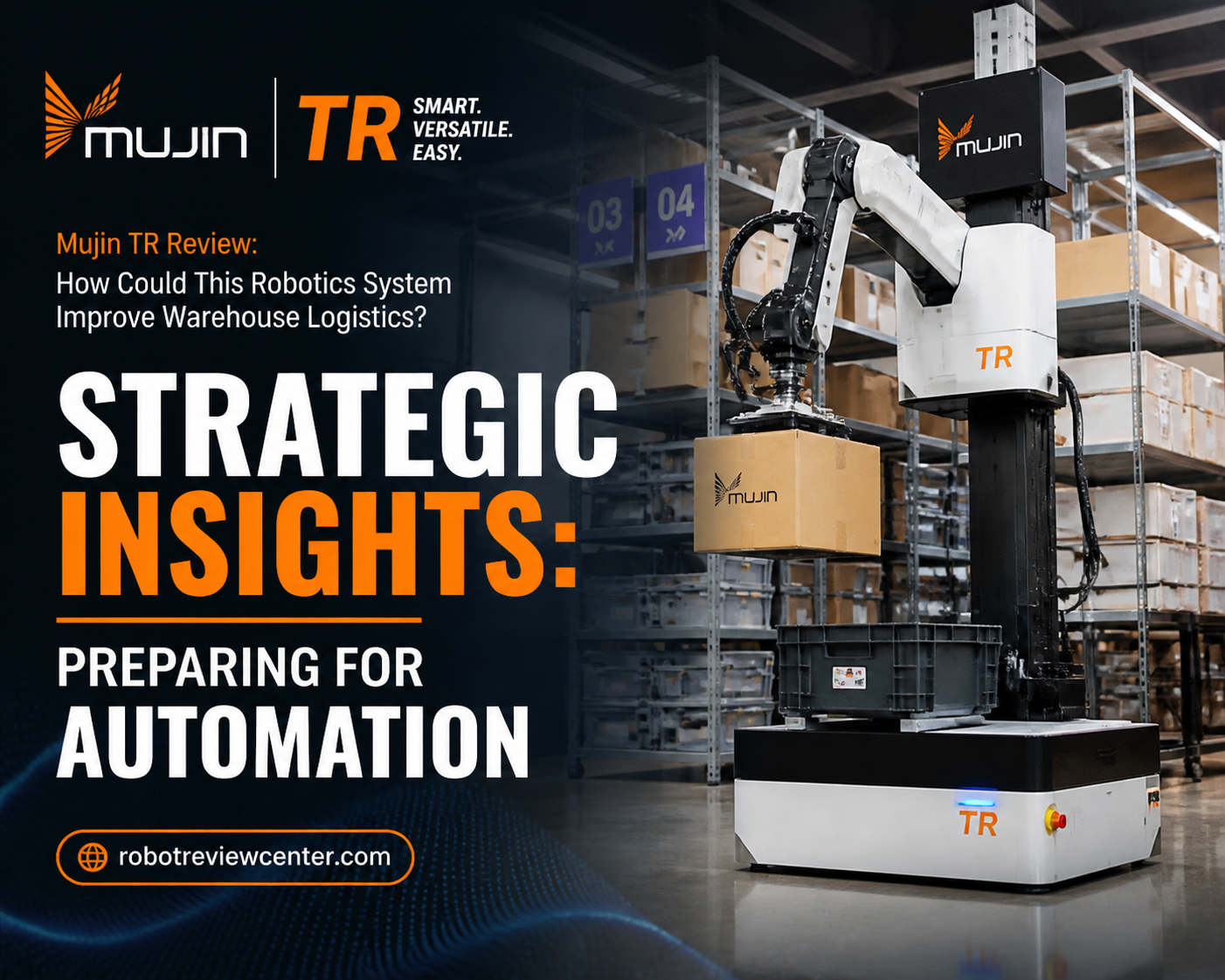
Businesses considering the integration of the Mujin TR into their operations should prepare for a paradigm shift—not just in terms of operations but culture too. Automation demands not only financial investment but also commitment to upskilling workers to work alongside these new systems. For developers, the emphasis should be on adaptive systems development capable of seamless updates and absolute reliability under diverse conditions.
Embracing such innovations entails foresight into the logistical challenges and the type of supportive infrastructure necessary to optimize such implementations. As we evolve into a future directed by automation, those who anticipate and prepare will most effectively harness its potential.
So what comes next with the Mujin TR and similar robotics systems? As warehouse automation continues to mature, we’re on the precipice of a logistics revolution where adaptability, precision, and efficiency will dominate competitive landscapes. Companies that sprint forward in this technological race will redefine what it means to operate at peak performance in the logistics sector. However, careful consideration of the challenges, alongside a commitment to innovation and cross-sector collaborations, will be pivotal in transforming these aspirations into tangible successes. Thomas Huynh – Admin of RobotReviewCenter.com