
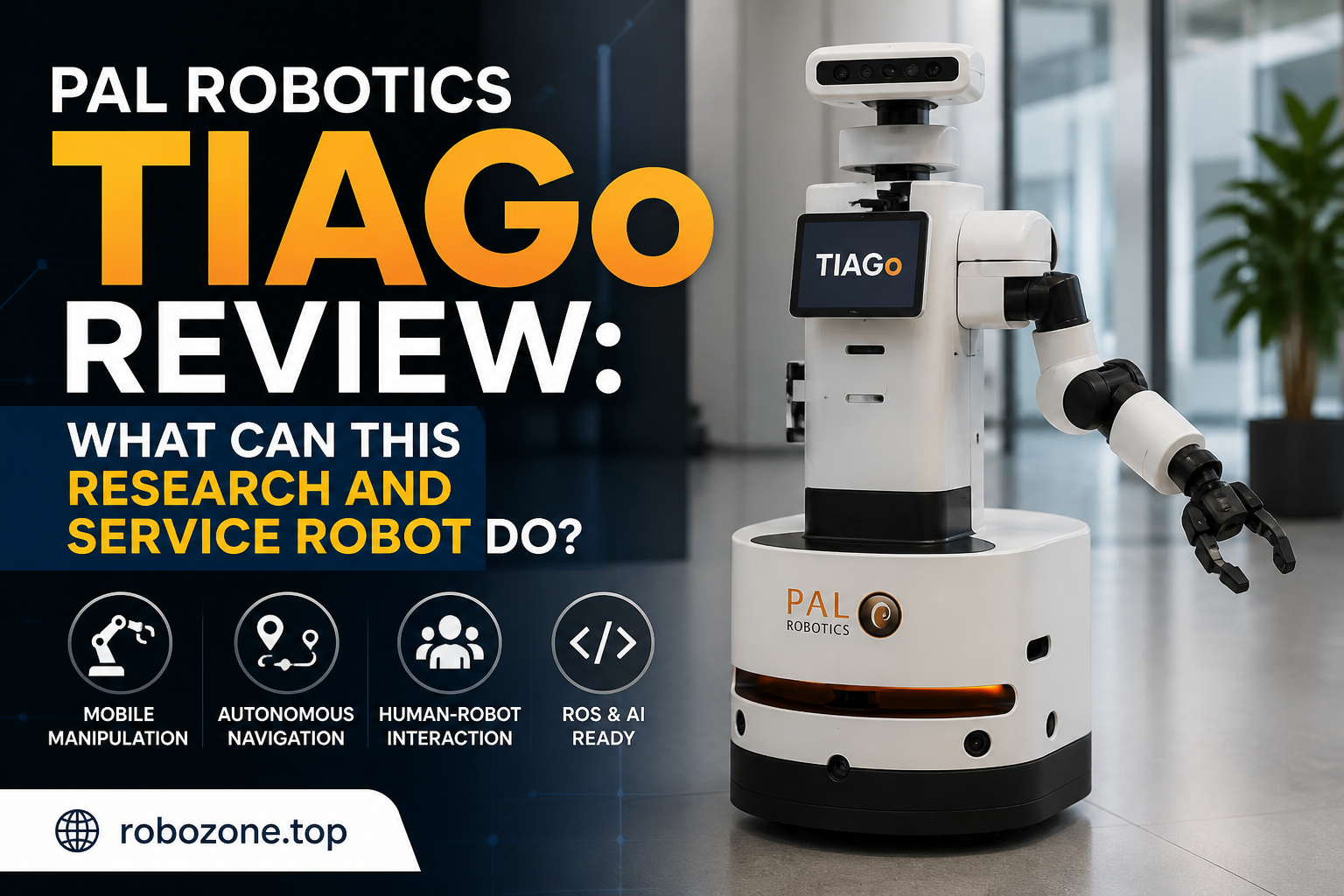
In the realm of robotics, the PAL Robotics TIAGo robot stands out as a fascinating hybrid, bridging the gap between advanced research capabilities and practical service applications. In this review, we delve into what makes TIAGo special, exploring its technical prowess, applications across varied industries, and the challenges it continues to face. Combining evidence-backed insights with future predictions, this piece aims to offer a comprehensive look at TIAGo’s potential and its standing in the competitive robotics market.
What is the PAL Robotics TIAGo Robot?
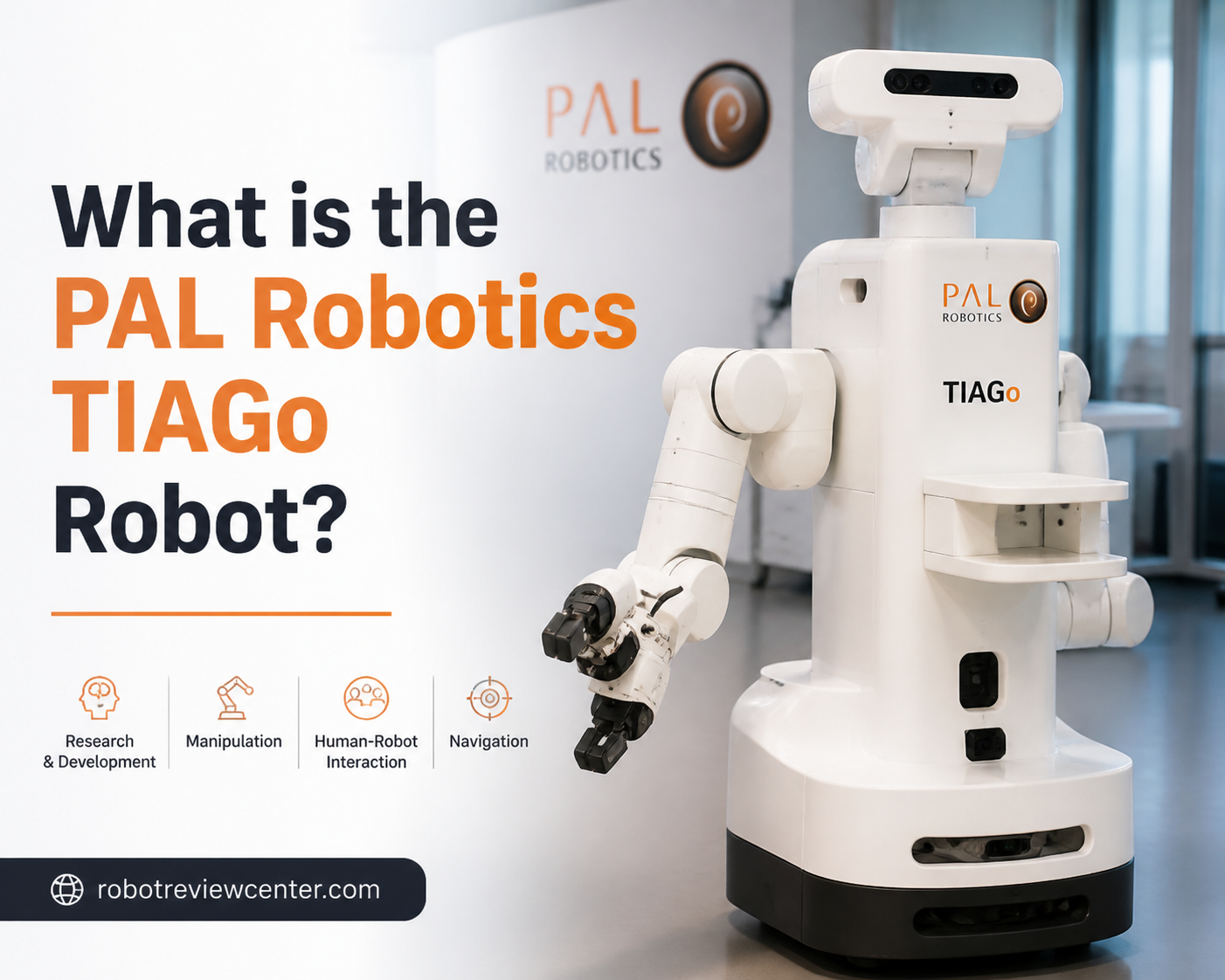
At its core, the PAL Robotics TIAGo robot is a humanoid service robot designed to aid in both research and functional service tasks. Manufactured by PAL Robotics—a prominent robotics company based in Barcelona, Spain—TIAGo is an acronym for ‘Take It And Go,’ which aptly describes its mobile and multipurpose nature.
TIAGo’s design reflects the need for adaptability, with features that include a human-like arm for manipulation, sensors for spatial awareness, and a robust software structure. The robot is typically utilized in scenarios that demand intricate task management, such as healthcare settings or collaborative environments in different industrial sectors.
This introduction might remind one of an eager assistant that never tires, always ready to ‘take it and go’ wherever it is needed, be it in a hospital ward or a laboratory experiment setup—proving to be the reliable right hand (quite literally) in many challenging environments.
Technical Anatomy and Model Generation
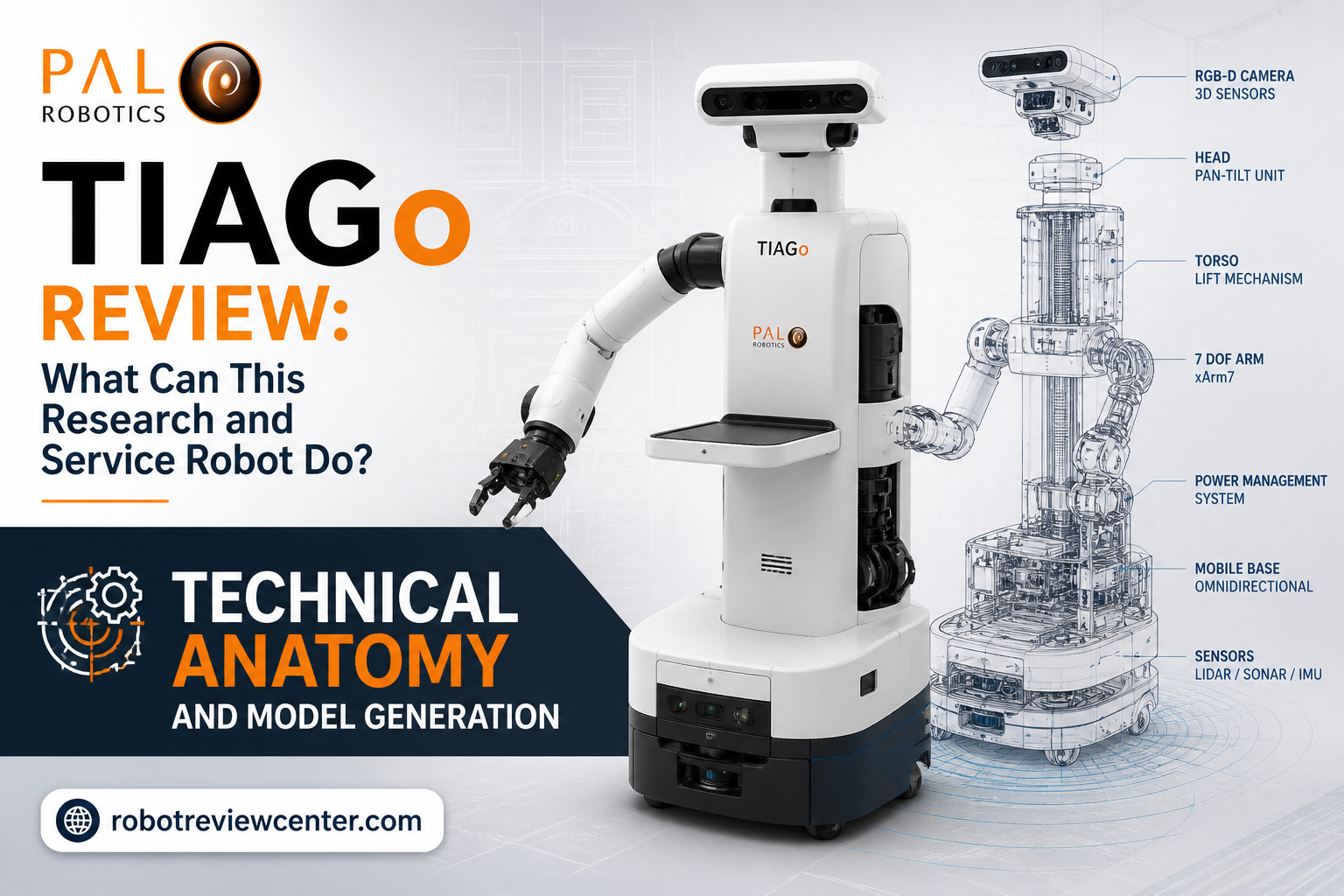
The TIAGo robot has undergone multiple iterations, each enhancing its technical sophistication and usability. The current version boasts notable specifications that highlight its capabilities. TIAGo is fashioned as a single-armed mobile manipulator with a height adaptable from 110 to 145 cm to facilitate a comprehensive reach.
Its manipulation arm comprises 7 Degrees of Freedom (DoF), designed for high maneuverability and precision. Besides, it includes a two-fingered gripper, enhancing its manipulation capabilities in handling delicate objects, akin to how a human might cautiously pick up a fragile vase.
The palette of sensory tools ranges from an RGB-D camera for depth perception to LiDAR for spatial awareness, enabling TIAGo to navigate its surroundings autonomously while avoiding obstacles. Such sensor integration allows the robot to build and update maps, understand spatial constraints, and position itself accurately in a given setting.
Brain and Compute Capabilities
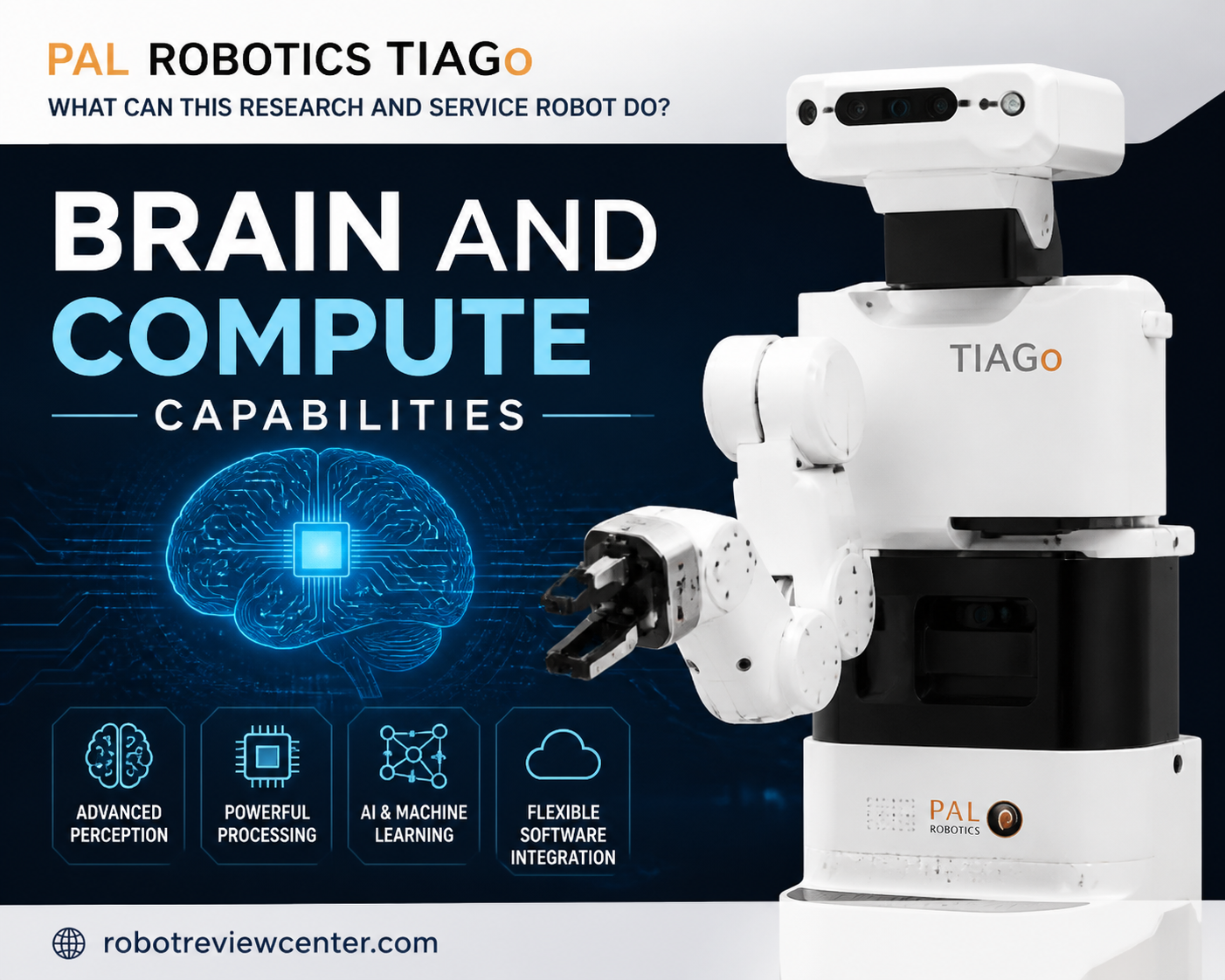
At the heart of TIAGo’s operational brilliance is its computing system. The robot utilizes high-performance computer units that integrate AI-driven models to support decision-making and motion planning. As of its latest iteration, it employs an NVIDIA Jetson series module, recognized for handling complex AI workloads effectively.
This compute power enables real-time processing of sensory data, supporting tasks such as object recognition and motor control. TIAGo’s programming is built on the ROS (Robot Operating System) framework, a widely-used middleware in robotics that allows for modularity and extensive community support.
When Thomas Huynh reviewed similar AI mechanisms, he rightly compared it to a chef who can whip up a variety of dishes on demand—all ingredients perfectly orchestrated. Such is the power of TIAGo’s compute architecture that it can deftly juggle multiple tasks simultaneously, interacting intelligently with the physical world around it.
Vision System and Spatial Intelligence
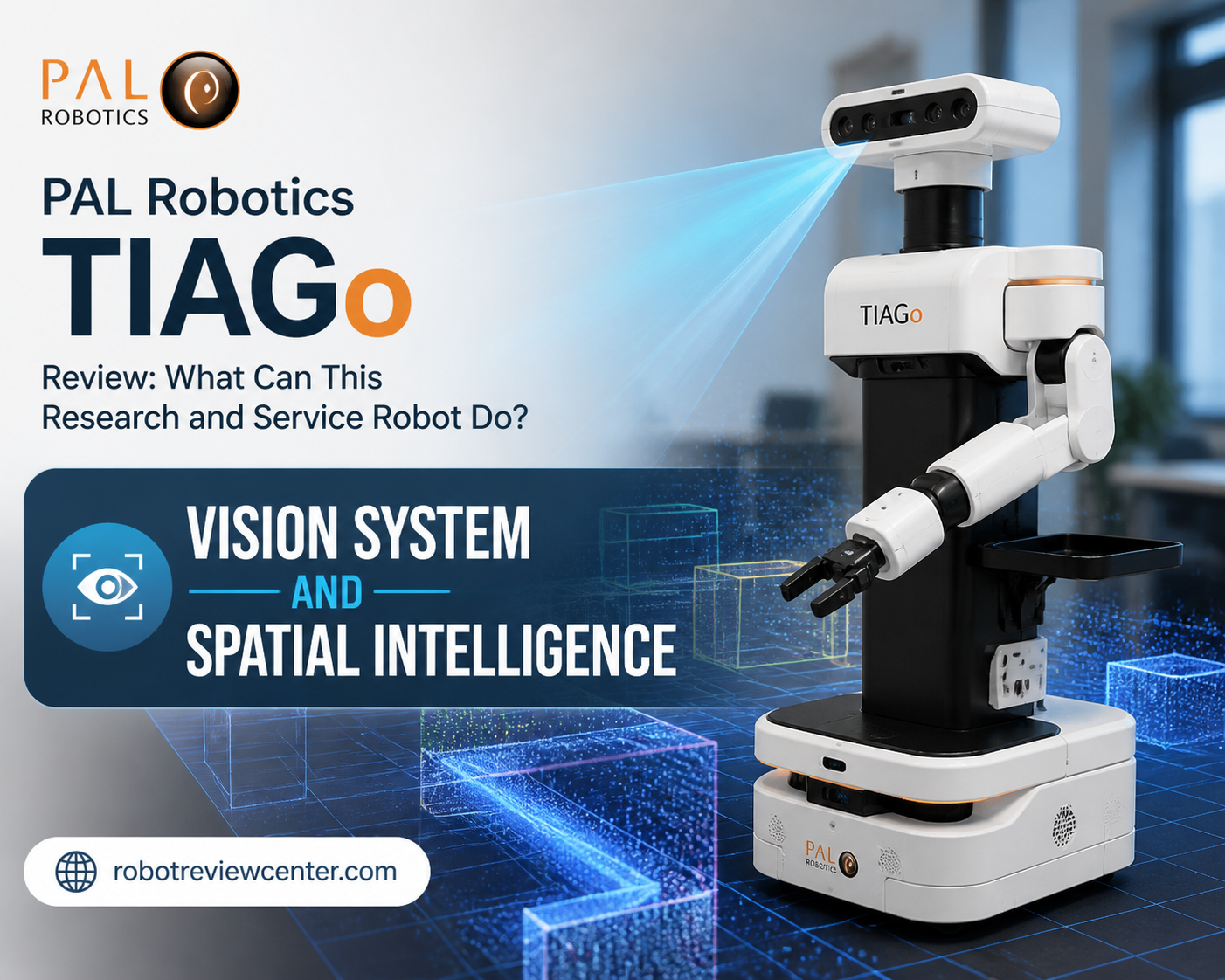
TIAGo’s vision system is a marvel in its class, crafted to bring a nuanced understanding of its environment. Combining an RGB-D camera with Laser Range Finder (LiDAR) and stereo vision, the robot achieves accurate depth sensing and spatial mapping.
This multi-faceted sensing makes TIAGo capable of detecting objects within its vicinity, processing visual data, and interacting with its surroundings with a sophistication that surpasses many of its counterparts. Such capacity is critical when navigating dynamic environments like a busy hospital corridor or an active production floor.
The fusion of these sensory technologies allows TIAGo to perform complex feats akin to spatial awareness exercises in human cognition. For instance, when tasked with an object retrieval task, TIAGo doesn’t just ‘see’ the object—it calculates its position, path, and gripping strategy before it even reaches out its mechanical arm, showcasing a level of foresight necessary for effective task execution.
AI and Autonomy
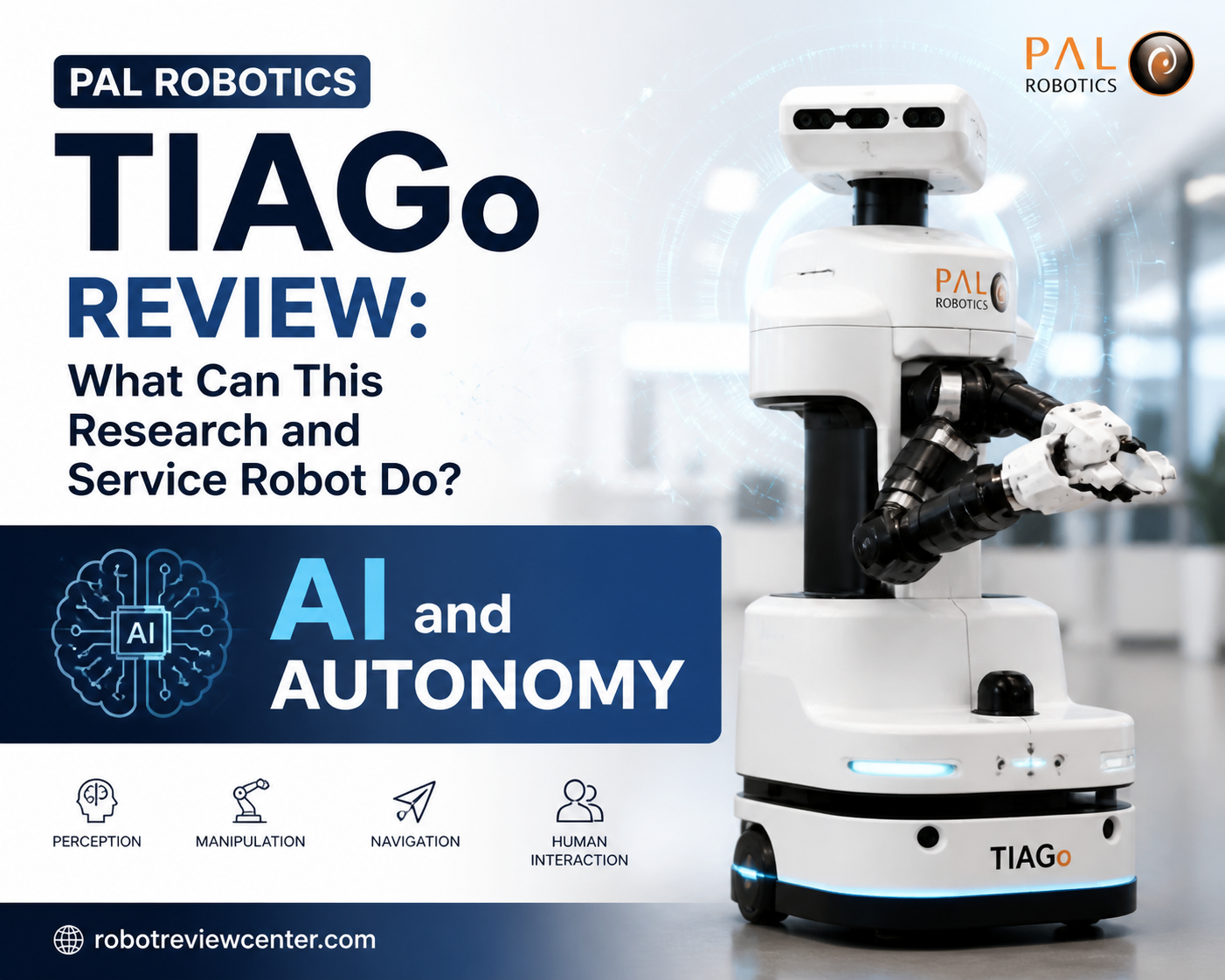
One of TIAGo’s distinct strengths lies in its autonomy, driven largely by advanced AI capabilities. Using state-of-the-art reinforcement learning and imitation learning techniques, TIAGo is able to develop new skills and improve its efficiency over time.
These AI advancements manifest in the robot’s ability to learn from its environment and past experiences, reducing reliance on constant human instruction. Autonomy such as this isn’t just about performing tasks independently; it’s about evolving—catching onto the subtle changes in a rapidly moving world and adapting without supervision.
Thomas Huynh notes that understanding such autonomy is crucial for businesses seeking to integrate robots like TIAGo. It leads us to an interesting inquiry: how do we bridge the gap between robotic capability and the unpredictable, chaotic elements of human living and working spaces?
Applications Across Industries
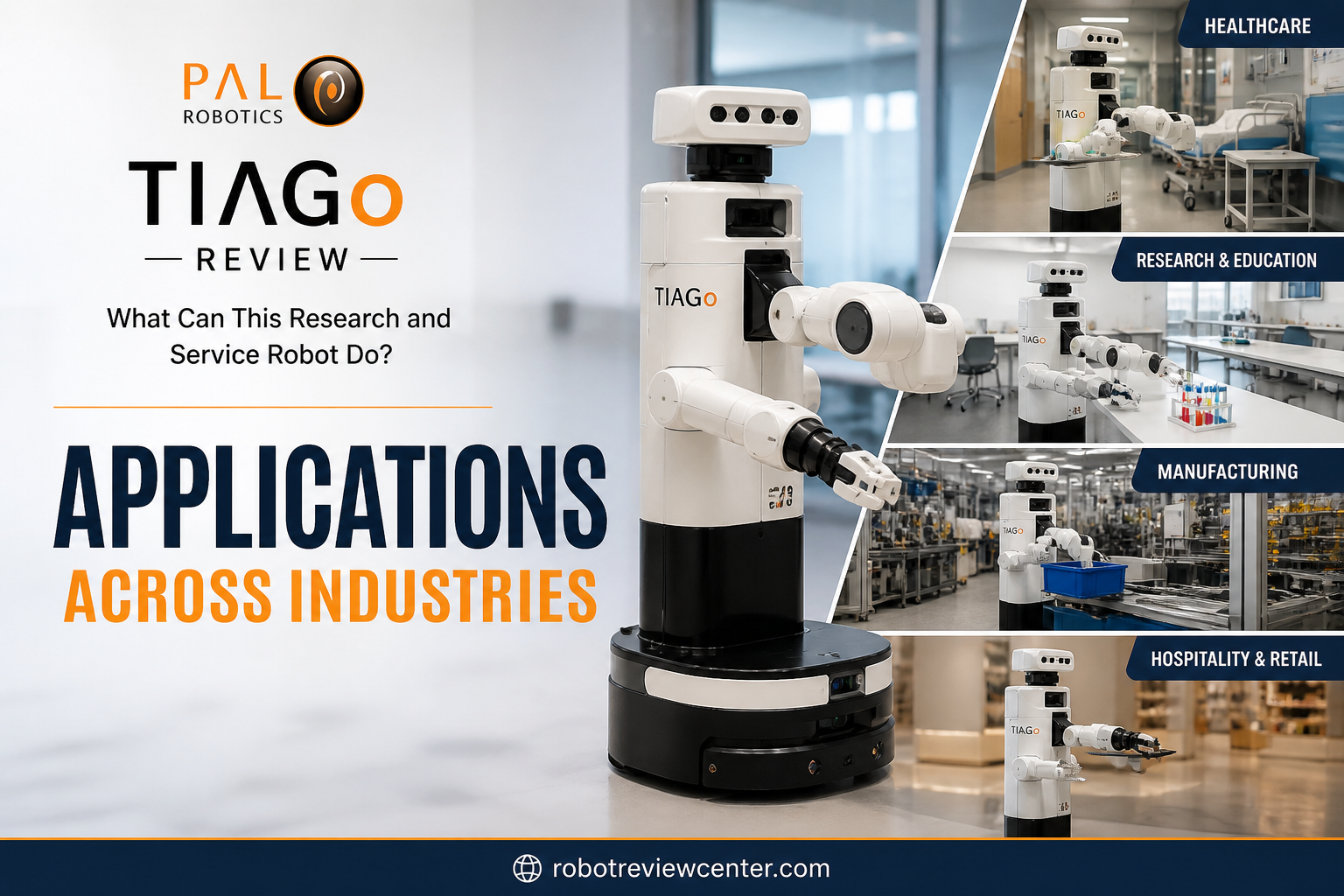
TIAGo’s versatile capabilities make it suitable for a plethora of industry applications. In healthcare, it assists with patient monitoring and supports routine tasks, promising to alleviate workloads of medical staff. In industrial environments, TIAGo can perform delicate assembly work, managing a variety of components with precision and care.
Service tasks in the hospitality industry also benefit from TIAGo’s prowess, where it may handle logistics management and guest interaction. Its involvement ranges from guiding guests within facilities to offering informative assistance—a welcome valet in the world of robots.
The diverse applicability of TIAGo is a testimony to its adaptable design, structured to adjust based on specific use-case scenarios, similar to a versatile glove fitting a myriad of hands.
Market Analysis and Economic Perspectives
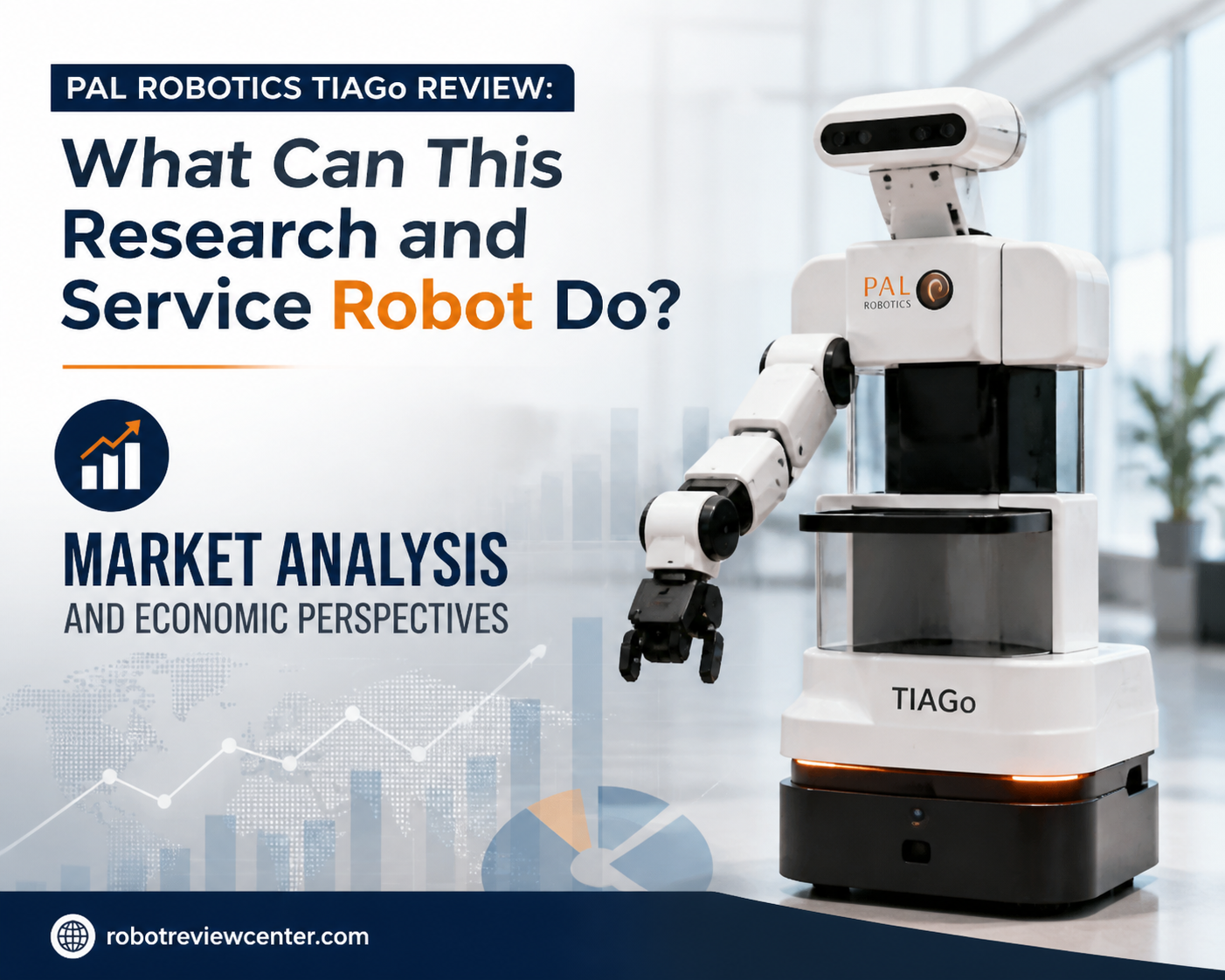
The trajectory of TIAGo’s adoption reflects the broader trends of the robotics market. As industries lean towards automation, the demand for service robots with robust capabilities, like TIAGo, is projected to rise. A report by Markets and Markets suggests the service robot market is on a growth curve, expected to reach substantial value by mid-decade, influenced by innovation and technological advancement.
But what are businesses looking for as they eye robotic integration? The key is imbalance correction—reducing human workload while increasing productivity and precision. This approach, albeit filled with challenges for budget-conscious institutions, holds potential for significant operational savings in the long run. Thomas Huynh aptly frames it as an investment into ‘an efficiency that pays dividends in multiple layers’.
Realizing such economic promise will hinge on the robot’s ability to consistently deliver cost-cutting performance improvements. Should TIAGo prove its mettle here, the market could well witness a shift towards broader acceptance and expanded scope of service robot applications.
Challenges and Limitations
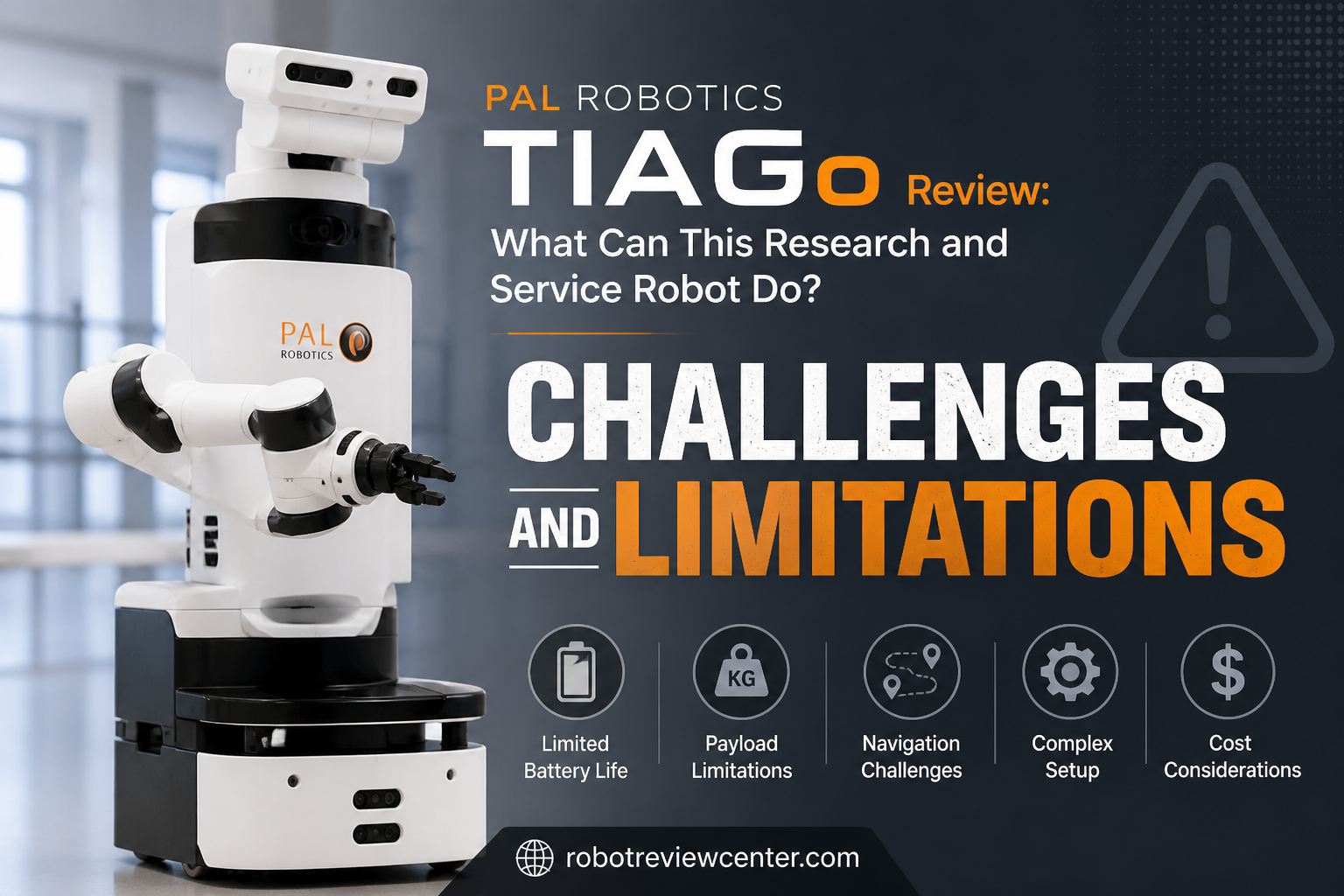
No technology comes without its hurdles, and TIAGo is no exception. Among the challenges are encounters with dynamic, unstructured environments where predictability goes haywire. Navigating human-built spaces designed for human movement remains a tech bottleneck for robots. Their response to variable interaction with people and objects still requires significant refinement.
There is also the economic barrier, as organizations operate under fixed budgets and face the high costs of initial adoption and deployment. Although price transparency is limited, qualitative assessments suggest the economic threshold for widespread adoption is a subject of ongoing deliberation.
The road to perfecting TIAGo’s capabilities involves technical honing not just from a product development perspective but also from the perceptive upgrade of Tiago’s learning and interaction algorithms—moving from mere mimicry to genuine, adaptable problem-solving.
What Lies Ahead?
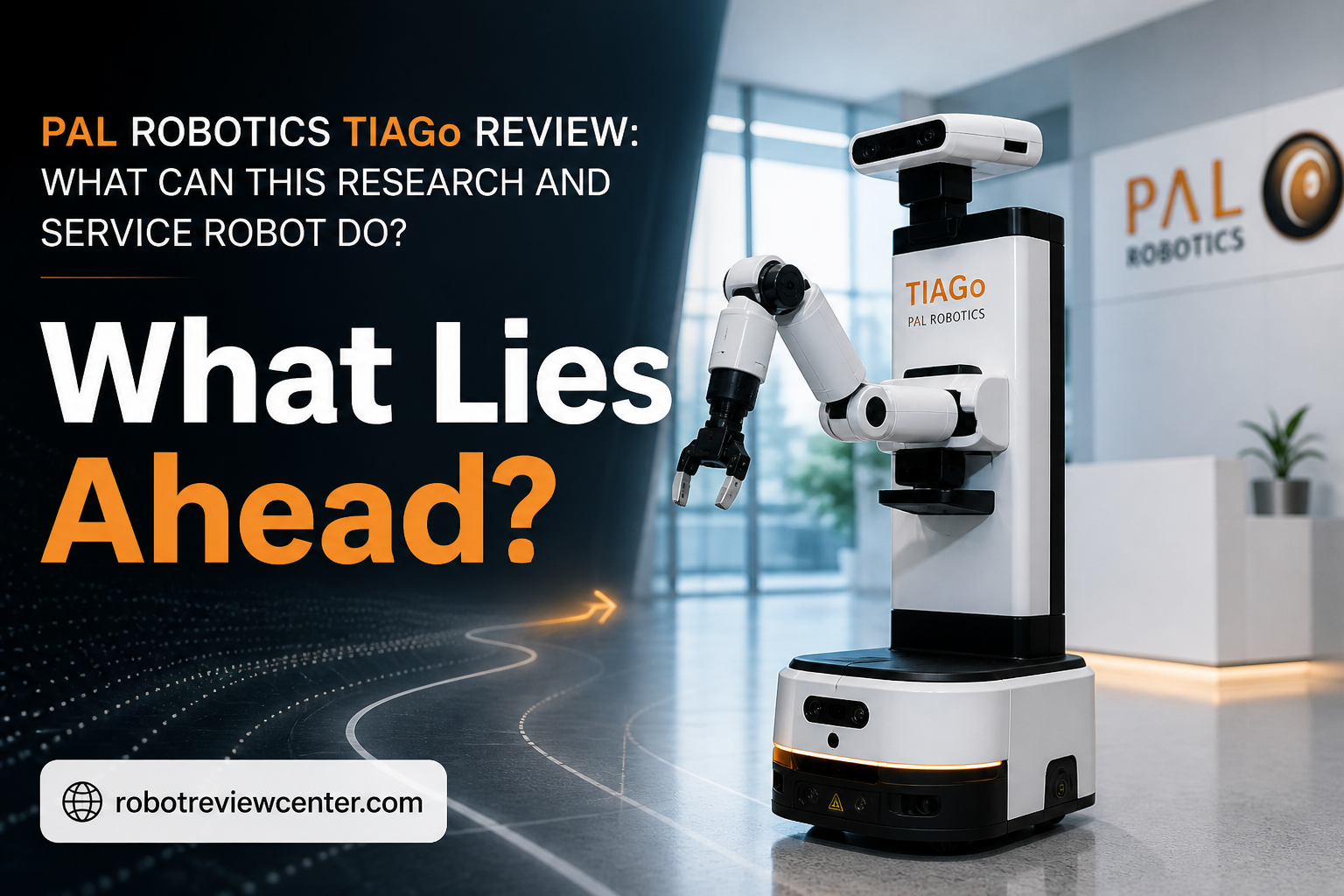
So what comes next for TIAGo, and by extension, service robots as a whole? With growth comes responsibility, and the advancement of such intelligent machines is bound to play a significant role in shaping future workspaces.
In the next 3–5 years, we expect to see TIAGo being an integral part of more collaborative environments where humans and robots work in tandem rather than sequenced isolation. Long-term, the development of more intuitive AI models promises smarter, more adaptable robots that thrive in uncharted territory.
For developers and businesses, preparations should focus on infrastructure adaptation, fostering human-robot synergy, and ensuring seamless transitions to augmentative technologies. It isn’t just about what TIAGo can do now, but what it signifies—a stepping stone toward smarter, more responsive machines actively reshaping the workforce horizon.
Where does this leave us with PAL Robotics’ TIAGo? It leaves us at the brink of a burgeoning era where robotics marries technology with practicality seamlessly. Robots like TIAGo are demonstrating what is possible and challenging preconceived boundaries of machine capabilities. To pay attention to such phenomena isn’t merely about staying informed; it’s about tactically embracing an unfolding paradigm of innovation. In the dance between human ingenuity and artificial aid, who is leading whom? That’s a question worth pondering as we journey further into the future of robotics.