
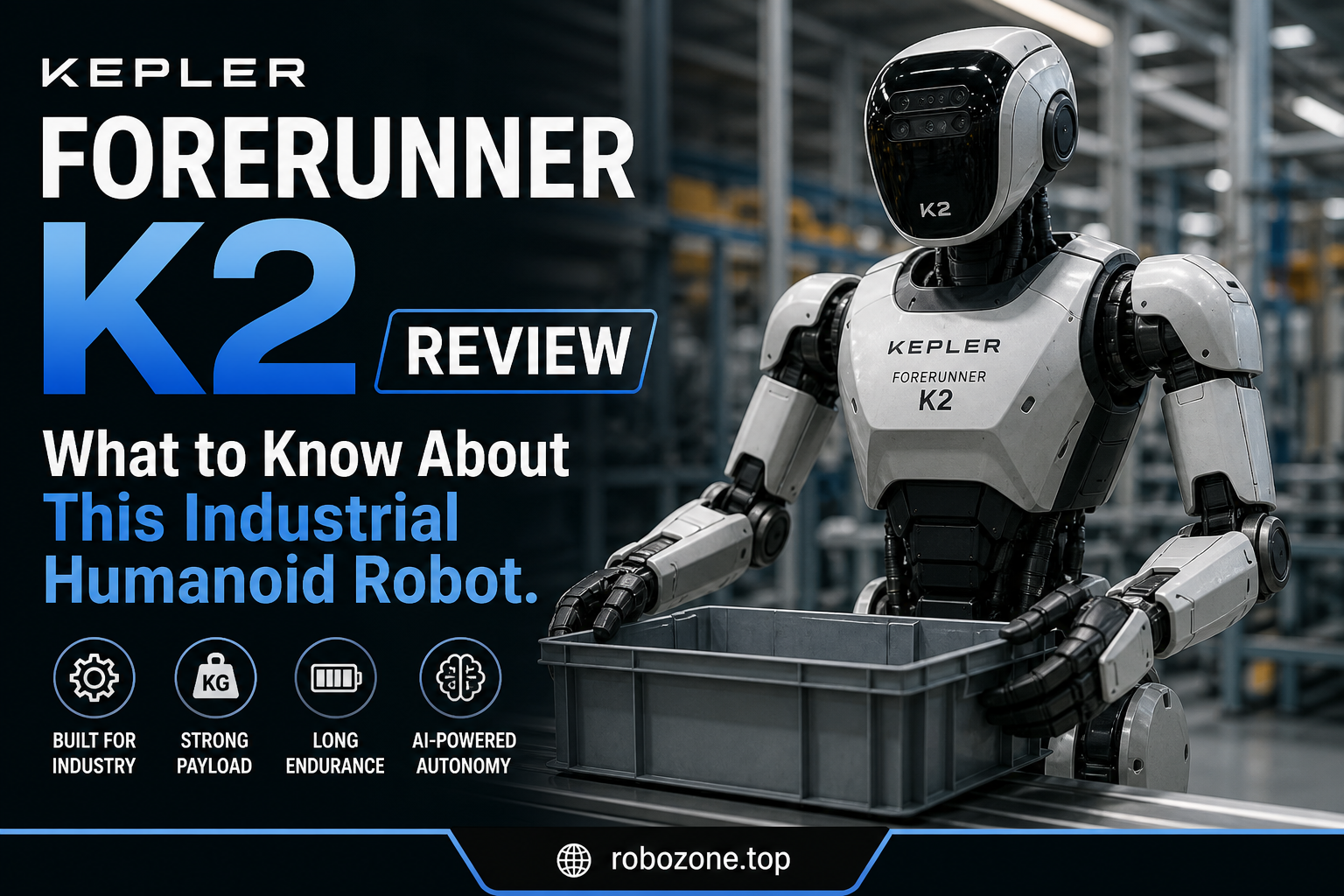
As the world of robotics evolves at a breakneck speed, the Kepler Forerunner K2 emerges as a fascinating player in the complex dance between machine efficiency and human capability. Designed to revolutionize industrial environments, the Kepler Forerunner K2 stands as a testament to the leaps in robotic design and intelligence. In this comprehensive review, we’ll decode what makes this humanoid robot a focal point in modern robotics and explore the real-world impact it could potentially have across various industries.
Understanding the Core of the Kepler Forerunner K2
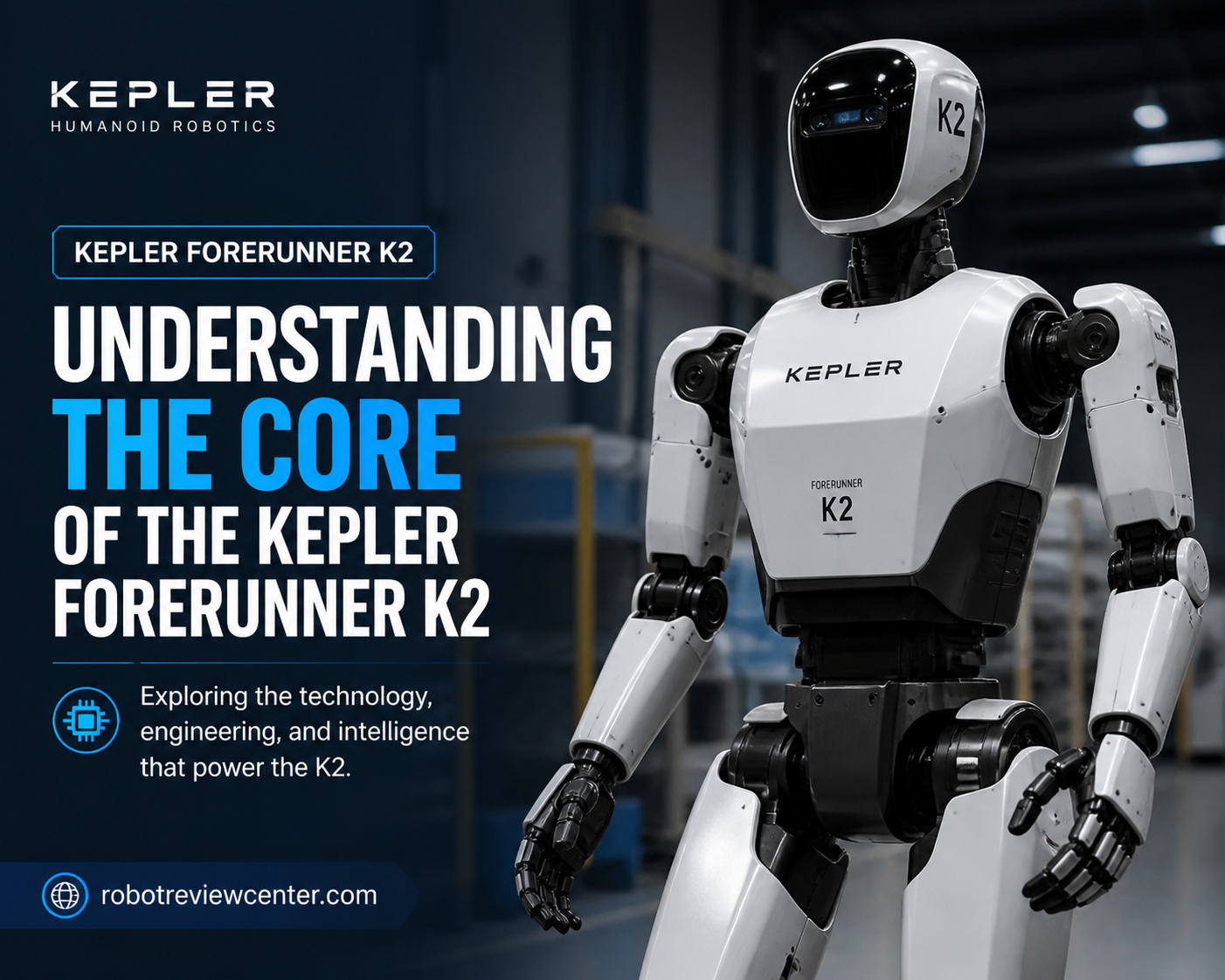
The Kepler Forerunner K2 is more than just an assemblage of circuits and wires; it’s an attempt to blur the lines between human labor and robotic perfection. Standing at approximately 5 feet 8 inches and weighing close to 80 kg, this humanoid robot mimics the human form to facilitate seamless integration in environments designed for human workers. It boasts an array of cutting-edge sensors, articulated limbs, and a powerful computational core, making it versatile enough for complex task execution.
Its primary innovation lies in its humanoid structure, allowing it to operate in spaces traditionally reserved for human workers. The robot’s AI-driven operational model relies on deep learning algorithms, enabling it to learn, adapt, and perfect its tasks over time. This model is continually updated with software improvements to refine task accuracy and efficiency further.
Applications Across Industries: Real-World Impact of the Kepler Forerunner K2
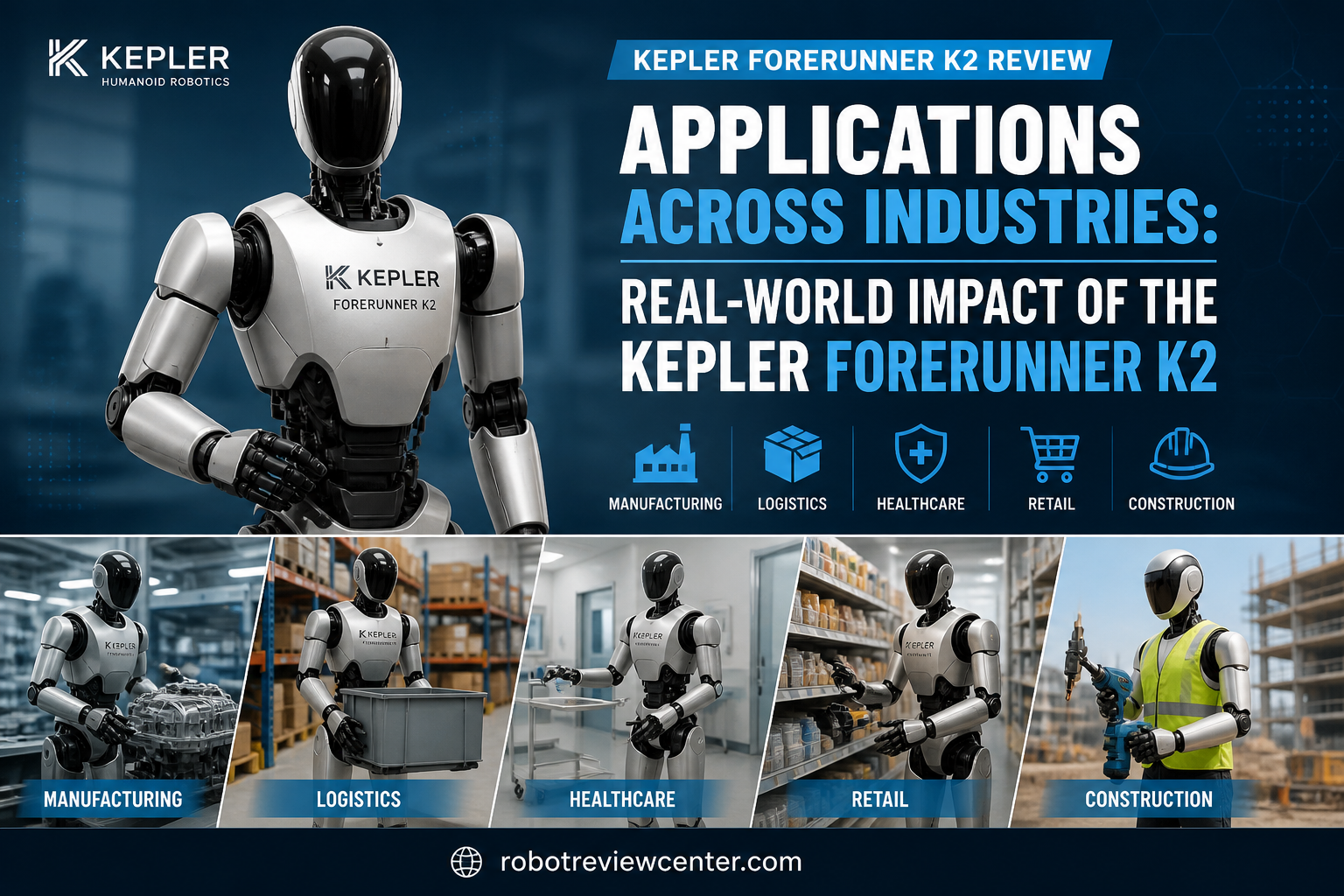
From manufacturing to healthcare, the Kepler Forerunner K2 is poised to make significant impacts. In industrial settings, it can be employed for assembly line tasks, quality control, and even intricate repair work. The ability to navigate human-centric spaces means it can function effectively in warehouses, picking and packaging products with precision and speed.
Within the healthcare sector, its potential to assist with heavy lifting, patient care, and logistical tasks opens new avenues for operational efficiency. Imagine a scenario where the Kepler Forerunner K2 aids in transporting medical supplies across a bustling hospital, thus allowing medical professionals to devote more time to patient care.
Moreover, its adaptability extends to the farming industry, where its sensors can monitor crop health and assist in harvesting, signaling a new era of agricultural productivity.
Technical Insights: How the Kepler Forerunner K2 Works
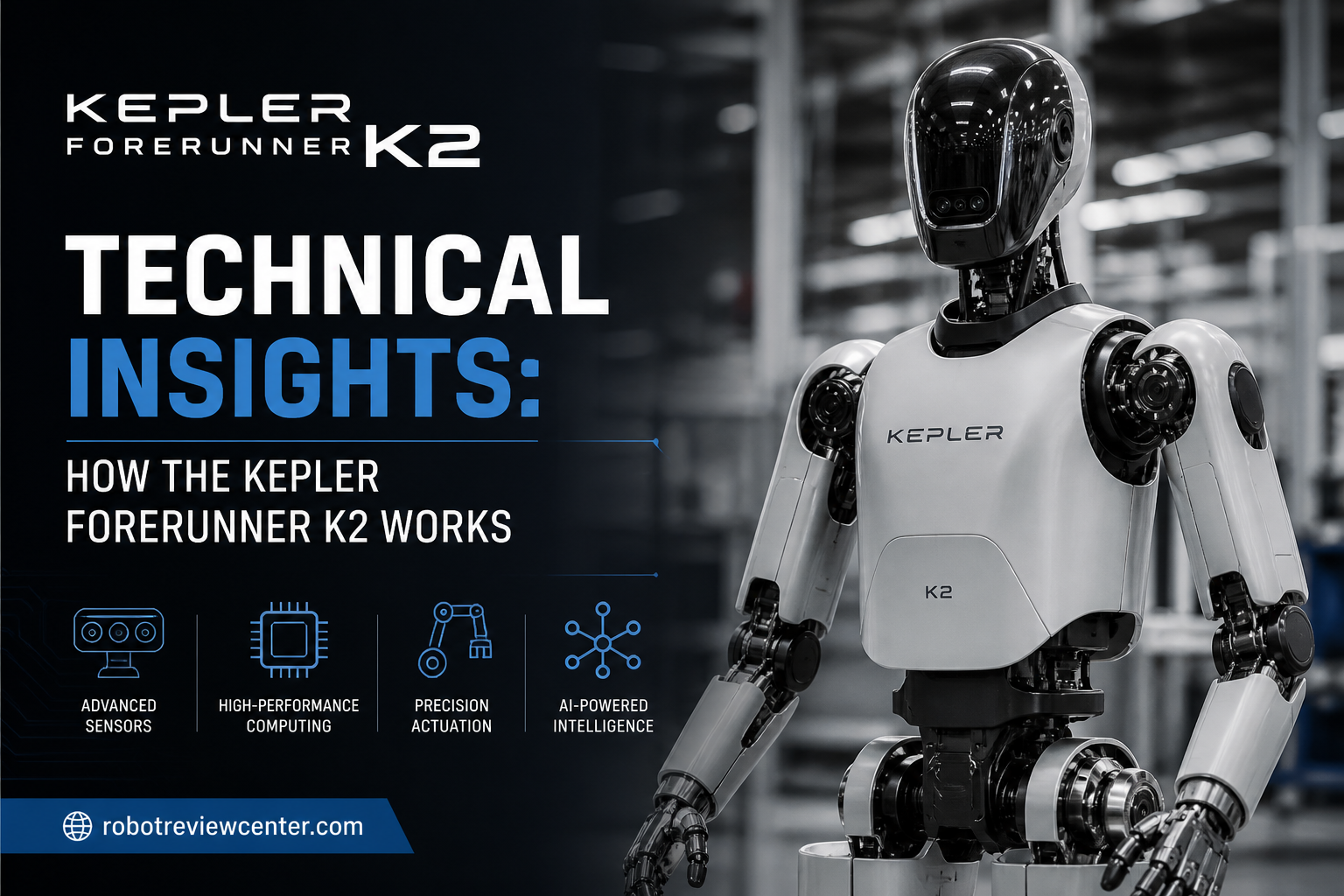
At the core of the Kepler Forerunner K2’s capabilities is an advanced AI architecture powered by a dual-core NVIDIA processor. This allows for sophisticated real-time computations essential for complex tasks and decision-making processes. The robot employs a Vision-Language-Action (VLA) model, integrating visual input with perceptual language to inform subsequent actions.
The inclusion of robust sensor arrays, including LiDAR and stereo vision cameras, provides a 3D representation of its environment. As a result, the K2 is equipped to perform spatial navigation, object recognition, and role-specific task execution with outstanding precision.
With a reinforced AI framework, the K2 is hardly a static entity. It uses reinforcement learning to refine its functioning, continuously optimizing strategies for task completion, which is particularly useful for dynamic and unpredictable environments.
Market Analysis: Understanding the Economic Potential
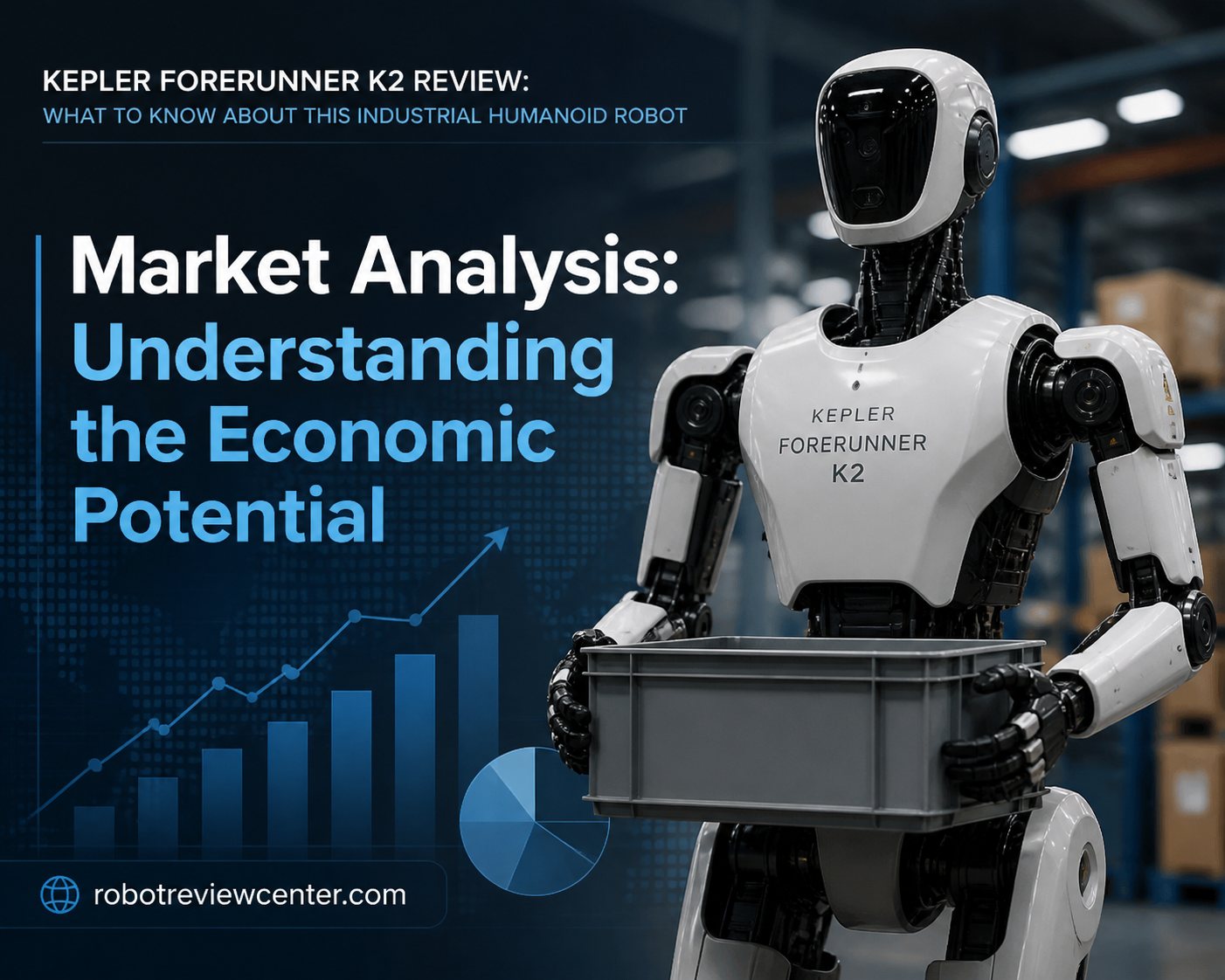
The global robotics market is undergoing exponential growth, and the Kepler Forerunner K2 stands to claim a substantial share of it. According to analysis from the International Federation of Robotics, industrial robotics is expected to experience a compound annual growth rate (CAGR) of 15% from 2024 to 2028.
Investors are keenly eyeing the potential of humanoid robots like the K2, given their versatility and potential for return on investment. As industries increasingly shift towards automation to address labor shortages and efficiency demands, the economic potential of products like the K2 is significant.
With its potential to reduce labor costs, increase productivity, and enhance operational safety, industries such as manufacturing and logistics are anticipated to be the biggest adopters, fueling further research and development in this sector.
Challenges and Limitations: What Hurdles the Kepler Forerunner K2 Faces
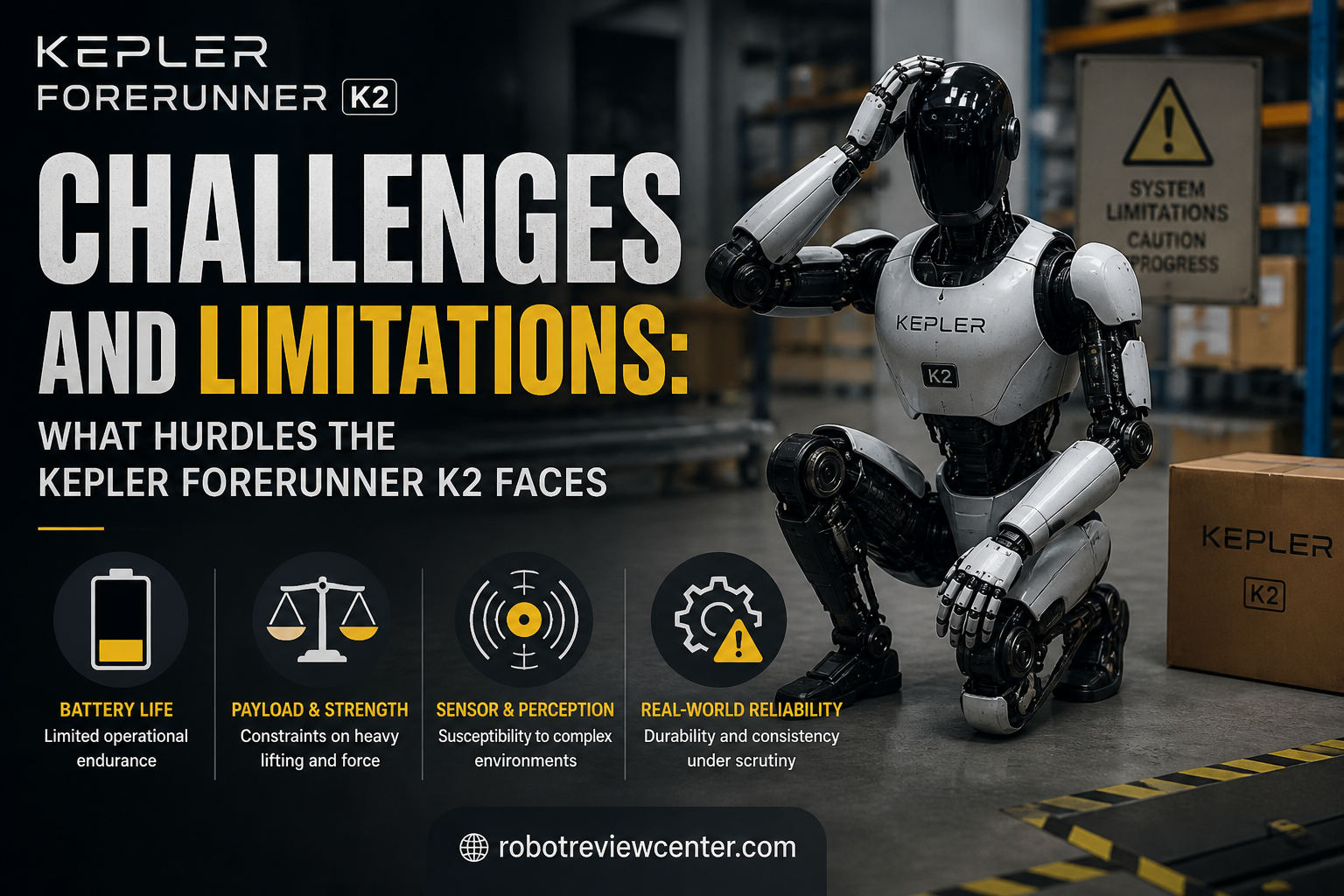
No technological marvel is without its set of challenges. The Kepler Forerunner K2, while impressive, faces limitations that are worth noting. The cost of production and integration remains a pivotal concern for industries considering adopting such advanced robotic solutions.
Additionally, while the K2’s adaptability is noteworthy, it still can’t match the nuanced decision-making and dexterity inherent in human operators. Its operational efficiency is heavily reliant on the accuracy of its sensors and the sophistication of its AI algorithms, which can be a double-edged sword in dynamic environments.
Cybersecurity remains another challenge. As with all AI-powered devices, the risk of data breaches and unauthorized access looms, necessitating advanced cybersecurity measures to safeguard sensitive operational data.
Predicting the Future: Where Might the Kepler Forerunner K2 Lead Us?
Looking towards the future, the trajectory of the Kepler Forerunner K2 appears promising. With exponential advancements in AI and sensor technology, we can anticipate significant enhancements in the robot’s capability and functionality over the next five years.
The ongoing developments in AI frameworks suggest that the K2 could be a forerunner not only in industrial settings but also in sectors such as personalized home assistance, where its humanoid design could enhance collaborative capabilities.
Long-term, the K2 and similar humanoid robots have the potential to drive the next wave of industrial revolution, characterized by hyper-efficient environments where human creativity and robotic precision exist in a harmonious blend.
Strategic Insights: Preparing for a Robotic Future
For businesses contemplating embracing robotic solutions like the Kepler Forerunner K2, strategic foresight is crucial. Industries will need to invest in workforce re-skilling to handle shifts that come with integrating humanoid robots into existing workflows intelligently.
Developers and tech companies should focus on fostering partnerships that drive innovation and accelerate deployment capabilities. Understanding the nuances of AI and staying current with technological trends will be pivotal, as the pace of innovation continues to accelerate.
Ultimately, for users and companies alike, it’s about harnessing technology to not just replace but enhance human potential. The K2 represents a critical juncture in realizing this balance.
So where does this leave us? The Kepler Forerunner K2 is an embodiment of potential in the robotics world—a confluence of advanced AI, engineering ingenuity, and forward-thinking design. Although it’s not without its challenges, its role in redefining industries and setting the tone for future innovations is undeniable. As we brace for a more automated future, understanding and leveraging technologies like the K2 could be key to thriving in an evolving industrial landscape.