
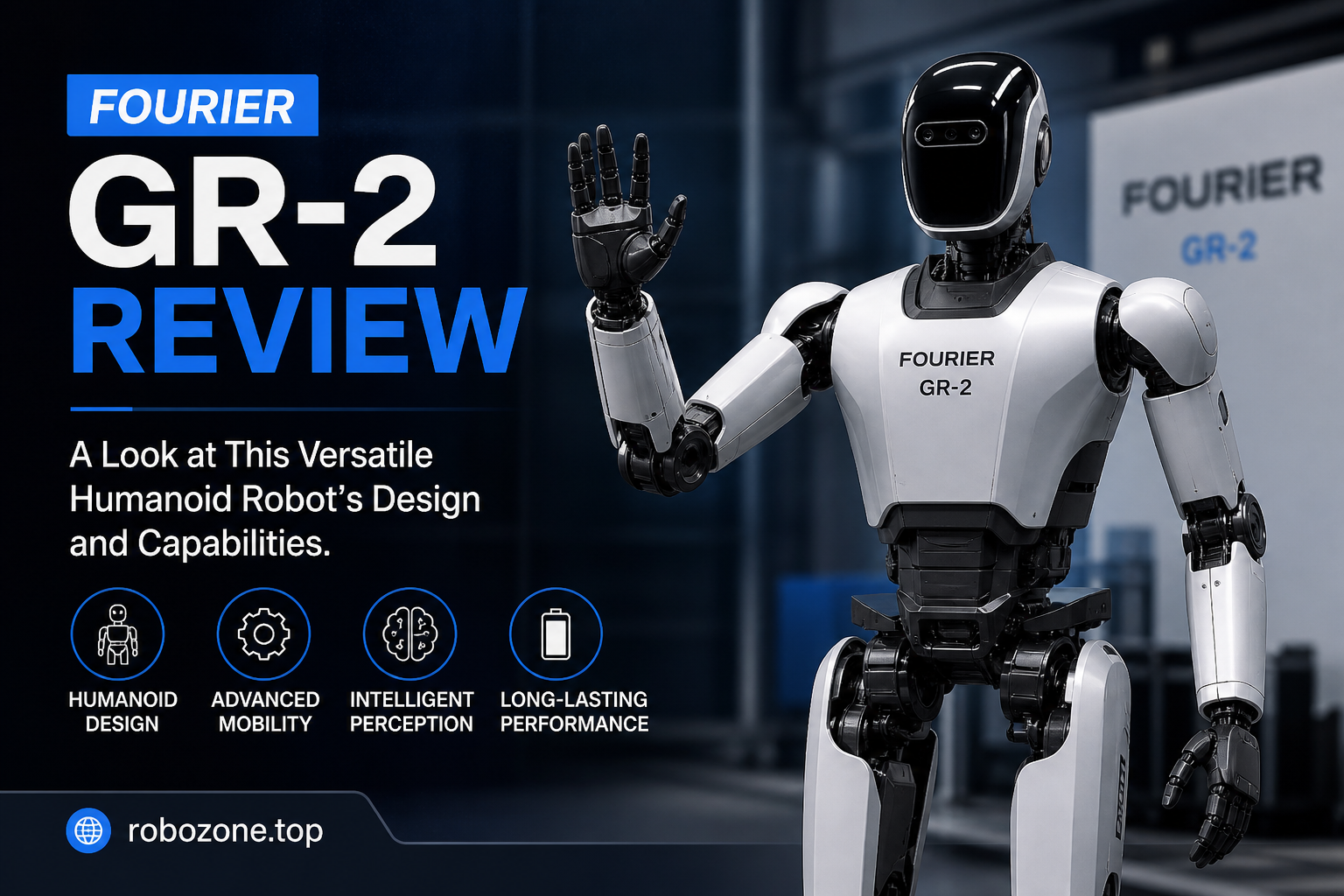
In a world increasingly entering what many might dub the ‘age of automation,’ few things capture our imagination quite like humanoid robots. The Fourier GR-2, a remarkable engineering feat, stands tall in this realm – literally and figuratively.
Developed with the vision of revolutionizing interaction between humans and machines, this robot promises to bridge a myriad of gaps across various sectors. But how does it stack up in reality? This comprehensive review will delve into the heart of the Fourier GR-2, peeling back layers to see not just what it does, but how it’s reshaping the landscape of possibilities.
What is the Fourier GR-2?
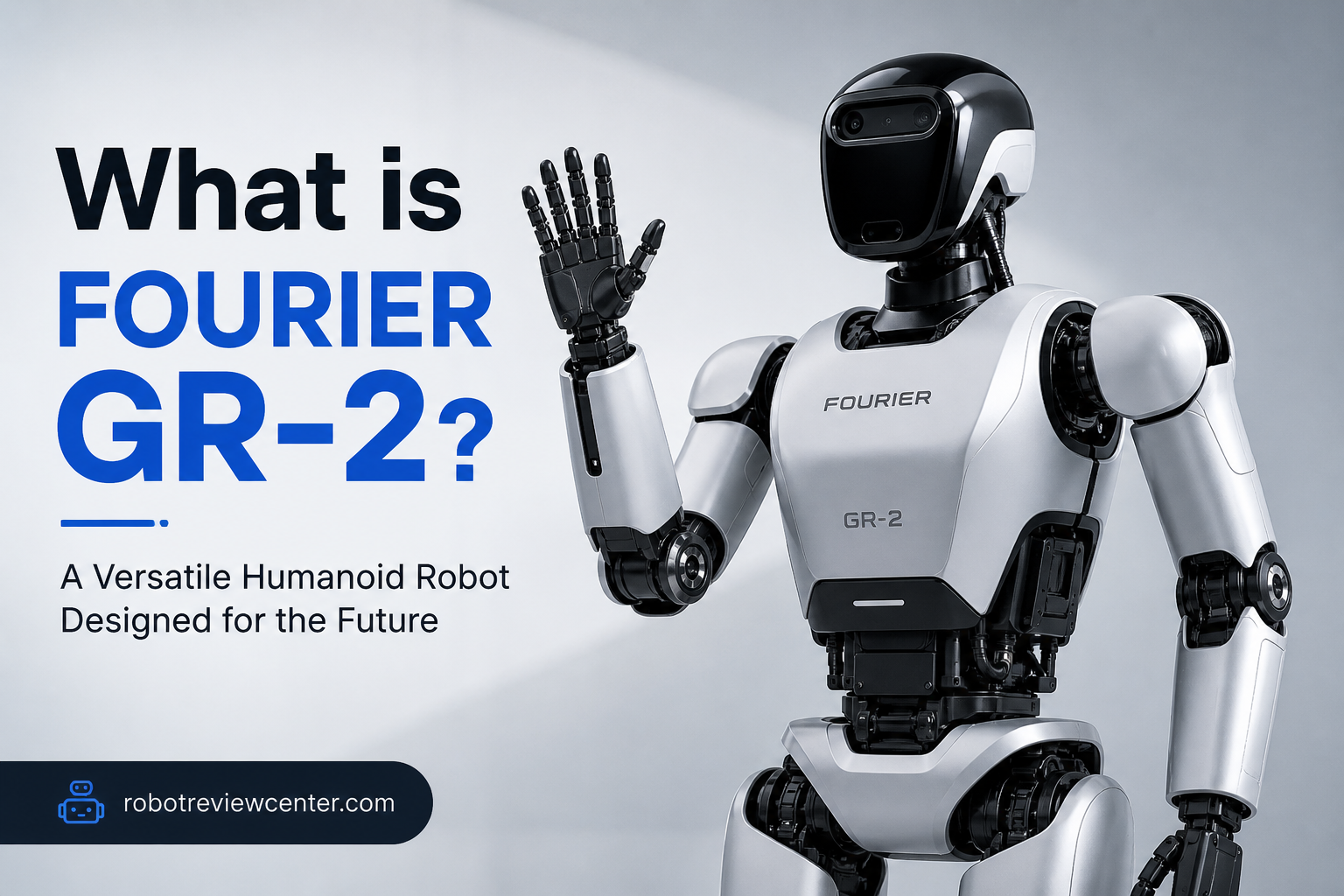
The Fourier GR-2 is no ordinary humanoid robot. At first glance, its elegant design and human-like features immediately set it apart from conventional automatons. Originating from Fourier Intelligence, a company headquartered in Singapore, this robot exemplifies cutting-edge technology with a dash of futuristic aesthetics. Standing approximately 1.75 meters tall, the GR-2 is designed to mimic human physiology with striking precision. But how does it do this? And why should it matter?
With its 54 degrees of freedom, the GR-2 moves with a fluidity rarely seen in robots. This is achieved through its advanced actuator systems that work in tandem to create lifelike movements. When we talk about humanoid robots, the ability to move like a human is not merely an aesthetic choice. Instead, it forms the backbone of seamless human-robot interaction, enabling the GR-2 to adapt to environments designed for humans.
Fourier Intelligence has positioned the GR-2 as a general-purpose robot, aiming to address a broad spectrum of tasks. Its versatility is underscored by its modular design – allowing customization to fit various roles, whether in a healthcare setting or a manufacturing line. This adaptability makes the GR-2 not just a fixed-set performer but rather a collaborator in evolving environments.
Technical Insights: Robust Systems and Smart Sensors
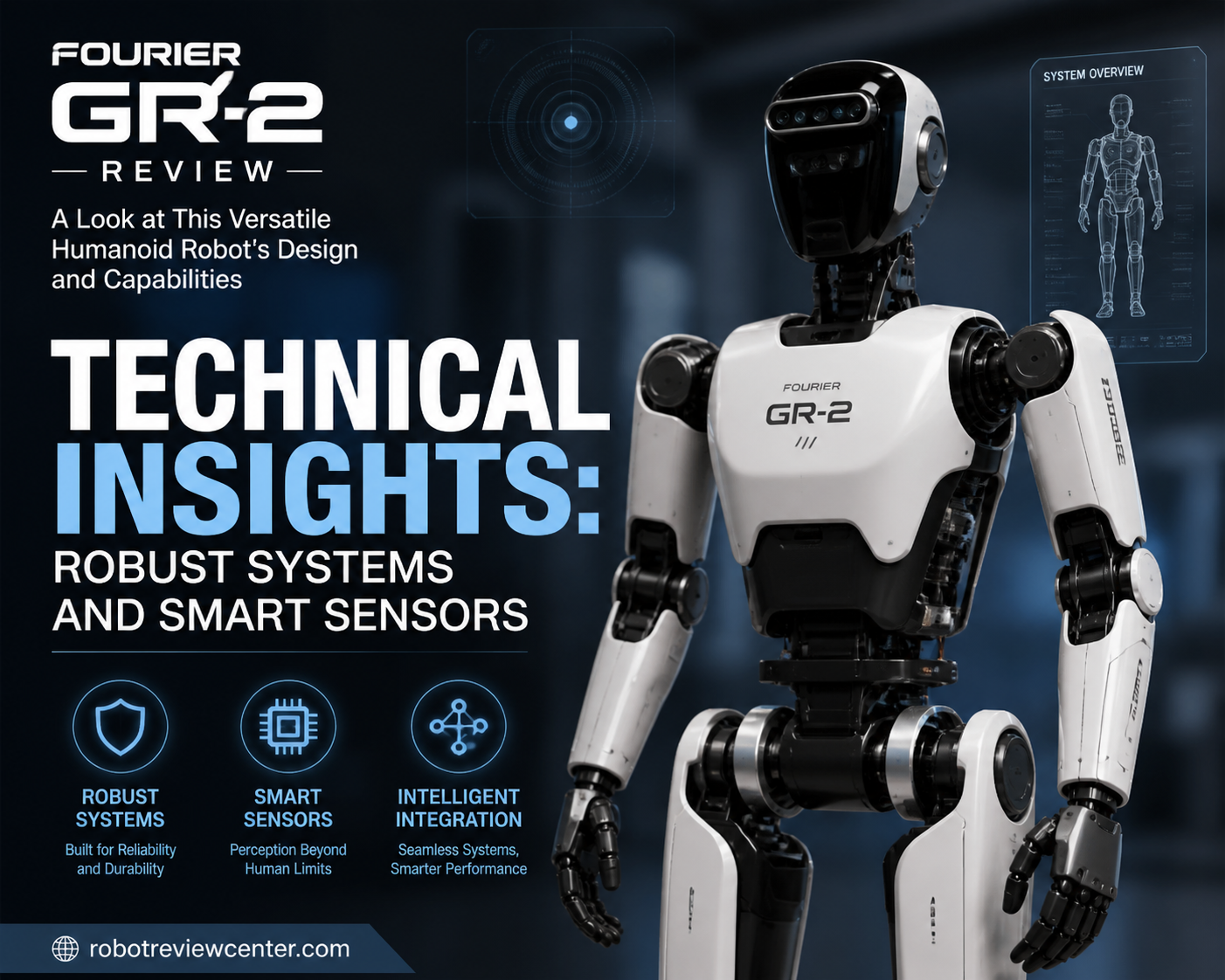
Diving into the technical aspects of the Fourier GR-2 reveals an impressive confluence of systems working in harmony. Powered by NVIDIA’s next-generation AI chips, the robot processes massive amounts of data in real-time, enabling it to make quick decisions. This capability is complemented by its extensive sensor suite that includes LiDAR, depth cameras, and tactile sensors strategically placed throughout its frame.
At the heart of these capabilities is the robot’s advanced AI system. Leveraging machine learning algorithms, the GR-2 is able to predict and adapt to human movements, effectively improving its collaborative efforts in shared spaces. An example of this is evident in its ability to assist patients in rehabilitation centers by learning and anticipating their movements, acting almost as a physical therapist would.
Such capabilities are further augmented by the robot’s computing prowess. It is equipped with high-performance CPUs and GPUs, providing the processing power necessary for complex computations and simulations. This hardware is critical not just for movement, but also for tasks that require cognitive abilities such as language processing and recognition.
Real-World Applications: More Than Just a Technological Marvel
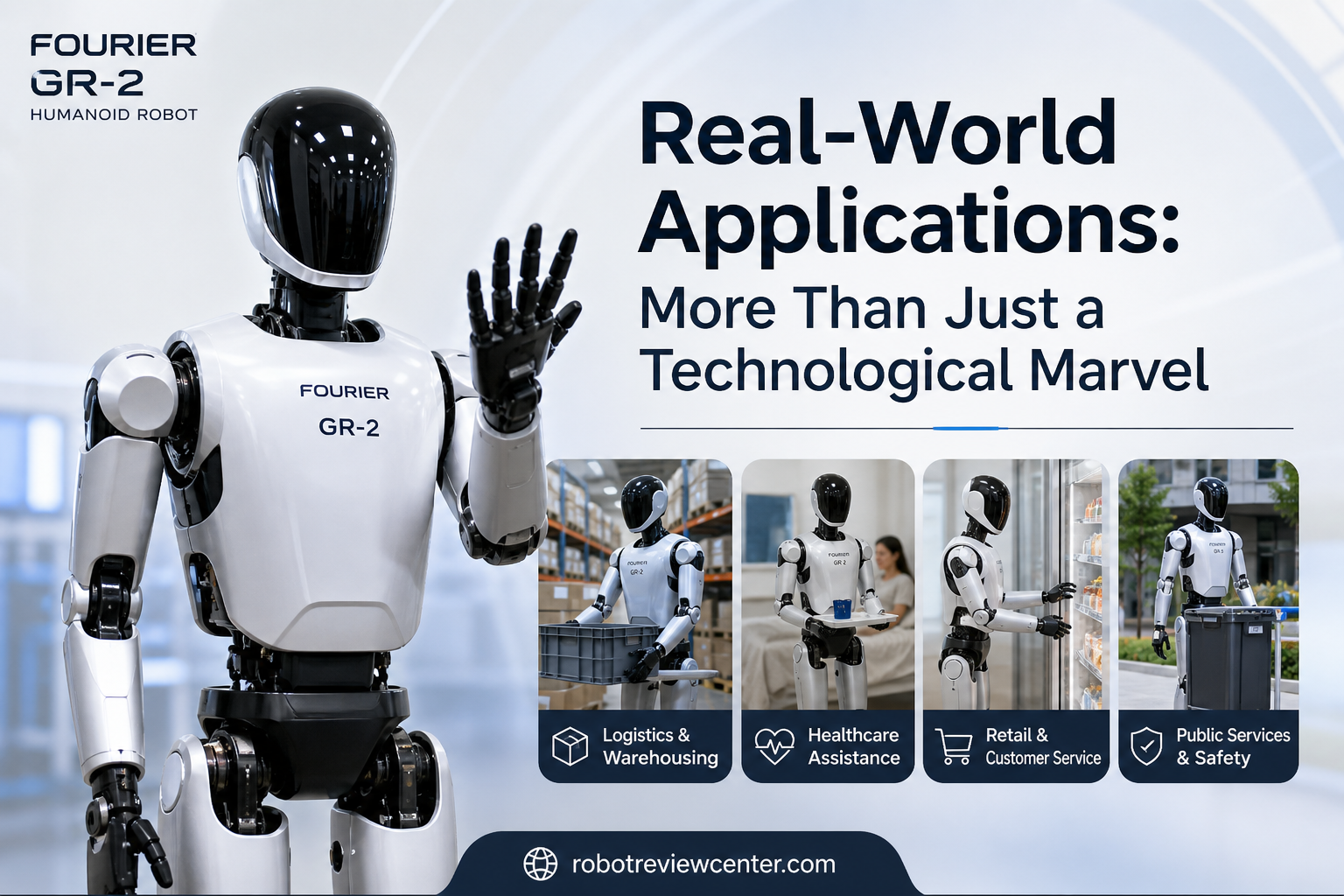
While the GR-2’s technical prowess is impressive on paper, it is its real-world applications that truly tell the story of its potential. In healthcare, for example, the robot has been piloted to assist in patient handling, rehabilitation, and as an aid for the elderly. The ability to adapt and respond to patient needs in a hospital setting marks a significant step forward in medical robotics.
In industrial contexts, the GR-2 serves roles from assembly assistance to safety monitoring. Its dexterity allows it to handle tasks that require precision and care – a feature not commonly associated with robots designed for heavy-duty tasks. This versatility extends to sectors such as logistics, where the GR-2 can navigate warehouses autonomously, optimizing supply chains and reducing human fatigue.
Yet, perhaps one of the most unique applications is its deployment in educational environments. The GR-2 acts as an interactive teaching assistant, providing students with personalized attention and engagement. These meaningful interactions could redefine how education systems incorporate technology in the classroom.
Market Analysis: The Economics of Humanoid Robotics
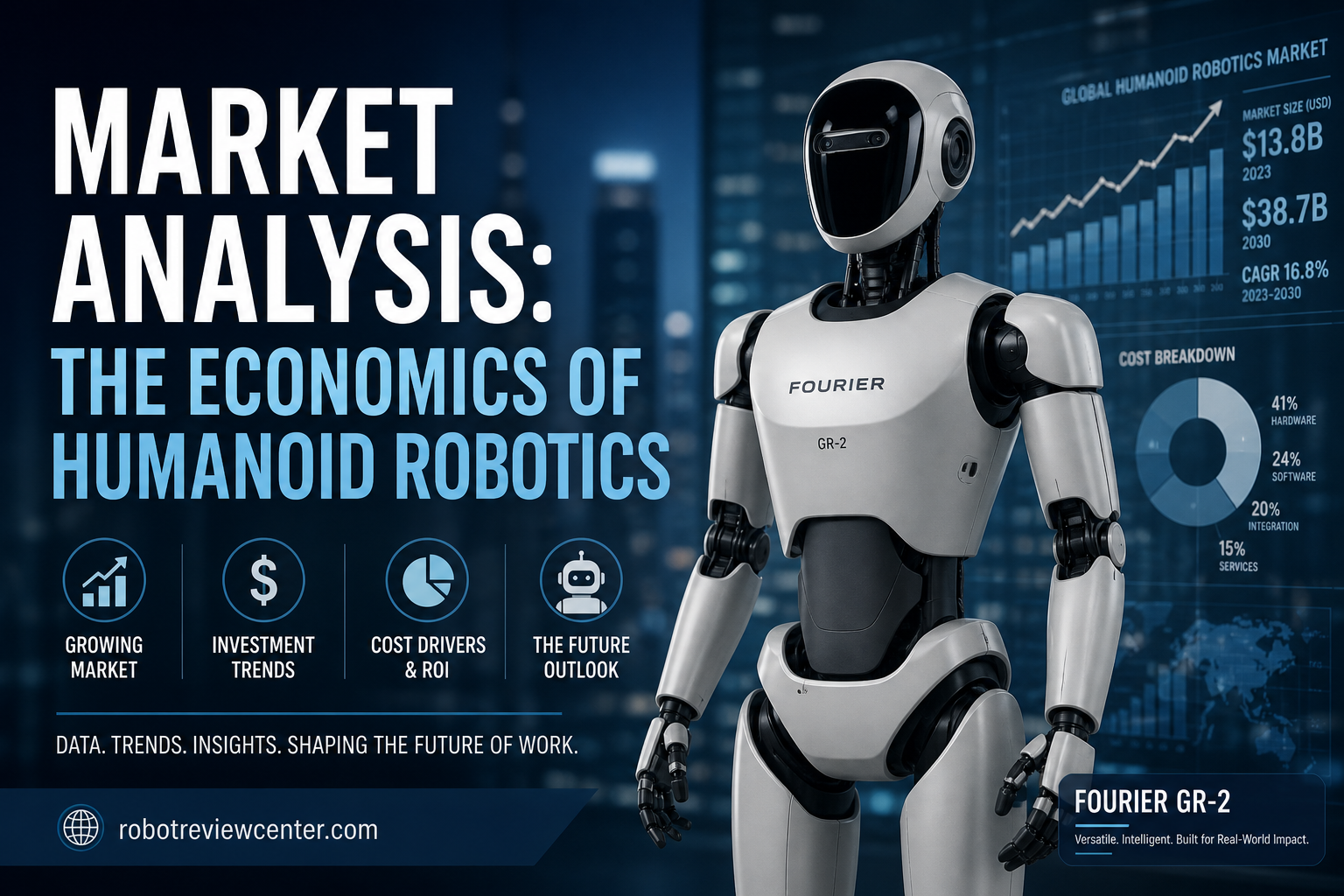
The introduction of robots like the Fourier GR-2 comes at a pivotal moment in the robotics market. As of 2025, the robotics industry is projected to grow exponentially, with investments pouring in from traditional sectors and tech titans alike. This surge is driven by the dual need for automation and the enhancement of human capabilities in workspaces.
McKinsey & Company’s research indicates substantial economic benefits in adopting advanced robotics, estimating the potential to increase productivity and reduce operational costs in key industries by up to 15%. For the GR-2, this means a strategic advantage, as its ability to perform various tasks can translate into significant value additions for companies willing to integrate such technology.
However, it is critical to note that the robot’s market penetration will largely depend on its cost-effectiveness and the speed of technological adoption across different industries. Having a competitive pricing strategy against other humanoid competitors, like those from Boston Dynamics and Agility Robotics, will be crucial. Fourier Intelligence’s ability to position the GR-2 not just as an operational asset but a necessary partner in tech evolution will ultimately determine its market success.
Challenges and Limitations: What Hurdles Remain?
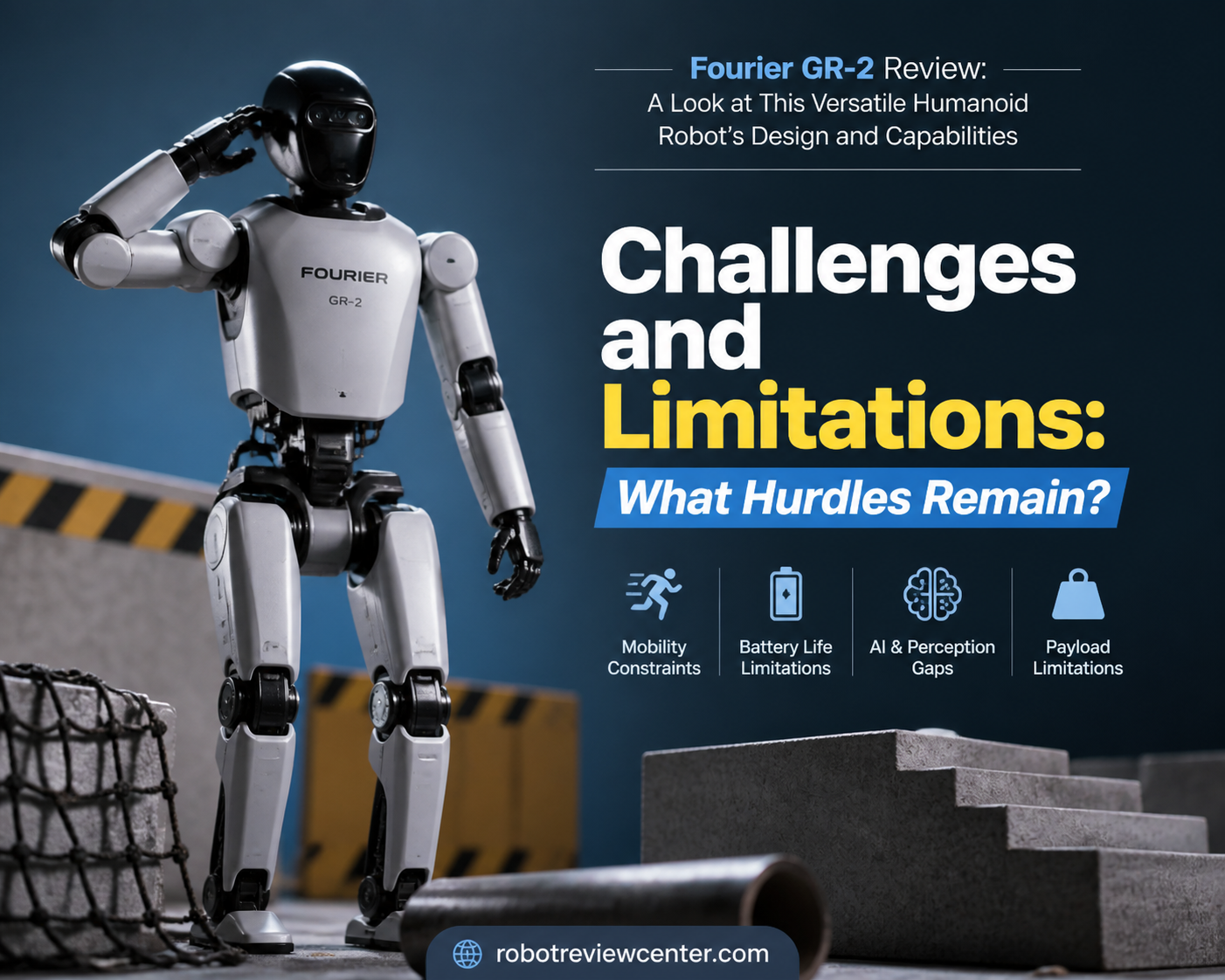
No review of the GR-2 would be complete without a candid look at its limitations. Despite its many strengths, the GR-2 faces several challenges inherent to humanoid robots. One such challenge is its autonomy. While capable of performing a wide array of tasks, the robot’s effectiveness still heavily depends on the structured environments it’s deployed in. Introducing it into unpredictable settings, like outdoor public spaces, may result in compromised efficiency and safety concerns.
Another area of concern lies in legal and ethical domains. The integration of robots in everyday life raises questions about privacy, job displacement, and accountability. For the GR-2 to overcome these barriers, broader systemic changes in law and public perception must align with its technological advances.
The robot’s high-energy consumption is also a limiting factor. Continued operation requires frequent charging or advanced battery solutions which, while currently underway in development labs, have yet to reach commercial viability. The day-to-day logistical and infrastructural challenges of maintaining such energy demands cannot be understated.
So What Comes Next? The Future of the Fourier GR-2
The path forward for the Fourier GR-2 is filled with both excitement and uncertainty. As more data becomes available through pilots and controlled deployments, the robot’s capabilities can be fine-tuned, shedding more light on areas that demand improvement. Looking ahead, the potential for GR-2 models to employ more sophisticated AI, such as reinforcement learning and deeper machine learning frameworks, could substantially boost their independence and decision-making capabilities.
Experts at the World Economic Forum propose that by 2030, robots like the GR-2 might be commonplace in households, assisting in daily chores and enabling a greater quality of life for many, especially in aging societies. This future, however, is contingent upon breakthroughs in human-robot interaction protocols and the subsequent wider acceptance of such tools in personal spaces.
For developers, businesses, and innovators aiming to engage with the GR-2, the journey should start with understanding their specific ecosystem needs and how a humanoid robot might augment rather than replace current functions. As Thomas Huynh, Admin of RobotReviewCenter.com, often says, “When we stop seeing robots as replacements and start seeing them as enhancements, that’s when the real progress begins.”
In the journey through the evolution of humanoid robotics, the Fourier GR-2 stands as an embodiment of both technological triumph and untapped potential. While it strikes a compelling image of what our future with robots could look like, the path to ubiquity is fraught with both technical and ethical challenges that must be navigated with care. The GR-2 offers a glimpse not just of future technological capabilities but of the societal transformations that they promise to bring. As we continue to explore, develop, and deploy these feats of engineering, the conversation is likely to evolve alongside these machines, painting an intriguing future unknotting over time.
Thomas Huynh – Admin of RobotReviewCenter.com