
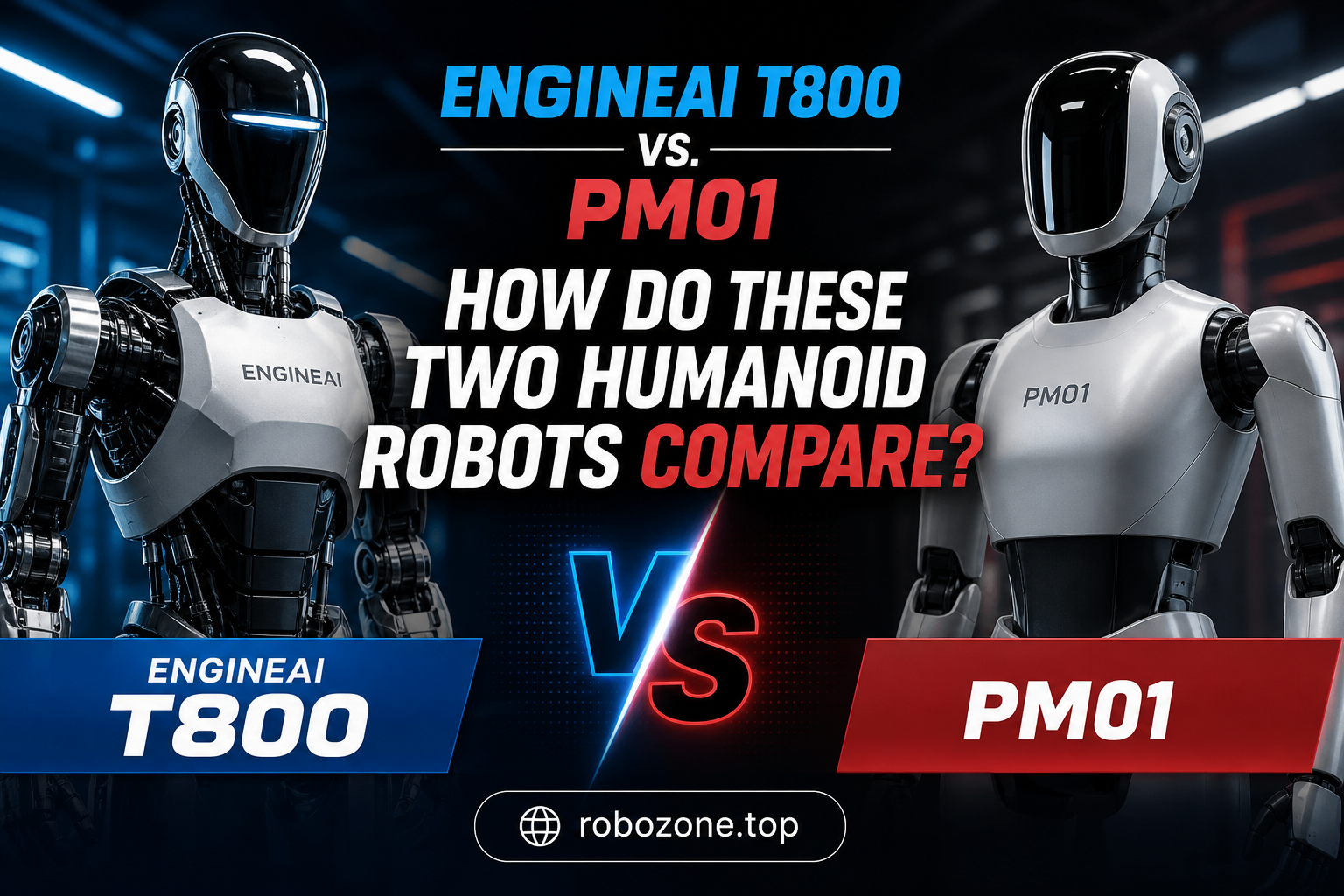
The realm of humanoid robotics is an ever-evolving landscape, continually pushing the boundaries of what machines can do in human-like forms. Within this fascinating domain, two contenders have captured the imagination of technologists, businesses, and futurists alike—EngineAI T800 and PM01.
As we journey through their capabilities, applications, and potential impacts on society, one question looms large: How do these two humanoid marvels truly compare? Let’s dive into the intricate details of EngineAI T800 and PM01 to uncover what sets them apart and what binds them together.
Understanding the Core Identities of EngineAI T800 and PM01
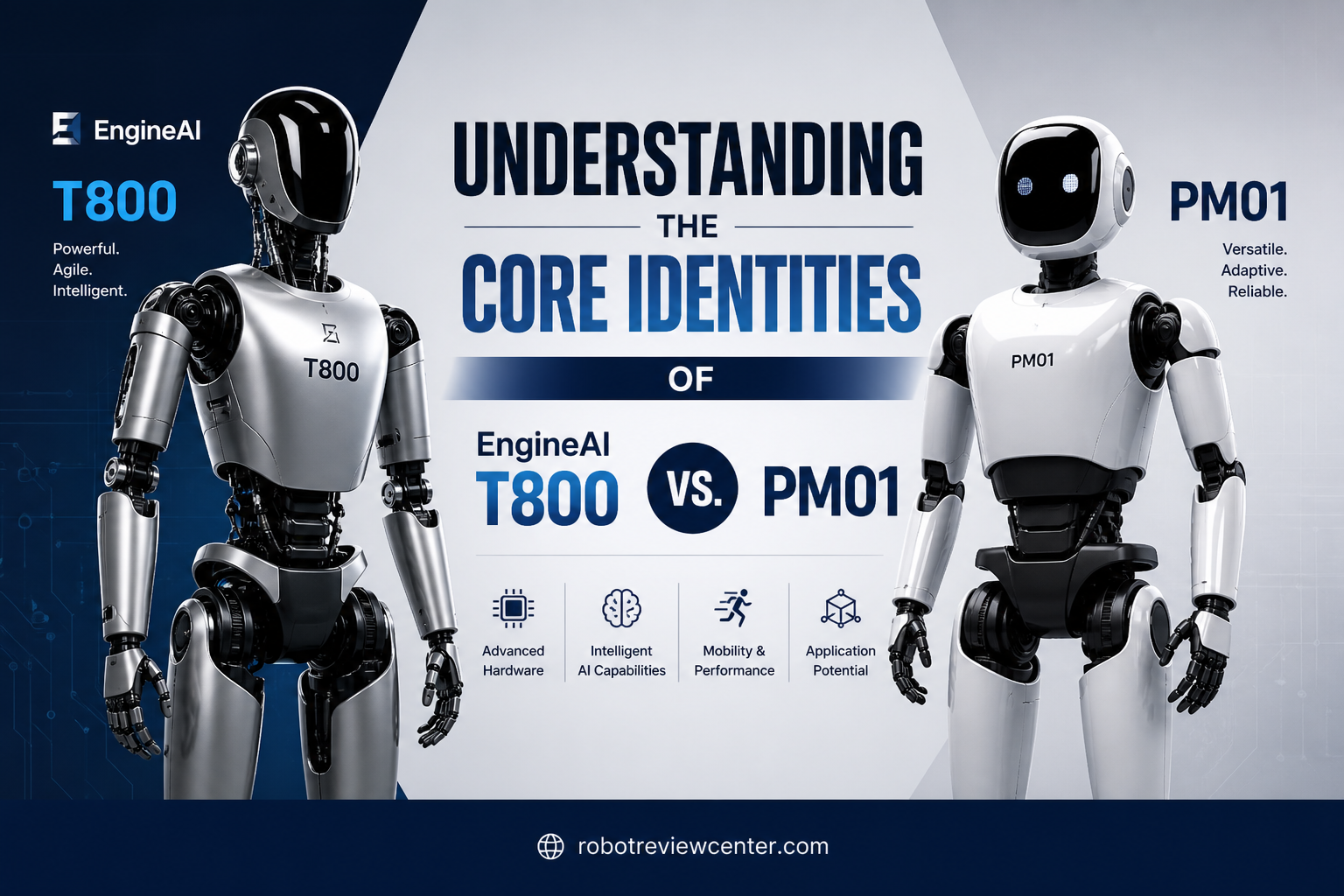
Before delving into a detailed comparison, it’s crucial to understand the essence of these humanoid robots. The EngineAI T800, manufactured by the well-renowned firm EngineAI Technologies, signifies a leap toward intelligent companion robotics. While rooted in industrial prowess, it has branched out to include domestic companionship qualities.
Meanwhile, the PM01, a brainchild of Precision Mechanics Corp, targets high-precision tasks in industrial settings, particularly focusing on repetitive yet dexterous operations. Each robot possesses its distinctive core functionality, design philosophy, and target use-cases, serving different yet occasionally overlapping markets.
Real-World Applications Across Various Industries
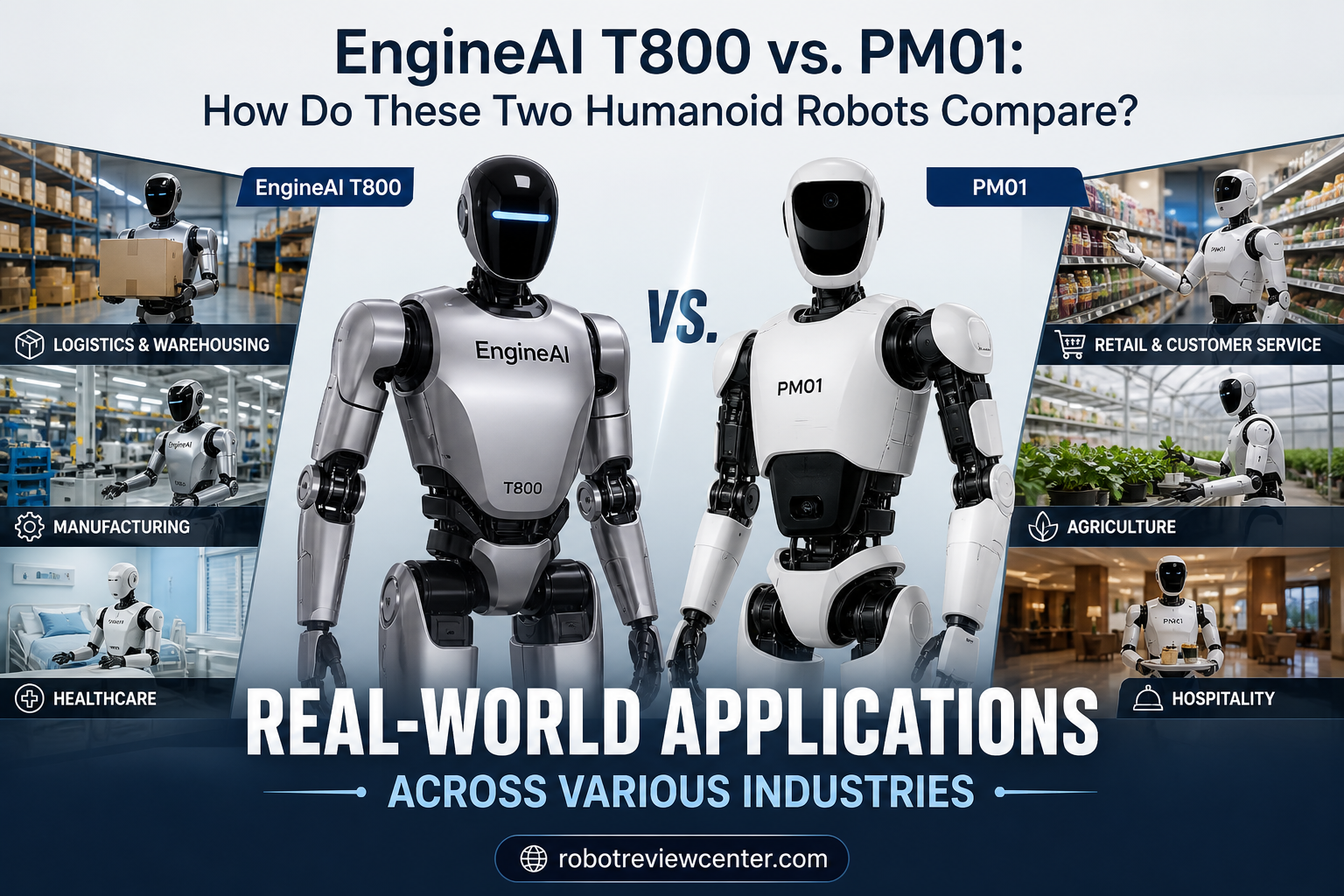
Humanoid robots like the EngineAI T800 and PM01 are crafted not merely for demonstration but as tools for myriad applications. The T800 has been spotted in healthcare environments, assisting with elderly care by providing companionship, reminders for medication, and even some basic medical diagnostics. The blend of AI-driven interactions makes it incredibly adaptive to personal needs, significantly enhancing care experiences in geriatrics.
Conversely, the PM01 is finely tuned for precision tasks within manufacturing and high-tech assembly lines. Its ability to handle minute components with extraordinary accuracy is particularly revolutionary for consumer electronics sectors, where the assembly of delicate parts is standard practice. Although primarily industrial, PM01 is also exploring potential in areas such as research laboratories and hazardous environments where humanoid flexibility is crucial.
Technical Insights: The Brains, Sensors, and Systems At Play
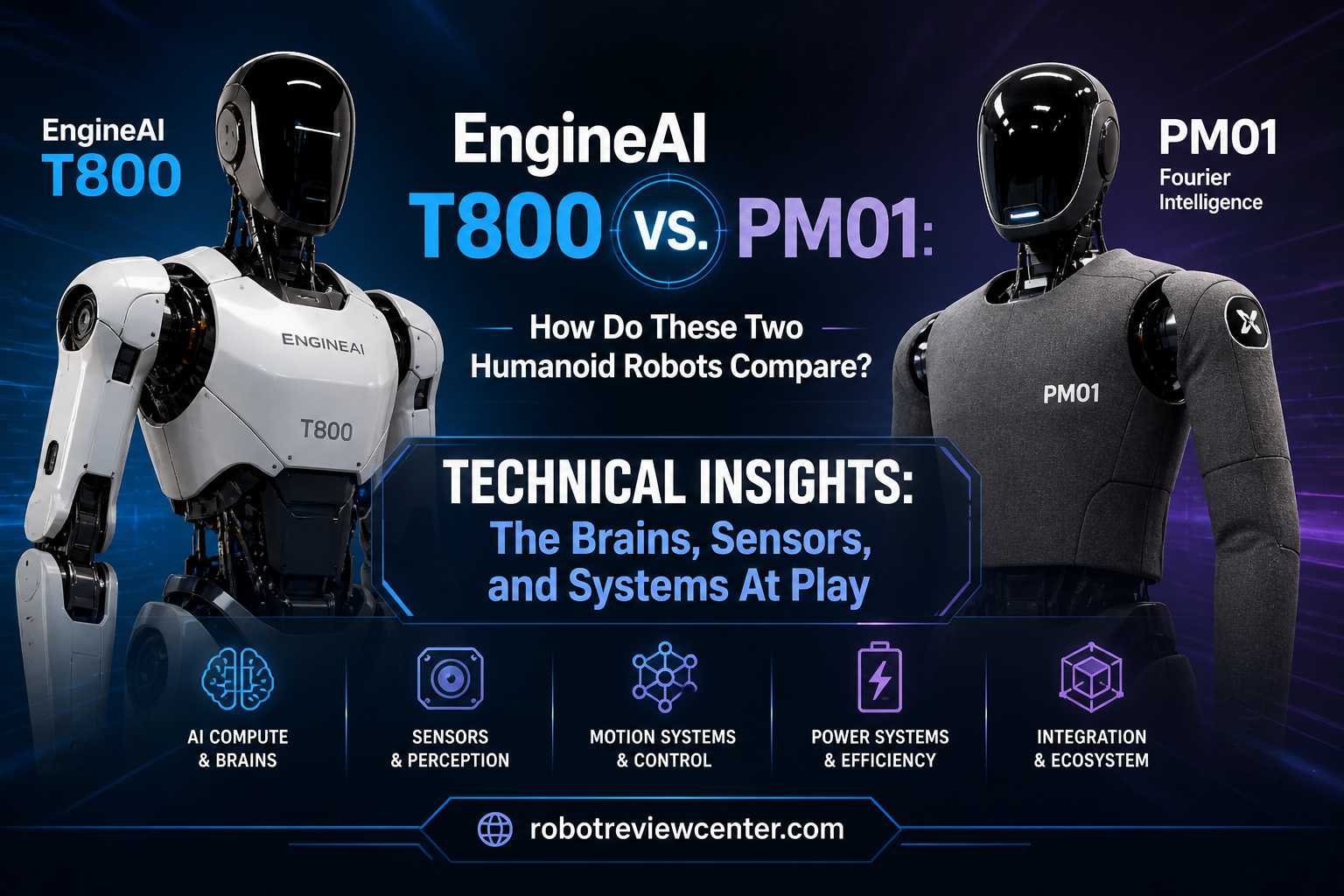
Diving into the technical realm, both the T800 and PM01 boast impressive architectures that set them apart within the robotics field. The EngineAI T800 is powered by a robust NVIDIA GPU, allowing for real-time data processing and sensory feedback, crucial for navigating dynamic human environments. Supplemented by AI models developed in conjunction with deep learning frameworks, T800 exhibits sophisticated speech recognition and emotional intelligence capabilities.
On the flip side, PM01’s strength lies in precision robotics, equipped with advanced sensors including LiDAR for spatial awareness and multi-axis force sensors enabling delicate touch-based operations. The CPU-driven architecture focuses on stability and precision, necessary for environments where even micro-level errors can translate into significant operational challenges.
Market Dynamics: Growth and Economic Impacts
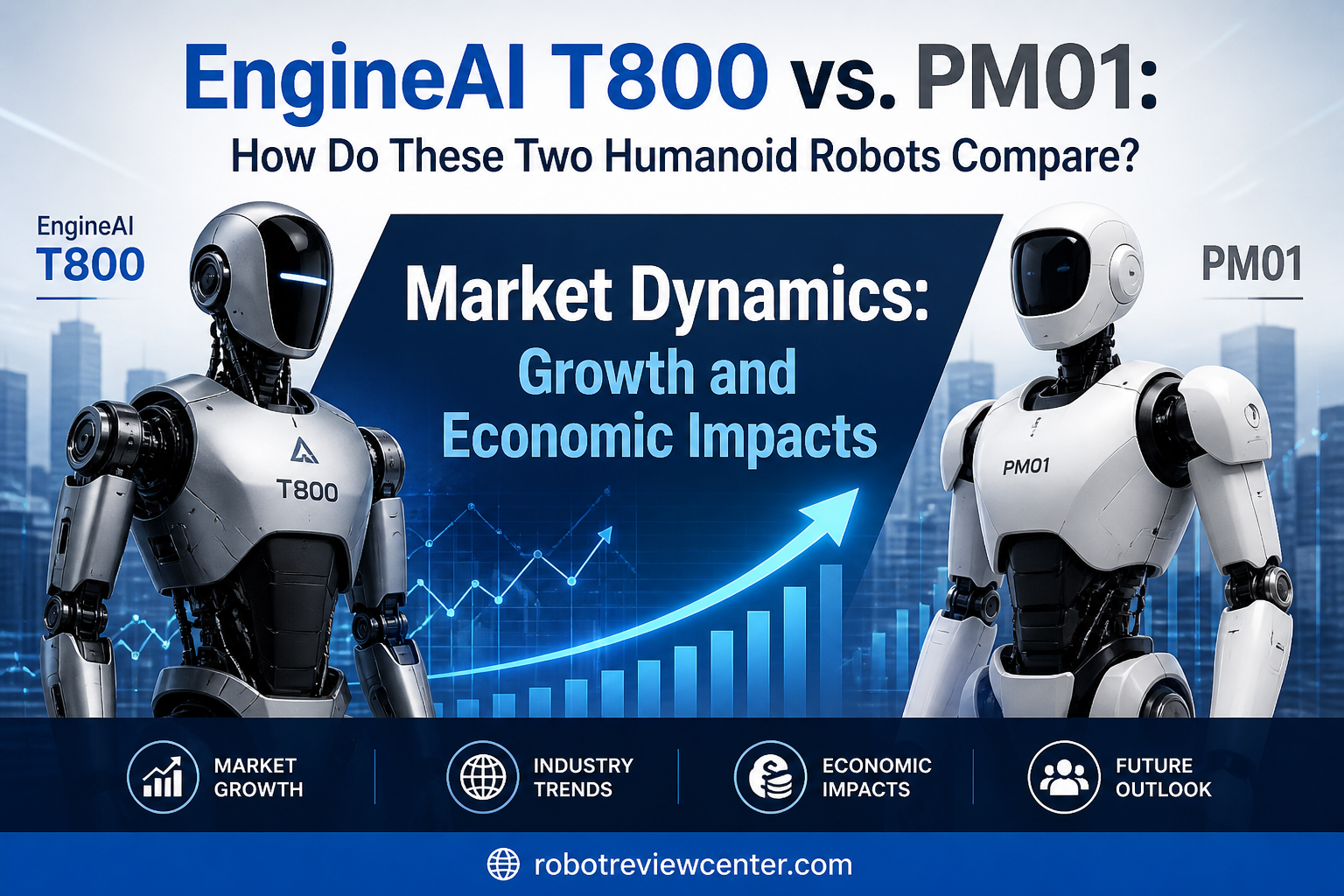
The humanoid robot market is a rapidly expanding sector within the global economy. Recent insights from McKinsey & Company predict significant annual growth rates, emphasizing the role these robots may play in reshaping various industries. EngineAI T800’s market appeal particularly stands among sectors keen on integrating robotics into daily life, driving new economic models where technology enhances social care and companionship economies.
The PM01 stimulates economic interest from the manufacturing sector seeking to streamline operations while overcoming challenges associated with human labor shortages. With robotics investments projected to reach new heights by 2026, both systems are well-positioned to become central players in their respective domains.
Challenges and Limitations: What Remains Unresolved?
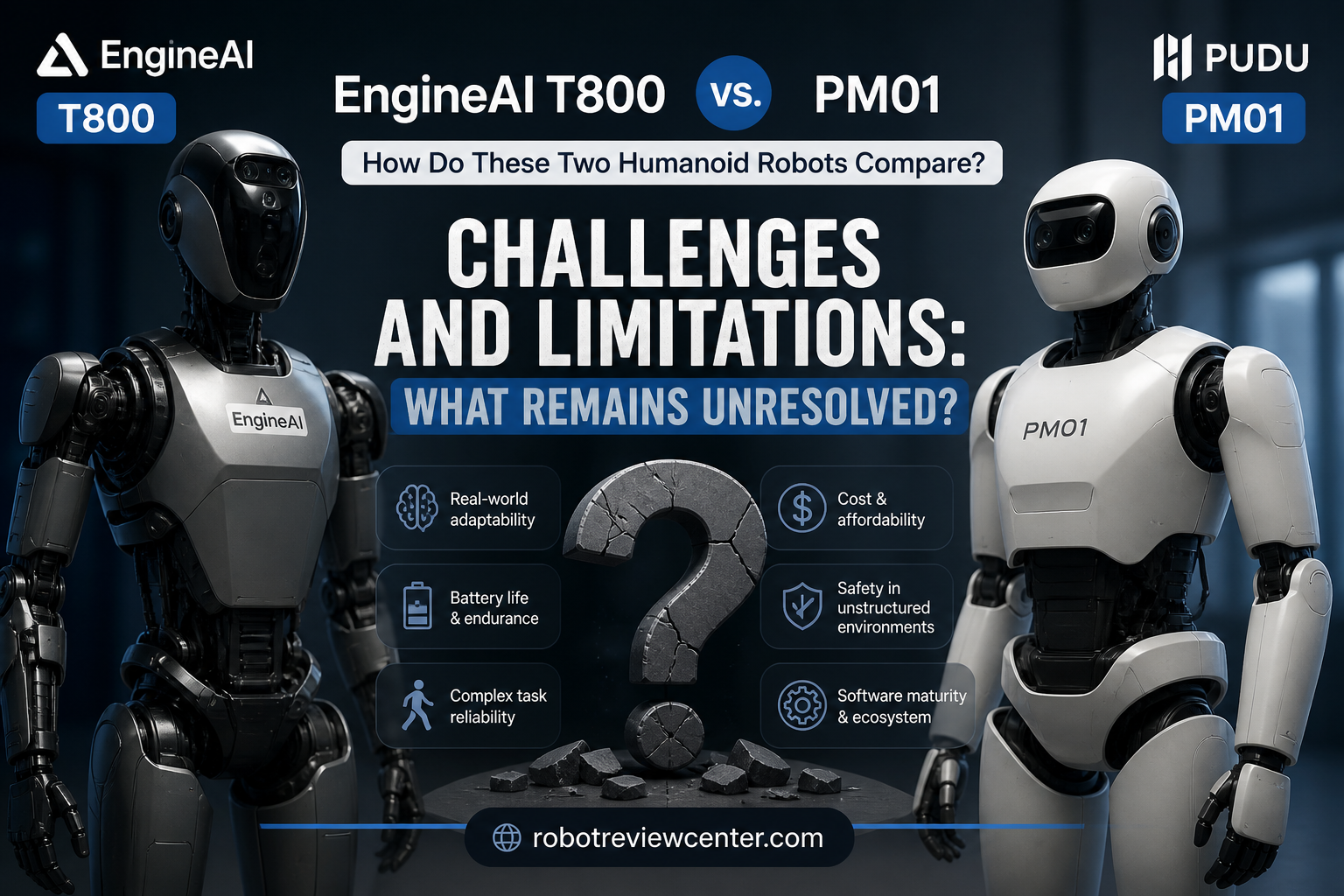
Despite their groundbreaking features, the EngineAI T800 and PM01 face challenges that hinder their universal acceptance. For T800, while capable, the challenge remains in perfecting its emotional intelligence for seamless human interaction, striking a balance between human-like empathy and machine efficiency. Furthermore, privacy concerns about data-heavy interactions persist, requiring transparent ethical frameworks.
PM01, though exemplary in precision, continues grappling with adaptability in non-standardized environments. Its dependence on well-defined tasks limits its broader applicability. Additionally, initial setup costs and system integration with current operations present barriers for some industries, emphasizing the need for more flexible robotics ecosystems.
Gazing into the Future: Predictions for the Next Decade
Fast forward a few years, and the landscape of humanoid robotics is likely to unfold in remarkable ways. EngineAI T800, as envisioned by robotics experts, aims to be even more integrated into personal spaces, potentially evolving into an all-encompassing home assistant, caring and intuitive yet robustly analytical.
For PM01, the trajectory is set towards even greater integration into Industry 4.0 paradigms, enabling fully autonomous factories where human oversight is minimal. Such progression anticipates a world where human effort focuses on creativity and innovation rather than routine, paving the way for a true partnership between humans and machines.
Strategies for Stakeholders: What Should Businesses and Developers Anticipate?
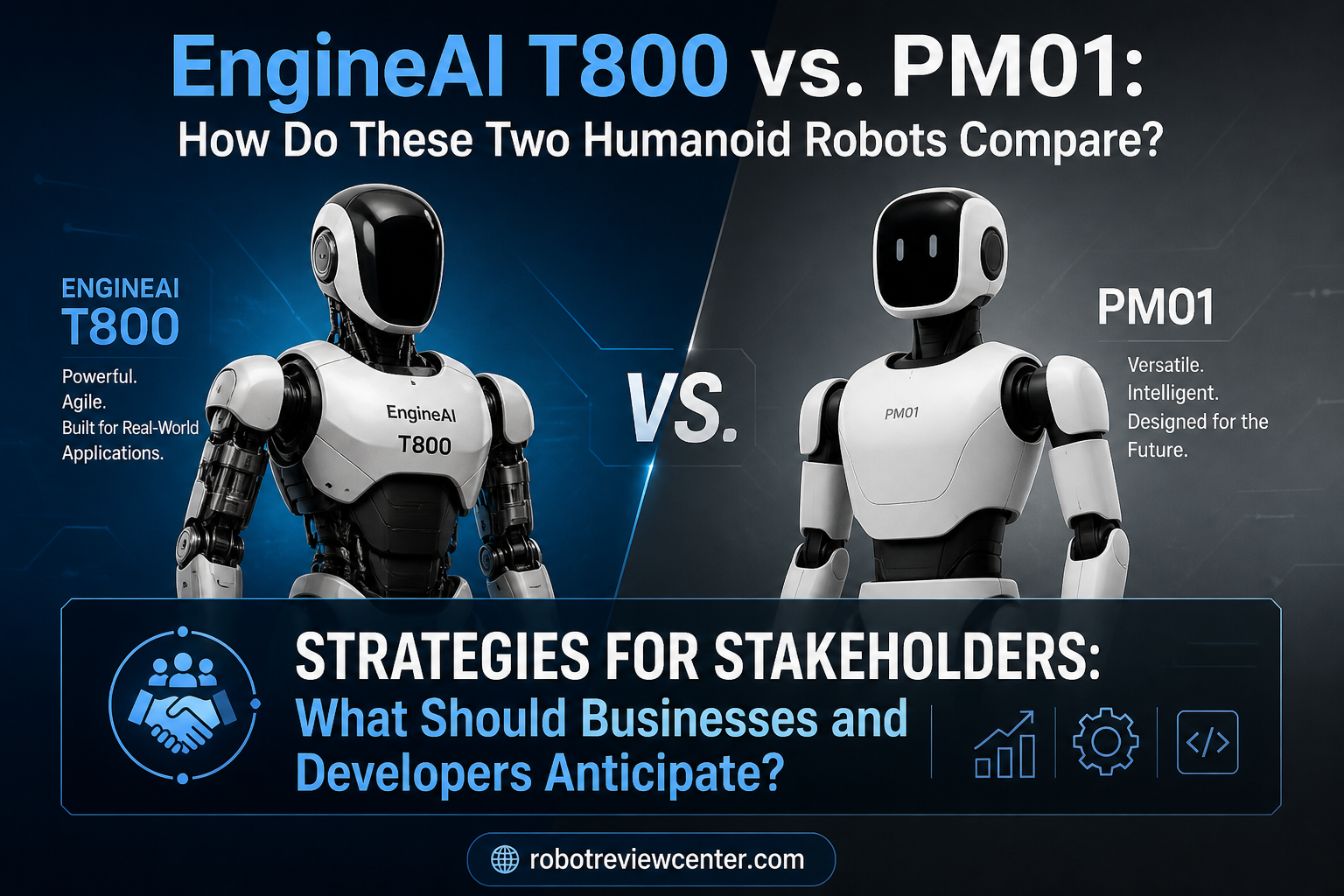
With significant advancements underway, various stakeholders must strategize to leverage the opportunities humanoid robots present. Businesses should focus on fostering environments conducive to robotic integration, investing in infrastructure that supports seamless robotics operation, and ensuring workforce readiness for change.
Developers, on the other hand, face the challenge of refining AI capabilities to enhance user experience and ensure ethical interactions between humans and robots. Continual development in data privacy and security will be paramount as these robots evolve to hold sensitive personal data.
What Should We Really Pay Attention To?
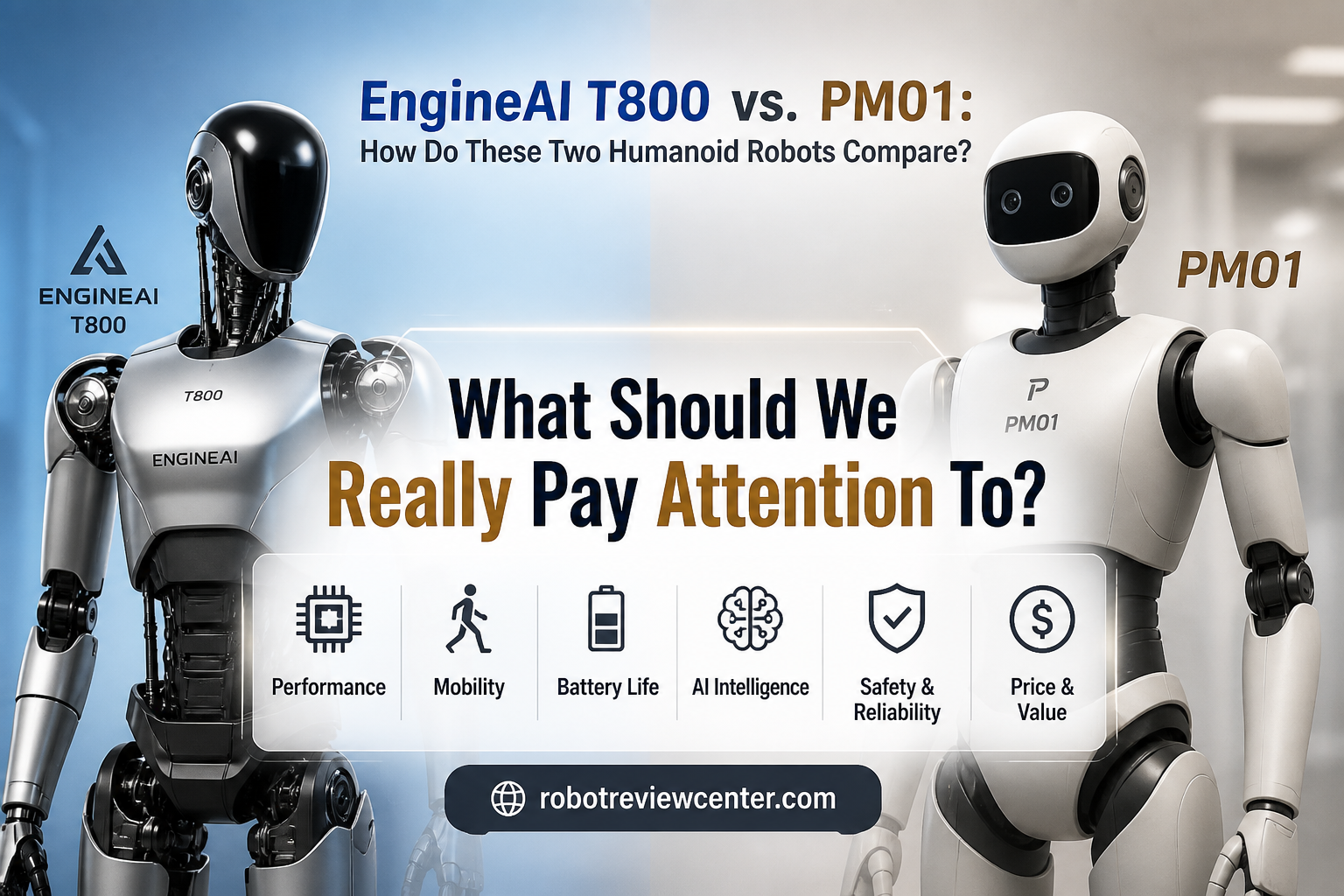
As we stand at the cusp of a robotic revolution, it is crucial to pay close attention to the evolving interaction between humans and machines. The balance between technological advancement and ethical responsibility will define the success of robots like EngineAI T800 and PM01. While the future holds great promise, striking this balance and addressing the societal impacts will determine how these humanoids will drastically reshape our ways of living and working.
Thomas Huynh – Admin of RobotReviewCenter.com