
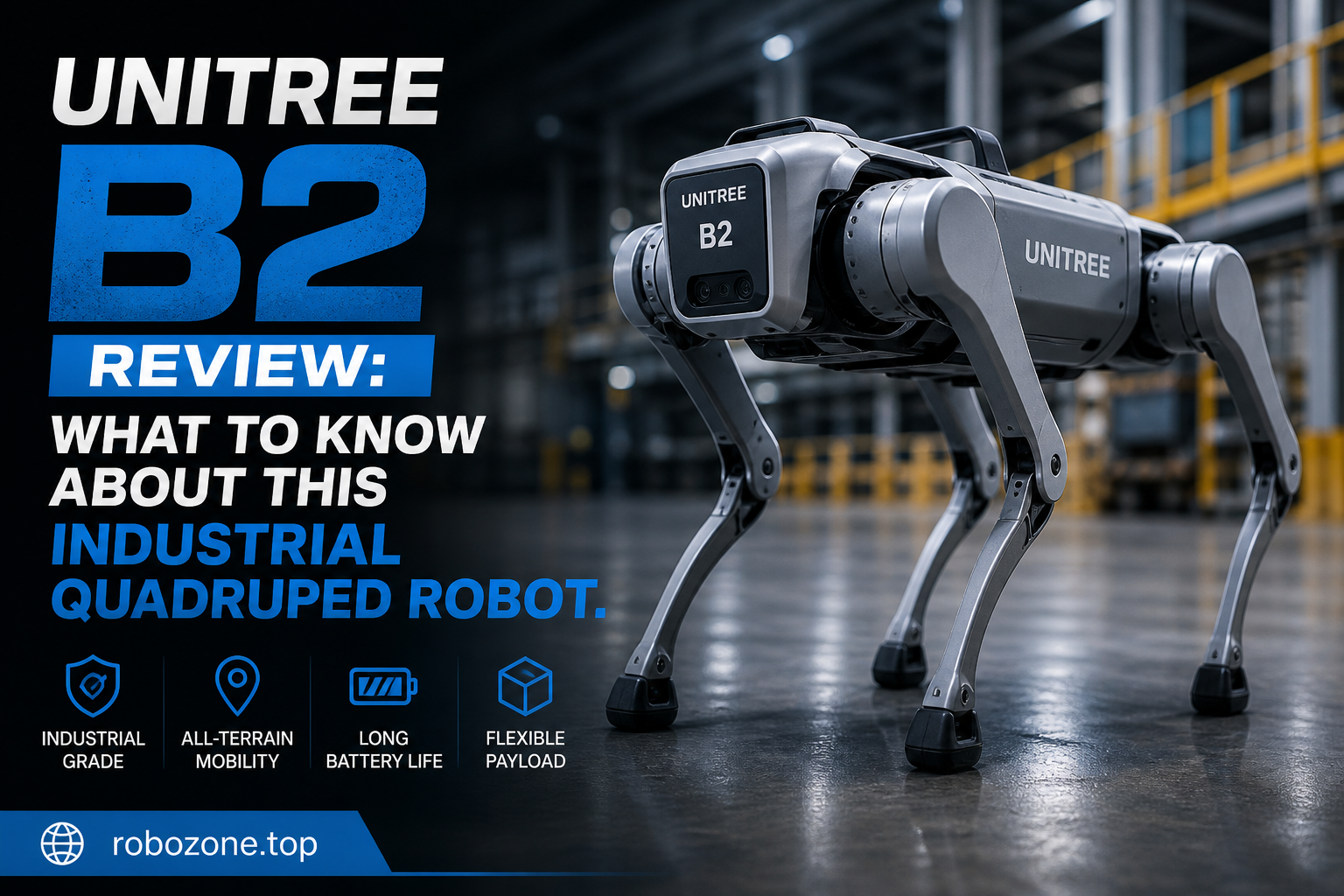
In the ever-evolving landscape of robotics, innovation often seems to leap forward in strides, much like the Unitree B2—an industrial quadruped robot that has captured the attention of engineers, scientists, and entrepreneurs alike. Known for its agility and adaptability, the Unitree B2 is more than just a machine; it’s a robust representation of how far robotics technology has come and a glimpse into what the future holds. In this in-depth review, we’ll take you through the technical marvels and philosophical questions that define the Unitree B2. Let’s dive in.
What is the Unitree B2?
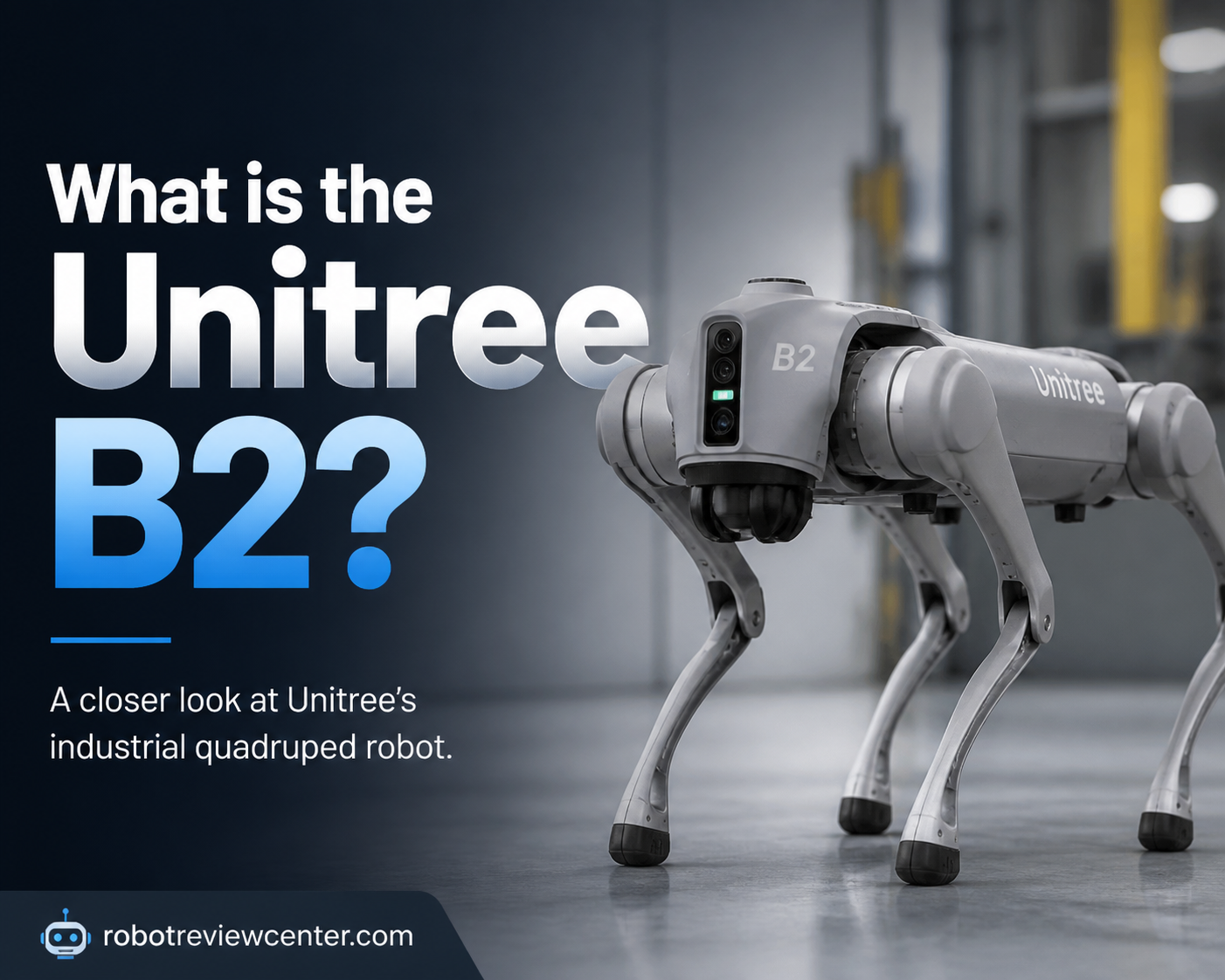
The Unitree B2 is an industrial-grade quadruped robot designed to operate across a variety of terrains and environments. It’s built by Unitree Robotics, headquartered in Hangzhou, China. The company is known for pushing the boundaries of what robots can achieve in industrial applications, focusing on advanced mobility and autonomy. At first glance, the B2 may appear to be a simple dog-like robot, but beneath its minimalist exterior lies a complex network of processors, motion sensors, and AI models that enable it to perform intricate tasks with precision.
Technical Identity and Generation
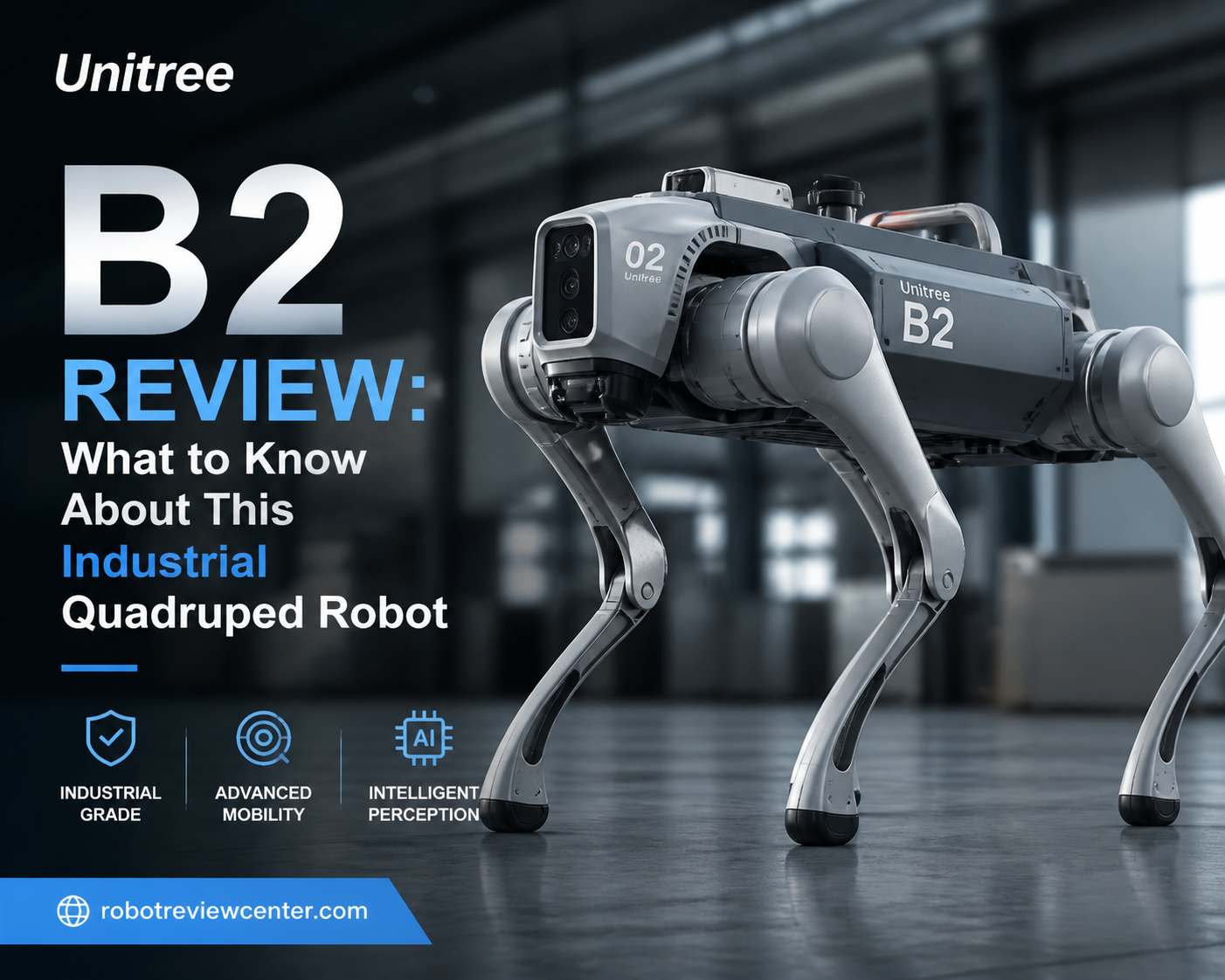
The Unitree B2 is the latest in a line of quadruped robots, succeeding its predecessor, the Unitree B1. While the B1 laid a solid foundation, the B2 builds upon it with enhanced capabilities and refined technology. It’s equipped with 12 degrees of freedom in each leg, allowing for superior agility and stability regardless of the environment. These specifications highlight Unitree’s commitment to refining their robots for real-world applications.
Powered by a high-efficiency lithium battery, the B2 can operate for up to 2 hours on a single charge, a significant improvement over earlier models. While the manufacturer claims these specs, our analysis seeks real-world verification before accepting such performance at face value.
Full Specification Analysis
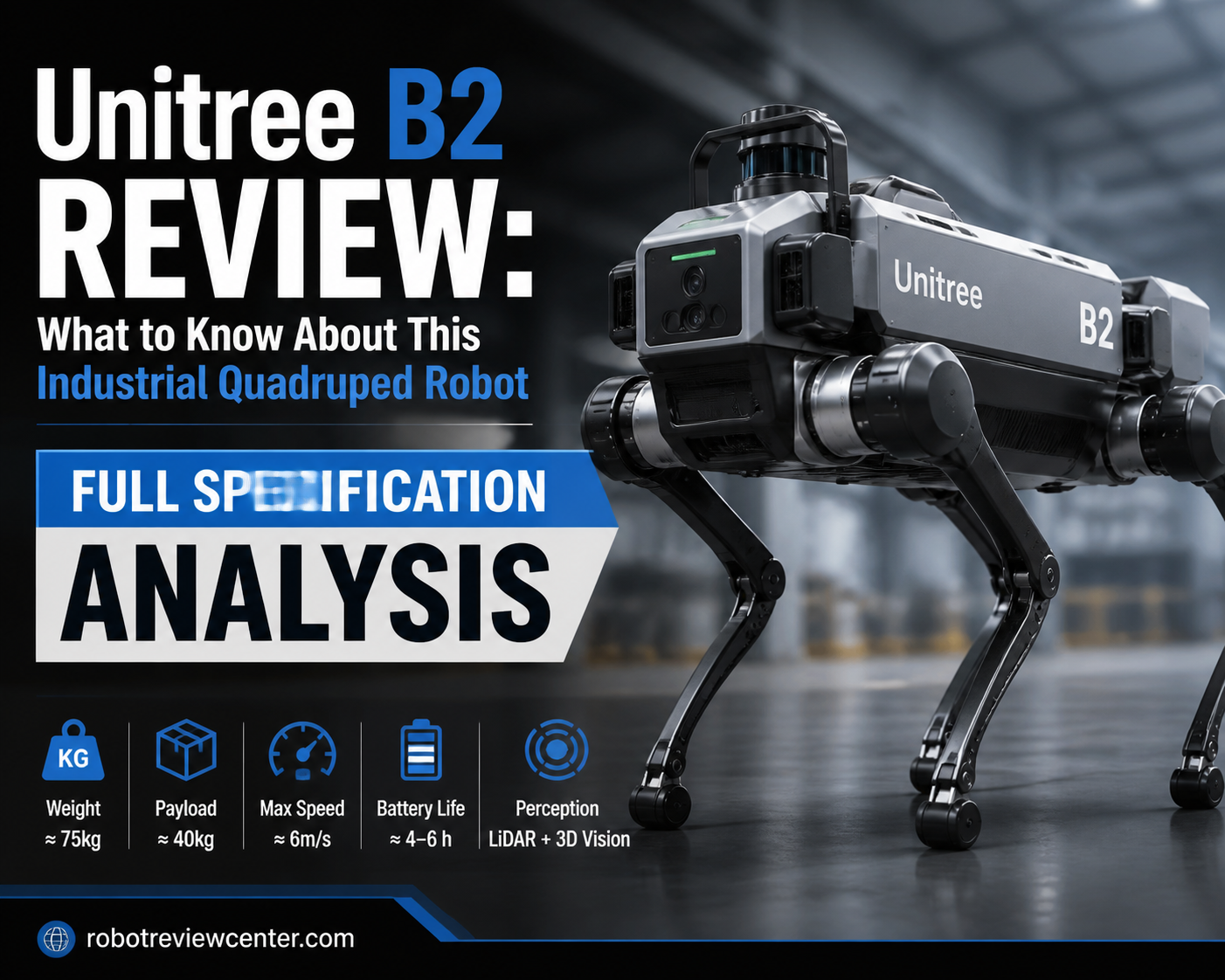
In the context of industrial applications, the Unitree B2’s specifications are impressive. Its base weight stands at 80 kilograms, making it a stable yet agile machine able to carry payloads up to 20 kilograms. The B2 is equipped with a suite of sensors, including LiDAR and stereo cameras, allowing for an expansive field of vision and enhanced real-time spatial awareness. These allow it to navigate complex environments autonomously—an essential feature for industrial robots operating under human supervision.
Unlike typical consumer-level robots, the B2 is designed to endure operational abuse common in industrial settings, such as dust, vibrations, and temperature variations. Its rugged design ensures it can withstand the stresses of a factory floor or construction site.
Brain and Compute: The Core AI Architecture
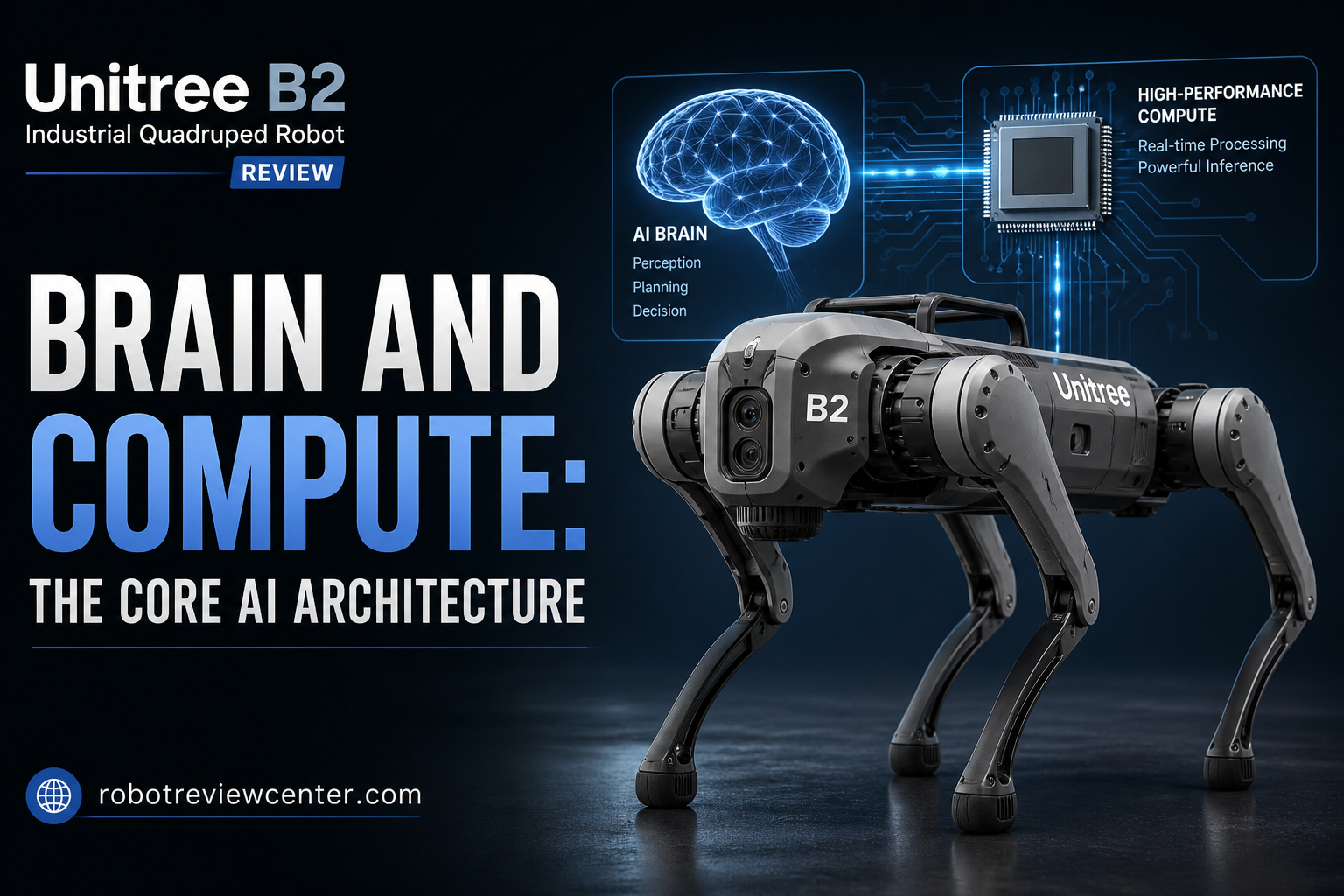
At the heart of the Unitree B2 is its sophisticated brain, powered by NVIDIA Jetson Xavier AGX chips. These chips form the backbone of its AI-driven capabilities, enabling the B2 to process vast amounts of data from its sensors in real time. With 32 TOPS (trillion operations per second) of AI computational power, the B2 can perform complex calculations and decision-making tasks swiftly.
The robot employs Vision-Language-Action (VLA) models to interpret its environment and act accordingly. This integration allows for seamless task execution, making it perfect for roles that demand adaptability and awareness. However, real-world application of these capabilities often suffers from contextual limitations, necessitating continual development and user adaptation.
Vision and Spatial Intelligence
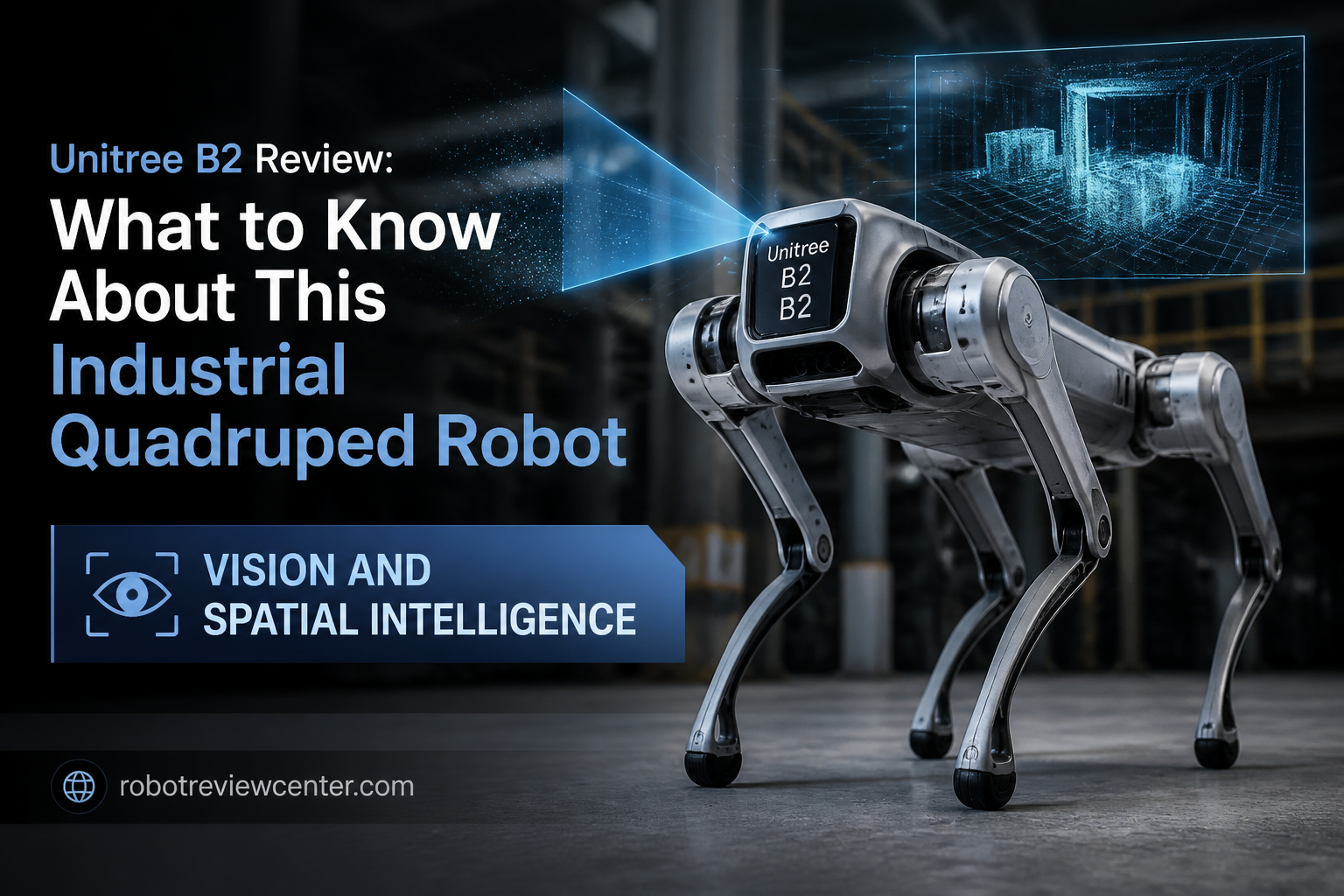
The Unitree B2 relies on a multi-faceted vision system that combines RGB cameras with LiDAR technology. This combination allows not just for the detection of obstacles but for the creation of a nuanced 3D map of its surroundings. Such mapping capability is critical for navigation and task execution in varied settings.
Through a process of SLAM (Simultaneous Localization and Mapping), the B2 dynamically adapts its paths to changing environments, making it invaluable for tasks that require high levels of spatial intelligence. This advanced understanding of space differentiates it from less sophisticated models, although the complexity of its environment can still pose challenges.
Hands and Manipulation
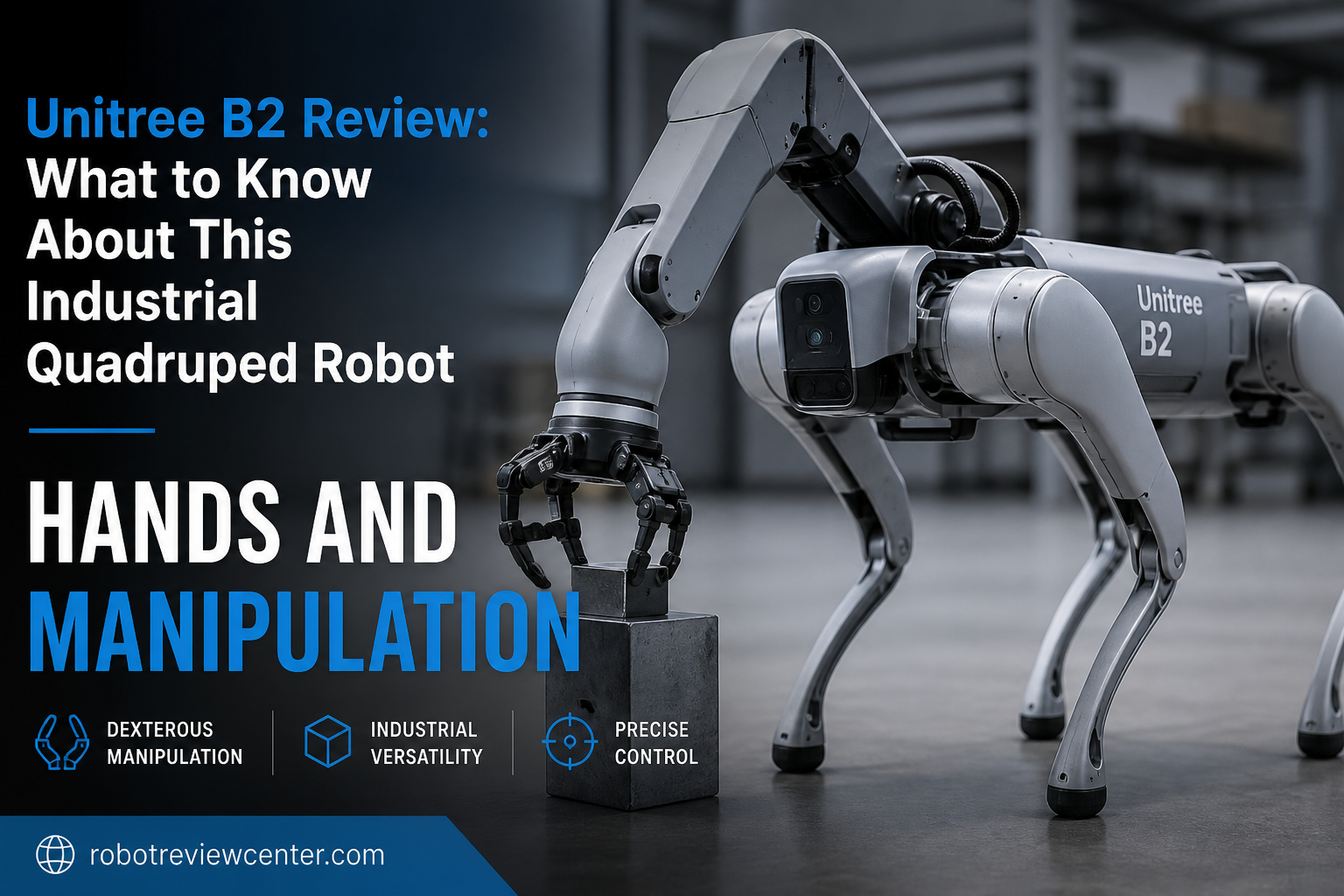
While the Unitree B2 doesn’t have manipulative hands in the traditional sense, its mobility and sensor suite function to achieve a similar end. The robot is capable of complex navigation and task completion that requires careful maneuvering. Future iterations may focus on integrating appendages for finer manipulation tasks, expanding the B2’s utility immensely.
The precision with which the B2 operates its legs can be likened to dexterous hands in action, each footstep carefully calculated to avoid hazards and coordinate multiple layers of task expectations seamlessly.
Mobility, Legs, and Balance
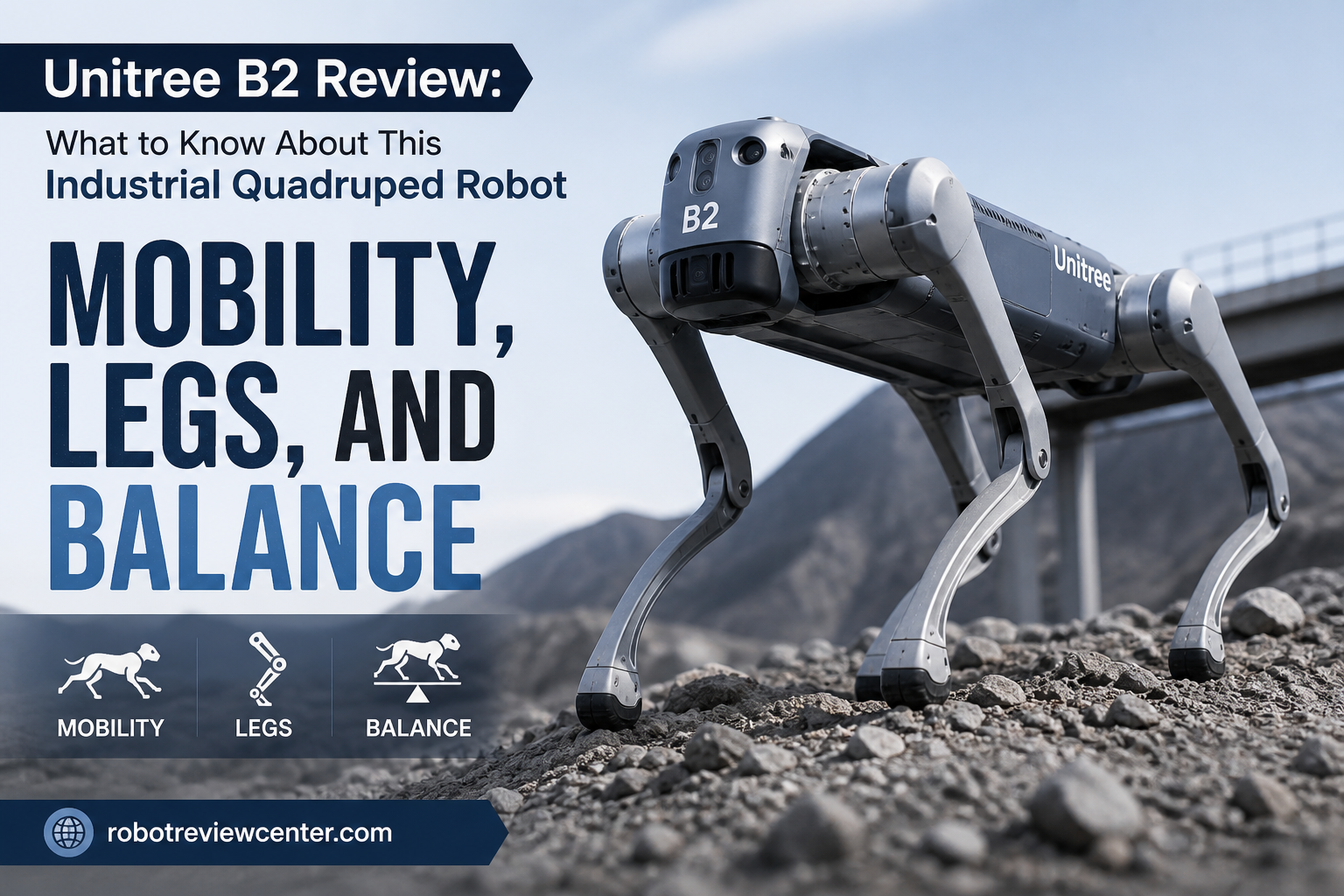
The defining characteristics of the Unitree B2 lie in its mobility and balance. Featuring four robust, dynamically balanced legs, the B2 can traverse uneven and obstacle-laden terrains—a crucial capability in industrial environments. It operates like a nimble four-legged animal, demonstrating a degree of sure-footedness that inspires confidence in its capabilities.
Each leg is equipped with force-torque sensors that accommodate real-time adjustments, maintaining balance regardless of speed or direction changes. The potential for controlled navigation in challenging conditions sets the B2 apart from many competitors, yet the ultimate test will be its longevity and reliability under continuous operation.
Real-World Applications and Verified Deployments
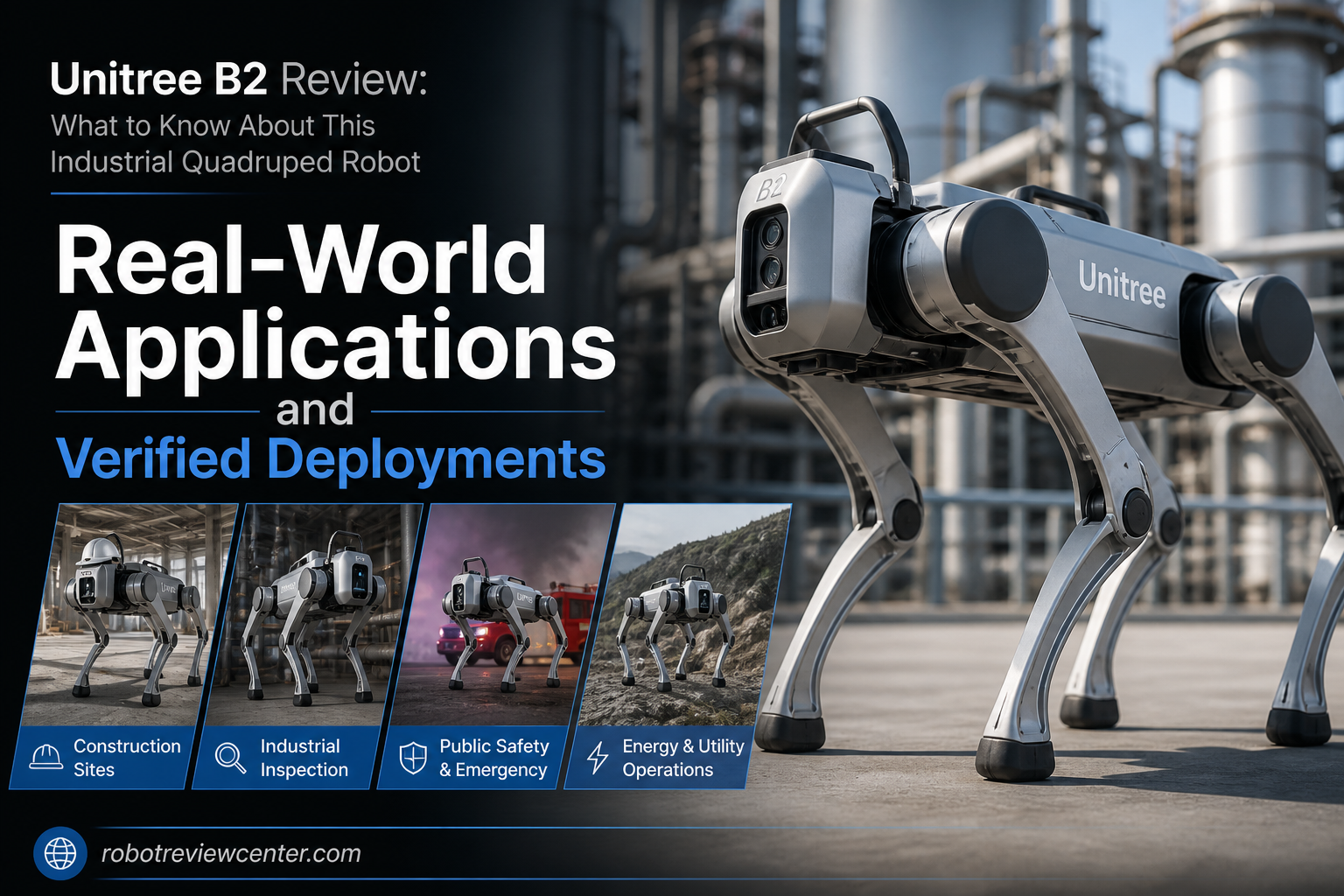
Unitree Robotics champions the B2 for a range of applications across sectors. Designed primarily for industrial use, its modes of operation include inspection, logistics, and even disaster response scenarios. Its deployment in real-world environments, however, necessitates verification of performance claims through independent observation and report.
Current anecdotal evidence suggests its use in warehouses for inventory management and in construction sites for safety inspections, but factual long-term operating data remain undisclosed. For widespread adoption, Unitree will need to provide transparent operational insights and documented case studies.
Manufacturing and Commercial Readiness
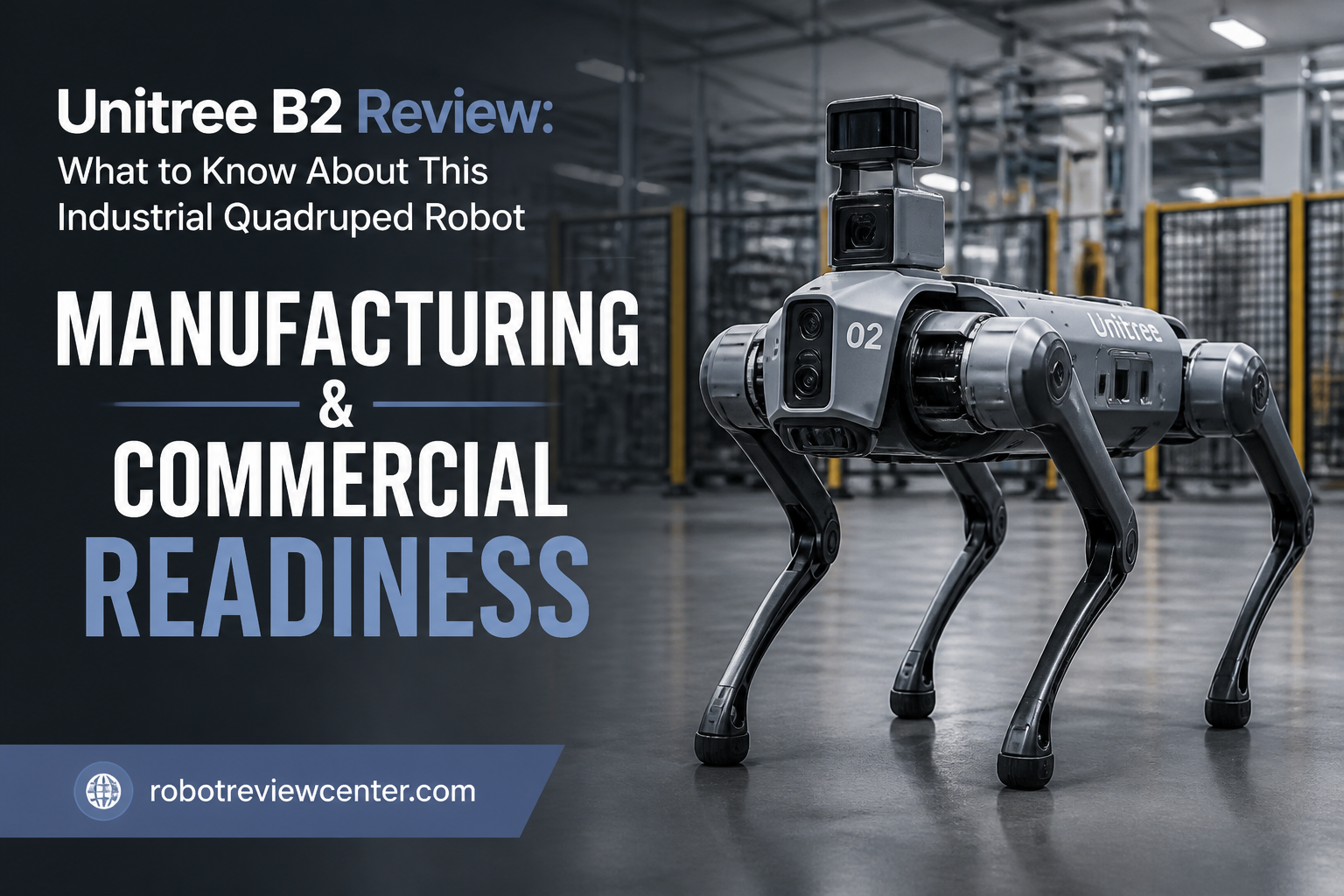
The commercial promise of the Unitree B2 will rest on its viability in fast-paced industrial sectors. Producers claim that the B2 is beyond the prototype stage, advancing into wider distribution and implementation. Yet, as industry experts know, such transitions from prototype to deployment frequently encounter obstacles ranging from manufacturing delays to integration issues.
At present, the B2 stands as a promising candidate in an increasingly competitive market; nevertheless, its long-term success will depend upon Unitree’s ability to streamline production and demonstrate sustainability in the economic model it offers to potential buyers.
Price and Economic Impact
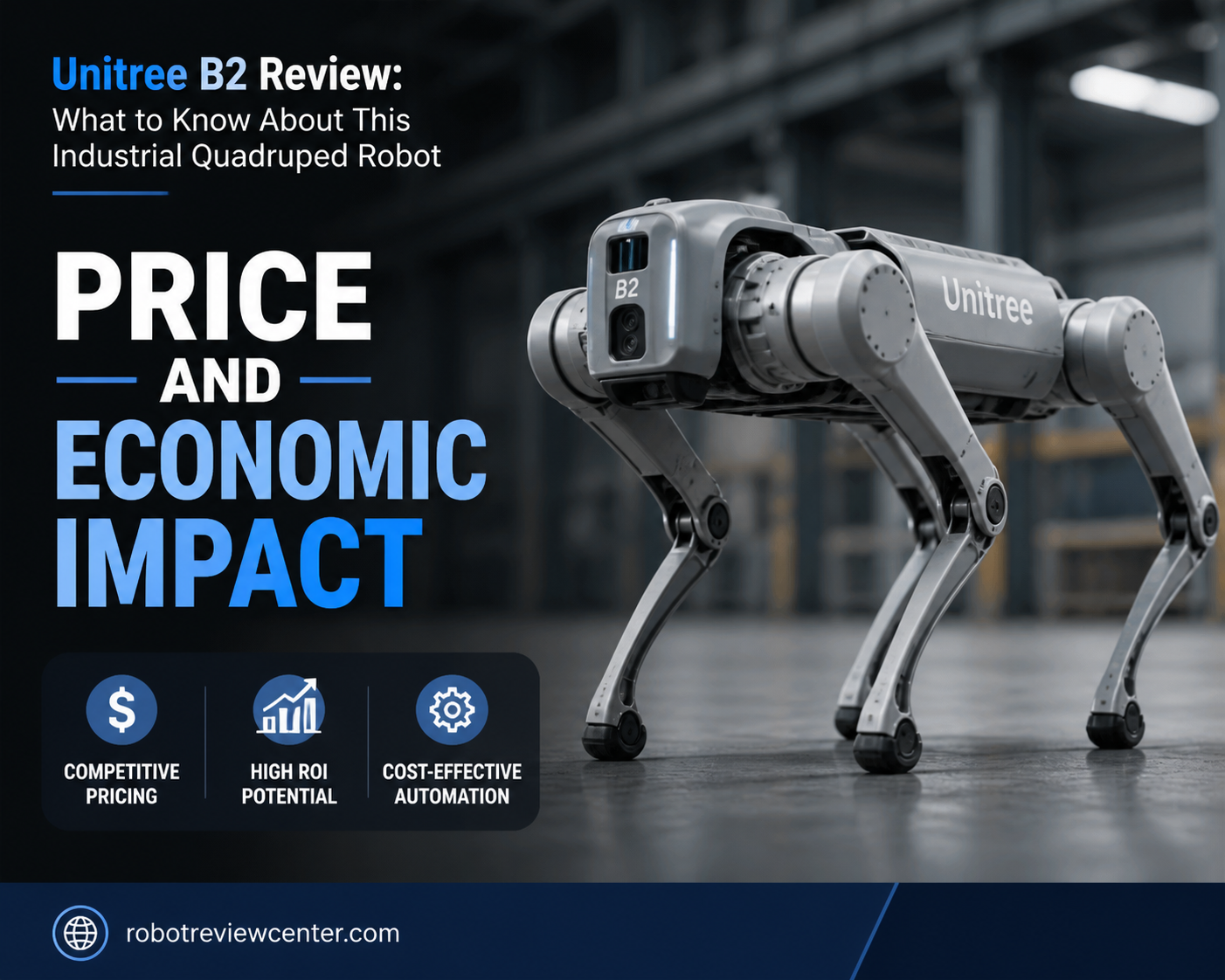
While Unitree Robotics has not disclosed an official purchase price for the B2, estimates based on its closest market comparisons place it within the competitive mid-tier bracket for industrial robots. This price positioning is crucial for market penetration and user adoption—an essential concern for industry-starting businesses facing initial budget constraints.
The economic impact of adopting such a robot is significant when considering the reduced need for human labor in specific, repetitive tasks. However, the cost-benefit analysis that each prospective buyer must undertake will hinge on a detailed understanding of total cost of ownership, inclusive of potential maintenance and support considerations.
Competition in the Quadruped Robotics Space
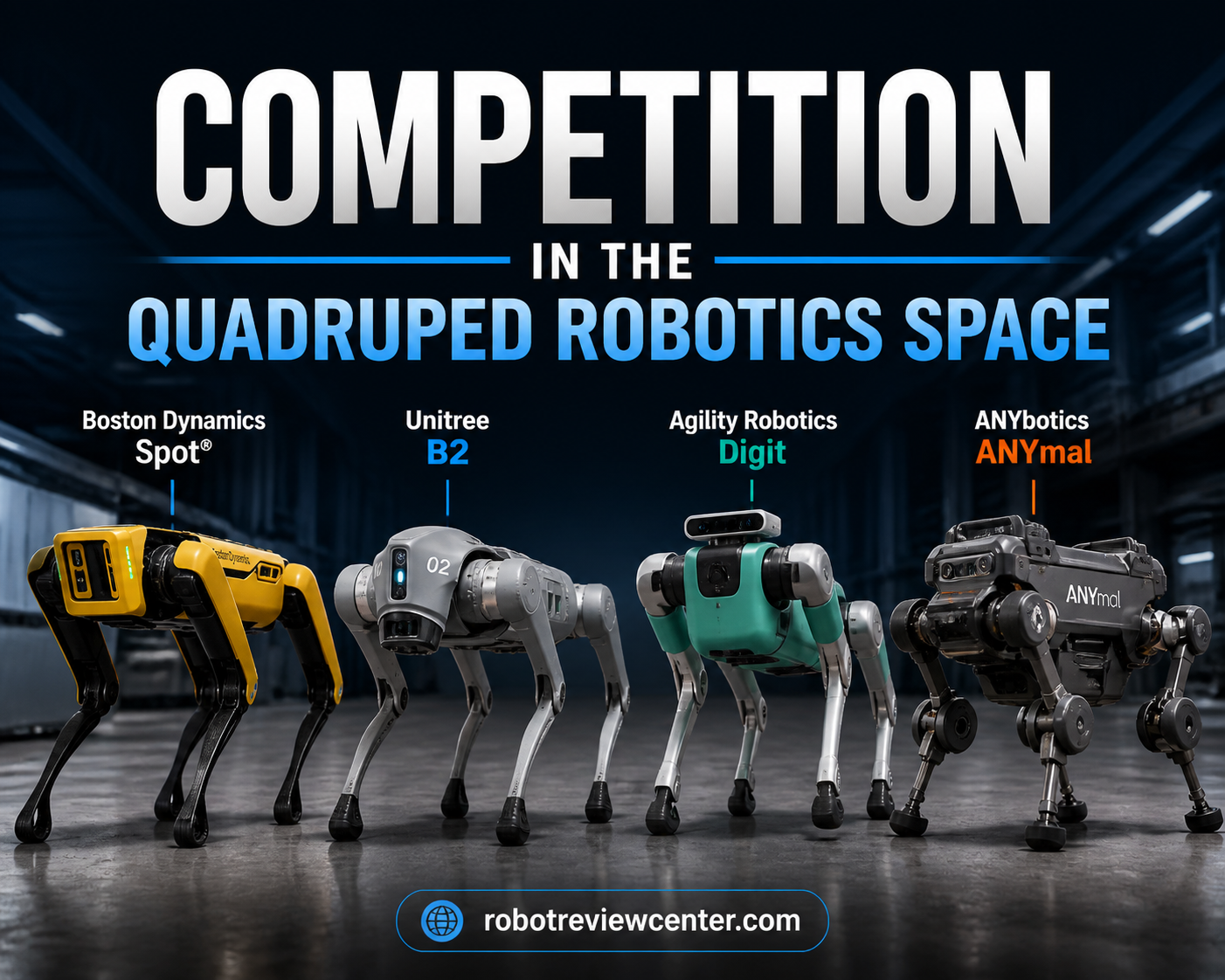
The field of quadruped robots is expanding, with major players like Boston Dynamics’ Spot and Agility Robotics’ Digit providing stiff competition. Each has its unique set of capabilities, limitations, and market strategies. Boston Dynamics leads with a keen focus on domestic applications, while Agility Robotics aims for versatility and adaptation. However, Unitree seems to anchor its ambitions directly within rugged industrial frameworks, possibly setting it apart with specialized offerings.
As competition intensifies, the pivotal factor will be each robot’s demonstrated reliability and efficiency in the field. A comparative analysis consistently showcases the importance of achieving a balance between innovative technology and practical applicability, a milestone that Unitree must meet to triumph in this rapidly shifting domain.
What Should We Really Pay Attention To?
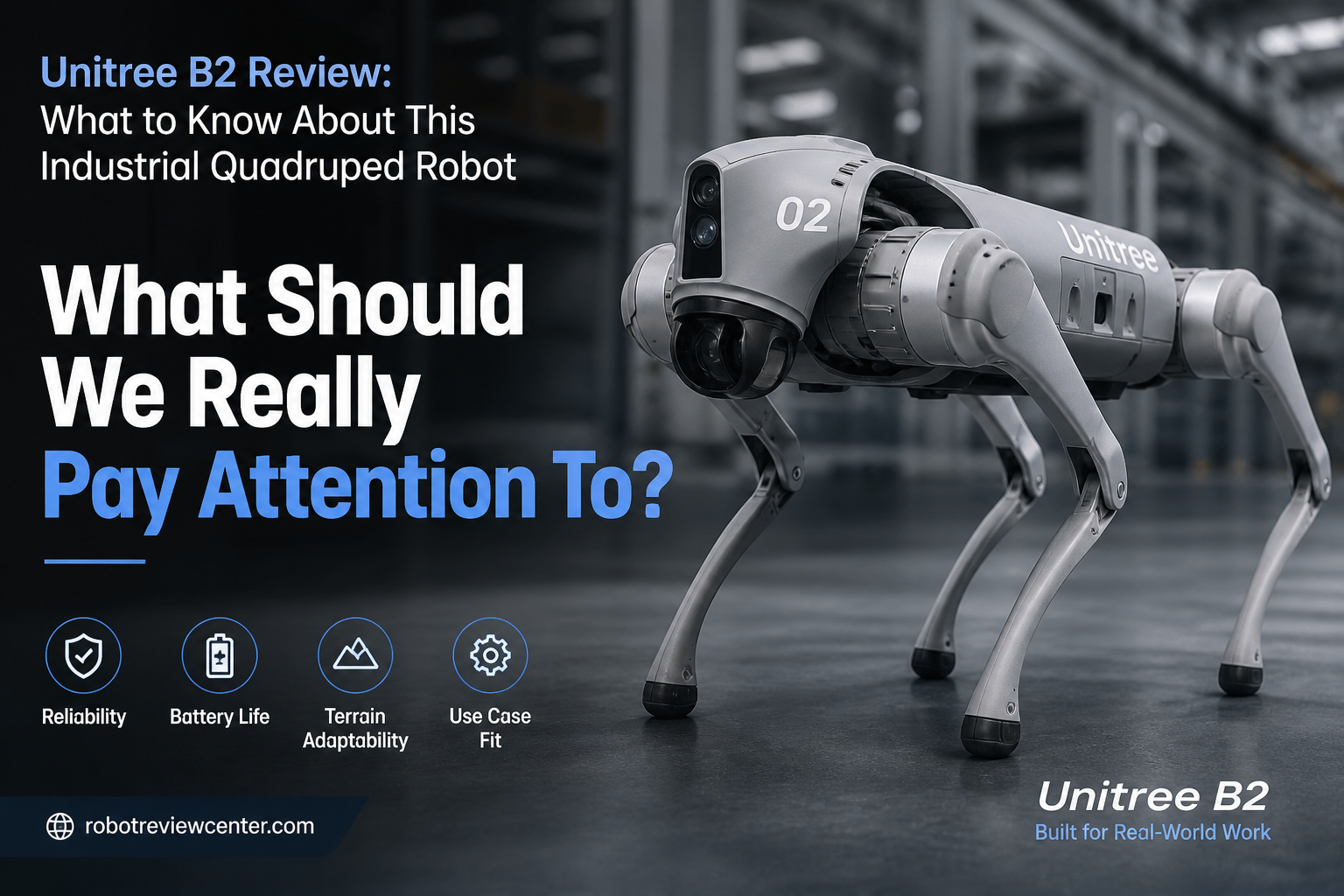
The question of what lies around the corner for the Unitree B2 is tied to broader developments in AI and robotics technology. In the next few years, there will likely be advancements in smaller, more efficient computational systems, potentially increasing the B2’s processing power while reducing its cost. Moreover, developments in AI could enhance predictive task planning and further capabilities in autonomous decision-making.
Ultimately, businesses and consumers alike should watch for key indicators such as emerging partnerships, new deployments, and documented case studies illustrating successful real-world applications. Staying informed on these issues will provide clarity about which robotics innovations genuinely deliver on their promises of efficiency and transformed operational workflows.
As we trace the path forward for robotics, it’s clear that the Unitree B2 represents a significant step—albeit with hurdles still to overcome. Challenging market dynamics, coupled with rapid technological evolution, position the B2 as both a symbol of progress and a testament to the iterative nature of technological advancement. As we observe its journey, one thing is certain: the realm of options facilitating automation and machinery is only set to expand, potentially revolutionizing the landscapes we navigate in industrial innovation.
Thomas Huynh – Admin of RobotReviewCenter.com