
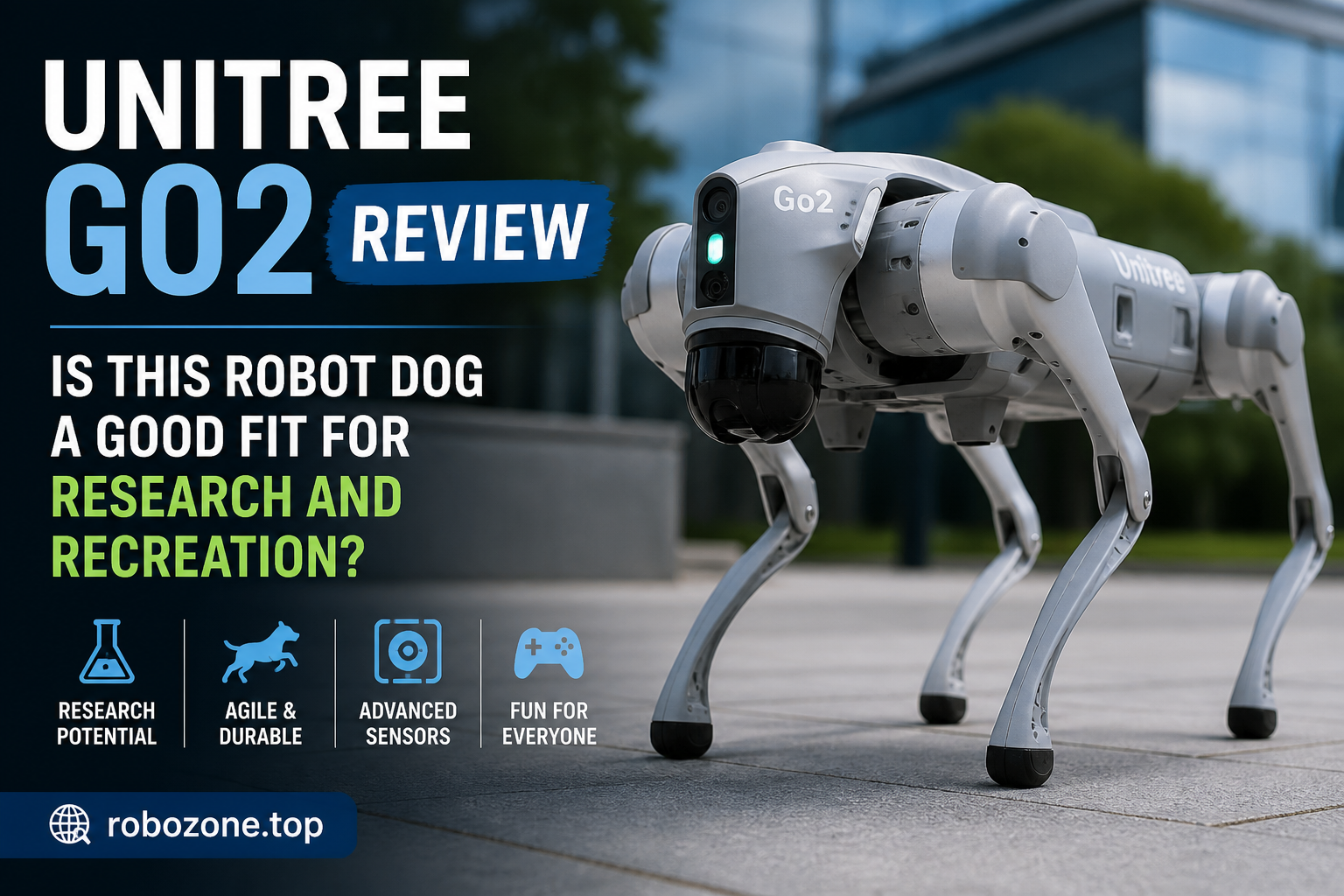
In the rapidly evolving world of robotics, companies are racing to create machines that not only push the bounds of technology but also find place in our everyday lives. Enter the Unitree Go2, a robotic dog that has sparked curiosity among tech enthusiasts and professionals alike. But the pressing question remains: is this robot dog truly a good fit for research, recreation, or perhaps even both?
What is the Unitree Go2?
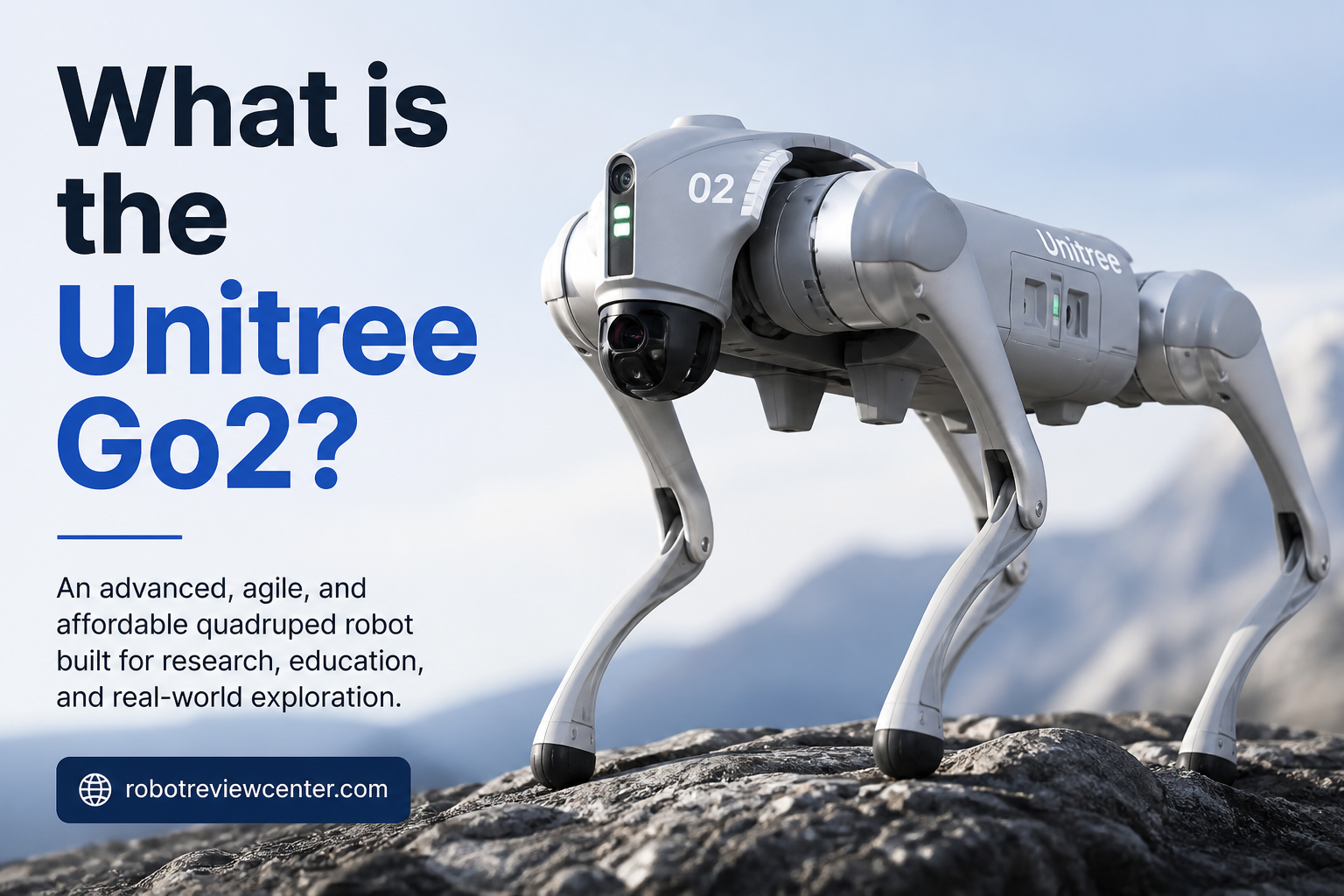
The Unitree Go2 is a four-legged robotic creation by the robotics company Unitree Robotics, headquartered in China. Positioned as a versatile companion, this robot dog combines cutting-edge technology with a design reminiscent of man’s best friend. While robotic dogs have shuffled into the global tech scene before, the Unitree Go2 stands out with its promise of adaptability across various sectors.
Unitree Robotics, since its inception in 2016, has focused on the development of legged robots. The Go2 is a testament to their continuous innovation, designed to integrate effortlessly into domestic settings, research labs, and more. But what exactly makes this robotic dog tick?
Technical Insights: Under the Hood of the Unitree Go2
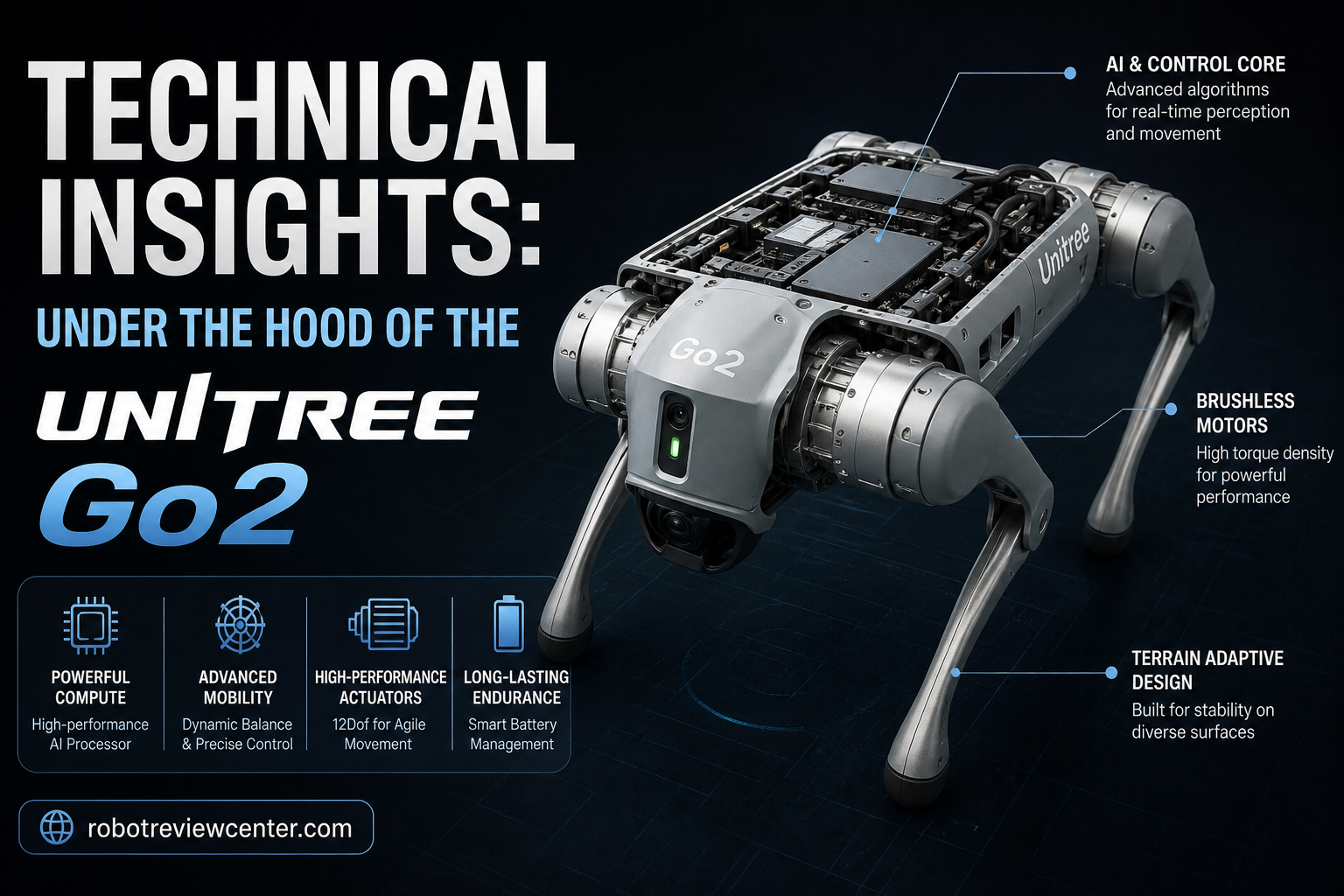
Understanding the technical prowess of the Unitree Go2 requires diving into the specifics of its build and capabilities. At the heart of this robot lies a blend of mechanical dexterity and sophisticated software.
Boasting a lightweight body, the Go2 weighs approximately 12 kg, making it manageable in various settings. It is equipped with multiple sensors including stereo cameras, which aid in accurate navigation and environmental perception. The built-in depth cameras and LiDAR further enhance its spatial awareness, enabling it to maneuver confidently without human intervention.
Powering its functions is an array of high-torque motors, ensuring swift and smooth movement across different terrains. These motors are not just responsible for movement but are central to the robot’s balance, as evidenced by its ability to climb stairs with relative ease—not something most would expect from a non-human entity. The robot’s operational brain is supported by a robust computational architecture, featuring a combination of CPU and GPU processing units designed for efficient multitasking.
With a battery life of up to 2 hours of continuous operation, the robot balances its energetic capacity with functionality. It emphasizes efficiency, ensuring tasks can be completed before needing a recharge—a crucial feature for both research and recreational applications.
Real-World Applications: From Research Labs to Recreational Spaces
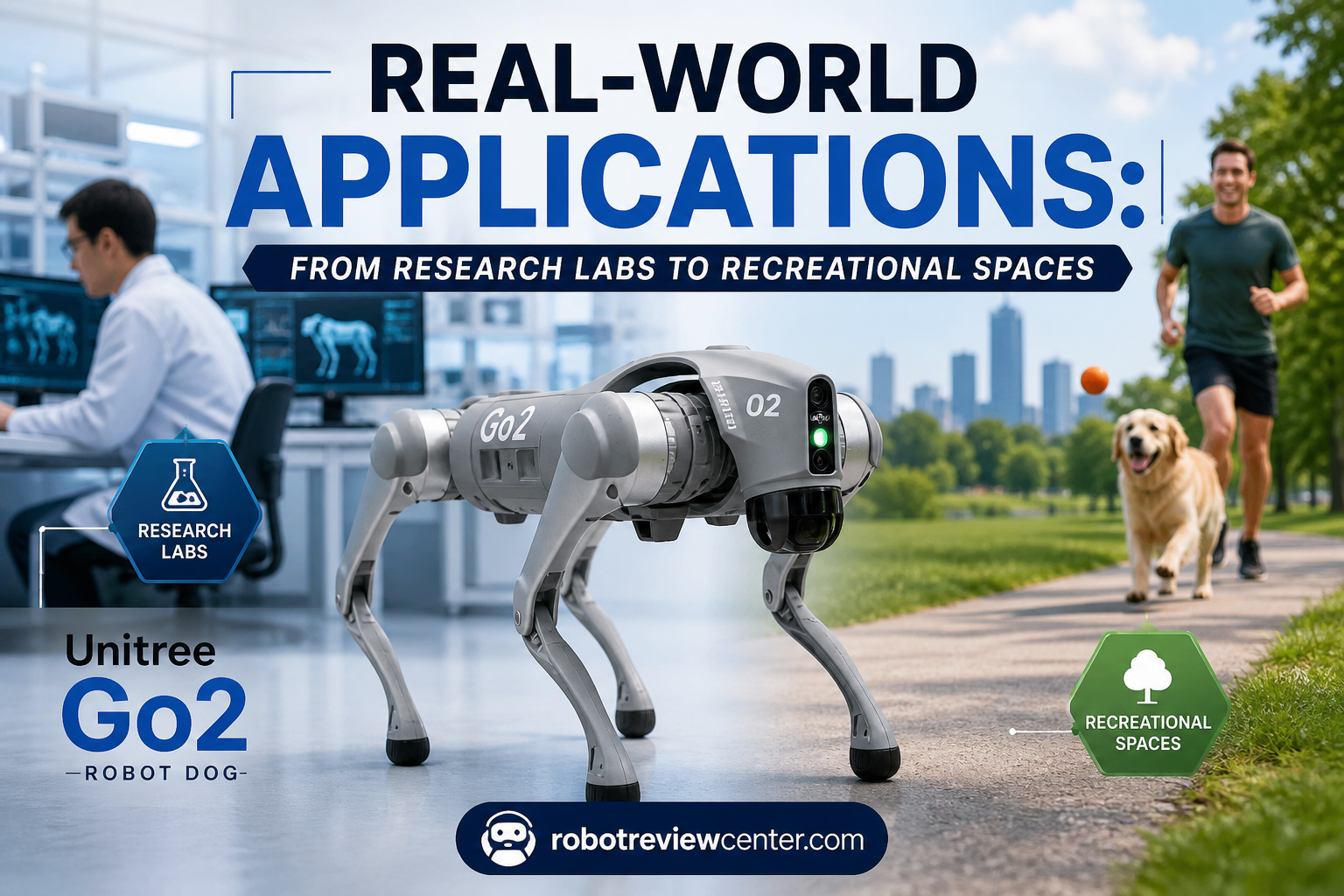
The potential uses for the Unitree Go2 are varied and enticing. In research environments, its precise navigation and interaction capabilities make it an invaluable asset. Researchers can employ it for tasks ranging from data collection to assisting in simulation studies, where machine behavior under different conditions is observed closely.
In the realm of recreation, Go2 provides a unique form of companionship. While not a replacement for a real dog, its ability to mimic lifelike movements and responses opens up avenues for human-robot interaction studies and entertainment enhancements. Picture a scenario where the Go2 collaborates in interactive games or even participates in dynamic family gatherings, turning heads and sparking conversations everywhere it goes.
Healthcare is another promising domain. Here, the robot’s non-intrusive design and reliable interaction models can support patient engagement activities or aid therapists in rehabilitation programs. These roles underline the Go2’s versatile potential beyond simple automation to contributing meaningfully in human-centric environments.
Challenges and Limitations: What Still Needs Work?
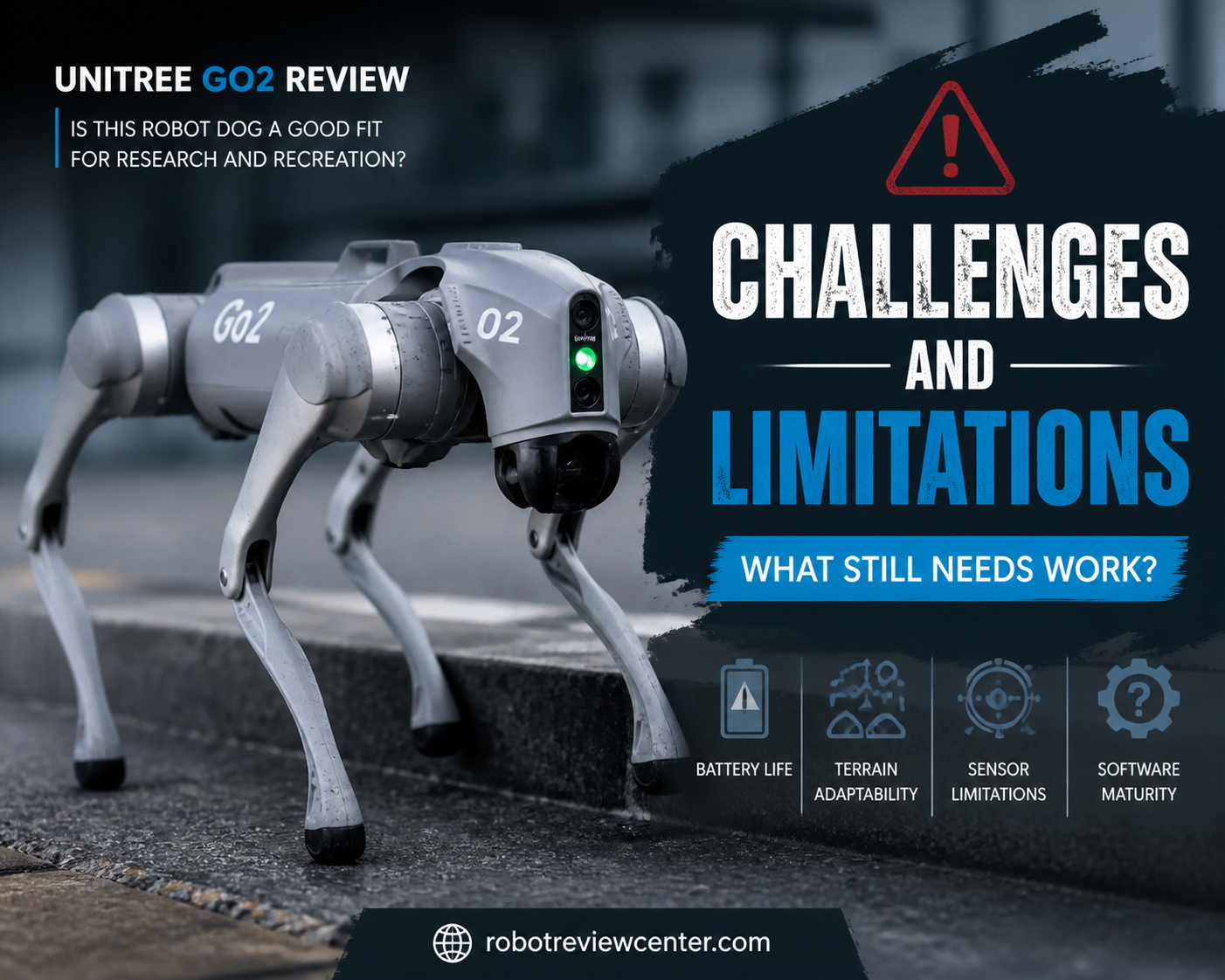
No technological marvel is devoid of challenges, and the Unitree Go2 is no exception. Despite its many capabilities, there remain hurdles that manufacturers and users alike need to address.
One of the primary concerns is battery longevity. Although a two-hour operation window is notable, prolonged activities could quickly necessitate frequent charging, which might disrupt certain applications. This limitation underscores the need for more efficient energy solutions or innovations in battery technology.
Another challenge is its adaptability in dynamic environments. While equipped with advanced sensors, the robot may struggle with unpredictably shifting landscapes or environments with complex structures. This highlights the need for continuous refinement in its spatial intelligence algorithms.
Furthermore, while user-friendly, the Go2’s effective utility in specialized tasks requires careful customization and programming—a task that may not be feasible for every potential user without technical expertise. It points to the need for more accessible user interfaces and simplified programming solutions that broaden adoption.
Market Analysis: Economic Impact and Industry Growth
The global robotics market is on an upward trajectory, anticipated to resonate well into 2025 and beyond. Legged robots, including those in the likeness of the Unitree Go2, represent a fascinating microcosm of the sector’s vast possibilities. With increasing investments in AI and mechanized solutions, the industry is poised for impressive growth.
Unitree Go2’s competitive pricing compared to its homologs—such as Boston Dynamics’ Spot—makes it a viable option for smaller labs or institutions. This pricing strategy might play a pivotal role in democratizing access to advanced robotic technology, fostering a new wave of innovations in diverse fields.
The economic implications of such robots span job creation in technology sectors, enhanced efficiency in research applications, and potentially lower healthcare costs through supportive roles in rehabilitation and patient engagement processes.
Future Predictions: Where Will Unitree Go2 Take Us Next?
Forecasting the future of the Unitree Go2 involves speculation grounded in the rapid advancements and integration trends observable today. Within the next three to five years, we could witness the Unitree Go2 feature even more prominently across various sectors.
Continued collaboration with AI advancements might see Go2 partake in more autonomous roles, executing learning algorithms that customize its interactions based on user behavior patterns. Such adaptability could see it become a more significant presence in both homes and corporate sectors, providing companionship, assistance, and data insights in equal measure.
Over the long term, partnerships with tech giants or integration into wider AI ecosystems could transform the Go2 from a curiosity into an indispensable tool, extending its applications to entertainment, frontline services, and high-density environments where efficiency is paramount.
What Do We Need to Keep Our Eyes On?
The Unitree Go2 illustrates a profound step in extending robotics into personal and professional terrains. However, as technological revolutions beckon, so too do ethical and practical considerations. The conversation around privacy, especially in sensitive fields like healthcare and residential areas, will need constant vigilance.
Moreover, as Thomas Huynh astutely notes, the pedagogy surrounding robotics must evolve parallel to innovation to ensure that both developers and end-users are equipped to handle and harness these machines responsibly.
Finally, while the Go2 marks an exciting chapter in robotics, success hinges on continued feedback loops, industry collaboration, and relentless improvement—all of which play into its long-term contribution to our techno-society.
So, where does this leave us with the Unitree Go2? As a versatile robot dog, it represents both a marvel of modern engineering and a glimpse into a more integrated future. Yet, its wider acceptance and true potential realization will depend on addressing current limitations and adapting to the evolving needs of different sectors. The story of Unitree Go2 is far from over; it is simply at the cusp of its many chapters in their dance across the realms of research, recreation, and beyond.