
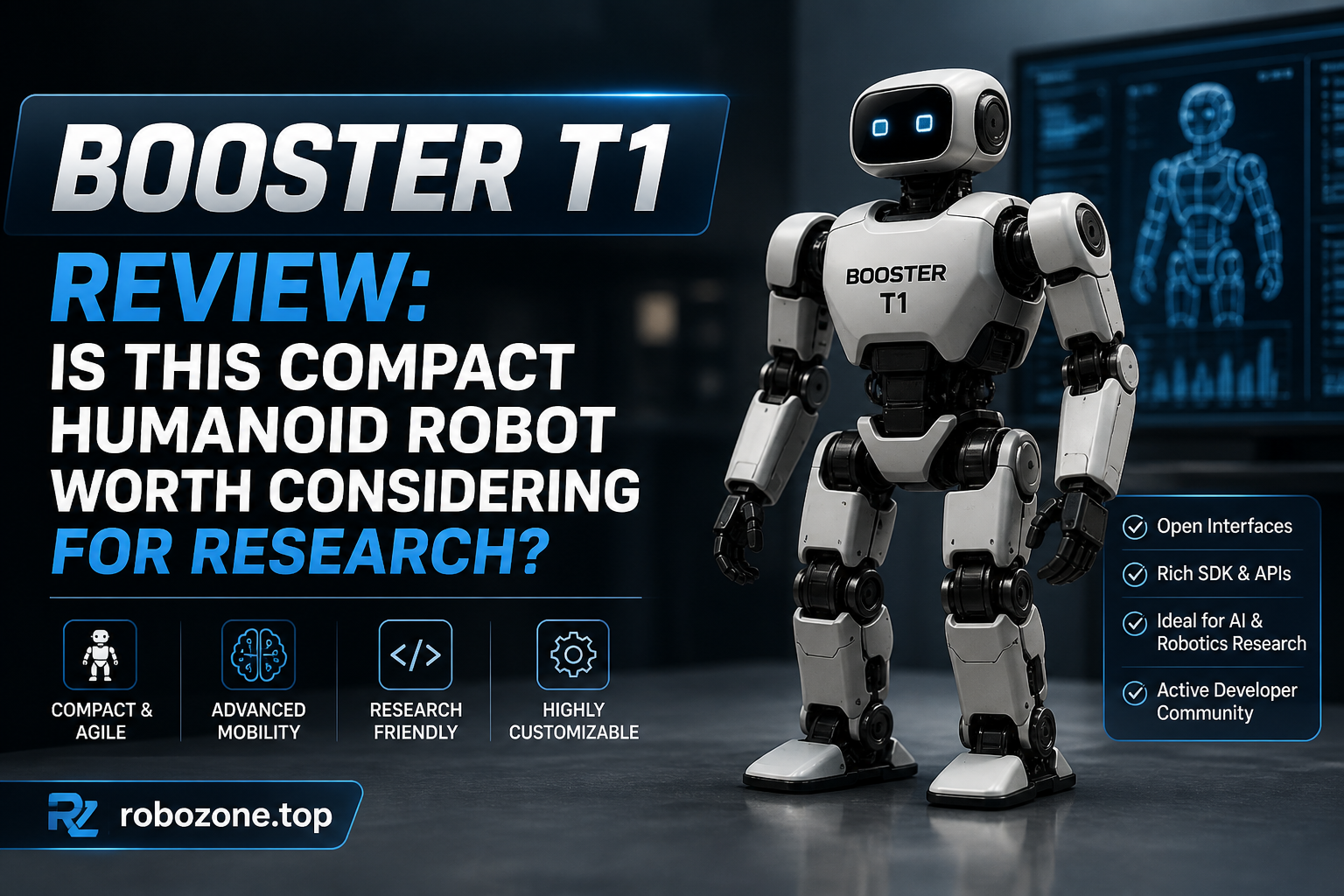
In an era where technology is often defined by its capacity to surprise, the world of robotics consistently captures our imagination. As someone who has spent a considerable portion of my career exploring this fascinating domain, I know that not every innovation delivers on its promise.
Today, we unravel the intricacies of the Booster T1, a compact humanoid robot, to understand its position within the current robotics framework. Is it just another shiny tool, or does it truly carry the potential to redefine research pursuits?
What Is the Booster T1?
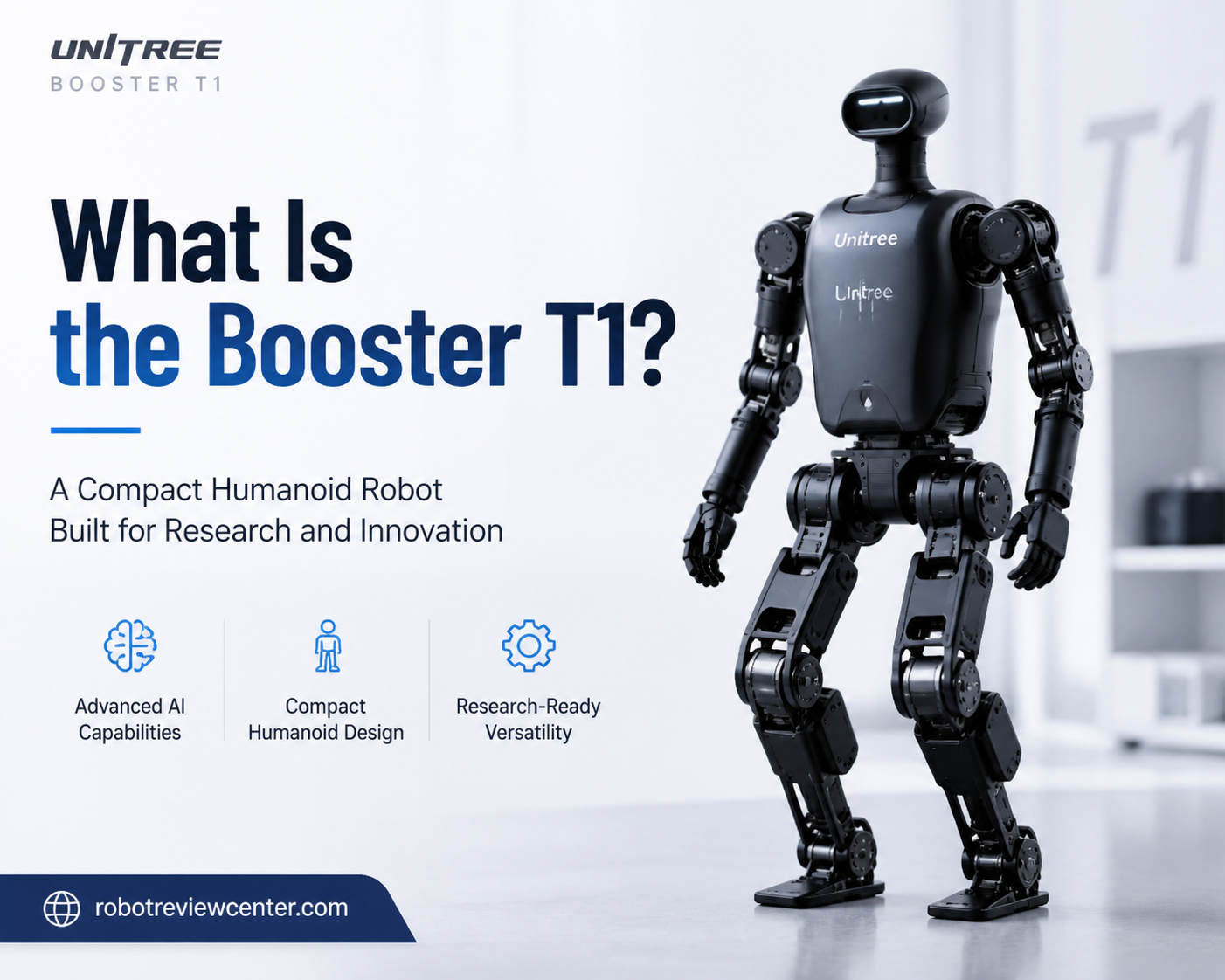
The Booster T1 emerges at a time when the blending of robotics and human endeavor is not only anticipated but demanded. Developed as a compact humanoid robot, it has been designed to simulate human actions in the most efficient manner. Standing at a modest height, its design is compact and utilitarian, supposedly adept for both research laboratories and real-world applications.
Manufactured by a company striving to make significant inroads in both academic and commercial circles, the Booster T1 aims to serve as a versatile tool in intricate research and development scenarios. Its compactness does not diminish its multitude of potential applications across various sectors.
However, the success of a robot in our technologically advancing landscape hinges upon its integration with artificial intelligence, sensory perception, and mobility. Here is where the Booster T1 promises, yet the question remains – does it live up to the hype?
Delving into the Technical Symphony
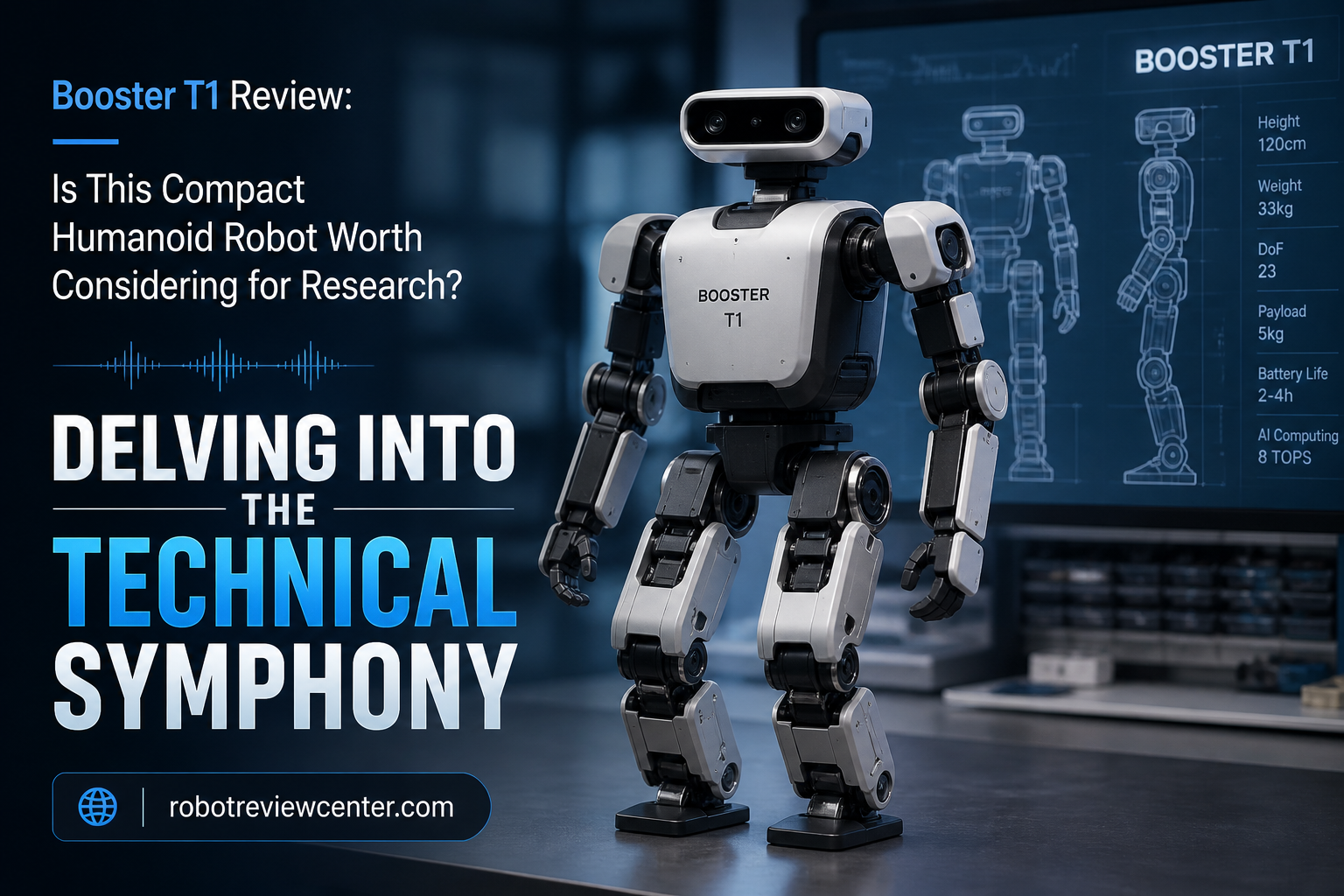
From a technical standpoint, the Booster T1 is a marvel of modern engineering, albeit with room for more substantial advancements. Boasting a myriad of sensors, it attempts to mimic human perception through a combination of RGB-D and stereo cameras. This is complemented by a series of tactile and force sensors that allow it to interact with objects and environments with a degree of finesse.
In terms of processing power, the Booster T1 smartly utilizes NVIDIA’s cutting-edge chips, showcasing the increasing importance of parallel computing in robotics. With a software ecosystem built on ROS (Robot Operating System), it embraces open-source approaches, inviting developers to experiment and expand its capabilities.
With all its technological prowess, the distinctions between the theoretical capabilities and what the robot actually demonstrates must not blur. Companies often tout AI models integrated as groundbreaking, yet without substantial evidence, such as independently verified benchmarks, these claims should be approached with healthy skepticism.
Real-World Applications: Vast Yet Unproven
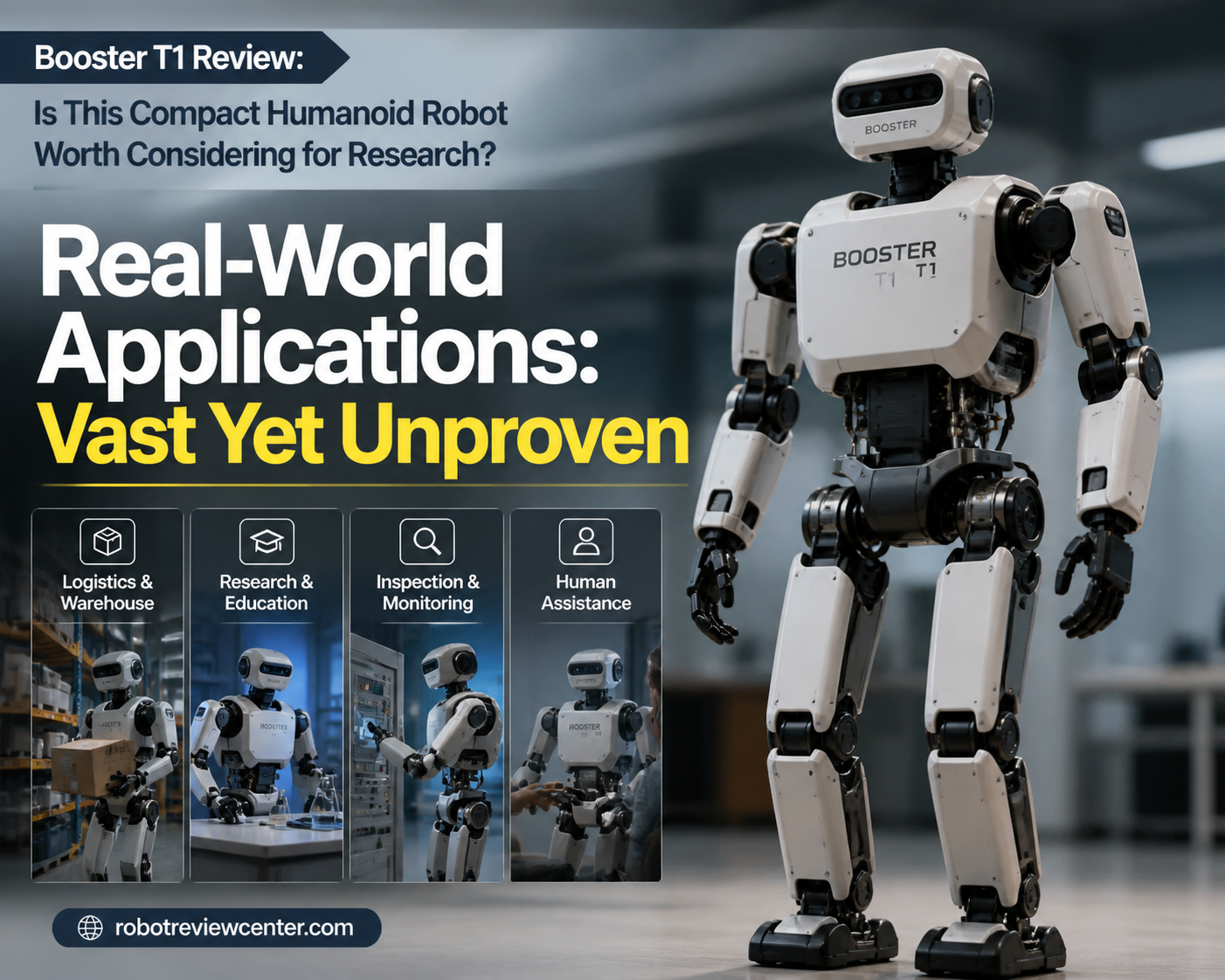
There is no doubt that humanoid robots capture our imagination when it comes to potential applications. The Booster T1 seems to be fit for roles in education, simulating environments where learners can directly engage with technology. Its mobility and interaction capabilities suggest suitability for elder care as well, a sector that considers companion robots as assets in environments where human resources are limited.
In medical research and healthcare, the robot’s precision and adaptability can hypothetically be used in therapeutic practices, bridging gaps where human intervention might pose risks. Its use in industrial settings, however, remains in exploratory stages where automation demands far exceed the robot’s current capabilities.
While the narrative of real-world application remains compelling, details on verified deployment scenarios remain sparse. Many optimistic visions persist in academic papers, yet real-world implementations are often isolated cases or pilot projects.
A Peek Into the Competitive Landscape
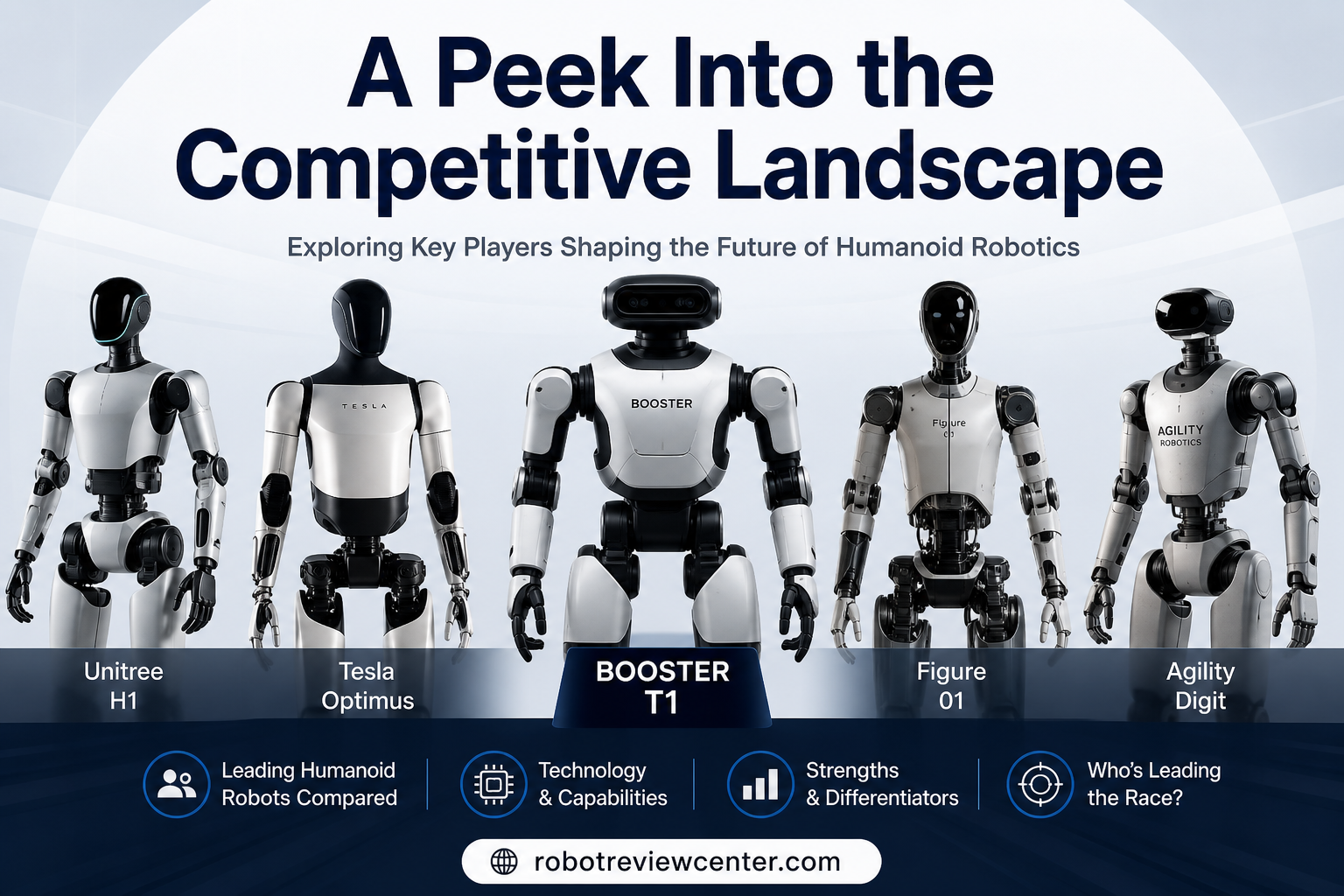
In the realm of humanoid robots, Booster T1 finds itself amidst competitors like Boston Dynamics’ Atlas and Agility Robotics’ Digit. Each of these robots carries unique abilities that cater to different segments of humanoid robotics. Boston Dynamics’ models are often celebrated for their robustness and real-life deployments. Meanwhile, Agility Robotics emphasizes flexible mobility interspersed with dexterous manipulation.
Comparatively, the Booster T1’s strength lies in its compact design and theoretically versatile application. Yet, industry veterans like Thomas Huynh would argue that in a world brimming with exaggerated marketing, independent validation of technological prowess is more critical than ever.
Competing in such a landscape demands not only technological sophistication but also strategic partnerships, for which the Booster T1 needs to demonstrate more concrete collaboration with academic and industrial stakeholders.
Challenges Amidst Optimistic Forecasts
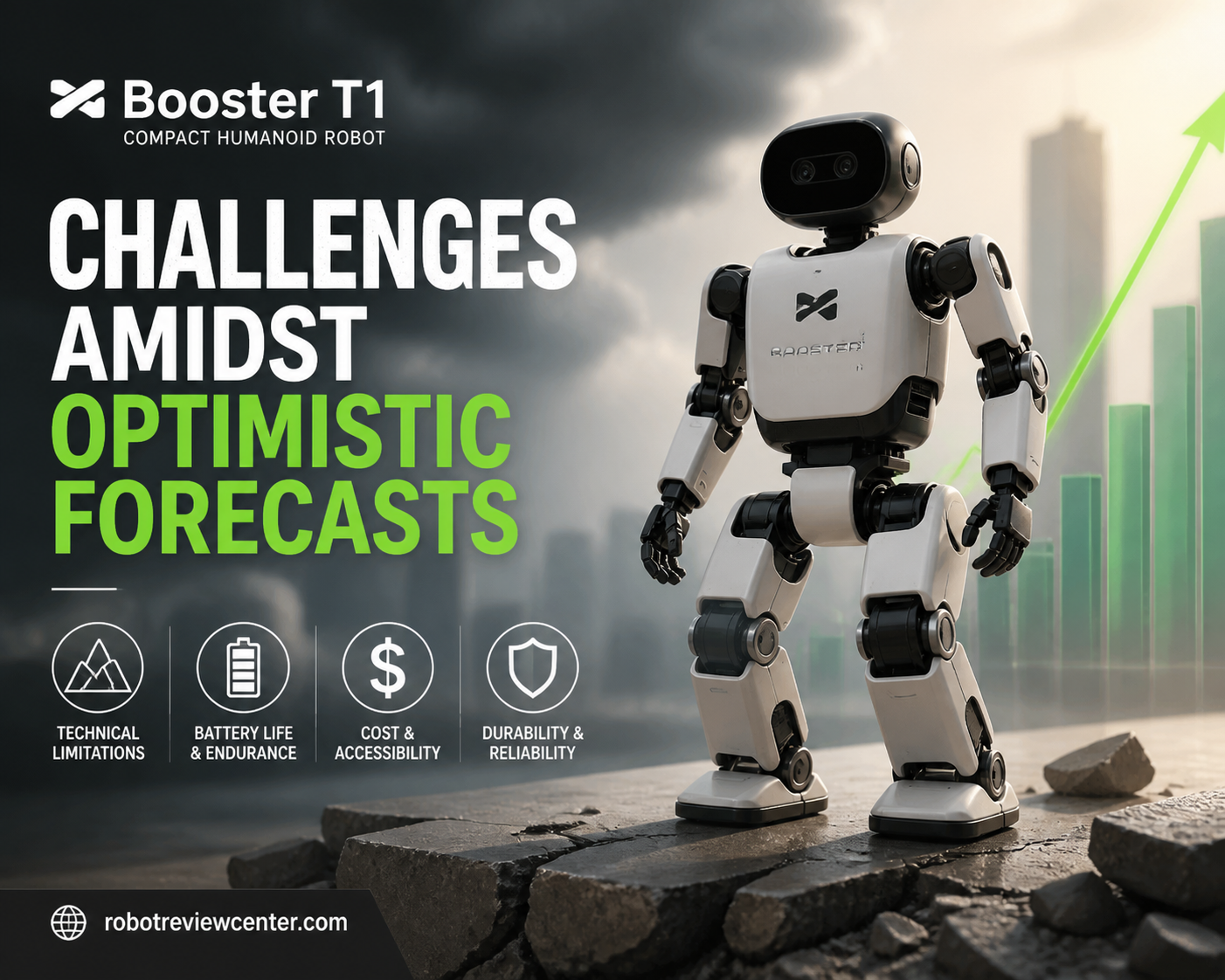
The road to integrating humanoid robots like Booster T1 into routine research processes is fraught with technical and operational challenges. Despite advanced AI models and sensors, these robots still struggle with dynamic environments where minute human decisions lead to varying contextual challenges.
For instance, interpreting human emotions or anticipating unforeseen variables in real-time remains a task where human instinct reigns supreme. Moreover, there’s the logistical aspect: operational uptime, realistic battery life, and proactive maintenance remain crucial challenges yet to be perfected.
In addition, the economics surrounding research robotics are convoluted. Large-scale investment does not always equate to substantial outcomes, a paradox well-known within circles of applied research.
To give credit where it’s due, models like the Booster T1 imbue hope and pave ways for incremental improvements, iterations that promise to fix what’s lacking today.
Where Does This Leave Us?
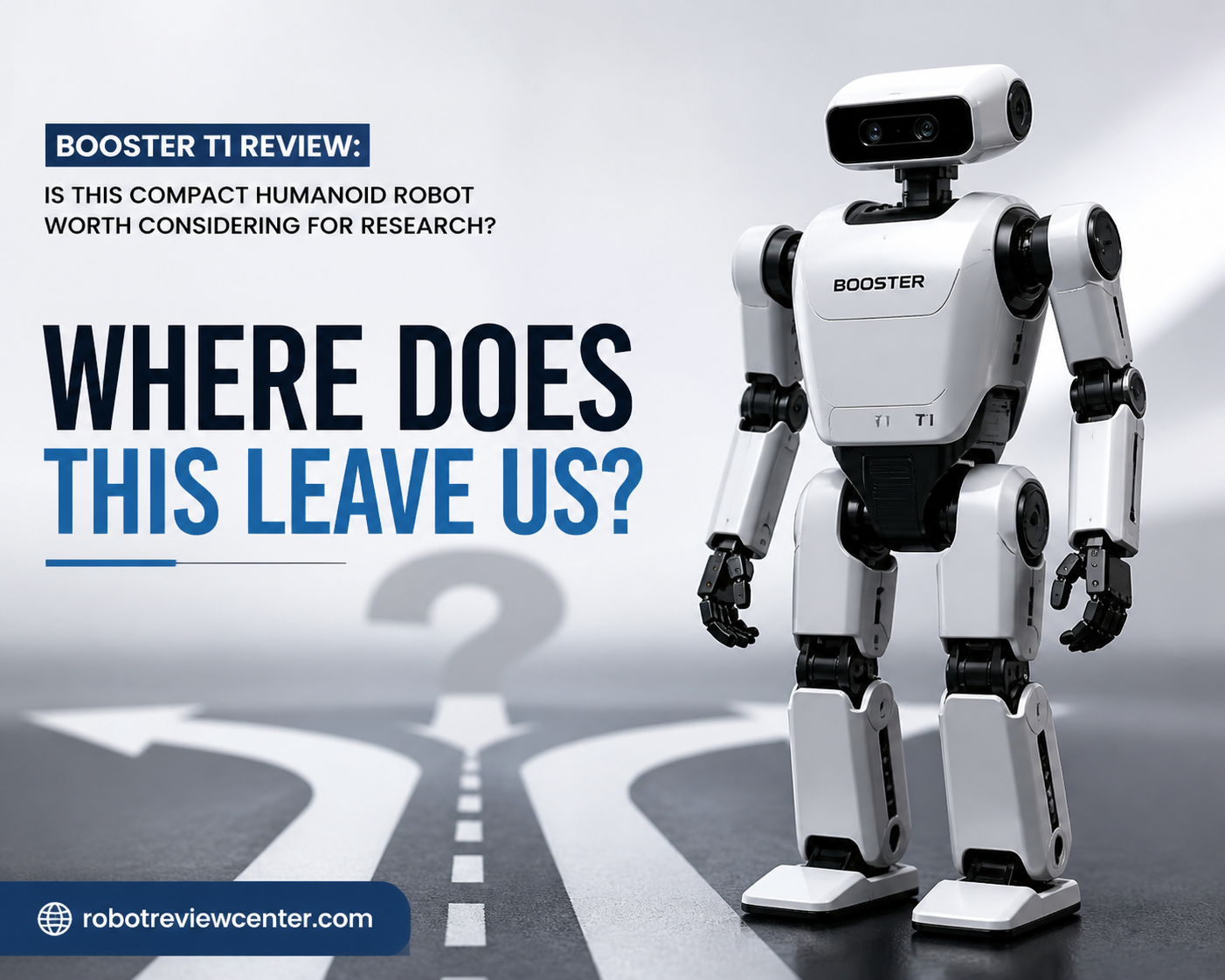
We’ve pulled apart the Booster T1 layer by layer, poised at a juncture where robotics is set to transform industries in unprecedented ways. As technology journalist Thomas Huynh often opines, “This is where things get interesting.” The current trajectory suggests further investments into making robots more autonomously reliable, agile, and in tune with human nuances.
As we cast our gaze forward, the challenge is to continue bridging the gap between promise and performance, ensuring that the Booster T1 can evolve from being merely a remarkable concept to a proven real-world icon.
To those charting the roadmap for the next years, the strategic imperative lies in nurturing symbiotic relationships between human intelligence and robotics, attending to uncharted territories that the Booster T1 and its contemporaries are yet to conquer.
In conclusion, the Booster T1 embodies a compact embodiment of opportunity: steadily paving its way in research with potential seas of capability yet to be explored and validated.
Thomas Huynh – Admin of RobotReviewCenter.com